• Link to X
  • Link to Facebook
  • Link to Instagram
  • Link to TikTok
  • Link to Youtube
  • About
    • About Us
      • President
      • Board of Directors
      • Board of Advisors
      • Financials
      • Our Methodology
      • Success Tracker
      • Contact
  • Act Now
    • 30 Ways to Help
      • Email Congress
      • Call Congress
      • Volunteer
      • Courses & Certificates
      • Be a Donor
    • Internships
      • In-Office Internships
      • Remote Internships
    • Legislation
      • Politics 101
  • The Blog
  • The Podcast
  • Magazine
  • Donate
  • Click to open the search input field Click to open the search input field Search
  • Menu Menu

Archive for category: Global Poverty

Key articles and information on global poverty.

Children, Global Poverty, Hunger

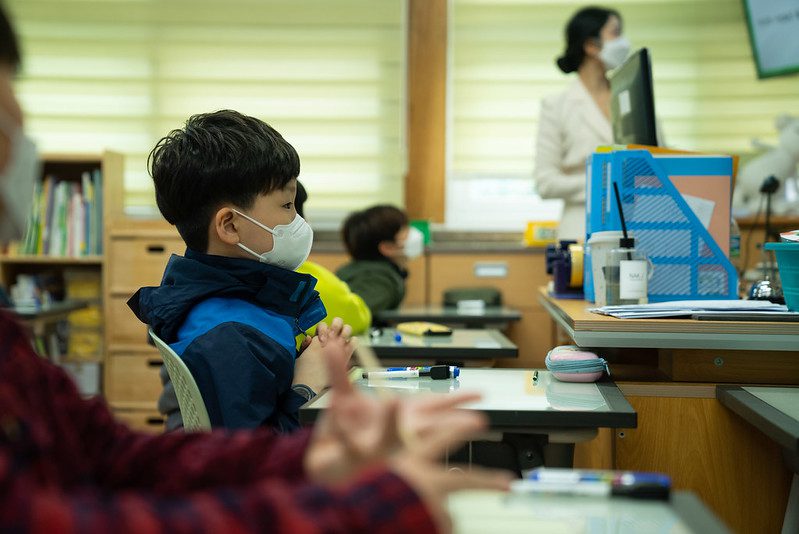
Addressing Hunger and Trauma Among Rohingya Children

Hunger and Trauma Among Rohingya ChildrenIn the world’s largest refugee settlement in Cox’s Bazar, Bangladesh, the crisis impacting the Rohingya children is double-edged: widespread hunger and deep psychological trauma. The good news is that proven, scalable solutions range from community-run nutrition services to play-based mental health support. With sustained funding, addressing hunger and trauma among Rohingya children is not a slogan; it’s an achievable goal.

Keeping Children Alive With Integrated Nutrition Services

UNICEF and its partners operate Integrated Nutrition Facilities within the camps. There, children below the age of 5 are routinely weighed and measured, screened with MUAC colour tapes and put on treatment plans. In 2021, these facilities treated 6,923 children suffering from severe acute malnutrition.

The organization exceeded its annual target, providing ready-to-use therapeutic food, deworming treatments and follow-up care. It also offered counseling for parents on breastfeeding and complementary feeding, reaching 14,000 pregnant and lactating mothers with infant and young child feeding support. Indeed, these cost-effective, life-saving services are making a real difference.

Restoring Food Rations and Protecting Nutrition Budgets

When rations are cut, hunger spikes quickly. New International Rescue Committee (IRC) data reveal that between 2022 and 2023, the number of Rohingya refugees without adequate food jumped from 44% to 70%. Nearly half of young children displayed physical signs of malnutrition and fewer than one in six children ate three meals daily.

Restoring rations to prior levels and ensuring predictable funding would immediately blunt wasting and protect child development, whilst addressing hunger and trauma among Rohingya children.

Healing in Crisis

A large randomized controlled trial tested BRAC’s Home-Based Humanitarian Play Lab (HPL), which offered weekly peer-led sessions for Rohingya mothers and children under 2. The program significantly improved mothers’ mental well-being. It enhanced children’s developmental outcomes through simple, low-cost activities led by trained Rohingya “Mother Volunteers.” In settings where specialist care is scarce, HPL provides a practical, scalable way to deliver psychosocial support.

Similarly, BRAC’s broader Humanitarian Play Lab approach is home-based for ages 0–3 and centre-based for ages 3–5. It creates safe, culturally rooted spaces where trained Rohingya Play Leaders guide activities. These activities build language, problem-solving skills and resilience. Furthermore, evaluations in Cox’s Bazar show gains in children’s development and improvements in maternal mental health. The model is now being adapted to other countries, offering the kind of community-powered intervention donors can scale.

Furthermore, child-friendly spaces run with UNICEF support give children predictable routines to play, learn and feel safe. This is critical in protecting them from toxic stress. These hubs are also entry points for early learning, protection, nutrition and health services referrals.

Nutrition + Mental Health = Better Outcomes

None of these solutions works in isolation. In December 2021, UNICEF Bangladesh reported that one-third of Rohingya children under 5 were stunted due to poor diets and repeated illness. Combining nutrition services with caregiver counseling and play-based psychosocial support multiplies impact, helping children recover physically while stimulating their brains for long-term learning and well-being. Trained Rohingya community members are already delivering this integrated package.

– Arabella D’Aniello

Arabella is based in Toronto, Canada and focuses on Good News and Technology for The Borgen Project.

Photo: Flickr

September 2, 2025
https://borgenproject.org/wp-content/uploads/borgen-project-logo.svg 0 0 Lynsey 2 https://borgenproject.org/wp-content/uploads/borgen-project-logo.svg Lynsey 22025-09-02 01:30:512025-09-01 11:18:27Addressing Hunger and Trauma Among Rohingya Children
Global Poverty, Nonprofit Organizations and NGOs, War

Reducing Poverty in Ukraine: From Nonprofits to IKEA

Poverty in UkraineWith ongoing humanitarian threats and a national focus redirected toward wartime efforts following Russia’s illegal 2022 invasion, Ukraine is experiencing a rise in poverty.

Poverty in Ukraine

Despite recent negative trends, Ukraine’s national poverty decreased from 2016 through 2021, with poverty levels of 51.1% declining to 20.6%, according to the United Nations Economic Commission for Europe. With the help of sustained economic growth, increased income, improvements in the labor market and government policies, Ukraine ensured a reduction in poverty.

Once the war began in 2022, government policies and initiatives, including the Household Budget Surveys (HBS), were canceled because of disruptions and the need to consolidate funds. According to the Ministry of Economy of Ukraine, the government implemented a program to modernize state statistical methods and initiatives, including the HBS, reinforcing Ukraine’s commitment to the United Nations’ Sustainable Development Goals through 2030.

With these and other poverty-reducing policies now on hold, continued international support and donations are imperative to help reduce poverty in Ukraine.

National Organizations Supplying Donations

  1. Razom for Ukraine. This is a nonprofit that uses international donations to reduce poverty in Ukraine and support those affected by the war. Its goals include delivering supplies to medics and civilians and promoting education and advocacy to build public support for international policies backing Ukraine. Donations have provided hygiene and first aid kits for families in war-devastated areas, supplies for field medics and repair kits for damaged homes. According to Razom for Ukraine, these items, together with broader support programs, help communities facing violence hold onto hope for a future with reduced poverty and recovery from the impact of Russia’s invasion. Razom for Ukraine partners with other nonprofits and organizations to deliver humanitarian aid across multiple sectors. One example is its collaboration with Building Ukraine Together, highlighted by CEO Dora Chomiak in an interview with Columbia University’s “Journal of International Affairs.” This partnership helps physically and figuratively rebuild households so Ukrainians can improve living conditions despite large-scale destruction. Through international donations, Razom for Ukraine reduces poverty by strengthening communities and expanding access to jobs and education.
  2. Nova Ukraine. Another nonprofit that sends international donations to reduce poverty in Ukraine and improve Ukrainians’ well-being is Nova Ukraine. Nova Ukraine shares similar goals with Razom for Ukraine, focusing on humanitarian aid and raising awareness. Its volunteers work on supplying resources and aid, running outreach programs and supporting refugee initiatives, with some volunteers based in Ukraine.Like Razom for Ukraine, Nova Ukraine partners with other organizations to extend aid to those in need. One such partnership is with UNICEF USA, which focuses on supporting children and families in Ukraine. Helping families directly and supporting children from devastated communities enables current and future generations to persevere. This creates stronger ties and a unified front in rebuilding Ukraine during and after the war.

IKEA’s Humanitarian Aid for Ukraine

IKEA, a Swedish furniture and home goods company, has taken steps, along with partners, to address the humanitarian issues that arise from the war. After Russia’s initial invasion in 2022, IKEA halted exports and imports to Russia and Belarus. Additionally, IKEA and its partners have donated millions of dollars to aid organizations, hoping to support services and individuals in Ukraine impacted by the war.

These donations also support medical organizations and allow medics and doctors in Ukraine to receive modern equipment, improving the country’s medical system. These supplies benefit civilians, enlisted military and members of international aid organizations near and at the frontlines, maintaining direct humanitarian aid for Ukraine.

Within IKEA, the Ingka Group, a retail partner, donated furniture, toys and other goods for displaced families and Ukrainians fleeing the nation at the start of the war. The donations were crucial for supplying UNICEF with the necessities of housing and caring for individuals and added humane relief for children. IKEA and its partners help reduce poverty in Ukraine by supporting organizations that assist refugees while creating and preserving jobs and livelihoods for Ukrainians in need.

– Avery Kachmarsky

Avery is based in Los Angeles, CA, USA and focuses on Business and Politics for The Borgen Project.

Photo: Flickr

September 2, 2025
https://borgenproject.org/wp-content/uploads/borgen-project-logo.svg 0 0 Lynsey 2 https://borgenproject.org/wp-content/uploads/borgen-project-logo.svg Lynsey 22025-09-02 01:30:452025-09-01 11:23:51Reducing Poverty in Ukraine: From Nonprofits to IKEA
Education, Global Poverty, Indigenous Peoples

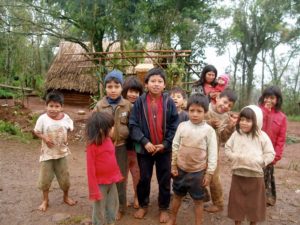
Indigenous Education in Brazil

indigenous education in brazilIndigenous people make up just 8% of the population in Latin America, but make up 14% of the poor and more than 17% of those living on less than $2.50 a day in the region. Education is an important tool to address this problem, but indigenous people across the region have a lower school attendance rate than their non-indigenous counterparts. They have a lower attendance rate in both primary school and in college/university.  In 2019, Indigenous people’s enrollment in college/university was 32 points lower than that of non-indigenous people in the region.

This difference is bigger in countries such as Brazil, which have small, diverse, and scattered indigenous populations. As of 2010, 83% of indigenous children ages 6 to 11 attended school compared to 97% of non-indigenous children in that age range. For children between the ages of 12 to 18, 74% of indigenous children attended school compared to 84% of non-indigenous children, according to the World Bank. Indigenous children living in urban areas are more likely to be attending school than indigenous children living in rural areas. Further, indigenous women tend to have attended fewer years of school than indigenous men.

Indigenous Education in Brazil

Indigenous education in Brazil has gone through several phases. The first phase was pre-colonial. The second phase started in the 16th century when the Portuguese colonized the land and people. The goal of the phase was to assimilate indigenous people and impose on them Western values and Christianity. Phase three started in the late 18th century. Its main goal was to integrate indigenous people into society as laborers. Phase four started in the 1970s as indigenous people mobilized for their rights.

Brazil approved a new constitution in 1988 that recognized indigenous identities and the right they have to maintain them, and that the Brazilian State must protect the cultural manifestations of indigenous communities. It also gave indigenous people the right to intercultural, specific, differentiated, and bilingual school education.

Today, there are about 305 different Indigenous peoples living in Brazil, making up around 1.7 million people, or 0.8% of Brazil’s population. About half of them live outside of the Amazon rainforest. There are more than 150 languages in Brazil, and almost all Brazilians speak Portuguese. White people have completed two and a half years more of education than indigenous Brazilians. The language of instruction in primary public schools is usually Brazilian Portuguese, although schools in some regions also use indigenous languages. Although indigenous people have a constitutional right to use their own languages and learning methods in schools, only a few states and cities have incorporated native languages.

This is important not only because it is a right but also because in the region as a whole, the more years of education an indigenous person has, the less likely they are to speak their native language, the World Bank reports.

Indigenous Schools in Brazil

Indigenous schools are educational institutions located in indigenous villages and territories, run by indigenous people and guided by their customs and traditions. The Federal Ministry of Education offers indigenous school education, which differs as it is basic education that teaches both non-indigenous and indigenous knowledge. Indigenous schools have four main principles, according to a University of Florence article. They exclusively serve indigenous communities, teaching is in their native language, it is located on indigenous land, and they organize themselves and what they teach.

As of 2020, there are 3,359 indigenous schools in Brazil, with most students (166,546) being in the elementary level, according to a University of Florence article. Indigenous schools provide a type of education that mixes formal education standards with indigenous culture and knowledge, allowing indigenous children to both navigate Brazilian society and stay close to their history and community.

Affirmative Action in Brazil

In 2003, a university in Brazil implemented affirmative action for the first time. By 2011, 115 different public universities had enacted some kind of affirmative action policies. In 2012, the Supreme Court of Brazil ruled that affirmative action policies were constitutional. That same year, the Brazilian Congress passed a law requiring all federal higher education institutions in the country to implement affirmative action policies. The law requires public universities to reserve half of their places for students from public schools, ensuring an equal proportion for mixed-race, Black, and indigenous students. This had a large effect on indigenous education in Brazil.

Affirmative action has been crucial for indigenous students. It has helped increase the number of indigenous people going to university. Something especially important given that historically, universities in Brazil have underrepresented indigenous people. Students who enter university through affirmative action have educational results very similar to students who do not, according to Federal University of Rio de Janeiro (UFRJ) article. A case study of one university found that as of 2018, the dropout rate among students who entered through affirmative action was 38.1% compared to 31.8% of students who entered through general admission.

The Future of Indigenous Education in Brazil

Brazil made significant progress in indigenous education, but further improvements are still necessary. Many indigenous schools lack quality teaching equipment and underfunded infrastructure. There is also a lack of quality training for indigenous teachers. Especially for indigenous women, as they are disproportionately unrepresented among the number of indigenous teachers.

As for higher education, affirmative action has helped indigenous people get into university. Once universities admit indigenous students, they often underserve them. There is a need for specialized mental health services, more awareness about indigenous students among administrators, and a diversification of what is taught to include indigenous perspectives, according to a UFRJ article. There is also a need for more indigenous professors. Further, because many indigenous students come from lower-income families, there is a need for financial aid, especially given that lack of sufficient finances is one of the main reasons students drop out.

– Axtin Bullock

Axtin is based in Georgetown MA, USA and focuses on Technology and Global Health for The Borgen Project.

Photo: Flickr
September 1, 2025
https://borgenproject.org/wp-content/uploads/borgen-project-logo.svg 0 0 Naida Jahic https://borgenproject.org/wp-content/uploads/borgen-project-logo.svg Naida Jahic2025-09-01 07:30:562025-08-31 14:36:22Indigenous Education in Brazil
Economy, Gender Wage Inequality, Global Poverty

Poverty Reduction in Serbia: Supporting Marginalized Groups

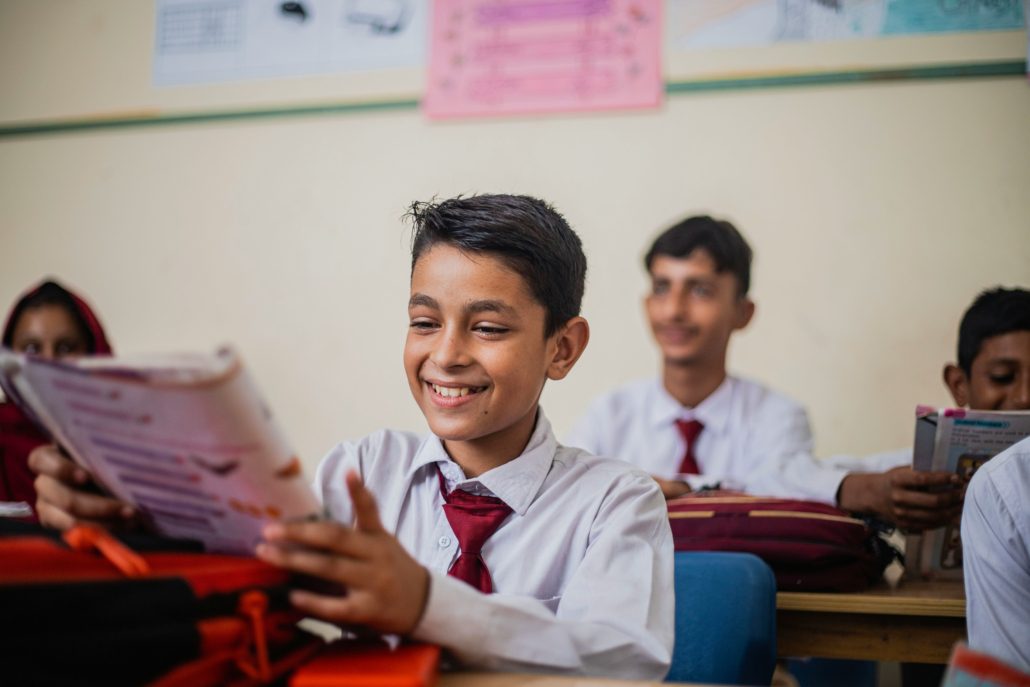
Poverty Reduction in SerbiaNestled in the heart of the Balkans in Southeastern Europe, Serbia was formerly part of the Yugoslav Republic. After a period of economic uncertainty and fluctuating living standards in the late 1990s and early 2000s, Serbia is making strides in improving the quality of life of its citizens.

Despite a growing economy, shrinking unemployment and existing social initiatives, women and marginalized groups such as Roma are still more likely to experience poverty and face significant challenges to receiving social assistance and entering the labor force. To continue working towards economic growth and poverty reduction in Serbia, it must focus on uplifting these groups.

Economic Growth

In its attempts to expand the job market and fight unemployment, Serbia grew its economy 3.9% in 2024, bolstering its construction industry and services sector as the country takes on foreign projects, according to World Bank statistics. Growth is projected to continue throughout 2025, with expansion in the energy sector projected as well.

Thanks to this, the incidence of poverty fell to 7.7%, however, that number largely includes women and other vulnerable groups, and does not take into account the borderline at-risk-of-poverty rate, which was 19.7% for 2024, according to Serbia’s own survey statistics. These numbers highlight the need for more targeted social assistance to continue making economic gains and raising people out of poverty.

About the Gender Wage Gap in Serbia

In 2023, the employment disparity between men and women in Serbia was 13.3%, with even larger disparities for the Roma people as a whole, but especially Roma women, whose education and employment numbers lag far behind other demographics. These numbers represent untapped potential that could benefit industry enhancement, growth and poverty reduction in Serbia.

These groups are facing cultural barriers more than economic ones. Long-standing prejudices and traditionalist value systems are holding them back from accessing the Serbian labor market. When polled directly, 40% of women, both Roma and non-Roma, articulated their willingness to join the workforce and participate in training initiatives to improve their skills and gain experience.

Social Protection

For its impoverished population, Serbia’s social protection systems include social insurance, social assistance and social services. These cover entitlements like pension and disability insurance, health insurance and low-income household assistance. Of these systems, only two programs are specifically targeted towards its impoverished populations: A financial social assistance program and a child allowance program.

These programs do not adequately support the most at-risk and marginalized groups, however. Limited budgets and a lack of policy focus mean these entitlements do little in the way of poverty reduction in Serbia. A single mother with two children receives about 18,000 dinars (€153) a month, three times less than the cost of basic monthly necessities.

As of 2022, Serbia spends 19.5% of its GDP on social protection programs. While this is a relatively high number in line with the spending of new EU member nations, 71% of social protection spending is absorbed by social insurance (pensions, disability, healthcare), leaving little left over for targeted social assistance. In reality, Serbia spends only 5% of social protection expenditures on poverty-targeted programs, significantly less than EU countries.

Solutions

Recognizing the necessity for uplifting marginalized groups in the fight for poverty reduction in Serbia, the World Bank, in conjunction with the Serbian Institute of Ethnography and the Entrepreneurship Training Institute, launched a series of personal initiative training programs specifically aimed at supporting Roma women. These programs, begun in 2024, focus on resume/CV-writing, job interview roleplays and starting a business, with the overall aim of creating a more socially and economically equal society.

The programs are already yielding results. To date, nine participants in the PI trainings have become certified trainers themselves, mentoring more than 100 women in their local communities. Others have come through the program and used their knowledge to start their own businesses, like one woman who was able to open her own hair salon in Novi Sad.

The resultant economic independence these programs are facilitating will assist in overcoming the cultural biases that keep an untapped reserve of the population from contributing to the betterment of the country. The success of the PI trainings provides a roadmap to poverty reduction in Serbia targeting its most vulnerable and marginalized groups, and with that a more inclusive labor market and continued economic growth.

– Nikola Stojkovic

Nikola is based in Villa Park, IL, USA and focuses on Global Health for The Borgen Project.

Photo: Flickr
September 1, 2025
https://borgenproject.org/wp-content/uploads/borgen-project-logo.svg 0 0 Jennifer Philipp https://borgenproject.org/wp-content/uploads/borgen-project-logo.svg Jennifer Philipp2025-09-01 07:30:562025-08-31 14:20:55Poverty Reduction in Serbia: Supporting Marginalized Groups
Disability, disability and poverty, Global Poverty

Disability and Poverty in North Macedonia: “Getting a Life” Project 

Disability and Poverty in North MacedoniaPeople with disabilities in North Macedonia face a significantly higher risk of poverty compared to the general population. In 2020, nearly 30% of working‑age people with disabilities lived in households with very low work intensity, more than double the rate for those without disabilities. Among all children, 32.7% lived below the national poverty line, reflecting inequalities that likely worsen for children with disabilities. Households that include disabilities often incur extra costs for medical care, assistive devices and travel, further increasing financial strain. These systemic barriers keep many with disabilities trapped in poverty. Here is more information about the correlation between disability and poverty in North Macedonia.

Breaking the Cycle of Institutionalization

For decades, individuals with intellectual disabilities lived in large-scale institutions in North Macedonia, isolated from their communities. In 2020, People in Need (PIN) launched “Getting a Life”, an EU‑funded project to shift residents into small, community‑based homes. PIN transformed institutions into nine independent living houses across Demir Kapija, Negotino and Skopje and relocated 45 residents from the Demir Kapija Special Institution to set up a better system to end disability and poverty in North Macedonia. Each house supports under five individuals and includes accessible living spaces designed to encourage autonomy.

Training for Quality Care

PIN trained more than 120 professionals, including social workers, physiotherapists and educators,  in person‑centered care. Eighty of them now prepare individualized care plans focusing on skills such as employment, daily living and social integration People in Need. PIN also launched a daily activity center in Skopje offering cooking, art and computer workshops, helping individuals develop confidence, skills and friendships.

Raising Awareness Across Communities

Community acceptance plays a crucial role in inclusion. PIN organized 18 awareness‑raising events, such as open houses and film screenings, that involved local officials, self‑advocates and neighbors. They helped form self‑advocacy groups and hosted the first national conference in 2023. All of this effort, drew multiple participants to feature policy recommendations. to government officials. PIN has managed to create an inclusive space to normalize disabilities in North Macedonia and to normalize their presence in communities that are often marginalized by poverty.

Measuring the Impact

In just three years, “Getting a Life” improved lives for 45 residents, built capacity for 120 professional caregivers and established community facilities. A final project evaluation found that 66% of trained caregivers found the training relevant, and 86.7% agreed that the principles of inclusion informed their approach. Residents now leave home slightly more regularly, 77.8%  reported occasional outings, whereas institutional conditions previously limited these opportunities. These findings provide further evidence that projects like “Getting a Life” can help identify ways to address disability and poverty in North Macedonia.

The Road Ahead

Despite these milestones, more than 60 individuals still live in the Demir Kapija institution awaiting relocation. Expanding community-based living will require steady funding, strong political leadership and innovative partnerships between government agencies, NGOs and international donors. People in Need aims to use the lessons from “Getting a Life” to guide further deinstitutionalization efforts across the Western Balkans, adapting the approach to meet different local needs. Scaling this model would not only open the door to independence for those still in institutions but also create more inclusive neighborhoods, generate care-sector jobs and reduce the long-term costs of institutional care. Investing in disability inclusion safeguards human rights, lowers poverty rates and strengthens the social fabric for everyone.

– Nilay Ersoy

Nilay is based in Cambridge, MA, USA and focuses on Global Health for The Borgen Project.

Photo: Unsplash

September 1, 2025
https://borgenproject.org/wp-content/uploads/borgen-project-logo.svg 0 0 Jennifer Philipp https://borgenproject.org/wp-content/uploads/borgen-project-logo.svg Jennifer Philipp2025-09-01 07:30:192025-08-31 14:22:25Disability and Poverty in North Macedonia: “Getting a Life” Project 
Agriculture, Global Poverty, Water

Solar Water Pumps in Nepal: A Lifeline for Farmers

Solar-Powered Water Pumps in Nepal: A Lifeline for Farmers Solar-powered water pumps in Nepal are transforming rural farming communities by providing reliable irrigation and clean water access, boosting incomes and resilience against climate challenges. In a country where the population relies on agriculture, these innovative systems help smallholder farmers overcome water scarcity, increase crop yields and escape poverty traps.

Empowering Farmers with Sustainable Irrigation

Amongst remote Himalayan foothills and arid plains, solar-powered water pumps in Nepal are enabling farmers to irrigate fields efficiently without relying on costly diesel or unreliable electricity. For instance, in Shikharpur village, a solar pump installed by Renewable World delivers 40,000 liters of water daily to about 120 households and a school. This has allowed farmers like Daley Sarki to grow vegetables year-round, doubling her income through market sales and additional off-season crops like tomatoes and cauliflowers.

These pumps also promote efficient water use through training on techniques like growing produce under plastic sheets, fostering long-term sustainability. By reducing the time spent fetching water — previously up to three hours daily — women farmers can take on secondary jobs, enhancing household economic stability.

Boosting Incomes and Community Resilience

Solar-powered water pumps in Nepal are not only cutting costs but also creating new revenue streams for farmers. In Madhesh Province, Renu Devi Sah replaced her diesel pump with a 1.425-kilowatt solar system, slashing daily irrigation expenses from NPR 3,875 to just NPR 265. She now supplies water to eight neighboring farms at affordable rates, while expanding her own cultivation to include high-value vegetables like cauliflower and onions. Similarly, Jitendra Das in Janakpurdham uses his solar pump for a fish hatchery, saving 60% on water costs over five years and planning to supply fingerlings to local farmers.

These initiatives, supported by organizations like the Alternative Energy Promotion Centre (AEPC) and funded through the Sustainable Energy Challenge Fund (SECF), emphasize commercial viability and social impact. By integrating microfinance loans with technical assistance, they empower marginalized groups, particularly women, to achieve financial independence.

Addressing Climate Challenges with Eco-Friendly Solutions

Amid erratic rainfall and droughts exacerbated by climate change, solar-powered water pumps in Nepal are proving vital in regions like Bajhang and Bajura. Practical Action’s installations lift water from rivers to reservoirs, supplying multi-use systems for irrigation, drinking and livestock. Farmer Tek Bahadur Thapa reports sufficient water for year-round crops, enabling him to expand apple orchards and improve family nutrition.

These systems reduce drudgery, especially for women who once trekked hours for water and promote environmental sustainability by avoiding diesel emissions. Community-managed “Pay for Water” schemes ensure maintenance, while avoiding overextraction through efficient designs. The International Centre for Integrated Mountain Development (ICIMOD) highlights Nepal’s high solar potential — up to 2,100 MW for grid and off-grid use — making these pumps a scalable solution for poverty reduction.

Global Lessons and Expanding Impact

Drawing from successful models in countries like Yemen and Australia, solar-powered water pumps in Nepal demonstrate how renewable technology can replace burdensome diesel systems. In Yemen, farmers like Mufrih Saleh have adopted solar pumps to irrigate 405,000 acres, cutting fuel dependency amid shortages. Nepal’s efforts, backed by the World Bank, focus on groundwater governance to prevent overuse while promoting adoption in the Eastern Gangetic Plains.

The World Bank’s initiatives emphasize subsidies for small farmers and awareness of efficient water management, ensuring equitable access. With partnerships involving AEPC, Practical Action and international funders like the British government, these pumps are building drought resilience and fostering inclusive growth.

Looking Ahead

As solar-powered water pumps in Nepal continue to expand, they offer a beacon of hope for millions, turning climate vulnerabilities into opportunities for prosperity. By harnessing the sun’s energy, farmers are not only securing their livelihoods but also paving the way for a more resilient, poverty-free future.

– Robert Darke

Robert is based in London, UK and focuses on Technology and Solutions for The Borgen Project.

Photo: Pexels

September 1, 2025
https://borgenproject.org/wp-content/uploads/borgen-project-logo.svg 0 0 Precious Sheidu https://borgenproject.org/wp-content/uploads/borgen-project-logo.svg Precious Sheidu2025-09-01 07:30:052025-08-31 14:32:18Solar Water Pumps in Nepal: A Lifeline for Farmers
Disease, Global Poverty, World Bank

Tackling Poverty and Disease in Chad: Driving Change

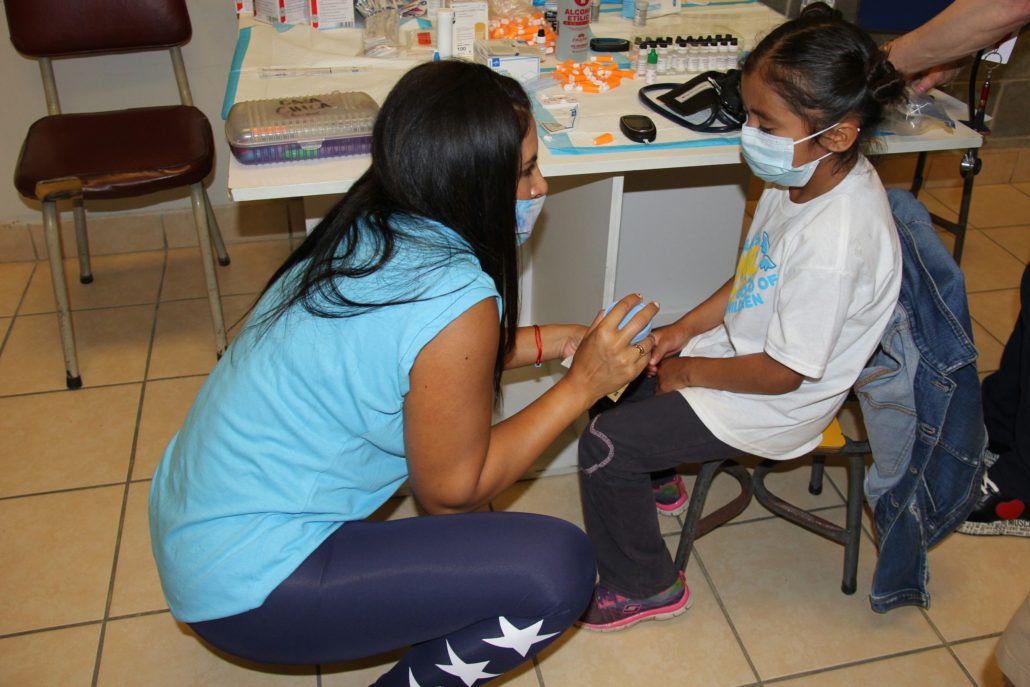
Tackling Poverty and Disease in Chad: Local Innovation and Global Partnerships Driving ChangePoverty and disease in Chad remain deeply intertwined, especially in rural and underserved regions. More than 40% of the population is currently living in extreme poverty with preventable diseases such as malaria, diarrheal infections and neglected tropical diseases (NTDs), including visceral leishmaniasis, continuing to spread, exacerbating an already fragile health conditions. These diseases not only harm public health but also reinforce poverty and entrench economic instability by reducing productivity, limiting education and overwhelming fragile health systems. 

According to 2022 data, 44.8% of the total population of Chad is living below the national poverty line, whilst 36.5% of the population is surviving on less than $2.15 per day. This dual burden of disease and deprivation underscores the importance of integrated, evidence-based solutions; an area where international health organizations are increasingly stepping up with promising, collaborative interventions.

Cross-Border Collaboration and DNDi

Chad is not fighting alone. Local health ministries, supported by international organizations, are taking significant steps to break this cycle. In partnership with the Drugs for Neglected Diseases initiative (DNDi) and the African Union, Chad has joined a cross-border collaboration with countries like Ethiopia and Sudan to eliminate visceral leishmaniasis, a deadly NTD affecting some of its poorest regions.

DNDi is a nonprofit research and development organization that works to discover, develop and deliver new treatments for these neglected diseases that primarily impact people in lower-income countries. DNDi operates on a needs-driven model focusing on affordability, accessibility and partnerships with local health systems. In Chad, DNDi has played a central role in strengthening surveillance systems, supporting local capacity to diagnose and treat leishmaniasis, as well as ensuring that life-saving medicines reach remote communities. 

Organizations Aiding Chad’s Development

Meanwhile, organizations like the END Fund are supporting large-scale treatment campaigns targeting soil-transmitted helminths and other parasitic diseases that affect school-age children. These programs also contribute to improved school attendance, nutrition and long-term development outcomes. Together, these collaborative efforts underpin a growing recognition that tackling NTDs in Chad requires both medical innovation and regional cooperation.

In addition to medical treatment, organizations such as the United Nations Children’s Fund (UNICEF) and WaterAid are investing in clean water and sanitation infrastructure, which are critical tools in the fight against waterborne diseases and hygiene-related poverty. Since the early 2000s, UNICEF has been actively working in Chad to combat poverty and disease by focusing on providing sanitary water, providing education for vulnerable children and allowing easier access to essential services, including nutrition, health and protection of vulnerable populations. Community health initiatives are also expanding, with trained health workers delivering care and education directly to families in rural areas, bridging the access gap.

Another organization who are helping to prevent the spread of the levels of poverty in Chad is the Sahel Adaptive Social Protection Programme (SASPP), World Bank. The SASPP aims to increase access to social safety nets for the poor and vulnerable population, including refugees. It focuses on building adaptive social protection systems, including cash transfers, productive inclusion and emergency support, all underpinned by digital targeting, payment and monitoring systems. The program in Chad is designed to benefit more than 780,000 people, including refugees and those in refugee-hosting communities, through various interventions like cash aid and productivity programs.

Looking Ahead

Coordinated efforts in Chad in combining disease treatment, health education, and basic services are not only saving lives but also creating a foundation for long-term economic resilience. With stronger investment and continued support, Chad has the potential to transform its health crisis into a model of community-driven recovery.

– Carise Wallbank

Carise is based in the United Kingdom and focuses on Global Health for The Borgen Project.

Photo: Flickr
September 1, 2025
https://borgenproject.org/wp-content/uploads/borgen-project-logo.svg 0 0 Precious Sheidu https://borgenproject.org/wp-content/uploads/borgen-project-logo.svg Precious Sheidu2025-09-01 03:00:442025-09-01 03:39:46Tackling Poverty and Disease in Chad: Driving Change
Food Insecurity, Global Poverty, Sustainable Development Goals

Greening the Desert: Updates on SDG 2 in Egypt

SDG 2 in EgyptIn 2015, the United Nations adopted the 2030 Agenda for Sustainable Development, which includes 17 goals. Among them is SDG 2, which aims to create a world free of hunger by 2030. Nations around the globe have already started to take steps towards achieving SDG 2 and Egypt is among them. Here are some updates on SDG 2 in Egypt.

Updates on SDG 2 in Egypt

One of the significant projects that aligns with the UN’s SDG 2 is the Egypt’s Future project, which promotes sustainable agriculture, which President Abd El-Fatah El-Sisi inaugurated on May 21, 2022. This project is a vital step towards achieving SDG 2 in Egypt. According to 2022 Global Hunger Index, Egypt ranks 57 out of 121 countries, which means it is at a moderate level. However, its dependence on global markets in more than half of its staples makes food affordability and quality very challenging.

Project Overview

Egypt’s Future project is the first phase of the New Delta Project, a mega project in the Western Desert of the Nile, which aims to achieve self-sufficiency. The project focuses on providing citizens with high-quality products at affordable prices, boosting exports and reducing imports. It costs 8 billion EGP and targets the reclamation of 1,050,000 feddans of the total 2.2 million feddans that the New Delta project covered. 

The project land depends on treated wastewater and three groundwater reservoirs. The implementation process includes paving roads, digging wells, building two power stations and an internal electricity network. Additionally, the project provides lots of job opportunities and improves the economy. Here is a brief list of the project’s major accomplishments. The project:

  • reclaimed and cultivated 350,000 feddans during the period 2021 to 2022.
  • built 2,600 pivot irrigation systems across the 350,000 feddans.
  • cultivated 70,000 feddans during the period 2024-2025.
  • implemented 1,800 Spanish greenhouses covering an area of 16,000 feddans. 
  • built two electric power stations and an internal electricity network.
  • completed phase 1 of an industrial city on May 21, 2025. The city includes grain storage silos, cooling and packaging stations, dehydrated product factories and an animal feed factory.

The Impact of the Project on Citizens

According to the State Information System, the project provides nearly 10,000 direct job opportunities and 360,000 indirect ones. Despite the huge progress made in this project, the country is still encountering food insecurity issues. According to a study published in 2024, Egypt’s food insecurity level remains unaltered as the country encounters major threats, including severe changing weather patterns, poor quality agricultural land and rising global food prices. According to Trading Economics, in June 2025, food prices increased 6.90%, compared to the same month in the previous year.

Enhancing Collaboration and Future Recommendations

International collaboration is crucial to strengthening the impact and longevity of the project. In 2022, Egypt built the MisrSat -2 satellite, using China’s $92 million grant. This satellite supports Egypt’s objective for sustainable development by employing space technology in different areas, including agriculture, searching for mineral resources and exploring of surface water sources.

In 2023, with cooperation with the World Bank,  the Food and Agriculture Organization (FAO) conducted a study that shows several climate-smart policy actions at COP28. Similar partnerships could enhance the agricultural land quality under Egypt’s Future project.

– Eiman Elsawy

Eiman is based in Kirkland, WA, USA and focuses on Business and Politics for The Borgen Project.

Photo: Flickr
September 1, 2025
https://borgenproject.org/wp-content/uploads/borgen-project-logo.svg 0 0 Jennifer Philipp https://borgenproject.org/wp-content/uploads/borgen-project-logo.svg Jennifer Philipp2025-09-01 03:00:212025-08-31 14:11:24Greening the Desert: Updates on SDG 2 in Egypt
Agriculture, Global Poverty, Innovations

Climate-Resilient Farming in Vietnam

Climate-Resilient Farming in VietnamIn Vietnam’s low-lying Mekong Delta, saltwater intrusion, soil erosion and desertification threaten rice yields, the main income source for millions of smallholder farmers. This reality affects more than 15 million smallholder farmers, 59% living on less than $3.10 per day.

This situation underscores the urgent need for this simple, native and accessible innovation: natural cultivation of coastal mangroves acting as natural barriers against storms and saltwater, protecting valuable clay-rich soils.

Battling Climate Threats in the Mekong Delta

In the low-lying Mekong Delta of Vietnam, climate-resilient farming initiatives use nature-based solutions (NbS) to stabilize and enrich farmland. These include restoring coastal mangroves and planting legume-rich forest strips. Coastal mangroves form a natural barrier against storms and saltwater, preventing the loss of the clay-rich soils that rice plants require.

Inland, reforestation with legumes replenishes nitrogen in the soil and slows desertification, ensuring farmland stays fertile over time. Together, these measures create a more stable agricultural environment without reliance on expensive chemical inputs.

Harnessing the Power of Mangroves and Agroforestry

Climate-resilient farming in Vietnam tackles two linked problems. On farmland, agroforestry and legume plantings improve soil structure and nitrogen availability, helping rehabilitate degraded plots and reverse early stages of desertification. These practices keep soils fertile without relying solely on expensive chemical fertilizers.

A meta-analysis found that flower strips increase natural pest control services by about 16% on average in adjacent cropped fields. Compared with other integrated measures, broader agroecological approaches reduce disease and pest incidence. These effects are typically more substantial where habitat patches are larger and better connected.

Rodents cause significant pre-harvest losses in Southeast Asian rice; conservative estimates put regional losses at around 5% or roughly 16 million tonnes. Studies show that complex landscapes with more non-crop habitats like hedgerows, wetlands and forests support natural predators, boosting pest control in rice fields.

Coastal mangroves and wetlands create habitats that support native predators, like waterbirds, snakes and carnivores, which help control rodent populations. Studies show that preserving or restoring these habitats reduces rodent outbreaks compared to simplified landscapes. In addition, the high-energy biomass of the mangrove forests is often seen as native animal feed. This is a perfect symbiosis, since more than 50% of the farmers, in addition to rice cultivation, also conduct livestock farming.

Real-Life Success Stories From Coastal Communities

In southern Vietnam, mangrove restoration has been used to alleviate poverty and diversify income sources. Approximately 8,000 households received land leases and improved access to infrastructure such as schools, roads and health care services. The restoration led to a 209–789% increase in yields of mussels and oysters per hectare. The direct economic benefit for selected communities ranged between approximately $344,000 and $6.7 million.

Furthermore, mangrove restoration reduced dike damage from similar typhoons by approximately $80,000 to $295,000, demonstrating mangroves’ important role in protecting rural areas. While exact studies on poverty reduction are still lacking, the proven effectiveness of this technology is clear. Mangrove restoration offers accessible, practical benefits that directly support vulnerable communities facing extreme poverty and climate risks. This freely available solution holds great promise to improve lives where needed most.

Scaling Up NbS for a Resilient Future

Between 1999 and 2013, nearly 9,000 hectares of mangroves were planted and protected across almost 100 Vietnam coastal communities. This effort directly benefited 350,000 people, with indirect benefits reaching another 2 million along Vietnam’s coast.

From 1978 to 1998, Vietnam restored about 1,500 km² (150,000 ha) of mangrove forests in the Mekong Delta. Also, between 2015 and 2020, approximately 27,322 hectares (around 34.1%) of mangroves were successfully restored through state- and NGO-funded projects. This restoration increased the total mangrove area from 79,593 hectares to 90,777 hectares.

Despite challenges like funding and climate pressures, mangrove restoration offers tremendous opportunities for ecological and community benefits. With growing awareness and collaborative efforts, more sustainable and resilient projects are emerging. These initiatives showcase the powerful potential of NbS to protect both people and the environment for the long term. This project is now serving as a model for similar programs across Southeast Asia.

– Alexander Broermann

Alexander is based in Frankfurt, Germany and focuses on Good News and Global Health for The Borgen Project.

Photo: Pixabay

September 1, 2025
https://borgenproject.org/wp-content/uploads/borgen-project-logo.svg 0 0 Lynsey 2 https://borgenproject.org/wp-content/uploads/borgen-project-logo.svg Lynsey 22025-09-01 03:00:062025-08-31 14:06:37Climate-Resilient Farming in Vietnam
Disability, disability and poverty, Global Poverty

Addressing Disability and Poverty in Mauritius

Disability and Poverty in MauritiusMauritius, often commended as one of Africa’s economic success stories, hides a sobering truth behind its polished surface: disability and poverty intertwine, leaving people with disabilities especially vulnerable to systemic marginalization. According to the 2011 Housing and Population Census, 59,869 people in Mauritius live with a disability, which is roughly 5.4% of the population.

The Struggles of Living With a Disability in Mauritius

The stigma associated with disability marginalizes this group and the inaccessibility of the physical and social environment further isolates them from full participation in society. A World Bank study revealed that in Mauritius, people with disabilities are more likely to have lower educational attainment and employment levels than their non-disabled peers, reinforcing the link between disability and poverty. The World Bank also highlights the lack of accessible environments and limited access to assistive technologies, which compound existing barriers.

In 2015, the U.N. Committee on the Rights of Persons with Disabilities warned that entrenched gender and disability stereotypes continued to exacerbate marginalization in Mauritius. These factors, combined with the lack of legal enforcement, limited public awareness and exclusion from decision-making, create a web of disadvantage. People with disabilities in Mauritius are often denied basic human rights, including access to education, employment, housing and health care.

In its 2024 review, the U.N. Committee noted, “The Committee was concerned that persons with disabilities were not meaningfully involved in the processes aimed at improving their lives.” It also “noted the need to harmonize the different definitions of disability in various documents.” Inconsistent definitions across official documents and the lack of representation hinder policy implementation. When people with disabilities are not included in planning and reform, their needs are often overlooked.

Still, change is underway. Civil society organizations and disability rights activists continue to push for accountability. At the same time, government documents acknowledge that earlier approaches were inadequate and commit to restructuring the disability sector.

The Government’s Efforts

Mauritius has launched several policies and programs to reduce the burden of poverty for people with disabilities. These include:

  • Basic Invalid’s Pension (BIP): A monetary allowance for individuals with severe disabilities. According to recent reports, more than 20,000 Mauritians received the BIP in 2016.
  • Carer’s Allowance: Financial support for family members or caregivers of people with disabilities.
  • Child Disability Allowance: Additional financial assistance provided to support children with disabilities.
  • Ratification of the U.N. Convention on the Rights of Persons with Disabilities: Demonstrating commitment to global disability rights standards.
  • National Policy Paper and Action Plan on Disability: A framework focused on rights-based inclusion and improving access across sectors.
  • Accessibility in Education: As of March 2024, 46 students with disabilities are enrolled in universities. Most secondary and tertiary institutions now meet accessibility standards.
  • New Disability Action Plan (2024): Currently in development, this plan promises meaningful consultation with persons with disabilities in both design and execution stages.

Local Advocacy Groups

  • Inclusion Mauritius: A federation of 13 NGOs supporting individuals with intellectual and/or physical disabilities. The organization provides education, life skills training and pre-employment preparation to individuals annually, working to enhance independence and dignity.
  • Youth With Disabilities Empowerment Program (YWDEP): This initiative runs training sessions, workshops and cultural events for young people with disabilities.

Conclusion

Even though challenges remain, these initiatives show Mauritius’ commitment to strengthening disability-inclusive policies. They aim to address the systemic links between disability and poverty. The ultimate goal is to “build a society where every citizen enjoys his or her rights fully while respecting those of others.”

– Riddhi Sharma

Riddhi is based in Vancouver, BC, Canada and focuses on Good News for The Borgen Project.

Photo: Wikimedia Commons

September 1, 2025
https://borgenproject.org/wp-content/uploads/borgen-project-logo.svg 0 0 Lynsey 2 https://borgenproject.org/wp-content/uploads/borgen-project-logo.svg Lynsey 22025-09-01 01:30:532025-08-31 13:45:23Addressing Disability and Poverty in Mauritius
Page 121 of 2163«‹119120121122123›»

Get Smarter

  • Global Poverty 101
  • Global Poverty… The Good News
  • Global Poverty & U.S. Jobs
  • Global Poverty and National Security
  • Innovative Solutions to Poverty
  • Global Poverty & Aid FAQ’s
Search Search

Take Action

  • Call Congress
  • Email Congress
  • Donate
  • 30 Ways to Help
  • Volunteer Ops
  • Internships
  • Courses & Certificates
  • The Podcast
Borgen Project

“The Borgen Project is an incredible nonprofit organization that is addressing poverty and hunger and working towards ending them.”

-The Huffington Post

Inside The Borgen Project

  • Contact
  • About
  • Financials
  • President
  • Board of Directors
  • Board of Advisors

International Links

  • UK Email Parliament
  • UK Donate
  • Canada Email Parliament

Get Smarter

  • Global Poverty 101
  • Global Poverty… The Good News
  • Global Poverty & U.S. Jobs
  • Global Poverty and National Security
  • Innovative Solutions to Poverty
  • Global Poverty & Aid FAQ’s

Ways to Help

  • Call Congress
  • Email Congress
  • Donate
  • 30 Ways to Help
  • Volunteer Ops
  • Internships
  • Courses & Certificates
  • The Podcast
Scroll to top Scroll to top Scroll to top