China’s Investment in Rwanda and its Agricultural Future
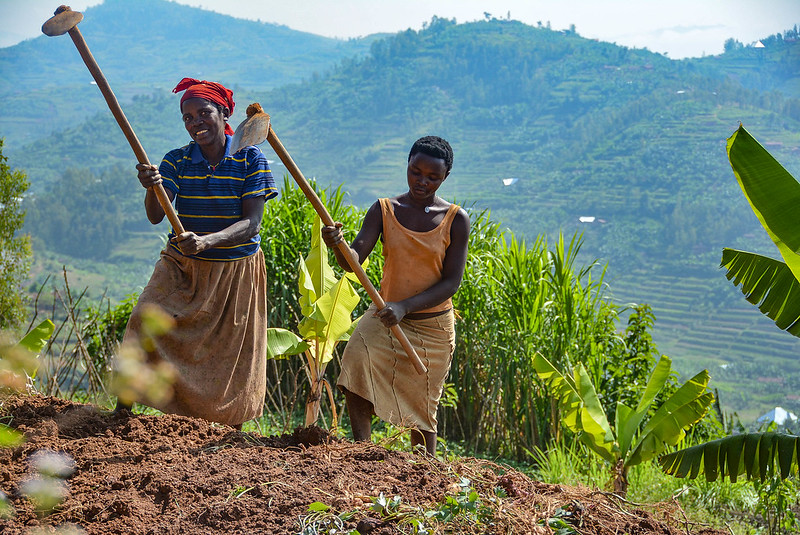 Rwanda is a small, landlocked country in Eastern Africa that faces significant socioeconomic challenges. According to the World Bank, 63.8% of its 14 million citizens live in poverty. One of the most pressing issues is food insecurity, which affects communities across the country. Government data shows that 20.6% of the population does not have reliable access to adequate nutrition. China’s recent investment in Rwanda could change the dire situation of food insecurity in the country.
Malnutrition
Malnutrition occurs when a person does not receive the nutrients their body needs, either due to insufficient food intake or a lack of essential vitamins and minerals. It can lead to stunted growth in children, weakened immune systems, increased risk of disease and, in severe cases, death. Malnutrition is especially dangerous for pregnant women and young children, as it can cause irreversible developmental problems.
According to the World Health Organization (WHO), Rwanda’s average life expectancy is 67.5 years. This is nearly 10 years shorter than in the United States, which is at 76.4 years and 17 years less than in Japan, where life expectancy reaches 84.5 years, one of the highest in the world. Studies show a strong link between improved nutrition and increased life expectancy, suggesting that access to adequate nutrition could significantly improve health outcomes in Rwanda.
Rwanda has naturally fertile land due to its nutrient-rich volcanic soil, and more than half of its territory is classified as arable. Despite this agricultural potential, the country still depends heavily on food imports, with food products making up more than 20% of total imports. This dependency contributes to high food costs and limited access to nutritious food, especially in rural areas. To reduce food insecurity and malnutrition, Rwanda must better utilize its land by expanding agricultural infrastructure and supporting local farmers.
China’s Involvement
In January 2025, Rwanda and China signed a $40 million agreement to finance the Giseke Dam and Irrigation Project in the Gisagara District. This project is a recent example of China’s investment in Rwanda and its growing role in supporting development across key sectors. Designed to irrigate 2,640 hectares of farmland, the project could provide consistent water access for agriculture, enabling farmers to produce food year-round and improve crop variety.
More than 900 farming households could benefit directly from the project, while local markets could see increased food supply and affordability. The resulting growth in agricultural productivity is expected to help stabilize food availability, improve nutrition, and lift communities out of poverty. China’s investment in Rwanda not only supports food security but also strengthens local economies by enhancing self-sufficiency.
This initiative aligns with Rwanda’s Second National Strategy for Transformation (NST2), which prioritizes sustainable agriculture and climate resilience. Funded through a concessional loan, the Giseke project reflects China’s investment in Rwanda as part of a broader partnership aimed at long-term, mutually beneficial development.
Rwanda’s struggle with malnutrition is tied to poverty and underused agricultural potential. Projects like the Giseke Dam, supported by China, show how investment in local farming can improve food security, boost nutrition, and support long-term development.
– William Brentani
William is based in San Francisco, CA, USA and focuses on Politics for The Borgen Project.
Photo: Flickr
