Top 3 Causes of Energy Poverty in Cyprus
 Energy poverty in Cyprus, an island in the Mediterranean, is at an all-time high. Energy poverty is when a household struggles to access reliable and affordable energy to fulfill daily needs such as heating, cooling, cooking and lighting.
More than 50% of the population in Cyprus experiences energy poverty. These are the top three reasons for energy poverty in Cyprus and ongoing solutions to bring affordable energy to the island.
Energy Isolation
Cyprus is the only country within the European Union (EU) that is not connected to energy networks. This isolation results in relying on imported fuel to power the country. Because importing fuel is expensive, the energy cost for consumers is high.
About 85% of Cyprus’s energy comes from imported oil and costs 35.7 PPS per 100 kilowatt-hours of electricity. Other countries in the EU pay as little as 14.33 PPS or 15.4 PPS.
Rising Costs of Living
Energy poverty in Cyprus is worsened by the high cost of living relative to the average monthly salary. More than half of Cypriots earn less than $2,214 per month, while apartment rental costs range from $821 to $1,994.
After covering expenses such as groceries, health insurance, car payments and student loan debt, little remains in household budgets for high electricity bills. Nearly 20% of Cypriots report being unable to afford to heat their homes.
Poorly Insulated Houses
Most homes and apartments are not properly insulated, creating difficulties in heating and cooling those spaces thoroughly. Electric bills are inevitably higher if homes cannot properly maintain a comfortable temperature without constant heater or air conditioning system interference.
Continuous use of heating or cooling systems also increases the wear and tear on those devices, leading to added repair costs. Health issues may arise for those who cannot afford to heat or cool their homes properly. Heat exhaustion, dehydration and even asthma attacks are possible.
Solutions to Energy Poverty in Cyprus
The Cypriot government is making progress toward solving energy poverty in Cyprus. It is also working to reduce the price of electricity through the Great Sea Interconnector and the Solar Energy for All Program. The Great Sea Interconnector is designed to electronically connect Cyprus, Greece and Israel to share power grids and access.
This plan would lower the price of electricity and reduce dependence on imported fossil fuels to meet energy needs. Electricity bills in Cyprus are expected to decrease significantly. Providing an accessible path to clean, renewable energy and eliminating Cyprus’s energy isolation will improve the quality of life for Cypriots.
The submarine electrical connection is anticipated to be one of the largest power transmission projects in the world. Cyprus will first be connected with Crete, a Greek island. After that connection is built, Israel will be linked in. The project is on track to be completed by the end of 2025.
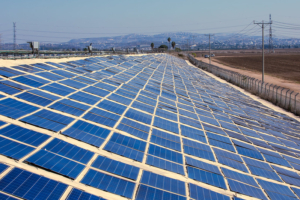
The Solar Energy For All program assists with the funding necessary to install solar panels. With a budget of more than $35 million, the program will help 6,000 individuals afford the installation. Using solar panels will reduce reliance on imported oil, along with the price of electricity for users.
With both the Great Sea Interconnector and the Solar For All Project, the electrical costs for Cypriots will undoubtedly decrease soon.
– Sydney Uhl
Sydney is based in Vancouver, WA, USA and focuses on Good News and Technology for The Borgen Project.
Photo: Flickr
