• Link to X
  • Link to Facebook
  • Link to Instagram
  • Link to TikTok
  • Link to Youtube
  • About
    • About Us
      • President
      • Board of Directors
      • Board of Advisors
      • Financials
      • Our Methodology
      • Success Tracker
      • Contact
  • Act Now
    • 30 Ways to Help
      • Email Congress
      • Call Congress
      • Volunteer
      • Courses & Certificates
      • Be a Donor
    • Internships
      • In-Office Internships
      • Remote Internships
    • Legislation
      • Politics 101
  • The Blog
  • The Podcast
  • Magazine
  • Donate
  • Click to open the search input field Click to open the search input field Search
  • Menu Menu

Archive for category: Food & Hunger

Information and stories on food.

COVID-19, Food & Hunger, Food Security, Global Poverty

The Deadly Consequences of Corruption in Lebanon

Corruption in Lebanon
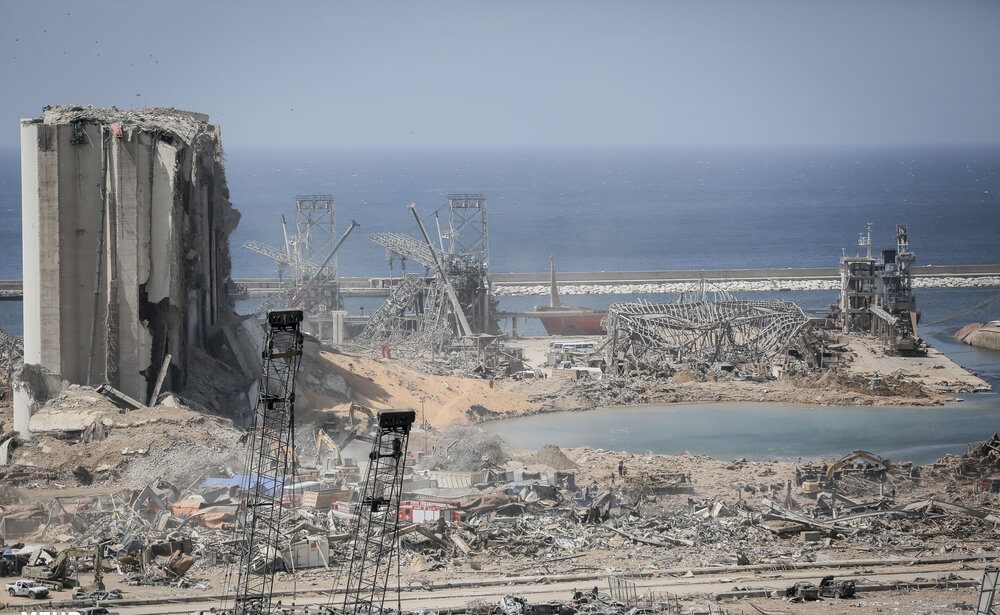
On the evening of August 4, 2020, a column of smoke loomed menacingly over Beirut’s vast horizon, foreshadowing tragedy in shades of gray and black. Flashes of white and glimpses of smoldering orange interrupted the inky cloud as it climbed to ever-greater heights. With a deafening blast, a massive shock wave consumed the city in the smoke and terror of 3,000 metric tonnes of ammonium nitrate. In a matter of seconds, the detonation inflicted an estimated $15 billion in property damage. Far more priceless, the human toll of the explosion stands at least 200, with thousands more wounded. In the tearful wake of the blast, the Lebanese people are hemorrhaging hope. Yet the horrific explosion is not merely a chance disaster: it is a symptom of the corruption in Lebanon that is eating the country from the inside out.

History of Corruption in Lebanon

Lebanon has long endured institutionalized corruption. Its current government system formed after the previous regime’s ineptitude eroded national security to the point of civil war. The war lasted from 1975-1990. The conflict occurred between the Palestine Liberation Organization (PLO) and Christian groups backed by Israel and Syria, with both seeking political control over Lebanon. After 25 years of fighting, over 100,000 killed and thousands more uprooted, the conflict finally ended with the signing of the Taif Accord. This accord shaped the constitution into a document conducive to graft.

A government system that allotted public offices to major religious groups supplanted years of instability. This new framework nurtured the sectarianism that still dominates Lebanon’s politics today. Additionally, the presence of extreme polarization favors patronage over democracy. The champions of the civil war quickly grabbed power of the nascent government, bringing with them their blatant, unchecked corruption.

How Corruption in Lebanon Exacerbates Poverty

For years, Lebanon’s political leaders have enjoyed glittering affluence despite the country’s abysmal underdevelopment. Widespread embezzlement and underfunding of vital public services have gravely fractured Lebanon’s rickety foundation. In particular, a series of recent catastrophes have drawn international attention to the injustices long borne by the Lebanese people:

  1. Economic Crisis: A dire economic crisis has been ravaging the country for months. With a debt-to-GDP ratio of 170%, Lebanon is the world’s third most indebted nation. Even prior to COVID-19, one-quarter of the population was unemployed, and hyperinflation was driving prices to astronomic levels, dragging more and more citizens into poverty.
  2. Lack of Basic Services: Lebanon’s politicians have chosen personal enrichment over public welfare, leading to dismal internet connectivity, insufficient health care, contaminated water and unreliable power sources. Moreover, in the absence of infrastructure, sanitation deficiencies recently culminated in a massive accumulation of waste that attracted global coverage.
  3. Natural Disaster: A series of fierce wildfires in October 2019 sparked public outrage when fire departments proved ineffective in extinguishing the blaze. The destructive calamity called attention to the severe underfunding of Lebanon’s crisis response teams.
  4. COVID-19: The onset of the coronavirus pandemic has heightened unemployment, inflation and poverty. Consequently, the country experienced increased food insecurity and risk of famine, with the three-quarters of the population on track to require food handouts by the end of 2020. The pandemic has strained limited health care institutions, depriving thousands of vital treatment and underscoring the government’s neglect of public services. Overall, COVID-19 has delivered incredible hardship to a country already saturated with adversity. The blame for Lebanon’s innumerable development problems falls upon its leaders’ ineffectual leadership. Their failure or refusal to address long-standing infrastructural shortcomings in favor of self-indulgence has put the country on the brink of collapse.

Forces for Change

Despite the widespread corruption in Lebanon, downtrodden citizens and empathetic foreigners are striving to implement much-needed reforms.

Public outcry has led to numerous recent power shifts. In October 2019, massive demonstrations, set off by a proposed tax increase, united Lebanon’s diverse political sects against government abuses. This monumental display of solidarity ultimately ousted then-Prime Minister Saad Hariri and his administration and led to the induction of Hassan Diab.

The international community has joined this fight against corruption in Lebanon. On August 9, 2020, a global summit of donors authorized $298 million to directly help the Lebanese population. This relief package suggests a departure from previous payments of aid to the government. This practice fostered embezzlement by leaders and eroded the regime’s accountability to the public. Fortifying their stance against corruption, the forum also announced that Lebanon must enact long-overdue reforms to qualify for further funding.

Demanding Change

As the world demands change for Lebanon, recent headlines have chronicled the country’s myriad crises. The blast in Beirut is no different than these struggles: it is a product of the political abuse that has crippled Lebanon for years. The port authority seized the ammonium nitrate that exploded in 2013 and left it “awaiting auction” or a spark to ignite it, whichever came first. Early investigations have revealed the government’s full awareness of the compound’s improper storage: it just did not do anything about it. Instead, the government ignored repeated warnings from experts and postponed handling the issue to a later date. Tragically, chemistry beat them to it.

Once again reminded of the lethal consequences of inaction, protests previously hampered by COVID-19 have revived. These impassioned riots led to the resignation of Diab’s government on August 10, 2020. This event threatens to magnify the country’s instability. Despite widespread anxieties, however, Diab articulated his intention to “stand with the people,” a move that, if adopted the world over, may finally heal Lebanon’s long-borne suffering.

– Rosalind Coats
Photo: Wikimedia

September 24, 2020
https://borgenproject.org/wp-content/uploads/borgen-project-logo.svg 0 0 Kim Thelwell https://borgenproject.org/wp-content/uploads/borgen-project-logo.svg Kim Thelwell2020-09-24 01:30:222024-12-13 18:02:12The Deadly Consequences of Corruption in Lebanon
Food Aid, Food Insecurity, Food Security, Global Poverty

Food Waste Around the World Examined

Food Waste Around the World
As the global population continues to grow, the demand for food also grows. The solution to this problem is not to produce more food but rather to waste less food. Globally, about one-third of food that people produce for human consumption goes to waste, which is about 1.3 billion tons. This number includes 45% of all fruits and vegetables, 35% of seafood, 30% of cereals, 20% of dairy products and 20% of meat. Unsurprisingly, studies have repeatedly shown that developed countries, on average, waste more food than developing ones. Read on to learn about food waste around the world.

Food Waste Culprits in the Developed World

The United States and Australia are the two countries that produce the most food waste in the world. In 2010, around 133 billion pounds of food went to waste in the U.S., which is $161 billion worth of food. In 2015, the USDA and EPA joined together to set a goal of cutting food waste by 50% by 2050. Despite that goal, the U.S. continues to waste about 30% to 40% of its food supply each year.

Every year in Australia, about 7.3 million tons of food goes to waste. Australia’s food waste per person is around 300 kg. Australia’s food waste costs the country’s economy an estimated $20 billion each year. As a result, the Australian government set a goal to halve its food waste by 2030.

These two countries contribute massive amounts of food waste around the world despite having the wealth to address the issue.

Food Waste Champions in the Developed World

Greece and China are the most efficient countries when it comes to limiting food waste around the world. Columbia, South Korea, the United Kingdom and France are not far behind them in terms of how other developed countries rank. The scale and reach of governmental actions to address the issue separate these countries from the U.S. and Australia in the fight against food waste.

In 2017, the Sustainable Food Movement emerged out of Athens. Greece’s immense success today results from people taking this initiative seriously and enforcing it with fervor. The country went from producing an average amount of food waste to being the most food efficient country in the world. It accomplished this feat in just three years.

Greece sets an example for the rest of the world. It proves other places could implement similar initiatives to diminish food waste around the world.

Food Waste in the Developing World

Affluent countries have the means to significantly lower their food waste. However, developing countries tend to outperform many developed countries in this particular arena. India and Brazil are two examples of developing countries displaying some of the lowest food waste levels in the world. Each year, Brazil produces almost 15 million kg of waste nationally and 71 kg per person.

Meanwhile, India wastes up to 40% of its food each year. India has one of the highest rates of food waste nationally at nearly 68 million kg. Yet, its food waste per person is quite low at 51 kg per year. To note, India’s population is nearly 1.4 billion people, showing that a gap exists between its national and personal food waste statistics.

An important distinction between developed and developing countries is the stage that people are most likely to waste food. In developed countries, the individual consumer level is where most food waste occurs. This is due to the average citizen’s ability to buy more than enough food for their family. In developing countries, the most wasteful stage of food production happens in the earliest stages of distribution. Poor infrastructure and inadequate food storage vessels contribute to the most food waste in these countries. In fact, much of the food is wasted before it ever reaches the consumer.

Food for Thought

The global population is about 7.6 billion, and 925 million of those people are starving. The amount of food wasted globally each year is enough food to feed 3 billion people. In other words, the world has more than enough food to feed the planet, but there is a huge issue of food distribution.

By 2050, estimates have determined that the global population will become around 9 billion. This means that food production will have to increase by 70% to keep up with the world’s current path. That is a near-impossible task to accomplish. It would be more efficient to refocus efforts on limiting food waste overall.

Food waste around the world is an issue that some countries have chosen to tackle with great success while other countries falter. The future of the world population depends on all countries working to decrease food waste.

A Helping Hand

Hands for Hunger, an NGO based in the Bahamas, is making significant progress in the pervasive issue of worldwide food waste. A group of students realized that restaurants and hotels throw an immense amount of unspoiled food away every day. As a result, they set out to change that.

Hands for Hunger focuses on obtaining this typically discarded food and redistributing it to the less fortunate. In addition, it educates the public on the issue itself and solutions. The organization serves around 15,000 meals to Bahamians each week by redistributing restaurant and hotel food to its 17 outreach agencies. It delivers around 4,530 pounds of food to Bahamians in need every week.

Hands for Hunger has rescued over 1 million pounds of fresh food. Through its recovery efforts, the organization is able to donate quality food to those in need. Almost 50% of all food donations in 2017 were high-need items such as dairy, proteins and fresh fruits and vegetables. Hands for Hunger is just one of many NGOs doing fantastic work to decrease food waste around the world. While food waste is a problem, it has an attainable and feasible solution.

– Natalie Tarbox
Photo: Pixabay

September 20, 2020
https://borgenproject.org/wp-content/uploads/borgen-project-logo.svg 0 0 Kim Thelwell https://borgenproject.org/wp-content/uploads/borgen-project-logo.svg Kim Thelwell2020-09-20 08:43:452020-12-03 08:43:58Food Waste Around the World Examined
Food & Hunger, Food Insecurity, Food Security, Global Poverty, Hunger

Food Insecurity in New Zealand: A Hidden Reality

Food Insecurity in New Zealand
New Zealand, an island country located in the southwestern part of the Pacific Ocean, is home to a population of about 4.8 million people and comprises of nearly 600 islands. In 2019, New Zealand received the rank of one of the world’s richest countries, ranking fifth after Switzerland, Hong Kong, the United States and Australia. Despite its status as a rich country, New Zealand still has hidden issues with poverty, food insecurity and hunger.

Hunger and Poverty in New Zealand

Nearly one in five children in New Zealand are living in “relative poverty,” according to a report done by Stats NZ in June 2019. This number rises to one in four in the case of the Māori population (New Zealand’s indigenous people). Though it is a relatively wealthy country, many New Zealanders live with food insecurity. Defined as a lack of access to healthy and nutritious food, food insecurity has negative effects on families, children, health and even mental health.

New Zealand’s Child Poverty Action Group (CPAG) estimated that the weekly cost to feed a person ranges from 29 to 74 NZD (depending on age and sex). For a family of four, that means food costs can average over $400 NZD a month on top of other costs like utilities, rent, clothing and education. According to CPAG, about 7% of New Zealanders experienced severe food insecurity in 2008/2009, and 3% — one-third of New Zealanders — experienced moderate food insecurity. The implications of this, even when dealing with moderate food insecurity, were large. CPAG reported on families struggling to feed their children, often opting for unhealthy food because it was cheapest, going through garbage to salvage food or forgoing food altogether to make sure their children did not go hungry.

COVID-19’s Impact

Food insecurity, fortunately, has reduced to about 10% of New Zealanders in 2019. But with the outbreak of COVID-19, the Auckland City Mission estimated that that number had rocketed to 20%. Between citizens losing jobs, panic-buying at grocery stores and other factors, the pandemic is threatening more widespread food insecurity in New Zealand. Emergency food assistance services have seen large spikes in demand. Additionally, many essential workers may be working full-time but are still not making enough to put food on the table.

Though it expects the winter months (June through August) to be harder on families, especially with the pandemic, Auckland City Mission was able to provide emergency food to over 23,000 families and individuals who were “in desperate need” over the last financial year. Additionally, when New Zealand released its 2020 budget in May 2020, Auckland City Mission released a statement noting that its social services support package meant the mission could help even more families who are facing food insecurity this winter.

The Future of Food Security

Food insecurity in New Zealand remains an important problem. In the face of the COVID-19 outbreak, these problems are becoming harder to ignore. Recently, CPAG released a paper about its ideas to solve food insecurity for New Zealand’s youth, including food programs in schools. It showed that with awareness and advocacy, people can begin to find solutions to these problems. In fact, the 2020 budget plans to expand an existing school lunch program to ensure that by the end of 2021, 200,000 students will receive a healthy lunch every day at school, up from the 8,000 currently receiving aid from the program. This sort of increase is a promising step to reducing the amount of food insecurity for New Zealand’s children.

Additionally, since the outbreak of the COVID-19 pandemic, Auckland City Mission has gone from supporting 450 families to over 1,200 and expect that number to stay high throughout the winter. Thanks to the 2020 New Zealand budget, Auckland City Mission will be able to continue helping those in need.

It is an unprecedented time for food insecurity in New Zealand, especially on top of existing challenges lower-income families have been facing. However, with help from the government and organizations like Auckland City Mission, the country is beginning to put more focus on providing food to those who need it most.

– Sophie Grieser
Photo: Pixabay

September 19, 2020
https://borgenproject.org/wp-content/uploads/borgen-project-logo.svg 0 0 Kim Thelwell https://borgenproject.org/wp-content/uploads/borgen-project-logo.svg Kim Thelwell2020-09-19 01:31:242024-05-29 23:23:07Food Insecurity in New Zealand: A Hidden Reality
Food & Hunger, Food Insecurity, Global Poverty, Hunger

The Fight Against Food Insecurity in South Sudan

Food Insecurity in South Sudan
Since the country’s independence in 2011, South Sudan has been in a state of instability as it recovered from a six-year-long conflict with Sudan. This instability has had quite an effect on the nation’s nutrition, with 51% of the country’s total population reporting food shortages in 2020. Some of the main causes of the continued food insecurity in South Sudan include flooding due to poor land management, destruction of agriculture and businesses due to conflict, elevated food prices and lack of access to livestock products that would enable citizens to cultivate a reliable food source. Additionally, the ever-present conflict in the area often prevents people from being mobile, meaning they are unable to search for food, find better agricultural land or access markets that may be nearby.

The World Food Programme (WFP)

Despite this situation, many humanitarian organizations have allocated resources towards fighting food insecurity in South Sudan, including the U.N.’s World Food Programme (WFP). The effort provides direct food aid to roughly 5.32 million South Sudanese people. Each year, the WFP transports 325,000 metric tons of food into 50 warehouses across the country, helping to fill the large gaps in domestic agricultural production.

The U.N.’s program has also introduced a new means of efficiently and evenly distributing aid called SCOPE, a database in which individual aid recipients register by fingerprint. The database records who receives food and how much, and even tracks an individual’s health and nutrition levels, noting when signs of malnutrition cease or appear. So far, the SCOPE system alone has registered 1.4 million people. Since 2018, the U.N. has also administered over $30 million USD in vouchers that one can redeem in exchange for food through the SCOPE system.

The Food and Agriculture Organization (FAO)

Similarly, the U.N.’s Food and Agriculture Organization (FAO) has been working with farmers to boost domestic crop production in hopes of reducing food insecurity in South Sudan. Due to constant displacement and poor land quality, creating a strong agricultural sector has proven to be challenging for the nation.

However, FAO’s program works to distribute seeds and hand tools. Moreover, it conducts land assessments across the nation to determine which plots might produce the highest yield. As a result, the cultivated land area increased by 15% from 2017 to 2018, and cereal production rose 10% from 2018 to 2019. In 2018, the program also began its seed distribution effort, administering 5,970 metric tons of seeds across the nation, benefiting 406,408 households.

Action Against Hunger

Nonprofit organization Action Against Hunger has also worked alongside the U.N.’s efforts to reduce food insecurity in South Sudan. The organization has worked with 7,215 farming families, with a focus on dyke and irrigation system construction to ensure farms are resistant to the region’s heavy flooding.

Additionally, volunteers and locals constructed and/or rehabilitated 5,000 water points, where people can easily access potable water and plumbing. In an effort to solve the issue of lack of mobility in the nation, Action Against Hunger also constructed 71 kilometers of roads, which allow the average South Sudanese person to access markets, clinics and other vital services.

Without intensive aid from humanitarian organizations, the state of food insecurity in South Sudan would be much worse than the recent statistics show. As the nation builds its foundations and recovers from its violent past, access to nutrition will undoubtedly become more widely available. However, with more than half the population unable to fill their stomachs each day, much work is still necessary.

– Jane Dangel
Photo: Flickr

September 17, 2020
https://borgenproject.org/wp-content/uploads/borgen-project-logo.svg 0 0 Kim Thelwell https://borgenproject.org/wp-content/uploads/borgen-project-logo.svg Kim Thelwell2020-09-17 22:29:452020-11-06 22:30:00The Fight Against Food Insecurity in South Sudan
COVID-19, Food & Hunger, Food Insecurity, Food Security, Global Poverty, Water Crisis

Innovation and Food? Ask the UAE

Food Security and Innovation ProgramAs the world encounters one issue after another, food insecurity increases in countries with inadequate resources or less-than sufficient agriculture systems. With the pandemic at the helm and climate change an ongoing phenomenon, to survive these stressful times, innovative strategies are necessary. In this advanced society, new ways are necessary to process, distribute and reshape food production. Connections between food security and innovation seem far-fetched, but the United Arab Emirates/UAE’s food security and innovation program has found state-of-the-art techniques that relieve their people of this struggle.

Key Constraints Facing Food Security

The UAE aims to rank in the top 10 in the Global Food Security Index by 2021, and number one by 2051. In this arid region, however, traditional farming is next to impossible from limited water for irrigation and an unequal ratio between people and the UAE’s production. Due to these hardships, the country is reliant on its imports. For a food-dependent country, when disaster hits, food systems are unstable.

While there are several reasons for poor food production in the UAE, the scarcity of water contributes heavily. Most of the water in the country is recycle and reused, but this process can only occur for a given amount of time. Given that traditional agriculture utilizes a significant amount of water, UAE’s food security and innovation program is the answer. . To combat the issue of their unstable food system, the UAE has set up the FoodTech Challenge. This global competition seeks out innovative solutions for the country to address food production and distribution.

Vertical Farming: An Innovative Farming Technique

In response to the FoodTech Challenge, the company Smart Acres has provided a technique that utilizes vertical farming to support the UAE’s food security and innovation program. Vertical farming consists of vertically stacked plants, providing more produce per square area, resembling green walls as displayed in shopping centers. Smart Acres used South Korean vertical farming technology to decrease water usage and monitor temperature and nutrients. Regarding the UAE’s water issue, vertical farms save over 90% of the water in comparison to conventional farming methods. The constant flow of water across the plants provides the necessary nutrients for all the plants to grow. This high-tech design allows the company to produce clean crops without any chemicals and negligible interference.

Although the farm has not been implemented yet, this form of food production is expected to produce 12 cycles of crops annually; the farm will expand from Abu Dhabi to the rest of the country gradually. By using vertical farming, this technique expects to produce approximately 8,000 kilograms of lettuce and other leafy greens per cycle. In addition to the increased number of crops, the variety is also expected to increase and include items, such as strawberries, arugula, potatoes, etc.

Aquaculture Farming: Decreasing the Dependence of Imports

On average, the UAE consumes 220,000 tons of fish annually. However, imported food is 90% of the UAE’s diet, suggesting that advancements in the country’s aquaculture would be beneficial. To aid the seafood industry in the UAE, the Sheikh Khalifa Marine Research Center has taken the responsibility to use advanced technology to harvest marine organisms. The center utilizes photo-bioreactors to generate food for juvenile fish.

In addition to manufacturing primary live food for marine organisms, UAE’s food security and innovation program also include water recycling technologies, where water is cycled through fish tanks to reduce water consumption. To make aquaculture a more efficient and sustainable system in the country, the center is establishing a disease diagnostic laboratory, which will reduce the number of disease-related deaths associated with marine life.

While many countries face tumultuous times currently, UAE’s food security and innovation program seems to be a ticket out of poverty. Through the FoodTech Challenge, the country has found multiple viable options to strengthen its food system. With water scarcity, a large problem regarding food production, both vertical and aquaculture farming, has found a way to recycle the limited water and attend to other problems the UAE faces, such as dependence on imports from other countries. The challenge is open to the entire country, increasing the country’s opportunity in establishing a sustainable system. Through these systems, the UAE’s food security and innovation program is well on its way to stabilizing its food security and achieving its goal as a titleholder in the Global Food Security Index.

– Aditi Prasad
Photo: Flickr

September 16, 2020
https://borgenproject.org/wp-content/uploads/borgen-project-logo.svg 0 0 Kim Thelwell https://borgenproject.org/wp-content/uploads/borgen-project-logo.svg Kim Thelwell2020-09-16 06:34:482020-09-16 06:34:48Innovation and Food? Ask the UAE
Developing Countries, Food & Hunger, Global Poverty, Health

3 Ways Rethinking the International Food Trade Can Help Impoverished Regions

international food tradeMalnutrition, the state of nutrient over-consumption or under-consumption, plagues every nation in the world. Every day, one out of every nine individuals around the world goes hungry, while one out of every three is overweight. What causes this problem? The growth of the international food trade has stoked the flames of a malnutrition crisis that already disproportionately impacts impoverished countries. Nevertheless, governments and major firms in the international food trade can take simple steps to transform markets and reduce malnutrition all over the globe. Here are three ways that rethinking the international food trade can help impoverished regions deal with malnutrition.

Rethink Pricing Policies

It’s simple economics that when products drop in price, they become more widely purchased and distributed throughout the world. Unfortunately, many of the foods priced lowest in the international food trade fall into the category of “ultra-processed.” Consumption of these nutrient-poor foods is increasing due to their low price. In October 2019, sugar was priced at around $0.13 per pound, and its consumption was set to increase by 1.4%. Comparatively, meat saw a 1% decrease in production from 2018 to 2019 when its prices increased moderately.

With reduced national wealth, impoverished countries must often resort to purchasing these cheaper, unhealthy commodities. Driven by lower sugar prices, the consumption of sugar is expected to grow in Africa, the Middle East, Latin America and the Caribbean. Less wealthy countries will therefore continue to purchase “ultra-processed” foods linked to heart disease and diabetes. In doing so, they will provide their citizens with potentially harmful food that will only worsen the malnutrition crisis.

Rethinking trade policies can solve this issue of imbalanced prices. Many processed foods made with sugars or fatty oils have low international safety standards, which allows them to be sold within markets for low prices, whereas healthier fruits and vegetables have high international safety standards, which causes their prices to rise. This makes healthier foods less affordable for impoverished regions.

By applying high safety standards to sugar- and oil-based foods, the international food trade could equalize prices of healthy and unhealthy products. Healthy foods would then be more accessible to malnourished communities and help to reduce the impacts of malnutrition. Additionally, individual countries can redesign national trade policies to subsidize the production of healthier foods like fruits and vegetables so as to make them more affordable for impoverished countries.

Rethink Market Orientations

By 2022, the global fast food market is expected to grow by $188.4 billion. From 2018 to 2019, the international trade of oil crops reached an all-time high, and experts also expect the international market of sugar products to expand through 2020. Comparatively, the international market for healthier products like coarse grains may soon undergo a “sharp anticipated drop” in consumption and production.

The international food trade is therefore oriented toward distributing foods around the globe that contribute to the growth of obesity-related diseases and malnutrition. Given that the international food trade continues to prioritize markets for “ultra-processed foods,” it becomes even more likely that poor individuals will have to purchase and consume these foods. In turn, this will lead to poor regions eating increased amounts of refined foods linked to chronic diseases while consuming fewer natural foods that contain essential nutrients.

Such a market orientation stands to further deprive already starving individuals of the few nutrients remaining in their diet, thus worsening the global malnutrition crisis. In this case, governments and major food producers can help reduce malnutrition in impoverished countries by reorienting international food markets toward the production and consumption of healthier commodities like fruits, grains, vegetables and meats. These food groups currently make up only 11% of global food production.

By overhauling what gets sold within the international food trade and by emphasizing the commercialization of healthier foods, governments can work together to provide nutritious food to every country. These foods would help eliminate, not contribute to, cases of debilitating malnutrition.

Rethink Food System Investment

According to the WHO, 42 million children worldwide under the age of five are overweight or obese, while 50 million children are too thin for their height. Both of these conditions are associated with massive health risks as well as massive risks to the health of global economies. By 2030, the economic cost of diabetes, a disease linked to obesity and highly processed foods, could increase to $2.5 billion a year.

Through micro-financing and “multisectorial investments in nutrition,” governments and international food trade firms can grant increased buying power to communities with particularly high malnutrition levels. This type of investment could provide impoverished communities with food or direct cash grants that could help them reduce malnutrition and stimulate economic growth. Domestic financing has the potential to kickstart the economies of impoverished regions, which gives them the opportunity to purchase healthful foods crucial to reducing malnutrition rates.

Many current food systems lack any outside investment. For this reason, countries around the world would need $9 billion per year over the next five years to meet nutritional goals. By rethinking investment into international food markets and systems, the global community can come together to stimulate the economies of impoverished countries. This would give them a dignified way to access markets, purchase healthy foods and reduce malnutrition in the communities most in need.

Overall, although the current mechanisms of the international food trade foster malnutrition, countries can easily redesign them in ways that will actively help to reduce malnutrition worldwide. By rethinking trade policies, market orientations and community investments, governments and major firms in the international food trade can begin to address malnutrition and help provide impoverished individuals with the wholesome food crucial to lifelong health and happiness.

– Nolan McMahon
Photo: Flickr

September 12, 2020
https://borgenproject.org/wp-content/uploads/borgen-project-logo.svg 0 0 Kim Thelwell https://borgenproject.org/wp-content/uploads/borgen-project-logo.svg Kim Thelwell2020-09-12 07:55:062024-05-29 23:23:043 Ways Rethinking the International Food Trade Can Help Impoverished Regions
Development, Food & Hunger, Global Poverty

Entomophagy: Reduce Poverty by Eating Bugs?

Entomophagy Reducing PovertyEntomophagy is the practice of eating insects. Throughout history and across geographical areas, adopting this diet has been a common and beneficial practice. Approximately 2 billion people across at least 99 countries regularly eat insects for protein, vitamins, minerals and fat content compared to meat or fish. There are about 1,900 edible insect species, from which humans eat eggs, larvae, pupae and adults. Insects of choice include bees, wasps, beetles, moths, caterpillars, crickets and grasshoppers. In recent years, researchers have explored this avenue and begun to consider the means by which entomophagy can reduce poverty.

Health Benefit

For years, insects have been viewed as a delicacy around the world. People eat boiled larvae with a nutty flavor and snack on crunchy beetles like popcorn. But bugs are also beneficial for their nutritional content: cooked grasshoppers, for example, can have up to three times the amount of protein and one-third the amount of fat compared to a hamburger. In low-income areas, insects are easily accessible from nature. People living in poverty could benefit significantly from this availability by either consuming them to prevent undernutrition or selling them at local markets to generate income.

Environmental Benefit

According to the UC Riverside Center for Invasive Species Research, insects are up to 20 times more efficient in converting food into edible tissue than cattle. Additionally, insects require far fewer resources and development to cultivate than other animals, which enables faster production (though this varies depending on the type of insect). Consuming insects offers a way to reduce crop-disrupting bugs without toxic or expensive insecticides. There is also little waste compared to cattle or other western proteins, which have to be processed and are only 40-50% edible. In contrast, people usually eat the entire insect.

Carbon emissions are lower in comparison to livestock. According to the Nutrition Bulletin from the Journal of the British Nutrition Foundation, the CO2 equivalent for beef is 2,058g/kg of mass gain, while insects have a CO2 equivalent of 68g/kg of mass gain. Many individual insect species leave an even smaller footprint.

Economic Benefit

The insect industry is diverse and can contribute to many markets. Silkworms are often used for fabrics and food, for instance, and weaver ants deter pests. The Chinese company HaoCheng Mealworm Inc. sells mealworms as flour, candy, condiments and instant noodles for human consumption. Also, this venture processes the worms into pet food for dogs, cats, birds and goldfish. Entomophagy provides economic contributions anywhere from street food businesses to commercialized companies.

Insect farming provides many employment opportunities for those living in rural areas of developing countries. Sericulture—the production and processing of silkworms—demands 11 workdays per kilogram of raw silk, a higher employment rate than any other industry. The majority of insect farming and gathering is performed on a relatively small scale through family-owned businesses, often in rural areas where employment and income are desperately needed.

Trading these insect-produced goods is essential for developing countries as well. Zimbabwe deals with countries including South Africa, Botswana, the Democratic Republic of the Congo and Zambia. Many countries in Africa, Asia and South America export insects for food. Even Europe and the United States have begun importing these products despite the relative lack of consumption in Western countries.

Thailand has a particularly prominent market for insect consumption, with imports estimated at $10/kilogram. For comparison, beef is $3.03/kilogram, and glutinous rice is $0.82/kilogram. Additionally, Thailand’s imports of these products total $1.14 million per year.

Regulations and Compliance of the Emerging Insect Market

National and international organizations play a crucial role in regulating the insect market. The Dutch Insect Farmers Association has been vital in lobbying to promote legislation and policies designed to improve quality standards, compliance and legal trading of these products.

While most of the Western paradigm does not consider insects to be a tasty snack or gourmet meal, continuing to research and develop this emerging market could prove essential in fully utilizing entomophagy to reduce poverty in rural areas.

– Sydney Bazilian
Photo: Wikipedia

September 9, 2020
https://borgenproject.org/wp-content/uploads/borgen-project-logo.svg 0 0 Kim Thelwell https://borgenproject.org/wp-content/uploads/borgen-project-logo.svg Kim Thelwell2020-09-09 10:02:232020-09-09 10:02:23Entomophagy: Reduce Poverty by Eating Bugs?
Food & Hunger, Food Security, Global Poverty, Health

How Food Insecurity Harms Indigenous Australians

Indigenous Australians
Many generally regard Australia as a wealthy and successful country, but in the past year, more than one in five Australians (about 22%) have faced food insecurity. Indigenous Australians experience food insecurity at a disproportionate rate. More than 26% of Indigenous households ran out of food at least once in 2019 and were unable to buy more due to high prices. The National Aboriginal and Torres Strait Islander Health Survey (NATSIHS) found that percentage to be even higher at 43% in remote Indigenous communities.

Who Are the Indigenous Australians?

Indigenous Australians are the descendants of people who lived in Australia and the surrounding areas prior to European colonization in the late 18th century. They comprise approximately 3% of the total population of Australia and have classification under two groups of Indigenous communities: the Aboriginals and the Torres Strait Islanders. One-third of all Indigenous Australians live in developed cities, while two-thirds live in rural areas across the country.

What Causes Food Insecurity for Indigenous Peoples?

Reports from locals of moldy produce and overpriced food have been surfacing in sparsely populated areas, prompting questions about the quality of food provided to the Indigenous communities of Australia. At the heart of the conversation is Outback Stores, a not-for-profit and federally funded grocery store chain. The organization emerged to supply Indigenous Australians with access to a wide array of healthy, high-quality food and protect against food insecurity, but locals say it is failing.

Outback Stores has 40 locations that serve rural and remote communities, 26 of which CEO Michael Borg called “unviable or barely viable.” Submissions to the local federal inquiry have claimed “disgusting” pricing of products, saying items such as a can of baby formula and a single pack of diapers are tagged at $50 each. Many available products are also either inedible or unwanted, deterring people from purchasing them even if they could afford to. Many community members have reported that week-old fruits and vegetables rotting in fridges are the only healthy produce options and shelves contain bags of sugar. One resident wrote that Spam, two-minute noodles and white bread were the only food staples available if you were “hungry enough to buy what is in [front] of you.”

How Does Food Insecurity Connect to Poverty?

Health and well-being are also a large concern with food insecurity. Indigenous Australians are twice as likely to live with a chronic illness or other disability compared to non-Indigenous Australians. A prolonged lack of access to healthy food causes subsequent poor nutrition and results in heightened illness and disease rates in Indigenous communities.

Rural Indigenous peoples live in more poverty compared to urban Australians, and they face limited access to work opportunities, education and social services. Poverty is the strongest factor in predicting food insecurity, as determined by the Centre for Aboriginal Economic Policy Research (CAEPR). The CAEPR found that a lack of money to keep up with growing food prices is the primary culprit of food insecurity, not a lack of food supply to the community.

What Organizations are Helping?

The National Indigenous Australians Agency (NIAA) emerged in 2019 to protect Indigenous people and support ethical policy development and service delivery in their communities. Representatives of the NIAA have reached out to over 200 store managers that serve Indigenous peoples in order to fully understand their needs and how to best allocate funding and resources. The NIAA’s goal is to identify problems that directly affect Indigenous Australians and make them a priority in state, territory and national government agendas.

In addition, the Australian Competition and Consumer Commission (ACCC) has the task of closely monitoring the prices of essential products to guard against inflation in Indigenous communities. In recent investigations into the complaints of overpricing, the ACCC found that product prices reflect the increased cost of supplying inventory to the stores, not stores attempting to increase profits. Since many Indigenous communities live within hundreds of miles inside the Australian outback, swift deliveries to the area are a challenge. As a result, the Australian government is striving to improve the supply chain costs of rural vendors serving Indigenous communities.

Indigenous Australians face food insecurity at a disproportionate rate compared to non-Indigenous Australians. Many Indigenous peoples are struggling to feed their families as rural supermarket prices continue to rise and healthy options are few and far between. The Australian government and departments like the NIAA are partnering with Indigenous communities to create a cheaper and healthier food supply, combat food insecurity and protect the health and well-being of their Indigenous people.

– Mya Longacre
Photo: Pixabay

September 7, 2020
https://borgenproject.org/wp-content/uploads/borgen-project-logo.svg 0 0 Kim Thelwell https://borgenproject.org/wp-content/uploads/borgen-project-logo.svg Kim Thelwell2020-09-07 01:31:562020-09-04 10:00:26How Food Insecurity Harms Indigenous Australians
Child Poverty, Food Security

CPAG’s Campaign Against Child Poverty in the United Kingdom

Child Poverty in the United Kingdom
While employment in the United Kingdom has seen steady growth over the past decade, ongoing poverty continues to threaten many of its citizens’ health and well-being. Recent reports have documented a growing trend in child poverty in the United Kingdom, specifically among families where at least one parent was employed, with many struggling to make ends meet as living costs continue to rise.

According to the Joseph Rowntree Foundation, an organization focused on poverty reduction in the U.K., the proportion of individuals in working U.K. families living in poverty has grown by nearly 17% in the past 20 years. This rising phenomenon has made the need for innovations in poverty eradication in the U.K. more critical than ever, as increasing numbers of people struggle with food and housing insecurity. In recent months, the global COVID-19 pandemic has only exacerbated the situation further, as many have faced cuts to their regular hours, pay, or have even become unemployed altogether.

Children and In-Work Poverty

In-work poverty is a problem that leaves families and especially children extremely vulnerable. A 2018 report by Shelter, a London-based organization that offers support to the homeless, found that nearly 55% of homeless families in the U.K. fell into the “in work” category. As rising housing costs continue to surpass working-class earnings, families must choose between food and Shelter. A 2019 report by the U.K. Parliament recognized food insecurity as a pervasive problem that has “…fallen between the cracks in government plans,” with an estimated 19% of children under 15 facing food and nutrition deficits. In response to this crisis, numerous organizations are campaigning for new strategies and innovations for poverty eradication in the U.K., addressing economic stress on working families struggling to stay afloat.

One of the numerous organizations combatting poverty among families is the Child Poverty Action Group (CPAG). Founded in 1965, CPAG has been fighting poverty in the U.K. for more than 50 years. In 2018 and 2019 alone, the organization made numerous strides in improving conditions for low-income families. This includes providing professional advising for thousands of families applying for public assistance in London, as well as leading a campaign that made school uniforms more accessible for low-income schoolchildren in Scotland. As part of its most recent efforts, the organization is focusing on three immediate reforms to reduce poverty among children.

Reforms to Reduce Child Poverty

  1. Adjusting the U.K.’s Universal Credit system to better assist families. In 2013, the U.K. introduced its Universal Credit system, a blanket credit for low-income or unemployed individuals. However, CPAG argues that the loan, as it currently exists, fails to fully acknowledge the needs of families as opposed to individuals. The organization estimates that even a modest re-investment into the Universal Credit children’s benefit could potentially lift 700,000 children out of poverty in the next few years alone.
  2. Removing the U.K.’s “two-child” limit on tax credits for families. CPAG’s All Kids Count campaign advocates for the removal of the rule, which limits tax credits to only the first two children in a family. This restriction puts larger families in situations of greater stress, specifically in the case of single parents or households in which only one parent works. CPAG estimates that the removal of this policy could lift nearly 300,000 children out of poverty.
  3. Removing the “benefit cap” for vulnerable families. In the U.K., individuals and families may be eligible to receive government benefits based upon their employment status. As of 2020, the maximum amount is £23,000 per year, but many still encounter significant difficulty making ends meet. For example, new challenges posed by COVID-19 in recent months have caused many families to exceed their allotted £442.31 per week. Thus, it has become clear that the benefits policy for families requires adjustment to meet the needs of U.K. residents.

The Road Ahead

These campaigns represent only a few examples of the issues CPAG engages on behalf of low-income families. In its search for solutions and innovations in poverty eradication in the U.K., the organization has already secured an estimated £5 million for families who are no longer affected by the two-child restriction due to its legal efforts. While currently this victory only applies to adoptive parents and kinship carers (non-parent relatives), the organization plans to continue pursuing the case until the court completely lifts the restriction.

It is clear that much work remains to be done when it comes to eradicating child poverty in the United Kingdom, as thousands of families continue to struggle with the challenge of meeting their basic needs. However, CPAG and other groups are making great strides in changing the lives of many U.K. citizens.

– Matthew Otey
Photo: Pixabay

September 6, 2020
https://borgenproject.org/wp-content/uploads/borgen-project-logo.svg 0 0 Kim Thelwell https://borgenproject.org/wp-content/uploads/borgen-project-logo.svg Kim Thelwell2020-09-06 07:00:282024-06-07 05:08:07CPAG’s Campaign Against Child Poverty in the United Kingdom
Food & Hunger, Food Insecurity, Global Poverty

How Food Waste in Macedonia is Solving Hunger

food waste in macedoniaNorth Macedonia, a small developing country situated North of Greece, has experienced impressive progress in addressing hunger within the country. For instance, The poverty rate in North Macedonia was 27% in 2010. By 2017, that number reduced to 22%. Further, in 2019 Macedonia’s Global Hunger Index (GHI) score was 5.6, a relatively low level of hunger. Unfortunately, high levels of food waste in Macedonia have limited progress towards completely eradicating poverty and hunger in the region.

Are the Programs Working?

People continue to have severely limited access to nutritious food in the country despite the recent progress made in reducing poverty. The GHI found that 5-10% of the childhood population under the age of five experienced stunting in the form of impaired growth and development, a common indicator of undernourishment. In addition, one in five Macedonians continues to struggle with food insecurity on a daily basis. The Macedonian government pointed to food waste as being a relevant contributor to the level of hunger in North Macedonia.

According to the World Bank, globally, people waste one-third of food. For developing countries, waste is largely due to poor infrastructure and storage. In North Macedonia, 40% of solid waste comes from food, accounting for a staggering 100,000 tons of waste. Agricultural surpluses create the majority of waste. This leads to decreased access to nutritious foods, lower incomes for actors in the value chain, and increased food prices for consumers. These all negatively impact those living in poverty, and further, may potentially lead to an increase in hunger in North Macedonia.

Is There a Solution to Food Waste?

Food waste and support for eradicating global hunger is on the rise. An apparent solution to the problem would be to redistribute food waste to those at risk of hunger. The Fund for Innovation and Technological Development has teamed up with the Ministry of Labour and Social Policy to address these redistribution efforts. The organization has provided support to the Let’s do it North Macedonia association to address sustainable solutions for food waste in Macedonia. People in need are receiving the redistribution of food surplus through the Everyone Fed program. This is happening in Skopje, Kumanovo and Prilep. The program has supported 10,000 people in need, including the provision of over 550,000 meals.

The Let’s do it North Macedonia association has successfully advocated for the passage of the Food Surplus Donation Law. The association is currently advocating for the creation of the first National Food Loss and Waste Prevention Strategy. These measures will help further mitigate food waste in Macedonia and contribute to the alleviation of hunger. In addition to redistributing food waste, the waste can be reduced through investments in infrastructure, as recommended by the NGO Ajde Makedonija. At the international level, the FAO is supporting smallholders and family farmers in Macedonia to overcome insufficient agricultural infrastructure which may further alleviate hunger. By eliminating food waste in Macedonia through innovative measures, such as the redistribution of surplus food, the Macedonian economy could save an upwards of $1 million a year. People could, in turn, repurpose these savings to further address poverty and hunger in Macedonia.

– Leah Bordlee
Photo: Flickr

September 3, 2020
https://borgenproject.org/wp-content/uploads/borgen-project-logo.svg 0 0 Kim Thelwell https://borgenproject.org/wp-content/uploads/borgen-project-logo.svg Kim Thelwell2020-09-03 10:08:582024-06-06 00:43:13How Food Waste in Macedonia is Solving Hunger
Page 20 of 78«‹1819202122›»

Get Smarter

  • Global Poverty 101
  • Global Poverty… The Good News
  • Global Poverty & U.S. Jobs
  • Global Poverty and National Security
  • Innovative Solutions to Poverty
  • Global Poverty & Aid FAQ’s
Search Search

Take Action

  • Call Congress
  • Email Congress
  • Donate
  • 30 Ways to Help
  • Volunteer Ops
  • Internships
  • Courses & Certificates
  • The Podcast
Borgen Project

“The Borgen Project is an incredible nonprofit organization that is addressing poverty and hunger and working towards ending them.”

-The Huffington Post

Inside The Borgen Project

  • Contact
  • About
  • Financials
  • President
  • Board of Directors
  • Board of Advisors

International Links

  • UK Email Parliament
  • UK Donate
  • Canada Email Parliament

Get Smarter

  • Global Poverty 101
  • Global Poverty… The Good News
  • Global Poverty & U.S. Jobs
  • Global Poverty and National Security
  • Innovative Solutions to Poverty
  • Global Poverty & Aid FAQ’s

Ways to Help

  • Call Congress
  • Email Congress
  • Donate
  • 30 Ways to Help
  • Volunteer Ops
  • Internships
  • Courses & Certificates
  • The Podcast
Scroll to top Scroll to top Scroll to top