Water and Food Security in Ethiopia
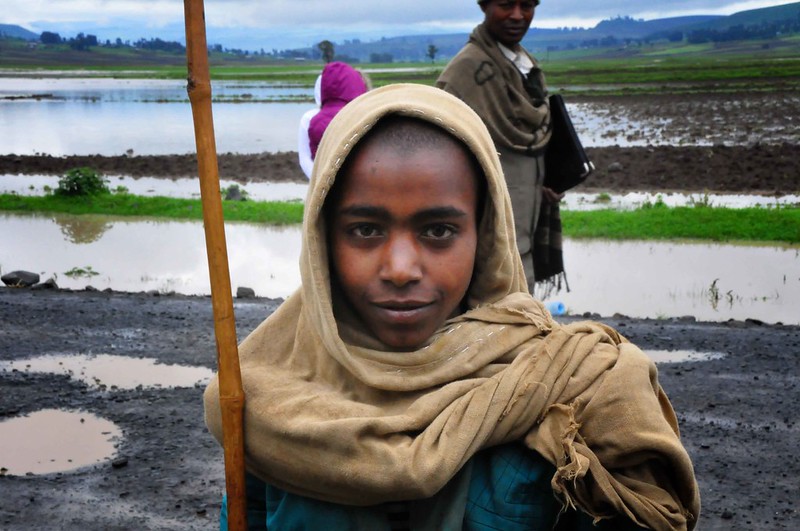
The Universal Declaration of Human Rights recognized that having food was a human right in 1948. However, it did not include water until 2010. Thus, governments have three obligations: to respect, protect and fulfill these rights in a non-discriminatory, participatory and accountable way. Particularly, water is important for agricultural production and ecosystems such as forests and lakes. Water and food security are essential in alleviating poverty in Ethiopia.
About 800 million people reside in areas where water and food security is low. In order to address the underlying causes of food insecurity, it is necessary to resolve water insecurity and social injustices.
Water Quality and Access
According to the United Nations Development Program, a crisis in water and sanitation causes more devastation than a terrorist attack. Furthermore, these crises happen quietly. As a result, millions of people enjoy access to clean water without concern for others.
Lyla Mehta argues that water is food in itself. The micronutrients in water aids in human health and sanitation. Additionally, water of poor quality can cause diseases that lead to food insecurity and damage ecosystems. Therefore, having access to clean water is essential in improving living conditions for people.
Water inequity exists within societies in four ways:
- Availability: The gap between water-abundant nations and water-scarce nations is large.
- Access: Water Accessibility depends greatly on gender, socio-economic status and power relations. As a result, discrimination of race, class and gender is prevalent.
- Quality: The effects of pollution diminish water quality, causing poor nutrition and damaged ecosystems.
- Stability: Changing weather and variability make water accessibility highly unstable. Additionally, by 2080, another 1.8 billion people will suffer from water scarcity due to environmental challenges.
Water and Food Security in Ethiopia
Ethiopia relies heavily on agriculture, which constitutes 40% of its GDP and 75% of the workforce. The agriculture industry consists mainly of small-holder farmers in a mixed system of crop-livestock. Furthermore, farmers have limited knowledge of technology and rely heavily on rainfall. Consequently, the primary cause of food shortages is droughts.
Fortunately, many organizations and agencies are working to promote water and food security in Ethiopia.USAID works with several programs to strengthen the conditions of Ethiopia’s water and food security. First, the Feed The Future Strategy encourages participation in income-generating activities within the agricultural sector. This provides jobs and opportunities for families in rural areas and provides credits and technical assistance to small and medium-sized businesses. Additionally, USAID is the largest bilateral donor to the Productive Safety Net Program (PSNP) of the Government of Ethiopia. It contributes by directly rehabilitating the natural environment through labor-based public efforts, stimulating markets, creating greater service accessibility and preventing the draining of household assets.
Additionally, the World Food Program supports the MERET program in investing in a number of activities that relate to water and soil conservation and rehabilitation. Moreover, packages of homestead development and household income-generating programs have emerged to increase household income and women’s assistance. As a result, water availability has increased from ponds, wells, springs and soil moisture. Furthermore, there has been a significant increase in production and household income.
How to Address Water and Food Security
Expectations have determined that agricultural productivity will increase in the following decades. Thus, the need for water will increase as well. It is challenging to address water security when competition increases. However, allocating quality water in specific amounts and managing agriculture will help communities achieve sustainable social and economic development.
Furthermore, programs are building comprehensive plans to address challenges related to production and consumption. First, improving less fortunate communities’ access to food and water is imperative. Next, overcoming gender discrimination will help improve food production and nutrition. Then, promoting inclusive water governance to guarantee equitable and sustainable decision-making in water and food security is crucial.
Water is as important as food for human health. Moreover, water contributes to food accessibility, sanitation and provides a means to achieve sustainable income. Therefore, Ethiopia needs to address water and food security.
– Helen Souki
Photo: Flickr
