• Link to X
  • Link to Facebook
  • Link to Instagram
  • Link to TikTok
  • Link to Youtube
  • About
    • About Us
      • President
      • Board of Directors
      • Board of Advisors
      • Financials
      • Our Methodology
      • Success Tracker
      • Contact
  • Act Now
    • 30 Ways to Help
      • Email Congress
      • Call Congress
      • Volunteer
      • Courses & Certificates
      • Be a Donor
    • Internships
      • In-Office Internships
      • Remote Internships
    • Legislation
      • Politics 101
  • The Blog
  • The Podcast
  • Magazine
  • Donate
  • Click to open the search input field Click to open the search input field Search
  • Menu Menu

Archive for category: Food & Hunger

Information and stories on food.

Food & Hunger, Food Insecurity, Food Security, Food Security, Foreign Aid, Global Poverty

UN Food Systems Summit

UN Food Systems Summit
The U.N. Food Systems Summit recently took place on September 23, 2021. The U.N. Food Systems Summit highlighted the key nexus between food sustainability and food insecurity. The Summit was a virtual conference, and it described the food-related challenges that many people around the world are currently facing. Statistics highlighted the magnitude of the nutritional issues.

The UN Food Summit: Igniting Action and Hope

The World Food Program’s (WFP) Executive Director, David Beasley, mentioned several concerning facts. For example, 3 billion people are unable to attain a balanced diet. Beyond that, 9 million people die from hunger each year. In 2020 alone, 25,000 people died per day due to starvation. However, following these morbid realities, the Summit revealed the goals of the U.N. and some solutions to the pre-established issues. The emphasis was on galvanizing people to care for one another. At its core, the Summit was a rallying call to action.

Main Objectives of the Summit

The main objective of the Summit was to raise awareness of the food system’s importance to the entirety of the sustainable development agenda. The urgency of addressing the issues plaguing global food systems has increased, particularly in the aftermath of the COVID-19 pandemic. The Summit also aimed to unite stakeholders around a common understanding of food systems as a foundation for action, to recognize the necessity of innovation addressing global food obstacles and catalyze action for the transformation of food systems in every corner of the globe.

António Guterres, the U.N. Secretary-General, issued a summary and statement of action for the Summit. One of the key points of the statement was how the pandemic has significantly worsened food insecurity, resulting in a 20% increase in the number of people facing hunger between 2019 and 2020. Furthermore, the Secretary-General established five action areas to help ensure the necessary changes to achieve all of the SDGs by 2030:

  1. Nourish All People
  2. Boost Nature-Based Solutions
  3. Advance Equitable Livelihoods, Decent Work and Empowered Communities
  4. Build Resistance to Vulnerabilities, Shocks and Stresses
  5. Accelerating the Means of Implementation

This statement of action was very robust. It included details about how the U.N. Resident Coordinators and U.N. Country Teams will work with national governments to develop new national pathways to improve food systems and ensure the accomplishment of the SDGs by 2030.

Global Leaders Reactions

During the Summit, leaders from a variety of countries spoke in an attempt to elicit empathy and initiative in the fight against food insecurity and malnutrition. Presidents, Prime Ministers, Agriculture Ministers and others were present at the Summit. The Summit’s goal was to “transform food systems to achieve the 2030 Agenda for Sustainable Development.” Many of the leaders who spoke focused on the specific issues plaguing the food systems within their state and established courses of action and priorities for tackling those issues.

Spain stated that it will be focussing on boosting family farming, with President Pedro Sanchez saying that “family farming…contributes to the economic and socio-cultural fabric of rural areas.” He followed that statement by announcing that the Spanish government will support family farming by boosting the coalition for the Decade of Family Farming. Dr. Tedros Ghebreyesus, the Director-General of the World Health Organization (WHO), made a strong statement condemning humanity’s current state of production and consumption. He emphasized the urgency of investment into global food systems and called upon food manufacturers to change the composition of their products.

The Conversation Needs to Continue

The U.N. Food Systems Summit provides hope and reassurance that action will occur to address food insecurity and poverty worldwide. The Summit was available to watch for anyone with internet access, and those who registered were able to connect in chat sections. Globalizing the combat of food insecurity and reaching the individual level increases awareness and participation in the Summit, which is beneficial to the U.N. cause. International humanitarian organizations and NGOs should continue to host these community dialogues to raise awareness of the issues plaguing humanity and to establish roadmaps to alleviate these issues.

– Wais Wood
Photo: Flickr

October 24, 2021
https://borgenproject.org/wp-content/uploads/borgen-project-logo.svg 0 0 Lynsey Alexander https://borgenproject.org/wp-content/uploads/borgen-project-logo.svg Lynsey Alexander2021-10-24 07:30:542021-10-21 10:59:23UN Food Systems Summit
Food Security, Global Poverty, Hunger

Food Insecurity in Niger

Food Insecurity in Niger
Niger is a landlocked country in Western Africa. Approximately 75% of Niger’s land is the Sahara Desert, with 81% of the population relying on agriculture for food. According to World Bank data, 42.9% of the 24 million Nigerians live in extreme poverty. Hunger in Niger is a significant issue, with the Global Hunger Index ranking Niger as the 17th hungriest country in the world. Here is some information about food insecurity in Niger and what some are doing to reduce it.

Overpopulation

Currently, more than 25 million people live in Niger and almost 50% of the population is under the age of 15. Niger is one of the fastest-growing populations with a growth rate of close to 4% annually, but its ability to produce food for the growing population has not been successful. The United Nations World Food Program has estimated that food insecurity in 2019 affected more than 1.4 million Nigeriens. Many must face the adverse effects of hunger due to the continuously growing population and scarcity of food. The growing population exhausts hunger program initiatives and creates a challenge to feed communities. The high population also contributes tension to the already strained natural food resources.

Agriculture

Agriculture serves as one of the top food sources for people across the world. As for Niger, depending on agriculture poses a big problem. The land already suffers from degradation, deforestation and desertification, with low fertility and heavy pests, making it hard to produce food.

The land deals with fluctuations in precipitation and environmental changes, which make the production of crops limited. Droughts and floods are also likely and increase the risk of dying crops. Although that is the case, much of farmland still depends on rain to feed crops because of the lack of infrastructure to retain water and irrigation.

Malnutrition

One of the direct results of food insecurity is malnutrition. Malnutrition develops when the body does not receive proper nutrients. This could be a result of poor diets, lack of food or even inconsistent food intake. Proper nutrients are necessary in order to maintain a healthy immune system, growth and development. Since Niger lacks the proper food resources, malnutrition continues to endanger the lives of children.

Child Marriage

Another direct effect of food insecurity is an increase in child marriage. Hunger forces some families to resort to desperate measures such as child marriage. Payments such as dowries have been helpful during hunger-stricken moments. Child marriage is a common practice among Niger natives. Around the age of 16 young girls usually have to choose between school or marriage. Approximately 75% of young girls marry before the age of 18.

Data from a 2018 study for the International Center for Research on Women shows that women who marry at an early age have high levels of food insecurity. Additionally, those women end up forfeiting their education. Consequently, once married early, their educational growth becomes stunted. The act of child marriage has increasingly contributed to the low literacy rate among Niger women, resulting in an indirect effect of food insecurity in Niger. An analysis has also linked child marriage with early childbearing. Early childbearing may lead to more children, and as a result, reduce the amount of money in the household.

USAID

USAID is offering programs that bring more job opportunities, food security and stability to the people of Niger. Along with those programs, USAID is working to provide additional support such as access to credit, economic opportunities, better natural resources, soil management and more farming production.

In 2019, USAID funded a project that provided improvement, sustainability and nutrition to families in need. Along with those provisions, the organization also focused on developing agricultural entrepreneurship for youth in the Zinder area of Niger. USAID taught youth about compost production, pest management, marketing gardening and fruit tree nurseries.

The KfW Development Bank

The KfW Development Bank helps finance projects around the world to fight poverty. KFW has fought poverty and protected the environment for over 50 years.

KfW launched a project on Mar. 8, 2021 to expand small-scale irrigation infrastructure. This project is serving as phase two of two. Phase two should run until 2025 and provide farmers with successful harvests and sustainability. Water availability and food production should increase substantially.

Despite the prevalence of food insecurity in Niger, organizations like USAID and the KfW Development Bank are making a difference. Through continued efforts, hunger should reduce improving the lives of Niger’s citizens.

– Destiny Jackson
Photo: Flickr

October 22, 2021
https://borgenproject.org/wp-content/uploads/borgen-project-logo.svg 0 0 Lynsey Alexander https://borgenproject.org/wp-content/uploads/borgen-project-logo.svg Lynsey Alexander2021-10-22 07:30:412024-05-30 22:25:18Food Insecurity in Niger
Food & Hunger, Global Poverty

Ending Bushmeat Consumption in Ghana

Ending Bushmeat Consumption in Ghana
People in Ghana eat more bushmeat than anywhere else in the world. This is especially true in rural areas. Organizations worldwide are trying to stop Ghanaians from eating so much bushmeat because it spreads disease among humans and endangers several animal species. Ghanian bushmeat includes baboon, aardvark, warthog and rats. However, bushmeat represents the freshest and most affordable meat available for Ghana’s rural citizens. The African Conservation Foundation may be a key part of stopping bushmeat hunting and bushmeat consumption in Ghana in the years ahead.

The Dangers of Bushmeat

Bushmeat is a term referring to the meat of wild animals, most typically applied to those that are hunted in Africa. The most common types of bushmeat are rat, antelope, warthog, bat and monkey, all of which carry diseases. Despite Ghana outlawing bushmeat, black markets still sell it because much of the population relies on bushmeat for protein.

Bushmeat can transmit diseases such as Ebola, Monkeypox, HIV and SARS, even holding the potential to cause outbreaks of diseases yet unknown to man. Diseases can transmit whenever a hunter comes into close contact with the live animal, cleans the animal or when people consume the animal. Additionally, live animals can be very dangerous to hunt. They can be large and hostile, like the warthogs, and overpower a hunter. Also, many conservation groups worry about the animal extinction that bushmeat hunting causes. According to a report the Royal Society published, overhunting is currently threatening 301 land mammals. Because bushmeat hunting occurs yearly, and excessively, more species become extinct each year.

Rural and Urban Consumption

In 2021, over 3.57 million Ghanaians live below the poverty line, subsisting on less than $1.90 a day. Because bushmeat is much cheaper than chicken or beef, it is the only protein option for many. Bushmeat is also often the freshest meat in the country, leading people to believe that bushmeat is the best option available. During the “dry” seasons, farmers are unable to provide enough protein to their citizens. Rural citizens see bushmeat as an affordable option as opposed to the safer but more expensive farmed protein. The business is so lucrative that Ghanaian hunters earn up to 3.5 times the government minimum wage.

Bushmeat is most common in rural communities rather than urban. This is because bushmeat is much cheaper than safer meats in rural communities. According to an NCBI report, bushmeat consumption worldwide occurs most frequently in villages with poor transportation links and few alternative protein options. Because the illegality of bushmeat limits its hunting to rural areas, the markets for bushmeat in suburban areas are more expensive. There must be money to pay the middle-man to transport the meat, causing the suburban prices to be more expensive than the rural areas. Still, urban markets find buyers in wholesalers, market traders, restaurants and individual consumers.

The African Conservation Foundation

The African Conservation Foundation (AWF) is an international, non-governmental organization that prioritizes wildlife and their habitats in Africa. Its Director of Global Leadership, Edwin Tambara, recently stated that “AWF is working to engage elected officials in Washington, D.C., and in countries around the world to inform policies ensuring that wildlife conservation and stopping the illegal wildlife trade is prioritized in the wake COVID-19.”

There are a number of ways AWF seeks to accomplish this. Firstly, the organization influenced the Ghanaian government’s decision to make the bushmeat market illegal. Now, AWF is attempting to use education to stop the markets. Most importantly, AWF provides funding as an incentive to stop wildlife hunting and counteract the majority of Ghanaians who consume bushmeat because of its affordability.

Looking Ahead

Ghana leads the world in bushmeat consumption, but looks now to other alternatives because of its uncleanliness and endangering of species. The African Conservation Foundation is one organization contributing to ending bushmeat consumption in Ghana. Thanks to its incentives, policies and education, the way forward looks hopeful.

– Sydney Littlejohn
Photo: Flickr

October 20, 2021
https://borgenproject.org/wp-content/uploads/borgen-project-logo.svg 0 0 Lynsey Alexander https://borgenproject.org/wp-content/uploads/borgen-project-logo.svg Lynsey Alexander2021-10-20 01:30:572021-10-17 12:43:57Ending Bushmeat Consumption in Ghana
Food Security, Global Poverty

Efforts to Provide Relief After Floods in Timor-Leste

Floods in Timor-Leste
Between April 29 and March 4, 2021, extreme weather struck the nation of Timor-Leste. Cyclone Seroja created “strong winds and heavy rain,” according to the Associated Press. The U.N. explained that heavy rain, in turn, led to landslides and flash floods during the cyclone. The challenging weather struck Timor Leste’s capital city, Dili, particularly hard. In fact, around 8,000 Timorese people had to move to temporary shelters and 34 people died due to the floods in Timor-Leste.

Since April 2021, the floods in Timor-Leste have received little coverage from Western news sources and the work of rebuilding and providing resources is ongoing. In fact, the country’s government requested more “support to address residual humanitarian needs” in June 2021.

The Current Situation

A U.N. report, dated July 16, 2021, has provided details about which areas still require attention. These include the evacuation centers, which are still housing 730 people, as well as food and water accessibility. As part of its section on “Gender & Protection,” the report stressed the necessity for well-lit bathrooms with lockable doors for both men and women at the evacuation centers. Additionally, the report noted that those living in evacuation centers will need access to materials so that they can fix their damaged homes or build new ones. 

More broadly, clean water and COVID-19 are major concerns. Initiatives to restore the country’s piped water supply system is on their way in order to deliver water to the capital and other areas. Meanwhile, COVID-19 cases have risen, and the country lacks supplies and equipment to deal with the pandemic effectively. Cyclone Seroja resulted in the flooding of Timor Leste’s national medical storage facility, leading to the destruction of medical supplies.

The report from the U.N. shows that there is a demand for information as well. In its section on “Education,” the report noted that “[d]etailed information on damages and losses in schools not yet available.” The report listed the problem in regard to its “Water, Sanitation, and Hygiene” section as well.

USAID Food Assistance

Shortly after the floods in Timor-Leste, The New Humanitarian reported that “food affordability [was] emerging as [a] growing [worry]” due to the impact of the floods on crops. In fact, the cost of rice increased by more than 20% in one year. The U.N. has suggested that Timor-Leste implement a referral system to resolve malnutrition. 

On July 8, 2021, USAID announced that it would give Timor-Leste an additional $900,000 in assistance after having given $100,000 in the aftermath of Cyclone Seroja. On July 9, 2021, Kevin Blackstone, the U.S. ambassador to Timor-Leste mentioned that the U.S. aimed to impact “farmers in remote areas” by providing “cash or vouchers to buy seeds,” as well as necessary farming tools.

Further Assistance

USAID’s contribution is only the tip of the iceberg. The U.N’.s report lists many other actions that governments and organizations have taken to aid the Timorese government. Among other measures, the Timorese government has given out 36,600 water purification tablets. Additionally, UNICEF gave supplies to a Tasi Tolu community so that education for children could continue and the UNDP began a cash-for-work program, offering jobs to those who need them. Finally, various organizations have worked to provide education about gender-based violence.

The New Humanitarian’s coverage in April 2021 highlighted the actions of local volunteer groups in Timor-Leste. One woman named Berta Antonieta Tilman Pereira worked on fundraising so that she could start community kitchens for evacuees in the aftermath of the floods. Pereira stated that “the community themselves needs to be organized” because “the system that we’re…supposed to trust and rely on…is totally slow and not responding.” The New Humanitarian pointed out that the Timorese government did not request help from international bodies until April 8, 2021, which was four days after the disaster.

Three months after Cyclone Seroja, much still needs to occur in regard to dealing with the effects of floods in Timor-Leste. According to the U.N., 26,186 “affected families…have received emergency support,” and “[t]he majority of the temporarily displaced have returned home.” However, organizations are also carrying out a great deal of work in the hopes of long-lasting recovery.

– Victoria Albert
Photo: Flickr

October 1, 2021
https://borgenproject.org/wp-content/uploads/borgen-project-logo.svg 0 0 Kim Thelwell https://borgenproject.org/wp-content/uploads/borgen-project-logo.svg Kim Thelwell2021-10-01 07:30:542024-05-30 22:24:58Efforts to Provide Relief After Floods in Timor-Leste
Activism, Food & Hunger, Food Aid, Global Poverty

An Introvert’s Guide to Fighting Global Poverty

introvert's guide to fighting global povertyThere is a common misconception that activism with a physical presence, like attending protests or lobbying, is the only kind that can make a difference. While these are effective ways to influence legislation, there are many other ways to create change and contribute to the fight against global poverty. An ordinary individual can play a role in creating global change by taking action online, without ever needing to leave their home. An introvert’s guide to fighting global poverty shows that anyone can contribute to addressing global issues regardless of personality type.

Fighting Poverty by Influencing Legislation

One of the most effective ways to help in the fight against poverty is to influence legislation. While lobbying is an effective way to do this, most U.S. congresspersons give their constituents the option to contact them by calling or emailing their offices. With the option to contact Congress in this way, constituents can voice their concerns easily and effectively.

Grassroot efforts such as calling and emailing Congress as well as advocacy helped pass integral pieces of legislation such as the Global Fragility Act and the End Neglected Tropical Diseases Act. For an easy way to contact Congress about poverty-based legislation, interested persons can access a pre-filled email template from The Borgen Project.

Fighting Poverty Through Apps

Apps and social media movements can also be very effective tools in the fight against poverty. The World Food Programme (WFP) recognizes this and has created various apps through which users can help mitigate hunger in their spare time. With the Freerice app, users can earn rice for those in need just by answering trivia questions. The app earnings are supported by “in-house sponsors.” According to the WFP, Freerice has raised and donated 210 billion grains of rice since 2010.

Additionally, the WFP has created an app called ShareTheMeal. The meal donation app aims to improve food security throughout the world. With a click of a button, an ordinary individual can contribute to a day’s worth of meals for a child at the cost of just $0.80. Through ShareTheMeal, more than 115 million meals have been provided to those in need as of July 16, 2021.

Knowing the Facts

While it may not seem like the most effective form of activism, one of the easiest ways to spread awareness about an issue is to talk about it within one’s social network. But, in order to effectively discuss global issues, an individual should familiarize themself with the facts.

Some of the most well-known humanitarian organizations, such as the World Health Organization (WHO) and the Food and Agriculture Organization, offer educational resources about hunger, health and poverty. To expand awareness into one’s social network, it is important to know these facts and statistics.

Every year, the WHO publishes a World Health Statistics report. In the 2021 report, the WHO describes the connection between exacerbated poverty and COVID-19 as well as the way that diseases like tuberculosis can impact poverty due to a lack of healthcare.

By understanding the nuances of global poverty, one can become a more informed advocate for a global issue, increasing the power of influence and the likelihood of persuading friends and family to support legislation.

Looking Forward: Advocacy, Education and Mobilization

With these methods in mind, one of the most effective ways to be an activist from home is to mobilize within one’s own social network. By ensuring that friends and family are also advocating for a cause, one can effectively create a much larger web of support for a cause.

An introvert’s guide to fighting global poverty shows that there are vast ways to support global issues without needing to step out of one’s comfort zone. Whether one is voicing support for particular pieces of legislation or whether an individual uses one of the many apps that help alleviate hunger, garnering more supporters will ultimately help sustain a grassroots effort and fight global poverty.

– Samuel Weinmann
Photo: Unsplash

August 15, 2021
https://borgenproject.org/wp-content/uploads/borgen-project-logo.svg 0 0 Kim Thelwell https://borgenproject.org/wp-content/uploads/borgen-project-logo.svg Kim Thelwell2021-08-15 07:30:372024-05-29 22:27:13An Introvert’s Guide to Fighting Global Poverty
Food & Hunger, Global Poverty

USAID Improves Malnutrition in Uzbekistan

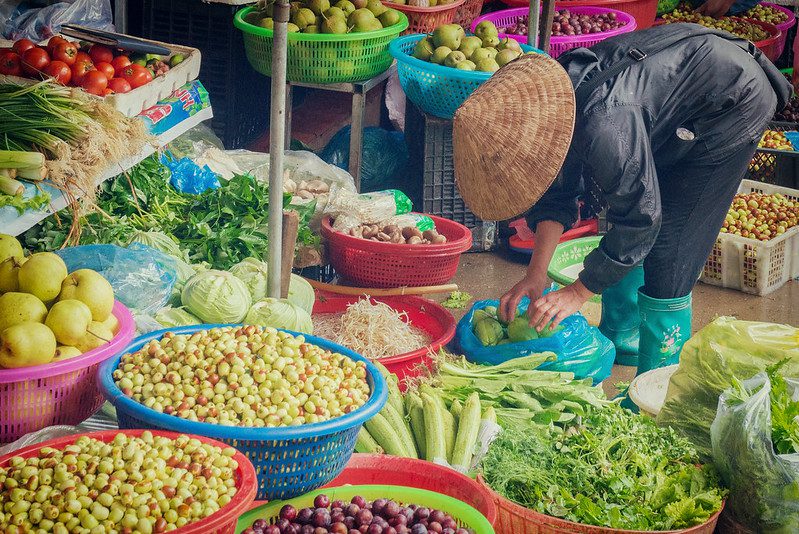
Malnutrition in UzbekistanOn July 1, 2021, USAID successfully delivered 131 tons of food to Tashkent, the capital of Uzbekistan, to combat malnutrition in Uzbekistan. The almost $400,000 humanitarian aid package provides a “nutritious vegetable and legume mix” to health and social care facilities as well as disadvantaged Uzbek households. The aid is yet another act showing the U.S. commitment to long-term investment in health and nutrition in Uzbekistan.
Food Security and Uzbekistan’s Agri-Food Sector

Since it gained independence in 1991, Uzbekistan has wisely prioritized self-sufficiency in its approach to food security. Although the country has produced sufficient food to cover its population in the past, “food security also encompasses affordable food and a diverse diet that includes essential nutrients.” According to the International Food Policy Research Institute (IFPRI), malnutrition in Uzbekistan lingers because the country lacks adequate standards of balanced and nutritious diets and affordable food options are rare.

The World Bank states that the development of Uzbekistan’s agri-food sector is critical to strengthening food security and reducing poverty in the country. Economically, the agriculture division alone contributes 28% of Uzbekistan’s GDP and is responsible for employing more workers than any other sector. About 27% of the entire workforce, or more than 3.65 million people, work in the agricultural field.

In 2019, almost 10% of the country lived below the poverty line, surviving on less than $3.2 per day. This equates to about 3.2 million people, 80% of which lived in rural regions “with livelihoods that depend largely on agriculture.” For these reasons, USAID seeks to develop and diversify the agri-food sector by introducing new technologies and techniques to local farmers. In the past, Uzbek farmers could not access contemporary data on markets, weather, technologies and farming practices. By supplying almost 100,000 hours of agricultural training “and working with 64 new consulting service providers,” USAID has played a role in a 523% “cumulative increase in farm yields,” raising the income of Uzbek farmers by 107%.

USAID’s Impact on Uzbek Food Security

In the last decade, USAID’s International Food Relief Partnership program has supplied 1,300 tons of food assistance to Uzbekistan, amounting to more than $3.5 million in aid. The recent delivery will target more than “30,000 of the most vulnerable citizens” who are most at risk of food insecurity and malnutrition. The aid will cover 130 health and social centers, including mental institutions and orphanages.

USAID Uzbekistan’s mission director, Mikaela Meredith, states, “This program demonstrates the ongoing strong partnership between Uzbekistan and the United States of America to improve nutrition and ensure that the most vulnerable have adequate, safe and nutritious food to support a healthy and productive life.”

The Future of Uzbekistan’s Food Security

Uzbekistan is currently on course to meet the global nutrition targets of reducing child stunting by 40% by 2025. In terms of stunting in children younger than 5, the rate has reduced from 25% in 2002 to 10.8% in 2017. However, not enough data is available to determine how close Uzbekistan is to achieving its 2025 target for stunting. Nonetheless, the country has made progress over the years. The continued assistance from USAID and other international organizations will help develop the agricultural sector, increase food security and combat malnutrition in Uzbekistan.

– Gene Kang
Photo: Flickr

August 12, 2021
https://borgenproject.org/wp-content/uploads/borgen-project-logo.svg 0 0 Kim Thelwell https://borgenproject.org/wp-content/uploads/borgen-project-logo.svg Kim Thelwell2021-08-12 07:30:082021-08-12 00:25:58USAID Improves Malnutrition in Uzbekistan
Food & Hunger, Food Aid, Global Poverty, Hunger, World Hunger

Connecting Veganism and World Hunger

The Unexpected Connection Between Veganism and World Hunger
Understanding the connection between veganism and world hunger is paramount in joining the fight to alleviate hunger.

What is Veganism?

There are many possible definitions for this increasingly popular lifestyle. The Vegan Society summarizes the movement as more than a dietary shift. It believes that “Veganism is a philosophy and way of living which seeks to exclude — as far as is possible and practicable — all forms of exploitation of, and cruelty to, animals for food, clothing or any other purpose. By extension, it promotes the development and use of animal-free alternatives to benefit animals, humans and the environment. In dietary terms, it denotes the practice of dispensing with all products derived wholly or partly from animals.”

The lifestyle has been around for many years. The original usage of the word “vegetarian” was in the 1830s. It referred to someone who ate a diet that people would now consider a vegan diet. Furthermore, throughout human history, records have indicated various forms of vegan diets in different cultures. Often, people used vegan diets as a form of religious or spiritual practice.

Today, it is relatively easy to find vegans and vegan options. As of April 2019, the popular vegetarian and vegan food website/app HappyCow listed more than 24,000 vegan-friendly restaurants in the United States. This included nearly 1,500 fully vegan restaurants. Even meat-heavy fast-food chains like Burger King and Carl’s Jr. now carry vegan options.

Veganism carries many benefits, such as a lowered risk of heart disease and lower cholesterol levels. However, perhaps one less well-known topic is the connection between veganism and world hunger.

What is the Connection Between Veganism and World Hunger?

Globally, an estimated 820 million people experience hunger. Livestock farming requires the usage of large amounts of resources that could otherwise feed those who are hungry.

Animal feed uses around 36% of global crop-produced calories. Only 12% of those feed calories ultimately contribute to the human diet as animal products. Furthermore, only one calorie goes to human consumption for every ten calories fed to livestock, an inefficient ratio of about 10%.

If fewer crops went to livestock, society could more efficiently allocate crops for human consumption. A report written by the Proceedings of the National Academy of Sciences posited that if American farmers converted all the land currently used to raise cattle, pigs and chickens to grow plants instead, they could sustain more than twice as many people as they currently do.

Similarly, researchers reported in 2018 that current crop production can feed the projected 9.7 billion global population in 2050, provided people switch to a plant-based diet and the global agricultural system changes.

Which Nonprofit Organizations Have Explored These Connections?

Multiple global nonprofit organizations combine outreach efforts with veganism and world hunger relief, providing healthy vegan food to communities in need. One such nonprofit is Food for Life, the world’s largest vegan food relief organization. The group has headquarters in Delaware, U.S.A. and Ljubljana, Slovenia, and comprises nearly 250 individual affiliate projects. Together, these initiatives can serve 2 million vegan meals daily.

Vedic values of spiritual hospitality guide the group. Its volunteers also exemplify core principles of welfare, hospitality, non-violence, health, education and animal advocacy. Since its founding in the 1970s, Food for Life’s global volunteers have delivered more than 7.3 billion full meals.

Another vegan group fighting global hunger is the U.K.-based Vegans Against World Hunger. Founded in 2019, this volunteer-run organization works to fund and increase awareness of projects which provide healthful vegan food to those suffering from hunger. In addition, Vegans Against World Hunger aims to educate the public about Veganism’s health and environmental benefits.

What Can People Do to Help?

It is essential for people to be mindful of the ethical impacts of their dietary choices. Whether one tries to go vegan or eats more vegan, it is integral to realize that people’s food choices affect the global food environment and communities. When individuals make these choices, they can help lessen the impact of world hunger. Together, it is possible to create a happier and healthier global food ecosystem by applying this knowledge daily.

– Nina Lehr
Photo: Flickr

July 30, 2021
https://borgenproject.org/wp-content/uploads/borgen-project-logo.svg 0 0 Kim Thelwell https://borgenproject.org/wp-content/uploads/borgen-project-logo.svg Kim Thelwell2021-07-30 07:30:222024-05-30 22:24:51Connecting Veganism and World Hunger
Food Security, Global Poverty

What to Know About Poverty in Zimbabwe

Poverty in Zimbabwe
Zimbabwe was once a rising economy in Africa, with its mining and agricultural industries propelling the country forward. However, Zimbabweans now struggle with war, internal corruption, hyperinflation and industrial mismanagement. A closer look at the country provides insight into the context of poverty in Zimbabwe.

8 Facts About Poverty in Zimbabwe

  1. Poverty affects 76.3% of Zimbabwean children living in rural areas as of 2020.
  2. Roughly 74% of the population lives on less than  $5.50 a day and the average wage per month is $253.
  3. Half of Zimbabwe’s 13.5 million people live below the food poverty line and about 3.5 million children are chronically hungry.
  4. Approximately 1.3 million Zimbabweans were living with HIV as of 2016. However, the number of HIV cases has been declining since 1997 because of improvements in prevention, treatment and support services.
  5. About 60% of rural Zimbabwean women face period poverty, meaning they lack access to menstrual supplies or education. Girls who experience period poverty miss an estimated 20% of their school life.
  6. Due to famine and the HIV/AIDS crisis, the average life expectancy for a Zimbabwean was only 61 years as of 2018. However, life expectancy has steadily risen since 2002 when it was only 44 years.
  7. In 2019, two million Zimbabweans had no access to safe drinking water due to the impacts of drought.
  8. The government allocates a significant portion of the national budget toward education. As a result, Zimbabwe’s adult literacy rate is 89%, one of the highest in Africa.

Why Poverty is Rampant in Zimbabwe

Since Zimbabwe gained its independence in 1980, its economy has primarily depended on its mining and agricultural industries. Zimbabwe’s mining industry has immense potential as the country is home to the Great Dyke, the second-largest platinum deposit globally. Additionally, Zimbabwe has more than 4,000 gold deposits.

However, the country’s mining sector is inefficient — its gold output dropped 30% in the first quarter of 2021. While illegal gold mining hurts the industry, Zimbabwe’s lax mining licensing laws also allow foreign companies to mine minerals at cheap costs for years on end, leading to a lack of incentive to accelerate mineral production.

Furthermore, the Zimbabwean government’s decision to support the Democratic Republic of the Congo in the Second Congo War drained its bank reserves, alienated its allies and caused the U.S. and the EU to impose sanctions. Subsequently, Zimbabwe’s economy collapsed. As a result, the government began printing more money, leading to widespread hyperinflation of the Zimbabwean dollar.

NGOs Combating Poverty in Zimbabwe

The situation in Zimbabwe is improving. In 2021, Zimbabwe’s GDP could potentially grow by nearly 3% thanks to increased agricultural production, increased energy production and the resumption of manufacturing and construction activities. Unemployment rates will likely continue to decrease. The rebound is primarily due to increased vaccination efforts, with China providing two million doses of COVID-19 vaccines to the country.

In addition, multiple NGOs are fighting poverty in Zimbabwe. For example, Talia’s Women’s Network seeks to end period poverty in the country’s rural areas by helping 250 girls gain access to menstrual products. The project also seeks to provide the girls both with an understanding of the menstrual process and with access to support structures to combat early childhood marriage, gender-based violence and unwanted pregnancies.

Another organization, Action Change, supplies lunch to 400 primary students in Zimbabwe. It also works to break the cycle of poverty by providing resources for education. Zimbabwe spends 93% of the estimated $905 million it allocates toward education on employment costs, leaving only about 7% of the budget for classroom resources. Action Change provides schools with resources such as textbooks.

American Foundation for Children with AIDS helps 3,000 children and guardians who have AIDS by providing them with livestock and food self-sufficiency training. Meanwhile, the organization also provides resources and training to fight food insecurity and ensure that children eat well.

Stimulating the Agriculture Industry

The key to reducing poverty in Zimbabwe is stimulating the country’s agricultural industry. Nearly 66% of Zimbabweans rely on their small farms for survival. However, great inequality in water access exists between the country’s many small farms and few large commercial farms. Equality in water access would increase productivity and income for small farmers. A revitalization of the agricultural sector would spur economic growth and alleviate poverty in Zimbabwe.

Although the country still has barriers to conquer to truly eradicate poverty, it also has immense potential to become an African superpower.

– Matthew Port Louis
Photo: Flickr

July 27, 2021
https://borgenproject.org/wp-content/uploads/borgen-project-logo.svg 0 0 Borgen Project https://borgenproject.org/wp-content/uploads/borgen-project-logo.svg Borgen Project2021-07-27 04:00:142024-12-13 17:49:26What to Know About Poverty in Zimbabwe
COVID-19, Food & Hunger, Food Aid, Global Poverty

The Fight Against Hunger in Nigeria

Hunger in Nigeria
Nigeria is currently facing a daunting challenge that impacts the lives of millions in the country: hunger. Hunger in Nigeria has been escalating in recent months for various reasons and it has received international attention.

The Scale of the Crisis

Hunger in Nigeria is an immense problem that is currently putting millions at risk in the country. Between the three northeastern states of Borno, Adamawa and Yobe, almost 4.5 million people are now at risk of hunger. Of that 4.5 million, more than 700,000 are at imminent risk of starving to death.

Economics and Food

The COVID-19 pandemic has been a critical contributing factor in the ongoing rise in hunger in Nigeria. Unemployment has skyrocketed in the country, as one-third of the population does not have a job. Additionally, 70% of Nigerians have lost at least one form of income because of the pandemic.

Food inflation has also skyrocketed, worsening the state of hunger. Food inflation reached a 15-year high in 2021, rising to 22.95% in March. Import restrictions on rice and rising fuel costs have both contributed to this inflation.

Overall inflation and poverty levels have been on the rise, further compounding the hunger crisis. Inflation in Nigeria is the highest in the region, and the World Bank predicts the 2021 Nigerian inflation to be 16.5%. The inflation prediction for the sub-Saharan Africa region, excluding Nigeria, is only 5.9%. In the past year, food price inflation alone has accounted for 70% of Nigeria’s inflation.

The economic fallout of the pandemic could put more than 11 million Nigerians in poverty by 2022. The effects of the pandemic created a dangerous mix of unemployment, increased poverty, increased overall inflation, increased food inflation and widespread loss of income.

Conflict and Hunger

Conflict in Nigeria has contributed to the current hunger crisis. The impact of conflict in Nigeria is especially apparent with food inflation. Food costs have risen due to conflict between farmers and herders in the agricultural sector, as well as the ongoing insurgency by the Boko Haram terrorist organization.

Further, the ongoing conflict has made the state of hunger in Nigeria even worse by displacing many Nigerians. The states of Borno, Adamawa and Yobe, which are at high risk of widespread hunger, have also seen mass displacement due to conflict. In recent years, 8.7 million people have experienced displacement in these states due to the violence that “non-state armed groups” instigated

These large numbers of displaced persons often move into host communities that are ill-suited to the task. Such communities end up under the tremendous strain, as they have insufficient supplies, including food, to serve their newly enlarged populations.

Armed conflicts that prevent humanitarian aid from reaching those who need it is complicating the addressing of this crisis. Estimates indicate that aid cannot reach more than 800,000 people who live in areas that non-state armed groups control.

Aid Efforts

International organizations are trying to address hunger in Nigeria. The U.N. and other international organizations have continued to provide food assistance in Nigeria thanks to a process called localization. This process involves international organizations partnering with local NGOs to assist those in need, which enables local people, who might understand more, to help with local problems.

This coalition of organizations has provided support to camps for internally displaced persons. For example, the World Food Programme (WFP) has given starving Nigerians money to purchase food. However, this assistance has had a limited scope, as some camps only offer food support to pregnant and breastfeeding mothers. All of these efforts to assist have not proven to be enough to address the crisis. 

Looking Ahead

Much work remains to address the current state of hunger in Nigeria. The U.N.-led coalition of organizations is attempting to reach more than 6 million Nigerians with humanitarian aid. However, this effort has received limited funding as it has only garnered 20% of the necessary funds.

To address this crisis, a significant amount of funding is necessary. The U.N. is calling for $250 million in food aid to meet Nigeria’s severe hunger situation.

The situation of hunger in Nigeria is in a state of crisis. Millions of Nigerians are at high risk of becoming food insecure, and hundreds of thousands are at risk of starving to death. Conflict, widespread displacement and high food inflation all impact the hunger situation in Nigeria. While a coalition of organizations provides as much aid as possible to those at risk, these organizations need more support from the international community.

– Coulter Layden
Photo: Flickr

July 25, 2021
https://borgenproject.org/wp-content/uploads/borgen-project-logo.svg 0 0 Kim Thelwell https://borgenproject.org/wp-content/uploads/borgen-project-logo.svg Kim Thelwell2021-07-25 04:36:562021-08-16 14:08:53The Fight Against Hunger in Nigeria
Developing Countries, Food & Hunger, Food Aid, Food Security, Global Poverty

FoodForward SA Alleviates Hunger in South Africa

FoodForward SASouth Africa is one of the most developed African countries and the continent’s largest stock exchange. However, despite its advanced economy, South Africa still has much work to do to solve its key issues, one of them being food insecurity. According to Statistics South Africa, in 2017, 6.8 million South Africans faced hunger. Although the number of food-insecure populations has plummeted by more than half from 13.5 million in 2002, roughly 11% of the country’s population struggled to put food on the table in 2019. However, a closer look at South Africa reveals that hunger is not a national-level issue but rather a household-level issue. Although the country produces enough food for its citizens, approximately 10 million tonnes of food goes to waste in a year. FoodForward SA aims to alleviate hunger in South Africa by rescuing and redistributing surplus food that would otherwise go to waste.

The FoodForward SA Mission

FoodForward SA is a South African nonprofit that was established in 2009 to alleviate hunger in South Africa by rescuing quality edible food for subsequent redistribution to people in need. FoodForward SA partners with various local beneficiary organizations (BOs) to extend its impact to rural and urban communities. Through these BOs, the organization widens the scope of its impact to large numbers of vulnerable South Africans, which it would otherwise not reach if it were acting alone.

The FoodShare Innovation

Before 2018, FoodForwad SA relied on a complex logistics chain to gather, categorize, store surplus food from donor agencies and redistribute the food to beneficiary organizations. In 2018, however, this ended with the organization’s innovation, “FoodShare,” a cyber platform to help save quality food that would otherwise end up in landfills by virtually connecting food outlets with beneficiary organizations, consequently promoting a smoother redistribution process. In addition to connecting donors and beneficiaries, FoodShare also allows for easy inventory optimization, tonnage measurement and offline monitoring and evaluation, among other features.

Breakfast Program

About nine years ago, FoodForward SA embarked on a partnership with Kellogg’s, a U.S. multinational food manufacturing company. The Kellogg’s Breakfast for Better Days Programme is a school feeding initiative dedicated to providing breakfast to vulnerable primary and secondary school children in South Africa. In 2020, the program covered the South African provinces of Gauteng, KwaZulu-Natal and both the Eastern and Western Cape, reaching roughly 37,000 children. The collaborative efforts of FoodForward SA and Kellogg’s help the initiative expand its reach and impact. In 2021, Kellogg’s hopes to extend the program’s impact to more vulnerable areas in South Africa.

Mobile Rural Depot Programme

FoodFoward SA’s Mobile Rural Depot Programme was started in 2019 to alleviate hunger in South Africa by making quality surplus food accessible to more than 25 identified and underserved rural communities. FoodForward SA deploys trucks loaded with food supplies to each depot region to deliver food to communities. BOs from neighboring communities subsequently gather to collect and redistribute the food. Following the delivery, empty trucks stop by the areas’ farms to stockpile surplus agricultural supplies, which are taken back to a warehouse.

COVID-19’s Impact: A Blessing in Disguise

Whereas the ongoing COVID-19 pandemic has exerted a toll on food banks globally, FoodForward SA has a different story. In an interview with The Borgen Project, Deidre Adams, the nonprofit’s fund development manager, discussed FoodForward SA’s immediate action during COVID-19 and its resulting success.

Adams explains that the COVID-19 pandemic required the organization to rapidly scale its operations to meet increasing food insecurity. The managing director of FoodForward SA, Andy Du Plessis, put out a food security appeal of R50,000 in order to extend its scale of food aid. The R50 million appeal sparked an influx of donations from local and international donors, totaling R90 million, almost doubling the initial target.

“By not only reaching but exceeding our appeal target, we have been able to scale rapidly so that currently, and within nine months only, we are feeding around 475,000 people daily,” Adams says. Through its Mobile Rural Depot (MRD) Programme alone, FoodForward SA currently reaches 62,000 vulnerable people in rural communities disproportionately affected by the pandemic.

Future Prospects

Despite FoodForward SA’s remarkable success, the organization never stops searching for innovative ways to alleviate hunger in South Africa by reaching as many vulnerable communities as possible and seeking more financial support to reach all of the country’s nine provinces. In response to whether the organization’s progress provides hope of attaining its vision, “a South Africa without hunger,” Adams remarked that connecting the world of surplus to the world of need can indeed eradicate hunger in South Africa.

By 2024, FoodForward SA hopes to have expanded the number of beneficiaries to one million people. “As we expand our operations to reach one million people, we would like to call on food supply chain role players to donate their surplus food to FoodForward SA, which allows them to save on dumping costs,” Adams says.

During the 2020/2021 fiscal year alone, the organization issued 29 million meals. To ensure that its resources reach the intended beneficiaries, the organization pays unannounced monitoring and evaluation visits to its beneficiary organizations once a quarter. Although from the current state affairs, it is indubitable that South Africa still has a steep hill to climb to achieve zero hunger, FoodForward SA’s exceptional work promises rewarding outcomes in due time.

– Mbabazi Divine
Photo: Courtesy of FoodForward SA

July 19, 2021
https://borgenproject.org/wp-content/uploads/borgen-project-logo.svg 0 0 Kim Thelwell https://borgenproject.org/wp-content/uploads/borgen-project-logo.svg Kim Thelwell2021-07-19 01:30:162021-07-19 01:05:31FoodForward SA Alleviates Hunger in South Africa
Page 12 of 78«‹1011121314›»

Get Smarter

  • Global Poverty 101
  • Global Poverty… The Good News
  • Global Poverty & U.S. Jobs
  • Global Poverty and National Security
  • Innovative Solutions to Poverty
  • Global Poverty & Aid FAQ’s
Search Search

Take Action

  • Call Congress
  • Email Congress
  • Donate
  • 30 Ways to Help
  • Volunteer Ops
  • Internships
  • Courses & Certificates
  • The Podcast
Borgen Project

“The Borgen Project is an incredible nonprofit organization that is addressing poverty and hunger and working towards ending them.”

-The Huffington Post

Inside The Borgen Project

  • Contact
  • About
  • Financials
  • President
  • Board of Directors
  • Board of Advisors

International Links

  • UK Email Parliament
  • UK Donate
  • Canada Email Parliament

Get Smarter

  • Global Poverty 101
  • Global Poverty… The Good News
  • Global Poverty & U.S. Jobs
  • Global Poverty and National Security
  • Innovative Solutions to Poverty
  • Global Poverty & Aid FAQ’s

Ways to Help

  • Call Congress
  • Email Congress
  • Donate
  • 30 Ways to Help
  • Volunteer Ops
  • Internships
  • Courses & Certificates
  • The Podcast
Scroll to top Scroll to top Scroll to top