• Link to X
  • Link to Facebook
  • Link to Instagram
  • Link to TikTok
  • Link to Youtube
  • About
    • About Us
      • President
      • Board of Directors
      • Board of Advisors
      • Financials
      • Our Methodology
      • Success Tracker
      • Contact
  • Act Now
    • 30 Ways to Help
      • Email Congress
      • Call Congress
      • Volunteer
      • Courses & Certificates
      • Be a Donor
    • Internships
      • In-Office Internships
      • Remote Internships
    • Legislation
      • Politics 101
  • The Blog
  • The Podcast
  • Magazine
  • Donate
  • Click to open the search input field Click to open the search input field Search
  • Menu Menu

Archive for category: Food Security

Information and stories about food security news.

Food & Hunger, Food Security, Nonprofit Organizations and NGOs

How to Help People in Mexico

Helping People in Mexico
When people think about the country of Mexico, people reflect on some of its cultural features. These include the country’s food, music and clothing style. What people do not know about Mexico is that between the years of 2012 and 2014, the number of individuals living in conditions of poverty has increased by two million.

With this fact in mind, many people ask how to help people in Mexico. Due to the Mexican government spending many of its resources fighting the growing problem of cartels within its borders in conjunction with helping grow its economy, private solutions to poverty in Mexico appear to be much more adequate solutions to this issue.

This article highlights some NGOs that address the problem of how to help people in Mexico. Below are two NGOs that are currently doing this.

Children International

Drug violence and drug trafficking has transformed the cities of Mexico — essentially into war zones — and has taken hold of every section of the country’s state and national politics. The people most affected by the influence of the cartels in Mexico are the nation’s child populations. The NGO, Children International, is helping people in Mexico by focusing on the child populations living in the country’s cities.

Children International is helping people in Mexico by creating community centers that act as safe havens for the kids residing in this region. These centers contain books and computers for educational purposes, and toys to keep them entertained. On top of this, these centers also serve as a hub for child program activities that teach kids they can have a better life, and how to achieve that life.

One way to begin helping people in Mexico is to either donate to this NGO or to do volunteer work with their organization. Although volunteering is the most effective way of helping these people, any donation made makes a great difference.

Freedom From Hunger

Freedom From Hunger is an NGO that is helping people in Mexico by creating programs that aim to reduce the country’s food insecurity issue. Food insecurity gets defined as the inability to meet one’s basic nutritional needs for some or all of the year. On top of having 53% of the country living in poverty, and having 24% of the population living in extreme poverty, many people outside of these two groups struggle with food insecurity.

Freedom From Hunger is partnering up with local organizations in Mexico’s major cities and food banks. This partnership is being done to reach out to the needy in the country and give them access to a better food supply.

On top of this, Freedom From Hunger is helping people in Mexico by creating savings and loan programs for the people living under conditions of poverty. Although the incomes of these groups may be low, the issue of poverty only gets exacerbated when families fall further into debt or make poor financial decisions with what little money they do have.

Between helping the poor in Mexico deal with food insecurity and their economic issues, Freedom From Hunger is making great strides in fighting poverty in Mexico. In their first year, they reached out to 14,000 people in villages and cities where these services are needed. To support this group, and to begin helping the people in Mexico, volunteering one’s time or donating is a great way to start.

Private institutions are not always as efficient at making the substantive change needed to begin eliminating poverty, and at the current moment, the Mexican government is unable to make real change for its people dealing with poverty. With time and commitment, these organizations offer solutions for how to help people in Mexico and can continue to make the change needed in the country.

– Nick Beauchamp

Photo: Flickr
August 10, 2017
https://borgenproject.org/wp-content/uploads/borgen-project-logo.svg 0 0 Kim Thelwell https://borgenproject.org/wp-content/uploads/borgen-project-logo.svg Kim Thelwell2017-08-10 01:30:312020-07-21 08:25:22How to Help People in Mexico
Food Security, Global Poverty, United Nations

UN Helps Battle Food Insecurity in South Sudan

South Sudan_Food
A recent report from the U.N. indicates 5.5 million South Sudanese people are facing food insecurity. Approximately 100,000 of those are in immediate danger of starving.

The U.N. Food and Agriculture Organization (FAO) is stepping up to address the crisis. It is fast-tracking plans to deliver more than 150,000 fishing kits, consisting of lines, hooks and nets, to those in need.

A Multi-Faceted Problem

Nearly 95 percent of South Sudan’s population depends on farming, fishing or herding to meet their needs. Unfortunately, a drought plunged multiple parts of the country, already torn by a civil war that started in 2013, into famine and food insecurity.

The conflict forced approximately 2.4 million people to move from their homes. It has also prevented many farmers from harvesting their crops. Some were able to shelter in neighboring countries, but other families were not so lucky. Driven into the bush, those unable to flee the country resorted to eating weeds and water lily roots.

To complicate matters even more, poor roads are disrupting some routes in South Sudan and negatively affecting critical supply lines. Coupled with an 800 percent hyperinflation rate, the supply chain issues are making it impossible for many to purchase food.

Life-Saving Equipment

FAO representative Serge Tissot knows the virtues of the simple hooks, lines and nets in mitigating food insecurity. “Fishery equipment is the best tool for them to catch something to eat quickly,” he said.

Terekeka state, near South Sudan’s capital city of Juba, shows promise for the hungry people. The region lies close to the Nile and includes five lakes that are home to Nile Perch, Tilapia, Catfish and Mudfish.

Terekeka Fishing Cooperative Chairman, Clement Sebit, reports that previously distributed fishing kits are have already been put to good use in the stocked waters. “We have had more people come to this area seeking safety…they are now fishing together with the other fisher folk.”

The fishing kits are part of the Emergency Livelihood Response Program, which receives its funding through the Common Humanitarian Fund Norway, UKAID and USAID.

– Gisele Dunn

Photo: Flickr

March 23, 2017
https://borgenproject.org/wp-content/uploads/borgen-project-logo.svg 0 0 Borgen Project https://borgenproject.org/wp-content/uploads/borgen-project-logo.svg Borgen Project2017-03-23 01:30:422024-12-13 17:57:40UN Helps Battle Food Insecurity in South Sudan
Food & Hunger, Food Security, Global Poverty, Hunger

Averting Global Food Shortages with New Fertilizer

Food
A team of scientists from Sri Lanka and the United Kingdom recently collaborated to study nanotechnology-based fertilizer delivery to crops. What they discovered has the potential to revolutionize farming worldwide, reduce environmental impact and mitigate future global food shortages.

The study, which was published in the Jan. 25, 2017 edition of American Chemical Society Nano (ACSNano), acknowledges that fertilizer prices in developing countries are substantial, and the costs often negatively impact food supply. Scientists determined that developing technology to reduce fertilizer costs was necessary, and began testing a trial fertilizer on rice farms in Sri Lanka.

The results were nothing short of impressive. Initial trials showed a 20% increase in production using about half the amount of fertilizer. These findings are a boon for future generations. The United Nation’s Food and Agriculture Organization estimates that crop production needs to increase by approximately 60% by 2050 in order to supply the world’s population and avoid global food shortages.

The Science Behind the Results

The scientists in this study didn’t reinvent the wheel. They focused their attention on urea, a common fertilizer. Although urea has been used for decades, it has major weaknesses. When urea comes in contact with water, it breaks down prematurely and cannot be efficiently absorbed by crops. Farmers then have to use more fertilizer — if they can afford it. Calling this issue a “major challenge for global agriculture” that “threatens future food security,” the team settled on a nanotechnology-based principle for fertilizer delivery. This method has wide applications in pharmaceutical delivery, and the scientists thought it showed promise.

The team combined Hydroxyapatite nanoparticles with urea to create nanohybrids. Then, they applied the mixture to crops at test farms. It pleased them to discover that the nanohybrid fertilizer decomposed the urea at a slower rate than urea alone. The scientists reported that they reduced the amount of fertilizer application by 50% while increasing crop yield by more than nine percent.

Larger Harvests with a Smaller Footprint

Money isn’t the only thing saved when nanohybrids are in play. Less fertilizer applied to crops means that less washes away into bodies of water, avoiding unnecessary pollution. Gehan Amaratunga, one of the scientists on the team, says “this goes a long way to reducing the environmental footprint of agriculture…It is a Green Revolution.”

– Gisele Dunn

Photo: Flickr

February 25, 2017
https://borgenproject.org/wp-content/uploads/borgen-project-logo.svg 0 0 Borgen Project https://borgenproject.org/wp-content/uploads/borgen-project-logo.svg Borgen Project2017-02-25 01:30:372024-12-13 17:56:40Averting Global Food Shortages with New Fertilizer
Food & Hunger, Food Security, Technology

Evaptainer: How the Science of Sweating Can Increase Food Security

Evaptainer: How the Science of Sweating Can Increase Food SecurityThe founders of Evaptainers have harnessed the science of sweating into a device that could help the 7 million people in the world who have no access to refrigeration. While the typical fridge requires electricity for vapor compression refrigeration, the Evaptainer uses evaporative cooling to keep food cold and extend its shelf life without any electricity.
The Evaptainer brings modern-day technology to an idea that has been around for several millennia. At its most basic level, a refrigerating device that uses evaporative cooling contains an inner chamber that holds food. The outer chamber contains an evaporative medium, such as sand, between the outer and inner containers. Water is poured over the evaporative medium, which cools as it evaporates.

The science is simple. To evaporate, water must absorb heat energy from the environment in order to become hot enough to change its state, either from solid to liquid or liquid to gas. The heat the water draws from its environment, called latent heat, cools the environment from which it draws heat.

In the case of the Evaptainer, this process cools the inner container that holds the food. Evaptainers can cool the 60-liter inner container by up to 35 degrees Fahrenheit, extending the shelf-life of food from around two days to two weeks, in hot weather.

Bishop Sanyal, a MIT professor not affiliated with Evaptainer, told MIT Technology Review that Evaptainers could help increase food security. However, he sees the $25 unit price as posing a possible problem for families’ ability to access the devices. For example, the average family in Morocco makes $60-$100 per month as explained by Sanyal, so paying $25 upfront could be a challenge. Nonetheless, if families are able to make the investment, having an Evaptainer could save them money in the long run.

Another challenge Evaptainer faces is that humid air can evaporate less moisture than dry air. As a result, in past 40 percent humidity, the device cools significantly less than it would in its optimal environment of 30 percent humidity or less.

For now, at least in optimal environments, Evaptainers have the potential to improve the quality of life of those who have no access to electricity or refrigeration and reduce the amount of spoiled food waste. According to the U.N. Food and Agriculture Organization, such progress represents about $310 billion annually in developing countries alone.

– Laura Isaza

Photo: Flickr

November 9, 2016
https://borgenproject.org/wp-content/uploads/borgen-project-logo.svg 0 0 Borgen Project https://borgenproject.org/wp-content/uploads/borgen-project-logo.svg Borgen Project2016-11-09 01:30:072024-12-13 17:55:48Evaptainer: How the Science of Sweating Can Increase Food Security
Food Security, Global Poverty

USAID: Reducing Poverty in Malawi Through Feed the Future

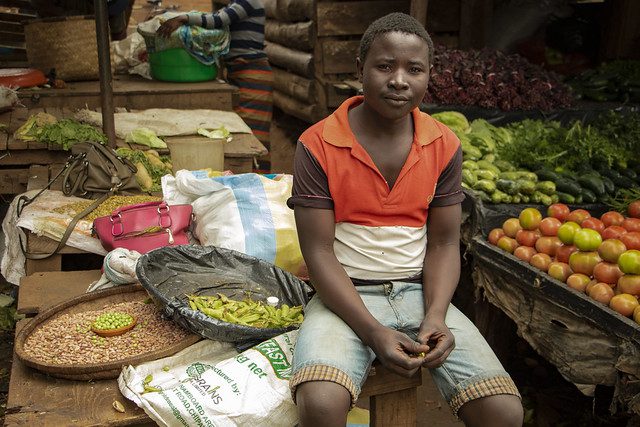
Poverty in MalawiMalawi is a landlocked African country that is bordered by Tanzania to the northeast, Mozambique to the south and Zambia to the west. The impact of poverty in Malawi can be seen prominently in the agriculture sector.
Malawi ranks 160 out of the existing 182 sovereign nations on the Human Development Index and is currently one of the world’s poorest nations. Nearly three-fourths of the population lives on less than a $1.25 a day, and approximately 90% live on less than $2 a day.

Agriculture makes up 35% of Malawi’s gross domestic product (GDP), and nearly 85% of Malawians are employed in the agricultural sector.

Maize is typically grown for local markets; small-scale farmers typically grow various fruits and vegetables such as pineapples, guava, mangoes, lemons, green peppers, cabbage, cucumbers and eggplants.

Agricultural growth in Malawi is often limited and difficult to effectively sustain due to reoccurring droughts in the region. Nearly 80% of Malawians are smallholder farmers who rely on their crops to feed their families and communities.

Malawi experiences extreme weather conditions — periods of drought and flooding — that contribute to widespread famine and destroyed infrastructure.

USAID reports that they are currently developing the National Nutrition Policy and Strategic Plan that is closely related to the Comprehensive Africa Agriculture Development Program (CAADP) plan, and the Agriculture Sector-Wide Approach to promote agriculture and address food insecurity at the national and local levels to reduce poverty in Malawi.

Feed the Future, USAID reports, is working closely with the Malawian government to devise policies to promote agricultural sustainability, improve access to food and invest in crops such as legumes and dairy that would expand domestic and export markets for Malawi to help their economy prosper.

Through the Feed the Future initiative, USAID helped trained farmers on better farming techniques to increase productivity and provided financial and marketing services to farmers as well. USAID reported that they are committed to promoting private sector development by strengthening government institutional capacity that will accelerate long-lasting agricultural sustainability.

Since the beginning of the initiative, milk productivity has substantially increased by 52%. USAID has also succeeded in organized 23,000 Malawians from rural villages into savings-and-loans groups. Adding to that success, USAID trained 60,000 farmers on new agricultural technologies and techniques that would improve irrigation and crop harvesting.

The Feed the Future initiative aims to improve the vulnerability of rural smallholder farmers to help them escape poverty and hunger. Also, they plan to impact the lives of 293,000 children in helping to provide better nutrition to reverse growth stunting and prevent infant mortality.

Economic issues and food shortage issues have historically affected the poverty in Malawi; however, the successful partnership between the Feed the Future initiative and the Malawian government continues to improve agricultural techniques, farming technologies and promote food security for impoverished communities.

– Haylee Gardner
Photo: Flickr

October 31, 2016
https://borgenproject.org/wp-content/uploads/borgen-project-logo.svg 0 0 Borgen Project https://borgenproject.org/wp-content/uploads/borgen-project-logo.svg Borgen Project2016-10-31 01:30:232020-06-02 16:58:08USAID: Reducing Poverty in Malawi Through Feed the Future
Food Security, Sustainable Development Goals

Feed the Future: Prioritizing Global Food Security

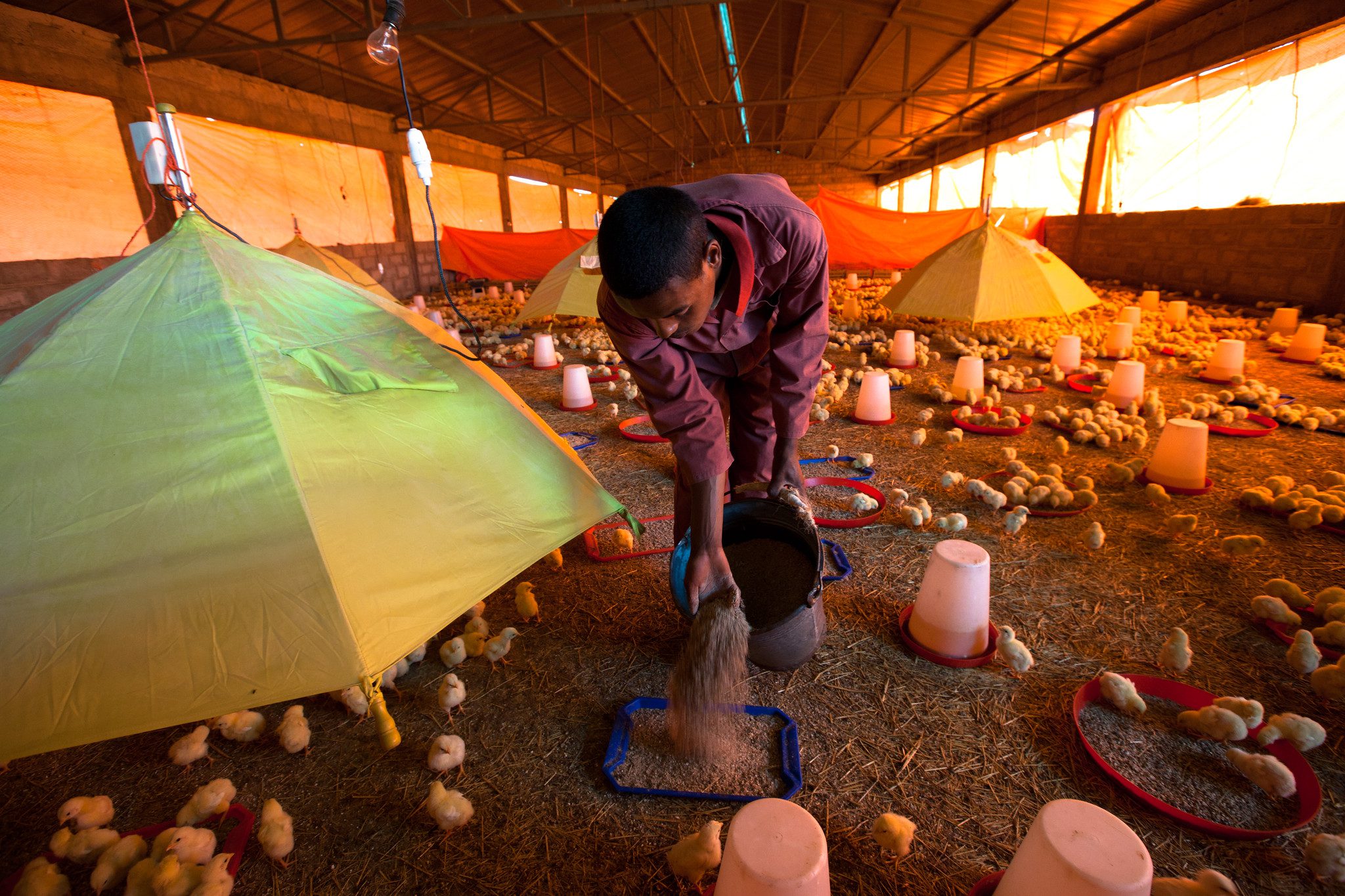
Feed the FutureThe White House Summit on Global Development opened with a panel analyzing Feed the Future, a government initiative focused on improving global food security.
In July 2016, President Obama signed the Global Food Security Act of 2016. This shows that increasing growth in the developing world and eradicating poverty are national security interests for the U.S.

The Obama Administration has shown dedication to improving global food security by implementing government organizations to address the various problems of global food security. One of those government organizations is Feed the Future.

Feed the Future began in 2009 and has focused on improving the agriculture industry of partner countries and nutrition to combat poverty and hunger. Their approach is as follows:

  1. Selection
    Nineteen countries have been selected based on five criteria:

    • Level of need
    • Opportunity for partnership
    • Potential for agricultural growth
    • Opportunity for regional synergy
    • Resource availability
  2. Strategic Planning
    The selected countries and the U.S. work together to make plans to create a more sustainable society through policy reform and domestic and foreign investments.
  3. Implementation
    The U.S. makes core investments in the countries’ agricultural sectors, as well as women, nutrition and agricultural infrastructure.
  4. Review and Scaling Up
    Progress reports of Feed the Future programming are published annually and reviewed so that programs can be improved upon for the future.

In 2015, Feed the Future helped over 9 million farmers gain access to improved technologies and management practices. This increased agricultural productivity and boosted the agricultural economy by more than $800 million. The organization also improved the nutrition of over 17 million children under the age of five.

In September 2015, many countries — including the U.S. — adopted a set of 17 goals to ensure a sustainable planet in the future. These goals, which are expected to be achieved by the year 2030 include, but are not limited to, no poverty, no hunger, good health and well-being, quality education and gender equality. Feed the Future is a vital part of the U.S. government’s role in achieving these goals.

As the Obama administration comes to a close, one can only hope that government initiatives like Feed the Future will continue to prosper and take significant steps towards ending poverty and hunger.

– Ugochi Ihenatu
Photo: Flickr

October 18, 2016
https://borgenproject.org/wp-content/uploads/borgen-project-logo.svg 0 0 Borgen Project https://borgenproject.org/wp-content/uploads/borgen-project-logo.svg Borgen Project2016-10-18 07:44:562024-05-27 09:35:01Feed the Future: Prioritizing Global Food Security
Food & Hunger, Food Security, Global Poverty, Women and Female Empowerment

10 Ways to Stop World Hunger

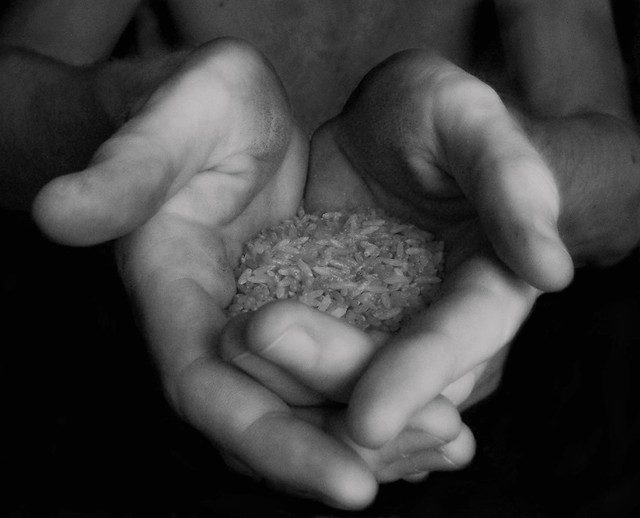
World Hunger SolutionsWhat are the ways to stop world hunger? Work tirelessly for an international organization? Donate old clothes and toys to our local Salvation Army? Or is it even possible? There are hundreds of theories on how we can end world hunger and activists debate many of them. Some have been effective and others not. One thing is certain, and that is that we must do something. Discussed below are 10 effective world hunger solutions.

Top 10 World Hunger Solutions

1. Sustainable Food
Heifer International is an organization that helps transform agriculture. They fund projects so people can provide food for themselves in a sustainable way. This is very powerful, because ultimately we would like to see many impoverished areas not reliant on aid from foreign countries (which often causes debt) and able to create their own, steady, supply of food.

2. Access to Credit
Many organizations are helping people in poor countries to gain access to credit. Most of these credit loans are repaid, and they have created many industries, such as farms, that help create a sustainable provision for people and also develop nations economically. If these people do not have access to credit, they cannot start up industries that combat poverty.

3. Food Donations
Although ideally it would be better to get the entire world to a place of self-sustainability, it is not something that will happen overnight. In the meantime it is important to lend a helping hand. The impact of donations, both cash and food, have had an immense impact on world hunger. Organizations such as Food for All have customers donate $1-5 when checking out. Last year they raised a whopping $60 million to fight world hunger.

4. Transitioning
Many families dealing with poverty need help transitioning into a state of self-dependance. 15 Feeds Family is an organization that helps with this transition. They start by providing families with food, but then slowly find solutions to empower families to be self-sufficient. This is important, because self-sufficiency allows for a certain food income, when relying on donations does not always guarantee food.

5. Urban Farming
Almost one-quarter of undernourished people live in an urban environment. Recently, there has been a big push for urban farming. Urban farming empowers families to gain control over their own food source.

6. Access to Education
Education is the best weapon against poverty and hunger. It is especially powerful in underdeveloped countries. Education means better opportunity and more access to income and food. Additionally, some countries have food-for-education programs where students are given free food for coming to school. This may seem like a basic idea in the United States, but it is life saving in many under developed nations.

7. Social Change
This is extremely hard and will not take place overnight. However, many social issues, such as war, pose a fundamental problem to halting world hunger. Ideally, this will happen when world powers, such as the United States and many western European nations, choose to focus on solving these issues instead of exacerbating them. However, this can only start when people in developed nations begin to care about those issues as well and pressure their governments to be productive in ending conflict.

8. Government Intervention
Aid to foreign nations needs to be more focused on government intervention, like programs that provide food to mothers and their children in poor areas. This is not much different from many programs available in the United States.

9. Empowering Women
There is a direct correlation with hunger and gender inequalities. Empowering women to gain access to food, be providers, and lead their families has had a major impact on food access and ability to change financial situations.

10. Birth Control Education
High birthrates pose a problem when trying to solve hunger. Many people are not educated on reproduction or do not have access to contraceptives. Gaining access to contraceptives allows for family planning and economic freedom.

– Zachary Patterson
Photo: Flickr

Sources: WTP, Millions of Mouths, HuffingtonPost


October 2, 2016
https://borgenproject.org/wp-content/uploads/borgen-project-logo.svg 0 0 Borgen Project https://borgenproject.org/wp-content/uploads/borgen-project-logo.svg Borgen Project2016-10-02 07:11:562024-05-25 00:21:1210 Ways to Stop World Hunger
Activism, Food Security, Global Poverty, Hunger

Tackling Food Insecurity to Combat Hunger in Israel

Hunger in Israel
Israel’s economy is indisputably very strong. Despite being the size of New Jersey, the Jewish State has the second-most high-tech startups on Earth and has unemployment charting at 4.8 percent. While this data may be encouraging, the economic report fails to mention the issue of hunger in Israel.

The National Insurance Institute reported that almost a quarter of Israel’s population lives below the poverty line, putting this country among the poorest nations of all OECD countries. As many as a third of Israeli children are impoverished.

Along with staggering beggary, about 110,000 of the 444,000 poor Israeli families live day by day with a shortage of food supplies.

In light of these conditions, Social Affairs Minister Haim Katz passed an ambitious plan to tackle food insecurity in a situation starving for solutions.

The four-month-old National Food Security Program aims to combat hunger in Israel by granting subsidies to households with limited purchasing power. Households are deemed eligible if their income is near poverty levels — Israel’s Social Affairs Ministry will give $85 per month to families that qualify.

Katz’s lofty goals will not be palpable for a while. The National Nutritional Security Council, an advisory group within the Social Affairs Ministry, will only fund vouchers for around 20,000-25,000 families, leaving over 75,000 families without assistance.

The United States allocates $3.1 billion annually in foreign aid to the Jewish State, yet 100 percent of the funding goes to “peace and security.” In addition, 25 percent of Israel’s defense budget comes from American taxpayers.

Without allocating any funds to food security, the U.S. government announced in July that it will grant Israel “the largest pledge of military assistance to any country in U.S. history.”

Although evident why the requisite of renewing this military assistance must occur, the money’s allocation unfortunately neglects the 444,000 families who suffer from severe hunger in Israel.

Providing humanitarian aid to malnourished Israelis is not impossible. Americans who are keen to contact their elected officials can incite change towards improving Israel’s food insecurity.

Calling Congress can have a potentially huge impact on hunger in Israel. Legislators like Betty McCollum admit to being influenced by constituents when hundreds of them dial to enact legislation.

Famished families in Israel are not just hungry for food, they are ravenous for change. Investing in food security is investing in stability, and that stability can also help bolsters Israeli consumers in an American-dominated market.

– Noah Levy

Photo: Flickr

September 22, 2016
https://borgenproject.org/wp-content/uploads/borgen-project-logo.svg 0 0 Borgen Project https://borgenproject.org/wp-content/uploads/borgen-project-logo.svg Borgen Project2016-09-22 01:30:182024-06-05 04:10:52Tackling Food Insecurity to Combat Hunger in Israel
Food & Hunger, Food Security, Global Poverty

How Quinoa Production Helps Alleviate Poverty in Peru

Popularity of Quinoa

Prior to quinoa’s surge in popularity, few Americans had heard of this South American grain. U.S. imports alone quadrupled between 2006 and 2010 as quinoa’s virtues of versatility and high protein content spread.

Negative Speculations

Unbeknownst to the public, quinoa production had a direct impact on the levels of poverty in Peru. So, soon after quinoa “took off,” a slew of inflammatory articles in 2013 reprimanded quinoa consumers for raising the demand and price of the nutritious food, which restricted access for poor Andean people.

Poverty in Peru and Bolivia affects over 50 percent of people in the Andean region. Many suffer from lack of education, food insecurity, poor health care and a life expectancy 20 years lower than people in Lima.

Due to conditions in this region, “foreign quinoa consumption is keeping locals from a staple grain” is a serious accusation. However, the popularity of this protein-rich food has provided many economic benefits for the area. A NPR study showed how living conditions drastically improved for people in the Andes during the boom in quinoa sales.

In 2013, the Guardian published an inflammatory article called, “Can Vegans Stomach the Unpalatable Truth About Quinoa?” claiming that fame has driven the prices so high that locals can no longer afford it. The argument seemed sound as poverty in Peru is a major issue. It seemed though, that the Guardian brought up a touchy subject–droves of articles then began cropping up both defending and debunking this argument.

Positive Effects

The good news is that quinoa prices are still within reach for Peruvians. A recent article from NPR explains two different studies focusing on the super grain: one found that the people in quinoa-growing regions, farmer or otherwise, experienced an economic flourishing that favored farmers and generally overcame any additional quinoa costs; the second study focused on quinoa consumption in the Puno region where 80 percent of Peruvian quinoa is grown.

The author of the second study, a Berkeley graduate student, discovered that people in the Puno region consumed a similar amount of the grain without cutting any valuable nutrients from their diets.

While quinoa is culturally important, it is not a staple crop like rice or maize. On average, only between 0.5 and 4 percent of an average Peruvian family’s budget is spent on quinoa–thus the extra cost is not debilitating. In fact, quite the opposite of debilitation occurred: domestic quinoa consumption tripled in 2013.

While the positive economic effects continue to boost the region, there are reasonable concerns about the sustainability or longevity of quinoa production. Demand has caused farmers to decrease the amount of quinoa varieties grown, as well as reduce llama farming which used to provide fertilizer.

Degradation of soil and biodiversity are also risks of extensive quinoa production. Unfortunately, quinoa’s popularity also attracts competitors, and as other countries began to grow the super grain and supply increases, Peruvian demand falls. Prices are sinking, which is great for frugal, health conscious shoppers but very concerning for Bolivian quinoa farmers.

Sustaining Success

While unclear how long benefits will last, quinoa’s popularity proves extremely beneficial towards alleviating rural poverty in Peru and Bolivia. In order to extend the grain’s benefits, some organizations are trying to encourage the sale of more varieties of quinoa to conserve biodiversity and renew interest in South American grown grains.

On the positive side, quinoa has provided some temporary relief for those facing poverty in Peru.

– Jeanette I. Burke

Photo: Pixabay

August 7, 2016
https://borgenproject.org/wp-content/uploads/borgen-project-logo.svg 0 0 Borgen Project https://borgenproject.org/wp-content/uploads/borgen-project-logo.svg Borgen Project2016-08-07 01:30:332024-12-13 17:54:49How Quinoa Production Helps Alleviate Poverty in Peru
Food Security, Global Poverty

Olam International Pledges to Help End Global Poverty

Poverty_Agriculture Olam International
Agri-business firm Olam International has pledged to help eradicate global poverty and mitigate climate change impacts that threaten food security.

Olam International is a world-leading firm operating in 70 countries, supplying food and raw materials to over 16,200 customers worldwide. Its business model is based on ensuring that profitable growth is achieved in an ethical, socially responsible and environmentally sustainable way.

The agri-business knows its responsibility to the earth, as changing weather patterns are affecting crops and communities. The organization realizes that climate change will threaten food security by creating less than ideal conditions for optimal food production, thus threatening the world’s chances to end global poverty.

According to Olam, “Ensuring we and our 4 million farmer suppliers, the vast majority of whom are smallholders in emerging markets, are implementing mitigation and adaptation measures to achieve the 2°C goal is therefore integral to our strategy.” In addition, the company has adopted four of the 17 Sustainable Development Goals set out by the United Nations.

“Based on our configuration of assets and our capabilities across the 70 countries that we operate in, we have chosen four of the SDG Goals where we believe we can create a real impact,” said Sunny Verghese, the chief executive of Olam, at the U.N.’s High Level Thematic Debate on Achieving the Sustainable Development Goals.

Olam is prioritizing mitigating climate change through multiple goals: reducing GHG emissions from their farming and processing operations, adapting their own farming operations to build in climate resilience, encouraging farmer suppliers and logistics providers to improve their GHG emissions intensity and collaborating at a sector level to speed up implementation of climate-smart practices.

Olam will accomplish these goals through public, private and plural society partnership. Verghese said at the debate that a U.N.-to-private-sector partnership is key to successfully implementing the SDGs.

Verghese went on to say, “If after all of this hard work and overwhelming effort, if we are not going to be leaving a better place for our children, what is the point of it all?”

– Kerri Whelan

Photo: Flickr

June 28, 2016
https://borgenproject.org/wp-content/uploads/borgen-project-logo.svg 0 0 Borgen Project https://borgenproject.org/wp-content/uploads/borgen-project-logo.svg Borgen Project2016-06-28 01:30:482024-12-13 17:54:24Olam International Pledges to Help End Global Poverty
Page 17 of 31«‹1516171819›»

Get Smarter

  • Global Poverty 101
  • Global Poverty… The Good News
  • Global Poverty & U.S. Jobs
  • Global Poverty and National Security
  • Innovative Solutions to Poverty
  • Global Poverty & Aid FAQ’s
Search Search

Take Action

  • Call Congress
  • Email Congress
  • Donate
  • 30 Ways to Help
  • Volunteer Ops
  • Internships
  • Courses & Certificates
  • The Podcast
Borgen Project

“The Borgen Project is an incredible nonprofit organization that is addressing poverty and hunger and working towards ending them.”

-The Huffington Post

Inside The Borgen Project

  • Contact
  • About
  • Financials
  • President
  • Board of Directors
  • Board of Advisors

International Links

  • UK Email Parliament
  • UK Donate
  • Canada Email Parliament

Get Smarter

  • Global Poverty 101
  • Global Poverty… The Good News
  • Global Poverty & U.S. Jobs
  • Global Poverty and National Security
  • Innovative Solutions to Poverty
  • Global Poverty & Aid FAQ’s

Ways to Help

  • Call Congress
  • Email Congress
  • Donate
  • 30 Ways to Help
  • Volunteer Ops
  • Internships
  • Courses & Certificates
  • The Podcast
Scroll to top Scroll to top Scroll to top