• Link to X
  • Link to Facebook
  • Link to Instagram
  • Link to TikTok
  • Link to Youtube
  • About
    • About Us
      • President
      • Board of Directors
      • Board of Advisors
      • Financials
      • Our Methodology
      • Success Tracker
      • Contact
  • Act Now
    • 30 Ways to Help
      • Email Congress
      • Call Congress
      • Volunteer
      • Courses & Certificates
      • Be a Donor
    • Internships
      • In-Office Internships
      • Remote Internships
    • Legislation
      • Politics 101
  • The Blog
  • The Podcast
  • Magazine
  • Donate
  • Click to open the search input field Click to open the search input field Search
  • Menu Menu

Archive for category: Electricity and Power

Development, Electricity and Power, Global Poverty

Addressing Energy Poverty in India

energy poverty in indiaDue to rapid population growth and economic development, India has a need to scale up its energy capacity to alleviate energy poverty and meet its energy demands. Energy poverty refers to household access to affordable, reliable and safe energy services. Although India could be the third largest economy by 2030, per capita income is below the global average, with regional infrastructure disparities affecting access to modern energy sources. The energy situation disproportionately impacts lower-income households, who spend a large portion of their income on energy or use less desirable energy forms, according to the 2023 Energy Research and Social Science article.

Governmental programs aim to alleviate energy poverty in India while promoting more reliable and efficient forms of energy. The Indian government will continue to subsidize all energy forms to meet growing demand while promoting technological development and private investment.

Energy Poverty In India

Energy poverty is still widespread in India because of the challenges of affordability, capacity and reliability. According to the Household Energy Poverty Index, 65% of households experienced energy poverty in 2020, but this is improving.

Energy poverty in India declined between 2004 and 2012 in most states but increased in poorer states which account for more than 30% of India’s population. It is declining slower in rural areas  — the greatest improvements being in major cities.

Energy poverty rates are higher than income poverty rates. In rural areas, 57% of households experience energy poverty while 22% experience income poverty, compared to 28% and 20% respectively for urban areas.

Energy poverty affects disadvantaged groups. It is linked to lower socio-economic status and level of education. Furthermore, lower castes and marginalized communities such as the Dalits and tribal Adivasi are particularly energy-poor or have only seen marginal rates of energy poverty decline, according to the 2019 Energy and Buildings article.

Despite nearly all Indians having access to electricity, 41% still rely on traditional biofuels like cow dung and wood for cooking because of financial insecurity. Women and girls are more likely to collect and prepare bio-fuels, detracting from time spent on education, childcare and income-generating activities, according to the 2019 Energy and Buildings article. These fuels create pollutants associated with chronic respiratory diseases, including tuberculosis and bronchitis.

India’s Energy Challenges

India has been increasing fossil fuel subsidies because of its carbon-intensive economy. Last year, 58% of energy consumption and 77% of generated energy came from coal. Crude oil accounted for 31% of energy consumption last year, but India imports approximately 87% of it, leading to vulnerability to price fluctuations and geopolitical risks that prevent lower-income households from accessing energy affordably and reliably.

Fossil fuel subsidies reinforce income inequalities by mostly benefiting higher-income individuals. They also contribute to health and environmental costs that disproportionately impact the poor.

During the global energy crisis, the Indian government instituted fuel price caps, tax cuts and budgetary transfers to help combat energy poverty. However, such measures led to overconsumption because fuel prices did not reflect their market value or social costs. This resulted in an estimated $346 billion in lost tax revenue in 2022 and less space for renewable energy and infrastructure development critical for low-income households.

Government Energy Policy in 2024

To address these issues, India is taking a hybrid approach by boosting all forms of energy. India is expected to invest more than $35 billion annually in advanced energy solutions by 2030.

Renewable energy is another focus, with a target to increase non-fossil fuel energy capacity by 2030.  The 2024 budget allocated approximately $71.7 million to the Green Hydrogen Fund to promote green hydrogen production and stimulate private-sector investment.

The budget also allows the first public-private nuclear energy partnerships, inviting $26 billion in investments for small modular reactors and research and development. The government will also engage in joint ventures for thermal power plants.

To ensure more equitable access, approximately $1.2 billion was allocated to subsidize solar panel installation for 10 million households and provide 300 units of free electricity monthly for some lower-income households. Decentralized Renewable Energy (DRE) projects like private solar panels, micro-grids and other community-focused projects help reduce energy poverty in Indian marginalized communities.

In addition to diversifying its energy sources, India has also diversified the countries it imports oil from to reduce price fluctuations due to supply changes and geopolitical tensions.

Energy Poverty in India: Conclusion

India’s multi-dimensional approach aims to balance its energy needs with sustainable and equitable access. Investments in advanced energy solutions and private sector ventures, as well as investments in clean energy and infrastructure, are necessary to meet India’s growing energy demand while working toward sustainable development goals.

Energy poverty in India is difficult to alleviate because of reliance on fossil fuels, deep socio-economic inequalities and infrastructural and financing challenges. However, India has made spectacular progress in recent decades in other developmental areas like poverty alleviation and expanding access to electricity. While the path to ending energy poverty is complex and long-term, recent government plans demonstrate continuity in efforts to alleviate the issue.

– Luke Ravetto

Luke is based in Boston, MA, USA and focuses on Politics for The Borgen Project.

Photo: Flickr
September 10, 2024
https://borgenproject.org/wp-content/uploads/borgen-project-logo.svg 0 0 Naida Jahic https://borgenproject.org/wp-content/uploads/borgen-project-logo.svg Naida Jahic2024-09-10 01:30:562024-09-10 01:15:11Addressing Energy Poverty in India
Africa, Development, Electricity and Power

Renewable Energy in Nigeria: Bringing Solar Panels to Locals

Renewable Energy in NigeriaNigeria, Africa’s most populous country, faces a significant energy deficit. The nation’s grid infrastructure is inadequate, leaving vast rural areas and many urban centers without consistent electricity. This reality means that millions of Nigerians rely on polluting and expensive alternatives such as diesel generators, which are not only harmful to human health but also detrimental to the environment. These challenges make the work of the Renewable Energy Association of Nigeria (REAN) critical, it seeks to champion renewable energy solutions in Nigeria that are sustainable, affordable, and accessible to all.

Addressing Energy Poverty

Energy poverty in Nigeria is not just a technical issue; it is deeply intertwined with social and economic inequalities. Women and girls, in particular, bear the brunt of energy shortages, as they are often responsible for household energy procurement, which can be both time-consuming and dangerous. REAN recognizes this and is working to ensure that women in Nigeria are a part of the renewable energy revolution, both as beneficiaries and as active participants in the industry.

Renewable Energy in Nigeria

REAN is at the forefront of addressing Nigeria’s energy crisis, a challenge that significantly hampers the nation’s development. It focuses on making fossil fuels a thing of the past, driving the shift toward renewable energy in a country where only about 55.4% of the population has access to grid electricity. This lack of reliable power affects nearly every aspect of life for millions of Nigerians, contributing to poor health outcomes, limited educational opportunities, reduced socioeconomic mobility and gender inequality.

REAN focuses on promoting solar energy as a viable alternative to fossil fuels. Through partnerships with local stakeholders, it has been instrumental in increasing the deployment of solar panels across the country. This initiative provides cleaner energy and supports local industries’ growth, fostering job creation and economic development. By encouraging the use of locally sourced materials and expertise in the renewable energy sector, REAN aims to boost Nigeria’s self-sufficiency in this critical area.

An impactful example of REAN’s work is evident in its support of Ajima Farms, where solar energy has significantly improved productivity by ensuring a consistent power supply. This story highlights how renewable energy can transform local businesses and communities by providing reliable and sustainable power.

Broader Implications for Society

The impact of REAN’s work extends beyond just providing power. Access to reliable and clean energy has profound implications for improving education, as schools can function more effectively with consistent electricity. It also enhances health care delivery, enabling clinics and hospitals to offer better services, particularly in remote areas. Furthermore, by reducing the reliance on fossil fuels, REAN’s initiatives contribute to a healthier environment, helping Nigeria to meet its commitments to global climate goals.

Promoting Renewable Energy in Nigeria

REAN plays a pivotal role in addressing one of the country’s most pressing challenges. By promoting renewable energy in Nigeria, particularly solar power, REAN is not only providing a solution to Nigeria’s energy deficit but also driving broader social, economic, and environmental benefits. REAN’s efforts are crucial in ensuring that the transition to renewable energy is inclusive, sustainable, and beneficial for all Nigerians, thereby making fossil fuels a relic of the past.

– Lydie Udofia

Lydie is based in London, UK and focuses on Technology and Solutions for The Borgen Project.

Photo: Unsplash

August 25, 2024
https://borgenproject.org/wp-content/uploads/borgen-project-logo.svg 0 0 Naida Jahic https://borgenproject.org/wp-content/uploads/borgen-project-logo.svg Naida Jahic2024-08-25 07:30:382024-08-26 02:36:31Renewable Energy in Nigeria: Bringing Solar Panels to Locals
Developing Countries, Electricity and Power, Global Poverty

How Renewable Energy Can Save Tunisia’s Economy

Tunisia's economyTunisia’s economy fell dramatically in 2023 due to several factors, including the aftermath of COVID-19, a severe drought and financial issues. These challenges have made Tunisia one of the slowest countries in the Middle East and North Africa to recover and stabilize its economy. The economic crisis, exacerbated by COVID-19, has led to a projected increase in multidimensional poverty, with the national poverty line expected to decline in 2024.

However, there is hope on the horizon. The World Bank has helped create a plan for recovery, showing significant improvement. The initiative, titled “The Renewed Energy to the Economy,” aims to boost the economy by 2.4% in 2024. One key strategy is to enhance Tunisia’s renewable energy resources, which is expected to contribute to economic growth.

The Impact of Expanding Renewable Energy in Tunisia

About 90% of Tunisia’s electricity is generated from natural gas, with more than half of it imported due to rising demand. By harnessing wind and solar resources, Tunisia could meet its electricity needs more sustainably. The country has the potential to generate up to 280 gigawatts (GW) of solar power, while its current peak electricity generation stands at only 5 GW. This significant capacity could greatly benefit the nation. This shift would also allow for the development of energy exports and decrease the amount of finances spent on importing fossil fuels, which can be directed elsewhere.

Presently, the cost of natural gas accounts for more than 70% of the cost of electricity produced. The plan sets a goal of generating 35% of Tunisia’s electricity from renewable sources, such as wind and solar, by 2030. This would mark a significant achievement, considering the country currently utilizes only 3% of its renewable resources. The total projected investment for this project is $4.5 billion. One of the key support systems for this initiative involves enhancing the electricity connection between Tunisia and Italy.

Alexandre Arrobbio, the World Bank’s Country Manager for Tunisia, says, “Despite ongoing challenges, there are significant opportunities for Tunisia to transform and strengthen its economy. With strategic investments, particularly in renewable energy, Tunisia could significantly enhance its economic resilience and sustainability.” The new transformative plan is ambitious and faces several environmental challenges, but it could be the economic solution Tunisia needs. Arrobbio suggests that transitioning to renewable resources and reducing dependence on international fossil fuels would not only improve the country’s financial position but also advance its move toward a sustainable lifestyle, adding a layer of security for Tunisia’s future.

Key to Sustainability

Tunisia needs to reduce the cost of electricity, especially given the rise in oil prices since 2022 and the reliance on natural gas for electricity production. The increasing cost of electricity from fossil fuels is becoming unsustainable. Renewable energy can significantly lower overall electricity costs, particularly amid volatile international energy prices. Revitalizing renewable energy has the potential to improve Tunisia’s economy, reduce poverty and move toward greater financial independence and sustainability.

– Charlotte Johnston

Charlotte is based in London, UK and focuses on Good News, Technology and Solutions for The Borgen Project.

Photo: Flickr
August 20, 2024
https://borgenproject.org/wp-content/uploads/borgen-project-logo.svg 0 0 Hemant Gupta https://borgenproject.org/wp-content/uploads/borgen-project-logo.svg Hemant Gupta2024-08-20 01:30:012024-08-20 07:45:05How Renewable Energy Can Save Tunisia’s Economy
Electricity and Power, Global Poverty, Water

Solar-Powered Water Desalination: A Solution to Water Scarcity

Solar-Powered Water DesalinationWater scarcity is a pressing issue affecting millions of people worldwide. This is particularly the case in coastal regions where seawater is abundant but fresh water is scarce. As populations grow and adverse climatic conditions intensify, the demand for freshwater continues to rise, exacerbating this challenge. One promising solution to this problem is solar-powered water desalination, which harnesses renewable energy to produce clean drinking water from seawater.

The Basics of Desalination

Desalination is the process of removing salt and other impurities from seawater to produce fresh water. There are several methods of desalination, but the most common are reverse osmosis and thermal desalination. Reverse osmosis involves forcing seawater through a semipermeable membrane that filters out salt and other impurities. In contrast, thermal desalination involves heating seawater to produce steam, which is then condensed into fresh water.

Integrating solar power into desalination processes can significantly reduce the environmental impact and operating costs associated with traditional desalination methods, which often rely on fossil fuels. Solar energy can be used to power the pumps and membranes in reverse osmosis systems or to provide the heat needed for thermal desalination.

Kenya and Bangladesh

In the coastal region of Kenya, the solar-powered desalination plant in the town of Kiunga has been providing clean drinking water to thousands of residents. This project, initiated by the nonprofit organization GivePower, uses solar panels to generate electricity for reverse osmosis desalination. The project is capable of producing up to 35,000 liters of fresh water daily.

In Bangladesh, where freshwater scarcity is a critical issue in coastal areas, a solar-powered desalination plant was established on the remote island of Kutubdia. This plant, supported by the World Bank and local nongovernmental organizations (NGOs), provides fresh water to the island’s inhabitants each day. The project showcases the feasibility of using renewable energy to address water scarcity in vulnerable regions, significantly improving the quality of life for local communities.

Environmental Benefits of Solar-Powered Desalination

Utilizing solar energy for desalination offers numerous environmental benefits compared to traditional methods that depend on fossil fuels. One of the most significant advantages is the reduction of carbon emissions. Solar-powered desalination plants emit little to no greenhouse gasses, contributing to the fight against the rise in the average earth’s surface temperature.

Additionally, solar energy is a renewable resource, which means it can provide a sustainable and long-term solution to water scarcity without depleting natural resources. Moreover, the ecological footprint of solar-powered desalination is smaller than that of conventional desalination. By minimizing the use of fossil fuels, solar desalination reduces the pollution and environmental degradation associated with fossil fuel extraction and combustion.

Challenges and Limitations

Despite its potential, solar-powered desalination faces several challenges and limitations. The initial setup costs for solar desalination plants can be high, which may deter investment in developing countries with limited financial resources. Maintenance and operation of these systems also require technical expertise, which might not be readily available in remote or impoverished areas.

However, these challenges are not insurmountable. Advances in technology and economies of scale can reduce the costs of solar panels and desalination equipment over time. Additionally, capacity-building initiatives and international cooperation can help develop the necessary technical skills and infrastructure to support the widespread adoption of solar-powered desalination.

Final Remark

The successful implementation of solar-powered desalination projects in Kenya and Bangladesh illustrates the technology’s potential to provide a sustainable solution to water scarcity in coastal regions. By investing in and supporting the deployment of these innovations, policymakers and international organizations can help combat global water shortages and improve the quality of life for millions of people.

To ensure the scalability and adaptability of this promising technology, it is crucial to continue researching and developing cost-effective solutions, fostering international collaboration and prioritizing the needs of vulnerable communities. With concerted efforts, solar-powered desalination can play a vital role in securing a sustainable water future for coastal regions worldwide.

– Chelsea Rasool

Chelsea is based in Belfast, UK and focuses on Good News and Technology for The Borgen Project.

Photo: Flickr
August 12, 2024
https://borgenproject.org/wp-content/uploads/borgen-project-logo.svg 0 0 Hemant Gupta https://borgenproject.org/wp-content/uploads/borgen-project-logo.svg Hemant Gupta2024-08-12 07:30:362024-08-11 12:42:42Solar-Powered Water Desalination: A Solution to Water Scarcity
Electricity and Power, Global Poverty, Sustainable Development Goals

Ending Energy Poverty in Cambodia

Energy Poverty in CambodiaAccording to the World Bank, only 9.5% of Cambodians had access to electricity in 2001. As of 2023, that number is now more than 92%. This remarkable accomplishment results from international and local efforts. Furthermore, the initiatives are prominently supported by Sustainable Development Goal 7 (SDG 7). SDG 7 is a United Nations (U.N.) initiative dedicated to “ensuring access to affordable, reliable, sustainable and modern energy for all.” The Southeast Asian Kingdom is in the final stretch of completing this goal. Energy poverty in Cambodia is close to being completely eradicated.

The Impact of SDG 7

Energy poverty is the “lack of adequate, affordable, reliable, quality, safe and environmentally sound energy services to support development.” Energy poverty and normal poverty are strongly interwoven. Furthermore, inadequate access to energy exacerbates malnutrition, unsanitary living environments and lack of access to jobs and education. Recognizing this, every member of the U.N. came together in 2015 and adopted 17 SDGs to be completed by 2030.

The seventh of these (SDG 7) was directed at ending energy poverty worldwide. This does not only mean providing energy to communities off the grid but also upgrading current grids to increase reliability and reduce cost. Indeed, implementing green energy into the mix and improving the rate of energy efficiency, are also part of the goal. From 2010 to 2021, the global number of people without electricity declined from more than a billion to around 675 million. Asia saw the greatest change, with 425 million people gaining access to power.

The Fastest Electrifying Country

Cambodia’s progress has been remarkable. Since the creation of SDG 7, the Kingdom has increased energy access by 30%, bringing electricity to more than five million people. Between 2010 and 2017, “Cambodia electrified at a rate of 8.3% annually,” making it one of the fastest in the world. The U.N. has worked closely with communities, nongovernmental organizations (NGOs) and the private sector to end energy poverty in Cambodia.

Additionally, in cities, 97% of this power comes from the national grid instead of imported electricity from neighboring countries or independent mini-grids. In rural areas, 67% comes from the national grid. In hard-to-reach areas that cannot be connected to the main grid, the U.N. implemented solar-powered mini-grids. The grids are self-sustaining and easy to maintain.

The Final Mile

As of 2022, the Electric Authority of Cambodia reported that 350 Cambodian villages are still without power. The government plans to bring electricity to 170 of them before the 2030 SDG deadline. Reaching the remaining 180 towns and eradicating energy poverty is the most difficult task. Many of these communities are beyond distribution networks’ reach, lack roads, are in flood zones or are floating in the sea. Furthermore, nearly two-thirds of homes connected to the grid experience power outages.

In response, the Japanese government pledged to support the fight to end energy poverty in Cambodia. Through the U.N., it has committed to providing power to 1,300 households (some 6,000 people) by establishing solar-powered mini-grids. It is also set to strengthen and expand the local community-owned corporations that oversee the electric systems. Recently, the U.N. enlisted the International Cooperation of Cambodia, a local NGO, to build community trust and accelerate the implementation process. While many challenges remain, the U.N. and those involved with SDG 7 are working diligently to help Cambodia achieve 100% electrification.

– Mason Borden

Mason is based in New York, NY, USA and focuses on Technology and Solutions for The Borgen Project.

Photo: Flickr
August 12, 2024
https://borgenproject.org/wp-content/uploads/borgen-project-logo.svg 0 0 Hemant Gupta https://borgenproject.org/wp-content/uploads/borgen-project-logo.svg Hemant Gupta2024-08-12 03:00:102024-08-11 12:34:58Ending Energy Poverty in Cambodia
Africa, Electricity and Power, Global Poverty

Renewable Energy in Somalia 

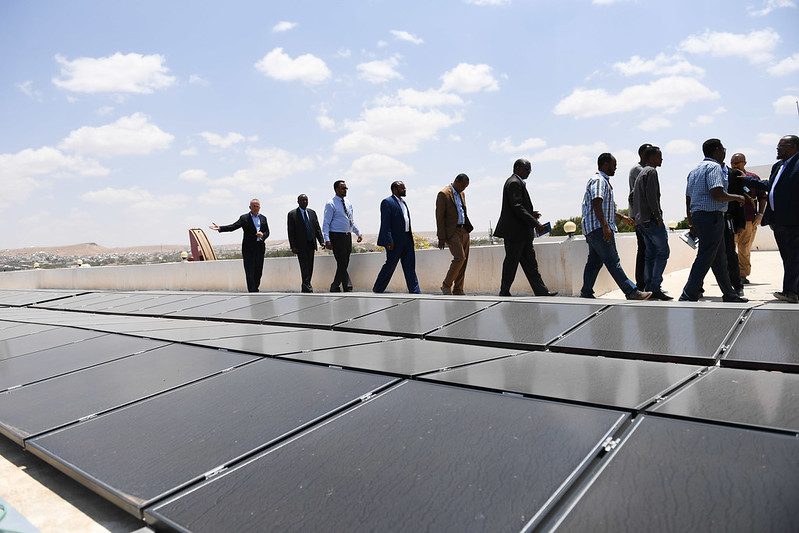
Renewable Energy in Somalia The World Bank shows that just under 50% of the population in Somalia has access to electricity, as of 2022. The provision of electricity services to the Somali population has no doubt improved since the turn of the century, with estimates showing that just 2.1% of people had access to electricity in 2000. Yet, a large imbalance between access to electricity in urban (76.7%) and rural (30.6%) areas still remains. Continuing the development of renewable energy in Somalia through initiatives like the Somalia Electricity Sector Recovery Project (SESRP) could widen access to electricity for basic needs and services for those in rural areas and bring power to crucial public-sector facilities such as schools and hospitals.

Background

Political violence and the collapse of the Somali government led to the destruction of crucial energy infrastructure in Somalia in the 1990s. As a result, Somalia has no national power grid and relies mostly on privately owned energy sources. Diesel generators are the main source of electricity in Somalia, however, these are often outdated and inefficient.

Currently, renewable energy sources only make up 12.2% of Somalia’s total energy production. Despite this, Somalia has high renewable energy potential. The International Trade Administration (ITA) suggest Somalia could generate up to 45,000 MW through onshore wind power alone.

A Clean Energy Future

The Government of Somalia aims to improve access to electricity in the country by implementing the SESRP, for which the World Bank has provided funding. This project aims to unlock the high potential of renewable energy in Somalia, utilizing hybridization technologies and creating off-grid solar farms to power public institutions. The government suggests that this project will provide electricity to 1.1 million households, 205 health facilities and 380 schools.

Through the project, the government has begun to install solar photovoltaic systems within educational facilities, marking a clear step toward the country’s clean energy transition. The installation of these systems will provide a more reliable power supply in schools, meeting the educational needs of children as well as creating numerous jobs.

Key Challenges

Solar energy systems have significant potential as a source of electricity and power in Somalia. The country’s geographical location, climate and high solar radiation levels make the introduction of photovoltaic panels a highly suitable alternative to fossil fuels, according to the Energy Strategy Reviews.

That said, the development of renewable energy in Somalia also faces numerous challenges. A lack of trained specialists, continued instability, and inadequate energy infrastructure are creating reluctance within the private sector to invest in Somalia’s renewable energy projects, Energy Strategy Reviews reports. Significant investment is necessary in skills training and in developing existing infrastructure to attract the necessary investment to utilize Somalia’s renewable energy potential fully.

Energy Strategy Reviews show that heat and high amounts of dust in the region also hinder the efficiency of solar photovoltaic systems. To mitigate the impact of dust and heat, these systems need to be regularly cleaned and covered.

Encouraging Future Investment

Ensuring that renewable energy projects in Somalia are fully implemented is crucial. Not only could this benefit rural communities, but expanding electricity access to public institutions through solar PV systems could help improve health and educational facilities in the country. Encouraging further investment in skills training and energy infrastructure could also stimulate private sector interest in Somalia for its enormous renewable energy potential, boosting economic growth in the country and lifting more people out of poverty.

– Joshua Marriott

Joshua is based in Cardiff, Wales and focuses on Technology and Politics for The Borgen Project.

Photo: Flickr

August 11, 2024
https://borgenproject.org/wp-content/uploads/borgen-project-logo.svg 0 0 Naida Jahic https://borgenproject.org/wp-content/uploads/borgen-project-logo.svg Naida Jahic2024-08-11 03:00:132024-08-10 14:13:23Renewable Energy in Somalia 
Electricity and Power, Global Poverty, Water

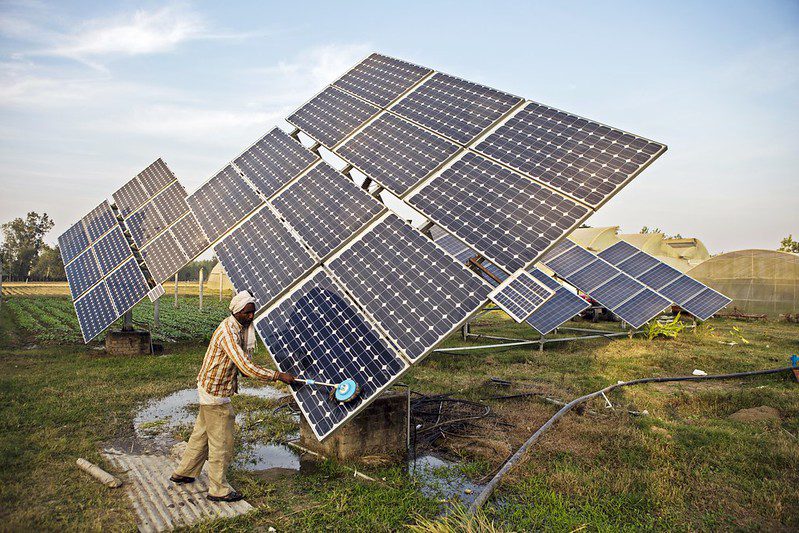
The Solar-Powered Well Revolution in India

Solar-powered wellsRajasthan, the largest state in India, is also one of the driest. The soil in the region is predominantly saline or alkaline, requiring a generous amount of water for successful cultivation. Some areas are covered by sand and desert. Many villages rely on traditional wells and seasonal rainfall, often insufficient to meet their needs. Water is scarce in Rajasthan but can typically be found at 100 to 200 feet deep.

The Invention

The state of Rajasthan is addressing its water needs with solar-powered wells. This cost-effective solution offers farmers an alternative to unpredictable rainfall. These solar-powered wells are replacing costly diesel or grid-powered pumps in some areas. The solar-powered pump draws water from underground to the surface, making it available for agricultural use. This innovation is a significant boost for farmers, greatly enhancing farm productivity and improving food security. Rajasthan is home to numerous large solar power parks, the first of its kind in India. It was established in a village in the state in 2012. Since then, many more solar parks have been developed in Rajasthan and across India.

The Indian government has set up 57 solar parks across 13 states, with nine in Rajasthan. This indicates that while Rajasthan pioneered this initiative, other parts of the country are also eager to harness the benefits of solar energy. Rajasthan’s favorable landscape and sunny climate make it an ideal location for renewable energy projects, particularly in the solar sector. The state remains the leading solar-powered region in India, with a capacity exceeding 16 gigawatts. Major solar power companies in India, such as Tata Power Solar, Insolation Energy and Goldi Solar, are prominent players.

Solar-Powered Revolution in India

India is experiencing a solar-powered revolution in agriculture. The Indian government has subsidized solar pumps to nearly 100,000 farmers, which now irrigate more than a million acres and have increased agricultural water use by more than a quarter. Despite these advancements, 16.3% of the Indian population still suffers from undernutrition.

Agriculture is essential for achieving India’s national food security goals and remains the backbone of the country’s economy, with more than 70% of the population involved in agriculture-related activities. Solar-powered wells are now playing a significant role in enhancing food stability across the country. By 2026, more than three million farmers are expected to use solar-powered wells. This technology is rapidly spreading among rural communities in water-scarce regions in India, Africa and beyond. These wells are used for agricultural purposes, provide drinking water and serve other needs within the communities.

Looking Ahead

Groundwater is not unlimited; it has dried up to 400 feet below the surface in some areas. Despite this, solar-powered wells offer a valuable temporary solution to farmers’ challenges. In the future, the government and farmers will need to develop more permanent solutions for irrigation. Although this innovation is not a permanent fix, it has advanced the country’s progress toward renewable energy. Today, farmers are embracing creativity and innovation, using solar power to address various aspects of farming.

– Sigrid Nyhammer

Sigrid Nyhammer is based in London, UK and focuses on Good News and Politics for The Borgen Project.

Photo: Pixabay

August 9, 2024
https://borgenproject.org/wp-content/uploads/borgen-project-logo.svg 0 0 Hemant Gupta https://borgenproject.org/wp-content/uploads/borgen-project-logo.svg Hemant Gupta2024-08-09 01:30:312024-08-09 00:25:07The Solar-Powered Well Revolution in India
Developing Countries, Electricity and Power, Global Poverty

The Sida Power Africa Team Is Supporting Africa’s Energy Growth

The Sida Power Africa TeamIn 2013, President Obama launched Power Africa, an ambitious initiative to double access to electricity in sub-Saharan Africa by tapping into the region’s vast renewable energy resource. The goal was to add 30,000 megawatts of new, cleaner power capacity and create 60 million electrical connections.

The Sida Power Africa Team

In 2014, Sweden became the first international government to back Power Africa. The Swedish International Development Cooperation Agency (Sida) committed to mobilizing $1 billion over the next decade for sustainable energy investments. In 2015, Sida entered a 10-year partnership with the United States Agency for International Development (USAID). The partnership was formed under the Power Africa program. The focus of the partnership was to focus on knowledge exchange and utilizing existing strategies and resources to boost energy sector development. As a result of this partnership, the Sida Power Africa Team was created, dedicated to creating sustainable energy solutions in sub-Saharan Africa.

Development Challenges

The lack of modern energy services is a critical barrier to economic development and quality of life in sub-Saharan Africa. Approximately 600 million people lack access to electricity and around 900 million lack clean cooking alternatives. Addressing these gaps is vital for economic development, health improvement, education and employment.

Vision for 2030

Sida’s mission document outlines a comprehensive strategy for energy efficiency until 2030 as a pathway out of poverty. Building upon its successful partnership with USAID, the overarching goal of the Sida Power Africa Team is to contribute to Sustainable Development Goals 7 (SDG 7) and other energy-dependent goals by developing markets, mobilizing capital and reducing poverty.

Focus Areas

Sida’s revised mission document identifies five key focus areas to guide its efforts:

  1. Access to Electricity: Developing sustainable business models to provide renewable energy to underserved populations alongside supporting policies and regulations to facilitate this access.
  2. Regional Economic Integration and Institutional Capacity: Strengthening capacities and policies for efficient local, national and regional power markets.
  3. Energy Efficiency: Promoting the market development of energy-efficient lighting and appliances.
  4. Productive Use of Energy: Supporting business models that enhance energy-dependent value chains.
  5. Access to Clean Cooking: Developing sustainable markets for clean cooking solutions, targeting neglected communities.

These focus areas intend to expand energy access. They enhance regional integration, improve energy efficiency, stimulate productive energy use and provide clean cooking solutions.

Quantitative and Qualitative Goals

Sida has set aspirational performance targets for 2030 to mobilize approximately $2.3 billion toward energy sector development, with a leverage factor of five. With help from existing partnerships between Sida and the European Union (EU), the World Bank, USAID and other Swedish agencies, these aims prioritize increasing access to renewable electricity and clean cooking, enhancing energy efficiency and reducing greenhouse gas emissions and biodiversity loss.

These priorities will boost economic growth, health and education. Furthermore, they will cut costs, support agriculture and reduce environmental problems that disproportionately affect these regions. The Sida Power Africa Team will also report on transitions related to poverty focus, gender equality, conflict area activities, innovative financial methods, democratic engagements and anti-corruption measures.

– Georgia O’Keeffe

Georgia is based in Wiltshire, UK and focuses on Technology and Politics for The Borgen Project.

Photo: Pexels

August 5, 2024
https://borgenproject.org/wp-content/uploads/borgen-project-logo.svg 0 0 Hemant Gupta https://borgenproject.org/wp-content/uploads/borgen-project-logo.svg Hemant Gupta2024-08-05 07:30:542024-08-05 05:16:40The Sida Power Africa Team Is Supporting Africa’s Energy Growth
Africa, Electricity and Power, Global Poverty

Using Renewable Energy in Chad to Combat Poverty 

Renewable Energy in ChadLocated in North Central Africa, Chad is an exceptionally diverse country, home to more than 200 ethnic groups and 100 different languages. However, with a cumulation of political instability and natural disasters, Chadians are suffering from rising food insecurity and poverty levels. In 2023, extreme poverty across the country was recorded at 35.4%. Energy is scarce and unreliable across Chad. Only 4% of the population has access to electricity. Currently, traditional wood fuel is the primary source of energy consumption across the country. Despite this, the country has optimistic targets to achieve nearly a 50% increase in electricity access by 2050.

The source of this increase derives substantially from the innovation and expansion into renewable energy. Utilizing Chad’s high levels of solar irradiation, The Djermaya Solar Project is paving the way for socio-economic prosperity that can combat the rising poverty levels. Here is information about renewable energy in Chad.

The Djermaya Solar Project

Initiated in 2015, the Djermaya Solar Project has two stages. Firstly, a 36 MWp solar photovoltaic (PV) plant in Djermaya will be constructed, 30km north of N’Djamena, Chad’s capital. Following this, there will be a 24 MWp phase. This will gradually integrate renewable power into Chad’s national grid, according to InfraCo Africa.

Chad’s first renewable energy project is jointly developed by InfraCo Africa and Denham Capital, as well as supported by government agencies, including the African Development Bank Group (ADB).

The European Investment Bank (EBI) described the solar PV plant as a “pioneering project” that “will help liberalise the energy sector, and mobile private investment in Chad.” It is calculated that the cost of electricity will be less than half the current cost of power following the project.

Catalyzing Chad’s Socio-Economic Prosperity

The Djermaya Solar Project will significantly improve Chad’s socio-economic prosperity. Not only will the project provide lower cost energy, increasing accessibility across the country, but it will also create 250 jobs during construction, as well as 12 permanent positions during the operational phase.

Once online, the Djermaya solar project could power 60,000 households and reduce the overall cost of electricity generation. USAID’S Power Africa has guided tariff approaches, indicating that the Djermaya plant will produce electricity at a cost that is 40% less than existing sources. Overall, Chadians will have an increased access to cleaner, sustainable energy.

In the long term, this project will provide a sustainable and reliable source of energy for the Chadian electricity distribution network. Subsequently, this increases high-speed internet access and improves the transport routes used for business.

People across Chad have to use conventional energy resources, such as biomass and charcoal in order to cook, light their house and other economic activities. In particular, it is women and children who spend a lot of time sourcing the biomass materials, which increases their risks of harmful respiratory diseases. Therefore, this creation of renewable energy in Chad offers a new alternative to the old conventional way of energy production. Women and children could then dedicate this time to income-generating activities instead.

A Pathway Out of Poverty

Investment director at Emerging Africa Infrastructure Fund, Paromita Chatterjee, emphasizes that The Djermaya project is the key to “unlock the country’s economic potential and to fly the flag for more green energy projects”.

The Djermaya Project will help alleviate poverty, as well as foster universal economic activity across Chad. This is because the solar project provides lower cost power to the grid, in comparison to the current fossil fuel-fired generation. This is a fundamental step in achieving Chad Vision 2030’s target of becoming an emerging country. 

Resultantly, this will enable the government to reduce its current subsidies to the energy sector, and instead, focus its limited resources on other essential services, such as education and health. 

In addition, the Djermaya Project is a pioneer in liberalizing Chad’s energy sector, encouraging independent power producers. This mobilizes private investment across Chad, spurring sustainable economic prosperity. Alongside this, this is a crucial development into renewable energy within Chad, adding to the sustainable eradication of poverty. 

Looking Ahead

Overall, the Djermaya Solar Project yields a significant role in the alleviation of poverty across Chad, on both a small and large scale. Not only does Chad’s renewable energy project maintain its climate commitments under the Paris Agreement, but, crucially, it offers a solution to the destitute poverty suffered by millions of Chadians. As development begins, this is an exciting and prosperous project for the long term socio-economic success of Chad.

– Sian Ameer-Beg

Sian is based in Durham, UK and focuses on Technology and Solutions for The Borgen Project.

Photo: Flickr

July 25, 2024
https://borgenproject.org/wp-content/uploads/borgen-project-logo.svg 0 0 Jennifer Philipp https://borgenproject.org/wp-content/uploads/borgen-project-logo.svg Jennifer Philipp2024-07-25 01:30:342024-07-25 01:10:45Using Renewable Energy in Chad to Combat Poverty 
Developing Countries, Electricity and Power, Global Poverty

Renewable Energy in Mauritania

Renewable Energy in MauritaniaThe consequences of natural disasters can exacerbate poverty, yet poverty alleviation efforts, such as economic development and industrialization, can also have negative environmental impacts. However, in Mauritania, a coastal country along the Sahel strip, the transition towards green economies presents unique opportunities. The Mauritanian government, under the 2016-2030 Accelerated Growth and Shared Prosperity Strategy, aims to enhance the energy sector, with a strong focus on renewable energy. Bilateral agreements and international aid initiatives support this effort. Both domestic and global actors recognize the pertinence of renewable energy in Mauritania for development.

Conditions in Mauritania

Monetary poverty in Mauritania is falling. In 2023, according to the UNDP, 6.5% of the population lives below the income poverty line. However, the UNDP also reports that the nation’s standard of living indicators are lower than in similar economies. Electricity access, for example, is low for rural populations at 4%.

Mauritania is chiefly a “traditional subsistence economy,” with agriculture and livestock raising being its largest sector. Mining and fishing are the nation’s major exports. At the same time, Mauritania has remarkable potential for renewable energy production. Straddling both the Sahara desert and the Atlantic Ocean, the nation has more than 700,000 square kilometres of space for solar and wind energy generation. The nation is leveraging this potential for development and economic growth.

Opportunities for Development

Renewable energy technology is offering new opportunities for development initiatives. One example is solar energy-powered water drilling, which has been effective in expanding access to clean water in Mauritania’s most isolated communities. UNICEF, which supports the initiative, has found solar energy to be the most cost-effective power source when compared to other, non-renewable sources. As of 2018, solar energy supplies the majority of drinking water drills, a rise to 60% from 20% in 2015.

Investments in renewable energy in Mauritania have also expanded the power grid capacity of the nation. More than 40% of the country’s energy is now generated from renewable sources, according to the International Trade Administration (ITA). This effort is continuing to grow, with $289.5 million invested in two projects to increase solar energy production and connectivity, both to rural regions and neighboring nations.

Center of International Cooperation

Export potential has made the renewable energy sector a focus for international cooperation. Under its Power Africa initiative, USAID has worked with the nation to increase electricity connection, including helping create 8,436 solar lamp connections. The development of renewable energy production and technologies has also been a key area of interest for the ITA as well as the U.S. Department of Energy. The latter signed a Memorandum of Understanding (MoU) at the COP28 to support Mauritanian clean energy technologies and low-carbon exports including steel and green hydrogen.

Green hydrogen in particular is at the forefront of clean energy development, piquing the interest of large energy firms. With this, the nation has signed four MoUs with multinational energy corporations for green hydrogen production and development, including one with CWP Global to create the largest green hydrogen production facility in the world, according to ITA.

Much of the pledged development remains in the early stages, although the growing share of renewables in Mauritania’s energy supply is promising. Renewable energy in Mauritania and green hydrogen, in particular, presents opportunities to add value to the nation’s exports and economy, as well as efforts to elevate standards of living. As the world begins to transition to green economies, Mauritania represents a nation where this effort and economic development intersect.

– Imme Koolenbrander

Imme is based in Beijing, China and focuses on Business and Technologyfor The Borgen Project.

Photo: Wikimedia Commons

July 21, 2024
https://borgenproject.org/wp-content/uploads/borgen-project-logo.svg 0 0 Jennifer Philipp https://borgenproject.org/wp-content/uploads/borgen-project-logo.svg Jennifer Philipp2024-07-21 03:00:232024-07-21 01:17:47Renewable Energy in Mauritania
Page 12 of 15«‹1011121314›»

Get Smarter

  • Global Poverty 101
  • Global Poverty… The Good News
  • Global Poverty & U.S. Jobs
  • Global Poverty and National Security
  • Innovative Solutions to Poverty
  • Global Poverty & Aid FAQ’s
Search Search

Take Action

  • Call Congress
  • Email Congress
  • Donate
  • 30 Ways to Help
  • Volunteer Ops
  • Internships
  • Courses & Certificates
  • The Podcast
Borgen Project

“The Borgen Project is an incredible nonprofit organization that is addressing poverty and hunger and working towards ending them.”

-The Huffington Post

Inside The Borgen Project

  • Contact
  • About
  • Financials
  • President
  • Board of Directors
  • Board of Advisors

International Links

  • UK Email Parliament
  • UK Donate
  • Canada Email Parliament

Get Smarter

  • Global Poverty 101
  • Global Poverty… The Good News
  • Global Poverty & U.S. Jobs
  • Global Poverty and National Security
  • Innovative Solutions to Poverty
  • Global Poverty & Aid FAQ’s

Ways to Help

  • Call Congress
  • Email Congress
  • Donate
  • 30 Ways to Help
  • Volunteer Ops
  • Internships
  • Courses & Certificates
  • The Podcast
Scroll to top Scroll to top Scroll to top