• Link to X
  • Link to Facebook
  • Link to Instagram
  • Link to TikTok
  • Link to Youtube
  • About
    • About Us
      • President
      • Board of Directors
      • Board of Advisors
      • Financials
      • Our Methodology
      • Success Tracker
      • Contact
  • Act Now
    • 30 Ways to Help
      • Email Congress
      • Call Congress
      • Volunteer
      • Courses & Certificates
      • Be a Donor
    • Internships
      • In-Office Internships
      • Remote Internships
    • Legislation
      • Politics 101
  • The Blog
  • The Podcast
  • Magazine
  • Donate
  • Click to open the search input field Click to open the search input field Search
  • Menu Menu

Archive for category: Electricity and Power

Electricity and Power, Global Poverty, Technology

Empowering Women Boosts Southeast Asia’s Energy Sector

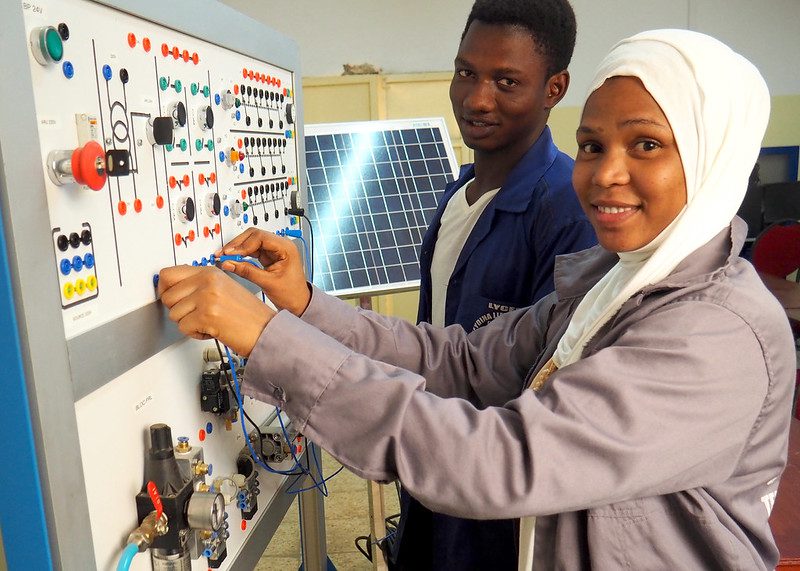
Empowering Women Boosts Southeast Asia's Energy SectorEnergy poverty levels vary within Southeast Asia’s energy sector. Some countries in the region reveal lower energy poverty levels and others much higher. Countries lower in energy poverty are Singapore, Brunei and Malaysia. In contrast, the highest levels of energy poverty are in Thailand, the Philippines, Indonesia, Myanmar and Cambodia. Cambodia has the highest energy poverty in the region, ranking 69th in the world.

Increasing women’s education, specifically preparing them for careers in the energy sector, could be a driving force in reducing energy poverty. The United States Agency for International Development’s (USAID’s) Mission Director for Regional Development Mission for Asia, Dr. Steven G. Olive, says that “it is a missed economic opportunity for countries, companies and communities”  to keep women on the periphery of the energy sector. 

USAID

USAID is spotlighting the connections among women, education and the workforce in Southeast Asia through its Enhancing Equality in Energy for Southeast Asia (E4SEA) program. This initiative seeks to address gender disparities in the region’s predominantly male energy industry. E4SEA is opening up deeper career opportunities for women in this sector. USAID’s priorities for this initiative include increasing the number of women entering the industry. The initiative provides support for women currently employed in the industry and offers scholarships and internship programs to women.

Spotlight: Scholarship Programs

Thai universities, in partnership with E4SEA, have developed the Gender Inclusive Energy Scholarship. This scholarship program aims to break down gender discrepancies within the energy sector. This opportunity encourages women to apply for either a two-year full-time master’s degree program or for a part-time semesterly scholarship. Women can also apply for a four-month paid energy internship – an opportunity available to bolster career outcomes. The flexible options demonstrate E4SEA’s commitment to women’s education. 

ASEAN

ASEAN’s Plan of Action for Energy Cooperation (APAEC) is now in its second phase, which began following the 2016-2020 initiative and will extend through 2025. This plan aims to increase the integration of renewable energy throughout the region. In its efforts, APAEC emphasizes the vital role of women in the energy sector, recognizing them as key contributors. Under APAEC, women notably make up the majority of the ASEAN Climate Change and Energy Project (ACCEPT) team. The ACCEPT team focuses on three main priorities: understanding women’s perspectives in the energy sector, acknowledging the critical roles women play in this field and promoting women as leaders of change.

Spotlight: Monika Merdekawati

After graduating with a degree in mechanical engineering Monika now works for the Association of Southeast Asian Nations (ASEAN) as a researcher. With ASEAN, she focuses her efforts on policy, technology and mitigation while encouraging other young women to enter the energy sector field. Monika’s advice for women looking to enter the field is to “focus on enhancing your knowledge and skills, to be confident and to be generous in empowering fellow women.” 

Looking Ahead

USAID and ASEAN initiatives are actively addressing energy poverty and improving Southeast Asia’s energy sector. This is achieved by promoting women’s education and careers in the energy sector. Programs like E4SEA and APAEC provide scholarships and internships, encouraging greater female participation and leadership in this field. By integrating more women into the energy sector, these ongoing efforts aim to reduce energy poverty and support sustainable economic development throughout the region.

– Carlee Unger

Carlee is based in Pembroke, NC, USA and focuses on Business and Technology for The Borgen Project.

Photo: Flickr

July 11, 2024
https://borgenproject.org/wp-content/uploads/borgen-project-logo.svg 0 0 Precious Sheidu https://borgenproject.org/wp-content/uploads/borgen-project-logo.svg Precious Sheidu2024-07-11 07:30:192024-07-11 01:41:31Empowering Women Boosts Southeast Asia’s Energy Sector
Electricity and Power, Global Poverty, Technology

Renewable Energy as a Solution to Senegal’s Energy Poverty

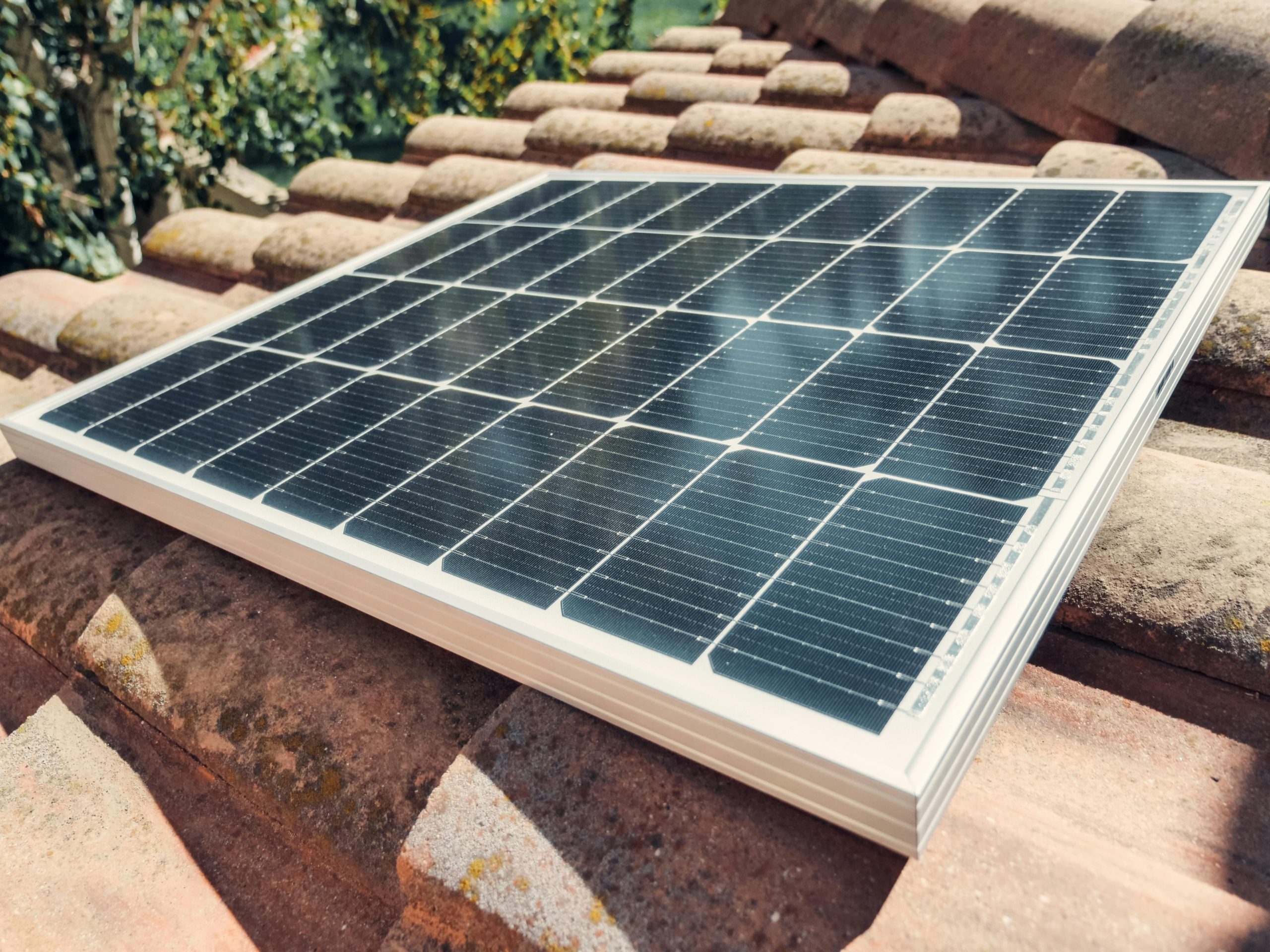
Senegal’s Energy PovertyOne may view renewable energy as irrelevant to alleviating extreme poverty due to its higher technology prices (than fossil fuels). In the context of poverty alleviation, basic energy access is the focal point, not a global perspective. However, recent developments regarding renewable energy showcase that the technological quirks of renewable energy offer tools to solve Senegal’s energy poverty in appropriate contexts.
Senegal’s Energy Poverty

Senegal is a country of 18.2 million individuals located at the west end of Africa facing the Atlantic Ocean. According to the World Bank’s 2023 report, Senegal has reduced their incidence of poverty (using the national poverty line) from 43% in 2011 to 37.8 % in 2018. However, under a multidimensional perspective on poverty, the U.N. reports that 50.8% of Senegal faces poverty in health, education and standard of living.

Many studies argue that limited modern energy access (access to electricity) significantly perpetuates income poverty and threatens one’s health and standard of living. In Senegal, 3 million individuals do not have modern energy access. Furthermore, the urban-rural disparity in electricity access is 94% to 44%.

It is important to note that access to modern energy is significant in alleviating vulnerabilities associated with poverty. Modern energy is an access point to electrically charged technologies pivotal in supporting health, income-gaining ability and a higher standard of living. For instance, refrigeration allows quick access and storage of medical assets for the community; automated agricultural tools and internet access could unlock new and more productive income streams; light sources and heating could support better living conditions.

Off-Grid and Local Energy Sources

The use of small-scale, off-grid renewable energy in Senegal could be a complementary solution to the widespread energy disconnection. This is due to two major advantages that off-grid renewable energy provides. Small-scale renewable energy has the advantage of being functional in remote areas, according to the 2023 Stand Alone Solar (SAS) Market Update. The core cause for the disparity between urban-rural access to electricity is due to the rural parts of Senegal lack grid access to central electricity providers.

Fossil-fuel-based energy systems require large-scale infrastructures to connect homes to central energy providers and connecting large distances can be difficult and costly. On the other hand, renewable energy operates from a generally ubiquitous energy source (solar, hydro and wind) therefore being more easily installable in locations distant from the city, according to the Journal of Energy in Southern Africa.

Long-Term Affordability

Energy per unit becomes more affordable for certain utilities such as lighting when using solar energy instead of fossil fuels. The introduction of low-cost LED lights offers the rural population of Africa a form of lighting 50% cheaper than the kerosene lamps that are widely used.

Additionally, the cost of energy could become more stable with the contribution of local sources of renewable energy in Senegal. In 2021, Senegal relied on external fossil fuel imports for 59% of its energy needs. This leaves Senegal’s energy costs vulnerable to supply disruptions from international events. In the past few years, Senegal’s energy prices increased due to the COVID-19 pandemic and the Ukraine War, according to the World Bank’s 2023 brief.

Progress in Senegal

Corporations have financed several off-grid solar projects in rural Senegal in recent years. A good example is the installation of an off-grid solar energy generator in Northern Senegal by a renewable energy company GFM FOTOVOLTAICA in April 2024. The solar generators successfully power three water pumps, a cooling system preserving food and livestock vaccines. The generators are designed to be agrivoltaic meaning the space below the panels can be cultivated for food crops.

This is significant as it has been found that a common community backlash towards renewable energy is the loss of farmable land. Projects like this are small in scale but are useful demonstrators for the impact off-grid renewables can have in rural communities in Senegal. It indicates that there is both a potential for a successful market and poverty alleviation.

Favorable Government Policy Moves

There are positive signs within Senegal regarding governmental recognition and support for the use of off-grid renewable energy in Senegal. The Senegalese government began setting a five-year plan in 2020 to achieve universal electricity access, according to the International Energy Agency (IEA) report. There is good evidence that the Senegalese government recognizes that rural residential areas not having grid access (no connection to electricity providers) is a major reason for the disparity and high energy poverty in Senegal.

The 2023 SAS Market Update reports that “there is increasing acknowledgement that [Off-Grid Solar Products] are a complementary and competitive solution” from the government to the issue of electricity access in Senegal. In 2020, the Ministry of Energy enacted a bill that exempts off-grid renewable energy products from value-added tax, contributing to making access to energy more affordable in disconnected communities.

Furthermor, the 2023 SAS market report noted that the Senegalese government also resolved corporate politics where multiple electricity providers banded to obstruct SAS company operations in regions under their influence.

Such reforms and legislations favoring the acquisition of Stand-Alone renewable energy products signal healthy governmental support, making Senegal a great environment for off-grid sources of energy to reach more of its population.

Conclusion

Energy poverty underlies numerous dimensions of poverty. In Senegal, increasing access to clean modern energy is of paramount importance. There are good reasons to consider off-grid renewable energy as a viable method to increase electricity access in rural areas. Numerous experimental projects showcase the impact and feasibility of rural communities integrating renewable energy for their needs. The Senegalese government’s interest and policy-based support for this solution signals bright potential for renewable energy to become a contributive solution to Senegal’s energy poverty.

– Siwon Kim

Siwon is based in Boston, MAs, USA and focuses on Technology and Global Health for The Borgen Project.

Photo: Flickr

June 30, 2024
https://borgenproject.org/wp-content/uploads/borgen-project-logo.svg 0 0 Jennifer Philipp https://borgenproject.org/wp-content/uploads/borgen-project-logo.svg Jennifer Philipp2024-06-30 03:00:472024-06-30 01:30:00Renewable Energy as a Solution to Senegal’s Energy Poverty
Africa, Electricity and Power, Global Poverty

Solar Energy in Rural Kenya: A Pathway Out of Poverty

Solar Energy in Rural KenyaApproximately 71% of Kenya’s population lives in rural areas, where access to electricity is often limited or non-existent. Without electricity, rural communities rely on kerosene lamps for lighting, which are expensive, provide poor-quality light and pose health risks due to indoor air pollution.

Solar energy presents a transformative solution in Kenya. It alleviates poverty by providing reliable electricity, promoting education and enabling various economic activities. Thus, solar energy initiatives in Kenya highlight the potential of renewable energy to drive sustainable development and improve living standards.

Solar Energy Initiatives in Kenya

One innovative approach that has made solar energy accessible to low-income households in Kenya is the pay-as-you-go (PAYG) model. This model allows users to pay for solar systems in small, manageable installments using mobile money platforms. The PAYG model reduces the upfront cost barrier, enabling more families to afford solar energy solutions.

Companies such as M-KOPA Solar are leading the change by providing these affordable solar home systems to rural households. M-KOPA Solar first launched its pay-as-you-go (PAYG) solar system in Kenya in 2010. These systems typically include solar panels, batteries and energy-efficient appliances, offering a sustainable and cost-effective source of electricity.

More than eight million households in Kenya spend a total of $1 billion on kerosene lamps for lighting, bringing the average to approximately $200 on lighting per household each year. With the introduction of M-KOPA’s PAYG solar systems, Kenyans now spend $200 for a one-time payment to receive electricity.

Impact on Education

Access to solar energy also has a profound impact on education in rural Kenya. Solar-powered schools can benefit from improved resources, such as the ability to use computers and the Internet. This access to technology enhances the learning experience and provides students with skills essential for the modern economy. Furthermore, with reliable lighting, students can study after dark, leading to better academic performance.

Economic Empowerment

Reliable electricity from solar energy enables various income-generating activities that were previously impossible or limited. For example, small businesses can extend their operating hours and farmers can use solar-powered irrigation systems to increase agricultural productivity. These opportunities contribute to higher incomes and improved livelihoods.

The solar energy sector itself also creates jobs, ranging from installation and maintenance of solar systems to sales and customer support. For instance, M-KOPA employs more than 1,000 people, the majority of whom are located in Kenya and the rest in Uganda. This contributes to economic growth, thus reducing poverty.

Moving Forward

Solar energy has the potential to significantly reduce rural poverty in Kenya by providing reliable electricity, promoting education and enabling economic activities. Through innovative models and sustained efforts, solar energy initiatives are transforming lives and contributing to sustainable development. Continued investment, supportive policies and community engagement are key to maximizing the impact of solar energy and ensuring a brighter future for rural Kenya.

– Jennifer Lee

Jennifer is based in Toronto, ON, Canada and focuses on Good News for The Borgen Project.

Photo: Pexels

June 24, 2024
https://borgenproject.org/wp-content/uploads/borgen-project-logo.svg 0 0 Hemant Gupta https://borgenproject.org/wp-content/uploads/borgen-project-logo.svg Hemant Gupta2024-06-24 07:30:042024-06-23 13:30:28Solar Energy in Rural Kenya: A Pathway Out of Poverty
Electricity and Power, Global Poverty

Renewable Energy in Romania: A New Way To Fight Poverty

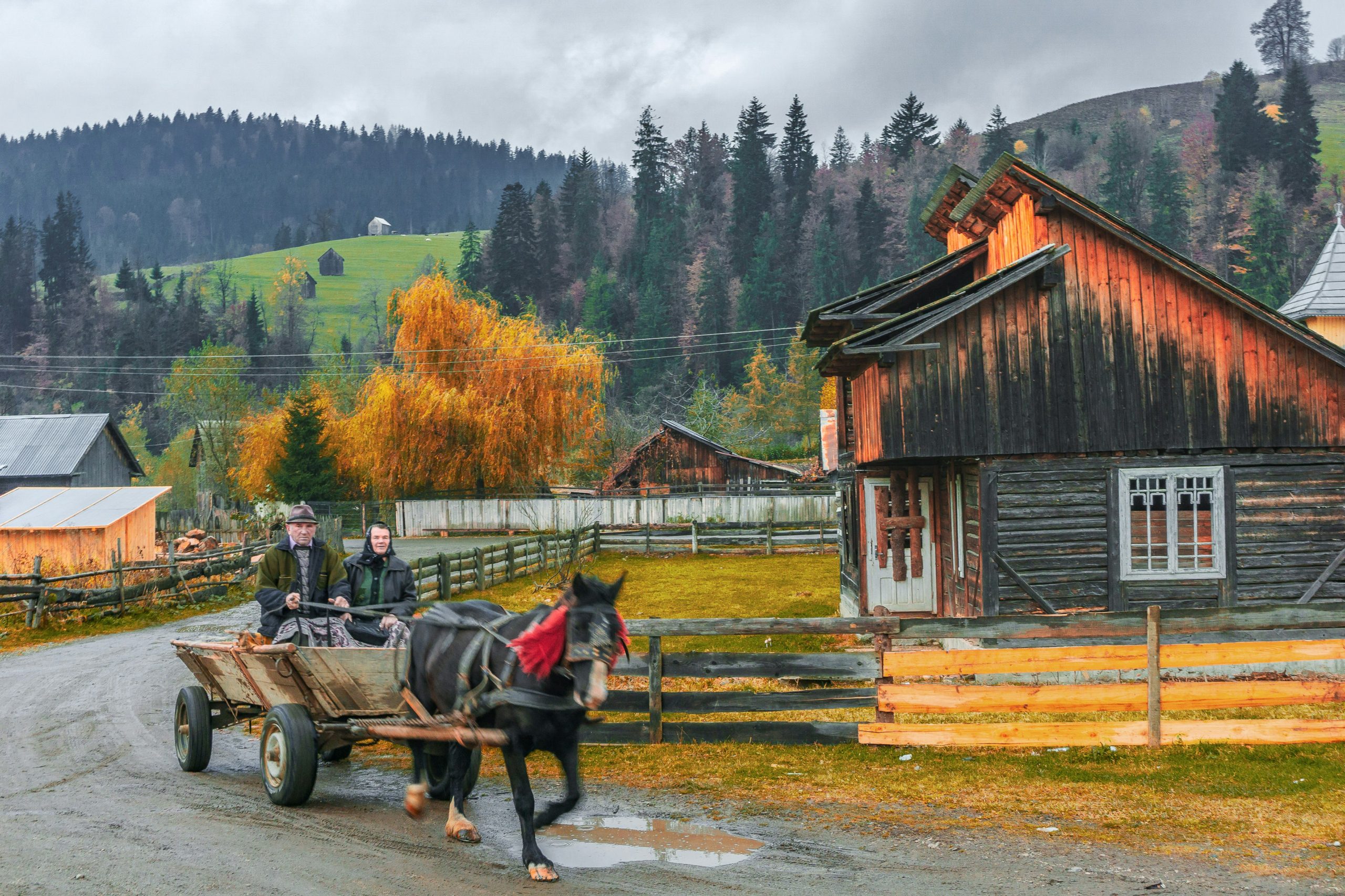
 Renewable Energy in RomaniaRomania is a semi-presidential republic located at the crossroads of Central, Eastern and Southeastern Europe, with a population of more than 19 million citizens. Like many other developing countries, much of its population suffers from energy poverty, defined as a lack of access to modern energy services in homes that negatively impacts one’s physical health, mental well-being and living standards. Nevertheless, Romania has been steadily progressing toward the European Union’s (EU) goal of full electrification with the breakthrough of new renewable energy projects.

The Extent of Energy Poverty in Romania

Almost a third of the Romanian population (28%) is affected by energy poverty, experiencing difficulties paying their bills on time and being unable to heat their homes properly. Moreover, about 7% of all households have no access to affordable energy sources at all. This issue partially stems from economic struggles, including regional disparities, weak institutions and skilled labor shortages, resulting in severe inequality throughout the country.

According to the World Bank, Romania’s Gini index of equivalized disposable income reached 34.3 in 2020, the fourth highest in the EU. The bottom 40% of society is largely disconnected and lives in impoverished, rural areas, which limits their access to productive jobs. However, there is hope for the future as Romania’s poverty rate declined significantly from 27.8% in 2015 to 10.7% in 2020, with economic growth accelerating due to rising disposable incomes, increased private consumption and new EU-financed investments.

Clean Energy: Out With the Old, in With the New

Despite growing concerns, Romania’s solar and wind energy output has remained flat since 2014 due to a lack of funding. However, in March 2024, the European Commission approved funding for €3 billion (approximately $3.24 billion) under the Temporary Crisis and Transition Framework to support the construction of new solar photovoltaic facilities and onshore wind farms.

The fund will be split between installing three gigawatts of solar energy and two gigawatts of wind energy. One gigawatt of solar or wind energy can power approximately 750,000 homes per year, representing a significant step forward to supporting clean energy sectors and reducing fossil fuel dependencies.

These new solar and wind farms will also promote equality, as they will be built in remote rural areas with the highest rates of energy poverty. They will allow for decentralized power generation that will help stabilize and prevent future disruptions or blackouts. Opening up new solar and wind plants will also allow for new job opportunities, not only providing long-term benefits for energy usage but also regarding education and training.

Furthermore, compared to traditional fossil-fueled power plants, solar and wind farms require less continuous maintenance and simultaneously benefit the environment, so through this plan, more homes will have access to reliable, clean and affordable power without electricity and restore their heating systems. An expert from the Romanian Energy Poverty Observatory stated, “Energy is a basic need. The poorest consumers prefer to put less food on the table but not stay in the dark or cold.”

Thus, not only will this plan raise the standard of living within the communities, but Romania as a whole will experience both economic and societal benefits with an increase in productivity and the overall standard of living within all communities.

Big Plans for the Future

Looking ahead, the Social Climate Fund has initiated discussions about a €6 billion (about $6.48 billion) fund for Romania to continue supporting efforts to reduce its energy poverty rate to the national level, set to occur from 2026 to 2032. The fund has a diverse range of purposes, which include transitioning the rural community’s inefficient housing structure from thin panel-type building blocks and adopting new heating appliances rather than continuing to rely on a mix of wood, gas and coal.

Moreover, it will help vulnerable groups pay energy bills and access transportation services. This action, alongside other subsidized government programs, will allow Romania to have the needed support in combating increasing consumer costs and reaching its aim of raising the share of renewable energy consumption to 30.7% by 2030.

– Kewe Chen

Kewe is based in Memphis, TN, USA and focuses on Good News and Global Health for The Borgen Project.

Photo: Unsplash

June 21, 2024
https://borgenproject.org/wp-content/uploads/borgen-project-logo.svg 0 0 Hemant Gupta https://borgenproject.org/wp-content/uploads/borgen-project-logo.svg Hemant Gupta2024-06-21 07:30:042024-06-20 03:46:23Renewable Energy in Romania: A New Way To Fight Poverty
Electricity and Power, Global Poverty

Renewable Energy in Papua New Guinea Forges a Brighter Future

Renewable Energy in Papua New GuineaWhen it comes to expanding the use of renewable energy to produce electricity in Papua New Guinea (PNG), its government has industrious plans. It aims to supply power to 70% of the country’s population by 2030 and reach 100% by 2050. In a nation where, at this time, only 20% of people have access to reliable electricity, this scheme would change lives. Solar energy plays a big part in that transition and aids in bridging PNG’s healthcare inequality gap and fighting gender-based poverty.

Keeping the Lights on To Save Lives

According to the World Bank, about 85% of PNG’s citizens live in rural communities. For that populace, receiving medical treatment can often be a toil due to a lack of transport infrastructure or struggling health care facilities. This has led to plights such as low children vaccination rates and insufficient care for expecting mothers and as a consequence, PNG has one of the highest documented mortality rates for both groups in the Western Pacific region.

One solution to these problems is to supply clinics with their own energy sources, which is exactly what one hospital in the Nipa-Kutubu district located in the Southern Highlands province did. The Pimaga Rural Hospital frequently had to refer patients to the Mendi General Hospital, which was two hours away.

However, with help from the United States Agency for International Development (USAID) and Santos, an international energy corporation, the Pimaga Rural Hospital installed 207 solar panels on its roof. With an uninterrupted flow of electricity, the hospital can now provide consistent treatments and care.

Solar Power for Equality

High maternal mortality rates are just one of the health issues that women living in provincial PNG face. Because women are often responsible for most household chores, they are at a higher risk of lung illnesses caused by air pollution from wood cooking stoves. Arduous domestic duties also mean that women don’t have as much time to partake in economic opportunities.

For women in PNG, the cycle of poverty can begin at a young age since daughters are usually their mothers’ helpers. Consequently, girls are excluded from education and have more limited prospects. Solar energy would provide a means to not only create safer and healthier living environments, but it could also cut labor for women and girls, leaving them to pursue educational or economic endeavors.

The organization Solar Buddy is part of the effort to electrify PNG and saw that solar panels could also help women who run small businesses from their homes, which mainly consist of selling homemade goods. According to Solar Buddy, “solar lighting access can allow women to draw in more customers and extend their working hours.” Having an income can give women financial freedom and lift them and their families out of poverty.

Conclusion

Harnessing the sun’s power isn’t the only renewable energy option in Papua New Guinea: hydropower, geothermal resources and wind turbines could also be utilized to reach PNG’s clean energy goals. During the development time of larger projects, mini-solar grids can provide easier access for impoverished regions to improve the quality of life of the people who inhabit them.

– Melissa Harper-France

Melissa is based in Saint Paul, MN, USA and focuses on Technology and Solutions for The Borgen Project.

Photo: Flickr

June 16, 2024
https://borgenproject.org/wp-content/uploads/borgen-project-logo.svg 0 0 Hemant Gupta https://borgenproject.org/wp-content/uploads/borgen-project-logo.svg Hemant Gupta2024-06-16 07:30:372024-06-15 09:03:54Renewable Energy in Papua New Guinea Forges a Brighter Future
Electricity and Power, Global Poverty

Renewable Energy in Estonia Challenges Poverty

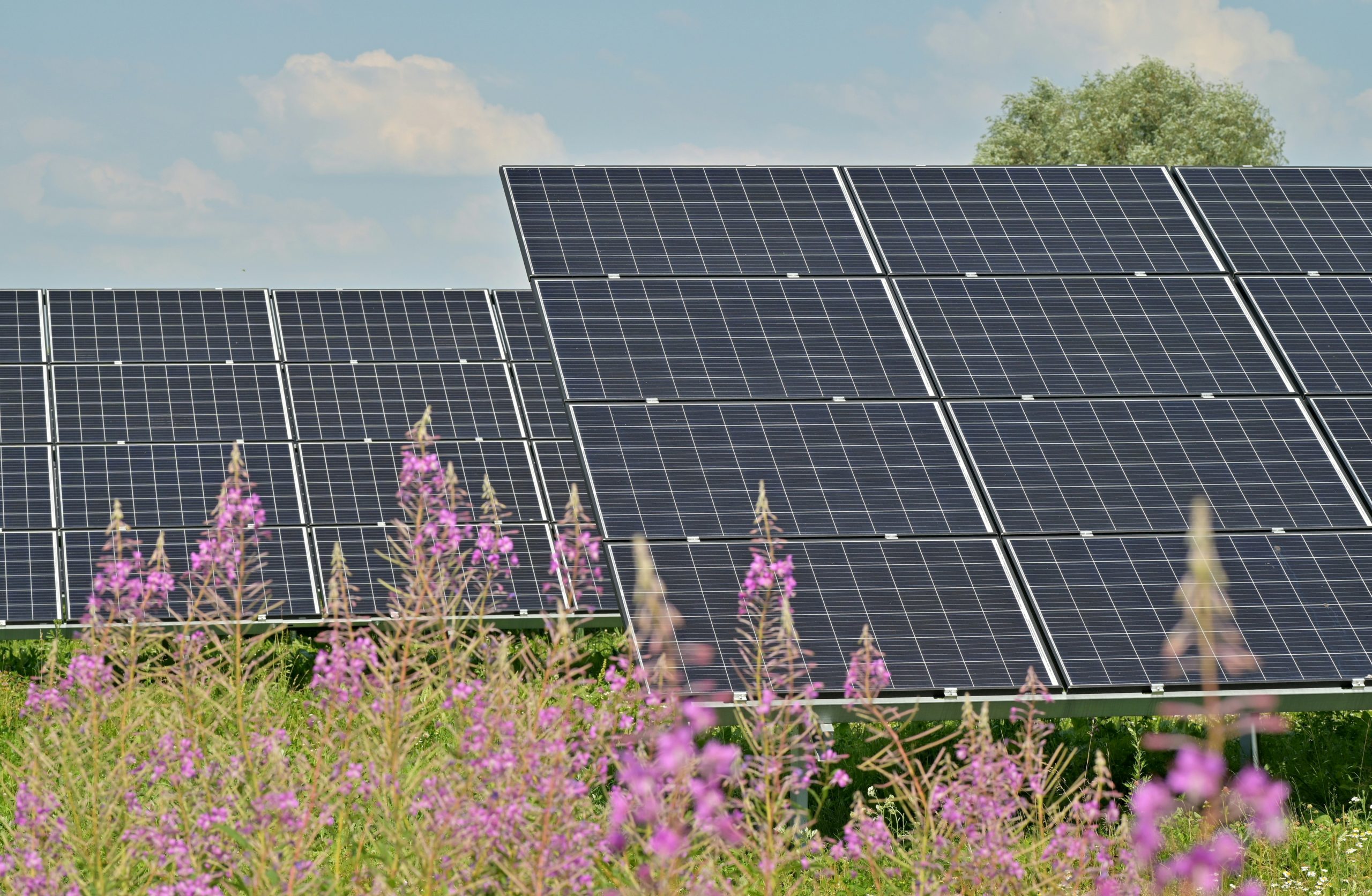
Renewable Energy in EstoniaIn Estonia, poverty and energy poverty are conditions that affect both the citizens and the government. Estonia’s vulnerability and access to reliable, clean and economically efficient sources of renewable energy are a concern within the European Union (EU).

The latest Organization for Economic Cooperation and Development (OECD) Economic Survey reveals that double-digit inflation and labor shortages are slowing Estonia’s recovery from the COVID-19 crisis. However, according to OECD Secretary-General Mathias Cormann, Russia’s involvement with Ukraine is heightening poverty challenges. 

According to Epp Remmelg, an analyst at Estonia’s official statistics agency, “Close to 303,900 people lived at risk of poverty in 2022, which is nearly 3,000 more than in 2021. The at-risk-of-poverty rate reflects income inequality in a country.” The EU considers energy poverty a major challenge that needs to be addressed. The effects of the COVID-19 crisis and the Russian invasion of Ukraine in February 2022 were followed by a surge in energy prices. Estonian households have been primarily affected by energy poverty.

Energy Poverty Support

In Estonia, citizens considered to be “vulnerable energy consumers” are identified by the Energy Sector Organization Act to be people living alone, a family whose monthly income has not exceeded the minimum wage for the past six months and/or have received “subsistence benefits once during the past six months. The following initiatives provide support for citizens who face the effects of poverty.

  1. Welfare Development Plan (2016 through 2023): The objective of the Welfare Development Plan (2016 through 2023) is to reduce the absolute and relative poverty rates. It encompasses various initiatives aimed at improving health care, education, social services and employment opportunities. Through this comprehensive plan, Estonia aims to build a resilient and prosperous society where every individual can thrive.
  2. Subsistence Benefits: These are provided to Estonians who face poverty and submit a subsistence benefit application to their local government. This benefit provides food, clothing and housing costs for the individual and/or family. In addition, energy poverty support is included in subsistence benefits for people experiencing energy poverty.
  3. POWERPOOR Project: This aims to support countries transitioning to “clean energy” by using renewable resources. Estonia is one of 11 countries whose households receive lessons in energy intervention to become energy efficient. Energy Supporters advise citizens affected by energy poverty on how to plan and secure funding for energy efficiency. Additionally, Certified Energy Community Mentors advise users on how to create an energy-efficient community.

Clean Energy Transition

The International Energy Agency (IEA) policy review comes at a critical moment for Estonia, whose goal is to make a “clean energy” transition by replacing its 90% dependency on oil shale with renewable resources by 2030. Currently, Estonia is having success with biomass, heat pumps and onshore wind and solar as resources.

In 2022, it generated 2,606,549 megawatt-hours of energy from renewables. However, wind and sun are intermittent energies that need to be stored in large-scale energy storage devices. By storing energy, Estonia can avoid extremely high electricity prices.

Estonia Continues To Boost Renewables

Renewable energy production in Estonia now surpasses electricity generation from fossil fuels. “The good news is that homegrown renewables are putting Estonia within reach of its clean energy targets. “We’re aiming for a speedy uptake of renewable energy, especially wind and solar,” stated Kristi Klaas, Deputy Secretary General for Green Transition. 

– Pam Fenton

Pam is based in Wall Township, NJ, USA and focuses on Good News for The Borgen Project.

Photo: Unsplash

June 5, 2024
https://borgenproject.org/wp-content/uploads/borgen-project-logo.svg 0 0 Hemant Gupta https://borgenproject.org/wp-content/uploads/borgen-project-logo.svg Hemant Gupta2024-06-05 01:30:222024-06-03 13:49:55Renewable Energy in Estonia Challenges Poverty
Development, Economy, Electricity and Power, Global Poverty

How Renewable Energy in Malawi Is Driving Economic Growth

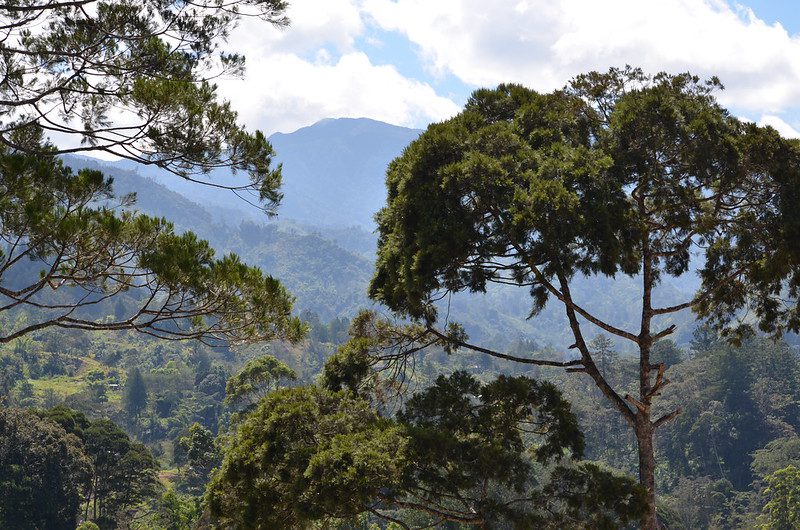
Renewable Energy in MalawiIn Malawi, a landlocked country in southern Africa, economic inequality persists, hindering significant poverty reduction efforts despite consistent growth. Currently, about 70% of the country’s 20 million residents live on less than $2.15 a day and a considerable portion of national income belong to the top 20% of earners. A major factor explaining the persistent economic inequality in Malawi is the low electrification rate. Currently, only 15% of Malawi has access to electricity, one of the lowest rates worldwide, primarily due to inadequate infrastructure in information, communication and energy technology. Renewable energy in Malawi offers a viable solution to increase access to electricity and support economic growth.

The disparity between rural and urban areas is stark, with only 5% of rural regions having electricity access compared to 42% in urban areas. Additionally, even areas with electricity face inconsistent service. Leo Randall-Brown, a volunteer in Bangwe, noted, “We lose power once a week or so,” remarked Leo Randall-Brown, a volunteer in Bangwe, “but [a few months ago] it was worse.” Despite these challenges, optimism grows around Malawi’s emerging energy sector. Innovative and collaborative efforts in renewable energy present a promising pathway to address disparities and support the nation’s poorest communities.

Hydroelectric Power

Hydroelectric power is a crucial element of Malawi’s energy portfolio, generating 90% of its electricity primarily from the Shire River. Yet, this represents only about 17% of the nation’s potential hydroelectric capacity. Modernization efforts are underway to improve this infrastructure. Notably, the rehabilitation of the Nkula Hydropower Plant, a project undertaken by the Austrian company Andritz Hydro and Portuguese firm Mota Engil, has increased energy generation capacity by 50%. Additionally, projects like the Mpatamanga Hydro, supported by a World Bank-backed Public-Private Partnership (PPP), aim to significantly enhance hydroelectric capacity, marking a robust effort to maximize Malawi’s energy resources.

These ongoing initiatives are crucial for enhancing energy security and alleviating poverty in Malawi. Hydroelectric projects catalyze job creation, providing substantial employment opportunities during the construction and operation phases. They also boost agricultural productivity in downstream villages by improving access to electricity for irrigation and agro-processing activities. The development of hydroelectric power in Malawi thus represents a multifaceted approach to combating poverty, fostering economic growth and empowering local communities to thrive.

Solar Power

With an annual daily mean global solar radiation equivalent to 250 million tonnes of oil, Malawi possesses a vast and sustainable solar energy resource. Solar power, a versatile form of renewable energy, facilitates both household-level and large-scale photovoltaic (PV) cell electrification. Across Malawi, tens of thousands of solar home systems (SHS) have been adopted, providing households with reliable lighting, heating, water pumping and radio usage. Mr. Randall-Brown notes, “We have a small solar panel that charges throughout the day. It acts as a kind of backup generator.”

The 2018 Energy Policy in Malawi emphasizes off-grid electricity, highlighting a cooperative effort between the government and the private sector. Companies such as VITALITE Malawi have capitalized on this policy framework, enhancing public-private partnerships (PPPs) to expand solar home system (SHS) services to an unprecedented number of households and communities. This focus on off-grid electrification significantly benefits the nation’s most vulnerable populations, reducing the need for extensive infrastructure investments while ensuring sustainable and renewable energy in Malawi for all.

Malawi has made notable progress in developing utility-scale solar power plants, exemplified by the completion of projects such as the 60 MW Salima, 20 MW Golomoti and 21 MW Nkhotakota. These projects underscore the government’s commitment to expanding grid infrastructure. Collaborative efforts with USAID and other international partners highlight Malawi’s proactive approach to promoting interconnected sustainable development. These ongoing initiatives are creating new income opportunities for both rural and urban households and enhancing agricultural practices with solar-powered irrigation. This technology is particularly crucial for Malawi, which relies heavily on rain-fed agriculture, marking a transformative era of resilience and prosperity for the nation’s agricultural sector.

Geothermal Power

Geothermal energy holds immense promise for Malawi’s energy future, owing to its location in the East African Rift System (EARS), which endows the country with significant reserves. Approximately 55 geothermal sites dot the landscape, with three major ones—Chiweta, Mwankeja and Nkhotakota—identified for detailed investigation, boasting a combined potential of 200 MW. While geothermal efforts are largely in the exploratory phase, a plant in Nkhotakota is planned for construction.

In a concerted effort to harness the vast potential of geothermal energy, the Malawian government is actively pursuing avenues for both public and private investment.  A notable stride occurred in 2013, when the government-owned energy company EGENCO forged a groundbreaking agreement with Kenya’s Geothermal Development Company, fostering intra-African technological collaboration within the East African Rift System (EARS). Beyond its role in sustainable electricity generation, geothermal energy holds the promise of delivering direct community benefits and catalyzing economic growth and technological advancement.

Looking Forward

Malawi is on the cusp of a transformative era in its energy sector, poised to make significant strides in electrification, sustainable development and poverty alleviation. The country boasts vast untapped potential in renewable energy sources such as hydroelectric, solar and geothermal resources. By harnessing these opportunities through pro-growth domestic policies and integration with foreign entities, Malawi is primed to drive inclusive growth and prosperity. As the nation embraces foreign investment in renewable energy in Malawi, it paves the way for collaborative efforts to unlock the full potential of clean energy and propel Malawi toward a brighter, more sustainable future for all its citizens.

– Matthew Candau

Matthew is based in St. Andrews, Scotland and focuses on Business and Technology for The Borgen Project.

Photo: Flickr

June 4, 2024
https://borgenproject.org/wp-content/uploads/borgen-project-logo.svg 0 0 Precious Sheidu https://borgenproject.org/wp-content/uploads/borgen-project-logo.svg Precious Sheidu2024-06-04 07:30:162024-06-03 13:32:11How Renewable Energy in Malawi Is Driving Economic Growth
Economy, Electricity and Power, Global Poverty

How Renewable Energy in Croatia Can Reduce Energy Poverty

Renewable Energy in CroatiaSprawling across the Adriatic Sea, Croatia comprises more than 1,200 islands – 48 of which are inhabited. Currently, the country imports much of its energy needs in the form of fossil fuels. National Energy and Climate Plan outlines the efforts to expand renewable energy in Croatia: by 2030, Croatia aims to have a 36.4% renewable energy share and a 45% reduction in total emissions. At the end of last year, Croatia recorded four days powered fully by renewable energy sources.

Politics and Renewable Energy

Recent and upcoming political changes could impact the renewable energy share in Croatia and have important impacts on those living in energy poverty. The 2024 election year has been deemed a “super-election.” In April, the country’s long-dominating center-right party, Croatian Democratic Union (HDZ), won the Parliamentary Election on April 17, but change could still occur with the European Parliament Election taking place in June and the Presidential seat being up for reelection at the end of the year. 

In a recent survey conducted for Croatia’s 2024 election, 70% of people expressed concerns about rising costs of living accompanying inflation. While the focus of this year’s election is economic, discussions surrounding renewable energy initiatives play a role in growing Croatia’s economy and helping those living in energy poverty. Making investments in renewable energy is an economic endeavor.

This is important because typically, renewable energy discussions are pushed to the side in Croatia in favor of issues the population finds more pressing such as food safety, economic growth and youth unemployment, Clean Energy Wire reports. Renewable energy in Croatia only enters the political discourse when severe weather events occur and brings attention to the impacts of changing weather patterns. Bringing attention to the economic advantages of independent renewable energy in the election will bolster initiatives for renewable energy in Croatia and benefit initiatives targeting energy poverty.

Economic Opportunity

Currently, Croatia imports the majority of fossil fuels it uses: 100% of coal, 80% of oil and 40% of gas, according to Clean Energy Wire.

Dependency on importation makes Croatia “particularly vulnerable to the rise in fossil fuel prices” contributing to the country’s high energy prices, Clean Energy Wire stats. This shows that developing renewable energy sources could help stabilize energy prices and allow more people access to consistent energy.

Renewable energy is growing as the cheapest option for electricity. The cost of solar power electricity has been declining – falling 85% from 2010 to 2020. Similarly, wind energy has seen dramatic declines in cost. Expanding renewable energy sources in Croatia could offer cheaper energy to more people, allowing those who cannot afford the high and volatile fossil fuel prices to access this essential resource.

Renewable Energy Policy

Initiatives to combat energy poverty in Croatia are underway in legislation through the expansion of renewable energies.

New drafts of Croatia’s National Energy and Climate Plan (NECP) include language targeting energy poverty in the country. Under this Plan, an Energy Poverty Program aims at achieving the following objectives from 2021 to 2030 with an overall goal to define criteria for energy poverty:

  • Incorporation of energy education for citizens living in energy poverty
  • Creation of national standards and key identifiers describing energy poverty as a system for measurement and monitoring
  • Creation of programming will likely effectively increase energy efficiency for those in and at risk of living in energy-poverty households

Currently, 9.4% of the population cannot heat their homes adequately and is living in energy poverty. NECP plans to implement monitoring and allow the Country to identify at-risk populations, target policy accordingly, and ultimately lead to effective structural policy combating energy poverty.

Closely tied with the Energy Poverty Program, a 2020 initiative targeting energy poverty through the expansion of renewable energy use assists in renovating homes. The Program for Renovation of Family Houses has provided 100% funding for these renovations for qualifying houses in addition to free energy auditing. As of summer 2020, the program received more than $4 million.

The upcoming 2024 elections could spur change in Croatia’s priority on renewable energy and help to drive out investments in fossil fuel. This, in accordance the ongoing renewable energy initiatives, give hope to decreasing the levels on energy poverty in Croatia. 

– Carlee Unger

Carlee is based in Pembroke, NC, USA and focuses on Politics and Good News for The Borgen Project.

Photo: Flickr

June 3, 2024
https://borgenproject.org/wp-content/uploads/borgen-project-logo.svg 0 0 Jennifer Philipp https://borgenproject.org/wp-content/uploads/borgen-project-logo.svg Jennifer Philipp2024-06-03 01:30:562024-06-03 14:01:53How Renewable Energy in Croatia Can Reduce Energy Poverty
Electricity and Power, Global Poverty, Technology

Renewable Energy in Sudan

Renewable Energy in SudanSudan is a developing nation in Northeast Africa with a population of around 47 million people. The World Bank report from 2023 shows 15.3% of the population living under the international poverty rate ($2.15), 49.7% living under the lower middle-income poverty rate ($3.65) and 86.2% living under the upper middle-income rate ($6.85). While these figures make for grim reading, there are many positives that things are and could continue to get better soon for people due to the further incorporation of renewable energy in Sudan. Renewable energy resources are already improving people’s lives by helping to bring clean water and solar-powered energy to towns and villages.

Providing Clean Water

Renewable energy is energy from natural resources which are “replenished at a higher rate than consumed” such as wind, solar and geothermal. These types of resources are also currently playing a major role in helping to improve people’s lives in Sudan and will play an even bigger role in the future. 

Through improved technology and investment, renewable energy in Sudan is improving people’s lives and lifting many out of poverty. UNICEF highlighted how in 2023, funding built a solar-powered mini water yard for a small, remote village Gelhanty in eastern Sudan giving communities a safe water source. The water source brought reliable and clean water to around 1,500 people, meaning that women and children in this area no longer had to trek long distances to collect water from unsafe streams.   

The new source allows villages water for domestic use such as drinking, cleaning and agricultural purposes. The water yard also prevents women and children from carrying the burden of long trips for unclean water that can cause water-borne diseases. 

Solar Panel System for a Hospital

Another success story of renewable energy in Sudan comes from a UNFPA program that piloted a renewable energy program in Abu Jebiha. Partnering with global aid, the program installed a solar panel system at Abu Jebiha Hospital. 

Before the installation of the solar panels, the hospitals’ electricity would often be cut out, meaning people could not get the treatment they needed, including women in the maternal ward, which decreased the chances of babies surviving. Now, however, this renewable-powered electricity is seeing great results. Hospital facilities now operate 24/7 including in the maternity ward, operation rooms, blood bank refrigerators, administration offices, incubators and medicine storage. 

Previously due to the lack of electricity, the hospital could not operate at capacity as the power would only last for two to three hours a day and patients often had to provide their power source. This successful solar power story means the project is expanding to cover more health facilities. 

The Future

These examples show the great work that aid agencies are doing in Sudan to bring essential resources such as water and health care to the communities in the country. However, despite all the successful work, there is a lot more to do and this is just the start of Sudan’s renewable energy program. 

Sudan is a country with plenty of renewable and natural energy resources. According to AFSIC, “Sudan has abundant resources for renewable energy, including solar, wind and hydro power. The country has one of the highest solar radiation rates in the world, with the potential to generate up to 15 GW of solar energy.” For reference, 1 GW of energy, equivalent to 1 billion watts, is enough to power up to 750,000 homes. 

Sudan has already made major progress towards its renewable energy program, with many large-scale projects to bring a better life for communities already under way. One example of this is government’s plans for the building of a 100 MW solar panel farm in the city of Dongola and a 50 MW wind farm in the Red Sea state, according to AFSIC. The Sudanese government also aims to achieve a total of 5 GW of renewable energy by 2030. 

Sudan’s blessing of renewable energy is good news for a country that is still struggling with poverty, however, for things to further improve more investment is needed to put new infrastructure in place so that success stories such as clean water yard and solar power supplying a hospital with reliable electricity becomes more commonplace and widespread throughout the country. 

– Lachlan Wellington

Lachlan is based in Fareham, UK and focuses on Technology and Global Health for The Borgen Project.

Photo: Unsplash

May 31, 2024
https://borgenproject.org/wp-content/uploads/borgen-project-logo.svg 0 0 Jennifer Philipp https://borgenproject.org/wp-content/uploads/borgen-project-logo.svg Jennifer Philipp2024-05-31 01:30:092024-05-29 09:06:06Renewable Energy in Sudan
Electricity and Power, Global Poverty, Sustainable Development Goals

Updates on SDG 7 in Lebanon

Updates on SDG 7 in LebanonThe country of Lebanon is engaged in a war which the actual state of Lebanon has neither the power to begin or end, and has been suffering from the same financial crisis since 2019. In addition to a refugee crisis that has heightened sectarian strife to unprecedented levels, an energy shortage seems to be a little more than the country can handle. The United Nations’ Sustainable Development Goals, however, have halted much of the damage of these issues, and in some areas such as renewable energy has begun reversing them. Here are the updates on SDG 7 in Lebanon.

What Is Wrong With Lebanon’s Energy Sector?

Since the Lebanese Civil War (1975-1990), the Lebanese people have been suffering from an electricity shortage, forcing the state-owned electricity company Électricité du Liban (EDL) to ration out its supply, ranging from three to six hours every day.

For the rest of the day, Lebanese people have to manage their own energy source, with most of the population renting out private generators and hooking them directly to their house supplies. The hyperinflation of the Lebanese Lira (145%) meant that fossil fuels were up to six times more expensive. Up to 90% of households cut back on their energy costs to afford basic services. Also, 20% of low-income households were not able to afford generators at all. 

U.N.’s “Lebanon Green Investment Facility”

As a result of Lebanon’s inefficient, expensive and polluting electrical infrastructure, there has been an interesting pivot toward renewable energy, namely solar. However, because of poor toxic waste management and the lack of trust the Lebanese people have toward private initiatives, the “solar revolution” has yet to take off. 

The United Nations Development Programme (UNDP) saw the potential of this nascent revolution. In collaboration with Cedar Oxygen SAS and the Ministry of Environment, it created the “Lebanon Green Investment Facility.”  

This private investment impact fund aims to help Lebanon decrease its greenhouse gas emissions by 20%, with an emphasis on “renewable energy, sustainable agriculture, water conservation, and climate-smart infrastructure […].”

Today’s Updates on SDG 7 in Lebanon

Since the initiation of the Sustainable Development Program in 2015, the United Nations has facilitated the entry of almost $60 million into Lebanon towards building the necessary infrastructure for renewable energy. 

The America Near East Refugee Aid (ANERA), which is partnered with the UNHCR and UNICEF, is an example of one of these businesses that is seeking to revolutionize Lebanon’s renewable energy sector. Along with Direct Relief, ANERA has, since 2022, begun funding solar panel installation in medical centers, successfully increasing patient capacity by 32%. 

Since 90% of Lebanon’s population lives in urban areas, ANERA has shifted its focus to some of the country’s most underserved areas. This includes Akkar, Tripoli and Saida. The installation of solar arrays at centers there will provide uninterrupted electricity to more than 100,000 people.

The United Nations’ updates on SDG 7 in Lebanon have shown some improvement in the energy sector. We now know that not only is this feat possible, but that it will create hundreds of thousands of jobs, positively impacting most if not all of Lebanon’s Sustainable Development Goals. 

– Carl Massad

Carl is based in Chandler, AZ, USA and focuses on Technology and Solutions for The Borgen Project.

Photo: Flickr

May 30, 2024
https://borgenproject.org/wp-content/uploads/borgen-project-logo.svg 0 0 Jennifer Philipp https://borgenproject.org/wp-content/uploads/borgen-project-logo.svg Jennifer Philipp2024-05-30 07:30:202024-05-28 05:58:59Updates on SDG 7 in Lebanon
Page 13 of 15«‹1112131415›»

Get Smarter

  • Global Poverty 101
  • Global Poverty… The Good News
  • Global Poverty & U.S. Jobs
  • Global Poverty and National Security
  • Innovative Solutions to Poverty
  • Global Poverty & Aid FAQ’s
Search Search

Take Action

  • Call Congress
  • Email Congress
  • Donate
  • 30 Ways to Help
  • Volunteer Ops
  • Internships
  • Courses & Certificates
  • The Podcast
Borgen Project

“The Borgen Project is an incredible nonprofit organization that is addressing poverty and hunger and working towards ending them.”

-The Huffington Post

Inside The Borgen Project

  • Contact
  • About
  • Financials
  • President
  • Board of Directors
  • Board of Advisors

International Links

  • UK Email Parliament
  • UK Donate
  • Canada Email Parliament

Get Smarter

  • Global Poverty 101
  • Global Poverty… The Good News
  • Global Poverty & U.S. Jobs
  • Global Poverty and National Security
  • Innovative Solutions to Poverty
  • Global Poverty & Aid FAQ’s

Ways to Help

  • Call Congress
  • Email Congress
  • Donate
  • 30 Ways to Help
  • Volunteer Ops
  • Internships
  • Courses & Certificates
  • The Podcast
Scroll to top Scroll to top Scroll to top