• Link to X
  • Link to Facebook
  • Link to Instagram
  • Link to TikTok
  • Link to Youtube
  • About
    • About Us
      • President
      • Board of Directors
      • Board of Advisors
      • Financials
      • Our Methodology
      • Success Tracker
      • Contact
  • Act Now
    • 30 Ways to Help
      • Email Congress
      • Call Congress
      • Volunteer
      • Courses & Certificates
      • Be a Donor
    • Internships
      • In-Office Internships
      • Remote Internships
    • Legislation
      • Politics 101
  • The Blog
  • The Podcast
  • Magazine
  • Donate
  • Click to open the search input field Click to open the search input field Search
  • Menu Menu

Archive for category: Electricity and Power

Electricity and Power, Global Poverty

Renewable Energy in Monaco  

Renewable Energy in MonacoRenewable energy in Monaco is becoming more common today. From seawater heat pumps to solar power, these are resources that are not easily depleted within our lifetime and Monaco looks to become a more green country. Renewable energy allows for better energy efficiency and reduces greenhouse gas emissions, which in turn helps with combating changing weather patterns. 

Types of Renewable Energy

The most common types of renewable energy in Monaco come from sunlight and wind power. The country is utilizing these two resources in many places. There are also other types of renewable resources, such as hydropower and geothermal energy. 

Solar panels take energy from the sun and transfer it into usable energy for the building or space that the solar panels are connected to. There are two types of solar panels used in Monaco today: solar photovoltaic panels and solar thermal panels. 

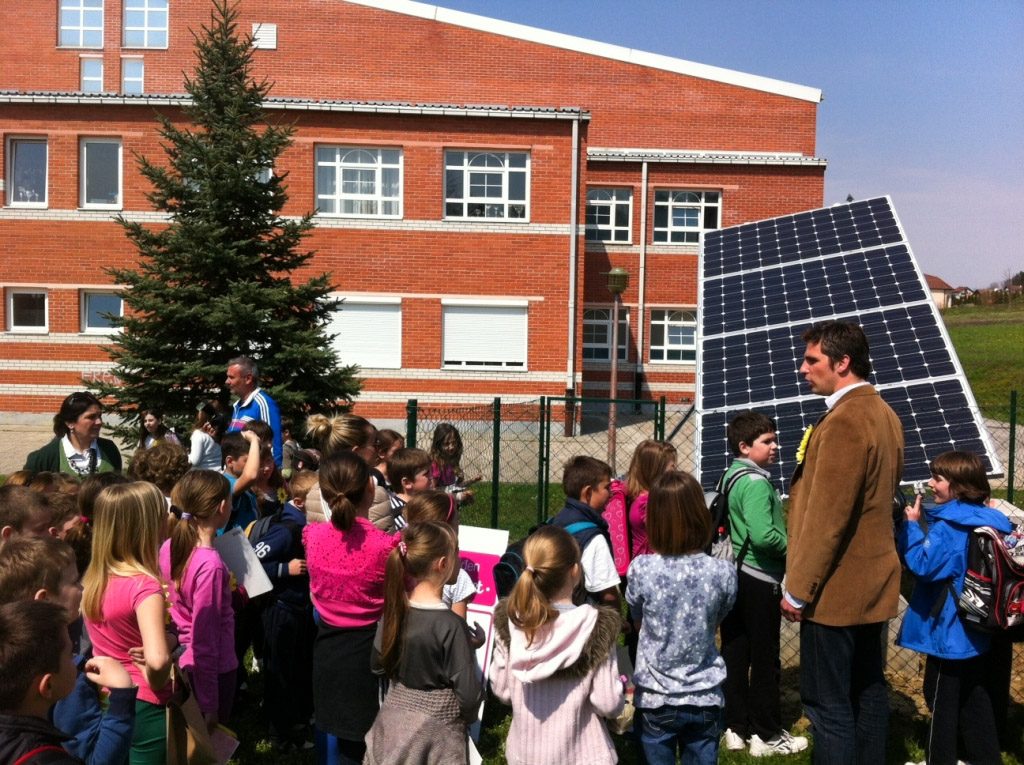
Solar photovoltaic panels are used to take energy from the sun and transfer it into electricity. Most of these panels are found on top of buildings, such as schools and office buildings. There are also some residential buildings that use solar panels. All of these buildings use this energy to meet their needs for electricity, such as lighting. One of the most well-known projects in Monaco for solar panels has been the installation at École des Revoires School. These panels allow for optimal capture of sunlight and allow the school to be self-sufficient in heating water. 

Thermal panels, on the other hand, use energy to heat water areas. Currently, many swimming pools, such as the pool in the Ecole St Charles building, are being heated by these panels but there are other uses for this type of solar panel. 

Seawater Heat Pumps

Seawater heat pumps take energy from the sea and transform it into energy to heat or cool buildings. These pumps are able to extract either warm or cold water from the sea, in Monaco’s case that sea being the Mediterranean. 

Seawater heat pumps are currently being used to produce almost 20% of Monaco’s energy. The pumps are a much more sustainable solution to the world’s energy problems, as they produce energy three to four times more than they consume. 

Green Transportation

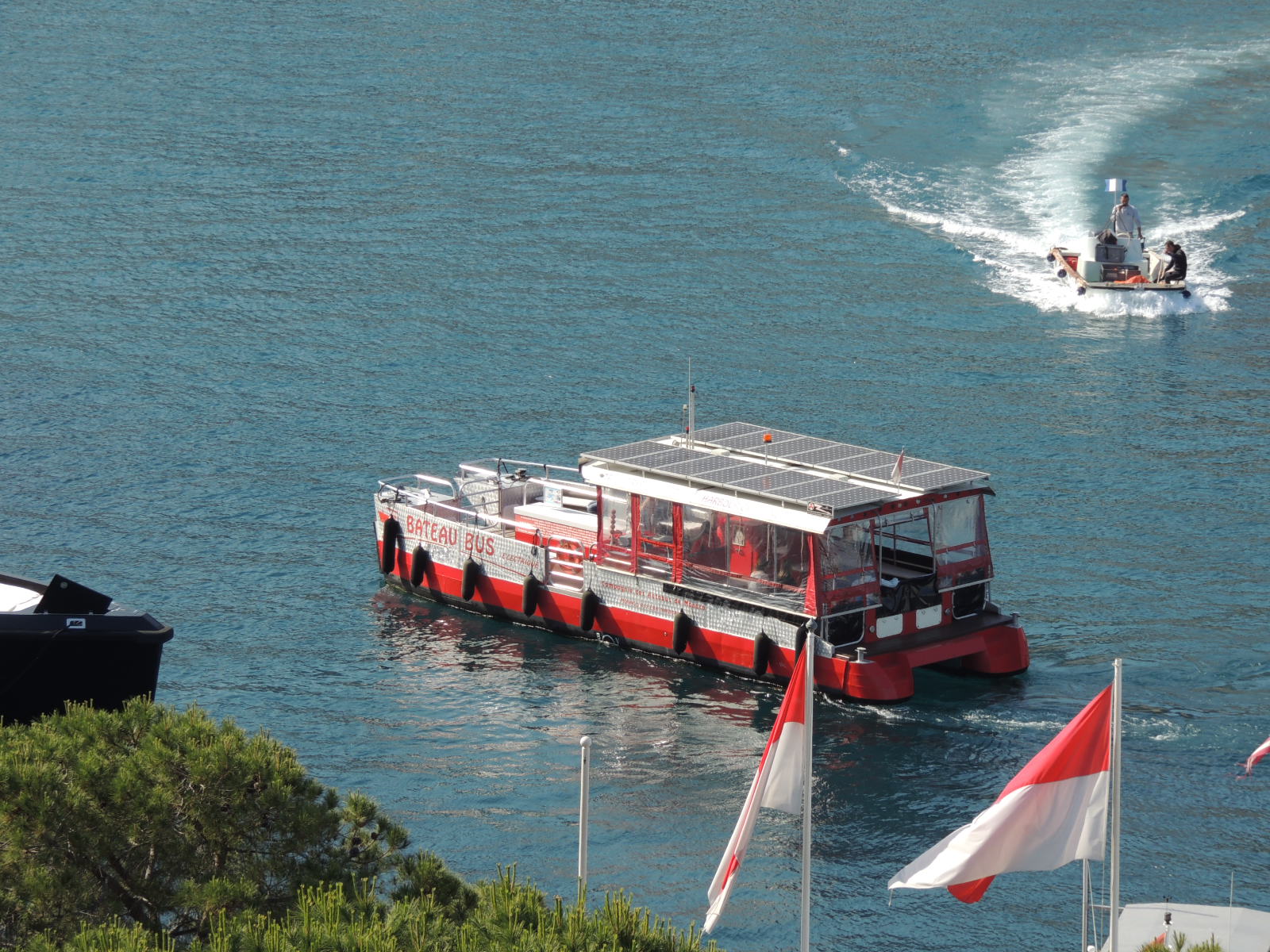
Monaco offers many accommodations to eliminate carbon-burning transportation. The principality has a public bus system, electric bikes, electric car-sharing services and even a solar-powered water bus. 

Monaco has implemented incentives for citizens to use green transportation. Parking passes have reduced fees for those traveling in electric or hybrid vehicles. There is also a discounted price for car sharing, helping struggling families. 

Financial Incentives

The government is offering financial incentives to property owners for the implementation of renewable energy resources. These incentives help with financial burdens for struggling owners. There is another benefit of using renewable energy: the buyback of excess power produced from solar panels. Homeowners are able to sell this excess power for a guaranteed price. 

Another incentive for citizens is to practice proper waste management techniques. Monaco implemented a rewards system where recycling earns points to use for goods and services. Many benefits stem from this system, including revenue for citizens who might be struggling financially. 

Monaco’s Goals for the Future

Monaco’s aim is to reduce its greenhouse gas emissions by 55% by 2030. These reductions are coming from the three highest areas of emissions: transportation, waste treatment and energy consumption. These areas take up around 90% of the principalities’ emissions. Renewable energy in Monaco is just the beginning of a transition to a new era of sustainability. 

– Dorothy Howard

Dorothy is based in Greensboro, NC, USA and focuses on Technology and Solutions for The Borgen Project.

Photo: Wikimedia Commons

May 30, 2024
https://borgenproject.org/wp-content/uploads/borgen-project-logo.svg 0 0 Jennifer Philipp https://borgenproject.org/wp-content/uploads/borgen-project-logo.svg Jennifer Philipp2024-05-30 01:30:362024-05-28 06:03:26Renewable Energy in Monaco  
Electricity and Power, Global Poverty

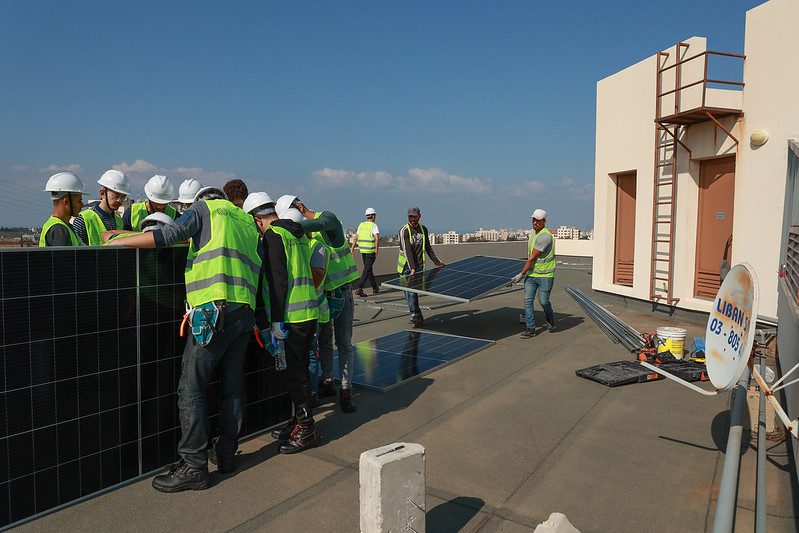
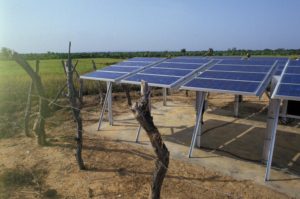
Solar Power Innovations Fuel Poverty Reduction in Libya

Solar Power in LibyaLibya is at large a topographically desert-arid country located in North Africa. It is the fourth largest country in Africa by surface area but has a population of more than 7 million people making it extraordinarily diffusely populous. Despite its controllable population, Poverty in Libya is a concern and a third of Libya’s citizens live below the poverty line. Political instability is the direct catalyst of socioeconomic inequality. Libya was once one of Africa’s wealthiest and most developed nations as recently as last decade, but unfortunately for Libyans, it feels like a whole lifetime ago. The 2011 revolution that resulted in a government overthrow has imparted an unrelenting vacuum of civil unrest, stunted economic growth and failed political transitions. For the average Libyan it has meant brooding over the most essential hygiene factors such as employment, nourishment, access to education and electricity.

Poverty in Libya and Access to Electricity

Before 2011, Libya possessed one of the highest electrification rates in Africa, however, the opposite is true now. About one-third of Libyans do not have access to electricity. The issue becomes extra fatal during the hot summer months as the “country can only meet two-thirds of peak summer demand,” causing heat strokes and a plethora of other medical emergencies to many Libyan citizens. No power means no air conditioning, a macabre combination for a country that regularly sees temperatures exceeding 40 degrees Celsius.

No air conditioning pillages small businesses in Libya too, the lifeline to every economy. For example, butchers have to dispose of meat for sale by the masses because of spoiling without electricity for freezers. No electricity increases food waste because people cannot refrigerate their food. Energy insecurity also contracts agricultural output. That issue only worsens multidimensional poverty because it increases food insecurity, with more than 38% of Libyan children under the age of 5 suffering from chronic malnutrition. 

Solar Energy Potential: A Solution to Poverty in Libya

Libya’s instabilities are comprehensive and wide-ranging. However, thanks to the country’s natural geographic state, installing solar panels could solve the issue of energy insecurity. According to Forbes, “1.2% of the Sahara desert is sufficient to cover all of the energy needs of the world.” Leveraging the Sahara desert for energy supply on an international cross-border scale is far more difficult than doing so on a national level.

Libya has the second largest share of the Sahara in Africa after Algeria and the desert covers more than 90% of Libya’s total land. Only a small fraction of that 90% could generate a surfeit of solar electric power that would provide light to 100% of Libya’s population. These stats make solar power an efficacious proposition for Libya’s energy poverty to say the absolute least. The rapid increase of solar power could rapidly decrease food poverty in Libya because it is a ubiquitously accessible and more cost-effective means to electrify homes. Higher electrification means less food waste. Solar energy is a prodigious innovation to poverty reduction in Libya.

Photovoltaic Technology in Libya

The U.S. Department of Technology explains the photovoltaic technology (PV) behind solar panel energy as follows, “When the sun shines onto a solar panel, energy from the sunlight is absorbed by the PV cells in the panel. This energy creates electrical charges that move in response to an internal electrical field in the cell, causing electricity to flow… Concentrating solar-thermal power (CSP) systems use mirrors to reflect and concentrate sunlight onto receivers that collect solar energy and convert it to heat, which can then be used to produce electricity or stored for later use. It is used primarily in very large power plants.”

Engineering solar farms to reach home electricity is not a pure plug-and-play though. “Solar energy technology does not end with electricity generation by PV or CSP systems. These solar energy systems must be integrated into homes, businesses and existing electrical grids with varying mixtures of traditional and other renewable energy sources.” Therefore, solar energy is not a replacement innovation for poverty eradication in Libya, but rather a complimentary upgrade.

According to the International Renewable Energy Agency (IRENA), the cost of solar PV technology has decreased by roughly 90% since 2009. That is a massive reduction, but the arduous cost driver for Libya could probably lie in rebuilding its electrical grid supply. Libya has spun back into its low development phase in the past 13 years. Different militant organized crime units regularly damage electricity lines in their fighting. In January 2016, an armed attack near a Benghazi power plant left five of the city’s six transformed damaged.

Positive Examples

Organizations like the Rockefeller Foundation have recently committed $10 billion for solar power energy projects in Sierra Leone. Libya’s geographical position could help the country with its solar energy projects more than any other country in the world because it is 90% desert. Another advantage Libya has over every other developing country is its rich oil reserve supply that once exported 1.6 million barrels of oil a day. Foreign governments and private companies can certainly have a financial interest in investing in Libya’s solar farm infrastructure in exchange for a reasonable oil trade deal.

The Renewable Energy Authority of Libya (REAoL) has launched multiple solar energy projects and aims to complete them in the next few years. Energy Capital & Power reports that “UAE-based Alpha Dhabi Holding and GECOL aims to construct two additional solar plants in Libya, with a target capacity of 2 GW.” Given the fact solar energy projects in Libya are still in progress without full completion, conclusions on the impact they have had on poverty eradication in Libya cannot be made yet. The caveat all boils down to Libya establishing a firm grasp of law and order, so its infrastructure remains safe from tampering. One cannot say Libya’s energy crisis is without hope. The country’s solution is under the sun and above the soil. 

The Future of Libya

Libya is still very much in the midst of an overhaul and rebuild in the aftermath of a civil war that commenced over a decade ago. Energy poverty is a societal ailment that trickles down as a contributor to Libya’s food insecurity and children’s malnutrition. Poverty comes in many forms, hence why the term multidimensional poverty exists. Every type of poverty is intersectional. Solar power is a viable solution to widespread inaccessible electrification in Libya. Once Libya makes big strides in expanding its domestic solar power network, it could have a domino effect in reducing many other forms of poverty, especially food insecurity. 

– Danial Osmani
Photo: Flickr

May 11, 2024
https://borgenproject.org/wp-content/uploads/borgen-project-logo.svg 0 0 Jennifer Philipp https://borgenproject.org/wp-content/uploads/borgen-project-logo.svg Jennifer Philipp2024-05-11 01:30:162024-05-11 02:17:55Solar Power Innovations Fuel Poverty Reduction in Libya
Electricity and Power, Global Poverty

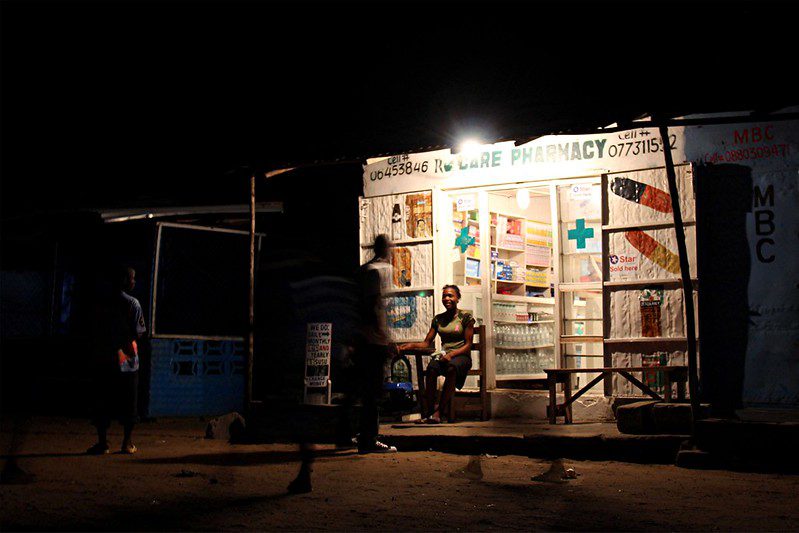
Improving Access to Electricity in Liberia

Electricity in LiberiaLiberia, a low-income country in West Africa, has an estimated population of 5 million people, of which only “34% have access to electricity.” Electricity is an important resource for many reasons, such as operating home appliances and powering technology used within health care and education facilities to enhance fundamental services. Therefore, access to electricity is an essential factor in reducing poverty because it develops these basic services, which (in different ways) improve the lives of individuals. This is why the work of the international nongovernmental organization (NGO) Sustainable Energy for All (SEforALL) is so important, as it aims to improve access to electricity in Liberia, allowing the country to foster a better quality of life for its population.

The Work of SEforALL

SEforALL was established by the former United Nations (U.N.) Secretary-General Ban Ki-moon in 2011. It is an important organization that creates multifaceted approaches to improving access to African countries, tailoring it to each country’s specific needs. This means that the charity also aims to improve the energy sector of other African countries, such as Nigeria and Zimbabwe. In the case of Liberia, which has “limited electricity generation,” the organization’s strategy to increase access to electricity revolves around utilizing renewable energy sources, such as hydro biomass and solar energy.

These plans are projected to have positive knock-on effects, benefit individuals by making day-to-day tasks easier and providing access to sanitary and more convenient home appliances. In addition, electricity in Liberia will have positive implications for businesses that manufacture exportable materials. For instance, industries with access to electricity in Liberia will allow them to make goods faster, positively affecting the economy and workers.

Sustainability

SEforALL highlights the importance of sustainability in its public statement (as well as its name), emphasizing the importance of improving Africa’s energy sector while acknowledging environmental considerations. Central to the efforts of SEforALL is its mission to provide specialist support, expertise and technology to “accelerate action on Sustainable Development Goal (SDG) 7.” Adequate electricity generation cultivates a higher standard of living for Liberian individuals and the NGO is committed to achieving this sustainably.

This is primarily done by utilizing renewable sources instead of exploiting damaging non-renewable sources because “there is unequivocally no sustainable future in fossil fuel-based power generation.” This is because fossil fuels are enormous contributors to climate change. Liberia is already vulnerable to the adverse effects of global warming due to the country’s “high dependence on climate change sensitive sectors, such as agriculture, fisheries, mining and forestry.”

Recording Positive Changes

Research has shown that Liberian land possesses natural energy sources, such as hydro biomass, which needs to be more effectively harvested. Therefore, the efforts of SEforAll, which plans to improve access to electricity in Liberia and aims for “electricity production to reach 5000 GWh by 2030,” are creating better lives in West Africa. This is because the organization acknowledges the need for electricity in Liberia to meet the population’s needs, especially in the digital age, which is driven by technology and powered by electricity.

– Amelie Bunce
Photo: Flickr

May 4, 2024
https://borgenproject.org/wp-content/uploads/borgen-project-logo.svg 0 0 Hemant Gupta https://borgenproject.org/wp-content/uploads/borgen-project-logo.svg Hemant Gupta2024-05-04 07:30:312024-05-04 02:04:39Improving Access to Electricity in Liberia
Developing Countries, Electricity and Power, Global Poverty

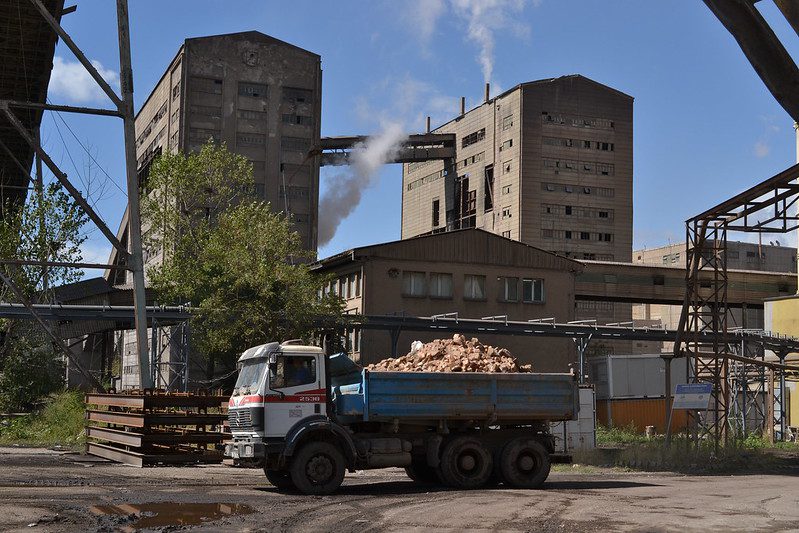
The Future of Renewable Energy in Kosovo

Renewable energy in KosovoIn 2024, Kosovo is at a crossroads. Its antique coal power plants cannot meet demand and need refurbishment. Many people see this as the perfect opportunity to expand the use of renewable energy in Kosovo. However, any renewable future in Kosovo has to contend with the state’s large coal reserves.  

The Current Energy Situation

Europe’s newest country is ranked 166th by size. But, within its 4,203 square miles, there are 12.44 Megatons of lignite coal. Kosovo has the world’s fifth-largest proven reserve of this type of coal. Kosovars have been dependent on this lignite coal since Yugoslav times. Even today, two lignite coal power plants – Kosova A and Kosova B – produce over 90% of Kosovo’s electricity. This current setup is facing problems in 2024. 

Ageing Infrastructure and Energy Importation

Yugoslavia built Kosova A in 1962 and B in 1983, respectively. Today, the plants are inefficient and in need of modernization. There are frequent blackouts at the two plants as they struggle with demand. 

The power grid is also in bad condition. Some rural villages report that they do not receive electricity for six months of the year. Two-thirds of people in poverty in Kosovo live in the countryside. Economic growth is nearly impossible without a reliable energy supply. Kosovo’s current energy problems are trapping people in the cycle of poverty. 

Kosovo has had to import energy as the power plants cannot provide the required levels in their current state. In 2022, Kosovo spent 12.5% of its GDP on importing energy, according to the International Monetary Fund (IMF) paper. This is a high percentage for a growing economy like Kosovo. It harms their ability to provide basic services for their citizens. For example, Kosovo only spends 3.5% of its GDP on health care while the EU average is 19.5%. Energy importation is a large burden on the Kosovo economy. 

Furthermore, expensive energy importation is having a subsequent effect on citizens as well. Many reports estimate that 40% of Kosovars live in energy poverty, according to a 2022 article by Ana Krstinovska. Energy importation drives the price of energy up in Kosovo and leads to locals not being able to afford basic energy necessities. 

Poor Air Quality

Kosovo has some of the most polluted air in Europe. Kosovo’s carbon intensity – CO2 emissions released per unit of electricity- is four times the rest of Europe, according to the IMF paper. The consensus is that Kosova A and B are the sources of this poor air quality. Their inefficiency and high usage make them two of Europe’s most polluting power plants, according to Intellinews.

Next to these coal power plants is the town of Obiliq. The citizens here suffer due to bad air quality. In 2020, environmental NGO Bankwatch studied dust concentration in Obiliq. The level of harmful toxins in the air surpassed the EU-required limit in 17 of the 26 days of the study.

Bankwatch specifically measured dangerous particulate matter (PM2.5) in the air. Long-term exposure to PM2.5 can lead to respiratory, pulmonary and heart diseases. In 2019, long-term PM2.5 exposure caused 4.14 million deaths worldwide.   

In 2024, Kosovo has made some steps towards a more sustainable energy grid already. Two years ago, Kosovo opened its biggest wind farm. The Selac Wind Farm has 27 turbines and provides electricity for around 10% of Kosovars. 

The project employed mostly workers from the local communities around the wind farm site. Contractors were contractually obliged to limit the amount of foreign workers during the project and the project brought much-needed jobs to this region. 

The Future of Energy in Kosovo

The Kosovo leadership has provided mixed messages on its commitment to a renewable future. The current government wants to modernize Kosova B and two units of Kosova A. A refurbishment would make the plants less polluting and increase energy production. This plan would allow Kosovo to be less reliant on importing energy. Bankwatch says the plans “would be an improvement, though less optimal than investment into renewable,” Intellinews reports.

The refusal to phase out coal is a controversial decision. In 2023, an environmental watchdog called it a “critical gap in Kosovo’s commitment to decarbonization,” according to Reuters. Kosova A and B are likely to remain in use beyond 2040.  

The strategy, whilst controversial for what it does not include, does provide proof of plans for a more renewable future. The Kosovo government set out these targets for 2031:

  • Reduce greenhouse gas emissions in the energy sector by 32%
  • Increase the share of renewable energy sources up to 35% 
  • Develop new solar, wind and biomass energy infrastructure.

The World Bank describes this strategy as “laying the foundations for greener growth in Kosovo,” Intellinews reports. Renewable energy in Kosovo could provide a safer and healthier environment. A renewable future in Kosovo could have a lower level of PM2.5 in the air than any future with fossil fuels. 

The refurbishment of Kosova A and B means they could become less polluting and produce more energy. This could mean better air quality and less energy imports. However, it could keep coal part of Kosovo’s energy production for the foreseeable future. The emergence of renewable energy in Kosovo is exciting but could continue to be alongside coal instead of replacing it.  

– Richard Sartor
Photo: Flickr

May 3, 2024
https://borgenproject.org/wp-content/uploads/borgen-project-logo.svg 0 0 Jennifer Philipp https://borgenproject.org/wp-content/uploads/borgen-project-logo.svg Jennifer Philipp2024-05-03 01:30:132024-06-11 00:12:45The Future of Renewable Energy in Kosovo
Africa, Electricity and Power, Global Poverty

Renewable Energy in Liberia

Renewable Energy in LiberiaRenewable energy is any form of energy that comes from natural resources. An important component of renewable energy is its source. For energy to be renewable, it must come from a place that replenishes. Some examples of renewable energy include the sun and wind.

It is now a common trend for new and developing countries to adopt renewable energy as their main energy source, with Liberia currently working to incorporate more renewable energy into its energy sector. The country’s plans for renewable energy seek to rectify its inadequate power situation. According to a study by the International Energy Agency in 2019, only 3% of the population had access to the electrical grid.

What Is the Issue?

Like many other countries in the world, Liberia mostly relies on common forms of energy. Its major source of energy is biomass fuel, which includes firewood and charcoal. Another important source of electricity for the country is the combination of hydroelectric power and diesel generators. These sources are only available to a limited portion of the population, as the more remote the area, the lower the probability of electricity being produced in the area.

Renewable energy usage in Liberia is low, with hydroelectric power accounting for just 6% of energy consumption. This is due to a reliance on traditional sources of electricity and energy. Liberia has great potential to harness renewable energy from sources such as solar energy and hydro biomass (a combination of energy from dead animals/plants and water). However, the main challenge in Liberia’s adoption of renewable energy is obtaining the necessary resources to do so.

The Goal

In 2024, Liberia announced in the National Determined Contribution Document that it plans to reduce greenhouse gas emissions by at least 64%. The goal is to reach this number by 2030. The country also wants to use around 30% renewable energy after 2030. To achieve these goals, Liberia is looking for monetary help from countries and organizations abroad.

The help from other organizations began in 2017 when the Climate Investment Fund Awarded the country around $23 million to help remodel the country’s energy sector. Further, the Green Climate Fund aims to help with climate change around the world. Since 2017, the fund has donated $44 million to help reach the country’s energy goals.

How Is It Going?

Renewable energy is slowly becoming a reality in Liberia. Starting in 2018, Sun Star Green Energy, a renewable energy company, installed more than 10,000 solar-powered homes and solar lamps in the country’s rural areas. Implementing these homes is helping the residents in the area immensely, giving residents a chance to have electricity.

In that same year, the Millennium Challenge Corporation fixed the Mount Coffee hydropower plant in the country. As of now, the new plant produces 88 watts of power, which is twice as much as the country used to produce. Ultimately, renewable energy in Liberia is on track to have a bright future with the help and resources of others to facilitate it.

– Madison McCray

Madison is based in Rockhill, SC, USA and focuses on Good News and Global Health for The Borgen Project.

Photo: Pixabay

April 23, 2024
https://borgenproject.org/wp-content/uploads/borgen-project-logo.svg 0 0 Hemant Gupta https://borgenproject.org/wp-content/uploads/borgen-project-logo.svg Hemant Gupta2024-04-23 01:30:322024-04-22 10:27:05Renewable Energy in Liberia
Africa, Electricity and Power, Global Poverty

Renewable Energy in Gabon

Renewable Energy in GabonGabon, a small country in Africa, has had limited electricity access for its citizens, particularly in rural areas. Conventional sources of energy have proven unsustainable in the past and thus the country of Gabon has sought a better alternative. With 98.6% of Gabon’s urban population having access to clean electricity by 2021, here is how the government managed to implement renewable energy in Gabon.

Natural Resources

Gabon is home to an ample amount of natural resources that act as renewable resources. The biggest one in particular is water. With a vast network of rivers and streams flowing through the country, Gabon can produce 51% of its energy through hydroelectricity in 2022. Unlike other renewable resources, hydroelectricity provides a consistent supply of energy throughout the day and night. Additionally, its lower setup set-up cost and maintenance made it the perfect choice for Gabon. Many hydropower projects are starting up in both the private and government sector such as the Kinguélé Aval Hydropower Plant which will produce a massive 35 MW of renewable energy.

However, Gabon is also investing in other renewable energy sources such as solar. New initiatives such as the Ayémé Plaine solar plant can drastically transform the energy landscape by producing massive amounts of energy. In the case of this plant, it would produce a tremendous 120 MW of power and provide many skilled jobs to the nearby population.

Another resource that Gabon has is labour. Some projects like hydropower dams require hundreds of workers. With more than a third of Gabon’s population living in poverty, any type of governmental project that requires jobs could directly help provide jobs to the people of Gabon whilst helping the economy and the environment.

Governmental Action

Gabon’s government has shown a strong commitment to renewable energy in its policies and initiatives. By 2025, the government hopes that renewable energy in Gabon will account for 100% of the country’s energy. Gabon plans to boost this with major infrastructure projects such as the Grand Poubara Dam, at a cost of more than $190 million.

Renewable energy in Gabon is not the only thing that has set this country on the green path. With delicate preservation of the 88% forest landscape, Gabon can absorb up to 200 million tonnes of carbon dioxide from the air. This also serves as another source of income for the country that they can sell in open through sales in carbon markets. Gabon has also made commitments to reducing half of its greenhouse gas emissions by 2025 as well.

The Future

While it has a unique geographical advantage and a strong commitment to renewable energy, Gabon could face challenges in achieving its renewable goals. One of the biggest challenges that Gabon faces is the extension of green energy to Gabon’s rural areas. While 80% of the population lives in urban cities, the other 20% is dispersed throughout the country. While creating a system that can reach the rural regions may not only be challenging but also financially demanding, Gabon has begun working on several solutions such as a new grid and smaller plants to help address the concerns of energy poverty while also preserving its green initiative. Examples of the commitment to combatting access inequality are the construction of 163 km of 63-KV lines linking Mitzic via Oyem to Bitam and the 1-MW plant in Lambaréné.

Despite these challenges, Gabon has demonstrated the feasibility of shifting towards renewable energy on a massive scale. Gabon’s struggle to provide electricity to now having a 97% access rate to electricity highlights how a strong geological advantage and proactive governmental action can transform a country.

– Aman Chaudhary
Photo: Wikimedia Commons

April 20, 2024
https://borgenproject.org/wp-content/uploads/borgen-project-logo.svg 0 0 Jennifer Philipp https://borgenproject.org/wp-content/uploads/borgen-project-logo.svg Jennifer Philipp2024-04-20 01:30:112024-04-19 15:06:21Renewable Energy in Gabon
Electricity and Power, Global Poverty, Poverty Reduction

Energy in Suriname: Reducing Energy Poverty

SurinameSuriname may be the smallest country in Latin America in terms of population and area. However, it is the largest in terms of natural resources. The government has a rich history of gold and bauxite mining. However, the recent discovery of vast offshore oil fields has the potential to bring prosperity from a new resource.

The Surinamese government has been in conversations with global oil companies that could fetch as much as $9 billion for rights to develop the area. This income could provide an instrumental opportunity for the country as 26% of its population lives in extreme poverty. Suriname President Chandrikapersad Santokhi added that this opportunity could “end global energy poverty.”

However, a lack of energy and power severely challenges poverty reduction as services like health care and education become limited. Nonetheless, Suriname has had some successful ventures in combating energy poverty and the current situation can provide the opportunity to make an impact on a larger level.

Overview of Energy in Suriname

Suriname is one of three net-zero countries in the world. Its expanse of dense forests helps it absorb more carbon than it emits, but it has also made progress in using green energy, with 38% of its overall electricity coming from hydropower. The use of multiple energy sources has helped Suriname provide power to 98% of its population. However, there are still challenges for those living in dense forest areas, primarily indigenous communities. Historically, these people relied upon old gas-powered generators for electricity, which could limit power to only four hours per day.

To address this, the government, the International Development Bank and the Caribbean Investment Facility rolled out a Sustainable Energy Framework in Suriname. This program helped bring more than 20,000 people reliable electricity through sustainable methods, including mini solar grids. The increase in power access is a key advantage for these populations in improving living conditions.

In Suriname, most of the energy is still produced from oil. Staatsolie, a state-owned organization, manages the majority of oil and gas operations in the country. It has collaborated with the government to establish sustainable standards and practices that aim to maintain its net-zero rating. The company also hosts the Suriname Energy Oil and Gas Summit and donates the event’s revenues to communities in need. This includes renovating schools for children living in poverty. Despite these positives, inequitable energy, inflation and government subsidies contribute to high power and fuel prices. The impending oil boom can address this key area.

Opportunities With Oil and Gas

Staatsolie has recently signed an agreement with two other companies to increase production in offshore oil fields. This increase is expected to begin later this year and continue until 2025. Government officials have previously declared their commitment to utilizing the influx of oil and its respective revenue for economic development.

There is an increased demand for various goods and services associated with the impending production, which will benefit Surinamese businesses and citizens. Rather than outsourcing employment, Suriname can award opportunities to its vulnerable populations and empower entrepreneurs. Investing in economic development is the key to addressing the challenges of inflation and insurmountable energy costs. In addition to employment, this is a perfect driver for organizations like Staatsolie to increase their humanitarian work to address poverty in the nation.

– William Galante

William is based in Southbury, CT, USA  and focuses on Good News for The Borgen Project.

Photo: Wikimedia Commons

April 19, 2024
https://borgenproject.org/wp-content/uploads/borgen-project-logo.svg 0 0 Hemant Gupta https://borgenproject.org/wp-content/uploads/borgen-project-logo.svg Hemant Gupta2024-04-19 07:30:582024-04-18 05:30:12Energy in Suriname: Reducing Energy Poverty
Africa, Developing Countries, Electricity and Power, Global Poverty

Hydropower in Namibia

Hydropower in NamibiaNamibia, a small nation in Southern Africa, has begun making strides toward renewable energy, which has dominated its market. The country has a demand of 600 MW but only a generation capacity of 486.5 MW, which is expected to grow as the population increases year after year. The government of Namibia wishes to boost its generation to fulfill its requirements and provide electricity to all educational institutions and health care facilities by 2020. However, in 2024, the country still doesn’t generate even half of what it consumes.

Additionally, Namibia has an electrification rate of 50%. However, this doesn’t display the full picture as there is a huge disparity between urban and rural areas. Urban areas have an electrification rate of 72% and the rural regions only have a rate of 21%. With more than 46% of people living in rural areas, many citizens lack options. At the time, there was truly no hope for the Namibia population. However, all hope is not lost. The International Renewable Energy Agency researched the situation of South Africa and Namibia in particular and found that focusing on renewable energy could be the solution to Namibia’s energy poverty. With nearly 21.6% of Namibians unemployed, equipping these workers with the training required could also ease the unemployment rate.

Namibia’s Renewable Energy Initiative

In 2021, the government of Namibia passed the Second Harambee Prosperity Plan (HPPII). The HPPII is a government-powered group of targeted policies aimed at providing enhanced services, boosting the economy, combatting poverty and engendering inclusive growth. The push for this campaign came after the country was found struggling after the pandemic.

This initiative was intended to completely reform the country from how it handled conflict with other countries to how to deliver electricity to its people. The initiative also builds on Namibia’s current energy production while ensuring that the country prioritizes clean, renewable energy.

Currently, Namibia produces most of its energy in a renewable fashion through hydropower. Roughly two-thirds of the country’s energy production comes from hydropower. Specifically, four power stations produce approximately 60% of the country’s energy, leaving the population vulnerable if one shuts down. The current plan is to slowly build more solar and hydropower projects to boost the country’s production and decrease the reliance on any project and other countries for energy. 

Namibia has a unique geographical advantage that makes it perfect for solar projects. With a lack of dense areas and an abundance of flat land that receives a lot of sunlight, Namibia can drastically increase its production through the use of solar farms. Additionally, this can bring in many new high-skilled jobs.

Conclusion

While renewable energy in Namibia is still an emerging market, it has the potential to completely shift the narrative of the country. It can provide millions of jobs and lift many people out of poverty while providing clean electricity to the population. By harnessing its unique hydropower and solar advantage, Namibia can meet its energy needs and achieve much more.

– Aman Chaudhary
Photo: Wikimedia Commons

April 14, 2024
https://borgenproject.org/wp-content/uploads/borgen-project-logo.svg 0 0 Hemant Gupta https://borgenproject.org/wp-content/uploads/borgen-project-logo.svg Hemant Gupta2024-04-14 01:30:222024-05-30 22:32:55Hydropower in Namibia
Africa, Electricity and Power, Global Poverty

Policy Is Promoting a Revolution of Renewable Energy in Eswatini

Renewable Energy in EswatiniIn the heart of the Southern African plains lies Eswatini, a small landlocked country formerly known as Swaziland. A nation that has long relied on neighboring South Africa and Mozambique for unsustainable fossil fuel-based electricity imports, renewable energy in Eswatini is quickly diversifying.

The transformative journey culminated at the COP26 conference, where Eswatini committed to an ambitious 50% surge in renewable energy production by 2030. This pledge signifies a crucial step toward Swazi energy independence, bridging the stark urban-rural economic divide and promising new employment and educational opportunities.

The commitment is more than a superficial gesture. In collaboration with private entities and foreign aid programs, the Swazi government is taking crucial and necessary steps to advance its energy infrastructure and deliver power to the 17% of the population (more than 200,000 people) living without it.

By investing in renewable energy and expanding electric connectivity, the government aims to liberate unelectrified Swazi citizens from the energy poverty trap, enabling them to realize their untapped potential. These are the four key sectors of renewable energy in Eswatini that are receiving strategic government investments and support.

Biomass Energy

In 2020, bioenergy from burning natural materials such as wood and sugar cane waste constituted 97% of the supply of renewable energy in Eswatini. The government issued an Independent Power Producer (IPP) license to Ubombo Sugar Limited (USL), a private sugarcane agricultural company with a 40% government stake, marking a significant milestone in expanding the bioenergy sector.

USL’s connection to Eswatini’s national grid now contributes 31% of local grid-electricity production, pivotal in the country’s impressive 32% point increase in electricity access between 2011 and 2021.

To electrify the whole population, Eswatini initiated the Partnership for Affordable Renewable Energy in Swaziland (PARES) in 2018. Through public-private partnerships (PPPs), PARES aims to promote sustainability in the bioenergy industry while addressing crucial issues such as investment reliability and unemployment, particularly among the country’s marginalized youth.

Solar Panels

Photovoltaic (PV) solar cells are increasingly prominent sources of small-scale electricity production in Eswatini. The government actively encourages the adoption of solar panels in residential and commercial buildings to provide both electricity and water heating. Continued innovation drives down PV cell prices, promoting off-the-grid power and easing the strain on electricity imports. This individualized approach empowers rural communities, increasing access to education, health care and entrepreneurial opportunities.

Shifting focus to larger-scale projects, such as the Eswatini Solar-Storage Project by Frazer Energy, by granting IPP licenses is poised to increase electricity access, create jobs and even export power to communities throughout Southern Africa. Additionally, the government-owned Eswatini Electric Company (EEC) completed the Lavumisa Solar PV Plant in 2021. Projects such as these conserve millions of liters of fuel throughout their lifetime and ensure year-round reliable and sustainable electrification for public facilities.

Hydroelectric Power

Hydroelectric power currently stands as one of the most prominent energy sources in Eswatini. The EEC operates four hydropower plants, constituting 15% of the country’s electricity production and plans to bolster the existing infrastructure.  The EEC and the Public Service Pension Fund (PSPF) have expressed interest in conducting feasibility tests and environmental impact assessments on further investment in hydroelectric energy and project expansions.

The government also granted an IPP to Middle Lusutfu Hydropower Ltd., an energy company aiming to increase Swazi hydroelectricity production by more than 20%. These initiatives showcase the government’s endorsement of investments toward long-term economic growth and providing the impoverished with the resources they need to thrive.

Wind Turbines

While wind energy production in Eswatini is negligible, the country’s mountainous regions hold immense potential for installing wind turbines. Government feasibility studies in the Lubombo Plateau, a largely uninhabited and undeveloped region near the border with Mozambique, are ongoing. No official data from these studies or information regarding international collaboration is publicly available. However, the Swazi government’s engagement with the possibility is a testament to its commitment to energy security and independence.

Through hands-on investment and partnerships with private corporations, the Swazi government exemplifies how emerging economies can electrify their populations with cutting-edge renewable energy technology. There is still much work and foreign investment can accelerate the process. Eswatini offers numerous foreign business incentives, including tax deductions, duty-free imports of machinery and repatriation of profits, ensuring mutual benefits for investors and the Swazi people.

Final Remark

The electrification of Eswatini promises its energy-deprived citizens more than just basic household power. It heralds a new era of economic expansion, immediately offering job prospects in construction and laying the groundwork for internet-driven startups to flourish. Electricity also plays a pivotal role in bolstering health care and education, empowering communities to chart a path towards prosperity. Furthermore, reliable access to electricity will strengthen social bonds, nurturing a sense of belonging and active engagement within the wider Southern African economy.

Eswatini’s energy revolution is a testament to its dedication to sustainability and self-sufficiency. As Eswatini strides into the future with renewable energy, the convergence of local innovation, international collaboration and growth-oriented policies promises to illuminate every corner of the nation. This positions Eswatini as a beacon of inspiration for other developing nations navigating toward a self-reliant future.

– Matthew Candau
Photo: Unsplash

March 31, 2024
https://borgenproject.org/wp-content/uploads/borgen-project-logo.svg 0 0 Jennifer Philipp https://borgenproject.org/wp-content/uploads/borgen-project-logo.svg Jennifer Philipp2024-03-31 07:30:432024-03-30 11:13:49Policy Is Promoting a Revolution of Renewable Energy in Eswatini
Africa, Electricity and Power, Global Poverty

Access to Electricity in the Central African Republic

Electricity in the Central African RepublicThe Central African Republic (CAR), is one of the poorest countries in the world. Currently, efforts are being made to bring electricity to those without it. These projects, if successful, could almost double the country’s electricity generation capacity, according to the World Bank, which is funding some of these projects. This increased access to electricity in CAR, primarily from renewable sources, will bring new energy into this impoverished country’s infrastructure and quality of life.

About CAR

CAR is one of the poorest and most unstable countries in Africa and the world. Violence and conflict have been a reality in the country for decades and a military coup in 2013 resulted in various groups fighting within the country since then. This violence has displaced approximately 1.4 million people, with almost 750,000 people having to flee the country altogether.

This ongoing cycle of conflict has made humanitarian assistance difficult in CAR, which has posed a devastating problem to those living in extreme poverty, a population that numbers approximately 71% of the country’s 6.1 million people. Consequently, the rates of acute hunger and gender-based violence in CAR are both high. Additionally, education rates are low and the country’s economy has experienced an ongoing crisis in recent years.

A Glimpse of Hope in CAR

However, not all is dark in CAR. Funding for humanitarian aid from the international community is working to address poverty. One hardship that some actors are aiming to tackle is access to electricity. At present, only 14.3% of the population in the country has access to electricity. This service is largely limited to the capital city, Bangui. The figure drops dramatically in rural areas, with just 2% of the population having electricity. Almost all energy production in the country currently comes from biofuels like wood or charcoal or fossil fuels like diesel.

Renewable Energy in CAR

Renewable energy can open the door to electricity access for thousands in the Central African Republic. Currently, multiple actors are taking different routes to realize the potential of the country’s renewable energy resources. The African Development Fund, a part of the African Development Bank, has provided millions in funding for rehabilitating the Boali hydroelectric plant, which is expected to provide electricity to 100,000 people in CAR and the Democratic Republic of the Congo (DRC).

The World Bank has also rolled out multiple projects to increase solar energy production in the CAR. These efforts have included not only improvements to existing electricity infrastructure and the creation of new and improved transmission lines but also the building of a 25-megawatt solar panel site that was completed in November 2023. This solar park will provide electricity to 250,000 people in the capital city of Bangui.

Final Remark

The effects of increased electricity access in the Central African Republic will enormously benefit the country. According to Ousmane Diagana, the World Bank Vice President for Western and Central Africa, “Thanks to this project, health centers, schools and businesses will have increased access to electricity and this will enhance productivity and promote job creation.” Access to electricity in CAR, brought on by tapping into the country’s renewable energy potential, has and will continue to bring progress to the country’s economy and the quality of life for the millions living in poverty.

– Lyle Seeligson
Photo: Flickr

March 23, 2024
https://borgenproject.org/wp-content/uploads/borgen-project-logo.svg 0 0 Hemant Gupta https://borgenproject.org/wp-content/uploads/borgen-project-logo.svg Hemant Gupta2024-03-23 01:30:432024-03-22 04:26:26Access to Electricity in the Central African Republic
Page 14 of 15«‹12131415›

Get Smarter

  • Global Poverty 101
  • Global Poverty… The Good News
  • Global Poverty & U.S. Jobs
  • Global Poverty and National Security
  • Innovative Solutions to Poverty
  • Global Poverty & Aid FAQ’s
Search Search

Take Action

  • Call Congress
  • Email Congress
  • Donate
  • 30 Ways to Help
  • Volunteer Ops
  • Internships
  • Courses & Certificates
  • The Podcast
Borgen Project

“The Borgen Project is an incredible nonprofit organization that is addressing poverty and hunger and working towards ending them.”

-The Huffington Post

Inside The Borgen Project

  • Contact
  • About
  • Financials
  • President
  • Board of Directors
  • Board of Advisors

International Links

  • UK Email Parliament
  • UK Donate
  • Canada Email Parliament

Get Smarter

  • Global Poverty 101
  • Global Poverty… The Good News
  • Global Poverty & U.S. Jobs
  • Global Poverty and National Security
  • Innovative Solutions to Poverty
  • Global Poverty & Aid FAQ’s

Ways to Help

  • Call Congress
  • Email Congress
  • Donate
  • 30 Ways to Help
  • Volunteer Ops
  • Internships
  • Courses & Certificates
  • The Podcast
Scroll to top Scroll to top Scroll to top