• Link to X
  • Link to Facebook
  • Link to Instagram
  • Link to TikTok
  • Link to Youtube
  • About
    • About Us
      • President
      • Board of Directors
      • Board of Advisors
      • Financials
      • Our Methodology
      • Success Tracker
      • Contact
  • Act Now
    • 30 Ways to Help
      • Email Congress
      • Call Congress
      • Volunteer
      • Courses & Certificates
      • Be a Donor
    • Internships
      • In-Office Internships
      • Remote Internships
    • Legislation
      • Politics 101
  • The Blog
  • The Podcast
  • Magazine
  • Donate
  • Click to open the search input field Click to open the search input field Search
  • Menu Menu

Archive for category: Electricity and Power

Developing Countries, Electricity and Power, Global Poverty

Repurposed EV Batteries: A New Solution to Poverty in India

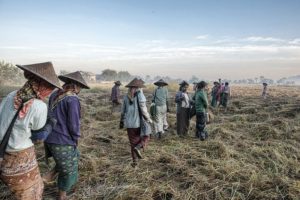
Poverty in IndiaThe current population of India makes up almost 18% of the world’s total population. Consequently, India’s poverty rates significantly influence global poverty rates. Between the years 2011-2019, India has made substantial strides to reduce its poverty rates. Indeed, urban poverty has been reduced from 14.2% to 6.3%. Furthermore, in rural areas, the decline was from 26.3% to 11.6%.

This news deserves to be heralded as hundreds of millions of people have risen out of poverty. However, there is still much work to do, particularly in rural areas. Estimating rural poverty using 2019 poverty rates and 2020 data shows that about 105 million people in rural India still subsist on less than $2.15 a day.

Rural Poverty in India

Rural poverty in India contributes to high crime rates, low educational attainment, limited job opportunities and poor prospects for escaping poverty. It also restricts access to quality health care, leading to issues such as malnutrition and high infant mortality rates. According to Prime Minister Narendra Modi, India will be a “developed” nation by 2047 after leading the green revolution and excelling in technology, which will ultimately boost the country’s economy. A thriving economy is one thing, but this goal requires proper consideration of the poorest people in rural India. Therefore, more needs to be done to lift rural areas out of poverty in India.

Repurposing EV Batteries

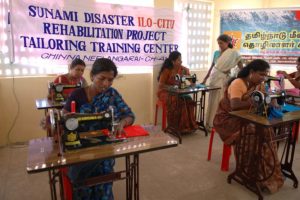
An example of alleviating poverty in India involves repurposing old electric vehicle (EV) batteries to improve manual work efficiency. According to AP News, Nunam, an energy storage company, provided six women in Kenchanahalli with a repurposed EV battery. Previously, they relied on an unstable electrical grid for their tailoring tasks. The women resorted to hand stitching during outages, which often made it impossible to complete orders on time.

AP News reports that these women’s lives have dramatically transformed in the four years since this effective energy source was provided because they are now able to work fewer hours and receive a more consistent wage. Additionally, by reusing these batteries, millions of tonnes of waste that this cleaner-than-fossil-fuels energy source would have produced are avoided.

India has set the ambitious goal of producing 500 gigawatts of clean energy by 2030. The aim is to make the country a global hub for the manufacturing of renewable energy sources like solar. However, it has been reported that India could produce an estimated 340 kilotons of solar power-related waste by 2030.

Upscaling Nunam operations can utilize EV batteries that are no longer suitable for storing solar power into batteries that enhance efficiency in labor-intensive jobs, thereby helping to reduce poverty in rural India. This company’s primary business is reengineering these batteries to give rural Indian towns backup power. Recently, Nunam has experienced an enormous spike in orders, yet there remains a vast untapped potential.

Future Outlook

On a national scale, this effort has significant economic and environmental potential. It can assist in strengthening the economy by lowering dependency on imports such as lithium. Upscaling these processes will create new jobs in the reengineering of these batteries. This type of activity can advance education in rural areas by requiring local technicians with higher levels of expertise. Expanding these initiatives at the regional level will also empower small businesses, like the women in Kenchanahalli, thereby improving living conditions in these rural communities.

Furthermore, since India is at the forefront of green energy, this project could help propel it into a “developed country status.” This can be accomplished by not only prevailing in the global clean energy manufacturing market but also having a well-thought-out recycling strategy that empowers the most impoverished communities from the bottom up. This dual solution that promotes clean energy and empowers India’s poor has vast potential to bridge the gap between urban and rural poverty rates by tackling poverty at its roots.

– William Pickering

William is based in Nottingham, UK and focuses on Technology and Solutions for The Borgen Project.

Photo: Flickr
December 5, 2024
https://borgenproject.org/wp-content/uploads/borgen-project-logo.svg 0 0 Hemant Gupta https://borgenproject.org/wp-content/uploads/borgen-project-logo.svg Hemant Gupta2024-12-05 07:30:552024-12-05 00:10:04Repurposed EV Batteries: A New Solution to Poverty in India
Electricity and Power, Global Poverty

Continued Transition: Cambodia’s Renewable Energy

*Cambodia Renewable EnergyCambodia is continuing its promising transition towards renewable energy as the most committed country in the region in the global move towards green energy. In Cambodia, 59.2% of the current energy supply already comes from renewable sources, with the government having intense plans to reach its 70% target by 2030. International cooperation and ventures with social power provide hope for Cambodia in its green energy transition.
Hydropower, Solar and Wind Energy

The country has focused on building hydropower and solar infrastructure to support its transition, aiming to move away from importing fossil fuels dependent on global markets, according to Energy Tracker Asia. The Sesan-II Dam was a key development in its transition; this is a facility in Stung Treng Province which opened in 2017 with eight turbines. The dam is the longest in Asia with the ability to produce 1,970 GWh per year to Cambodia’s national grid – 20% of the country’s total electricity generation in 2020.

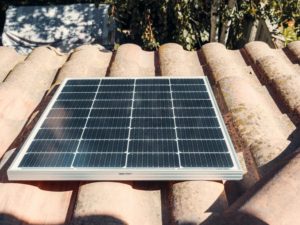
Beyond its impressive expansions in the hydropower industry, Cambodia is also focusing on the solar energy and wind department. Although solar arrays currently only provide 5% of the country’s electricity supply, there are predictions that this could reach 30% by 2040 as a less expensive source. Cambodia is already building solar mini-grids to provide accessible energy in rural areas but the potential for these schemes is immense considering the country’s strong daily solar irradiance

Cambodia still has 245 villages that do not have access to electricity due to their remoteness, solar power may be the key to solving their problem. Solar mini-grids have become the most cost-effective way to bring 24/7 electricity to remote communities – a renewable and cheap solution to the holes in Cambodia’s energy system.

For the wind energy industry, Cambodia is planning to connect wind power to its national grid by 2026. Energy Minister Keo Rattanak made clear that six projects have already been approved in Mondulkiri which will generate 900 MW. This investment already supersedes past predictions of up to 500 MW potential energy production by Blue Circle.

International Partners

An important aspect of renewable energy in Cambodia has been its commitment to international cooperation to meet its aims. Australia has become a key partner in promoting green energy with a recent visit to EnergyLab Cambodia, a non-profit that is supporting the growth of green energy markets within the country.

The EU has also made key commitments to work with Cambodia towards its green goals; the European Commissioner for International Partnerships, Jutta Urpilainen, launched four new initiatives this year to promote renewable energy among other sustainable goals.

Although there seems to be a committed effort towards the transition to renewable energy in Cambodia, there is still a significant need for private investment in the sector. This involves the government ensuring an economy that remains attractive to foreign investors – something that cheaper energy will hopefully lead to. Phoumin Han, an energy economist for ASEAN and East Asia, argues that promoting investment in rooftop solar paneling can be a key area for continuing development without relying on government expenditure.

The Future

EnergyLab is an organization that continues to support Cambodia’s transition towards renewable energy and providing electricity to the rest of Cambodia’s population. The organization guides policy decisions while also promoting private investment in the sector. Founded in 2018, it consults across the world but has particular success in hosting Clean Energy Week.

Renewable energy in Cambodia has opened doors for energy independence without fears of global market shifts in fossil fuels – while also allowing the country to provide electricity to 98% of its population in 2022. The continuing growth in solar and wind energy paves their path to meet future energy goals, although still dependent on international cooperation and private investment.

– Charley Dennis

Charley is based in London, UK and focuses on Technology and Solutions for The Borgen Project.

Photo: Flickr

November 28, 2024
https://borgenproject.org/wp-content/uploads/borgen-project-logo.svg 0 0 Jennifer Philipp https://borgenproject.org/wp-content/uploads/borgen-project-logo.svg Jennifer Philipp2024-11-28 07:30:352024-11-28 05:48:42Continued Transition: Cambodia’s Renewable Energy
Africa, Electricity and Power, Global Poverty

Harnessing Solar Energy in sub-Saharan Africa

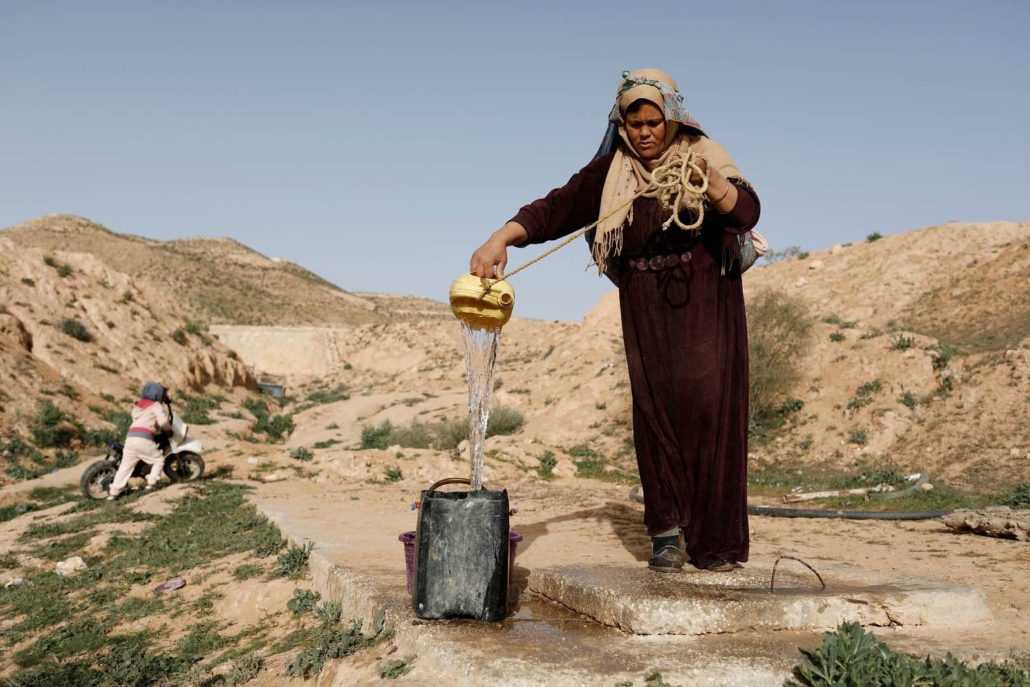
Energy in sub-Saharan AfricaAccess to electricity is a critical step toward reducing poverty. It enables communities to improve economic productivity and is a basic necessity vital to our lives in the 21st century. Out of the 800 million people living without reliable electricity, approximately 600 million are in sub-Saharan Africa.

This lack of energy infrastructure hampers economic growth. It severely hinders the scope of education and health care development, making it a pivotal obstacle to job creation. However, solar energy may be emerging as a formidable player in the fight against poverty in the region. With sub-Saharan Africa having abundant renewable energy resources such as sunlight and wind, the area is more than well-positioned to harness solar power and try to transform its energy landscape.

The Energy-Poverty Nexus

Without electricity, the mundane daily processes of society come to a halt. Businesses struggle to operate, health care services are unequipped and education is limited to daytime hours. Access to electricity, therefore, is at the core of any society aiming to meet economic and productivity goals. Yet, in sub-Saharan Africa, more than half of the region’s population does not have regular access to electricity. Energy poverty is linked to the deepening of economic disparity in this region due to limited access to essential services.

Solar energy offers a promising solution because sub-Saharan Africa has abundant sunlight and wind. Solar energy is a clean, renewable and widely available resource. It can be harnessed to provide electricity in off-grid and remote areas. The region receives enough solar energy to meet its demands several times over, making solar energy a solid contender for addressing energy poverty.

Furthermore, solar power systems are scalable. This means they can be installed in smaller areas, such as individual homes and across larger territories, such as villages and entire communities. These systems are often a more affordable option in addition to being easier to maintain than traditional energy grids that are fossil fuel-based. This quality makes them particularly suitable and easily adaptable for rural communities.

Current Solar Energy Projects Transforming Lives in sub-Saharan Africa

Several organizations and solar energy initiatives are showcasing the potential behind this effort to alleviate poverty in sub-Saharan Africa. Some of them include:

  1. The Desert to Power Initiative: The African Development Bank’s (AfDB) Desert to Power Initiative aims to create the world’s largest solar zone. Spanning 11 countries, including Burkina Faso, Mali, Senegal and Niger, this project is fighting toward the decentralization of energy in sub-Saharan Africa. Currently focusing on the Sahel region, a semi-arid region stretching from Senegal to Sudan, the project intends to provide 10 gigawatts (GW) of solar generation capacity via both on and off-grid solutions to approximately 250 million people. The Desert to Power Initiative will improve energy access for rural communities by focusing on large-scale solar farms and fostering new job creation in the renewable energy sector. This will tremendously help stimulate economic growth in the region.
  2. Solar Sister: Solar Sister is a social enterprise that supports local women in rural areas in becoming clean energy entrepreneurs. The initiative trains and supports women in delivering clean energy directly to homes in rural sub-Saharan African communities. It sells solar-powered products such as lamps and chargers. In turn, it aims to tackle energy poverty and the gender-technology gap by creating job opportunities for women. The initiative has trained more than 10,700 entrepreneurs and reached more than 4.3 million people with solar energy solutions.
  3. SunCulture: With its headquarters in Nairobi, the capital city of Kenya, SunCulture is revolutionizing the agricultural industry in the region by providing rural farmers with solar-powered irrigation systems. By replacing reliance on rainfall or fuel-powered pumps, SunCulture provides a renewable and cost-effective solution. The irrigation systems are also a low-maintenance alternative. This innovative system is currently transforming lives across the continent. The company has raised more than $40 million to bring sustainable and affordable solutions to rural communities that rely solely on income derived from agricultural practices.

Conclusion

In sub-Saharan Africa, solar energy holds immense potential to combat poverty while simultaneously driving sustainable development. By harnessing the region’s copious amounts of sunlight, solar energy can be the key to accessible electricity. Indeed, advances will improve job opportunities and further growth in the health care and education sectors. As more governments, businesses and local communities add to the effort, investing in solar energy shows a path toward a more equitable future for the region.

– Mashal Aman

Mashal is based in Kyoto, Japan and focuses on Business and Technology for The Borgen Project.

Photo: Pexels

November 28, 2024
https://borgenproject.org/wp-content/uploads/borgen-project-logo.svg 0 0 Hemant Gupta https://borgenproject.org/wp-content/uploads/borgen-project-logo.svg Hemant Gupta2024-11-28 01:30:382024-11-28 00:05:08Harnessing Solar Energy in sub-Saharan Africa
Electricity and Power, environment, Global Poverty

Brazil’s Waste-to-Energy Conversion Systems

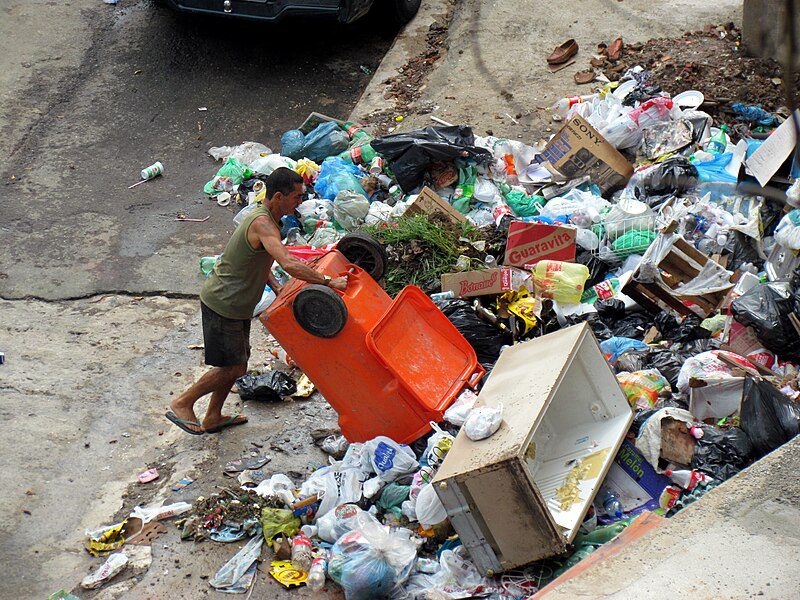
Brazil's waste-to-energy conversionBrazil is making significant strides in waste-to-energy technology, which turns waste into energy and addresses both urban waste management and renewable energy demands. Cities like São Paulo, Curitiba and Rio de Janeiro are leading the way, implementing projects that transform organic waste, sewage, and landfill gases into biogas and ultimately electricity. These waste-to-energy systems help keep cities clean and provide renewable power, reinforcing Brazil’s commitment to sustainability and urban development.

Urban Waste as an Energy Source

With rapid urbanization and increased consumption, Brazil faces mounting waste disposal challenges. The nation produces approximately 79 million tons of waste annually and managing this output has long been a complex issue. While traditional landfills have been the mainstay for waste disposal, they come with environmental costs, such as methane emissions, a potent greenhouse gas. Recognizing this, Brazil has started investing in waste-to-energy projects, using organic waste and other municipal refuse to generate clean, renewable energy.

These waste-to-energy projects follow a relatively simple process. Organic waste, which includes everything from food scraps to sewage sludge, undergoes anaerobic digestion—a process where microorganisms break down waste in an oxygen-free environment, according to Global Recycling. This decomposition releases biogas, a combination of methane and carbon dioxide, which can be converted into electricity. By transforming waste into energy, Brazil not only diverts a substantial amount of refuse from landfills but also reduces its carbon footprint.

Landmark Projects Leading the Way

In São Paulo, one of Brazil’s largest and most densely populated cities, a pioneering waste-to-energy plant exemplifies the potential of the Brazil waste-to-energy conversion system. This facility transforms various organic waste types, such as food scraps and biodegradable materials, into biogas, Global Recycling reports. This biogas is then distributed locally, helping reduce waste and reliance on fossil fuels. São Paulo’s waste-to-energy project underscores the city’s commitment to environmental sustainability and urban resilience, offering a model for other cities to follow.

Curitiba, known for its eco-friendly efforts, has launched a large-scale composting project that further enhances Brazil’s waste-to-energy conversion strategies. This project primarily turns organic waste into compost for agriculture and green spaces, yet it also captures methane for modest energy production, showcasing that diverse approaches can strengthen Brazil’s waste-to-energy conversion efforts.

Meanwhile, Rio de Janeiro is making headway with biogas initiatives aimed at capturing landfill gases. The city’s main landfill, the Seropédica Landfill, is one of Latin America’s largest and includes a biogas recovery system that extracts methane emissions and converts them into energy. Rio’s biogas initiatives provide enough electricity to power thousands of households, highlighting waste-to-energy’s potential to meet urban energy needs sustainably.

Economic and Environmental Impact

These projects represent more than just waste disposal solutions—they contribute to economic growth and energy security. By tapping into waste-to-energy technologies, Brazil can reduce its reliance on imported fossil fuels, foster local employment in green technology, and promote innovation in renewable energy. The environmental benefits are equally substantial, as waste-to-energy systems drastically reduce methane emissions from organic waste, a critical factor in the fight against climate change.

Moreover, the success of Brazil’s waste-to-energy conversion initiatives could encourage other Latin American countries to explore similar strategies. Brazil has become a regional leader in green energy solutions, showing that waste-to-energy systems can be both economically viable and environmentally beneficial. This leadership extends beyond borders as Brazil collaborates with international organizations to improve its waste-to-energy capabilities, drawing on global expertise to optimize local projects.

A Sustainable Future for Brazil

Brazil’s commitment to waste-to-energy conversion solutions showcases the country’s forward-thinking approach to sustainability. By converting waste into energy, Brazilian cities are cleaning up their streets, reducing emissions, and powering communities—all while supporting a circular economy. As these projects expand, Brazil is not only addressing today’s waste and energy challenges but also paving the way for a cleaner, more sustainable future.

– Laila Alaya

Laila is based in Abuja, Nigeria and focuses on Technology and Solutions for The Borgen Project.

Photo: Wikimedia Commons

November 18, 2024
https://borgenproject.org/wp-content/uploads/borgen-project-logo.svg 0 0 Naida Jahic https://borgenproject.org/wp-content/uploads/borgen-project-logo.svg Naida Jahic2024-11-18 07:30:442024-11-17 23:27:48Brazil’s Waste-to-Energy Conversion Systems
Conflict, Electricity and Power, Global Poverty

How Regional Conflict Is Worsening Lebanon’s Electricity Crisis

Lebanon’s Electricity CrisisSince the end of the civil war in 1990, Lebanon has struggled with an electricity crisis due to a lack of investment in the state-run electricity provider Electricité du Liban (EDL) and misuse of funds by government officials. As a result, EDL can only provide electricity for as little as 1-2 hours each day in 2022, leaving the country in a persistent state of power shortages. Achieving 24-hour access to electricity is only possible through the use of private generators.

The severity of the outages varies significantly per region, with Beirut receiving an average of 21 hours of electricity a day. However, areas further from the capital receive much less, leading to higher private generator bills. The inconsistency of electricity from the state-run electricity provider has had significant implications for the population, especially the nation’s impoverished, who cannot afford to buy private generators. Lama Fakih, Middle East and North Africa director at Human Rights Watch explains that “Lebanon’s electricity crisis is leaving people in the dark and dramatically reducing people’s access to critical rights such as food, water, education and health care.”

The Impact of Regional War

Before the Lebanon-Israel conflict erupted, The National News reported that both sides had threatened to target energy infrastructure in the event of war. Such actions would disrupt essential services, including telecommunications, sanitation networks, irrigation systems and hospitals, all of which depend on electricity to operate.

Since October 2023, Hezbollah has launched airstrikes on Israel, stating that they would halt their actions in exchange for a ceasefire in Gaza. One year later, with no truce reached, Israel began launching heavy strikes on Lebanon. Approximately 60% of border communities in the south have sustained infrastructural damage, impacting residential buildings, roads, water supplies, electrical grids and telecommunications. This destruction has resulted in casualties among maintenance workers and health care staff, intensifying the existing energy crisis.

The war has further strained EDL, which struggles to meet demand even under normal circumstances. According to The Jerusalem Post, EDL recently announced a nationwide power shutdown, stating, “After exploiting all the other options to extend the duration of power production to the maximum possible, the company’s last power plant has ceased power supply across all Lebanese territories, due to a lack of fuel and with that, the power supply to all of Lebanon has been completely halted.” This shutdown affects critical facilities, including the airport, ports, water pumps, sewage systems and prisons.

Organizations on the Ground

Organizations working on the ground to help ease Lebanon’s electricity crisis include Aid Pioneers. This Berlin-based organization began its efforts in 2020, providing humanitarian relief following the Beirut port explosion. Aid Pioneers primarily focuses on medical procurement and clean energy access. Through partnerships with groups like the Altenburg Foundation and Ströer, it has raised millions of dollars, supporting 40,000 people across various projects.

Local organizations like the Lebanese Solar Energy Society (LSES) are also working to address Lebanon’s energy crisis. Operating since 1980, LSES focuses on providing sustainable energy solutions. Through public education on solar energy, high-quality technical support for efficient solar panel installation and ongoing advocacy, LSES aims to promote energy independence and long-term sustainability in Lebanon.

What Does the Future Hold?

With the ongoing conflict with Israel and continued infrastructure damage, Lebanon’s electricity crisis is expected to worsen. Humanitarian organizations and the government are increasingly focused on immediate security and humanitarian needs, often placing energy reforms on the back burner. The U.S. has attempted to broker ceasefire negotiations among the parties involved, but these efforts have remained inconclusive. According to Reuters, Hamas has rejected a temporary truce, stating that current ceasefire proposals do not meet its conditions.

Israeli officials have also indicated that diplomacy alone will not prompt a ceasefire, as it demands that Hezbollah comply with UNSCR 1701, which prohibits the presence of its fighters near the Israeli border. With no ceasefire in sight, a resolution to the crisis appears distant. Given that EDL struggled to meet demand even before the war, any improvements in the energy situation are likely to be minimal, even if all parties eventually reach a ceasefire agreement.

– Floria Persis

Floria is based in London, UK and focuses on Politics for The Borgen Project.

Photo: Flickr

November 11, 2024
https://borgenproject.org/wp-content/uploads/borgen-project-logo.svg 0 0 Hemant Gupta https://borgenproject.org/wp-content/uploads/borgen-project-logo.svg Hemant Gupta2024-11-11 07:30:142024-11-11 11:15:46How Regional Conflict Is Worsening Lebanon’s Electricity Crisis
Development, Electricity and Power, Global Poverty

Renewable Energy in Uzbekistan

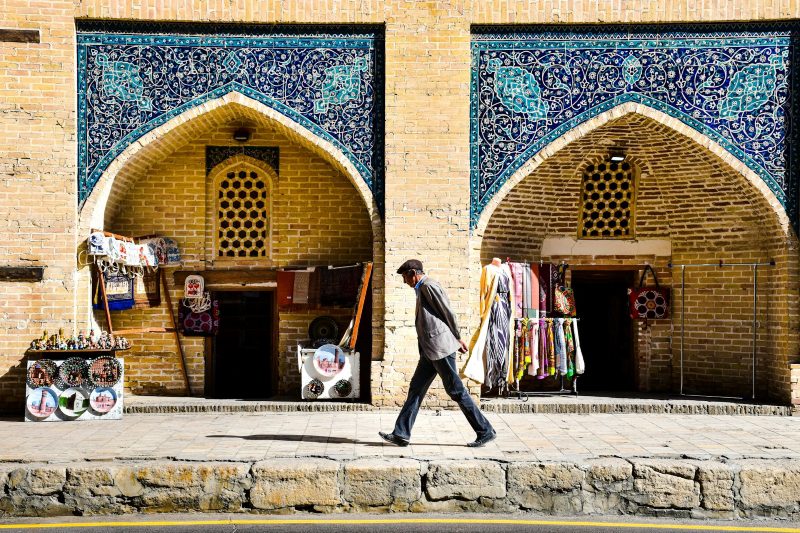
Renewable Energy in UzbekistanRecently, the government of Uzbekistan has made notable strides toward achieving SDG 1: No Poverty, as highlighted in a roundtable discussion by the Oliy Majlis of the Republic of Uzbekistan and UNDP. A key factor in this progress could be the introduction of renewable energy in Uzbekistan. This article examines how renewable energy could play a crucial role in alleviating poverty in Uzbekistan.

The Introduction of Renewable Energy

The World Bank, Abu Dhabi Future Energy Company (Masdar) and the Government of Uzbekistan have entered into a financial agreement to develop a 250-megawatt solar photovoltaic plant, paired with a 63-megawatt battery energy storage system (BESS). This project aims to deliver clean and reliable electricity to approximately 75,000 households.

It stands out as Central Asia’s first renewable energy initiative to include an integrated BESS, enhancing the efficiency and flexibility of the power system. This initiative will improve supply security and mitigate the intermittency associated with renewable energy generation. Thanks to the World Bank’s guarantee, the project ensures an affordable supply of renewable energy in Uzbekistan for both households and businesses throughout the country.

Affordable and Steady Energy Supply

Access to affordable and reliable renewable energy in Uzbekistan could be critical for improving the quality of life and economic opportunities for the poor. In many remote areas of Uzbekistan, access to electricity is limited or nonexistent. Yet, a steady supply of energy is crucial to rural farmers, especially for irrigation, as the impact of natural disasters could intensify soon. Therefore, the implementation of cost-effective renewable energy such as solar energy could greatly enhance the agricultural production of wheat landscapes in key regions in Uzbekistan, thus increasing incomes for the agricultural sectors, which account for approximately a quarter of the national economy

Also, these initiatives could help address the electricity shortages. For instance, the introduction of energy-saving technologies could improve living conditions reducing reliance on expensive and harmful fuels for cooking and heating and facilitating the establishment of small businesses.

In October 2019, the Uzbek government adopted a strategy to transform the Republic of Uzbekistan into a Green Economy by 2030. This strategy aims to increase the share of renewable energy to over a quarter of total energy use and to modernize industrial infrastructure with environmentally safe technologies.

Economic Growth and Job Creation

Renewable energy can significantly combat poverty by fostering economic growth and job creation. A reliable supply of renewable energy can bolster the national and regional economies, leading to the expansion of small and medium-sized enterprises. This growth can create employment opportunities during the construction, maintenance and operation phases of renewable projects.

For instance, in 2018, Uzbekistan joined the World Bank’s Scaling Solar program to kickstart the development of 1 GW of solar energy. This investment in solar power could assist the country in lowering greenhouse gas emissions and reducing the carbon intensity of its GDP. This green approach ensures that every sector such as business and social services could have a stable supply of clean and reliable energy. Moreover, the renewable energy sector can attract foreign investment, driving technological advancements and skill development among the local workforce.

The Future

In conclusion, Uzbekistan has set ambitious targets to halve its poverty rate by 2026 and become an upper-middle-income country by 2030. Renewable energy presents a formidable opportunity for Uzbekistan to combat poverty while promoting sustainable development. By investing in renewable technologies, Uzbekistan could stimulate economic growth, create jobs and improve the quality of life for its citizens. Furthermore, transitioning to cleaner energy sources could enhance environmental sustainability and resilience against climate change. As Uzbekistan continues its development journey, harnessing the potential of renewable energy could be crucial in empowering its population and reducing poverty.

– Hoi Ieng Chao

Hoi is based in Macau, China and focuses on Good News and Technology for The Borgen Project.

Photo: Unsplash

November 9, 2024
https://borgenproject.org/wp-content/uploads/borgen-project-logo.svg 0 0 Naida Jahic https://borgenproject.org/wp-content/uploads/borgen-project-logo.svg Naida Jahic2024-11-09 07:30:452024-11-09 00:50:21Renewable Energy in Uzbekistan
Electricity and Power, Global Poverty, Health

Solar Energy Solutions: Powering Health Care in Rural Zambia

health care in Rural ZambiaAccess to reliable electricity is critical for the functioning of health facilities. Yet, only 4% of rural communities in Zambia have access to on-grid electricity. For many health care workers, the sight of a child being born in light is a rare victory in an otherwise dark environment where babies are delivered, sutures are given and patients are treated—all in darkness. This not only endangers lives but also limits the potential for effective health care delivery in rural areas. So, powering health care in rural Zambia is important.

The Importance of Electricity in Health Care

The link between electricity and essential health care services is crucial. Many medical procedures rely on lighting for safe and effective delivery. Furthermore, the lack of electricity severely hampers access to clean water, as pumps depend on power to push water into pipes. This combination creates a challenging environment for health care providers, who often lack the necessary equipment to deliver lifesaving procedures.

The SIRHES Project

In response to this crisis, On Call Africa has launched the Strengthening the Integration of Renewable Health Energy Solutions (SIRHES) project, which specifically targets three rural health systems in the Kazungula District. SIRHES focuses on improving the functionality, quality of care and hygiene. This is achieved by providing solar power in combination with complementary health interventions.

In the past 16 months, the initiative has made significant strides in powering health care in rural Zambia. It has:

  • Equipped three rural health care facilities with solar power systems
  • Trained 82 Neighbourhood Health Committee (NHC) members to support health facility initiatives and promote health within the community.
  • Installed a solar-powered Chlorine Production Unit (CPU) at the Kazungula District Health Office, enabling the monthly production of chlorine for disinfectants used in 27 health care facilities and for water purification in five target communities.
  • Supported the development of a business model for the CPU to generate income and ensure project sustainability.
  • Formed the Kazungula District Technical Working Group to oversee the project and provide long-term support for chlorine production.
  • Coordinated training sessions on operations and maintenance to ensure that solar systems are properly maintained and sustainable within the community.

Final Remark

On Call Africa’s commitment to providing solar energy solutions and powering health care in rural Zambia represents a critical step toward overcoming the barriers posed by energy poverty. Furthermore, by integrating renewable energy into health care systems, the organization not only enhances the capacity of health facilities but also contributes to the broader fight against poverty. This ensures that everyone, regardless of where they live, has access to the modern health care they deserve. The partnership with local communities and health workers is essential in building a sustainable future, one where no clinic is left in darkness and every life has the chance to thrive.

– Edzhe Miteva

Edzhe is based in London and focuses on Global Health and Politics for The Borgen Project.

Photo: Flickr

November 8, 2024
https://borgenproject.org/wp-content/uploads/borgen-project-logo.svg 0 0 Hemant Gupta https://borgenproject.org/wp-content/uploads/borgen-project-logo.svg Hemant Gupta2024-11-08 07:30:332024-11-07 13:16:05Solar Energy Solutions: Powering Health Care in Rural Zambia
Electricity and Power, Global Poverty, Natural Disaster

Renewable Energy in Samoa

Renewable Energy in Samoa
While extreme poverty does not exist in Samoa, 20% of Samoans still live under the national poverty line, a decrease from 21.9% in 2018. This could be due to the initiatives working to increase self-reliance and sustainability focusing on the rural areas and those considered vulnerable, like women and young people.

Energy Projects

In 2019, Samoa conducted two small hydro projects, the first of many, to supply 20% of the Island’s demand for energy. The hydropower plants were constructed on two separate islands (Upolu and Savai’i) and underwent rigorous environmental safeguarding checks to ensure no damage to the surrounding areas. The goal to rely on 100% sustainable energy was on hold due to the COVID-19 pandemic and subsequent economic challenges, however, in February 2024, the E.P.C General Manager confirmed that the plans are still going steady, intending to have 100% renewable energy in Samoa the next seven years.

The plans come with several challenges, including the “high upfront costs of renewable energy technology,” requiring international partnerships to help fund the opportunities. The main donor parties include the New Zealand Government, The European Union and the Asian Development Bank, according to Hydro Review.

The aim is that the accessibility of cleaner and higher quality services at a lower price will increase and energy poverty will decrease. Samoa was on track to have 100% electricity access, reaching it in 2020, however, in the past four years the rate has been decreasing with the current rate being 98.30%. This decline, whilst not being as low as other countries sets a worrying trend for Samoa especially due to the increase in natural disasters, so action like the new projects (while not urgent) are necessary.

Subsidized Electricity Tariffs

The renewable energy project report states that the vulnerable people of Samoa will receive subsidized electricity tariffs and secure energy for all residents, creating social inclusion to help develop income generation models for the poorest project participants. The projects are established on existing sites with any that required land acquisition from locals being removed from the project, they also serve to increase economic growth and international relations, hoping to outsource the energy to surrounding countries. 

Looking Ahead

This push towards renewable energy in Samoa comes from the increasing reliance on fossil fuels and the increase in natural disasters due to changing weather patterns. By 2100, Samoa could lose 3.8% of its GDP due to the aftermath of natural disasters, potentially threatening the steady decrease of poverty across the country. However, with the recent projects, Samoa has simultaneously addressed both the threat that changing weather patterns hold and the needs of those living below the poverty line, harnessing renewable energy to help on a global and local scale.

– Caitlin Mulholland

Caitlin is based in Lymington, UK and focuses on Technology and Solutions for The Borgen Project.

Photo: Flickr

November 7, 2024
https://borgenproject.org/wp-content/uploads/borgen-project-logo.svg 0 0 Jennifer Philipp https://borgenproject.org/wp-content/uploads/borgen-project-logo.svg Jennifer Philipp2024-11-07 07:30:582024-11-07 00:09:14Renewable Energy in Samoa
Developing Countries, Electricity and Power, Global Poverty

Renewable Energy in Georgia

Renewable Energy in GeorgiaGeorgia is a country rich in history, situated at the eastern end of the Black Sea in Eastern Europe. Once home to the ancient kingdom of Iberia, Georgia is now charting its course with one of Europe’s most significant and rapidly growing renewable energy sectors. The Georgian people aim not only to promote renewable energy but also to use it to alleviate poverty.

Pushing Toward a Green Future

This push toward a green future goes hand in hand with the country’s economic policy. Specifically, Georgia has always maintained the goal of creating a liberalized economic environment for its people. This economy would be governed through minimal state interference, reduced taxation and free trade. These principles have already been put into place. For example, Georgia achieved an average annual economic growth of 3.6% between 2017 and 2021. The country achieved this by stimulating capital and investments through a system of structural reforms. Its renewable energy sector is one such reformation that has expanded into an industry of its own.

Georgia has been involved in the energy sector since the mid-’90s and its efforts have steadily progressed, yielding significant results. Approximately 70% of the country’s electricity comes from hydropower, with the remainder generated from coal and natural gas. This positions Georgia for potential energy independence from its neighbors, opening the door to becoming an electricity exporter to other European nations. For context, the country’s total energy consumption was 4.49 million tons of oil equivalent (Mtoe) in 2020, presenting a lucrative opportunity for sustainable economic growth.

In addition, the country’s energy sector is on pace for rapid growth. The state electricity producer Georgian State Electrosystem (GSE) currently produces 4,600 megawatts (MW) of electricity, which is expected to reach 10,000 megawatts by 2033. Furthermore, new hydropower plants are being proposed to aid this development. Even more, there are plans to construct photovoltaics and wind farms in the country. The fruition of these projects would have significant implications for the country’s renewable energy output.

Potential Economic Impact

The jobs created by this initiative could spark a significant economic boom for the nation. Citizens could engage in meaningful work within an industry, revitalizing their country and promoting a healthier environment. This potential is reflected in economic forecasts, which project Georgia’s gross domestic product (GDP) to rise to 5.5% by 2025, a 0.5% increase from the previous year.

Looking Ahead

There is still much work ahead and progress continues to be made. Georgia’s legislators are focused on realizing their vision of a green future by integrating and strengthening the economic and environmental sectors. Increasing these areas would foster sustainability and financial security for the nation and its citizens. In conclusion, renewable energy has brought much-needed attention to Georgia, establishing it as a significant player on the global stage in the pursuit of a brighter future.

– Drew Ellison

Drew is based in Laurel, DE, USA and focuses on Technology and Solutions for The Borgen Project.

Photo: Pexels

October 6, 2024
https://borgenproject.org/wp-content/uploads/borgen-project-logo.svg 0 0 Hemant Gupta https://borgenproject.org/wp-content/uploads/borgen-project-logo.svg Hemant Gupta2024-10-06 01:30:282024-10-06 00:40:48Renewable Energy in Georgia
Developing Countries, Electricity and Power, Global Poverty

China and the World Bank Address Energy Security in Ethiopia

Energy Security in EthiopiaEnergy security is a constant concern for sub-Saharan African countries: out of the 20 countries with the largest energy deficits in the world, a staggering 18 are found in the region. At the same time, the area is home to about 80% of the global population lacking access to electricity.

Energy Security in Ethiopia

According to the World Bank, Ethiopia has the third largest energy deficit in Africa, with about half of the population unable to access reliable electricity. There is also a stark rural-urban divide: as of 2022, only 40% of rural households had reliable access to electricity, compared to 93% of urban households. Ethiopia has been making strides on this issue and recently expanded the electricity grid to cover almost 60% of towns and villages.

The main challenge, however, is the lack of adequate energy infrastructure rooted in a broader shortage of resources. Fortunately, several international actors have recently stepped up to help address Ethiopia’s energy gaps, including China’s Belt and Road Initiative (BRI) and the World Bank’s International Development Association (IDA).

China

China has been heavily involved in Ethiopia’s development for more than a decade now, reflected by the fact that Ethiopia is China’s second-largest debtor on the continent. Ethiopia was an early signee to China’s BRI, which has resulted in several multi-million dollar infrastructure projects in the country, including a flagship $5 billion railway from Addis Ababa to Djibouti.

Ethiopia doubled down on this partnership by joining BRICS+ in late 2023. This will grant the country access to BRICS’ multilateral financing institutions, thus paving the way for easier access to Chinese funding in the future. One program with particular appeal for Ethiopia is China’s “Africa Solar Belt” program, which aims to provide solar power to 50,000 African households. Ethiopia also plans to import more than 100,000 electric vehicles and 5,000 electric buses from China in the coming years in a bid to upgrade the country’s transportation infrastructure.

The World Bank

While China has often been Ethiopia’s main development partner, the country also cooperates extensively with the World Bank, primarily on financing. In the realm of energy security, the World Bank recently unveiled a program called Power Sector Reform, Investment and Modernization in Ethiopia (PRIME). This program provides Ethiopia with a “financing envelope” of $1.5 billion, disbursed in multiple phases in the next 10 years, to upgrade its energy sector.

The program focuses on investing in critical energy infrastructure and expanding electricity access more broadly. In an attempt to diversify and stabilize Ethiopia’s energy supply, PRIME will only invest in non-hydropower renewable energy sources since 96% of Ethiopia’s electricity is currently derived from hydropower. Almost all of the funding comes from the IDA, the World Bank’s fund for least-developed countries, with the remainder coming from a green energy trust fund, leaving none of the funding burden on Ethiopia.

Final Thoughts on Energy Security in Ethiopia

While energy security in Ethiopia remains an entrenched issue, the situation is improving: for instance, access to electricity has more than quintupled in the last two decades, rising from about 10% in 2001 to 55% in 2022, according to the World Bank. Furthermore, with Ethiopia’s new membership in BRICS+ and its 10-year financing deal with the World Bank, chances are good that energy security in Ethiopia will continue to improve.

– Kipling Newman

Kipling is based in Denver, CO, USA and focuses on Good News and Global Health for The Borgen Project.

Photo: Flickr

September 16, 2024
https://borgenproject.org/wp-content/uploads/borgen-project-logo.svg 0 0 Hemant Gupta https://borgenproject.org/wp-content/uploads/borgen-project-logo.svg Hemant Gupta2024-09-16 07:30:082024-09-16 01:28:57China and the World Bank Address Energy Security in Ethiopia
Page 11 of 15«‹910111213›»

Get Smarter

  • Global Poverty 101
  • Global Poverty… The Good News
  • Global Poverty & U.S. Jobs
  • Global Poverty and National Security
  • Innovative Solutions to Poverty
  • Global Poverty & Aid FAQ’s
Search Search

Take Action

  • Call Congress
  • Email Congress
  • Donate
  • 30 Ways to Help
  • Volunteer Ops
  • Internships
  • Courses & Certificates
  • The Podcast
Borgen Project

“The Borgen Project is an incredible nonprofit organization that is addressing poverty and hunger and working towards ending them.”

-The Huffington Post

Inside The Borgen Project

  • Contact
  • About
  • Financials
  • President
  • Board of Directors
  • Board of Advisors

International Links

  • UK Email Parliament
  • UK Donate
  • Canada Email Parliament

Get Smarter

  • Global Poverty 101
  • Global Poverty… The Good News
  • Global Poverty & U.S. Jobs
  • Global Poverty and National Security
  • Innovative Solutions to Poverty
  • Global Poverty & Aid FAQ’s

Ways to Help

  • Call Congress
  • Email Congress
  • Donate
  • 30 Ways to Help
  • Volunteer Ops
  • Internships
  • Courses & Certificates
  • The Podcast
Scroll to top Scroll to top Scroll to top