Ending Energy Poverty in Cambodia
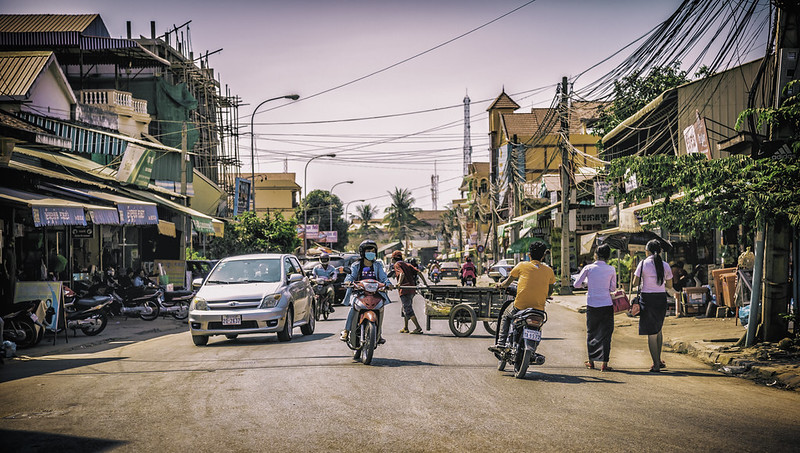 According to the World Bank, only 9.5% of Cambodians had access to electricity in 2001. As of 2023, that number is now more than 92%. This remarkable accomplishment results from international and local efforts. Furthermore, the initiatives are prominently supported by Sustainable Development Goal 7 (SDG 7). SDG 7 is a United Nations (U.N.) initiative dedicated to “ensuring access to affordable, reliable, sustainable and modern energy for all.” The Southeast Asian Kingdom is in the final stretch of completing this goal. Energy poverty in Cambodia is close to being completely eradicated.
The Impact of SDG 7
Energy poverty is the “lack of adequate, affordable, reliable, quality, safe and environmentally sound energy services to support development.” Energy poverty and normal poverty are strongly interwoven. Furthermore, inadequate access to energy exacerbates malnutrition, unsanitary living environments and lack of access to jobs and education. Recognizing this, every member of the U.N. came together in 2015 and adopted 17 SDGs to be completed by 2030.
The seventh of these (SDG 7) was directed at ending energy poverty worldwide. This does not only mean providing energy to communities off the grid but also upgrading current grids to increase reliability and reduce cost. Indeed, implementing green energy into the mix and improving the rate of energy efficiency, are also part of the goal. From 2010 to 2021, the global number of people without electricity declined from more than a billion to around 675 million. Asia saw the greatest change, with 425 million people gaining access to power.
The Fastest Electrifying Country
Cambodia’s progress has been remarkable. Since the creation of SDG 7, the Kingdom has increased energy access by 30%, bringing electricity to more than five million people. Between 2010 and 2017, “Cambodia electrified at a rate of 8.3% annually,” making it one of the fastest in the world. The U.N. has worked closely with communities, nongovernmental organizations (NGOs) and the private sector to end energy poverty in Cambodia.
Additionally, in cities, 97% of this power comes from the national grid instead of imported electricity from neighboring countries or independent mini-grids. In rural areas, 67% comes from the national grid. In hard-to-reach areas that cannot be connected to the main grid, the U.N. implemented solar-powered mini-grids. The grids are self-sustaining and easy to maintain.
The Final Mile
As of 2022, the Electric Authority of Cambodia reported that 350 Cambodian villages are still without power. The government plans to bring electricity to 170 of them before the 2030 SDG deadline. Reaching the remaining 180 towns and eradicating energy poverty is the most difficult task. Many of these communities are beyond distribution networks’ reach, lack roads, are in flood zones or are floating in the sea. Furthermore, nearly two-thirds of homes connected to the grid experience power outages.
In response, the Japanese government pledged to support the fight to end energy poverty in Cambodia. Through the U.N., it has committed to providing power to 1,300 households (some 6,000 people) by establishing solar-powered mini-grids. It is also set to strengthen and expand the local community-owned corporations that oversee the electric systems. Recently, the U.N. enlisted the International Cooperation of Cambodia, a local NGO, to build community trust and accelerate the implementation process. While many challenges remain, the U.N. and those involved with SDG 7 are working diligently to help Cambodia achieve 100% electrification.
– Mason Borden
Mason is based in New York, NY, USA and focuses on Technology and Solutions for The Borgen Project.
Photo: Flickr
