• Link to X
  • Link to Facebook
  • Link to Instagram
  • Link to TikTok
  • Link to Youtube
  • About
    • About Us
      • President
      • Board of Directors
      • Board of Advisors
      • Financials
      • Our Methodology
      • Success Tracker
      • Contact
  • Act Now
    • 30 Ways to Help
      • Email Congress
      • Call Congress
      • Volunteer
      • Courses & Certificates
      • Be a Donor
    • Internships
      • In-Office Internships
      • Remote Internships
    • Legislation
      • Politics 101
  • The Blog
  • The Podcast
  • Magazine
  • Donate
  • Click to open the search input field Click to open the search input field Search
  • Menu Menu

Archive for category: Electricity and Power

Electricity and Power, Global Poverty, Technology

Renewable Energy in Latvia

Renewable Energy in Latvia Latvia, a small Northern European country with a population of about 2 million, is leveraging its natural resources to reduce reliance on fossil fuels and meet the European Union’s (EU) ambitious green energy goals. With abundant forests, access to the Baltic Sea and significant hydropower potential, Latvia has positioned itself as a regional leader in renewable energy innovation.

Current Renewable Energy Landscape

Latvia’s renewable energy sector ranks among the most developed in Europe, with hydropower accounting for more than 50% of its electricity production. This dominance stems from the country’s extensive network of rivers and dams, which play a crucial role in powering the national energy grid. Biomass energy is another critical component of Latvia’s renewable strategy, supported by its vast forest resources covering more than 42% of the country. Investments in biomass energy have significantly improved efficiency and environmental preservation. Over the past five years, electricity generated in biomass cogeneration plants and power stations has surged by 144.2%, highlighting the sector’s rapid growth.

Future Potential in Renewables

Latvia’s renewable energy ambitions align closely with the EU Green Deal, which seeks carbon neutrality by 2050. Through its National Energy and Climate Plan (NECP), Latvia aims to increase the share of renewable energy to 50% by 2030. This plan prioritizes modernizing the national grid, enhancing energy storage and scaling up wind and solar energy capacity. Offshore wind energy holds immense potential for Latvia, due to favorable wind conditions in the Baltic Sea. Collaborative efforts with Estonia and Lithuania are exploring large-scale offshore wind farm projects to address regional energy needs and reduce dependency on traditional energy sources. Solar energy, while still underutilized, is gaining momentum as small-scale projects emerge nationwide.

Challenges in Renewable Energy Development

Despite Latvia’s progress, challenges remain. Heavy reliance on hydropower makes the energy system vulnerable to fluctuations in river flow, which are increasingly influenced by climate change. While high water flows in 2023 enabled hydropower plants to produce their second-largest electricity output in 25 years, periods of drought or low water flow could significantly disrupt energy generation. Financial constraints also pose a barrier to expanding renewable energy infrastructure. High project costs necessitate greater foreign investment and partnerships.

Empowering Communities Through Renewables

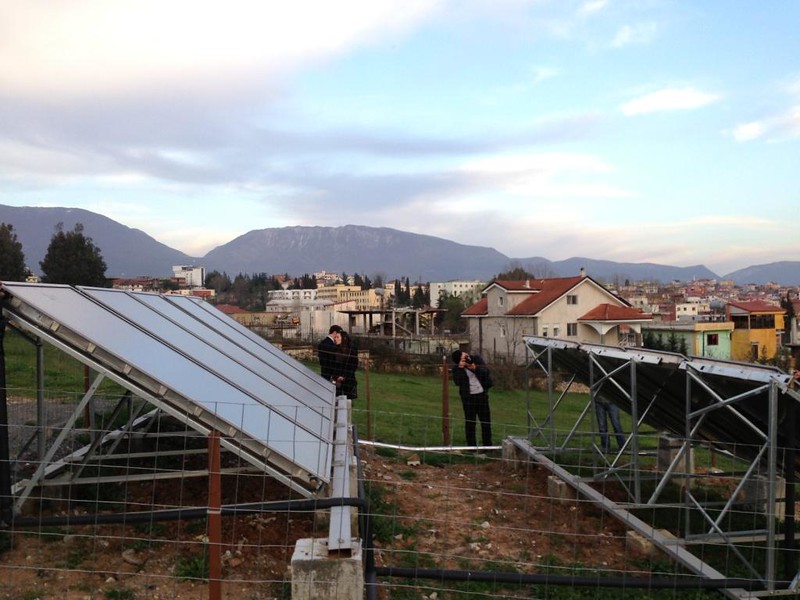
In 2020, the Mārupe Municipality launched Latvia’s first community energy project under the ShareRES initiative. This small-scale renewable energy solution empowers residents to generate and manage their electricity through solar panel installations. Residents have reported lower energy costs and reinvested these savings into other community initiatives. The success of this project highlights the potential of grassroots renewable energy solutions and serves as a blueprint for similar initiatives nationwide.

A Vision for the Future

Latvia’s renewable energy journey reflects a blend of ambition, innovation and community-driven initiatives. By embracing wind, solar and other clean energy sources, Latvia aims to complement its existing hydropower and biomass strengths while mitigating risks tied to climate change. Furthermore, grassroots projects, like the Mārupe Municipality initiative, underscore the importance of local engagement in achieving national and EU energy goals. Through strategic investments, international collaboration and a focus on sustainable development, Latvia can potentially become a model for renewable energy in Northern Europe. Its commitment to a greener future not only benefits its citizens but also contributes to the broader fight against climate change.

– Avery Hazard

Avery is based in Segovia, Spain and focuses on Technology and Solutions for The Borgen Project.

Photo: Flickr
January 27, 2025
https://borgenproject.org/wp-content/uploads/borgen-project-logo.svg 0 0 Precious Sheidu https://borgenproject.org/wp-content/uploads/borgen-project-logo.svg Precious Sheidu2025-01-27 07:30:472025-02-22 02:45:29Renewable Energy in Latvia
Electricity and Power, Global Poverty

Renewable Energy in Bahrain

renewable energy in bahrainBahrain, a small island nation in the Arabian Gulf, with a population of 1.5 million, has historically depended on oil and natural gas to meet its energy and economic needs. The nation has limited land area and high per capita energy consumption. Bahrain now faces a challenge in transitioning from fossil fuels to sustainable energy sources. To address this, Bahrain’s government is prioritizing the diversification of its energy mix to have renewable energy play a central role in its development strategy. Bahrain aims to establish itself as a regional leader in the sustainable energy shift by investing in renewable technologies.

Current Renewable Energy Landscape

Renewable energy in Bahrain is still very limited as progress is in development. A prominent project is a collaboration between Bahrain Petroleum Company (Bapco) and Abu Dhabi Future Energy Company PJSC– Masdar, which has shown potential for wind energy that can help meet both industrial and domestic demands in the country. The agreement between the two energy companies could help improve the development and investment in Bahrain’s wind projects. Previously, Masdar has helped build and invest in the Dumat Al Jandal wind farm in Saudi Arabia, the largest wind project farm in the Middle East. In addition, Bahrain is also planning a heat waste recovery pilot program, which gathers excess heat to be captured and converted to electricity.

Future Potential

Bahrain’s renewable energy targets align with the nation’s Vision 2030, including the goal to generate  5% of its energy from renewable sources by 2025 and 10% by 2035, according to the UNDP report. This includes starting more renewable technologies to diversifying to the mix of solar, wind, and waste-to-energy technologies.

Bahrain, due to its geopolitical position, should focus on expanding its solar capabilities. Solar energy is the most viable option due to the nation’s abundant sunshine, which averages more than 3,000 hours of sunlight annually and can be the most advantageous.

The country’s strategic location and expertise in financial services position it to attract foreign investment in renewables. Public-private partnerships and international collaboration, particularly with organizations like the International Renewable Energy Agency (IRENA), are being leveraged to fund and implement large-scale projects.

The installation of solar panels in Bahraini households under the Sustainable Energy Authority (SEA) initiative is providing a reliable and sustainable source of electricity for rural and urban households alike. Businesses are also adopting rooftop solar solutions to reduce energy costs and minimize their carbon footprint.

Challenges and Opportunities

Despite Bahrain’s progress, challenges remain as the nation faces limited land availability, high initial costs, and the need for skilled labor and technical expertise. The country’s reliance on natural gas for power generation shows the need for gradual transition strategies that balance economic and environmental priorities. Opportunities from solar energy development to waste-to-energy efforts can increase Bahrain’s renewable development and help address the country’s energy challenges.

– Avery Hazard

Avery is based in Segovia, Spain and focuses on Technology and Solutions for The Borgen Project.

Photo: Flickr
January 26, 2025
https://borgenproject.org/wp-content/uploads/borgen-project-logo.svg 0 0 Naida Jahic https://borgenproject.org/wp-content/uploads/borgen-project-logo.svg Naida Jahic2025-01-26 07:30:142025-02-22 02:41:13Renewable Energy in Bahrain
Electricity and Power, Global Poverty, Innovations

Renewable Energy in Bulgaria

Renewable Energy in Bulgaria
Bulgaria stands at a pivotal moment in its energy transition, with renewable energy playing an increasingly vital role alongside its traditional reliance on nuclear power and coal. Solar generation represents a key driver in the country’s pursuit of the EU renewable energy target of 27% by 2030 and net zero emissions by 2050. Backed by international investments and streamlined energy legislation, Bulgaria is accelerating the development of renewable infrastructure while modernizing its power grid. The country is positioning itself as a regional leader in sustainable energy production with a decentralized energy system set to help reduce energy poverty in the country.

The Current Energy Landscape of Bulgaria 

The two major energy sources for Bulgaria’s domestic energy consumption are nuclear power and coal. Nuclear power accounts for around 40% of energy supply and has been a major energy source for Bulgaria since the 1950s. Additionally, in 2023/24, there was a steadily growing use of solar generation contributing almost 13% of total electricity generation.

Renewable Energy Investments 

Renewable energy in Bulgaria aims to account for 27% of domestic production by 2030, contributing to the EU renewable energy target for 2030. The country is also aiming at a net zero emissions target for 2050. A large portion of this is currently being exploited via solar generation.

The European Bank for Reconstruction and Development (EBRD) is a major leader in climate finance and one of the primary investors in renewable energy in Bulgaria. In late-2024, the EBRD announced that it would lend €50 million to Bulgaria to build a 237 MW solar plant, a huge step for its renewable energy agenda. The investment is part of a wider pledge to further UN Women’s Empowerment Principles in the Bulgarian energy sector. The shift away from fossil fuel use is beneficial in the Bulgaria’s plans to reduce energy poverty. This topic has been high on the country’s agenda since 2022 when the war in Ukraine increased import prices of Russian natural gas and coal. More than a quarter of Bulgarians in 2022 were unable to adequately heat their homes due to energy poverty.

Simplification of Administrative Frameworks 

The past year has hailed a stream of new investment in renewable energy in Bulgaria – not just because of a push for EU climate goals. The country simplified the administrative frameworks required for renewable energy infrastructure in 2023, making projects easier to plan and implement. Other changes to the country’s energy legislation enabled clarity on investing in renewable energy plants with batteries for energy storage during off-peak production periods.

Bulgaria also clarified steps to establish a more interconnected power grid which should decentralize energy and reduce the country’s state of energy poverty.  This would be enabled through the empowerment of households and democratizing of the energy system coming as a result of more energy suppliers and better energy infrastructure. A more robust domestic energy supply divested away from fossil fuels would help shield the Bulgarian energy sector from fossil fuel import fluctuations and over-reliance on Russian imports of coal and natural gas. This shift to renewable energy infrastructure in turn aids households through the stabilization and lowering prices of energy.

Following the 2023 changes, 2024 saw €65 million investment from the EU Modernization Fund in Bulgaria’s GREENABLER project to modernize the country’s power grid for the integration of renewable energy. Further, calls by the Bulgarian Ministry for Energy for renewable energy plants with energy storage (crucial to divest reliance away from fossil fuels) have stipulated project deadlines for March 2026. This push in funding programs has allowed for the development of 249 renewable energy projects in Bulgaria. Such short project deadlines and investment flows are positive news for massively accelerating renewable energy infrastructure in the country to meet 2030 energy targets. 

The Future of Nuclear Supply

Bulgaria does seem to be expanding outside renewables into nuclear energy – a low carbon energy solution. Though not renewable, nuclear power production in Bulgaria has merits over traditional fossil fuels, such as curbing reliance on countries such as Russia for fossil fuel imports. Contracts have been entered between Hyundai Engineering (South Korea) and Westinghouse (U.S.) to develop additional capacity and replace the aging reactor units at the Kozloduy nuclear power plant in Bulgaria. As domestic demand for energy has remained stable over the decades, it is likely an expansion of energy production would be a bid to increase energy exports to neighboring countries. Alongside a growing industry of renewable energy in Bulgaria, nuclear investment could boost Bulgaria’s economy as well as create new jobs and opportunities for its population.

– Autumn Joseph

Autumn is based in London, UK and focuses on Business and New Markets for The Borgen Project.

Photo: Flickr
January 24, 2025
https://borgenproject.org/wp-content/uploads/borgen-project-logo.svg 0 0 Jennifer Philipp https://borgenproject.org/wp-content/uploads/borgen-project-logo.svg Jennifer Philipp2025-01-24 07:30:282025-01-24 04:25:29Renewable Energy in Bulgaria
Electricity and Power, Global Poverty

Substantial Investment in China’s Renewable Energy

Investment in Renewable EnergyChina’s substantial investment in renewable energy, especially in wind and solar, is transforming its energy landscape and could aid in poverty reduction. With nearly two-thirds of major global renewable energy projects under construction in China, the shift away from coal would align with global green energy goals by 2030. It also promises economic benefits such as job creation and lower energy costs.

This transition may improve living conditions for low-income communities by reducing pollution and fostering a healthier environment. This highlights the interconnectedness of sustainability and poverty alleviation.

Energy Poverty as a Pressing Issue

Energy poverty continues to be a pressing issue, with more than one billion people unable to use electricity. However, China’s 2013 “Belt and Road Initiative” has facilitated deep-level energy cooperation with 151 countries along this expansive route. This spins regions such as Eastern Europe, Africa and Latin America through outward foreign direct investment (OFDI). Among these regions, nearly 600 million people lack electricity access and the electrification rate in the lowest 20% of countries by per capita gross domestic product (GDP) stands at a mere 56.7 %.

China’s investment in renewable energy shows a promising solution for energy poverty as currently, addressing the issue of energy poverty presents a huge barrier to the achievement of United Nations Sustainable Development Goal 7. This is the goal that seeks to ensure universal access to affordable, reliable, sustainable and modern energy by 2030.

China’s Substantial Investment in Renewable Energy

China is fast becoming a green energy superpower, serving as the leader in investment and installation of low-carbon technology. The nation is motivated by the desire to cut greenhouse gas emissions, boost energy security and catch up with or even overtake industrialized countries in technological innovation. China’s substantial investment in renewables has proven itself extremely successful so far. For example, in 2023, clean energy contributed a record 11.4 trillion yuan ($1.6 trillion) to China’s economy, accounting for all of the growth in investment as well as a larger share of economic growth than any other sector.

In addition, clean-energy sectors were the largest driver of China’s economic growth overall, accounting for 40% of the expansion of GDP in 2023. Moreover, China’s production of electric vehicles grew 36% year-on-year in 2023 to reach 9.6 million units, a notable 32% of all cars produced in the country.

Solar Power

Solar was the largest contributor to China’s economic growth in 2023. It recorded growth worth a combined $140 billion of new investment, goods and services, as its value grew from $210 billion in 2022 to $350 billion in 2023, an increase of 63% year-on-year. Data shows that local government investment in facilities and infrastructure, as well as direct subsidies, added 30% to the reported private investment.

Effects on Energy Poverty

China has made significant progress in addressing energy poverty in the past few decades. This accomplishment has been crucial in replacing the reliance on traditional biomass fuels like wood and dung, which emit harmful greenhouse gases when burned. Despite advancements in electricity access and renewable energy supply, some remote and impoverished areas in China still face challenges related to the quality and reliability of the electricity supply.

Additionally, access to other modern energy sources like clean cooking fuels remains limited in certain regions. With continued efforts, there is hope that these challenges can be overcome.

Conclusion

China’s significant investments in renewable energy are not only reshaping its energy landscape but also have the potential to alleviate poverty. By transitioning from coal to clean energy sources like wind and solar, China aligns with global sustainability goals while enhancing economic growth through job creation and reduced energy costs. This highlights the link between sustainable energy practices and poverty reduction, paving the way for a fairer future.

– Amani Almasri

Amani is based in Durham, UK and focuses on Good News for The Borgen Project.

Photo: PickPik

January 20, 2025
https://borgenproject.org/wp-content/uploads/borgen-project-logo.svg 0 0 Hemant Gupta https://borgenproject.org/wp-content/uploads/borgen-project-logo.svg Hemant Gupta2025-01-20 01:30:022025-01-19 11:33:22Substantial Investment in China’s Renewable Energy
Advocacy, Electricity and Power, Global Poverty

Energy Crisis in the Andes

Energy Crisis in the Andes The Andes, a breathtaking mountain range spanning the western coast of South America, is the longest in the world. Stretching more than 4,000 kilometers from Colombia to Chile, the region holds immense historical significance as the homeland of the ancient Inca civilization. Despite their beauty and rich history, the Andes are home to many rural communities struggling to adapt to modern times, particularly in accessing electricity and reliable energy. In high Andean rural regions in Peru, more than 30% of households lack access to electricity, highlighting the disparity between urban and rural energy access. Some of these communities have fought for access to electricity for more than a decade without success, highlighting a growing energy crisis in the Andes.

Challenges in Kewinal, Bolivia

Kewinal, Bolivia, is home to the Ragaypampa, an indigenous ethnic group, this remote community has petitioned for electricity for 15 years. Despite these ongoing efforts, Kewinal’s geographic isolation poses significant challenges. Electricity could drastically improve life in Kewinal. Without it, households rely on candles and kerosene lamps, increasing the risk of house fires. Schools lack projectors, computers and printers, leaving students ill-prepared for modern careers. Many young people leave the community in search of opportunities, while those who stay hope for progress. Health care facilities in Kewinal also suffer due to the absence of electricity. Medical centers cannot implement digital record-keeping systems, making it difficult to manage chronic illnesses. Additionally, local artisans, including woodworkers and potters, could double their incomes with access to electricity, providing economic stability and discouraging migration.

Water Scarcity in the Peruvian Andes

In Peru, water scarcity exacerbates energy challenges. Hydropower serves as a critical energy source in the Peruvian Andean-Amazonian basin, but farmers and hydropower plants compete for limited water resources. Droughts, worsened by global warming, have intensified this competition, leaving both sectors at a loss. Furthermore, irrigation for farming diverts water away from hydropower plants, reducing energy output and affecting surrounding areas. Research from the Natural Capital Project suggests collaborative strategies to balance agricultural and hydropower needs, promoting sustainable water usage and reducing conflicts.

Colombia and Ecuador

Communities in Colombia and Ecuador face similar crises, with drought and environmental degradation threatening energy production. High-altitude wetlands, known as paramos, play a critical role in water storage and distribution but have been degraded by deforestation, climate change and soil erosion. The energy crisis extends beyond rural areas, impacting urban centers like Bogotá, Colombia. Water shortages disrupt hydroelectric power, leading to rationing and the suspension of electricity exports. Conservation efforts aim to address these issues and restore balance.

Collaborative Efforts and Conservation Initiatives

Bolivia’s Electrification Program, supported by the Rockefeller Foundation, seeks to bring green energy to 56,000 rural households. Approved in 2023, the program focuses on delivering sustainable solutions to remote communities like Kewinal. “As we race to address the largest challenge of our time, the world’s most vulnerable must be prioritized. We cannot afford to leave the people of Kewinal – or anyone – behind,” says Ashvin Dayal, Senior Vice President at Power the Rockefeller Foundation.

In Ecuador and Colombia, conservation efforts led by organizations like the Fund for Protecting Water (FONAG) aim to revitalize ecosystems critical to water and energy production. FONAG has planted 40,000 water-storing paper trees and is cultivating an additional 100,000, demonstrating the potential for nature-based solutions to alleviate the energy crisis.

Looking Ahead

The energy crisis in the Andes represents a broader challenge of energy inequality and environmental degradation affecting vulnerable communities worldwide. Progress in electrification and ecosystem restoration offers hope, but significant challenges remain in reaching remote areas and addressing environmental damage. Indeed, efforts across the Andes highlight the importance of innovative, community-driven solutions and sustainable development. By prioritizing collaboration and conservation, stakeholders can potentially improve living conditions for rural populations and create a more equitable energy future.

– Michael Messina

Michael is based in Newburport, MA, USA and focuses on Technology and Solutions for The Borgen Project.

Photo: Flickr

January 16, 2025
https://borgenproject.org/wp-content/uploads/borgen-project-logo.svg 0 0 Precious Sheidu https://borgenproject.org/wp-content/uploads/borgen-project-logo.svg Precious Sheidu2025-01-16 01:30:092025-01-15 12:12:19Energy Crisis in the Andes
Development, Electricity and Power, Global Poverty

How Seaweed Biofuel Could Boost Investment in Barbados

Seaweed BiofuelBarbados generates around 95% of its electricity from imported fossil fuels, making energy expensive and environmentally unsustainable for the island nation. At the same time, the invasive Sargassum seaweed has overwhelmed its coastlines, damaging tourism—a sector that contributes nearly 17% of Barbados’s GDP. Researchers in Barbados have found a solution to both challenges: turning Sargassum seaweed into biomethane biofuel, a clean and renewable energy source. Tested successfully in a specially adapted vehicle, this breakthrough could reduce energy costs, restore tourism and position Barbados as a leader in sustainable energy innovation.

Seaweed Power Cars

The process of converting seaweed into fuel combines three key components: wastewater from the rum industry, sheep dung and Sargassum, a type of seaweed commonly found in Barbados. These elements undergo anaerobic digestion, producing a biofuel known as biomethane. This biofuel powers a specially modified Nissan Leaf owned by the Caribbean Centre for Renewable Energy and Energy Efficiency (CCREE). While biofuel is currently limited to a test vehicle, it has the potential to become a mainstream energy source. Rum and Sargassum experts claim a petrol car can be upgraded to run fully on biomethane in just four hours.

Barbados’ Seaweed Challenge

In June 2018, the government declared a national emergency as the invasive plant inundated coastlines, creating significant economic challenges. The sheer volume of seaweed takes a large toll on the tourism industry in Barbados and has plagued its many hotels. According to STR, hotels unaffected by Sargassum experienced a 3% year-over-year increase in revenue per available room (RevPAR) in 2018, while those in affected areas saw declines of 4.4% in RevPAR and 4.7% in occupancy. The sheer volume of seaweed has burdened the country’s infrastructure and harmed its reputation as a pristine travel destination. However, if scaled up, the seaweed biofuel concept could offer a dual solution: powering a new generation of vehicles while removing Sargassum from coastlines.

Driving Investment and Economic Growth

Barbados has set an ambitious goal to become a 100% renewable energy and carbon-neutral island state by 2030. Seaweed-based biofuel aligns perfectly with this vision, positioning the country as a global leader in renewable innovation. Achieving this target would not only bring international recognition but also attract foreign investors eager to support sustainable projects. The country’s pioneering efforts could also open doors for international collaboration and funding in the renewable energy sector. According to the International Renewable Energy Agency (IRENA), investments in clean energy are increasing annually and Barbados’s proactive approach may secure a significant share of this funding.

Boosting Tourism with a New Purpose

The benefits of seaweed biofuel extend beyond energy. By creating value for Sargassum, Barbados can transform a long-standing problem into an economic asset. The incentive to clear beaches will increase, allowing the tourism sector to recover and thrive. Hotels that once struggled with declining occupancy due to the unsightly and smelly seaweed will regain their appeal, attracting visitors and boosting local businesses. For a country with a population of fewer than 300,000 people, this innovation places Barbados on the global stage. What began as a challenge with an invasive plant could now position the island as a leader in renewable technology and sustainable development.

Moving Forward

The development of seaweed-based biofuel in Barbados provides a practical solution to two longstanding challenges: renewable energy production and environmental management. By transforming Sargassum seaweed into a valuable resource, Barbados has an opportunity to lead in sustainable innovation. Furthermore, as the country works toward its carbon-neutral goals, this breakthrough could improve local energy independence, attract investment and restore its vital tourism sector, creating a cleaner and more resilient future.

– Andrew Nicoll

Andrew is based in Long Melford, Suffolk, UK and focuses on Business and Politics for The Borgen Project.

Photo: Flickr

December 22, 2024
https://borgenproject.org/wp-content/uploads/borgen-project-logo.svg 0 0 Precious Sheidu https://borgenproject.org/wp-content/uploads/borgen-project-logo.svg Precious Sheidu2024-12-22 07:30:412024-12-30 12:36:25How Seaweed Biofuel Could Boost Investment in Barbados
Development, Electricity and Power, Global Poverty

Renewable Energy in Myanmar

Renewable Energy in MyanmarMyanmar is a Southeast Asian nation with approximately 55 million people. While Myanmar has faced economic and political challenges and is currently facing civil conflict, its renewable energy resources offer hope for sustainable development and improved living standards. Currently, the country has the lowest electrification rate in Southeast Asia, with around 70% of its population having access to electricity.

Solar, wind and hydropower investments are transforming lives by increasing electricity access in rural areas and reducing reliance on fossil fuels. The country aims to achieve 100% electrification by 2030, relying heavily on renewable sources to bridge its energy gaps.

Current Renewables

Hydropower dominates Myanmar’s renewable capacity, contributing around 45% to the national grid. The country boasts an estimated potential of more than 100 gigawatts (GW) in hydropower. However, development faces challenges such as environmental impacts and high implementation costs. Additionally, Myanmar encourages private sector involvement by permitting 100% foreign ownership of renewable projects and offering supportive policies. Some of these policies include streamlined power purchase agreements (PPAs) tailored for hydroelectric and other renewable initiatives​.

One of the current projects in development is the Minbu Solar Power Plant, located in the Magway Region. This project is Myanmar’s first large-scale solar facility, which began operations in its initial phase and has plans to expand further. It represents a significant step in integrating solar energy into the national grid​. Finally, concurrently, China plays a key role in supporting renewable energy initiatives in Myanmar, particularly in wind and solar projects. However, the political situation following the 2021 coup poses challenges to investment and implementation.

Power of Solar

Renewable energy has transformed lives in Hin Ka Pi, a remote village in Myanmar’s mountainous border region. A group of five women, including Naw Yoe Lay, trained in India as solar engineers or “Solar Mamas” through a World Wildlife Fund (WWF) initiative, returned to bring electricity to their communities. With newfound skills, they installed solar-powered systems, creating access to light and energy for the first time. Families now cook, sew and study safely at night without fearing venomous snakes or the unreliability of candles. The project provided light and empowered women like Naw Yoe Lay, earning them respect and pride as changemakers in their villages.

Future Potential

Myanmar is rich in renewable energy resources, from wind to hydropower to holding 20% of the world’s rare earth elements. These resources are key to addressing Myanmar’s electricity challenges and reducing carbon emissions​. Myanmar has significant solar and wind energy potential, with estimated capacities of 26.96 GW and 33.83 GW, respectively. Initiatives like solar mini-grids and wind projects are being developed to address electricity shortages, especially in rural areas​.

In addition, the government has outlined ambitious goals, such as achieving 53.5% renewable energy in its power mix by 2030 and providing electricity access to 100% of households. Large-scale projects, such as a wind farm in Chaung Thar and solar farms in the dry zones, are currently under development to meet these goals.

– Avery Hazard

Avery is based in Segovia, Spain and focuses on Technology and Solutions for The Borgen Project.

Photo: Flickr

December 20, 2024
https://borgenproject.org/wp-content/uploads/borgen-project-logo.svg 0 0 Hemant Gupta https://borgenproject.org/wp-content/uploads/borgen-project-logo.svg Hemant Gupta2024-12-20 07:30:302024-12-19 02:47:09Renewable Energy in Myanmar
Electricity and Power, Global Poverty, Technology

Reducing Energy Poverty: Vietnam’s Renewable Energy

Vietnam’s Renewable EnergyVietnam’s newly approved National Electricity Development Plan (PDP8) marks a significant step toward reducing energy poverty, promoting economic resilience and achieving carbon neutrality by 2050. By prioritizing renewable energy expansion and rural electrification, PDP8 offers a roadmap for sustainable growth and poverty reduction in rural communities.

Renewable Energy Expansion

Vietnam has emerged as a leader in renewable energy within Southeast Asia, with wind and solar capacity reaching 16.5 gigawatts (GW) in 2021, up from 7.4 GW in 2020, according to the International Renewable Energy Agency (IRENA). PDP8 aims to increase renewable energy capacity to more than 30 GW by 2030, accounting for 47% of the total electricity supply. This shift reduces Vietnam’s reliance on fossil fuels, which supply about 50% of the country’s power in recent years and makes energy more affordable for low-income households. Renewable energy projects are also driving job creation.

The International Labour Organization (ILO) estimates that renewable energy development in Vietnam could create 139 million jobs by 2030, particularly in installation, maintenance and manufacturing—industries vital for rural communities. By encouraging economic diversification, these opportunities give rural regions a sustainable path out of poverty. Reliable, affordable energy also lowers operational costs for small businesses, fostering entrepreneurship and regional development.

Rural Electrification and Improved Livelihoods

PDP8 prioritizes rural areas and remote regions, addressing energy poverty in communities like the Mekong Delta, where 85% of the population depends on agriculture. Expanding electricity access to these areas has far-reaching effects. According to the World Bank, rural electrification programs can increase household incomes through improved agricultural productivity. For example, access to electricity enables farmers to run irrigation systems, store perishable crops and process agricultural products.

In the Quang Tri and Kien Giang provinces, where electrification efforts are concentrated, such improvements could directly enhance farming efficiency and income stability. Reliable electricity also improves living standards, providing lighting, heating and connectivity that support education and small businesses. In Vietnam, where nearly 70% of the population lives in rural areas, these advancements play a critical role in poverty reduction.

Innovations in Energy Storage and Research

To address the challenges of renewable energy intermittency, PDP8 includes the development of energy storage solutions, such as large-scale battery systems. These systems ensure consistent electricity supply, even in remote areas, where disruptions are more common.

Additionally, Vietnam is investing in renewable energy research hubs, which foster innovation and skills development. These hubs contribute to Vietnam’s green transition by advancing technology and training workers for jobs in renewable energy. According to McKinsey and Company, investments in green technologies could boost Vietnam’s GDP.

A Sustainable Path to Economic Resilience

Vietnam’s PDP8 aims to strengthen the economy by creating a robust renewable energy ecosystem. Affordable, reliable electricity shields communities from external shocks, such as fluctuating fossil fuel prices, while lowering costs for small businesses. The World Bank reports that improving energy access can reduce poverty by fostering entrepreneurship and expanding employment opportunities.

PDP8 is more than an energy strategy—it is a transformative plan for inclusive, sustainable development. By expanding renewable energy, promoting rural electrification and driving innovation, Vietnam aims to set an example for other developing nations seeking to reduce both energy poverty and economic inequalities.

– Edzhe Miteva

Edzhe is based in London, UK and focuses on Good News and Politics for The Borgen Project.

Photo: Flickr

December 18, 2024
https://borgenproject.org/wp-content/uploads/borgen-project-logo.svg 0 0 Precious Sheidu https://borgenproject.org/wp-content/uploads/borgen-project-logo.svg Precious Sheidu2024-12-18 01:30:102024-12-16 09:50:04Reducing Energy Poverty: Vietnam’s Renewable Energy
Africa, Electricity and Power, Global Poverty

5 Facts About Zambia’s Energy Crisis

Zambia’s Energy CrisisZambia is a landlocked country in south-central Africa and it is home to the largest artificial dam in the world: The Kariba Dam. This dam provides hydro-power, giving power to 43% of the country. Unfortunately, there has been an extreme drought, causing the dam not to be able to generate enough power and the nation is experiencing major blackouts. The crisis has been ongoing since March 2024. Here are five facts about Zambia’s energy crisis.

Long Blackouts

These blackouts have lasted as long as three days, with some areas receiving only one or two hours of electricity daily. Zambia generates 84% of its electricity from water sources, 13% from coal and just 3% from “solar, diesel and heavy fuel” combined. Without sufficient hydroelectric power, the country struggles to meet its energy demands.

Many people visit restaurants not to eat or drink but to charge their phones and a growing business has emerged around charging phones for a fee. These blackouts have worsened matters considerably for a country that already struggles with energy distribution. “Less than half of Zambia’s 20 million people had access to electricity before Kariba’s problems.” Zambia’s energy crisis has only made matters worse.

Industries Impacted by the Blackouts

Health care facilities are under great strain. Hospitals in Zambia are in dire straits because their patients need electricity. “Fortunately, the government has installed huge generators in some markets, government offices and hospitals,” reports the BBC. Also, many small businesses cannot run during the day, putting immense pressure on owners to buy expensive diesel generators.

Mining, an important industry in Zambia, is struggling as well. In fact, two miners were recently saved after a power outage trapped them underground. Luckily, they were able to be rescued.

Political and Economic Ramifications

Zambia is “one of the most functional democracies on the continent,” says President Hakainde Hichilema. With no electricity, jobs or general well-being, Hichilema expresses fear about the future of that system. AP news reports that small businesses are “the backbone of the country,” and there is fear that an economic downturn will hurt the nation.

Economist Emmanuel Zulu notes that the energy crisis is weighing heavily on Zambia’s economy, contributing to rising unemployment. Meanwhile, Zambian economist Trevor Hambayi estimates that the crisis has cost the nation approximately $1.3 billion, around 5% of its gross domestic product (GDP).

Impact on Agriculture

Farmlands are also heavily impacted. The drought is not only creating an energy crisis, but it is also creating a historically dry farming season. Places that have been hit badly by the drought are producing “half” of the maize they usually make and “three-quarters” of Zambia’s livestock live in areas that have been hit particularly hard by the drought. Food and water have become increasingly scarce due to these developments, exacerbating food insecurity. This crisis has also contributed to a cholera outbreak, with 20,000 reported cases.

Solutions to Zambia’s Energy Crisis

The Zambian government is promoting a “solar explosion” as a solution to avoid relying on polluting energy sources such as coal and charcoal. Together with other organizations, the government is working to implement solar power to help alleviate Zambia’s energy challenges. The government has negotiated with China, India and Canada to bring in as much solar power as possible. In addition, it has made it easier for citizens to buy solar on their own by removing “imported duties and value-added taxes on solar equipment.”

Though the government is working to install major solar infrastructure in the future, this process may take some time. While that process continues, groups like SolarAid support businesses and people who need aid now. SolarAid is a charity that fights poverty, climate and energy crises by providing solar power to rural areas in sub-Saharan Africa.

SolarAid was founded in 2006 and since its start, the charity has distributed 2.3 million solar lights, provided 12.5 million people with light and saved many families $297.9 per year. SolarAid is working to make solar power available to as many Zambians as possible. Through its Zambian office, SunnyMoney, the organization has been working to create a thriving “solar market in Zambia.” Since its inception in Zambia in 2008, SolarAid has given out 413,000 solar lights. While Zambia’s energy crisis continues, the sales at SunnyMoney have gone up 540%.

Final Note on Zambia’s Energy Crisis

Zambia’s energy crisis is a massive problem for the nation. However, it may open the door for a brighter, more energy-resilient nation. Even more, Zambia’s energy crisis may lead the way for green energy, which could be an important example for the rest of the world.

– Michael Messina

Michael is based in Newburyport, MA, USA and focuses on Technology and Politics for The Borgen Project.

Photo: Wikimedia Commons

December 14, 2024
https://borgenproject.org/wp-content/uploads/borgen-project-logo.svg 0 0 Hemant Gupta https://borgenproject.org/wp-content/uploads/borgen-project-logo.svg Hemant Gupta2024-12-14 07:30:472024-12-14 02:25:585 Facts About Zambia’s Energy Crisis
Africa, Electricity and Power, Global Poverty

Renewable Energy in Tunisia: A Pathway to Poverty Alleviation

Renewable Energy in Tunisia
Tunisia, a country with immense solar and wind potential, stands at a pivotal point in its energy sector. Renewable energy in Tunisia can address not only its energy poverty but also broader economic and social issues, creating a sustainable path for development. However, the push for renewable energy raises significant questions about equity, local benefits and just transitions. Recent initiatives in Tunisia demonstrate how transitioning to renewable energy sources could bring affordable power to communities and reduce poverty. However, these efforts also highlight the complexities and competing interests surrounding this transition.

Renewable Energy in Tunisia: The Goals

Tunisia has committed to generating 35% of its electricity from renewable sources by 2030, increasing from the current level of about 3% of its energy mix. By 2050, the Tunisian government aims to cover all its electricity needs through renewable energy, according to the World Bank.

This shift aligns with SDG 7 which calls for “affordable, reliable, sustainable and modern energy for all” by 2030. Achieving SDG 7 is particularly critical for Tunisia as it addresses energy poverty and reduces reliance on imported fossil fuels, particularly natural gas. In 2022, natural gas accounted for nearly half of Tunisia’s energy consumption, according to the World Bank. By reducing its reliance on imports, Tunisia can mitigate the risks that international strikes and unstable exchange rates pose to its economy.

However, questions persist about who ultimately benefits from scaling up renewable energy in Tunisia. Critics argue that while infrastructure expansion continues, the benefits often bypass local communities and favor foreign investors and urban centers.

The Challenge of a Just Transition

Arab Reform Initiative requires Tunisia to rethink how it plans and executes renewable energy projects. Experts define this approach as creating “thriving economies that provide dignified, productive and ecologically sustainable livelihoods; democratic governance and ecological resilience.”

The solar plants in Tozeur, near the Saharan desert, reveal the challenges of such transitions. These facilities represented a significant increase in Tunisia’s renewable energy capacity, but they failed to create meaningful employment for local communities, according to the Arab Reform Initiative.

Moreover, the plants export much of the energy they generate, offering limited benefits to the impoverished southern regions where they are located. These dynamics intensify regional inequalities and fuel resentment.

In 2021, poverty rates in Tunisia’s southern governorates exceeded 33%, far above national averages. These regions also receive the least public investment in sharp contrast to urban coastal areas that attract most of Tunisia’s development spending, according to the Carnegie Endowment. Achieving SDG 7 in these areas requires policies that prioritize equitable energy access and inclusive economic benefits.

Alleviating Energy Poverty

Energy poverty—the lack of adequate, affordable and reliable energy access—continues to impact rural Tunisia. Access to sustainable energy, as emphasized by SDG 7, provides a foundation for improving education, health care and economic development, according to the Sustainable Energy for All.

Movements like the El Kamour protests in 2017 show how marginalized communities have resisted exclusion from the benefits of natural resource exploitation. These protests, which originated in southern Tunisia, saw the government increase local investment and job creation using revenues from the region’s oil and gas sector, according to the Arab Reform Initiative. Their success reflects a broader demand for a more inclusive and equitable approach to development, which is essential for realizing SDG 7.

Benefits of Renewable Energy for Economic Stability

Renewable energy offers Tunisia an opportunity to stabilize its economy. By reducing its dependence on imported fossil fuels, Tunisia can protect itself from the energy import costs that strain national finances. For instance, in 2022, Tunisia imported approximately 48% of its energy needs, primarily through natural gas, according to the World Bank. By producing more solar and wind energy domestically, Tunisia can stabilize electricity costs and shield consumers from the fluctuations and price shocks of global energy markets. This shift would also improve Tunisia’s trade balance and create a more resilient economy.

The Tunisian Platform for Alternatives and other grassroots organizations advocate for a “resistance to accumulation” approach. They call for renewable energy strategies that prioritize investments in local communities, create jobs and ensure that the benefits of the energy generated are distributed equitably, according to the Arab Reform Initiative. These strategies align with the universal principles of SDG 7 by focusing on affordable and reliable energy access for underserved populations.

Resistance movements, such as El Kamour and recent campaigns for a just energy transition, highlight the power of grassroots advocacy in shaping Tunisia’s energy future. These movements underscore the importance of prioritizing local empowerment and ensuring fair distribution of renewable energy benefits.

Addressing Climate and Social Inequality

Renewable energy projects in Tunisia bring significant social implications, particularly for women, who often face the most severe impacts of energy poverty and climate-related challenges. In the first quarter of 2019, 12.4% of men were unemployed compared to 22.6% of women.

The Kairouan Solar Project, Tunisia’s first large-scale solar initiative, significantly boosts the country’s renewable energy capacity by providing 100 MW of solar power to the national grid. This initiative, part of Tunisia’s broader goal to generate 35% of its electricity from renewables by 2030, directly supports the transition to clean energy. Beyond electricity production, the project revitalizes agriculture in Kairouan, a region with some of Tunisia’s highest poverty rates. By improving irrigation for wheat and olive farms, enhancing water access and sustaining agricultural production, the project strengthens local communities, offering greater stability and food security. Its dual focus on energy generation and community impact exemplifies how solar initiatives can address both national energy needs and regional development.

Beyond this, the Project emphasizes gender equality by providing targeted opportunities for women in training and employment. This is especially significant in a country where rural women face acute economic and social challenges. Seventy percent of women employed in rural areas work informally, over half of which do not receive wages. Those who are paid earn wages that are less than half of the Tunisian minimum wage, with little to no access to social security or health insurance, according to Assafir Al-Arabi.

Imen Tahri is one of the 20,000 farmers that has benefitted from this project. Before the project, she was left with little income to sustain her and her family due to drought. Now, thanks to “solar-powered pumping systems” introduced by the project, her olive harvest has improved seven-fold, generating enough income to support her family.

This inclusion aligns with SDG 7, which calls for universal access to modern energy while ensuring equitable benefits for all, particularly marginalized groups.

Building a Brighter Future

As Tunisia accelerates its renewable energy transition, it must balance economic, social and environmental priorities. By integrating the principles of a just transition—ensuring local communities benefit, fostering inclusive governance and prioritizing equity—Tunisia can fully unlock its green energy potential while uplifting its most vulnerable citizens.

Achieving SDG 7 in Tunisia requires a collaborative approach that aligns global investments with local needs. With continued international support and grassroots momentum, Tunisia can lead by example in sustainable equitable energy development.

– Sarah Maunsell

Sarah is based in Bristol, UK and focuses on Good News and Politics for The Borgen Project.

Photo: Flickr

December 6, 2024
https://borgenproject.org/wp-content/uploads/borgen-project-logo.svg 0 0 Jennifer Philipp https://borgenproject.org/wp-content/uploads/borgen-project-logo.svg Jennifer Philipp2024-12-06 01:30:082024-12-06 02:07:36Renewable Energy in Tunisia: A Pathway to Poverty Alleviation
Page 10 of 15«‹89101112›»

Get Smarter

  • Global Poverty 101
  • Global Poverty… The Good News
  • Global Poverty & U.S. Jobs
  • Global Poverty and National Security
  • Innovative Solutions to Poverty
  • Global Poverty & Aid FAQ’s
Search Search

Take Action

  • Call Congress
  • Email Congress
  • Donate
  • 30 Ways to Help
  • Volunteer Ops
  • Internships
  • Courses & Certificates
  • The Podcast
Borgen Project

“The Borgen Project is an incredible nonprofit organization that is addressing poverty and hunger and working towards ending them.”

-The Huffington Post

Inside The Borgen Project

  • Contact
  • About
  • Financials
  • President
  • Board of Directors
  • Board of Advisors

International Links

  • UK Email Parliament
  • UK Donate
  • Canada Email Parliament

Get Smarter

  • Global Poverty 101
  • Global Poverty… The Good News
  • Global Poverty & U.S. Jobs
  • Global Poverty and National Security
  • Innovative Solutions to Poverty
  • Global Poverty & Aid FAQ’s

Ways to Help

  • Call Congress
  • Email Congress
  • Donate
  • 30 Ways to Help
  • Volunteer Ops
  • Internships
  • Courses & Certificates
  • The Podcast
Scroll to top Scroll to top Scroll to top