Strides in Renewable Energy in India
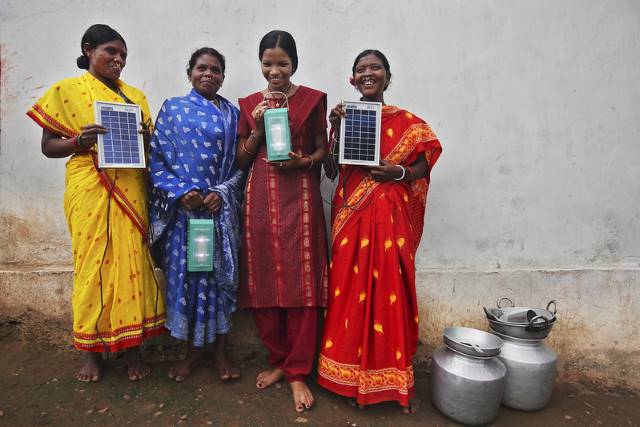 The development of sustainable energy has many benefits for citizens in India. In addition to economic growth, it also creates new job opportunities which can lower poverty rates. In 2017, 10.3 million renewable energy jobs were available globally. Renewable energy in India has the potential to significantly boost the country’s economic standing and lift many out of poverty.
Renewable Energy in India
With the implementation of 160 gigawatts (GW) of solar and wind energy, India projects to create more than 330,000 new jobs by 2022. In 2017, the solar and wind energy sectors of renewable energy have already employed 151,000 people. People living in poverty in rural areas will benefit from job creation and increased energy will provide children with more time to work on their education after dark, increased productivity for families and increased health benefits.
Types of Renewable Energy in India
- Solar Energy: The Jawaharlal Nehru National Solar Mission (NSM) was created by the Government of India’s Ministry of New and Renewable Energy to develop 100 gigawatts of solar power from grid-connected and off-grid solar energy by 2022. NSM’s implementation of photovoltaic (PV) cells has created more jobs per unit of energy than any other energy source, making it an important factor in lowering unemployment rates in India. Solar energy is most commonly sourced from PV cells that can be installed on rooftops of houses or commercial buildings and absorb sunlight throughout the day.
- Wind Energy: One of the largest sectors of renewable energy in India is wind energy. India is the fifth-largest wind energy producer and has the potential to grow even larger with a target of 60 gigawatts by 2022. Further expansion in the wind energy industry can be a major source of jobs for both unskilled and skilled workers in India. Wind energy is created in India through the development of wind farms, created through the installation of wind energy generators in rural areas that have ample amount of land. The installation of wind farms in rural areas creates job opportunities for rural citizens living in poverty.
- Biomass Energy: Biomass has the potential to become a large source of renewable energy in India. Biomass is sourced from municipal waste, solid material and liquid material. India is rich in biomass resources. One of the most successful sources of biomass comes from sugar cane in agriculture and manure from livestock. Farms stand to benefit largely from the implementation of biomass energy development, in turn, benefiting rural people living in poverty.
Continued Development
Though large strides have been made in renewable energy in India, further development could bring significant benefits. India plans to quintuple current wind and solar energy capacity and could potentially become the world’s third-largest economy by 2030.
Renewable energy has improved the lives of many citizens living in India, however, more than 600 million people still use firewood for cooking and many have unreliable energy sources. Expanding renewable energy across India will further improve the quality of lives of citizens and bring many out of poverty through the creation of jobs in renewable energy sectors and increased opportunities for education and training in the sector.
– Simone Riggins
Photo: Flickr
