Renewable Energy in Somalia
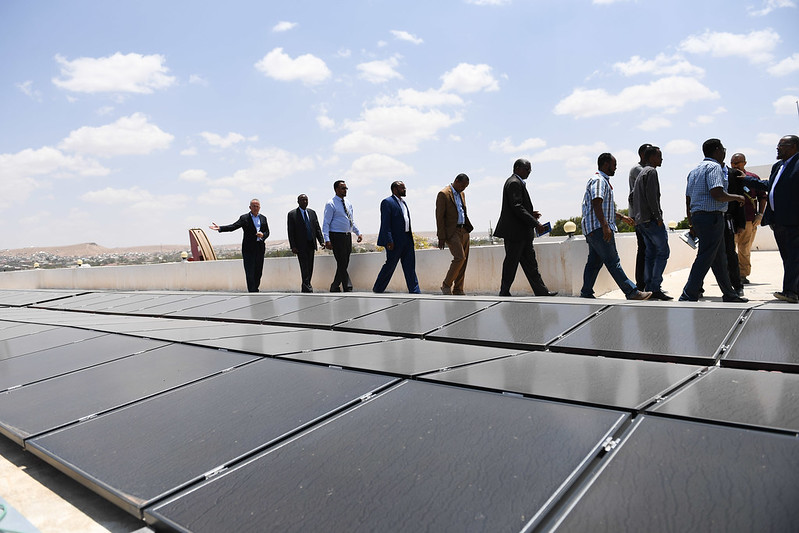 The World Bank shows that just under 50% of the population in Somalia has access to electricity, as of 2022. The provision of electricity services to the Somali population has no doubt improved since the turn of the century, with estimates showing that just 2.1% of people had access to electricity in 2000. Yet, a large imbalance between access to electricity in urban (76.7%) and rural (30.6%) areas still remains. Continuing the development of renewable energy in Somalia through initiatives like the Somalia Electricity Sector Recovery Project (SESRP) could widen access to electricity for basic needs and services for those in rural areas and bring power to crucial public-sector facilities such as schools and hospitals.
Background
Political violence and the collapse of the Somali government led to the destruction of crucial energy infrastructure in Somalia in the 1990s. As a result, Somalia has no national power grid and relies mostly on privately owned energy sources. Diesel generators are the main source of electricity in Somalia, however, these are often outdated and inefficient.
Currently, renewable energy sources only make up 12.2% of Somalia’s total energy production. Despite this, Somalia has high renewable energy potential. The International Trade Administration (ITA) suggest Somalia could generate up to 45,000 MW through onshore wind power alone.
A Clean Energy Future
The Government of Somalia aims to improve access to electricity in the country by implementing the SESRP, for which the World Bank has provided funding. This project aims to unlock the high potential of renewable energy in Somalia, utilizing hybridization technologies and creating off-grid solar farms to power public institutions. The government suggests that this project will provide electricity to 1.1 million households, 205 health facilities and 380 schools.
Through the project, the government has begun to install solar photovoltaic systems within educational facilities, marking a clear step toward the country’s clean energy transition. The installation of these systems will provide a more reliable power supply in schools, meeting the educational needs of children as well as creating numerous jobs.
Key Challenges
Solar energy systems have significant potential as a source of electricity and power in Somalia. The country’s geographical location, climate and high solar radiation levels make the introduction of photovoltaic panels a highly suitable alternative to fossil fuels, according to the Energy Strategy Reviews.
That said, the development of renewable energy in Somalia also faces numerous challenges. A lack of trained specialists, continued instability, and inadequate energy infrastructure are creating reluctance within the private sector to invest in Somalia’s renewable energy projects, Energy Strategy Reviews reports. Significant investment is necessary in skills training and in developing existing infrastructure to attract the necessary investment to utilize Somalia’s renewable energy potential fully.
Energy Strategy Reviews show that heat and high amounts of dust in the region also hinder the efficiency of solar photovoltaic systems. To mitigate the impact of dust and heat, these systems need to be regularly cleaned and covered.
Encouraging Future Investment
Ensuring that renewable energy projects in Somalia are fully implemented is crucial. Not only could this benefit rural communities, but expanding electricity access to public institutions through solar PV systems could help improve health and educational facilities in the country. Encouraging further investment in skills training and energy infrastructure could also stimulate private sector interest in Somalia for its enormous renewable energy potential, boosting economic growth in the country and lifting more people out of poverty.
– Joshua Marriott
Joshua is based in Cardiff, Wales and focuses on Technology and Politics for The Borgen Project.
Photo: Flickr
