• Link to X
  • Link to Facebook
  • Link to Instagram
  • Link to TikTok
  • Link to Youtube
  • About
    • About Us
      • President
      • Board of Directors
      • Board of Advisors
      • Financials
      • Our Methodology
      • Success Tracker
      • Contact
  • Act Now
    • 30 Ways to Help
      • Email Congress
      • Call Congress
      • Volunteer
      • Courses & Certificates
      • Be a Donor
    • Internships
      • In-Office Internships
      • Remote Internships
    • Legislation
      • Politics 101
  • The Blog
  • The Podcast
  • Magazine
  • Donate
  • Click to open the search input field Click to open the search input field Search
  • Menu Menu

Archive for category: Economy

Information and stories about economy.

Economy, Global Poverty

Behind the Beautiful Forevers: Books Redefining Poverty

Behind the Beautiful ForeversIn the current age characterized by rapid globalization and unprecedented wealth, extreme poverty remains one of humanity’s most pressing moral and economic challenges. Though statistics and policy papers offer one lens into the issue, books have an all-consuming power that can transcend the bounds of the cold measures of bureaucracy.

Alongside influencing readers and raising awareness, these books have also prompted policy executives to cite these works in designing aid strategies; NGOs have adopted their approaches; and readers have been moved to volunteer, donate and advocate.

Three landmark works in the world of literature, among the millions of others that this article is going to discuss, have played an enormous role in transforming how the world thinks about poverty, catalyzing public awareness and lacing it with public policy influence.

The End of Poverty

When economist Jeffrey D. Sachs published “The End of Poverty,” it was written with the primary purpose and goal of being a rally cry as well as a detailed blueprint for eradicating extreme poverty by 2025. Drawing on his experience advising governments and the United Nations (U.N.), Sachs argued that targeted investments in health, education and infrastructure could break the “poverty trap” for the world’s most impoverished nations.

The book popularized the Millennium Development Goals to audiences beyond policy circles, bringing them into mainstream discourse. By weaving the threads of real-life case studies from sub-Saharan Africa, South Asia and Latin America with the needle of economic theory, Sachs portrayed the fight against poverty.

This fight has plagued our world since time immemorial, with a raging urgency. He also portrayed it as a fight that is plausible and winnable. Its influence extended to advocacy campaigns like the ONE Campaign. It encouraged donor nations to re-examine their foreign aid commitments.

Poor Economics

Whereas on one hand, Sachs envisioned large-scale macroeconomic interventions, on the other, “Poor Economics” brought the conversation down to the micro level, to the average person’s household. Drawing on more than 15 years of field experiments in developing countries, Abhijit Banerjee and Esther Duflo, a duo who would go on to win the Nobel Prize in 2019, challenged conventional wisdom about people with low incomes.

They poignantly display that people living in poverty make rational choices within the constraints they face and that well-intentioned policies can fail if they ignore behavioral realities and societal factors. Their research pushed governments and NGOs to incorporate approaches rooted in evidence, such as small-scale randomized controlled trials, into program design. In doing so, the book shifted development economics toward a more empirical, human-centered methodology, one that prizes adaptation over a ubiquitous solution.

Behind the Beautiful Forevers

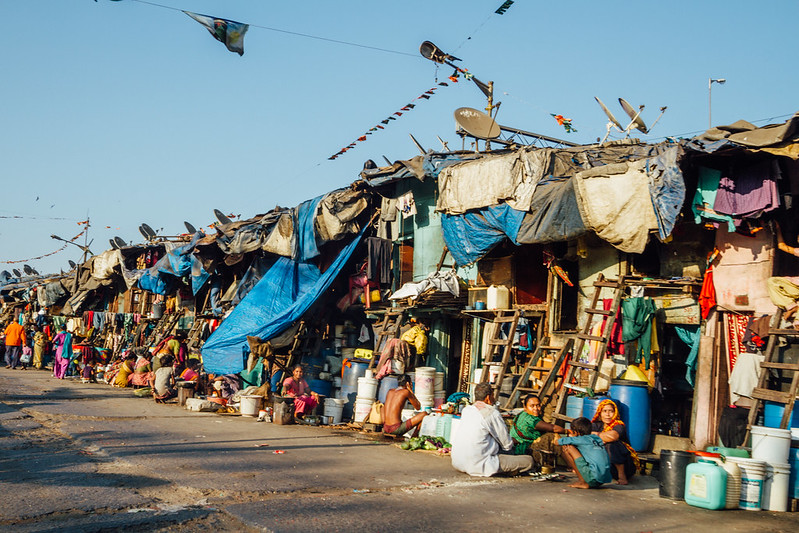
While Sachs and Banerjee and Duflo wrote from the perspective of economists, Pulitzer Prize-winning journalist Katherine Boo brought the indescribable power of narrative nonfiction to the issue. “Behind the Beautiful Forevers” follows the lives of residents in Annawadi, a makeshift settlement near Mumbai’s airport. Over three years, Boo documented the daily struggles and moral dilemmas of families navigating corruption, caste prejudice and economic precarity.

The book stripped away the ubiquitous and abstract notions of “the poor.” It replaced them with deeply personal stories of people, stories of ambition, betrayal, resilience, injustice and most of all, humanity.  The success of “Behind the Beautiful Forevers”, including a National Book Award, brought slum realities into the consciousness of readers who might never, without it, have considered the human cost of urban inequality. The work spurred into motion discussions in classrooms, book clubs and policy panels about the lived experience of poverty and the invisible barriers to upward mobility.

Conclusion

Individually, “Behind the Beautiful Forevers”, “Poor Economics” and “The End of Poverty” speak in different realms of writing: macro solutions, micro interventions and human narratives. Together, they form a powerful triad that has altered the global poverty discourse.

The books remind us that awareness is the first step toward change and that stories, whether told in any manner, can transform not just how we think, but how we act in the grand scheme of the world.

– Ruhani Rahul

Ruhani is based in Leander, TX, USA and focuses on Good News for The Borgen Project.

Photo: Pxhere

September 5, 2025
https://borgenproject.org/wp-content/uploads/borgen-project-logo.svg 0 0 Lynsey 2 https://borgenproject.org/wp-content/uploads/borgen-project-logo.svg Lynsey 22025-09-05 03:00:102025-09-04 11:20:19Behind the Beautiful Forevers: Books Redefining Poverty
Economy, Global Poverty, Innovations

Solutions to Rapid Urbanization in Wetlands

Rapid Urbanization in WetlandsRapid urbanization in wetlands is an increasing problem for multiple cities throughout sub-Saharan Africa and is often driven by population growth, economic development, infrastructure development and migration. Rapid urbanization in wetlands affects biodiversity loss, flooding and altered hydrology, water quality degradation and loss of livelihood. Some patterns identified with rapid urbanization affecting wetlands are informal settlements, fragmented urbanization and densification.

Lagos, Nigeria and Kinshasa in the Democratic Republic of Congo (DRC) experience some of these issues. However, they’ve developed sustainable solutions that help control and maintain livelihoods and infrastructures.

Lagos

Lagos, Nigeria, is a wetland area heavily affected by rapid urbanization. Housing and informal settlements, transportation infrastructures, solid waste management, environmental pollution and unemployment are all problems throughout the city.

Nigeria’s Federal Ministry of Housing and Urban Development has previously stated that it is committed to constructing more than 10,000 housing units nationwide, including Lagos, with the Renewed Hope Cities and Estates Program. This opportunity also created 252,800 jobs for Nigerians, contributing to the country’s economic landscape. The workers also received wages significantly above the national minimum wage.

Waste-to-energy plants offer sustainable solutions to water disposal and energy generation, many of which can be seen in Lagos. Harvest Waste Consortium has formalized a partnership with Lagos to construct a waste-to-energy plant using advanced technology to create clean energy from the state’s solid, commercial and industrial waste. Around 40,000 homes will be taken off the national electricity grid due to clean energy.

Kinshasa

Kinshasa, Democratic Republic of the Congo, is another wetland area that is impacted by rapid urbanization. Increased risk of flooding continues throughout the city due to population growth and improper drainage systems. Informal settlements also affect the quality of life in Kinshasa, making strategic urban planning essential to manage the city’s growth and transformation.

A Participatory Slum Upgrading Program works in Kinshasa to improve slum conditions while preventing the possibility of creating new slums. The program aims to ensure access to safe, adequate, affordable housing and basic services to upgrade the slums.

As rapid urbanization in wetlands continues, Kinshasa has developed nature-based solutions. These solutions help to build urban climate resilience, lower carbon emissions and provide socioeconomic benefits. Proper drainage systems that can handle channel runoff from heavy rains were developed and restoring soil fertility, creating jobs and providing food for locals are also possible because of these solutions.

Conclusion

Rapid urbanization in wetlands presents serious challenges for cities like Lagos and Kinshasa. Yet, both cities demonstrate that these impacts can be managed with strategic planning and sustainable solutions, such as housing initiatives, waste-to-energy projects and nature-based approaches.

Addressing rapid wetland urbanization requires long-term investment, innovative policies and community participation to balance urban growth with environmental protection and improved quality of life.

– Eva Wakelin

Eva is based in Atlanta, Georgia, USA and focuses on Good News and Technology for The Borgen Project.

Photo: Unsplash

September 5, 2025
https://borgenproject.org/wp-content/uploads/borgen-project-logo.svg 0 0 Lynsey 2 https://borgenproject.org/wp-content/uploads/borgen-project-logo.svg Lynsey 22025-09-05 01:30:182025-09-04 11:34:30Solutions to Rapid Urbanization in Wetlands
Economy, Global Poverty, Government

Beyond the Blueprint: The Uzbekistan 2030 Strategy

The Uzbekistan 2030Over the past decade, Uzbekistan has demonstrated a strong commitment to reducing poverty rates and improving living standards for its citizens. Through strategic initiatives and reforms, the Uzbek government’s ambitious goal of becoming an upper-middle-income country by 2030 is becoming increasingly likely, according to the World Bank.

Between 2022 and 2024, Uzbekistan reduced its poverty rate from 17% to 8.9%, based on the upper-middle income poverty line of $6.85 per day per person, according to the World Bank and Human Progress. These improvements bring Uzbekistan within one percentage point of the 8% average poverty rate among upper-middle-income countries in Europe and Asia as of 2022. Although the Uzbek government has facilitated consistent economic growth, poverty reduction and overall improvements in personal wellbeing, it remains committed to furthering this progress. One way it has demonstrated this commitment is through the implementation of the Uzbekistan 2030 strategy in 2023. 

The Uzbekistan 2030 strategy includes comprehensive reforms and goals aimed at strengthening education and health care systems, increasing economic opportunity and enhancing existing social services, while continuing to reduce poverty rates. Together, these measures aim to create an environment where all Uzbeks can reach their individual potential, according to The Asia Today.

Improving Higher Education

As part of the groundwork for the Uzbekistan 2030 strategy, the government has placed an emphasis on improving the country’s higher education system. In 2023, more than $5 billion was invested to improve higher education services and expand access across the nation. At the collegiate level, these investments have led to an increase in specialized course offerings, creating more opportunities for Uzbek citizens in fields such as artificial intelligence and data science, while also boosting scholarship opportunities—particularly for women, according to Euronews.

Uzbekistan is well-positioned to reach its goal of a 50% higher education enrollment rate by 2030, with the current rate sitting above 40% and continuing to increase. These efforts highlight the country’s commitment to long-term educational development and desire to be a well-educated nation, according to Euronews.

Strengthening Social Protection Systems

Under the Uzbekistan 2030 strategy, the Uzbek government has committed to bettering its social assistance programs. A key tool in this effort has been the Social Protection Single Registry (SPSR), which has helped improve the accuracy and transparency of the circulation of social services and assistance among those in need. Because of the implementation of the SPSR, the number of families receiving social assistance jumped from 595,000 in 2019 to 2.2 million in 2022. 

The Uzbek government plans to continue increasing the capacity of its social services and protection systems, with a focus on supporting vulnerable populations. As part of the Uzbekistan 2030 strategy, the aim is to ensure eventually meeting the needs of all citizens through an inclusive and holistic social protection design. Key initiatives include subsidized childcare, enhanced disaster relief, improved access to inclusive education and increased investment in community engagement. The strategy also offers support services for women who are survivors of violence.

Prioritizing Economic Advancement and Innovation

Another key pillar of the Uzbekistan 2030 strategy is to increase the country’s Gross Domestic Product (GDP) to $160 billion and raise per capita income to $4,000 by 2030. To foster this economic growth, the government has focused on diversifying employment opportunities by prioritizing innovation and entrepreneurship. Along with creating an economic environment that empowers start-ups, innovations and business acceleration, the Uzbekistan 2030 strategy emphasizes empowering women-led and youth-owned business pursuits. To achieve this, the Uzbekistan government has been working alongside the United Nations (U.N.) to offer financing, mentorship and capacity building programs, helping to support young and female entrepreneurs.

Looking Ahead

The comprehensive Uzbekistan 2030 strategy has been paramount in sustaining the country’s economic and social development. Although some of the strategy’s goals seemed ambitious at the time of its incorporation in 2023, Uzbekistan is on track to achieve most of them. As governments in other low- and middle-income countries strive for national development, the Uzbekistan 2030 strategy serves as a tested blueprint, illustrating how strategically implemented reforms and initiatives can significantly improve citizens’ quality of life. 

– Jordan Venell

Jordan is based in Edina, MN, USA and focuses on Business and Good News for The Borgen Project.

Photo: Flickr

September 4, 2025
https://borgenproject.org/wp-content/uploads/borgen-project-logo.svg 0 0 Precious Sheidu https://borgenproject.org/wp-content/uploads/borgen-project-logo.svg Precious Sheidu2025-09-04 03:00:292025-09-04 02:55:24Beyond the Blueprint: The Uzbekistan 2030 Strategy
Economy, Global Poverty, Tourism

How Tourism Alleviates Poverty in Croatia

Poverty in CroatiaFrom Split, to Hvar to Dubrovnik, whether it be for the beaches or the nightclubs, tourists are flocking to the small European nation on the Adriatic Sea in record numbers. In 2024, the Croatian National Tourist Board recorded nearly 21.3 million visitors, which was 4% more than the previous year. The rise in tourism also boosted transportation industries, with more than 4 million air passengers and about 76.5 million rented cars.

According to the Croatian National Bank, tourism generated about €13.19 billion in revenue in just the first nine months of 2024. Croatia’s Minister of Tourism Tonči Glavina said, “Particularly gratifying is the notable growth during the pre-season and post-season, confirming Croatia as a year-round destination.”

Tourism’s Role in the Economy

This increase in tourism in Croatia has made the industry an increasingly significant part of the Croatian economy. Overall, tourism represents about 26% of Croatia’s GDP, which is more than any other country in the European Union (EU). This coincides with a high number of jobs that tourism generates. Croatia’s Central Bureau of Statistics (CBS) estimated the industry, when it’s analyzed as a whole, has created around 150,000 jobs.

In 2024, the accommodation and food preparation and serving industry created about 115,000 jobs. The jobs created by tourism are important in Croatia, as poverty is a major issue in the country. In 2023, the CBS nearly 21% of the population is at risk of poverty. Additionally, women in Croatia face a poverty risk rate 10% higher than men.

Benefits for Small Businesses and Infrastructure

Small businesses in Croatia have also benefited from visitors. According to research, small businesses, whether they be sport, food preparation or boating-related, make up about 90% of Croatia’s tourism industry. As tourism in Croatia continues to grow in the country, small businesses prove to be both resource-efficient and innovative. Furthermore, research has found that there is a correlation between small businesses and the reduction of seasonal success in the tourism industry; this is significant since one of the biggest challenges with tourism anywhere is the fact that it can attract many visitors at one time of the year and few at other times.

Additionally, tourism in Croatia has led to new infrastructure in order to accommodate the increased number of guests. These include investments in renewable energy, such as wind and solar and in transportation, such as airports and roads. For example, under the National Recovery and Resilience Plan, around €106 million was awarded in grants to multiple cities. The aim of the grants is to improve health and wellness facilities and clean energy. Since 2020, Croatia has invested around €200 million in improvements to marinas, airports and roads. In 2021, the Pelješac Bridge connected the city of Komarna with Brijesta after years of construction and €526 billion in investment, facilitating travel for both citizens and tourists.

Looking Ahead

Tourism in Croatia is fueling job creation, empowering small businesses and prompting infrastructure improvements that benefit citizens and visitors alike. As the industry continues to expand, tourism offers Croatia a pathway to reduce poverty, strengthen its economy and build long-term resilience, ensuring that growth is shared across communities.

– Seth Pintar

Seth is based in La Jolla, CA, USA and focuses on Business and Politics for The Borgen Project.

Photo: Flickr

September 3, 2025
https://borgenproject.org/wp-content/uploads/borgen-project-logo.svg 0 0 Precious Sheidu https://borgenproject.org/wp-content/uploads/borgen-project-logo.svg Precious Sheidu2025-09-03 03:00:482025-09-02 14:10:55How Tourism Alleviates Poverty in Croatia
Development, Economy, Global Poverty

How Debt Restructuring in Ghana Creates Room for Development

Debt Restructuring in GhanaGhana has dealt with a debt crisis since the early 2000s, originating from a long history of colonialism. Although it was one of the first African countries to gain independence in 1957, Ghana continues to depend on the export of raw materials such as gold, oil and cocoa. When global commodity prices declined in the ’80s and ’90s, countries in the Global South relied on the International Monetary Fund (IMF) and the World Bank’s advice to expand production to pay debts. As a result, the price of commodities remained low for 20 years.

The HIPC Initiative and Debt Relief Successes

In 2002, the Ghanaian government granted the central bank autonomy to use monetary policy as a tool to promote economic growth and deal with inflation. Falling from 30% to 10% by 2007, fiscal policy enacted under the joint IMF-World Bank debt relief program, the Heavily Indebted Poor Countries Initiative (HIPC), was key in taming the country’s economic problems.

After part of the country’s debt was cancelled during the program’s implementation, Ghana’s external debt fell by $4.3 billion between 2006 and 2003, from $6.6 billion to $2.3 billion. Debt relief proved to be a successful means of fighting poverty and increasing the potential for development. Improvements in health care and education followed, with money being invested in social services for Ghanaian citizens.

One of the most important features of the government’s budgetary operations under the HIPC Initiative was its positive impact on poverty reduction. The Ghana poverty reduction strategy document emphasized integrated rural development, economic growth, expanded employment opportunities and improved access to public services. To achieve these goals, the government would have to implement sound monetary and fiscal policies made possible through debt relief.

New Debt Restructuring Framework in Ghana

However, the country’s continued reliance on the export of commodities has led it into another debt crisis. When the price of raw materials rose in the 2010s, more countries became willing to lend to Ghana. However, after another fall in the cost of commodities in 2013, the African country became unable to repay loans and started accumulating debt. Debt now places a new, significant burden on Ghana’s economy and society, which could lead to stagnation and higher poverty rates.

Recently, Ghana’s parliament approved a $2.8 billion debt restructuring framework for 25 creditor countries. Although the deal is not yet final, debt relief would again allow the country to invest in social services instead of using its revenues to pay off lender countries. In the 2000s, debt restructuring was critical in restoring macroeconomic stability; by rescheduling debt payments due between 2022 and 2026 to 2039 – 2043, there is hope that the country can break its cycle of debt.

The newly created Agenda for Jobs II (2022–2025) aims to develop further Ghanaian life’s economic, social and environmental dimensions. It focuses on expanding education and health care initiatives. The agenda also seeks to broaden the coverage of the Livelihood Empowerment Against Poverty (LEAP) Program.

Conclusion

In collaboration with international partners, new debt restructuring efforts in Ghana have opened a new chapter in the country’s economic development. The potential ratification of these new agreements will free up significant public funds that can be invested in public sectors such as health care, education and infrastructure, contributing to the country’s fight against poverty. Debt restructuring allows for future economic growth, catalyzing social progress.

– Rafaela Paquet

Rafaela is based in Montreal, Canada and focuses on Politics for The Borgen Project.

Photo: Wikimedia Commons
September 2, 2025
https://borgenproject.org/wp-content/uploads/borgen-project-logo.svg 0 0 Lynsey 2 https://borgenproject.org/wp-content/uploads/borgen-project-logo.svg Lynsey 22025-09-02 03:00:452025-09-01 13:28:35How Debt Restructuring in Ghana Creates Room for Development
Economy, Gender Wage Inequality, Global Poverty

Poverty Reduction in Serbia: Supporting Marginalized Groups

Poverty Reduction in SerbiaNestled in the heart of the Balkans in Southeastern Europe, Serbia was formerly part of the Yugoslav Republic. After a period of economic uncertainty and fluctuating living standards in the late 1990s and early 2000s, Serbia is making strides in improving the quality of life of its citizens.

Despite a growing economy, shrinking unemployment and existing social initiatives, women and marginalized groups such as Roma are still more likely to experience poverty and face significant challenges to receiving social assistance and entering the labor force. To continue working towards economic growth and poverty reduction in Serbia, it must focus on uplifting these groups.

Economic Growth

In its attempts to expand the job market and fight unemployment, Serbia grew its economy 3.9% in 2024, bolstering its construction industry and services sector as the country takes on foreign projects, according to World Bank statistics. Growth is projected to continue throughout 2025, with expansion in the energy sector projected as well.

Thanks to this, the incidence of poverty fell to 7.7%, however, that number largely includes women and other vulnerable groups, and does not take into account the borderline at-risk-of-poverty rate, which was 19.7% for 2024, according to Serbia’s own survey statistics. These numbers highlight the need for more targeted social assistance to continue making economic gains and raising people out of poverty.

About the Gender Wage Gap in Serbia

In 2023, the employment disparity between men and women in Serbia was 13.3%, with even larger disparities for the Roma people as a whole, but especially Roma women, whose education and employment numbers lag far behind other demographics. These numbers represent untapped potential that could benefit industry enhancement, growth and poverty reduction in Serbia.

These groups are facing cultural barriers more than economic ones. Long-standing prejudices and traditionalist value systems are holding them back from accessing the Serbian labor market. When polled directly, 40% of women, both Roma and non-Roma, articulated their willingness to join the workforce and participate in training initiatives to improve their skills and gain experience.

Social Protection

For its impoverished population, Serbia’s social protection systems include social insurance, social assistance and social services. These cover entitlements like pension and disability insurance, health insurance and low-income household assistance. Of these systems, only two programs are specifically targeted towards its impoverished populations: A financial social assistance program and a child allowance program.

These programs do not adequately support the most at-risk and marginalized groups, however. Limited budgets and a lack of policy focus mean these entitlements do little in the way of poverty reduction in Serbia. A single mother with two children receives about 18,000 dinars (€153) a month, three times less than the cost of basic monthly necessities.

As of 2022, Serbia spends 19.5% of its GDP on social protection programs. While this is a relatively high number in line with the spending of new EU member nations, 71% of social protection spending is absorbed by social insurance (pensions, disability, healthcare), leaving little left over for targeted social assistance. In reality, Serbia spends only 5% of social protection expenditures on poverty-targeted programs, significantly less than EU countries.

Solutions

Recognizing the necessity for uplifting marginalized groups in the fight for poverty reduction in Serbia, the World Bank, in conjunction with the Serbian Institute of Ethnography and the Entrepreneurship Training Institute, launched a series of personal initiative training programs specifically aimed at supporting Roma women. These programs, begun in 2024, focus on resume/CV-writing, job interview roleplays and starting a business, with the overall aim of creating a more socially and economically equal society.

The programs are already yielding results. To date, nine participants in the PI trainings have become certified trainers themselves, mentoring more than 100 women in their local communities. Others have come through the program and used their knowledge to start their own businesses, like one woman who was able to open her own hair salon in Novi Sad.

The resultant economic independence these programs are facilitating will assist in overcoming the cultural biases that keep an untapped reserve of the population from contributing to the betterment of the country. The success of the PI trainings provides a roadmap to poverty reduction in Serbia targeting its most vulnerable and marginalized groups, and with that a more inclusive labor market and continued economic growth.

– Nikola Stojkovic

Nikola is based in Villa Park, IL, USA and focuses on Global Health for The Borgen Project.

Photo: Flickr

September 1, 2025
https://borgenproject.org/wp-content/uploads/borgen-project-logo.svg 0 0 Jennifer Philipp https://borgenproject.org/wp-content/uploads/borgen-project-logo.svg Jennifer Philipp2025-09-01 07:30:562025-08-31 14:20:55Poverty Reduction in Serbia: Supporting Marginalized Groups
Economy, Global Poverty, Innovations

Transforming Waste Into Opportunity: Recycling Startups in Africa

Recycling Startups in AfricaRecycling startups transforming waste into opportunity are not just a concept; it is a growing movement across Africa tackling plastic pollution while creating jobs and fostering economic resilience. Since 2019, innovative and locally led enterprises have proved that waste can become valuable resources. These startups transform discarded plastic into sustainable products, reducing environmental damage and creating livelihoods for underprivileged communities.

The United Nations Development Project (UNDP) reports that if circular economic models scale up, global employment could increase by 0.1% by 2030, potentially generating millions of new jobs worldwide. This work demonstrates that the fight against plastic pollution can go hand-in-hand with poverty reduction and community development.

EcoPost in Kenya

The circular economy comes to life through EcoPost in Kenya, where the company converts plastic waste into durable lumber. EcoPost replaces plastic waste with recycled fencing posts and paving blocks. Since 2019, EcoPost has recycled more than 13 million kilograms of plastic, creating 102 direct jobs and more than 10,000 indirect income opportunities for local waste collectors and suppliers.

These jobs targeted marginalized groups, especially women and youth, who face high unemployment. Using plastic waste as a resource, EcoPost has protected 4,300 acres of forest, supporting rural livelihoods that depend on forest ecosystems for food, water and climate stability. Thus, replacing timber has reduced deforestation while giving locals a stable income. Job creation reduces poverty as families are guaranteed stable incomes, while forest protection sustains rural livelihoods dependent on natural resources.

Gjenge Makers: Innovation Turning Waste Into Building Materials

Another stellar example of circular economy in action is Gjenge Makers, led by Kenyan engineer Nzambi Matee. Gjenge Makers turns plastic waste into strong, affordable paving blocks. This lowers infrastructure costs for small businesses and community projects. Since 2019, it has recycled 20 tonnes of plastic and produced blocks cheaper than regular bricks.

Cheaper, high-quality building materials help underserved communities afford improvements that attract investment, generate commerce and create ripple effects in local economies. Moreover, Gjenge Makers employs more than 110 people, mostly women and youth from marginalized backgrounds. This, in turn, strengthens local economies through jobs and economic resilience.

Innovative Recycling in Nigeria: Salubata

In Nigeria, Salubata, founded in 2018, repurposes plastic waste into customizable, modular shoes. This illustrates how the circular economy can spark social and environmental transformation. By transforming plastic pollution into stylish footwear, Salubata extends the concept of sustainable products from plastic beyond utility into everyday fashion. The brand also directs some of its profits to uplift vulnerable groups, combining entrepreneurial innovation with poverty reduction.

Since its founding, Salubata has developed unique, patented shoe designs from recycled plastic. The company donates 5% of profits from every sale to programs that feed children and empower women in underprivileged communities. Additionally, Salubata collaborates with about 50 waste collectors, many women, to source recycled plastic. By turning pollution into profit, Salubata creates job opportunities for women and youth, channels resources back to the community and fights poverty with style and purpose.

Conclusion

The circular economy demonstrates that environmental solutions and economic development can work together effectively. Recycling startups in Africa like EcoPost and Salubata show this by converting waste materials into valuable products while creating jobs for disadvantaged communities. These examples prove that addressing environmental problems and reducing poverty do not have to be separate efforts, but can be achieved simultaneously through well-designed initiatives.

We can accelerate progress toward environmental sustainability and economic opportunity by supporting and expanding these community-based enterprises. We can create a future where environmental responsibility and shared economic prosperity support each other.

– Anagha Rajithkumar

Anagha is based in Charlottetown, Prince Edward Island, Canada and focuses on Business and Technology for The Borgen Project.

Photo: Pexels

August 30, 2025
https://borgenproject.org/wp-content/uploads/borgen-project-logo.svg 0 0 Lynsey 2 https://borgenproject.org/wp-content/uploads/borgen-project-logo.svg Lynsey 22025-08-30 03:00:312025-08-29 13:51:11Transforming Waste Into Opportunity: Recycling Startups in Africa
Development, Economy, Global Poverty

Reducing Poverty in Grenada: Social and Economic Reforms

Poverty in GrenadaNestled in the West Indies of the eastern Caribbean Sea, the small island of Grenada is home to approximately 117,300 people. Affectionately known as “Spice Island” for its nutmeg, cinnamon and mace export, Grenada is a popular tourist destination in the Caribbean. However, it is not widely recognized that Grenada has a staggering poverty rate of 25%, which has shown little reduction over the last 15 years. According to the World Bank, despite some progress, poverty levels have remained relatively unchanged since the early 2000s, with the most recent development indicators estimating that one in four Grenadians continues to live below the national poverty line.

Grenada’s Economy and the Face of Poverty

Grenada spans just 132.8 square miles, making it smaller than the United States’ tiniest state, Rhode Island. Its economy is primarily driven by the services sector, especially tourism, which accounts for most of its GDP and employment. Agriculture still plays a role, especially in rural areas, where spices, cocoa and bananas are key exports.

Yet, high unemployment and underemployment continue to drive poverty. Unemployment remains at 11.1% as of 2023, with informal work, seasonal jobs and low-wage employment common across the island. Many Grenadians engage in informal sectors such as tourism services, market vending, salons, agricultural labor and small-scale entrepreneurship. Agriculture employs 13.8% of the labor force, contributing only 2.75% of GDP.

Infrastructure, Social Protection and UN-Led Development

Grenada has partnered with international institutions on several large-scale development projects to address systemic poverty. Infrastructure development is a key pillar in the island’s poverty reduction strategy. In 2015, the World Bank approved a $15 million Development Policy Credit and Loan. It aimed to improve disaster resilience, upgrade public sector management and boost the economy through improved agricultural and tourism networks.

Social protections have also been expanded. During the COVID-19 pandemic, Grenada implemented an emergency stimulus package with unemployment benefits, tax relief and support for small businesses. These efforts were backed by more than $28 million in financing from the International Monetary Fund (IMF) and Caribbean Development Bank.

Rural Development and the SEED Program

In rural communities, targeted interventions have shown promising outcomes. One major initiative is the Market Access and Rural Enterprise Development Program (MAREP), co-funded by the International Fund for Agricultural Development (IFAD), the Caribbean Development Bank and the Government of Grenada. With a total budget of $7.5 million, this project helped train and fund small-scale rural entrepreneurs, especially among youth and women.

The Support for Education, Empowerment and Development (SEED) Program is critical to Grenada’s social safety net. This program provides conditional cash transfers to low-income families, especially those with school-aged children. SEED supports vulnerable populations by ensuring continued access to education and basic needs while incentivizing school attendance and health checkups. According to The Borgen Project, SEED has been central in reducing short-term poverty and fostering long-term social development in Grenada.

The United Nations Country Implementation Plan (CIP) 2024–2025 also recognizes the SEED program as a pillar of Grenada’s social protection network. The CIP supports Grenada in enhancing climate resilience, economic stability and social inclusion, with 38% of plan funding directed toward economic resilience and 10% toward social and justice systems.

Conclusion

Grenada’s efforts to combat poverty reflect a multi-pronged approach—addressing infrastructure gaps, improving social safety nets and supporting rural livelihoods. International aid and government programs have made measurable impacts, from the World Bank’s investment in the nation to the SEED program’s day-to-day support for families. Yet, challenges remain. Persistent unemployment, informal labor and climate vulnerabilities still threaten progress on the Spice Island.

– Jamaya Newton

Jamaya is Philadelphia, PA, USA and focuses on Business and Good News for The Borgen Project.

Photo: Flickr

August 29, 2025
https://borgenproject.org/wp-content/uploads/borgen-project-logo.svg 0 0 Lynsey 2 https://borgenproject.org/wp-content/uploads/borgen-project-logo.svg Lynsey 22025-08-29 07:30:462025-08-29 05:23:31Reducing Poverty in Grenada: Social and Economic Reforms
Economy, Global Poverty, Politics, Refugees and Displaced Persons

Reasons For Venezuela’s Displacement Crisis

Venezuela’s Displacement CrisisSince 2014, Venezuela has faced a major displacement crisis. With limited access to basic rights, food, medicine and other essentials, many Venezuelans have turned to extreme survival strategies, the most common being to flee the country.

Around 8 million people have left Venezuela, making it the world’s second-largest displacement crisis. Of these, about 6.7 million migrants and refugees remain in Latin American and Caribbean countries, with Colombia hosting the largest share at 2.8 million. 

Economic Collapse

Venezuela’s displacement crisis is fundamentally rooted in a devastating economic collapse. Triggered by a perfect storm of plummeting oil prices, mismanaged state policies and weakening sanctions. With oil accounting for 95% of Venezuela’s export earnings, the 2014 collapse in global oil prices wiped out the country’s main revenue stream.

As inflation soared to hyperinflationary heights, with annual rates exceeding 344,510%, Venezuela lost access to essential services. Around 90% of the population cannot afford food, which has led to widespread breakdowns in health and nutrition.

Analysts have described Venezuela’s economy as “free fall,” with GDP shrinking by roughly one-third between 2013 and the mid-2010s. Adding to these pressures, U.S.-led sanctions, described by Tricontinental as “Unilateral Coercive Measures,” have deepened Venezuela’s economic collapse. Between 2017 and December 2024, they wiped out oil revenues equal to 213% of GDP, a staggering loss of more than $200 billion.

This economic failure has forced millions into poverty and desperation. Unable to meet basic needs at home, Venezuelans were compelled to flee in search of security and subsistence, which makes the country’s economic collapse one of the main drivers of its displacement crisis.

Political Instability

Political instability in Venezuela has become a powerful catalyst for Venezuela’s displacement crisis, propelled by authoritarian repression, democratic erosion and systematic violence. Since the July 2024 election, state forces and pro-government colectivos have carried out pervasive abuses and killings. They have enforced disappearances, arbitrary detentions and torture specifically targeting protesters, opposition members and innocent bystanders.

In 2025, Freedom House classified Venezuela as “not free,” citing the collapse of democratic structures and the elimination of dissent, while a recent U.N. Fact-Finding Mission confirmed ongoing crimes against humanity involving political persecution. This political violence has stripped Venezuelans of safety and legal recourse. When peaceful protest leads to detention or disappearance, families see exile as the only option.

The International Organization for Migration’s (IOM) 2025 crisis response cites political persecution alongside all the violence as core drivers of migration. Together, systematic repression and institutional collapse have made political instability a central force behind Venezuela’s displacement crisis.

Human Rights Violations

Human rights violations are another major force behind Venezuela’s displacement crisis, with thousands of people facing violence, mistreatment and fear for their safety. Reports from Amnesty International describe widespread arbitrary arrests, in which individuals are detained without explanation or access to legal support. Many detainees are held in overcrowded, unsanitary conditions, facing beatings, denial of medical care and psychological abuse.

The U.N. Fact-Finding Mission and other human rights groups have also documented enforced disappearances where individuals vanish, being taken away by security forces. This leaves families in a state of uncertainty for weeks or months. The U.K.’s June 2025 Statement to the U.N. Human Rights Council reports more than 900 individuals arbitrarily detained or forced to disappear. Legal safeguards have been gutted, with civil society stifled under “Anti-NGO” legislation.

Moreover, enforced disappearances have continued into mid-2025. Amnesty International reports at least 15 cases of forced disappearances, of which eight remain unsolved. Victims include children, Journalists and everyday citizens who have simply spoken out about shortages, poor services or safety concerns.

These abuses have caused deep emotional trauma, family disruption and a constant climate of fear. For many, the risk of being targeted is so high that leaving Venezuela becomes the only way to protect themselves and their loved ones.

What’s Being Done To Help?

A combination of international agencies, humanitarian organizations and regional governments is leading efforts to address Venezuela’s displacement crisis. Indeed, the U.N. Refugee Agency and IOM coordinate large-scale assistance through regional refugee and migrant response plans. These organizations deliver emergency shelter, food, health care and documentation support to Venezuelans across Latin America and the Caribbean.

Nongovernmental organizations like World Vision and Amnesty International are working to protect vulnerable groups, provide psychological support and ensure displaced children can continue their education. Additionally, the Quito Process, a regional initiative involving more than a dozen countries, is helping harmonize policies on temporary protection status, enabling migrants to work legally and access public services.

With sustained global attention, coordinated aid and fair treatment for those displaced, there is hope to ease the suffering and help millions rebuild their lives beyond the borders of Venezuela.

– Charlie Wood

Charlie is based in West Yorkshire, UK and focuses on Global Health for The Borgen Project.

Photo: Pixabay

August 29, 2025
https://borgenproject.org/wp-content/uploads/borgen-project-logo.svg 0 0 Lynsey 2 https://borgenproject.org/wp-content/uploads/borgen-project-logo.svg Lynsey 22025-08-29 07:30:352025-08-29 05:31:33Reasons For Venezuela’s Displacement Crisis
Economy, elderly poverty, Global Poverty

Colombia’s Pension Reform is Fighting Poverty

Colombia’s Pension ReformDuring a person’s working years, a portion of their income is set aside and invested in a fund that grows over time. This money can only be accessed after retirement, providing a stable income when they are no longer working. Pensions are essential for helping elderly people avoid poverty after they retire.

Elderly Poverty in Colombia

The South American country of Colombia has a population of approximately 50 million people, of which more than 7 million (14%) are above the age of 60. According to a study conducted by the Institute of Aging at Colombia’s Javeriana University, 28.4% of this population (or 1.8 million) are living below the poverty line. The study also found that more than one million people in this age demographic are “victims of Colombia’s armed conflict,” which has been going on for decades

Inflation during and after the COVID-19 pandemic has significantly impacted many countries, including Colombia. Since 2021, the inflation rate has grown exponentially, peaking at 13.34% in March 2023. While the current rate is much lower, the effects of inflation are still widely present. These effects are especially difficult for elderly people, who often rely on fixed incomes and have limited opportunities to increase their earnings.

In 2023, Colombia’s pension plan only covered 25.5% of the elderly population, according to Bloomberg Linea. This situation leads many older Colombians to extend their working lives, often taking on informal and poorly paid jobs. This is an issue that is more noticeable in rural areas

This is an issue that will continue to become more palpable over time. In 2015, only 10.8% of Colombia’s population was over 60. By 2050, that number will increase to 27.5%

Passage of the Law

While Colombia’s pension reform was a significant issue for years, it became the forefront of Colombian politics in 2022 with the electoral success of Gustavo Petro to the presidency. During the campaign, he promised many social reforms, including pension reform.

His promise came to fruition when the Colombian Congress passed the pension reform bill in June 2024, which came into effect in July 2025. Specifically, this new law aims to strengthen the state pension fund, Colpensiones, by requiring individuals who earn less than $800 per month to contribute to the public fund. It also guarantees payments for older adults who have insufficient retirement savings or none at all. The government estimates that approximately 2.6 million older Colombians will benefit from these expanded payments, providing long-overdue financial security to a vulnerable segment of the population

New Pillar System

The reform also establishes a new “pillar system” that focuses on increasing coverage and efficiency. It divides pension contributions into different pillars based on income levels, thereby encouraging higher-income earners to contribute to private savings while ensuring lower-income workers receive support from the public system. This structure aims to make the overall pension system more inclusive and reduce inequality among retirees.

Additionally, one of the primary objectives of Colombia’s Pension Reform is to combat elderly poverty by offering a guaranteed minimum monthly payment to retirees who did not meet the required weeks of contributions under the old system. This helps ensure that aging citizens who worked informally or intermittently have support in their later years.

While implementation will require significant coordination and public education, the reform is a step toward creating a more equitable retirement system in Colombia.

– William Brentani

William is based in San Francisco, CA, USA and focuses on Politics for The Borgen Project.

Photo: Flickr

August 26, 2025
https://borgenproject.org/wp-content/uploads/borgen-project-logo.svg 0 0 Naida Jahic https://borgenproject.org/wp-content/uploads/borgen-project-logo.svg Naida Jahic2025-08-26 01:30:582025-08-22 17:07:02Colombia’s Pension Reform is Fighting Poverty
Page 7 of 66«‹56789›»

Get Smarter

  • Global Poverty 101
  • Global Poverty… The Good News
  • Global Poverty & U.S. Jobs
  • Global Poverty and National Security
  • Innovative Solutions to Poverty
  • Global Poverty & Aid FAQ’s
Search Search

Take Action

  • Call Congress
  • Email Congress
  • Donate
  • 30 Ways to Help
  • Volunteer Ops
  • Internships
  • Courses & Certificates
  • The Podcast
Borgen Project

“The Borgen Project is an incredible nonprofit organization that is addressing poverty and hunger and working towards ending them.”

-The Huffington Post

Inside The Borgen Project

  • Contact
  • About
  • Financials
  • President
  • Board of Directors
  • Board of Advisors

International Links

  • UK Email Parliament
  • UK Donate
  • Canada Email Parliament

Get Smarter

  • Global Poverty 101
  • Global Poverty… The Good News
  • Global Poverty & U.S. Jobs
  • Global Poverty and National Security
  • Innovative Solutions to Poverty
  • Global Poverty & Aid FAQ’s

Ways to Help

  • Call Congress
  • Email Congress
  • Donate
  • 30 Ways to Help
  • Volunteer Ops
  • Internships
  • Courses & Certificates
  • The Podcast
Scroll to top Scroll to top Scroll to top