• Link to X
  • Link to Facebook
  • Link to Instagram
  • Link to TikTok
  • Link to Youtube
  • About
    • About Us
      • President
      • Board of Directors
      • Board of Advisors
      • Financials
      • Our Methodology
      • Success Tracker
      • Contact
  • Act Now
    • 30 Ways to Help
      • Email Congress
      • Call Congress
      • Volunteer
      • Courses & Certificates
      • Be a Donor
    • Internships
      • In-Office Internships
      • Remote Internships
    • Legislation
      • Politics 101
  • The Blog
  • The Podcast
  • Magazine
  • Donate
  • Click to open the search input field Click to open the search input field Search
  • Menu Menu

Archive for category: Economy

Information and stories about economy.

Agriculture, Economy, Global Poverty

How Camel Milk in Somalia is Boosting the Economy

Camel milk in somaliaSomalia continues to experience civil unrest. Its economy is primarily linked to livestock in agriculture. Livestock contributes about 40% to GDP and more than 50% of export earnings. Somalia has what’s referred to as a “low-income African Horn economy.” The more than 30 years of war and environmental instability have made it hard for the country to get back on its feet financially. However, the more than seven million camels that Somalia has in its borders are starting to change that.

Camels have always been at the center of Somalia’s exports. Now, thanks to a growing industry of camel milk and its benefits to humans, the people of Somalia are using these camels to boost the economy and fight malnutrition.

Production

Before, only a fraction of the country’s seven million camels were used for urban grocery stores. Now, in the outskirts of Mogadishu, there’s been a shift in production thanks to Dr. Abdirisak Mire Hashi, a veterinarian and Beder Camel Farm’s manager. He has been at the center of this production, both preserving heritage and supporting the progress that the country has been experiencing.

Each camel at the farm now produces up to 10 liters of milk per day, two times more than what traditional farmers got. The increase is directly related to new investments in veterinary care, better feed and modern milking practices. On routine, the camels have a check-up and take their nutritional supplement, a very different practice than the free-roaming camels as seen a decade ago.

The biggest change is the yogurt factory, the first of its kind in Somalia. The factory has created hundreds of much-needed jobs for the country.

Camel Milk Benefits

There has consistently been an uptick in people demanding camel milk in Somalia. It has exploded in popularity for many reasons, but the main reason is its health benefits:

  • Rich in lactoferrin and immunoglobulins.
  • Contains properties similar to colostrum.
  • Provides protein, potassium and healthy fats.
  • Excellent source of calcium and vitamin B1.

Camel milk yogurt is just as nutritious as cow’s milk. It offers a low-lactose alternative that remains rich in vitamins and minerals. This product could provide Somalia with a much-needed public health boost that may help ease the country’s malnutrition crisis.

Modern camel milk production is transforming agriculture. It is changing the way that farmers go about their livestock.

The Future

The Somali government is hoping more people will invest in this growing industry. Camel milk offers countless benefits and rising productivity could transform Somalia’s future. With the introduction of a Dairy Act and a livestock sector development strategy, the country is laying the groundwork for lasting change.

The Beder Camel Farm holds 40% of Somalia’s camel milk market. It continues to lead the way toward a more camel milk-focused future. The people of Somalia see the potential of this investment and they are hopeful for where it takes the country.

– Avery Carl

Avery is based in Norfolk, NE, USA and focuses on Technology and Solutions for The Borgen Project.

Photo: Flickr

August 22, 2025
https://borgenproject.org/wp-content/uploads/borgen-project-logo.svg 0 0 Lynsey 2 https://borgenproject.org/wp-content/uploads/borgen-project-logo.svg Lynsey 22025-08-22 03:00:192025-08-21 16:57:48How Camel Milk in Somalia is Boosting the Economy
Development, Economy, Global Poverty

How Economic Growth in Albania Is Reducing Poverty

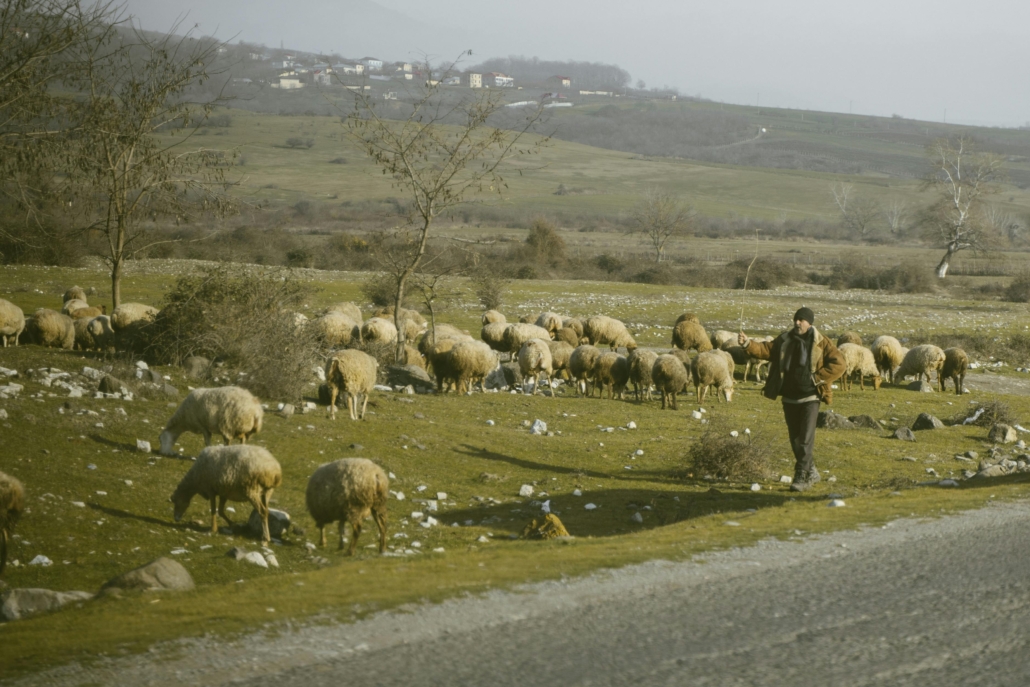
Turning the Tide: How Economic Growth in Albania Is Reducing Poverty In recent years, economic growth in Albania has brought measurable improvements to the lives of many citizens, especially in the wake of structural reforms and increasing European Union (EU) integration. Once among the poorest countries in Europe, Albania is now witnessing a steady reduction in poverty, driven by rising employment, wage growth and private sector investment. As Albania strengthens ties with the European Union, its progress in poverty reduction offers insights for small developing economies worldwide.

Economic Growth in Albania

In 2024, Albania’s economy grew by 3.3%, bolstered by private consumption, tourism and construction. Projections by the World Bank estimate a slight uptick in 2025, with growth expected to reach 3.4%. Inflation has eased significantly and employment has risen, particularly in the private sector, where wages have increased by an average of 12.7% across all industries. As a result, poverty rates are declining steadily, falling by 1.7 percentage points in 2024 alone. This economic growth in Albania is part of a broader regional trend, as Western Balkan economies benefit from increased domestic consumption and improved EU market access. Structural reforms have also played a crucial role, including efforts to enhance regional connectivity and diversify exports.

Addressing the Roots of Poverty

While Albania’s economic trajectory is positive, challenges remain. Rural communities continue to face disproportionately high poverty levels. A 2025 study by the Agricultural University of Tirana emphasizes the need to increase agricultural productivity and address the urban-rural divide through targeted policy reforms. Government initiatives have since focused on macroeconomic restructuring and prioritizing growth sectors like tourism, digitization and agriculture. In particular, improving food security through updated calorie-based consumption baskets and enhancing data collection methodologies has refined poverty measurement and intervention planning.

EU Integration and Long-Term Vision

Albania’s recent progress is also tied to its EU accession efforts. Since opening formal negotiations in late 2024, the government has launched policy overhauls across public procurement, financial management and human capital development. The World Bank’s Country Partnership Framework for Albania (2023–2027) underscores three core goals: creating more and better jobs, strengthening human capital and enhancing resilience to economic shocks. As part of this strategy, Albania signed new development loans and grants totaling more than $600 million, including $80 million for GovTech reforms in April 2025.

Solutions in Action

One critical component of Albania’s poverty reduction strategy is agricultural development. Since rural areas exhibit higher poverty levels, boosting agricultural productivity has direct poverty-alleviation effects. National programs now prioritize training for rural farmers, infrastructure investment and access to regional markets. One of the most visible examples of economic growth reducing poverty in Albania is the World Bank-supported Regional and Local Roads Connectivity Project, which is helping rural communities regain access to essential services and markets.

In the small village of Darëzezë e Re, farmers once spent hours waiting to cross a collapsed bridge. Road rehabilitation and bridge construction have cut travel times dramatically, boosting both safety and productivity.

Additionally, the World Bank emphasizes managing migration effectively as a development tool. Nearly one in four people from the Western Balkans lives abroad. According to the World Bank, migration, when harnessed correctly, can reduce poverty by increasing remittances, encouraging skill development and fostering “brain gain” through returning migrants. Policy recommendations include creating mobility training programs, bilateral social security agreements and diaspora investment channels.

Looking Ahead

While Albania’s economic growth faces risks — such as global trade tensions and domestic fiscal pressures — the current trajectory remains positive. Structural reforms, combined with continued EU integration and targeted poverty reduction policies, are improving lives across the country. With sustained effort, economic growth in Albania is on track to significantly reduce poverty and achieve long-term equitable development. Albania’s progress shows how targeted economic aid can reduce poverty and build sustainable futures.

– Robert Darke

Robert is based in London, UK and focuses on Business and New Markets for The Borgen Project.

Photo: Flickr

August 12, 2025
https://borgenproject.org/wp-content/uploads/borgen-project-logo.svg 0 0 Precious Sheidu https://borgenproject.org/wp-content/uploads/borgen-project-logo.svg Precious Sheidu2025-08-12 07:30:572025-08-11 13:17:03How Economic Growth in Albania Is Reducing Poverty
Economy, Global Poverty, Humanitarian Aid, Nonprofit Organizations and NGOs

What Does the Israel-Iran War Mean for Iranians

Israel and Rural Iran: What Does the Israel-Iran War Mean for Iranians Early in the morning on June 22, 2025, the world received the news that the United States (U.S.) military had bombed three Iranian nuclear sites. In the days after, there were reports about what Iranian retaliation could look like against the U.S. and Israel. In the heat of the situation, many Iranians living in poverty and removed from the fighting, face additional hardships. Reports indicate that these vulnerable citizens have received limited attention compared to the broader coverage of the Israel-Iran War.

Economy Pre-Conflict

Iran’s economy, like the majority of the Middle East, depends upon access to power sources: natural gas and oil. These resources are invaluable for Iran and have become its most powerful bargaining chip throughout the Israel-Iran War. 

Oil and gas power the Iranian economy and make it an area of interest for the Western world. As of 2024, Iran’s Gross Domestic Product (GDP) was roughly $434.24 billion. While the overall GDP is significant, different units of measurement paint a different picture for the common people living in Iran. When examining Iran’s GDP per capita, the country ranks 117th out of nearly 200. Trade sanctions have worn Iran’s economy down. As a result, it cannot hold the weight of an all-out war. While oil makes up 17% of Iran’s exports and its energy sources bring in a great deal of money, the sanctions greatly limit the economic growth of Iran. Every plan to recover the Iranian economy involves improving relations with the Western world to get the sanctions lifted. 

Iran Focus, a nonprofit news outlet that reports on Iran, Iraq and the Middle East as a whole, reported as recently as June 9, 2025, that “in Tehran, 55% of individuals’ income is spent on housing” as inflation batters and bruises civilians. Nearly 75% of Iranians live below the poverty line and as the Israel-Iran War progresses, the percentage could rise. 

Impact of the War

Already, the people of Iran are struggling to provide for themselves and their families. The ongoing conflict means even their lives are at risk. On June 15, 2025, the number of deceased Iranians was roughly 224. Civilians have fled from Tehran in droves and Iran’s retaliation could worsen financial hardship. According to The National, another news source that is also reporting on Iran, state collapse could be imminent for the nation. The rial, the currency of Iran, could lose more value. The Israel-Iran war has driven Iran to a tipping point. 

Humanitarian Aid in Iran

The most immediate danger to the Iranian people is the Israel-Iran War. In the days after the U.S. allied itself with Israel, global headlines focused on the potential for escalating violence. Thankfully, de-escalation has been orchestrated and the back-and-forth bombing has come to a rest. 

Nonprofit organizations are working hard to help the struggling people of Iran. The Center for Human Rights in Iran offers consistent coverage of the ongoing events while focusing on civilians and those who are directly in the line of fire. Its focus is on documenting all human rights issues in Iran and it has been in action since 2008. 

Another organization that has global reach but still operates within Iran is Relief International. Relief International targets the damage caused by natural disasters while also building schools and offering financial assistance to struggling citizens. Relief International has a collection of testimonies from people the organization has directly helped; such reminders of good news can serve as a resource for motivation.

Looking Ahead

The Israel-Iran ceasefire remains fragile and recent events show how quickly tensions can escalate. Yet, there is still reason for hope. Humanitarian organizations working in Iran continue to prioritize the needs of civilians, many of whom have little influence over the conflict but bear its heaviest burdens. Their efforts highlight the importance of international attention and support in creating a path toward stability.

– Peyton Worsham

Peyton is based in Jacksonville, FL, USA and focuses on Politics for The Borgen Project.

Photo: Flickr

August 11, 2025
https://borgenproject.org/wp-content/uploads/borgen-project-logo.svg 0 0 Precious Sheidu https://borgenproject.org/wp-content/uploads/borgen-project-logo.svg Precious Sheidu2025-08-11 06:39:142025-09-27 04:17:34What Does the Israel-Iran War Mean for Iranians
Development, Economy, Global Poverty

Fighting Poverty in Georgia: The Role of Black Sea

Poverty in GeorgiaGeorgia’s policies aimed at reducing poverty have been successful, especially regarding efforts to modernize the labor market and increase access to assistance for large portions of the population. The country’s gross national income per capita rose from $3,000 in 2010 to $5,702 in 2023, along with reducing poverty in Georgia by roughly 35% in a timespan of over a decade. There is a continued sense of urgency to address and curb poverty.

Despite these efforts, in 2024, the Georgian government backtracked on European Union accession talks. This forced successful policies that reduced poverty to be abandoned, leaving only unproven strategies. The resulting suspension of some foreign aid in the form of investments will harm citizens by hindering national economic growth and slowing trade. Furthermore, some Georgians in rural regions and minority groups, consisting of Azerbaijanis and Armenians, still face high levels of poverty due to the government’s limited current legislation focused on their needs.

Ethnic tensions in Georgia are prevalent, stemming from the need to preserve the unique identity of Georgians, especially from outside invaders, including Russia. Georgia has two breakaway regions, Abkhazia and South Ossetia, both striving for independence. However, the Georgian government and people have been skeptical of foreign influence in the regions and the potential for disruption to the Georgian identity, according to the Carnegie Endowment for International Peace.

This fear, along with the hindrance of the government viewing minorities as lesser members of the nation, has restricted support and Georgia’s hope to curb poverty in predominantly minority regions.

Black Sea Importance and Access

The Black Sea is of great importance to Georgia, allowing access to beneficial trade resources and international partnerships. Partnerships between foreign nations can also enhance security, unify independent countries and provide protection in this dynamic region. Without the Black Sea, Georgia would be unable to utilize ports to facilitate trade and resource distribution.

Also, the Blue Economy or ocean resources used for economic growth, is vital to Georgia. A recent project from the European Climate, Infrastructure and Environment Executive Agency increases support for fisheries, coastal and maritime tourism and maritime transport, according to the European Commission.

Besides ports, oil and gas pipelines also flow through and around the Black Sea, creating a significant trade route from nations such as Russia and Turkey to nations in Europe. The ability for nations to tap into Western markets is key to maintaining national economic growth and potential job growth, ensuring that the nation thrives and that poverty can be reduced.

This is beneficial not only to individual nations in the region but also to the U.S., which has the goal of minimizing adversary movements in conflict zones and areas of high trade interest. Specifically, nations that can rely on Western nations for trade and an economic boost will become less dependent on Russian trade and influence. Additionally, their national independent movements will be protected, according to the Foreign Policy Research Institute.

Georgia’s Ports

Georgia’s unique location between the Black Sea and the Caspian Sea, along with neighboring Azerbaijan, allows the country to connect seven landlocked countries. It promotes trade between Europe and Asia. According to the National Library of Medicine, Georgia maintains aspirations of being a direct hub between Europe and Asia, with added economic growth, infrastructure and development. Trade agreements are vital in preserving and increasing Georgian dominance on the Black Sea to become a significant trade and support nation in a time when foreign influence downplays the nation.

The Batumi Sea Port, located near the southwest corner of the nation, is designed to deal with cereal cargo and petroleum goods. According to the Logistics Cluster, the port transfers goods from land-based transport to ships. It also handles trade vessels and military ships from the U.S. and NATO. These military vessels dock to support regional security through joint exercises and training. By maintaining a strong flow of trade and military ships through their ports, Georgia ensures a positive economic output and strong international cooperation while maintaining security against threats.

Ongoing Strife in the Black Sea

With Russia’s ongoing expanded war against Ukraine, originating in 2014, the Black Sea is still a threatened region, facing military threats, environmental risks and disruptions to vital shipping routes. Primarily at the start of the war, the Russian Navy increased warship presence in the Black Sea and since then, both the Russian Navy and the much smaller Ukrainian Navy have utilized sea mines to deter advances from both sides.

However, with the presence of warships and mines, coastal authorities continue to warn marine traffic of the dangers, ultimately creating uncertainty in trade routes and the potential for disasters, according to the NATO Shipping Center. Environmental risks are also occurring, with mines and oil spills from Russian oil tankers harming the Black Sea shipping lanes and wildlife. Aging tankers in Russia’s shadow fleet, used to evade oil price caps, are at higher risk of spills or navigation failures. Collisions involving these vessels also disrupt trade and daily life in regions like Crimea.

With Russian deals to implement new naval policies and create new bases to house warships, Georgia will be at a disadvantage. Continued disruptions to trade and Russian influence to bar additional Georgian efforts to secure new ports and infrastructure relating to trade will negatively impact the Georgian economy and reduce poverty in Georgia.

A Future for Georgia and the Black Sea

Georgia continues to find new ways to reduce poverty. A report supported by the United Nations Development Programme (UNDP) describes how investments in social security, health care and education will help reduce poverty. To create long-lasting economic growth, the Black Sea’s role must be at the forefront of future deals. Prioritizing investment, tourism and port development will boost jobs, raise incomes and improve regional trade efficiency, key steps toward reducing poverty in Georgia.

– Avery Kachmarsky

Avery is based in Los Angeles, CA, USA and focuses on Business and Politics for The Borgen Project.

Photo: Flickr

August 11, 2025
https://borgenproject.org/wp-content/uploads/borgen-project-logo.svg 0 0 Lynsey 2 https://borgenproject.org/wp-content/uploads/borgen-project-logo.svg Lynsey 22025-08-11 03:00:102025-08-10 10:54:12Fighting Poverty in Georgia: The Role of Black Sea
Development, Economy, Global Poverty

Things To Know About the Income Gap in Italy

Income Gap in ItalyAmong European countries, Italy experiences some of the widest income inequality. A deep divide between the North and South shapes access to infrastructure, income levels and health care. Northern Italians benefit from stronger public services and higher wages, while Southern Italians often face limited resources and economic hardship. This inequality has created numerous tensions between the two sides of the country. This tension creates an imperative need to fix the income gap in Italy.

Income Gap in Italy

Italy, as a country, has experienced numerous economic hardships. Italy’s poverty rate exceeds the European Union (EU) average, with nearly one in 12 Italians living in absolute poverty. Southern Italy holds significantly less of the nation’s wealth than the North. More than two million people in the region live in absolute poverty, which is defined as having low incomes to meet basic needs such as food, shelter, education and health care.

Southern Italy holds significantly less gross domestic product (GDP) and wealth than the North. In Lombardy, a northern region, GDP per capita reaches 127% of the EU average. In contrast, Calabria, a southern region, sits at just 56%, a gap of nearly 75%. The South has historically lagged behind in industrial development. It has had limited access to both domestic and foreign markets compared to the North, deepening the economic divide.

Solutions to the Income Gap

To address the country’s income gap, the Italian government has introduced a program called Assegno di Inclusione (Inclusion Allowance). This financial support targets households with at least one member who is disabled, a minor or aged 60 or above. Eligible families can receive up to €6,000 annually (approximately $7,050), with an additional €3,360 per year (around $3,950) to help cover rent. The allowance is issued for 18 months and can be renewed every 12 months thereafter.

Another effort to reduce income inequality in Italy comes from international nonprofit organizations, such as the Italian Food Bank Network. These organizations work to combat poverty and food scarcity via charity and international coalitions dedicated to ending poverty and hunger. The Italian Food Bank collects surplus food from the supply chain and redistributes it through its network of 21 regional organizations. This system supports nearly 9,000 charitable groups across the country, helping deliver essential resources to those in need.

Conclusion

Italy’s regional income divide is more than an economic issue; it’s a social and structural issue. While programs like the Inclusion Allowance and initiatives from nonprofits like the Italian Food Bank offer relief, long-term solutions require systemic investment in Southern infrastructure, job creation and inclusive policy reform. Without bridging this gap, Italy risks deepening the economic and social rift that holds back its national progress.

– Caelan Caukin

Caelan is based in Los Angeles, CA, USA and focuses on Global Health and Politics for The Borgen Project.

Photo: Flickr

August 11, 2025
https://borgenproject.org/wp-content/uploads/borgen-project-logo.svg 0 0 Lynsey 2 https://borgenproject.org/wp-content/uploads/borgen-project-logo.svg Lynsey 22025-08-11 01:30:412025-08-10 10:26:01Things To Know About the Income Gap in Italy
Economy, Global Poverty

Russia’s Resilient Petrostate: Oil Economy and Poverty Reduction

Russia’s Resilient PetrostateEndowed with vast natural resources, Russia holds significant oil and gas reserves. After the financial crisis of 1998, Russia bounced back with an average annual gross domestic product (GDP) growth of 7%. Global demand for oil and gas fueled Russia’s economic recovery. The boom in hydrocarbon revenue contributed to domestic welfare. Between 2000 and 2008, poverty levels decreased by 16%.

Russia is a leader in oil and gas production. Natural resource rents account for 16.7% of Russia’s GDP as of 2024. Around 30-50% of the federal government’s revenue comes from Russia’s hydrocarbon sector. Any abrupt change in demand for energy can stimulate economic growth or trigger a recession. The government adopted various measures and policies to create and sustain Russia’s resilient petrostate.

Stabilization Fund

Minister of Finance Alexei Kudrin set out to limit vulnerability to and dependence on volatile energy prices. Kudrin put the Stabilization Fund into operation in 2004. The Fund accumulated surplus revenues from oil production and exports. The Fund helps the Central Bank accommodate external shocks to maintain a balanced budget and reduce inflationary pressures.

When raw material prices decreased in 2008, Russian GDP shrank by 8%. This prompted Kudrin to create a buffer to withstand larger fluctuations. The Stabilization Fund was split into the National Reserve and the National Wealth Fund in 2008. Despite continued dependence on oil and gas exports, Russia maintained macroeconomic stability.

Private-Public Partnership

President Putin improved state control over natural resources in the early 2000s. While two national champions, Rosneft and Gazprom, dominate, private companies still operate in a semi-competitive environment. Independent firms help generate output and investment in new technologies and infrastructure. Novatek is now a leader in the production of LNG. The Russian style “public-private partnership” improved the ability of the energy sector to absorb fluctuations in oil and gas prices.

Russia’s Pivot to the East

China surpassed America in energy consumption in 2009, which heightened hydrocarbon demand. In the 2010s, Putin launched Russia’s “Pivot to the East.” This shift in policy emphasis to Asia required new oil and gas routes. The Russian government developed production areas in Eastern Siberia and built two vast pipeline systems. The Eastern Siberia-Pacific Ocean (2012) and Power of Siberia (2019) represented a crucial diversification of Russian export markets.

When Russia invaded Ukraine in 2022, Western governments decided to cut imports of Russian energy. This put more pressure on Russia to redirect export flows toward Asia. Robust global prices for fossil fuel commodities softened the shock of Russia’s “Pivot to the East.” Moreover, Russia overcame unprecedented trade restrictions and avoided a forced oil output reduction.

Russia’s Resilient Petrostate 

The crisis in Ukraine provoked massive Western economic and political sanctions. Oil and gas exports are instrumental in Russia’s relative economic security. A resilient petrostate, Russia recorded GDP growth of 3.6% in 2023 and managed to keep inflation in check at 7.4%. Overall macroeconomic stability allows the Russian government to fulfill the social contract with citizens.

– Alessandra Lewis

Alessandra is based in Westport, CT, USA and focuses on Business and Good News for The Borgen Project.

Photo: Flickr

August 11, 2025
https://borgenproject.org/wp-content/uploads/borgen-project-logo.svg 0 0 Lynsey 2 https://borgenproject.org/wp-content/uploads/borgen-project-logo.svg Lynsey 22025-08-11 01:30:372025-08-10 10:38:34Russia’s Resilient Petrostate: Oil Economy and Poverty Reduction
Africa, Economy, Global Poverty, Health

Vaccinations in Africa: How Gavi Advances Economic Development

Vaccinations in AfricaFor decades, Africa has faced a dangerous dependency: carrying some of the world’s highest disease burdens while producing less than 1% of its vaccines. This reliance on imports has long limited access to life-saving vaccinations in Africa, slowing responses to health emergencies and straining national development across the continent.

To reshape this narrative, Gavi, the Global Vaccine Alliance, is laying the foundations for a thriving, self-sustaining vaccine economy for the continent. Through continental partnerships, investments and innovations, the international organization created to ensure vaccine security is working to transform African health policy. The goal is to shift it from a long-standing area of weakness into a pillar of long-term economic strength.

Initiating Local Manufacturing

The COVID-19 pandemic exposed the risks of global supply chain disruptions and the weakness of economies reliant on vaccine importation. Many African countries struggled to access vaccines in the early rollout, sparking calls for regional self-reliance. In response, the African Union set a bold goal: to produce 60% of the continent’s vaccine needs locally by 2040, with Gavi central to achieving that ambition.

Through initiatives like the African Vaccine Manufacturing Accelerator, Gavi is shaping markets, lowering barriers and mobilizing funding to grow production capacity across the continent. More than 30 African vaccine manufacturing initiatives are now in motion, supported by a mix of government leadership and international investment. These efforts aim to build a sustainable, locally based supply of vaccines for routine immunizations. By producing vaccines within the continent, Africa is taking direct action to reduce its dependence on external sources and strengthen its resilience against future global health crises.

The strength of Gavi’s procurement and demand-forecasting models is crucial to growing an African vaccine economy. It allows local producers to see and rely on predictable, long-term vaccine demand figures. This crucial step sustains the development of a successful and relevant supply chain of vaccines within Africa, ensuring the local industries remain viable and successful as the continent builds to its 2040 goal.

Economic Growth Through Immunization

Gavi’s core mission of expanding access to immunization has driven development in Africa far beyond vaccine manufacturing. Vaccinations across Africa continue to deliver strong economic benefits, improving public health while boosting productivity and long-term growth. Healthier populations lead to fewer missed school days, lower health care costs and higher workforce productivity. According to Gavi, every $1 spent on vaccinations in Africa yields up to $21 in economic benefit through avoided illness, improved wages and long-term growth.

Since its inception in 2000, Gavi’s efforts have helped immunize more than 800 million children, averting more than 14 million deaths. In Africa alone, since 2000, coverage of the diphtheria, tetanus and pertussis (DTP3) vaccine across Gavi-supported African countries has increased from 52% to more than 70%. By building health systems around vaccine delivery, such as training workers, investing in cold chains and digitizing records, Gavi has strengthened public infrastructure in regions where such systems are often underfunded. This progress has not only saved lives but also helped countries make strides toward the Sustainable Development Goals.

Toward a Resilient Vaccine Future

A more secure future for African public health begins with Gavi’s support for the African Vaccine Manufacturing Accelerator. This initiative not only increases vaccine supply but also strengthens regional resilience against future pandemics. This resilience, however, is seen as only the starting point for an African vaccination economic sector. The developmental transition of African nations from Gavi support to self-financed immunization programs is hoping to create not just independence but also leadership in global health manufacturing.

In this vision, Gavi in Africa is more than a health initiative; it is an economic strategy, a security policy and a development model. As African-made vaccines begin protecting African communities, the continent moves closer to a future where health equity and economic strength go hand in hand.

– Tom Finighan

Tom is based in London, UK and focuses on Business and Global Health for The Borgen Project.

Photo: Flickr
August 10, 2025
https://borgenproject.org/wp-content/uploads/borgen-project-logo.svg 0 0 Lynsey 2 https://borgenproject.org/wp-content/uploads/borgen-project-logo.svg Lynsey 22025-08-10 07:30:452025-08-10 00:12:05Vaccinations in Africa: How Gavi Advances Economic Development
Economy, Employment, Global Poverty

ILO’s Decent Work Agenda Shaping Minimum Wage Policies

ILO’s Decent Work AgendaThe International Labor Organization (ILO) plays an important role in tackling global poverty. Through conventions, partnerships and country-specific programs, the ILO has helped shape labor laws and wage systems that improve the lives of millions of workers. A key framework of its efforts is the ILO Convention No. 131, also known as the Minimum Wage Fixing Convention, adopted in 1970 to encourage states to establish minimum wage systems.

Additionally, the ILO’s Decent Work Agenda, launched in 1999, aims to promote rights at work, fair remuneration and equal opportunity regardless of gender. Under this agenda, the ILO has supported initiatives in countries such as Namibia, Indonesia and Vietnam for progress in wage reform and labor protection.

Namibia

Although Article 95 of the Namibian constitution sets out the principle of fair remuneration, this is ineffective in practice. Many workers, particularly women, still struggle to access fair pay and efforts to increase wages have often just led to increased job losses. In response, the Namibian government, supported by the ILO, initiated the drafting of new labor legislation to set up a new minimum wage system.

A National Wages Commission was first established to hold public hearings nationwide to incorporate feedback from workers and employers. Following this, the ILO gave Namibia a recommendation based on its proposal to gradually increase the minimum wage to give industries time to adjust.

From January 2025, Namibia implemented the new policy, which sets the national minimum wage as N$12 ($0.68) per hour. Incorporating the ILO’s recommendations, this rate will gradually increase to N$15 ($0.85) per hour in 2026. Furthremore, N$18 ($1.02) per hour in 2027. The new policy also addresses the gender pay gap. Women in Namibia make up 40% of the workforce but represent more than half of those earning below the minimum wage. This includes raising wages in female-dominated sectors and the ILO’s continued support in monitoring compliance.

Indonesia

Indonesia has faced ongoing challenges in enforcing the minimum wage, leading to other issues such as job insecurity and poverty. Hence, the nation launched the Better Work Indonesia initiative with the support of the ILO and the International Finance Corporation (IFC) to improve compliance with regulations regarding wages and working conditions.

At the national level, the mission provides training to wage council members. It conducts assessments to understand the impact of wage structures. It has also helped develop more effective minimum wage monitoring systems for better compliance. At the workplace level, the initiative offers compliance advisory services, on-site training and independent assessments to ensure wage regulations are followed.

These efforts protect workers and put Indonesian industries in a more competitive position in the global market, where ethical labor practices are increasingly valued.

Vietnam

Vietnam has also made notable progress under the ILO’s Decent Work Agenda. During the first phase of the Decent Work Country Program, Vietnam reformed its labor code with the ILO’s support. It has increased the national minimum wage since then. However, this progress has slowed recently, as almost 12% of workers earn below the minimum wage.

In response, the Decent Work Country Program Vietnam 2022-26 was launched in cooperation between Vietnamese workers, employers, the government and the ILO. The program is now in its fourth phase. It focuses on social policies for strengthened rule of law, enhanced governance and responsive institutions. In particular, it aims to achieve a gender-responsive economic transformation for all workers to benefit from inclusive, high-quality social services.

Minimum wage in Vietnam is also regularly reviewed with the support of the ILO. For instance, the Setting Adequate Wages (SAW) project helps determine appropriate wage levels. It achieves this by conducting independent wage assessments, publishing wage reports and identifying relevant factors such as socioeconomic factors, inflation and family situations. Based on this information, wages are negotiated to establish a fair rate reflecting the real living cost.

Final Remarks

Namibia, Indonesia and Vietnam show how the ILO’s Decent Work Agenda can shape fair minimum wage policies. These policies help fight poverty and raise workers’ living standards. Today’s consumers increasingly demand ethical and sustainable industries. As a result, fair labor practices and minimum wage compliance are more important than ever. They boost global competitiveness and fuel long-term economic growth.

– Lucy Cho

Lucy is based in Edinburgh, Scotland and focuses on Good News and Politics for The Borgen Project.

Photo: Unsplash

August 9, 2025
https://borgenproject.org/wp-content/uploads/borgen-project-logo.svg 0 0 Lynsey 2 https://borgenproject.org/wp-content/uploads/borgen-project-logo.svg Lynsey 22025-08-09 03:00:282025-08-08 05:53:41ILO’s Decent Work Agenda Shaping Minimum Wage Policies
Economy, Global Poverty, Migration

Migration to Thailand: The New Land of Opportunity

Migration to ThailandThailand is a popular subject on the topic of migration. The Southeast Asian country is beloved for its tropical climate, scenic beauty and historical sites. However, its beauty is not the sole reason for increased migration to Thailand.

Migration is an umbrella term involving the movement of people from one place to another, whether temporarily or permanently. Immigration, a sub-branch of migration, refers to people moving to a new country and settling there either semi-permanently or permanently. Both migration and immigration have increased in Thailand in recent years. Here are three reasons why people migrate to Thailand.

3 Reasons Why People Migrate to Thailand

  1. Economic Opportunities: Thailand has a moderately stable economy which is favorable to workers in neighboring countries. According to the International Organization for Migration (IOM), Thailand’s “sectors such as fishing, agriculture, hospitality, domestic work and manufacturing are heavily reliant on migrant workers for manpower.” The majority of workers migrating to Thailand are from Cambodia, Lao People’s Democratic Republic and Myanmar seeking better opportunities and higher wages than their respective countries.
  2. Refugee Migration: According to the 2024 Migration Report from the United Nations Thailand, “Thailand hosts at least 5.3 million non-Thai nationals, marking an 8 per cent increase compared to nearly 4.9 million” in the previous report. This sharp increase is due in part to intensifying conflict in Myanmar. Since 2019, Myanmar migrant populations in Thailand have doubled to 1.8 million, with an estimated 150,000 living in refugee camps on the Thai-Myanmar border. In response, the National Screening Mechanism (NSM) launched in 2023 to assist migrants in applying for “protected person” legal status to prevent deportation.
  3. Reduced Cost of Living: Western Expats from Europe and the United States have identified Thailand as a popular residential destination to escape high costs of living. From health care to groceries to living expenses, Thailand offers around a 50% reduction in average cost. With the popularization of the “Digital Nomad Visa” and other offerings, immigrants are able to enjoy reduced cost of living and increased financial flexibility, while contributing to Thailand’s economy.

Impacts of Migration to Thailand

Migration has a profound effect on Thailand’s economy. According to a report from the International Labor Organization (ILO), immigrant workers contribute to virtually all sectors and are “associated with an improvement of labor market outcomes of the native-born population.” Because a large percentage of this population has employment, the report estimates that income per capita will rise significantly. Of course, migrants and low-income, rural Thai residents still face hardships.

In a 2022 report, the World Bank noted that Thailand made “remarkable progress in reducing poverty from 58% in 1990 to 6.8% in 2020.” However, as that progress has slowed, large gaps in wealth equality are revealed, leaving nearly 80% of the poor population in rural areas earning an income that is only 68% of their urban counterparts. This income inequality disproportionately affects the recent and ongoing influx of migrants who take on roles involving fishing and agriculture.

Additionally, there is research that suggests a link between migration to Thailand and public health. In a research paper that BMC Public Health published, migrants “may impact public health by transmitting communicable diseases to the local population.” This impact depends on the type of disease in question. Yet, while a rise in migration is associated with more cases of respiratory and other infectious illnesses, it is also linked to a decline in diseases that can be prevented through vaccination. While health care in Thailand is free to all, regardless of legal status, NGOs have been crucial for migrant groups to secure equal access to health care. According to interviews that Human Rights Watch conducted, the Mae Tao Clinic is a hotspot for Myanmar nationals that offers primary care services to undocumented migrants.

Looking Ahead

Overall, migration to Thailand offers valuable and significant benefits to the growth and development of the country, and in return, migrants enjoy the benefits of improved economic conditions, refugee support and a manageable cost of living. Thailand’s approach to migration is unique and serves as an example to the world of how opening one’s border can lead to unexpected positive outcomes that challenge conventional views on migration.

– Jamaya Newton

Jamaya is based in Somerset, NJ, USA and focuses on Politics for The Borgen Project.

Photo: Unsplash

August 6, 2025
https://borgenproject.org/wp-content/uploads/borgen-project-logo.svg 0 0 Jennifer Philipp https://borgenproject.org/wp-content/uploads/borgen-project-logo.svg Jennifer Philipp2025-08-06 07:30:362025-08-06 03:21:17Migration to Thailand: The New Land of Opportunity
Agriculture, Economy, Global Poverty

Agricultural Exports in Egypt Reaches Highest Level in Years

Agricultural Export in EgyptLocated in North Africa, Egypt is known for its ancient history, with landmarks like the Pyramids of Giza and other iconic sites in Cairo still standing today. The country has a population of approximately 106.6 million people, with 14.7 million living in poverty, earning less than $3.65 daily. However, this poverty rate is projected to decline as Egypt’s employment rate continues to rise. Increased investment in sectors like agriculture plays a key role in driving economic improvement across the country.

Agricultural Expansion in Egypt

Agricultural export in Egypt has reached an all-time high of 6.24 million tonnes as of July 2025, an increase of 575,000 tonnes from last year. These exports include crops grown in Egypt as well as those imported from neighboring or distant countries. Notable increases have been recorded in potatoes, sweet potatoes, onions, grapes and various fruits. Among them, citrus fruits saw the largest growth, with 1.9 million tonnes exported.

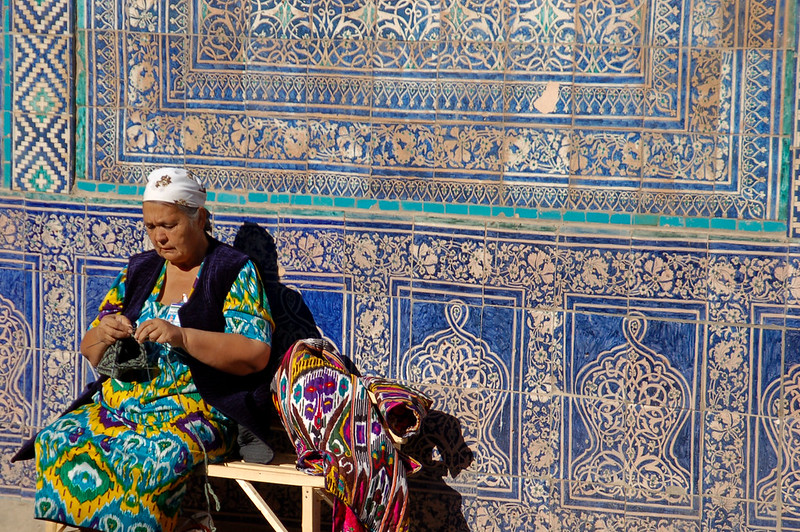
In addition to Egypt’s homegrown produce, agricultural goods are now arriving from new trade partners such as South Africa, Uzbekistan, the Philippines and others. These new import-export relationships allow Egypt to access products that cannot be locally produced, potentially benefiting its citizens and expanding market variety.

What Does This Mean for Egypt?

Approximately 96% of Egypt is covered by desert, making access to arable farmland extremely difficult. This geographic challenge limits opportunities for widespread farming and often delays access to fresh produce. However, the recent increase in agricultural exports in Egypt contributes to the economy by allowing everyone fresh and healthy produce, meats and other grown foods, regardless of social class. Additionally, this growth in the agricultural sector is creating more job opportunities for individuals living below the poverty line.

According to the World Food Program (WFP), manual labor, including farming, employed 20% of Egypt’s population in 2020. While this data is from 2020, the recent surge in agricultural exports suggests a promising future for the sector, potentially accelerating economic growth and improving livelihoods. With many Egyptians engaged in various forms of manual labor, the expansion of farming plays a crucial role in producing high-quality goods and sustaining income opportunities for a significant portion of the population.

How This Impacts the Country

Agriculture has played a vital role in Egypt since ancient times. As the sector continues to increase, it contributes directly to economic growth. A stronger economy, in turn, creates more opportunities for citizens, supports healthier living and fosters a mutually beneficial relationship between the government and its people.

As Alaa Farouk, Egypt’s Minister of Agriculture and Land Reclamation, continues to implement policies that support agricultural exports in Egypt, the country will be well-positioned to thrive economically and socially in the years ahead.

– Erin Lee

Erin is based in New York City, NY, USA and focuses on Good News for The Borgen Project.

Photo: Pixabay

August 6, 2025
https://borgenproject.org/wp-content/uploads/borgen-project-logo.svg 0 0 Lynsey 2 https://borgenproject.org/wp-content/uploads/borgen-project-logo.svg Lynsey 22025-08-06 03:00:572025-08-06 03:12:58Agricultural Exports in Egypt Reaches Highest Level in Years
Page 8 of 66«‹678910›»

Get Smarter

  • Global Poverty 101
  • Global Poverty… The Good News
  • Global Poverty & U.S. Jobs
  • Global Poverty and National Security
  • Innovative Solutions to Poverty
  • Global Poverty & Aid FAQ’s
Search Search

Take Action

  • Call Congress
  • Email Congress
  • Donate
  • 30 Ways to Help
  • Volunteer Ops
  • Internships
  • Courses & Certificates
  • The Podcast
Borgen Project

“The Borgen Project is an incredible nonprofit organization that is addressing poverty and hunger and working towards ending them.”

-The Huffington Post

Inside The Borgen Project

  • Contact
  • About
  • Financials
  • President
  • Board of Directors
  • Board of Advisors

International Links

  • UK Email Parliament
  • UK Donate
  • Canada Email Parliament

Get Smarter

  • Global Poverty 101
  • Global Poverty… The Good News
  • Global Poverty & U.S. Jobs
  • Global Poverty and National Security
  • Innovative Solutions to Poverty
  • Global Poverty & Aid FAQ’s

Ways to Help

  • Call Congress
  • Email Congress
  • Donate
  • 30 Ways to Help
  • Volunteer Ops
  • Internships
  • Courses & Certificates
  • The Podcast
Scroll to top Scroll to top Scroll to top