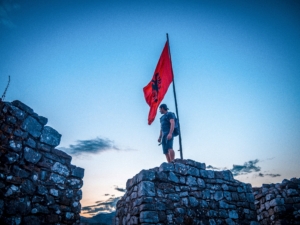
 Tourism in Albania has grown rapidly in recent years and is becoming a powerful tool for reducing poverty and creating economic opportunity. Once seen as a hidden destination, the country is now attracting millions of visitors each year, bringing new income to communities that previously had limited employment options. Through investment in infrastructure, support for small businesses and community-based tourism projects, the industry is helping households earn a stable income and build more secure futures.
Rapid Growth in Visitor Numbers
Albania has shifted from being a hidden destination to becoming one of the Mediterranean’s fastest-growing tourism markets. In 2019, the country welcomed 6.4 million foreign visitors, which was considered a record year at the time. Since then, tourism in Albania has continued to grow rapidly.
By 2024, Albania attracted nearly 12 million international visitors, an 82% increase from 2019. Tourism in Albania also showed strong resilience after the COVID-19 pandemic. By 2022, tourist arrivals were already 5% higher than pre-pandemic levels, allowing the sector to recover faster than many competing destinations in the region.
This quick recovery helped protect jobs and restore income in tourism-dependent communities. The country has also expanded its tourism markets beyond a single source. Albania has established direct air connections and attracted visitors from the U.K., Germany, Italy, France, the U.S. and the Middle East. To meet growing demand, the number of hotels, rooms and beds increased more than tenfold between 2000 and 2019, while international seat capacity continued to rise after 2019.
While national statistics show a massive surge in arrivals, local hosts see this growth through their seasonal calendars. In an interview with The Borgen Project, Akeron, who runs a local Airbnb, explained that the season typically “starts in April and ends in the end of October.” During the peak months of July and August, his accommodations are usually “fully booked,” while June and September maintain high occupancy rates of “70-80%”.
Tourism Revenue and Economic Impact
Tourism has become a major financial pillar of Albania’s economy. In 2023, the sector’s contribution to GDP reached 565 billion Lek ($6.78) billion, a 37% increase from the previous peak in 2019. Estimates show that travel and tourism now contribute roughly one in every four Lek to the national economy.
Tourism has also strengthened Albania’s export earnings. Over the past two decades, tourism generated 38% of the country’s total exports. International visitor spending reached 464 billion Lek ($5.57 billion) in 2023, more than 45% higher than in 2019, bringing money directly into local communities.
This economic shift is felt directly at the household level. For Akeron’s family, the ability to host international visitors has provided a new level of financial security. “For my family, it has made a difference in the amount of money we can save and has helped us think about things we want to do for the future,” Akeron stated.
Job Creation and Social Inclusion
Tourism is one of Albania’s largest sources of employment. In 2023, the sector supported almost 269,000 jobs, representing around one in five jobs nationwide. These jobs range from hospitality and transport to food services and cultural tourism, offering work in areas where few alternatives exist.
Tourism growth has also supported inclusive employment. In southern Albania, more than half of the jobs created through heritage tourism projects are held by women and young people. Some initiatives have also created opportunities for people with disabilities, including maintenance roles at Gjirokastra Castle, helping improve household income, social inclusion and reduce poverty in Albania.
Additionally, tourism has encouraged return migration. Former residents are returning to historic cities such as Gjirokastra and Saranda to invest savings in guesthouses and hospitality businesses. In project-supported areas, the number of tourism-related businesses has more than doubled since 2019, showing how public investment can stimulate local entrepreneurship.
These roles often rely on a collaborative family structure to be successful. Akeron and his parents all maintain other full-time jobs, but they “work together” to manage the guesthouse. He explained the division of labor: “me with the online part and my mom with the cleaning and welcoming guests to make it work.” He also noted that for families where members lack regular employment, this business provides “a very good income.”
Tourism in Rural and Coastal Communities
Tourism has turned family homes into sources of income in many rural and historic areas. In cities such as Gjirokastra, Berat and Përmet, public investment in restoring castle sites and cobblestone streets has encouraged families to convert historic homes into bed-and-breakfasts, restaurants and guesthouses. In these areas, the number of tourism-associated businesses has more than doubled since 2019.
Rural tourism also supports artisanal and cultural income. Around 78% of people employed in the artisan sector are women and nearly half of handicraft businesses are women-owned. Small family-run homestays rely heavily on women’s labor and provide independent income, strengthening household stability.
Infrastructure improvements have helped extend the tourism season beyond the summer months. Projects such as the Saranda promenade have enabled year-round economic activity, stabilizing income for local workers and businesses.
Local hosts often act as a bridge to the wider community by encouraging guests to spend money at nearby businesses. Akeron noted that he frequently recommends “restaurants in the city and by the beach” to his guests. He specifically highlights a restaurant in his village “which serves only Albanian food,” illustrating how tourism income supports traditional culinary businesses.
Community-Based Tourism and Infrastructure Investment
Community-based tourism initiatives have helped ensure that tourism benefits stay within local communities. The Integrated Urban and Tourism Development Project, supported by the World Bank and the Albanian government, focuses on cities including Berat, Gjirokastra, Përmet and Saranda. The project aims to regenerate local economies by restoring heritage sites and upgrading public infrastructure.
This model encourages residents to become active tourism entrepreneurs by converting private properties into guesthouses, cafés and tourism services. Additional EU-funded programs have adopted bottom-up approaches that enable communities to shape tourism growth in line with local needs. Investment in transport and accessibility has supported this growth.
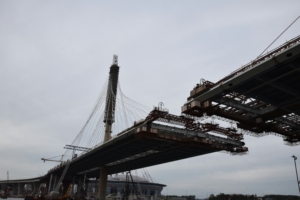
Albania has expanded air connections through low-cost carriers and the construction of new airports. Road networks, walking routes and heritage trails have also improved access to inland regions.
Remaining Challenges
Despite strong progress, challenges remain. Informal employment continues to leave many tourism workers without contracts or social protection, increasing vulnerability during economic shocks. Regional inequality is also visible, as northern areas such as Kukës continue to face high poverty and limited tourism development.
Beyond employment concerns, a significant hurdle is the “infrastructure missing from the government.” Akeron identified the “lack of water” as a primary issue, explaining that families often have only “1-2 hours a day” to fill storage tanks for basic needs like showering and washing dishes. He recalled a specific instance where the water supply failed while a guest “had just put on the shower gel.” While a neighbor was able to provide water to help, Akeron noted that these daily shortages create constant uncertainty for local hosts.
Tourism in Albania is proving that well-planned growth can do more than attract visitors; it can reduce poverty, create jobs and strengthen communities. By supporting family-run businesses, expanding infrastructure and promoting community-based tourism, Albania has allowed its residents to benefit directly from rising visitor numbers. While challenges remain, continued investment and inclusive planning offer a hopeful path forward, showing how tourism can be a powerful force for shared prosperity and poverty reduction in Albania.
– Aila Alsakka
Aila is based in Nottingham, UK and focuses on Good News and Technology for The Borgen Project.
Photo: Unsplash
 As families talk over FaceTime with their loved ones thousands of miles away, Mexican migrants continue to support their families living in Mexico. The decision to leave Mexico for a better life is an important and impactful decision for millions of Mexican families. With more Mexicans living abroad, remittances to Mexico have increased and helped millions of Mexican families.