• Link to X
  • Link to Facebook
  • Link to Instagram
  • Link to TikTok
  • Link to Youtube
  • About
    • About Us
      • President
      • Board of Directors
      • Board of Advisors
      • Financials
      • Our Methodology
      • Success Tracker
      • Contact
  • Act Now
    • 30 Ways to Help
      • Email Congress
      • Call Congress
      • Volunteer
      • Courses & Certificates
      • Be a Donor
    • Internships
      • In-Office Internships
      • Remote Internships
    • Legislation
      • Politics 101
  • The Blog
  • The Podcast
  • Magazine
  • Donate
  • Click to open the search input field Click to open the search input field Search
  • Menu Menu

Archive for category: Economy

Information and stories about economy.

Economy, Entrepreneurship and Business, Global Poverty

Estonia’s Startup Ecosystem Supports Economic Growth

Estonia's startup ecosystemThe startup ecosystem in Estonia has become a key driver of economic growth and innovation in recent years. Known for its advanced digital infrastructure and business-friendly policies, Estonia has created an environment where startups can develop and scale efficiently. These efforts have contributed to job creation, increased foreign investment and a more diversified economy. 

As a result, Estonia is often recognized as one of the most digitally advanced countries in Europe. Government initiatives and public-private partnerships play a central role in supporting startups. By combining digital governance with entrepreneurial support programs, Estonia has built a system that encourages innovation while reducing barriers to entry for new businesses.

Startup Estonia

One of the primary initiatives supporting Estonia’s startup ecosystem is Startup Estonia. This government-backed program aims to develop the country’s startup sector by connecting entrepreneurs with funding, mentorship and global markets.

Startup Estonia works to attract international investors while also supporting local entrepreneurs through networking opportunities and training programs. The initiative has helped foster a collaborative environment where startups can grow and access global resources. By strengthening connections between businesses, investors and policymakers, the program supports long-term economic development.

E-Residency Program

Another major contributor to Estonia’s startup ecosystem is the e-Residency program. This initiative allows individuals from around the world to establish and manage businesses in Estonia entirely online. Through e-Residency, entrepreneurs can access Estonia’s digital services, including company registration, banking and tax filing. 

This program has attracted thousands of international business owners, increasing foreign investment and expanding Estonia’s economic reach. By reducing administrative barriers, e-Residency enables startups to operate efficiently in global markets.

Digital Infrastructure and Innovation

Estonia’s digital infrastructure plays a central role in the success of its startup ecosystem. Platforms such as X-Road allow secure data exchange between government institutions, reducing bureaucracy and improving efficiency.

Digital ID systems also enable citizens and entrepreneurs to access services quickly, from signing contracts to filing taxes. These systems reduce the time and cost associated with starting and running a business. As a result, startups can focus more on growth and innovation rather than administrative processes.

Investment and Economic Impact

The Estonian startup ecosystem has attracted significant investment from both domestic and international sources. Venture capital funding and accelerator programs provide startups with the financial resources needed to scale their operations.

These investments have contributed to job creation in sectors such as technology, finance and logistics. As startups expand, they create employment opportunities and contribute to economic diversification. This growth can also benefit low-income Estonians by opening up new pathways to stable employment, particularly for young people and job seekers looking to enter emerging industries. 

Over time, a stronger, more diversified economy can help reduce poverty by increasing household incomes and expanding access to economic opportunities.

The Big Picture

The Estonian startup ecosystem demonstrates how targeted policies and digital innovation can drive economic growth. Programs such as Startup Estonia and e-Residency, combined with strong digital infrastructure, create an environment where businesses can thrive.

As Estonia continues to invest in entrepreneurship and innovation, its startup ecosystem offers insights for other countries seeking to promote economic development. By reducing barriers to entry and supporting small businesses, the startup ecosystem in Estonia contributes to long-term economic stability and opportunity.

– Jason Hill

Jason is based in Fullerton, CA, USA and focuses on Business and Technology for The Borgen Project.

Photo: Unsplash

April 17, 2026
https://borgenproject.org/wp-content/uploads/borgen-project-logo.svg 0 0 Lynsey 2 https://borgenproject.org/wp-content/uploads/borgen-project-logo.svg Lynsey 22026-04-17 01:30:352026-04-16 10:39:07Estonia’s Startup Ecosystem Supports Economic Growth
Cultural Heritage, Economy, Global Poverty

Madhubani Art and Poverty in Bihar

Madhubani ArtAccording to the Multidimensional Poverty Index (MPI), the Indian state of Bihar is the most impoverished state in terms of multidimensional poverty. Poverty in Bihar goes beyond a lack of income; it reflects an impoverished state of health, education and living standards.

Bihar is heavily reliant on agriculture for its economic survival. However, with 73% of its area designated as flood-prone, the state’s people find themselves stuck in a vicious cycle of survival and sustenance. It has been noted that 76% of the population lives under the recurring threat of floods. 

Despite the recurrent cycle of ruin and revival, the people of north Bihar, specifically in Madhubani District, have found a way to use their indigenous knowledge and Madhubani art tradition to generate income. Madhubani art, a distinctive folk art form originating in the region and also known as Mithila painting, has grown from a purely cultural expression into a livelihood that now sustains tens of thousands of families.

From Tradition to Economic Empowerment

Madhubani art originated in the villages of Mithila long before the modern era, where women decorated mud walls and floors with elaborate patterns expressing mythology, nature and community life. The art is defined by bold lines, bright, often natural colors and intricate geometric motifs depicting gods, animals, wedding scenes and ritual imagery. 

As droughts struck rural Bihar in the mid-20th century, artists began transferring this heritage onto paper, cloth and canvas, a transformation that unlocked commercial horizons. Today, Madhubani art manifests across surfaces from canvas and handmade paper to sarees, notebooks and decorative homeware, giving artisans access to urban markets, exhibitions and global tourism. 

Economic Impact: Numbers That Matter

Recent government records indicate that this traditional craft now provides regular income support to artisan families in Madhubani district. This support also extends to other surrounding areas, far beyond its original birthplace. In core hubs such as Jitwarpur, nearly 70% of local families depend on the sale of Madhubani art for income, with many artists coming from low-income backgrounds. 

Formal support measures have also made tangible gains. More than 5,000 artisans in the region have applied for specialized artisan credit cards designed to help them access loans for materials, training and other business needs. Tax policy reforms have reduced the Goods and Services Tax (GST) on handicrafts from 12% to 5%, making artworks more affordable for buyers and providing greater earnings stability for artisans. 

Though precise income figures can vary widely by artist and medium, studies of artisan households show that sales revenues often constitute a major share of family earnings. The revenues help cover daily expenses, schooling and health care, providing breakthroughs for communities once mired in seasonal migrant labor. Moreover, success in Madhubani art has given women greater public visibility. 

Many women now represent their communities at fairs, exhibitions and cultural events across India and abroad, breaking social norms that once confined them to the home. Women artisans report greater influence over family finances, improved household decision-making power and a stronger ability to invest in their children’s education, outcomes that can improve household well-being and reduce economic vulnerability.

Government Programs and Policy Support

The Bihar government has launched handicraft promotion campaigns and training programs to improve design quality, market access and digital selling skills for rural artisans. It aims to transform the craft into a sustainable enterprise. Nonprofit and livelihood programs, such as Bihar Rural Livelihoods Promotion Society (Jeevika), have also engaged Madhubani artists, linking them to broader rural development and poverty-alleviation strategies. 

Such initiatives typically emphasize skills development, collective marketing and cooperative organization to empower artisans economically and socially. Government programs have helped transform this cultural skill into economic opportunity. The National Handicrafts Development Program funded a $1.1 million craft village in Jitwarpur. 

The program created artist stalls, training centers and tourism infrastructure that reduce dependence on intermediaries. Meanwhile, Bihar’s JEEViKA self-help groups have enabled rural women artists to access credit, expand production and negotiate better prices. Despite these gains, artists and observers note ongoing challenges. 

These include limited year-round demand, exploitation by middlemen and uneven institutional backing, indicating that more coordinated policy is still needed for long-term sustainability. 

Changing the Narrative

The growing value of Madhubani art extends beyond individual households. Local tourism circuits, craft villages and cultural initiatives attract visitors interested in heritage experiences, catalyzing secondary employment in hospitality and travel. Artisans have also benefited from global interest, with works reaching buyers in the U.S., Europe and Japan and appearing in prestigious cultural forums and museum collections. 

This blend of heritage preservation, gender empowerment and economic diversification offers a replicable model for other rural communities seeking to leverage cultural capital into sustainable development. 

A Work in Progress

Despite notable strides, deep rural poverty has not vanished. Many households still supplement art earnings with agricultural or migration income and the market continues to fluctuate with seasonal and economic cycles. Yet, for villages once marked by limited livelihood options, Madhubani art has expanded economic horizons, giving thousands of families greater stability and hope.

Poverty in Bihar has not disappeared, but the shift from single-source farm income to diversified art-based earnings has improved household stability. It also reduced migration pressures and created one of Bihar’s few homegrown rural creative economies.

– Sayanee Mandal

Sayanee is based in Glasgow, UK and focuses on Good News for The Borgen Project.

Photo: Unsplash

April 15, 2026
https://borgenproject.org/wp-content/uploads/borgen-project-logo.svg 0 0 Lynsey 2 https://borgenproject.org/wp-content/uploads/borgen-project-logo.svg Lynsey 22026-04-15 01:30:112026-04-23 19:10:22Madhubani Art and Poverty in Bihar
Economy, Electricity and Power, Global Poverty

Working With Seaturns To Strengthen Mauritius’ Ocean Economy

Mauritius' Ocean EconomyIn March 2026, a two-megawatt (MW) wave energy pilot project was announced and launched in Mauritius, an island nation in East Africa. Developed by the French company Seaturns in partnership with Taylor Smith Group, a privately owned family business in Mauritius, it is designed to be grid-connected to the Central Electricity Board (CEB). This pilot project represents a significant step in the company’s full-scale trials scheduled for 2026 and 2027.

Wave energy is a renewable, high-density power source generated by harnessing the movement of ocean surface waves. In Mauritius, wave energy is vital for assessing renewable energy potential, informing coastal protection against erosion and planning marine infrastructure. This project aligns with the United Nations (U.N.) Sustainable Development Goals (SDGs). 

It contributes to the implementation of the European strategy, as defined in the Strategic Research and Innovation Agenda for Ocean Energy (SRIA) 2024. Seaturns is also supported by the FRANCE 2030 program, run by Business France. This project aims to keep Mauritius on the path to a better future since it gained independence.

Staying Above the Poverty Line

Mauritius has been above the poverty line since the late ’80s. By changing the trajectory it was on after gaining independence in 1968, the country set poverty on a path toward eradication. By 2017, extreme poverty had been virtually eradicated. 

In recent years, poverty has remained relatively stable at around 7%. With Seaturns being developed with support from the local company Taylor Smith Group, the project aims to create local job opportunities within the maritime sector.

Seaturns’ Goals

The Seaturns technology features a floating, cylindrical buoy that harnesses wave motion for power generation. Choosing Mauritius was a strategic choice for Seaturns. Mauritius is an island country in the Indian Ocean, east of Madagascar and has high-potential, consistent wave energy resources and a commitment to change. 

The project is part of the Mauritius Renewable Energy Agency (MARENA) initiative. The initiative supports Mauritius’s energy transition, aims to expand to 10 MW in the future and seeks to establish Mauritius as a regional hub for wave energy technology in the Indian Ocean. In 2025, Mauritius emitted 6.96 megatonnes of CO₂e.

Mauritius relies heavily on fossil fuels, mainly oil and oil products. In 2023 alone, the total energy supply in Mauritius accounted for nearly 62%. With Seaturns providing a clean energy solution, the project helps decrease the island nation’s dependence on imported fossil fuels and reduce greenhouse gas (GHG) emissions from electricity generation. With a goal of reducing GHG emissions by 40% by 2030, Seaturns is a stepping stone for other countries to follow Mauritius’ footsteps. 

Countries have the opportunity to learn from this pilot project in Mauritius and become active in lowering their GHG emissions while advancing the blue economy.

The Blue Economy

The blue economy is the sustainable use of ocean, sea and coastal resources for economic growth, improved livelihoods and jobs while preserving the health of marine ecosystems. Mauritius joined this economy in 2013 to become a large ocean state and updated that goal in 2023. Being surrounded by water, Mauritius has a high economic dependence on the ocean relative to its landmass, which has driven its interest in ocean energy.

This economy is vital for poverty reduction in Mauritius, aiming to diversify beyond tourism and sugar by leveraging its large Exclusive Economic Zone. The Mauritian ocean economy contributed 10% to 12% of GDP in 2026. Given that the ocean economy is relatively new, Mauritius is seizing the opportunity to expand in a positive direction.

With the ocean economy growing 2.5 times since 1995, outpacing other global sectors, wave energy is yet another stepping stone toward combating climate instability. Wave energy provides a consistent, renewable and emission-free source of electricity.

Final Remarks

Ocean energy is a relatively new, untapped renewable energy source. It has the potential to cut GHG emissions by up to 3.60 gigatonnes per year in 2050. As countries implement more stringent measures to limit GHG emissions, using renewable resources is a key element toward a better future. 

– Elizabeth Fryer

Elizabeth is based in Philadelphia, PA, USA and focuses on Good News, Global Health for The Borgen Project.

Photo: Wikimedia

April 14, 2026
https://borgenproject.org/wp-content/uploads/borgen-project-logo.svg 0 0 Lynsey 2 https://borgenproject.org/wp-content/uploads/borgen-project-logo.svg Lynsey 22026-04-14 03:00:422026-04-13 07:12:01Working With Seaturns To Strengthen Mauritius’ Ocean Economy
Economy, Global Poverty, Women's Empowerment

Grassroots Groups Driving Women’s Empowerment in Haiti

Women's Empowerment in HaitiGrassroots groups driving women’s empowerment in Haiti are addressing the deep intersection of poverty and gender inequality in one of the most economically challenged countries in the Western Hemisphere. More than 60% of Haiti’s population lives below the poverty line, with more than 25% in extreme poverty. Despite these conditions, women remain active in the workforce, with a labor force participation rate of 58.3% compared to 69.7% for men. 

However, economic participation has not translated into equality. Haiti ranked 163rd out of 170 countries on the Gender Inequality Index and its Gender Development Index score of 0.898 falls well below the regional average of 0.963. These figures highlight that women contribute significantly to the economy but still lack access to resources, financial security and decision-making power.

Barriers Facing Women in Rural Economies

Women in Haiti face persistent structural barriers that limit their economic advancement. In rural areas, where agriculture supports nearly half of the workforce, women play a central role in farming and household management but often lack access to land, credit and formal markets. Environmental challenges such as drought, soil degradation and limited infrastructure further reduce productivity and income stability. 

Cultural norms also restrict women’s participation in leadership and higher-paying sectors. For example, in the fishing industry, women are often confined to processing and selling fish while relying on fishermen for supply, which limits their bargaining power. These overlapping challenges reinforce cycles of poverty and economic dependence.

Grassroots Solutions Creating Economic Opportunity

Grassroots groups in Haiti are responding to these challenges through community-led, cooperative-based solutions. One example is the Women’s Initiative from The Haiti Project, which supports women in the rural village of Chermaitre. The initiative began when women came together to share their experiences of hardship and resilience, eventually forming the Chermaitre’s Women cooperative.

This program focuses on developing business skills, strengthening collaboration and creating sustainable income opportunities. By centering local leadership, the initiative ensures that women actively shape their economic futures and build solutions tailored to their community’s needs.

Women’s Empowerment in Haiti

The cooperative model combines economic opportunity with long-term social empowerment. Women in the Chermaitre’s Women cooperative produce goods such as coffee, peanut butter and handmade crafts, including textiles and jewelry, which they sell in local and international markets. By pooling resources and sharing profits, the cooperative reduces financial risk and increases collective bargaining power. 

Women use their earnings to pay school fees, invest in agriculture and improve household stability, particularly during periods of environmental stress. Participation also builds financial literacy, confidence and leadership skills. This creates a clear chain of impact: income leads to independence, independence strengthens decision-making power and decision-making power increases women’s influence in their communities. 

In this way, these grassroots organizations empowering women in Haiti transform economic participation into meaningful advocacy.

The Impacts of Grassroots Cooperatives on Women

The success of this model reflects a broader global pattern in which grassroots women’s cooperatives drive sustainable development. Evidence shows that cooperatives increase income while also expanding leadership capacity by giving women opportunities to make decisions, manage finances and resolve conflicts. Many women in these groups take on leadership roles for the first time, helping to challenge traditional gender norms. 

These cooperatives also support environmental sustainability through activities like reforestation and soil restoration. Globally, gender equality is essential to achieving development outcomes, including poverty reduction, food security and climate resilience. In fact, empowering women is considered critical to achieving all 17 Sustainable Development Goals (SDGs), reinforcing that economic inclusion drives long-term progress.

Funding Gaps Limit Grassroots Impact

However, despite their effectiveness, grassroots organizations in Haiti face significant funding challenges. For instance, of the total $6.43 billion invested in Haiti’s development from 2010-2012, only 0.6% of that funding has gone directly to Haitian-based nonprofit organizations. At the same time, 90% of women-led and women’s rights organizations globally report experiencing funding cuts.

Despite limited resources, grassroots groups in Haiti continue to strengthen leadership, improve safety for women and girls and respond to ongoing crises. This imbalance highlights a critical gap: the most effective, community-based solutions often receive the least financial support. Expanding direct investment would allow these organizations to scale their impact and reach more women.

A Path Toward Sustainable Change

Ultimately, women’s grassroots groups in Haiti demonstrate that economic empowerment can drive lasting social change. Programs like the Women’s Initiative show that when women gain access to income, skills and leadership opportunities, they do more than support their families; they strengthen entire communities. Expanding support for grassroots, cooperative-based initiatives offers a clear pathway toward reducing poverty, advancing gender equality and building a more sustainable future for Haiti.

– Kianna Hines

Kianna is based in Brooklyn, NY, USA and focuses on Global Health for The Borgen Project.

Photo: Flickr

April 13, 2026
https://borgenproject.org/wp-content/uploads/borgen-project-logo.svg 0 0 Lynsey 2 https://borgenproject.org/wp-content/uploads/borgen-project-logo.svg Lynsey 22026-04-13 01:30:192026-04-12 12:45:11Grassroots Groups Driving Women’s Empowerment in Haiti
Agriculture, Economy, Global Poverty

Poverty Reduction in Vietnam

Poverty Reduction in VietnamSince the Vietnam War, the country faced severe poverty, with major upheavals leaving many people struggling until around 1990. Since then, however, it has taken significant steps to transform itself into a dynamic and developing nation rather than one defined by poverty. Three key approaches to reducing poverty from the late ’90s to the present are economic growth, agricultural development and poverty reduction programs.

Economic Growth

Economically, Vietnam has reduced poverty over the past decades through several key strategies, including the introduction of the Đổi Mới reforms and increased participation in international trade. Initiated to shift the country from a centrally planned system to a more market-oriented economy, these reforms allowed individuals to start businesses, supported agricultural workers and attracted foreign investment.

International trade expanded significantly not only because of the Đổi Mới reforms but also because Vietnam joined the World Trade Organization (WTO) in 2007. This move introduced new trading partners, including the U.S. and the European Union. It opened the door to new economic opportunities, advanced technology and business growth.

By transforming its economy in these ways, Vietnam created more financial opportunities and improved living conditions for its people. These changes helped many communities rise out of poverty and move toward a more stable and prosperous future.

Advancing Agriculture

Another way Vietnam has reduced poverty is by developing its agricultural sector. The government promoted household farming, which significantly increased productivity, created jobs and improved food distribution. These changes began with the Đổi Mới reforms and continued to expand in the years that followed. 

Vietnam transformed from an impoverished nation into one of the world’s leading rice exporters. As global demand for rice grew, incomes for agricultural workers increased. Access to personal land also made it easier for people to find work and earn a stable income, reducing barriers related to location and job availability.

Overall, the growth of agriculture played a major role in reducing poverty, with poverty declining by about 1–2% per year.

Poverty Reduction Programs in Vietnam

Vietnam has alleviated poverty by implementing various poverty reduction programs in recent years to prevent its recurrence. These include the National Target Program on Sustainable Poverty Reduction (2021–2025) and the National Targeted Program on New Rural Development (NTP-NRD).

Vietnam’s National Target Program on Sustainable Poverty Reduction focuses on reducing poverty among the poorest regions and ethnic minorities. The program aimed to halve the number of poor and near-poor households by 2025. It supports projects like infrastructure, livelihood programs, vocational training, housing and access to social services to improve living standards and reduce inequality.

The NTP-NRD is a program designed to modernize rural areas in Vietnam by improving education, healthcare, income and livelihoods, while also reducing poverty. It focuses on supporting communities that have not experienced significant economic progress over the past decade, particularly those in areas with limited access to resources and services. The program extends to more than 9,000 communes across all 63 provinces in the country.

Final Remarks

Over the past decade, Vietnam has made significant strides in improving living conditions, transforming from widespread poverty to a country admired for its progress. The nation has advanced across diverse sectors, including economic and agricultural development and the implementation of various social programs.

– Danielle Johnson

Danielle is based in Knoxville, TN, USA and focuses on Good News for The Borgen Project.

Photo: Flickr

April 12, 2026
https://borgenproject.org/wp-content/uploads/borgen-project-logo.svg 0 0 Lynsey 2 https://borgenproject.org/wp-content/uploads/borgen-project-logo.svg Lynsey 22026-04-12 03:00:582026-04-11 12:05:33Poverty Reduction in Vietnam
Economy, Global Poverty, Government

Sri Lanka’s Debt Crisis Recovery

Sri Lanka’s CrisisSovereign debt, the money a country borrows from international lenders, is an important source of financing for governments to invest in growth and development. Many countries rely on foreign borrowing, but if the debt becomes unsustainable, it can lead to economic crises and increased poverty. In 2023, the United Nations (U.N.) warned that some governments are now spending more on servicing debt than on essential sectors such as health and education.

Global public debt has risen rapidly, with almost 40% of the developing world in serious debt. As a result, many developing countries face a difficult choice between paying their debts and investing in public services such as health care, education and infrastructure. The situation requires greater transparency, stronger tools to ensure debt sustainability and faster debt restructuring agreements between governments, private creditors and international financial institutions.

Sri Lanka’s Debt Crisis

Sri Lanka, a lower-middle-income developing country, experienced a severe economic crisis in 2022 when the government failed to repay its foreign debt for the first time in its history. Before this, Sri Lanka had maintained a perfect record of external debt repayment since gaining independence in 1948. The default triggered the worst economic crisis the country had ever faced. 

Prices increased dramatically and there were shortages of essential goods, including fuel, food and medicine. Fuel shortages meant buses, trains and medical vehicles struggled to operate, while gas and diesel prices rose sharply. Schools had to close and many people had to work from home to conserve fuel. The country also experienced long power cuts and widespread inflation, including food inflation that reached 95%. 

Additionally, taxes on goods were doubled, electricity prices increased and fuel subsidies were removed. As a result, poverty in Sri Lanka doubled, reaching 26% of the population, with millions of people pushed into hardship.

What Caused the Crisis?

One of the key causes of Sri Lanka’s crisis was a shortage of foreign currency. The country imported about $3 billion more goods each year than it exported, which gradually drained its foreign exchange reserves. By the end of 2019, Sri Lanka had about $7.6 billion in foreign reserves, but this rapidly fell to around $250 million, leaving the country unable to repay its sovereign debt. 

Government policy decisions also worsened the situation. In 2019, large tax cuts introduced by the government reduced public revenue by more than $1.4 billion per year. This weakened the country’s finances and made it more difficult to service its debt. 

How the Government Responded

To address Sri Lanka’s crisis, the government proposed using funds from workers’ retirement savings to help repay the country’s debt. The government also sought international support. The International Monetary Fund (IMF) determined that Sri Lanka’s debt was unsustainable and agreed to provide a $3 billion loan while helping design an economic recovery program. 

The government also sought financial assistance from other partners to mitigate the crisis’s impact on citizens, with its major creditors, including China and India, agreeing to extend the repayment timeline. As part of the recovery plan, Sri Lanka also introduced tax increases on products such as fuel and food. Furthermore, it announced plans to raise funds by restructuring state-owned enterprises and privatizing the national airline. 

In 2024, Sri Lanka’s national debt was formally restructured after negotiations with creditors. However, challenges remain. In 2025, a cyclone caused further devastation, prompting people to call for a suspension of the country’s debt repayments. 

What Happens Next?

By 2024, Sri Lanka’s economy had stabilized faster than expected, surpassing the performances of other debt-defaulting countries. Inflation fell to single digits, but stabilization alone is not enough. The country has often failed to introduce deeper structural reforms after past crises. For long-term recovery, it will need strong political commitment to implement policies that encourage sustainable growth.

Many experts argue that Sri Lanka will need debt relief or cancellation to recover fully. People need decent jobs, wages, rights, social protection, inclusion and equality. The outcome will also serve as an important test for international organizations such as the IMF in how they manage sovereign debt crises and it will demonstrate the urgent need to reform how debt crises are managed. 

– Jeanne Pellet

Jeanne is based in London, UK and focuses on Business and Technology for The Borgen Project.

Photo: Unsplash

April 7, 2026
https://borgenproject.org/wp-content/uploads/borgen-project-logo.svg 0 0 Lynsey 2 https://borgenproject.org/wp-content/uploads/borgen-project-logo.svg Lynsey 22026-04-07 03:00:232026-04-06 12:31:47Sri Lanka’s Debt Crisis Recovery
Economy, Education, Global Poverty

Ambitious Plans: Poverty Reduction in Indonesia

Poverty Reduction in IndonesiaIndonesia has created a plan to reduce its poverty levels, with the goal of reaching nearly zero percent of citizens living in poverty by the end of 2026. Local leaders have set plans in motion to achieve poverty reduction in Indonesia. These plans include providing social assistance to struggling families to ensure they obtain access to funds and resources, opening tens of thousands of local schools across Indonesia to increase access to education, and adjusting budgets to provide room for new jobs, food aid and reducing carbon emissions.

Indonesia’s Economic Landscape

Composed of more than 17,000 islands, Indonesia is the most populous country in Southeast Asia and the fourth most populous in the world. Indonesia has maintained a stable economy over the years, known for its role in managing imports. However, approximately 24.8 million people, or 8.7% of the population, were considered poor as of early 2025. Indonesia aims to target extreme poverty, planning to reduce the percentage to 7% by 2026 and 4.5% by 2029. Indonesia also plans for economic growth to increase by 5.4% to 6% over the next year to support poverty reduction in Indonesia.

Tracking Poverty Through Data

To ensure that these changes hold, Indonesia has launched the National Socio-Economic Single Data System (DTSEN), a method used to identify citizens who live below the poverty line and need social support so that assistance can be provided. The database allows for the distribution of resources to those who need them. The DTSEN provides access to food aid, health insurance and services to those who are struggling. This effort, which involves cooperation from the government as well as various social groups, seeks to benefit citizens’ well-being and increase poverty reduction in Indonesia.

Expanding Access to Education

One of the most notable parts of Indonesia’s plan is the construction of more than 70,000 school units over the course of 2026. Education is a strong focus within Indonesia’s goal to reduce regional poverty through the Indonesia Bright Program (PIP), which offers funding for hundreds of thousands of young students. The program intends not only to raise educational opportunities for young students but also to ensure that the units being built meet high-quality standards, addressing issues such as poor building structures, leaky roofs and a lack of sanitation within schools.

Budgetary Reform and Land Allocation

To make these changes work, leaders met in December 2025 to propose a new strategic framework that allows citizens to access more equal opportunities and provides those who are struggling with the resources they need. Indonesia also plans to allocate state-owned land to more than 1 million poor families in another effort to reduce poverty in the country.

Looking Ahead

Indonesia’s plan to reduce poverty by the end of 2026 is ambitious but has shown early progress. By investing in social assistance, education and economic reform, poverty reduction in Indonesia can move from a goal to a measurable outcome.

– Will Mancuso

Will is based in Lake Mary, FL, USA and focuses on Good News and Technology for The Borgen Project.

Photo: Flickr

April 4, 2026
https://borgenproject.org/wp-content/uploads/borgen-project-logo.svg 0 0 Precious Sheidu https://borgenproject.org/wp-content/uploads/borgen-project-logo.svg Precious Sheidu2026-04-04 07:30:402026-04-03 13:30:08Ambitious Plans: Poverty Reduction in Indonesia
Development, Economy

Angola’s National Development Plan

Angola's National Development PlanAngola is a large country located in southern Africa, currently bordered by Namibia, Zambia and the Democratic Republic of the Congo. Like many other newly founded countries, Angola had to fight to gain its independence from Portugal in 1975. The challenges that come with managing a recently established country, such as recovering from the aftermath of war and the side effects of malnutrition, would cause its community to struggle. 

Thankfully, Angola would be able to overcome its many hurdles because its land is a natural hotspot for vital resources, including gems, metals, petroleum and, most importantly, oil. Ranked among the highest oil producers in Africa, Angola has quickly become reliant on oil as a means of survival. While crucial at the time for residents to thrive in harsh conditions, this has eventually led to the depletion of the resource and, if not monitored, will decline to the point where no one can use it.

Structural Reforms in Angola

As of 2026, Angolan leaders are implementing measures that, if successful, will diversify the country’s economy and reduce Angola’s overreliance on oil, which accounts for more than 95% of its exports. These structural reforms also serve to improve upper management and create more jobs for citizens in Angola who are struggling to find work. The idea of reform in Angola also faces challenges related to debt burdens, owing money to countries such as its largest oil importer, China, which makes it difficult to earn and maintain a sustainable income. 

Angola’s national debt has also increased sharply due to its heavy reliance on oil, as fluctuations in oil prices shape the country’s economic performance. In general, oil is a finite, nonrenewable resource. If overexploited, it can lead to the depletion of resources such as heat, fuel and electricity, all of which are valuable and can actively harm or put Angolan residents at risk.

The National Development Plan

Angola’s National Development Plan is currently being implemented. Enacted in 2023, this plan, once fully implemented, aims to expand the economy by more than 3.5% and urges workers to spend less time extracting oil and more time in other sectors, including agriculture, fisheries and health services. At the core of this strategy are reforms to enhance the business environment, support small and medium-sized enterprises and invest in infrastructure. 

These efforts also include the progressive privatization of state-owned enterprises in collaboration with international partners, such as the World Bank. The intended end goal of Angola’s National Development Plan is to achieve significant positive results by 2027. 

Lobito Corridor Transport Initiative

The Lobito Corridor transport initiative is another economic reform intended to help diversify Angola’s economy. The Lobito Corridor is a 1,300-kilometer major economic railway that runs through various ports in Angola and neighboring countries, Zambia and the Democratic Republic of the Congo. This railway not only connects the three bordering countries but also facilitates the easier transportation of the land’s valuable natural resources. 

The corridor can unlock the country’s economic potential, increase export opportunities and promote regional integration.

Final Remarks

Despite Angola’s occasional economic conflicts stemming from its overexploitation of oil and other nonrenewable resources, the country’s leaders have successfully addressed instances of resource depletion. Solutions such as the National Development Plan and the Lobito Corridor are being implemented, offering the possibility of positive change in the future. However, long-term improvement cannot be achieved overnight. 

– Will Mancuso

Will is based in Lake Mary, FL, USA and focuses on Good News and Technology for The Borgen Project.

Photo: Pexels

March 25, 2026
https://borgenproject.org/wp-content/uploads/borgen-project-logo.svg 0 0 Lynsey 2 https://borgenproject.org/wp-content/uploads/borgen-project-logo.svg Lynsey 22026-03-25 03:00:122026-03-24 10:49:12Angola’s National Development Plan
Aid, Economy, Global Poverty

Informal Economy in Uganda Supports Poverty Reduction

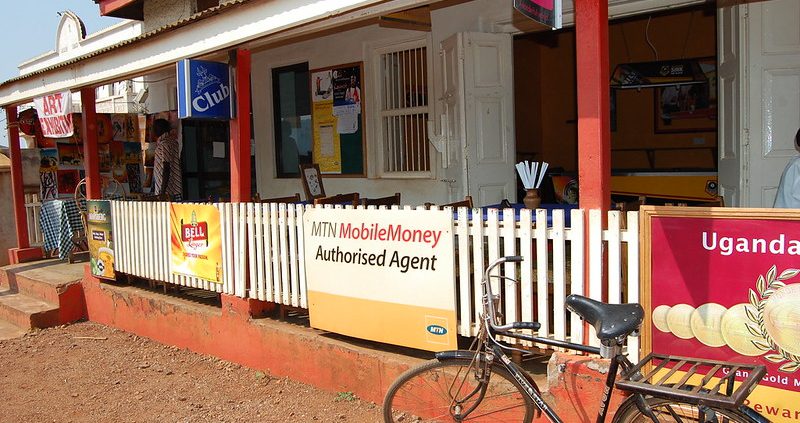
Informal Economy in UgandaThe informal economy in Uganda plays a significant role in employment and household income across the country. According to the International Labour Organization (ILO), the majority of workers in Uganda operate in informal jobs, including street vendors, small-scale farmers, artisans and micro-entrepreneurs. While these activities provide income opportunities, many workers face challenges such as limited access to credit, training and legal protections. In response, the government and development partners have introduced initiatives designed to strengthen informal businesses and help individuals transition into more stable economic opportunities.

Parish Development Model

One policy initiative addressing the informal economy in Uganda is the Parish Development Model. Launched by the government of Uganda in 2022, the program aims to help subsistence households participate more actively in the country’s money economy.

The Parish Development Model focuses on delivering financial services, agricultural support and business development resources at the parish level. Through local savings groups and small business financing, the initiative encourages entrepreneurship among low-income households. By supporting small-scale economic activity within communities, the program aims to improve income stability and reduce rural poverty.

SENTE

Another initiative addressing the informal economy in Uganda is the Supporting Jua-Kali Enterprises to Transition into the Formal Economy (SENTE) Program. The SENTE Program provides tools, equipment and training to informal business groups such as mechanics, metalworkers and carpenters.

These programs focus on helping workers increase productivity and expand their operations. Access to improved equipment allows artisans to produce goods more efficiently and improve product quality. In turn, these changes help small enterprises increase income and create employment opportunities within their communities.

Affordable Empowerment Credit Program

Financial inclusion initiatives also play a role in supporting informal workers. The Affordable Empowerment Credit Program offers low-interest loans designed to help individuals start or expand small businesses.

Access to credit remains a barrier for many informal entrepreneurs who lack traditional banking relationships. Programs that provide affordable financing allow small business owners to purchase materials, invest in equipment and grow their enterprises. These financial tools can reduce economic vulnerability while encouraging long-term economic participation.

Skilling Uganda Program

Workforce training initiatives also contribute to strengthening the informal economy in Uganda. The Skilling Uganda Program focuses on vocational education and technical skills development for young people and unemployed workers.

Through training in trades such as construction, mechanics and tailoring, the program helps individuals gain practical skills that can support income generation. Many graduates use these skills to establish small businesses or secure employment in local industries. By expanding access to technical education, Skilling Uganda supports workforce development and economic mobility.

Looking Ahead 

Programs supporting the informal economy in Uganda demonstrate how policy initiatives can help strengthen small businesses and improve economic stability. Government initiatives such as the Parish Development Model, SENTE Program, Affordable Empowerment Credit Program and Skilling Uganda Program provide financial resources, training and equipment that support workers seeking to expand their economic opportunities.

As these initiatives continue to develop, they highlight the importance of supporting informal workers as part of broader poverty reduction strategies. Strengthening the informal economy in Uganda can help expand employment opportunities, increase household incomes and support long-term economic development across communities.

– Jason Hill

Jason is based in Fullerton, CA, USA and focuses on Business and Good News for The Borgen Project.

Photo: Unsplash

March 25, 2026
https://borgenproject.org/wp-content/uploads/borgen-project-logo.svg 0 0 Precious Sheidu https://borgenproject.org/wp-content/uploads/borgen-project-logo.svg Precious Sheidu2026-03-25 01:30:112026-03-24 10:31:58Informal Economy in Uganda Supports Poverty Reduction
Economy, Global Poverty

Poverty in Lebanon

Poverty in LebanonPoverty in Lebanon has become one of the country’s most urgent humanitarian challenges. By 2024, around 44% of the population was living in monetary poverty, while almost 80% were suffering from multidimensional poverty. By 2025, nearly 80% of families were in urgent need of support and 31% of households lacked sufficient drinking water, putting them at risk of disease. 

The Economic Crisis

To understand poverty in Lebanon, it is necessary to revisit 2019, when the country’s financial system collapsed under years of mismanagement, massive debt and corruption. The economy had long depended on imports, remittances and high interest rates rather than domestic production. When foreign inflows slowed and confidence in banks crumbled, the fallout was severe. The currency crashed, savings disappeared, poverty escalated and basic services like electricity, health care and transport stopped working.

What followed was one of the worst economic collapses in modern history. Between 2019 and 2023, the Lebanese pound lost more than 98% of its value while food prices rose by 350%, the highest food price inflation recorded anywhere in the world. Families were forced to cut back on food, health care and basic expenses and the value of a lifetime of savings evaporated almost overnight. Years later, the crisis is far from over and has devastated daily life for millions of people. 

Social Protection Programs in Lebanon

Social protection programs help cushion people from poverty through cash transfers, pensions and school feeding schemes. The World Bank finances the two largest social protection programs in Lebanon: The National Poverty Targeting Program (NPTP) and the Emergency Social Safety Net (ESSN). In 2021, the NPTP reached only 1.5% of the population, which led to the ESSN in 2022. 

The ESSN now covers around 142,000 families, providing roughly $100 per month alongside support for schooling and health services. The ESSN, also known as AMAN, assists people living below the poverty line. Around 800,000 people now receive assistance through the ESSN. 

However, in 2023, the World Bank provided an additional $300 million to expand the ESSN, extending cash transfers to 160,000 households and covering school costs for students. Three years later, in 2026, it approved a further $350 million to support social protection, promote the economic inclusion of women and youth and accelerate the digitalization of key public services. The investment aims to strengthen Lebanon’s economic recovery, support job creation and improve the state’s long-term ability to deliver meaningful public services to all citizens.

Oxfam’s Response to Poverty in Lebanon

Oxfam has been working in Lebanon since 1993, providing humanitarian assistance to vulnerable people. Its current five-year (2023-2028) plan focuses on accessible financial solutions, renewable energy projects and helping businesses survive the economic crisis. Marwan Isaam, a researcher and policy advisor at Oxfam Lebanon, told The Borgen Project that the organization works at multiple levels.

On the humanitarian front, Oxfam provides cash assistance to households for food, rent or multipurpose needs. As he explains, “This is usually not done directly by Oxfam; we work with local organizations to deliver them. We always try not to impose our projects from above; we try to understand communities, to see what they need.” Its work also combines short and long-term interventions. “For example, we provide the family with $200 and at the same time, we train the youth on finding jobs and securing long-term employment. We answer the short-term needs and long-term needs,” Isaam says. 

Community Focus

Oxfam also collaborates with ministries to strengthen social development capacities. It works with municipalities on water networks and agriculture to secure resources for communities. It also produces research and policy reports on poverty and food security, which are sent to policymakers in an effort to influence them. 

What sets Oxfam apart is its approach to targeting. Rather than using proxy means-testing to identify the very most impoverished individuals, it focuses on reaching entire communities. “We try to push for more universal social production measures, like reaching an entire group or entire region instead of trying to pinpoint who is the poorest, which comes with a lot of targeting issues,” Issam explains. 

This also means extending support to groups that are excluded from government programs due to discrimination, including migrants, while prioritizing women and refugees who often lack access that other households might have. “What’s interesting about the work we do at targeting is that we often try to reach communities that are not reached by your mainstream social protection programs,” he adds.

Signs of Improvements

Lebanon’s government has made limited reforms, but some progress is visible. By 2025, signs of stabilization began to emerge for the first time since the crisis began, with inflation falling to double digits and the economy recording positive growth. Food insecurity also improved, driven by moderate inflation, remittances and continued humanitarian assistance. 

Politically, the election of a new president and prime minister brought renewed pledges to tackle the economic crisis. The cabinet approved a draft law to establish a mechanism for returning depositors’ funds lost during the crisis. The draft still needs to be approved by parliament to become law. 

However, it is the government’s first attempt to return funds to individual depositors whose bank accounts were frozen. Issam welcomes some of these developments but remains cautious. “There are some areas where adaptability and transparency have improved,” he says, “but the main model of how the country operates at an economic level, at the political level, so far remained unchanged.” 

He argues that the socioeconomic system still prioritizes protecting business and political elites and marginalizes underserved communities.

The Future of Poverty Policy in Lebanon

After years of crisis, something has shifted. A new government, a stabilizing economy and renewed investment in social protection signal cautious progress. While Lebanon has not yet fully recovered, recovery may finally be within reach for the first time in years.

– Jeanne Pellet

Jeanne is based in London, UK and focuses on Business and Politics for The Borgen Project.

Photo: Flickr

March 23, 2026
https://borgenproject.org/wp-content/uploads/borgen-project-logo.svg 0 0 Lynsey 2 https://borgenproject.org/wp-content/uploads/borgen-project-logo.svg Lynsey 22026-03-23 03:00:552026-03-28 12:45:01Poverty in Lebanon
Page 2 of 66‹1234›»

Get Smarter

  • Global Poverty 101
  • Global Poverty… The Good News
  • Global Poverty & U.S. Jobs
  • Global Poverty and National Security
  • Innovative Solutions to Poverty
  • Global Poverty & Aid FAQ’s
Search Search

Take Action

  • Call Congress
  • Email Congress
  • Donate
  • 30 Ways to Help
  • Volunteer Ops
  • Internships
  • Courses & Certificates
  • The Podcast
Borgen Project

“The Borgen Project is an incredible nonprofit organization that is addressing poverty and hunger and working towards ending them.”

-The Huffington Post

Inside The Borgen Project

  • Contact
  • About
  • Financials
  • President
  • Board of Directors
  • Board of Advisors

International Links

  • UK Email Parliament
  • UK Donate
  • Canada Email Parliament

Get Smarter

  • Global Poverty 101
  • Global Poverty… The Good News
  • Global Poverty & U.S. Jobs
  • Global Poverty and National Security
  • Innovative Solutions to Poverty
  • Global Poverty & Aid FAQ’s

Ways to Help

  • Call Congress
  • Email Congress
  • Donate
  • 30 Ways to Help
  • Volunteer Ops
  • Internships
  • Courses & Certificates
  • The Podcast
Scroll to top Scroll to top Scroll to top