Economic Opportunity in Morocco: A Look Into the Textile Sector
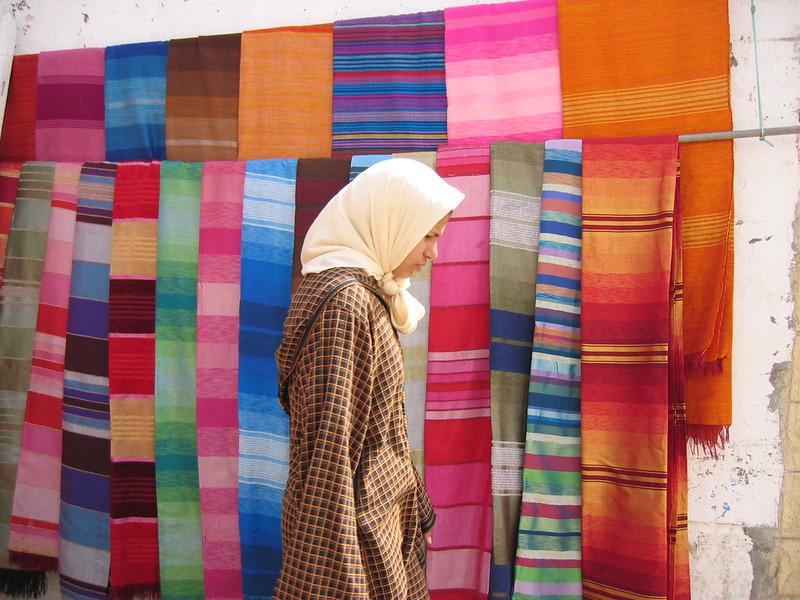 While Morocco’s youth unemployment rate remains high at around 23%, the country is using its thriving textile sector to lower unemployment rates, boost the economy and expand economic opportunity in Morocco.
Morocco’s Textile Sector
Morocco’s textile sector provides more than 200,000 jobs, accounting for 27% of industrial employment, and contributes 7% of the country’s industrial value. The country is taking the opportunity to create jobs through textile training programs that connect participants directly to an established industry, further supporting economic opportunity in Morocco.
Backed by organizations such as the United Nations Educational, Scientific and Cultural Organization (UNESCO) and Alwaleed Philanthropies, these programs and initiatives provide participants with skills in not only garment production but also small business development. The Alwaleed Philanthropies initiative has reached more than 6,300 people, with approximately 5,000 people benefiting in 2024 alone.
Strengthening Competitiveness
Morocco’s textile development efforts extend beyond a single initiative. Programs supported by the International Trade Centre (ITC) focus on improving competitiveness in the textile and clothing sector by helping small and medium-sized enterprises strengthen production, increase exports and integrate into global value chains. These efforts complement training initiatives by ensuring that newly skilled workers are entering a sector with growing demand and stronger international market access.
At the national level, Morocco has invested in industry-focused initiatives such as the Industrial Acceleration Plan, which emphasizes workforce training, investment and sector growth to support long-term job creation.
Training and Cultural Preservation
By combining textile production skills with workforce training, these programs create a direct pathway for Moroccans to go from learning to earning. The programs also provide specialized training to more than 500 artisans, focusing on areas such as fashion design, model development and creative production.
This program also prioritizes creativity and recognizes the importance of cultural preservation. It helps participants modernize traditional Moroccan textiles so that the sector remains competitive while preserving tradition. Traditional Moroccan textile practices such as the kaftan, are recognized by UNESCO as part of the country’s cultural heritage, highlighting the importance of preserving these techniques while adapting them for modern use.
This combination of preservation and modernization allows participants to maintain cultural identity while also accessing opportunities in tourism, where handcrafted textiles are often sold in local markets and cultural centers, as well as in broader fashion and export markets that value traditional craftsmanship. The textile and clothing sector’s strong export base further supports these opportunities by connecting locally produced goods to international buyers and global supply chains, contributing to economic opportunity in Morocco across both local and global markets.
Looking Ahead
Rather than creating entirely new industries, this approach focuses on strengthening what already exists, making job creation more immediate and reinforcing economic opportunity in Morocco. With youth unemployment remaining a challenge, programs that connect training directly to employment opportunities can help address the economic conditions that contribute to poverty. By equipping individuals with both technical and entrepreneurial skills, Morocco’s textile initiatives expand access to income and create more stable economic pathways.
– Kale Overton
Kale is based in Ames, IA, USA and focuses on Good News, Politics for The Borgen Project.
Photo: Flickr
