• Link to X
  • Link to Facebook
  • Link to Instagram
  • Link to TikTok
  • Link to Youtube
  • About
    • About Us
      • President
      • Board of Directors
      • Board of Advisors
      • Financials
      • Our Methodology
      • Success Tracker
      • Contact
  • Act Now
    • 30 Ways to Help
      • Email Congress
      • Call Congress
      • Volunteer
      • Courses & Certificates
      • Be a Donor
    • Internships
      • In-Office Internships
      • Remote Internships
    • Legislation
      • Politics 101
  • The Blog
  • The Podcast
  • Magazine
  • Donate
  • Click to open the search input field Click to open the search input field Search
  • Menu Menu

Archive for category: Disease

Information and news about disease category

Disease, Technology

How Cellphones are Fighting HIV/AIDS in Africa

cellphones
For the 23.8 million people living with HIV/AIDS in Africa, there are two realities. The first is the reality of the disease, which kills over one million people in Africa per year and requires treatment. The second is the stigma surrounding the disease, which itself creates a major social barrier to treatment. This stigma creates the need for patients to be able to seek treatment while protecting their privacy.

Cellphones provide a great opportunity to fill this need.

Mobile health, or mHealth, is the term used to describe the growing number of health services offered on cell phones. mHealth platforms have been particularly common in Africa due to a demand for services and Africa’s status as the fastest growing mobile phone market in the world.

mHealth has been shown to be effective in a variety of contexts. For HIV/AIDS patients, it can be greatly effective due to the variety of services offered to both patients and health care providers.

South Africa’s HIV Confidant, developed by Dimagi, is one such service. According to Dimagi’s website, the service seeks to provide “confidential distribution of the results of HIV testing” in South Africa. This a particularly difficult to accomplish in rural regions.

Along with securely distributing results of testing, HIV Confidant also allows patients to receive counseling on their infection status without sending in a second sample.

With studies finding that over 80 percent of patients are comfortable using mobile devices to manage their HIV treatment, services such as HIV Confidant provide a valuable service to patients concerned with anonymity and the stigma surrounding infection.

Programs focusing on HIV/AIDS prevention education are valuable in engaging communities. In addition to focusing on data collection and treatment adherence, Uganda’s eMOCHA program focuses intently on education, allowing it to address contributing trends to HIV/AIDS such as IV drug use.

Though mHealth symptoms are valuable tools in managing HIV/AIDS in Africa, they are not without their faults. The programs have been criticized by some as unlikely to reach certain at-risk groups, such as drug users, who are significantly less likely to own a cell phone. In addition, the cost of airtime currently makes the engagement of these programs difficult for patients living in poverty.

Despite these limiting factors, the growth of mobile phones in Africa creates hope that mHealth could become an important tool in the battle against AIDS. Perhaps the greatest challenge for mHealth platforms going forward then is ensuring that these valuable tools of defense against HIV/AIDS are available for those most at risk.

– Andrew Michaels

Sources: UNAIDS, DoSomething.org, IRIN, oAfrica, Johns Hopkins Center for Clinical Global Health Education, Dimagi
Photo: mHealth Blog

June 15, 2015
https://borgenproject.org/wp-content/uploads/borgen-project-logo.svg 0 0 Borgen Project https://borgenproject.org/wp-content/uploads/borgen-project-logo.svg Borgen Project2015-06-15 08:41:042024-12-13 17:51:27How Cellphones are Fighting HIV/AIDS in Africa
Children, Disease, Global Health, Global Poverty

Children in Yemen at Risk for Epidemic

Children-in-Yemen-at-risk-for-Epidemic
With the outbreak of conflict in Yemen, health centers have to shut down. Forces continue to attack hospitals and health care centers. There are medical shortages as the conflict hinders the delivery of medical supplies. As a result, children cannot receive the crucial vaccines and treatments they need to fight communicable diseases.

Vaccines save 2.5 million children worldwide from preventable diseases. Without basic vaccines, about 1.5 million children die. There are already cases of Measles reported in Yemen. Doctors are worried about reports of other diseases like Polio. If children in Yemen continue to not receive the vaccines, then these two diseases could continue to spread.

Parents are hesitant to take their children to health care centers to get the vaccines because the centers continue to be targets for attack, and because just getting there is dangerous. That leaves the health workers going into the field to vaccinate children. This can make it difficult to properly track how much of the child population has been vaccinated.

Another often overlooked aspect of vaccinating children is the protection of the vaccines themselves. Doctors have to make sure that vaccine centers maintain a supply of the vaccines needed. However, the conflict can make it difficult for WHO officials to deliver the medical supplies to the vaccine centers. Fuel shortages also cause problems, as there needs to be enough to ensure that the vaccines have the proper cold chain needed.

Issues like this can limit the number of children that can be reached and vaccinated. If supplies cannot be replenished or maintained, then it becomes difficult to keep children safe from diseases.

Contributing to the issue is food insecurity. Before the civil war, Yemen was already importing most of its food. Now, with conflict preventing food from being delivered, Yemen is struggling to feed its people. Without the nutrients to stay healthy and prevent malnutrition, the children’s immune systems are at a higher risk for contracting diseases.

Diseases could spread rapidly, as children in Yemen do not have access to enough food and clean water, people live in close proximity in refuge areas, and there is limited health access. The WHO workers try to combat the spread with consistent monitoring of medical supplies and going out and finding those who need the vaccines.

– Katherine Hewitt

Sources: Bill & Melinda Gates Foundation, UN News Centre, World Health Organization,
Photo: Twitter

June 15, 2015
https://borgenproject.org/wp-content/uploads/borgen-project-logo.svg 0 0 Borgen Project https://borgenproject.org/wp-content/uploads/borgen-project-logo.svg Borgen Project2015-06-15 08:11:152024-06-11 02:48:06Children in Yemen at Risk for Epidemic
Disease

Remember Ebola?

Remember-Ebola
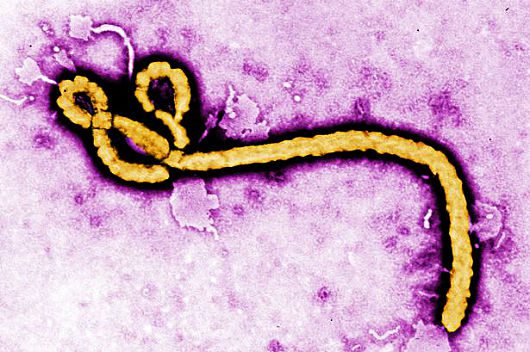
The buzz surrounding Ebola started to die down after an update declaring a ten-month low of a reported nine cases, and as transcontinental infection was scarce. Although newer and flashier news stories have taken over, and Ebola started to disappear from the public eye, Ebola may be making a harsh comeback in coming months. With the onset of the rainy season in West Africa, new challenges arise in controlling the Ebola outbreak.

Since the ten-month low, transmission intensity and geographical span have increased despite rigorous efforts to control the disease. The main challenges have been identifying sources and community engagement, where there is still widespread resistance to the efforts. Officials are not largely concerned with the rainy season bringing increased transmission rates and more reported cases, but are concerned with the complications in their efforts at combating the disease.

The rainy season in West Africa brings with it higher prevalence of diseases, such as Malaria, that induce similar symptoms to Ebola. As more people exhibit these symptoms, more people need to be treated as though they may have the Ebola virus, meaning that more people will need to be tested for it. The rain also creates concern over infrastructure and travel, which could hinder efforts in the fight against Ebola.

Many experts in the field had hoped for and urged efforts to get the Ebola outbreaks under control before the rainy season began, and it seemed feasible to do so. The recent increases in transmission come as a disappointment and as a source of well-founded worry. While the public may have shifted gears and moved on from Ebola, health-care workers are shifting gears to be even more vigilant and intense to find those last strains of transmission. The World Health Organization has faced new challenges in the fight against Ebola, and will prevail through the challenges that the rainy season brings.

Even more fear arises from the fact that after reports of low transmission, and as the countries largely affected by the outbreak started to regain normalcy, many international actors backed out of the area. With new causes for concern and a need for increased testing coming with the rainy season, the foreign aid and international health workers are needed again, and soon.

Ebola infections are still more concentrated and more under control than at the start of the outbreak in December 2013, and with the new rainy season perhaps the increased testing will finally bring the last of the transmission chains to light.

– Emma Dowd

Sources: Sierra Leone Times, CIDRAP, UN
Photo: Mirror

June 15, 2015
https://borgenproject.org/wp-content/uploads/borgen-project-logo.svg 0 0 Borgen Project https://borgenproject.org/wp-content/uploads/borgen-project-logo.svg Borgen Project2015-06-15 08:07:412024-06-11 02:48:06Remember Ebola?
Disease, Global Health, Refugees and Displaced Persons

Cholera Outbreak in Burundi Refugee Camp

cholera outbreakThe Office of the United Nations High Commissioner for Refugees (UNHCR) confirmed that over 105,000 Burundian people have crossed the border to find sanctuary from politically-driven violence in Burundi’s capital city, Bujumbura.

The Burundian political sphere was rattled in late April when President Pierre Nkurunziza was nominated by the CNDD-FDD party to serve a third term, which his political opponents believe to be unconstitutional. As a result of the debate, Bujumbura was flooded with protests in the following weeks, culminating in a short-lived coup d’état on May 13.

Despite the coup d’état ceasing within 24 hours, violence continued into the rural regions, threatening a large majority of rural Burundian people. The Imbonerakure tribe ravaged towns by marking red paint on the houses of those who they intended to kill, causing thousands of families to flee the country.

UNHCR correspondent Adrian Edwards reported, “Many of these [people] have crossed into Rwanda (25,004), but over the last week we have also seen a sharp increase in people seeking asylum in Tanzania (17,696) after entry restrictions there were lifted. In addition, almost 8,000 people have crossed into South Kivu province in the Democratic Republic of the Congo. In all these cases, women and children, including a large number of unaccompanied children, are in the majority.”

The reported number of 17,000 seeking refuge in Tanzania has since increased to over 70,000. A large majority of those traveling to Tanzania have landed in Kagunga, a border village on the shore of Lake Tanganyika. This small village can only be reached by boat, due to a treacherous mountain range surrounding the village on the Tanzanian side.

This small village quickly reached its maximum capacity, and the Burundian people have been crammed into short-stocked refugee camps, without adequate sleeping space, food or sanitation. These refugee camps are overwhelmed by the rapid out-pour of people. As a result, a recent cholera outbreak has infiltrated the water supply, killing as many as 31 refugees in the past few weeks and causing acute diarrhea in 3,000 more.

Médecins Sans Frontières (MSF) is working to open re-hydration checkpoints and cholera treatment centers in both Kagunga and Kigoma. Refugees are currently being fast-tracked to Kigoma, where there have been no reported cases of cholera. The transfer of pregnant women, children, the elderly and the sick is a top priority.

In Kigoma, local aid has assembled a sort of “pit stop” location where refugees can stay a few days while being registered and receiving medical care before being transferred to another refugee camp called Nyarugusu. With the help of UNHCR and other contributors, more than 18,000 refugees have been safely moved to Nyarugusu so far.

Regarding the Cholera outbreak, MSF stated, “Epidemics tend to occur where living conditions are poor: where there is overcrowding, inadequate access to safe drinking water or proper latrines and insufficient rubbish collection. Improved hygiene practices and treatment are important components of the cholera response. The provision of safe water and effective sanitation remain essential during all outbreaks.”

– Hanna Darroll

Sources: MSF, UNHCRInternational Business Times
Sources: BBC, MSF
Photo: The Guardian

June 14, 2015
https://borgenproject.org/wp-content/uploads/borgen-project-logo.svg 0 0 Borgen Project https://borgenproject.org/wp-content/uploads/borgen-project-logo.svg Borgen Project2015-06-14 16:00:062024-12-13 17:51:25Cholera Outbreak in Burundi Refugee Camp
Disease, Global Poverty

The Causes of Multi-Drug Resistant Tuberculosis

drug_resistant_tuberculosis
In 2013, five percent of global tuberculosis cases were known as multi-drug resistant tuberculosis. MDR TB is a form of tuberculosis that does not respond to the standard first-line drugs of Isoniazid and Rifampicin, which are used to treat TB.

Multi-drug resistant tuberculosis is on the rise around the world. There are 27 high MDR TB burden countries. A large majority of these are also high burden countries for regular TB as well. MDR TB rates are extremely high in Eastern Europe, where as many as 28 percent of new TB cases are MDR. Two countries, India and China, carry the most incidences of MDR TB.

Multi-drug resistant tuberculosis is a man-made problem created by inadequate or improper administration of TB drugs. Because of the length of treatment required for TB, improper drug use is common. As patients start to feel better, they stop taking their medication. The TB bacteria are still not eradicated from the body so the TB builds resistance to the first-line drugs that the patient has already taken. When the patients fall ill again, their TB strain will not only not respond to first line drugs, it will be highly contagious.

Weak TB control programs at the country-level contribute to drug resistance because they allow for improper TB treatment. Because of the risk that patients will not finish the TB treatment cycle, TB control programs are designed to create a system of observation by health professionals that insures proper treatment. However, countries with low health infrastructure and limited resources cannot follow the progress of every TB patient.

A growing concern is not the new instances of MDR TB cases but the infectiousness of the people who already have it. Because TB disproportionately affects the poor, who live in crowded, unsanitary conditions, the threat of contagion is much greater. This is especially true in high-burden countries like India and China, where the living conditions of the poor are extremely crowded.

The treatment for MDR TB is extremely expensive and much harder to access. The treatment cycle can last upward of two years and includes a daily injection for a period of six months, increasing the risk of patients not finishing the treatment even more than regular TB treatment. Patients who do not finish treatment create resistance to the second-line drugs.

A new phenomenon emerging is an extremely drug resistant, or XDR, strain of TB. XDR TB cases only make up five percent of MDR TB cases. XDR TB is resistant to any fluoroquinolon, at least one of three second-line drugs and both first-line drugs. Research and infrastructure dealing directly with XDR TB are very limited and resource consuming. For least-developed and developing countries with limited medical resources, XDR TB is almost impossible to treat.

– Caitlin Huber

Sources: E-Medicine Health TB Alliance, WHO
Photo: The Guardian

December 13, 2014
https://borgenproject.org/wp-content/uploads/borgen-project-logo.svg 0 0 Borgen Project https://borgenproject.org/wp-content/uploads/borgen-project-logo.svg Borgen Project2014-12-13 04:00:042020-07-18 04:29:36The Causes of Multi-Drug Resistant Tuberculosis
Disease, Technology

Senegal Fights Ebola With Text Messages

ebola
In late August, Senegal’s first case of Ebola was confirmed in a man who had previous direct contact with a patient in Guinea and then traveled to Dakar, the capital city of Senegal. In collaboration with the World Health Organization, the Government of Senegal took immediate measures to stop the virus dead in its tracks.

Nearly 5,000 people have died from the Ebola virus and over 10,000 people have been infected. To prevent the spread of Ebola within Senegal, the Ministry of Health sent out over 4 million SMS messages to the general population warning of the new Ebola case and ways to individually prevent the contraction of the virus. The messages, based off a social campaign previously used for diabetes, were sent to citizens in Dakar and Saint-Louis, another heavily populated region in the country. The SMS campaign entailed multiple partnerships with local mobile phone companies and urged people to contact health authorities with news of anyone showing signs of fever and bleeding by calling the number provided. The messages received were then broadcast in large public events, such as sports games and rallies.

Dr. Mbayange Ndiaye Niang, a project leader at the Ministry of Health, says the “SMS campaign was part of a much larger national project in Senegal focused on awareness, prevention and care for people with Ebola.” Other awareness methods included flyers, radio announcements and messages posted on government websites. Washing hands regularly and avoiding contact with infected persons and animals was heavily reinforced.

The SMS campaign was extremely successful and, to date, there has only been one Ebola case in Senegal. The efficient and quick reaction by the Ministry of Health was possible due to the existing platform designed to help people manage their diabetes, called mDiabetes. The campaign began during the holy month of Ramadan, where fasting elevated risks associated with having diabetes. By registering with the program, persons with diabetes could receive free tips and advice via text messages on how to control problems associated with fasting. Thus, when Ebola reached Senegal, the government already had mechanisms in place to send text messages on a large scale.

The SMS campaign in Senegal proves that the technology platform can present an opportunity to target awareness on any disease, ranging from HIV/AIDS to the flu. In a world where phones and mobile devices have taken over all forms of paper, governments should invest in more technology-based initiatives.

– Leeda Jewayni

Sources: World Health Organization, UN Multimedia

Photo: Text Magic

November 14, 2014
https://borgenproject.org/wp-content/uploads/borgen-project-logo.svg 0 0 Borgen Project https://borgenproject.org/wp-content/uploads/borgen-project-logo.svg Borgen Project2014-11-14 12:00:482024-05-27 09:23:00Senegal Fights Ebola With Text Messages
Disease, Global Poverty

How to Help Fight Ebola

fight ebola
With the current Ebola outbreak, it is no wonder people are in a rush to help fight the treacherous disease. Although no known cure has been found, there are preventive measures one can take to halt its transmission.

Ebola is often transferred to humans from wild animals and can spread in the population through human-to-human contact with bodily fluids. Fruit bats are common vectors that transfer Ebola to humans through contact with blood, sweat and secretions.

Further, health workers are at great risk of contracting the disease when they treat patients with Ebola without proper protective gear. The average case fatality rate is at about 50 percent, but past outbreaks have had an average fatality rate of 90 percent. In 1976, the first outbreaks of the disease were recorded in the outskirts of Sudan and the Democratic Republic of Congo. Ebola has since moved on to urban and rural areas of West Africa, as we are witnessing currently.

But how can we help fight Ebola? The World Health Organization claims that community participation is key in controlling outbreaks. There needs to be clear interventions set in case of rapid progression throughout the country, such as case management and surveillance, an adequate laboratory and effective burial methods.

Health care providers that are in close contact with the virus should wear gloves, masks and goggles, in turn diminishing chances of infection. In addition, people should stay clear of highly infected areas or restrict travel to countries with high prevalence of Ebola.

Since symptoms can take up to three weeks to manifest, it is crucial that people are aware of the risk factors for infection. Interaction with wildlife increases one’s chance of infection, and so to help fight Ebola, limit contact and always wear gloves and masks if working with animals. Also, if living in high-risk areas in Africa, make sure meat is cooked properly and thoroughly before consumption. Furthermore, when coming in contact with patients with Ebola, wash hands regularly. This includes contact with the living and the deceased. Thus proper and safe burial is essential for affected persons.

As the recent cases of health care workers in Dallas demonstrate, strict infection control measures and following protocols from the Centers for Disease Control and Prevention must be followed to help fight Ebola. Community engagement and education is also key in successfully controlling the outbreak. While an approved vaccine does not yet exist, the virus can be contained through protective measures that can effectively reduce human transmission.

– Leeda Jewayni

Sources: WHO, NLM
Photo: Flickr

October 17, 2014
https://borgenproject.org/wp-content/uploads/borgen-project-logo.svg 0 0 Borgen Project https://borgenproject.org/wp-content/uploads/borgen-project-logo.svg Borgen Project2014-10-17 08:00:542024-05-26 23:52:29How to Help Fight Ebola
Disease, Global Poverty

Global Vaccination Programs

When it comes to diseases, it is always preferred to prevent rather than treat. Over the years, vaccinations and immunizations have saved millions of lives and eliminated one of the deadliest diseases in the world: smallpox.

All children are born with an immune system that produces antibodies when a foreign substance, or antigen, is detected. In other words, when the child gets sick, these proteins will not be able to halt the disease from occurring, but the immune system will remember the antigen and give the child immunity when it invades the body a second time.

Vaccines contain those antigens, but in a weaker form. The body will sense an “invader” and still produce antibodies to fight the harmless antigen. Thus, without ever exposing a child to a disease, a vaccination is a safer way to gain protection and produce immunity.

The Centers for Disease Control and Prevention understands the importance of global vaccination programs and has created the Global Immunization Division, which is dedicated to creating a “world without the diseases and deaths that could be prevented with vaccines.”

Worldwide, one in five children do not have access to the most basic vaccines. Consequently, around 1.5 million children die each year from diseases that could be prevented with proper immunizations. By working with a variety of global partners, the CDC has implemented a multitude of routine immunization services and campaigns, in addition to providing bed nets, de-worming medication and safe water systems.

The Bill and Melinda Gates Foundation also invests in global vaccination programs and contributes to the goals of the Decade of Vaccines, an action plan that aims to deliver universal access to immunization. In collaboration with the World Health Organization and other civil society organizations, the foundation is introducing vaccinations into the countries that need it most. They focus on strengthening immunizations systems by supporting the collection and analysis of vaccine-related data, as well as developing new technology to help medical staff “assess population immunity to disease.”

Universal access to vaccinations remains a priority goal for both groups in the next year. Effective vaccination programs saves lives, is inexpensive and easy to administer. Universal availability of vaccines also reduces health inequities, if everyone can have access to life-saving discoveries. Access to vaccines will give all our global citizens a fighting chance to survive.

– Leeda Jewayni

Sources: CDC, CDC 2, Bill and Melinda Gates Foundation
Photo: Council on Foreign Relations

October 2, 2014
https://borgenproject.org/wp-content/uploads/borgen-project-logo.svg 0 0 Borgen Project https://borgenproject.org/wp-content/uploads/borgen-project-logo.svg Borgen Project2014-10-02 04:00:062024-05-27 09:22:46Global Vaccination Programs
Disease, Global Poverty

The Pentavalent Vaccine

Pentavalent is a vaccine that is being used to protect against five diseases: tetanus, hepatitis B, Pertussis, haemophilus influenza type b and diptheria. The Global Alliance for Vaccines and Immunizations (GAVI) introduced the vaccine in 2001 in Kenya, and in July of 2014 South Sudan became the 73rd country to be introduced to the vaccine through the GAVI Alliance.

In order for the vaccine to be effective, it needs to be administered over a three-dose schedule. Increasing the availability of the pentavalent vaccine is an attempt to reduce the mortality rate of children under the age of five by two-thirds for the coming year (2015), which is goal number four on the Millennium Development Goals list.

GAVI has also partnered with organizations such as World Bank, WHO and UNICEF, as well as other donor countries, in order to increase the availability of the pentavalent vaccine in poor countries where child mortality is an extremely pressing concern.

Most recently, the Minister of Health in India, Harsh Vardhan, stated that the pentavalent vaccine would be introduced in eight of India’s states: Tamil Nadu, Gujarat, Karnataka, Puducherry, Kerala, Goa, Jammu and Kashmir and Haryana. The plan is for the vaccine to be distributed among twelve additional states in the near future.

The success rate of disease prevention once the pentavalent vaccine has been administered is extremely high; the next part of the plan regarding the vaccine is to make sure that coverage is provided in remote areas and in regions facing deep levels of poverty. GAVI plans to begin an initiative, to be implemented from 2016 to 2020, to increase the amount of coverage for the pentavalent vaccine worldwide.

The CEO of the GAVI Alliance, Dr. Seth Berkley, stated on the GAVI website that his “next challenge is to support some of the world’s largest countries to expand and strengthen their programmes to ensure they are reaching every child.”

– Jordyn Horowitz

Sources: GAVI Alliance, UNICEF, Business Standard
Photo: GAVI Alliance

August 19, 2014
https://borgenproject.org/wp-content/uploads/borgen-project-logo.svg 0 0 Borgen Project https://borgenproject.org/wp-content/uploads/borgen-project-logo.svg Borgen Project2014-08-19 12:00:302024-06-05 01:58:02The Pentavalent Vaccine
Children, Disease, Global Poverty, Health

What is the MMR Vaccine?

mmr vaccine
Measles, mumps and rubella are all viral diseases that can interrupt the development of children and adolescents. Accessing reliable information about the MMR vaccine is the most cost-effective method to increasing its uptake.

The MMR vaccine is recommended in childhood. The three-in-one vaccine is necessary for most children to enter school and can be given as early as 11-15 months, and children should get two doses. In addition, adults born after 1956 or 18 years or older should also receive one dose of the vaccination unless they have already had all three diseases.

The MMR vaccine can be given at the same time as other vaccines. Young children (under 12 years) can get a combination of vaccines known as the MMRV (measles, mumps, rubella and chicken pox).

Upon receiving the vaccination, there are some risks involved, but most people who receive the vaccine do not develop any problems.

Mild issues can occur 6-14 days after receiving the vaccine and can include any of the following: fevers, mild rashes, and swelling of cheek/neck glands. Moderate issues can range from: seizures, stiffness/ pain in joints, temporary low platelet count that leads to a bleeding disorder (1 in every 30,000 doses). Some severe and very rare problems are: serious allergic reaction (1 in every million doses), deafness, permanent brain damage, and long-term seizures/comas. There is no evidence that the vaccine causes childhood autism.

All of these listed risks are small however, in comparison with the risks of contracting measles: severe illness, hospitalization and death. The vaccine itself has brought huge leaps in early childhood disease prevention, providing vaccination to over 500 million people worldwide in over 100 countries. Before the vaccine, mumps was the most common cause of viral meningitis in children and rubella caused terrible damage to unborn babies.

Now, both mumps and rubella are virtually non-existent in children.

The Measles Outbreak

With concern to the current measles outbreak of 2014, two doses are recommended because 2-5 percent of vaccinated people do not respond to their first dose. More than 99 percent of people develop immunity after
the second dose.

Out of the 593 confirmed cases of measles, very few were from people who had been vaccinated twice.

The virus itself can stay in the air for two hours after a person with measles symptoms have left the area and is spread by respiratory droplets. The people infected are contagious four days before and after receiving the rash.

International Outbreak

In the third world countries of the world, measles outbreaks have been spreading more freely, with thousands of cases. In the Philippines, there were 50,000 registered cases and 77 deaths. In Vietnam, there are at least
8,700 cases with 112 deaths in children. In Pakistan, over 30,000 people have caught measles and 290 people have died, with the number increasing daily for children alone. The effect of measles has been spreading due to a lack of proper vaccination, more vulnerable immune systems and misinformation (MMR vaccine may produce autism).

In Africa, the number of measles-related deaths have decreased by 91 percent due to a surge in immunization. However, cases have still been growing, a number well into the thousands.

The potential benefits of the vaccine outweigh the risks. Parents should understand that the MMR vaccine is the best way to protect their children from these diseases, especially if traveling to an affected area, or the family resides in an affected area.

– Ashley Riley

Sources: About, About 2, CDC, CDC 2
Photo: Medimoon

August 18, 2014
https://borgenproject.org/wp-content/uploads/borgen-project-logo.svg 0 0 Borgen Project https://borgenproject.org/wp-content/uploads/borgen-project-logo.svg Borgen Project2014-08-18 10:54:372024-05-27 09:21:09What is the MMR Vaccine?
Page 68 of 74«‹6667686970›»

Get Smarter

  • Global Poverty 101
  • Global Poverty… The Good News
  • Global Poverty & U.S. Jobs
  • Global Poverty and National Security
  • Innovative Solutions to Poverty
  • Global Poverty & Aid FAQ’s
Search Search

Take Action

  • Call Congress
  • Email Congress
  • Donate
  • 30 Ways to Help
  • Volunteer Ops
  • Internships
  • Courses & Certificates
  • The Podcast
Borgen Project

“The Borgen Project is an incredible nonprofit organization that is addressing poverty and hunger and working towards ending them.”

-The Huffington Post

Inside The Borgen Project

  • Contact
  • About
  • Financials
  • President
  • Board of Directors
  • Board of Advisors

International Links

  • UK Email Parliament
  • UK Donate
  • Canada Email Parliament

Get Smarter

  • Global Poverty 101
  • Global Poverty… The Good News
  • Global Poverty & U.S. Jobs
  • Global Poverty and National Security
  • Innovative Solutions to Poverty
  • Global Poverty & Aid FAQ’s

Ways to Help

  • Call Congress
  • Email Congress
  • Donate
  • 30 Ways to Help
  • Volunteer Ops
  • Internships
  • Courses & Certificates
  • The Podcast
Scroll to top Scroll to top Scroll to top