HIV/AIDS and Poverty in South Africa
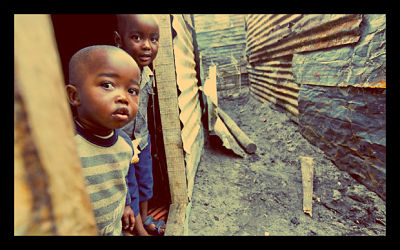
For South Africa, HIV/AIDS is a disease specific to poverty. In 2009, over half the country’s population lived in poverty. As of 2011, almost 6 million South Africans were living with HIV/AIDS, the highest number of affected in a single country in the world. Despite these daunting figures, this year?s scientific breakthrough in antiretroviral drugs brings hope.
Samantha Oliver, 23 and a Michigan State University graduate, spent August through December in 2011 interning in Cape Town, South Africa. While working with an organization to promote HIV/AIDS research and best practices, she saw the effects of the disease. “HIV/AIDS spreads poverty and poverty spreads HIV/AIDS,” she said. Though which came first is harder to determine. Oliver went on to explain that the disease “attacks what should be the most productive sector of an economy.” People between the ages of 15-49 are most likely to contract HIV/AIDS and they are also the people making most of the contributions to the economy. When a family member becomes sick from the disease, they are unable to work and another family member must stay home to help care for them. As of 2011, about one fifth of South African women in their reproductive ages had HIV, thus continuing the problem of mother-infant transmission of HIV/AIDS.
The United Nations reported that in a national South African survey, 66 percent of people asked reported a drop in the amount of income per household due to “HIV-related illness, including the direct loss of earners.”
Despite the cyclical nature of the relationship between HIV/AIDS and poverty in South Africa, progress has clearly been made throughout the past decade. While in Cape Town, Oliver saw something a lot of people watching the news or reading online reports do not see. She was able to see the work being done by South Africans for South Africans. “A lot of people think that over in Africa in particular, people are sitting around waiting for foreign aid to happen… All I saw was local doctors, nurses and pharmacists going way above and beyond their jobs to try to come up with solutions,” Oliver said. “It was creative problem solving… I think that people would be a lot more supportive of different types of aid programs if they could see that local people on the ground are already starting the kinds of projects that the funding would be needed for.” Oliver’s stay in Cape Town in 2011 was her sixth visit to South Africa.
In March of this year, the Center for Strategic and International Studies reported that the transition from United States-led policy to South African-led policy that began in October of 2010 was going well. The U.S. is no longer “a lead role in the provision of lifesaving services” and has moved “to an approach focused increasingly on technical support.” The good news continues this July as the UN noted that South Africa has the second largest antiretroviral program in the world and their continued battle against the spread of HIV/AIDS is showing progress. The UN also estimated that in South Africa, the rate of infection is between 17 and 32 percent lower than if the treatment were not being provided.
While attending Michigan State University, Samantha Oliver double majored in International Relations and Comparative Politics with a specialization in International Development. Of her experiences while in Cape Town, Oliver said, “If people could see what community-based organizations are doing [in South Africa], I think they would be really moved.” She also recommended that if someone were interested in learning more that they look into South Africa-based aid organizations as well as international organizations.
– Jordan Bradley
Sources: The Center for Strategic and International Studies SouthAfrica.info United Nations Development Programme Times Live UNAIDS UN Chronicle
Photo: The Telegraph
