• Link to X
  • Link to Facebook
  • Link to Instagram
  • Link to TikTok
  • Link to Youtube
  • About
    • About Us
      • President
      • Board of Directors
      • Board of Advisors
      • Financials
      • Our Methodology
      • Success Tracker
      • Contact
  • Act Now
    • 30 Ways to Help
      • Email Congress
      • Call Congress
      • Volunteer
      • Courses & Certificates
      • Be a Donor
    • Internships
      • In-Office Internships
      • Remote Internships
    • Legislation
      • Politics 101
  • The Blog
  • The Podcast
  • Magazine
  • Donate
  • Click to open the search input field Click to open the search input field Search
  • Menu Menu

Archive for category: Development

Information and stories on development news.

Development, Global Poverty, USAID

How Partnership Drives Development in Agra, Malawi and Tanzania

Partnership Drives Development
Empowering and creating partnerships with local actors is a longstanding tenet of effective development projects. When those in need rely too heavily on outside influences, regardless of their intentions, they risk losing control of the resources and decision-making best left to those closest to the problem. Partnership with local actors gives development projects the best chance of being effective and sustainable. Here are three examples of how partnership drives development.

Agra

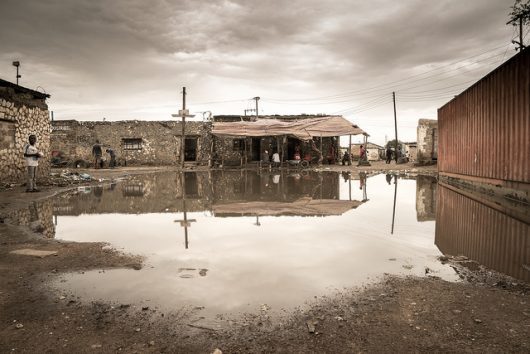
In 2009, the community of Agra, India — home to the iconic Taj Mahal — suffered from a water sanitation crisis. Waste collection and disposal became nonexistent and a large majority of residents practiced open defecation. As waste flowed into the Yamuna river of which locals relied for irrigation and drinking, residents risked exposure to polio, typhoid, dysentery and cholera.

In partnership with the Center for Urban and Regional Excellence, a USAID-supported non-governmental organization (NGO), Agra’s governing municipality constructed a wastewater treatment plant to protect the water source used by the 2,000 community members living in Agra.

The plant employs natural processes requiring minimal power and maintenance; however, the true indicator of the project’s success came in 2017, when Agra’s municipality took over all operations from outside actors and ensured clean drinking water for the people of Agra for years to come.

Malawi

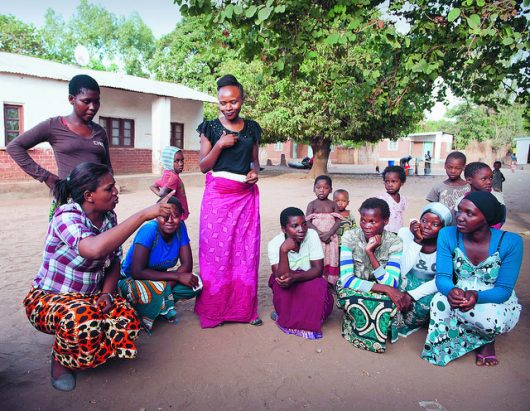
In another example of how partnership drives development, the Human Resources for Health in 2030 (HRH2030) program is partnering with the government of Malawi to recruit and hire 300 medical workers to combat the HIV epidemic. In Malawi, more than 900,000 people currently live with HIV. To add to the problem, the country suffers from a severe shortage of healthcare professionals needed to address this issue.

While the program only started in November 2017, facility managers from the HIV-freighted Lilongwe and Zomba districts have already noted the positive impact of the increase in workers. Furthermore, the local government has signed an agreement to take on financial responsibility for the new workers by 2020, committing to self-reliance and sustainability.

Tanzania

In addition to increasing access to a network of health professionals, the community of Tabora, Tanzania highlights the effectiveness of another way of combating HIV — male circumcision. Studies suggest that male circumcision reduces transmission in heterosexual men by near 60 percent, and is a powerful preventative tool, especially in combination with other approaches.

In an example of how partnership drives development, The USAID-funded Strengthening High-Impact Interventions for an AIDS-free Generation (AIDSFree) project is partnering with the Tabora regional health administration to increase access to voluntary medical male circumcision (VMMC). A standard bearer of the cause, traditional healer Albert Cosmas acts as a VMMC ambassador, encouraging other men to have the procedure and thereby helping reduce the HIV footprint in Tabora.

When development agencies make top-down decisions without partnership with local actors, they risk harming the communities they aim to serve. Indeed, “acting in collaborative partnership” is explicitly included in the United Nations 2030 Agenda for Sustainable Development. These three stories illustrate the powerful impact of a bottom-up approach that empowers local actors with the capacity to carry progress into the future.

– Whiting Tennis
Photo: Flickr

May 22, 2018
https://borgenproject.org/wp-content/uploads/borgen-project-logo.svg 0 0 Borgen Project https://borgenproject.org/wp-content/uploads/borgen-project-logo.svg Borgen Project2018-05-22 01:30:092024-05-29 22:42:20How Partnership Drives Development in Agra, Malawi and Tanzania
Development, Global Poverty

Economic Development in Ghana Can Help Fight Extreme Poverty

Economic Development In Ghana Can Help Fight Extreme PoverAccording to the World Bank, Ghana has not been a low-income country since 2011; in fact, it has been upgraded to a middle-income one. For reference, the World Bank study defines low-income countries as those with average gross national incomes (GNIs) of less than $1,005 per person per year.

Conversely, middle-income countries are those with per capita GNIs of between $1,006 and $3,975 per year, while upper-middle-income countries are those with per capita GNIs between $3,976 and $12,275. Fortunately, the number of countries listed as low-income has declined to 35 from 63 in 2000.

Economic Development in Ghana

Economic development in Ghana is the key factor for its upgrading to a middle-income country. Ghana’s economy is the second biggest in West Africa and strong exports of cocoa, gold and oil constitute the main pillars of Ghana’s economy.

The combination of successful sectors like gold and cocoa exports and the launch of crude oil production in 2011 boosted Ghana’s GDP growth to 15 percent in 2011 and 7.9 percent in 2012. Revenue from the oil and gas sector amounted to $846 million in 2013. In 2011 and 2012, revenues reached $444 million and $541 million respectively. The vast majority of this success stems from a project called Jubilee oil field.

Economic development in Ghana is also furthered by a stable political system. Ghana has a long history of political stability and trust in democracy with a long string of free elections and turnover in terms of governing political parties.

Problems in Ghana’s Economy

Although the country is experiencing rapid growth, Ghana is also burdened by a large fiscal deficit and a large balance of payments deficit. The fiscal deficit jumped to 11.5 percent of GDP in 2012 as a consequence of the government’s increased spending on public sector wages and subsidies, while public debt level rose to 56 percent of GDP in 2012, up from 33 percent of GDP in 2008.

Economic development in Ghana, however, has certainly helped to increase the per capita incomes. The percentage of people living in poverty has, in fact, declined to less than 30 percent.

Poverty in Ghana

But Ghana’s relative poverty is still an issue. About 52 percent of Ghanaians live on less than $2 a day and another 27 percent live on between $2 and $4. The emerging middle class, on the other hand, which represents one in five Ghanaians, has a per capita daily consumption of between $4 and $20. The steady rise of a middle class in Ghana represents good news, especially considering the social and political stability that makes Ghana an exception in the African continent.

An accurate combination of safe monetary policy, higher oil production and controlled expenditures are likely to boost government revenues, which, with declining inflation and interest rates, will boost economic activity and facilitate the reduction of extreme poverty in Ghana.

– Luca Di Fabio
Photo: Google

May 8, 2018
https://borgenproject.org/wp-content/uploads/borgen-project-logo.svg 0 0 Borgen Project https://borgenproject.org/wp-content/uploads/borgen-project-logo.svg Borgen Project2018-05-08 06:50:492024-05-29 22:42:17Economic Development in Ghana Can Help Fight Extreme Poverty
Development, Economy, Global Poverty

The Mechanisms and Determinants of Development

Determinants of Development
The enduring issue of why some countries are rich while others remain poor has long been the subject of great interest among scholars. New research on the determinants of development, though, appears to better identify the driving force behind development by taking an incisive look at the three traditional economic explanations for these cross-country disparities – economic policy, political institutions and geography.

Based on the findings, the researchers conclude that the primary determinant of developmental success may be the strength of institutions.

Economic Policy, Political Institutions and Geography

The research first laid out the traditional arguments for the importance of policy, institutions and geography as determinants of development.

All three are pretty straightforward: economic policy, such as a nation’s savings rate and the strength of its currency, clearly dictate, to some extent, the economic vitality of a country; geographic factors can also matter, for instance, a landlocked country like Chad – without access to the ocean or major rivers – is at a natural disadvantage because trade becomes a logistical nuisance; institutions — like the rule of law to maintain public safety, ensure property rights, and mitigate corruption — still were found to have a greater impact.

However, the researchers’ revelation was not just that policy and geography took a back seat in importance to the role of institutions in development, but that they were, independently, hardly influential at all. Research sampling 72 countries found that while poor policies may hurt growth rates temporarily, they did not have the sort of impact on long-term income levels that many had previously suspected.

Promotion of Stable Institutions

The relationship between geography and development was a bit more complicated. Although nations with poor geography and stable institutions still do well, the authors acknowledge the role geography often plays in promoting stable institutions historically.

Specifically, nations colonized by Europe in unfavorable regions (in regard to disease and other conditions) were typically turned into rentier states and dealt poorer institutions. Conversely, regions which could be settled were afforded European-mainland style institutions: democracy, property rights and the rule of law.

Determinants of Development

So, Europe’s unique colonial history shows that geography did affect the type of institutions implemented in various countries, and it is these institutions that explain differences in development.

In a sense, the revelation that among the determinants of development, growth is primarily a function of institutions should be somewhat heartening, as institutions can be reformed. Therefore, instead of nations across Sub-Saharan Africa and parts of Central America being condemned to second-class status economically, focus can shift to the ways their poor institutions can be altered to better catalyze development.

Although researchers failed to explain the means of doing so directly, recognizing that building robust institutions is the best path toward progress is an important insight.

– Brendan Wade

Photo: Flickr

April 27, 2018
https://borgenproject.org/wp-content/uploads/borgen-project-logo.svg 0 0 Borgen Project https://borgenproject.org/wp-content/uploads/borgen-project-logo.svg Borgen Project2018-04-27 01:30:412024-05-29 22:42:05The Mechanisms and Determinants of Development
Development, Global Poverty

Economic Development In Iran Could Help Reduce Poverty

Economic development in Iran
Economic development in Iran seems to be on the horizon. The World Bank released a report called “Iran’s Economic Outlook” in which it states that 2018-19 will see an overall economic improvement in the nation as the increase in investments and the reelection of President Hassan Rouhani in May 2017 provides political stability.

Moreover, the GDP growth rate is estimated at 3.6 percent, and the International Monetary Fund projects the Iranian GDP to expand by 3.8 percent in 2018, for a future economic growth of 4.1 percent in 2022. According to many analysts, such unprecedented economic development in Iran is most likely due to the removal of international sanctions over the country’s nuclear energy program in 2016.

Iran’s Economy is On the Rise

Both the World Bank and the International Monetary Fund (IMF) have revealed that Iran has seen a staggering 12.5 percent increase of its GDP in 2016. The increase in oil output was a major factor toward such economic development in Iran, after restrictions on crude sales were removed.

Such economic improvement gives hope for a comprehensive reduction of poverty in Iran. In fact, the Institute for Management and Planning Studies has released a study in which it shows more than 900 figures of what the poverty line in Iran looks like.

Data of Economic Development

This data was collected from over 40 reports released by the Statistical Center of Iran, the Central Bank of Iran and other independent research centers. Furthermore, according to study co-authors and economists Majid Einian and Davoud Severi, 12.31 percent of all Iranians are poor and a total 10.61 percent of urban and 17.03 percent of rural households live in poverty.

According to the Financial Tribune, however, the Ministry of Cooperatives and Labor and Social Welfare draws the poverty line at $159 a month for a household of 3 to 5 members. Interestingly, the economists who led the study chose $61.3 for an individual living in urban areas and $38.6 for each person living in rural areas as the standard to define what living in poverty means.

As the World Bank has reported, Iran managed to reduce poverty to 8 percent between 2009 and 2013. However, the divide between rural and urban is still quite impressive. On average, in fact, poverty in rural areas is three times higher than in urban areas.

Action to Reduce Poverty in Iran

Between 2009 and 2014, the Iranian government took action towards the reduction of poverty by assisting its citizens with universal cash transfer. This action contributed to a economic growth of 1.3 percent of the bottom 40 percent of the population.

As far as other sectors of the economy are concerned, the World Bank foresees a growth of the agriculture at a rate of 4.1 percent in both 2018 and 2019 and of the industrial sector at 4.7 percent and 4.8 percent for 2018 and 2019 respectively, and the services sector is expected to grow at 3 percent and 3.4 percent. With these statistics in sight, the future of Iran’s economic development is promising.

– Luca Di Fabio

Photo: Pixabay

April 22, 2018
https://borgenproject.org/wp-content/uploads/borgen-project-logo.svg 0 0 Borgen Project https://borgenproject.org/wp-content/uploads/borgen-project-logo.svg Borgen Project2018-04-22 10:45:172019-11-28 15:26:48Economic Development In Iran Could Help Reduce Poverty
Developing Countries, Development, Global Poverty

Why Poverty In China is Still a Problem and Methods Towards Alleviation

poverty in china
By the year 2020, according to most financial and political analysts, China will surpass the U.S. as the largest economy on the planet. The World Bank even reported that China opening itself to free-market reforms in the last few decades managed to raise more than 800 million people out of poverty in China.

The Positives

In addition to this positive news, the financial institutions also added the reassuring fact that thanks to this unprecedented growth rate, the Chinese economy improved the living standards for a massive percentage of its population. A closer look at the data reveals how in 1981, 88.3 percent of China’s population lived on less than $1.90 a day (roughly 870 million people), and 99.1 percent lived on less than $3.10 a day (over 980 million people).

The last reported year for which the World Bank gathered official data is 2010, and the results are staggering — only 11.2 percent (almost 150 million people) lived in poverty in China in 2010. The overall prospect, then, seems quite promising; however, there are some further considerations of note in regard to this set of data.

The Divide

Taking into account China’s enormous social and economical strides since the Communist Party took power, one can see that there is a massive divide in income between rural and urban areas.

More specifically, in 1978 only 23 percent of the population was employed in urban areas; by 2014, over 770 million Chinese citizens were urban workers. Such figures acknowledge the significant improvement in the urbanization process, while also concealing the fact that the rest of population still lives and works in rural areas.

Those families are largely stuck in the same economic and social distress they were before the Communist revolution and unfortunately, haven’t made significant steps forward. Other statistics reveal how China’s per capita GDP, for example, is still very much below the standards of a developed country. It ranked, in fact, at $6,894.50 in 2016, which is 55 percent below the world’s average.

The Question

How can a country whose GDP grows at an annual rate of 6.9 percent still have children begging on the streets and families living on less than $2 a day? While it’s hard to provide a definite answer, a few considerations are worth bringing forth about the Chinese political system.

The country is still ruled by a one-party system which owns and controls the vast majority of enterprises and sectors of the economy. Private property is still very weakly protected and the judicial system is dominated by the Communist Party that arbitrarily appoints judges and influences court operations and verdicts.

Moreover, the regulatory framework is also arbitrary and very intricate — details that make it difficult for a private enterprise to blossom and grow. Corruption is also a massive issue which, when paired with the state-controlled financial system and state-owned enterprises, highly depresses foreign investments and contributes to enriching the economic elite and maintaining poverty in China.

China has made improvements in its poverty alleviation efforts, but there is clearly still room for improvement. Only time will tell how the nation keeps up with its progress.

– Luca Di Fabio

Photo: Flickr

April 10, 2018
https://borgenproject.org/wp-content/uploads/borgen-project-logo.svg 0 0 Borgen Project https://borgenproject.org/wp-content/uploads/borgen-project-logo.svg Borgen Project2018-04-10 01:30:352019-11-10 10:25:36Why Poverty In China is Still a Problem and Methods Towards Alleviation
Development, Global Poverty

What are the Top 5 Global Issues Blogs?

Global Issues Blogs

Many blogs focus on global issues that major news outlets do not cover. Such blogs are run by organizations, professionals and groups of people who care about informing the public about global poverty, climate change and more. Below are the top five global issues blogs:

Global Issues: Social, Political, Economic and Environmental Issues That Affect Us All

This blog is focused on a variety of global topics. The aim of the site is to cover and discuss issues of climate change, poverty, foreign aid, racism and more while also showing how they are all interconnected. Additionally, it strives to give visibility to issues of poverty and hunger that rarely make the headlines of major news outlets.

The Borgen Project

The Borgen Project ranks in the top global issues blogs because it works with members of Congress to further legislation regarding issues of extreme poverty abroad. The blog covers various topics, including developments in technology, natural disasters and U.S. foreign policy to build awareness about global issues.

Business Fights Poverty

Business Fights Poverty is a community of professionals who are committed to fighting poverty through their business practices and reaching sustainable development goals. The blog focuses on issues of economic development as well as on collaboration to make a social impact. Business Fights Poverty also brings visibility to entrepreneurs in global communities of poverty and to potential ways for improving these economies through business.

TheDATABlog

The World Bank runs a blog called TheDATABlog that covers the activity of the World Bank as well as other news regarding global issues. Coverage focuses on development data issues and making that information more accessible to the public in an effort to improve people’s lives. The blog is updated fairly regularly, with posts at least once a week about recent news regarding development data and statistics.

DipNote

The U.S. Department of State has an official blog called DipNote. This blog covers a plethora of international issues such as global health care, gender equality and disease. Additionally, it has “This Week at State” posts that update readers about the week’s highlights regarding global issues, initiatives and events.

Reading any of these top global issues blogs is a great way to get information about news and events related to global issues. They provide regular and wide coverage on global poverty, the environment, the economy and other problems facing our world today.

– Liyanga de Silva

Photo: Flickr

April 7, 2018
https://borgenproject.org/wp-content/uploads/borgen-project-logo.svg 0 0 Borgen Project https://borgenproject.org/wp-content/uploads/borgen-project-logo.svg Borgen Project2018-04-07 01:30:442019-11-15 19:24:38What are the Top 5 Global Issues Blogs?
Development, Global Poverty

Foreign Investment Growing Development Projects in Mauritius

development projects in Mauritius
Mauritius is a southern African island country in the Indian Ocean that is famous as a tourist destination. The country is known for its peaceful people comprised of mixed races and multiple languages. Mauritius initially had an agriculture-based economy which the nation diversified into various sectors, including sugar, tourism, textiles and apparel and financial services, transforming it from a lower- to an upper-middle-income economy.

At present, the country is trying to achieve the status of a high-income economy by 2020. In order to reach this goal, various development projects in Mauritius are aiming to create job opportunities, update primary education, generate sustainable energy and improve the infrastructure of the country.

Indian Government Development Projects in Mauritius

In March 2017, India allocated ₨ 12.7 billion for various priority development projects in Mauritius, including the following:

  1. Metro Express Project
    In August 2017, ₨ 9.9 billion was earmarked for the construction of an express metro, which will facilitate transportation between Curepipe and Port Louis, covering a distance of 26 km. The project aims to decrease traffic congestion and save ₨ 4 billion each year. It consists of 19 stations, 6 urban terminals and four interchanges with 18 air-conditioned trains in operation. It is expected to be completed by September 2019.
  2. Early Digital Learning Program
    The project started in 2017 with the aim of supplying digital tablets to students in grades one and two containing digitized study materials. ₨ 500 million has been spent on this program, which includes the cost of hardware, software and training assistance.
  3. Trident Project
    India is providing a fund of $4 million with an additional $52.3 million line of credit for this project. Its aim is to upgrade the maritime and surveillance operations of the Mauritius National Coast Guard to fight against drug trafficking in the Indian Ocean.
  4. Building Projects
    The remainder of the ₨ 12.7 billion is going towards the construction of several new buildings, including ₨ 1.1 billion for a new Supreme Court building in the capital city of Port Louis, ₨ 700 million for construction of social housing units and ₨ 500 million for an up-to-date ENT hospital.

Projects with the African Development Bank

In 2013, the Sustainable Energy Fund for Africa granted $1 million for the development of a Deep Ocean Water Application Project in Mauritius. The aim of the project was to install an innovative low carbon seawater air conditioning system.

Mauritius has no oil or natural gas reserves, and so to reduce its energy imports, it has employed this seawater air conditioning system. The system extracts and pumps cold water from the Indian Ocean, which is used to air condition the business district of Saint Louis and its adjacent regions.

This innovative technique has helped to lower the cost of air conditioning systems and reduced carbon emissions by 40,000 tons. It has provided jobs to local engineers and technicians and also created job opportunities in other sectors like aquaculture, pharmaceuticals and bottling.

Mauritius is also looking forward to other development projects in cooperation with India as well as the World Bank, which will help it achieve the status of a high-income developed country.

– Mahua Mitra

Photo: Flickr

April 5, 2018
https://borgenproject.org/wp-content/uploads/borgen-project-logo.svg 0 0 Borgen Project https://borgenproject.org/wp-content/uploads/borgen-project-logo.svg Borgen Project2018-04-05 01:30:092024-05-29 22:39:03Foreign Investment Growing Development Projects in Mauritius
Developing Countries, Development, Global Poverty

Rapid Change: Top 10 Countries Seeing Economic Growth

economic growth
Gross Domestic Product, or GDP, is the measure of goods and services produced in an economy — an often-used tool to measure the success of a nation’s economic growth. While this has been the main measure of success over the last century or so, many are starting to questions its effectiveness at measuring total welfare of a country. While it is important to look at other factors in country growth, GDP remains a key aspect of reflecting the top ten countries with growing business.

The average world GDP growth is slightly under 3 percent, annually. As of 2017, the following countries have made the top ten list of fastest growing economies; interestingly, they are all developing countries.

10 Countries Seeing Economic Growth

  1. Ethiopia: 8.3 Percent
    Ethiopia has predominantly been an agricultural country — a fact that is still one of the main sources of business used. However, the country is growing into other fields that shows promising investment opportunities, such as construction or real estate and manufacturing items that range from anything from consumer purchasing to company purchasing.At this point, income for the average citizen still remains at one of the lowest levels, but the continued economic growth has had a positive effect i.e. bringing extreme poverty from 55.3 percent in 2000 to 33.5 percent in 2011.
  2. Uzbekistan: 7.6 Percent
    Uzbekistan is mainly known for its natural gas, gold and copper exports; however, when Russia and China’s markets decreased, this had a directly negative impact on the nation from 2013 to 2016. The Uzbekistan government evaluated its form of market and created space for investment and business growth within its systems. This evaluation had a positive impact, as Uzbekistan moved from fifth on the GDP growth list in 2015 to second in 2017.
  3. Nepal: 7.5 Percent
    A good deal of business has been drawn to Nepal and developed within Nepal due to a need for basic resources such as water, electricity and communication within the nation, especially after the 2015 earthquake. While this market still exists, Nepal’s ability to take the natural disaster and use it as an opportunity to grow and develop is a sign of its imagination and strength.
  4. India: 7.2 Percent
    India is the highest country for outsourcing, and the nation’s ability to use its resources of education and skills has created a unique market to many other countries. Inequality still holds India back from reaching its full potential, but many are speaking out against caste systems and gender inequality, thus drawing attention to the varying gaps (wage and education) surrounding different demographics.
  5. Tanzania: 7.2 Percent
    Tanzania’s rapid economic growth has been attributed to its gold export and tourism influx, but this development has led to new business in energy fields, real estate, infrastructure and agriculture. Tanzania still remains one of the poorest, but this is mostly attributed to population growth rather than an inability to grow business as the poverty rate fell from 60 percent in 2007 to 47 percent in 2016.
  6. Djibouti: 7 Percent
    Djibouti is a small country next to Ethiopia based off the water — a location creating a perfect market for shipping and trade. The nation’s recent spike in economic growth has been largely attributed to foreign investors finding opportunities in port facilities and construction. While the extreme heat in the country and low resources on clean water is still a battle for many citizens, the steady growth of market and job opportunities will surely increase quality.
  7. Laos: 7 Percent
    Laos possesses rich natural resources and a high utilization for hydroelectricity. Its central location in southeast Asia created strong trade with its neighboring countries, and also a growing global interest in the nation has created increased levels of tourism.
  8. Cambodia: 6.9 Percent
    Cambodia is in a similar situation as Laos, particularly with being in the same region. While starting a business in Cambodia can be difficult, especially without bribes, the nation’s economy continues to develop with the help of tourism, natural resources and water-based operations.
  9. Myanmar: 6.9 Percent
    In the past, Myanmar attracted an influx of foreign investment due to its many opportunities to expand business fronts such as telecom, tourism, natural resources and infrastructure; however, foreign investment in the nation has dropped in recent years. In 2017, the Myanmar government began to make a real push to increase investment again by restructuring its government and economy to a democracy form of government (from a military-based one) and creating a more market-oriented economy.
  10. Philippines: 6.9 Percent
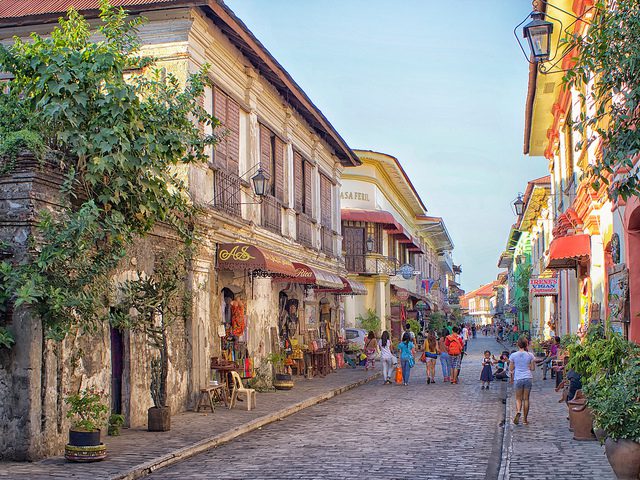
    Many tourists flock to the Philippines to visit inexpensive hotels and visit beautiful beaches, particularly in recent years,. While this interest has increased economic growth, Phllippinian stubbornness is actually what continues to keep the economy moving despite the nation’s corrupt government and natural disasters.

While citizens fight for more freedom and better business opportunities, the Philippines’ economy and quality of life will improve even more quickly once government and citizens are able to reach more amicable agreements.

– Natasha Komen

Photo: Flickr

March 22, 2018
https://borgenproject.org/wp-content/uploads/borgen-project-logo.svg 0 0 Borgen Project https://borgenproject.org/wp-content/uploads/borgen-project-logo.svg Borgen Project2018-03-22 01:30:332019-11-21 14:13:45Rapid Change: Top 10 Countries Seeing Economic Growth
Development

Development Milestone: The Grand Ethiopian Renaissance Dam

 https://www.dropbox.com/home/Gramatvediba/Izdevumi
Ethiopia is on the cusp of completing a development milestone. The United States’ $4 billion Grand Ethiopian Renaissance Dam will be over 500 feet tall and generate more than three times the hydroelectric power created by the Hoover Dam. After its completion, it will be the largest dam in Africa and generate more power than any other dam on the African continent.

Wide-Reaching Benefits

The World Bank’s examinations of this project determined that millions of citizens will benefit from this Ethiopian development milestone. According to the World Bank, nearly 75 million individuals in Ethiopia — approximately 70 percent of the country’s population — lack access to reliable energy sources. The Grand Ethiopian Renaissance Dam will generate an estimated 6450 MW of energy to civilians, improve infrastructure and ultimately lead to more modern job opportunities in the country.

Ethiopia’s Minister for Water, Irrigation and Electricity claims that the dam is not being built to control the flow of the Nile river politically; rather, it is being built to provide the country with energy development opportunities. The Grand Ethiopian Renaissance Dam serves as the flagship of many strides in Ethiopian economic development. Another notable recent achievement is the equitable public transit system in the nation’s capital, Addis Ababa.

National Pride

Moreover, Ethiopians are taking great nationalist pride in the development milestone. The country emphasizes that it is paying for the dam itself, without any international help or investment. The country is funding the dam through intense taxation, selling of bonds and a lottery to incentivize citizen investment.

Accordingly, Ethiopia’s progress in The Grand Ethiopian Renaissance Dam has positive and negative effects for its downstream countries Sudan and Egypt, respectively.

Sudan

Sudan expresses a positive view of the dam as it will reduce the amount of flooding farmers endure during particularly high flows of the Nile; the construction project will also contribute to reliable flows of water during the drier seasons. The Grand Ethiopian Renaissance Dam construction will also allow for cheaper electricity to be sold into Sudan as the dam is being built close to the Sudanese border.

Egypt

Egypt on the other hand, is increasingly worried about the Ethiopian development milestone. Egypt is concerned that Ethiopia is placing controls on the Nile, which Egyptians have controlled for millennia. Egyptian officials also worry that Ethiopia now has a tap that could significantly reduce the flow of water into their country.

Egypt’s concerns are justified given that the country is subject to face water shortages as soon as 2025. Officials in Egypt explain that if water levels decrease in Egypt by just two percent, then the nation will lose 200,000 acres of viable farmland, which families depend on for subsistence crop growth.

Given that, the Geological Study of America explains that the Nile’s water levels could drop by 25 percent for up to 7 years as the dam’s reservoir in Ethiopia fills up. As a result, Egyptian officials worry that nearly 1 million of the 100 million people living in Egypt will suffer from changes in the Nile’s water flow.

The Grand Ethiopian Renaissance Dam

At this point, Ethiopia and Egypt are only in the early stages of negotiations as tension between the countries increases. Overall, Ethiopia is not going to stop development of the dam; as a result, diplomacy and collaboration are the only means of solving the contentious issues and preventing a water war between Northeastern and East Africa.

– Daniel Levy

Photo: Flickr

March 16, 2018
https://borgenproject.org/wp-content/uploads/borgen-project-logo.svg 0 0 Borgen Project https://borgenproject.org/wp-content/uploads/borgen-project-logo.svg Borgen Project2018-03-16 01:30:102019-11-21 14:28:03Development Milestone: The Grand Ethiopian Renaissance Dam
Development, Global Poverty, Humanitarian Aid

Humanitarian Aid to Kyrgyz Republic Promotes Development

Humanitarian Aid to Kyrgyz Republic Promotes Development
The Central Asian Republic of Kyrgyzstan, also known as Kyrgyz Republic, is a landlocked and a largely mountainous country with a population of about six million. Humanitarian aid to Kyrgyz Republic has helped the country’s economy recover from the 2009 financial crisis and the 2010 inter-ethnic clashes.

U.S. and Kyrgyz Republic

In 2010, the United States announced a $32 million assistance plan for humanitarian relief, reconstruction and community stabilization efforts in the violence-plagued regions of both Kyrgyz Republic and Uzbekistan.

Kyrgyz Republic is one of the five republics of Central Asia and is very prone to natural disasters such as landslides, floods, earthquakes, droughts and melting glaciers. These natural disasters disrupt the normal flow of life and cause substantial damage to developmental projects.

European Commission

The European Commission (EC) has assisted people in the aftermath of these natural disasters via various projects. These efforts include improving food security in the wake of the harsh winter climate and providing small-scale support after floods, avalanches and earthquakes.

The EC also manages a disaster risk reduction program called DIPECHO which has funded more than 110 projects at the cost of €47 million (about $58 million dollars). DIPECHO’s tenth action plan for Central Asia (2017-2018) has encouraged EC’s partners to replicate previous successful community-based disaster risk reduction models to foster more local and national self-sufficiency and development.

Project HOPE

In 2017, aid organization Project HOPE donated $243,000 to medical facilities and non-government organizations. This humanitarian aid to Kyrgyz Republic was used to provide free health services and medical supplies to over 35,000 people. Project HOPE has been active in the Kyrgyz Republic since 2006.

The U.S. State Department noted in 2010 that the U.S. humanitarian aid to the Kyrgyz Republic has improved the country’s economic growth, promoted democratic reform by strengthening the civil society and helped the government combat international threats. Basic reforms in education, agriculture, energy and other ongoing priorities have also been instituted.

USAID

The United States Agency for International Development (USAID) has helped the Kyrgyz Republic maintain a parliamentary democratic system even as the country oscillated between two bouts of authoritarianism. Democratic reforms are especially important as Kyrgyz Republic is the only freely elected parliamentary democracy in post-Soviet Central Asia.

USAID works with the regional USAID Mission to Central Asia to propel the New Silk Road initiative which is aimed to strengthen the economic and cultural connections of South and Central Asian people which, in turn, helps propel the stability and prosperity of the region.

Diversification and Humanitarian Aid to Kyrgyz Republic

The World Bank has said that the Kyrgyz Republic needs to diversify its economic activities by increased private sector development and occupational training, especially to the young. Humanitarian aid to Kyrgyz Republic can thus help the government improve its governance at both local and national levels and promote the country’s economic and social development.

– Mohammed Khalid

Photo: Google

March 14, 2018
https://borgenproject.org/wp-content/uploads/borgen-project-logo.svg 0 0 Borgen Project https://borgenproject.org/wp-content/uploads/borgen-project-logo.svg Borgen Project2018-03-14 01:30:492024-05-29 22:39:49Humanitarian Aid to Kyrgyz Republic Promotes Development
Page 86 of 163«‹8485868788›»

Get Smarter

  • Global Poverty 101
  • Global Poverty… The Good News
  • Global Poverty & U.S. Jobs
  • Global Poverty and National Security
  • Innovative Solutions to Poverty
  • Global Poverty & Aid FAQ’s
Search Search

Take Action

  • Call Congress
  • Email Congress
  • Donate
  • 30 Ways to Help
  • Volunteer Ops
  • Internships
  • Courses & Certificates
  • The Podcast
Borgen Project

“The Borgen Project is an incredible nonprofit organization that is addressing poverty and hunger and working towards ending them.”

-The Huffington Post

Inside The Borgen Project

  • Contact
  • About
  • Financials
  • President
  • Board of Directors
  • Board of Advisors

International Links

  • UK Email Parliament
  • UK Donate
  • Canada Email Parliament

Get Smarter

  • Global Poverty 101
  • Global Poverty… The Good News
  • Global Poverty & U.S. Jobs
  • Global Poverty and National Security
  • Innovative Solutions to Poverty
  • Global Poverty & Aid FAQ’s

Ways to Help

  • Call Congress
  • Email Congress
  • Donate
  • 30 Ways to Help
  • Volunteer Ops
  • Internships
  • Courses & Certificates
  • The Podcast
Scroll to top Scroll to top Scroll to top