• Link to X
  • Link to Facebook
  • Link to Instagram
  • Link to TikTok
  • Link to Youtube
  • About
    • About Us
      • President
      • Board of Directors
      • Board of Advisors
      • Financials
      • Our Methodology
      • Success Tracker
      • Contact
  • Act Now
    • 30 Ways to Help
      • Email Congress
      • Call Congress
      • Volunteer
      • Courses & Certificates
      • Be a Donor
    • Internships
      • In-Office Internships
      • Remote Internships
    • Legislation
      • Politics 101
  • The Blog
  • The Podcast
  • Magazine
  • Donate
  • Click to open the search input field Click to open the search input field Search
  • Menu Menu

Archive for category: Developing Countries

Information and stories about developing countries.

Developing Countries, Global Poverty

5 Facts About the Effects of Pollution in Developing Countries

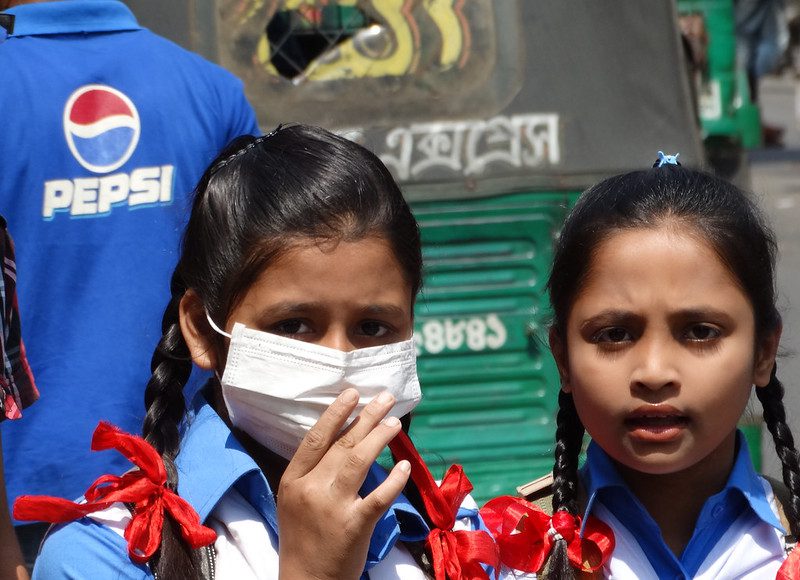
pollution in developing countriesIt is common knowledge that countries, businesses and individuals would benefit the environment by reducing their own emissions. Reducing pollution will slow the rapid rate of climate change and could also significantly aid the health of the global population. In fact, on average, air pollution limits each person’s life expectancy by two years. Experts estimate that air pollution is the “greatest risk to human health,” and that the effects are even worse in less-developed areas. Here are five facts about the negative effects of pollution in developing countries.
5 Facts About the Negative Effects of Pollution in Developing Countries

  1. In Bangladesh, India, Nepal and Pakistan, air pollution cuts an average of five years off the lives of citizens. The number of people residing in these countries constitute about one-quarter of the global population. Pollution is 44% higher in these four countries today compared to 20 years ago. In some areas, air pollution can account for up to eight years cut from the average life expectancy. Bangladesh leads the way of these countries, with the worst pollution output in the world.
  2. Air pollution in cities is much worse than air pollution in other areas. Although this may seem obvious, the extent of the pollution level disparity between a city in a developed country and a city in a developing country is drastic. In developing nations, 98% of those in cities live in areas where pollution exceeds the WHO guidelines, while in developed nations, this number drops to 56%. Both of these numbers are too high, as experts estimate that these levels of pollution cause over three million deaths per year, but developing countries clearly have a much larger problem.
  3. Indoor air pollution causes 6% of all deaths in developing countries. This type of pollution is caused by the indoor burning of solid fuel for cooking and heating. Most of the reliance on solid fuels is for cooking, as many developing countries do not have the same clean cooking technology as more developed countries. Only 60% of the world has access to these clean fuels and technology. Although this number is slowly growing, 1.6 million deaths are still attributed to indoor pollution in developing countries each year.
  4. Air pollution negatively affects people throughout their life, beginning in their mother’s womb and stretching into old age. As stated above, air pollution accounts for the loss of years at the end of life, but it also slows the development of children’s lungs and could cause premature births. A study in California has connected higher particle pollution levels with increased early births. Even a short spike in air pollution can result in more preterm birth, which carries several health risks with it. Additionally, children’s lungs are not completely grown until they reach adulthood, and air pollution slows this growth. Studies have shown that when lung growth is slowed, children’s lungs may never grow to their full capacity.
  5. Studies show that poor air quality can increase the likelihood of contracting COVID-19. Furthermore, once the virus is caught, the lungs of those living in polluted areas are less able to adequately fight off the infection, causing higher death rates in countries with higher pollution percentages. A study found that a one microgram per cubic meter increase of fine particulate matter concentrations can cause an 8% increase in the COVID-19 death rate.

To combat the adverse effects of air pollution in developing countries, the world needs more government involvement and partnership regarding the issue. In order for developing countries to adequately reduce emissions, developed nations need to cooperate and enforce standards of air quality to promote health. These efforts will require intense dedication but are necessary to help protect the lives of nearly everyone on Earth.

– Aiden Farr
Photo: Flickr

September 4, 2020
https://borgenproject.org/wp-content/uploads/borgen-project-logo.svg 0 0 Kim Thelwell https://borgenproject.org/wp-content/uploads/borgen-project-logo.svg Kim Thelwell2020-09-04 12:09:412024-05-29 23:22:505 Facts About the Effects of Pollution in Developing Countries
Developing Countries, Global Poverty, Health

Providing Cataract Surgery to People in Poverty

Cataract Surgery to People in Poverty
Of the five senses, vision is arguably the most important. People perceive 80% of impressions through sight. Vision helps people determine if a situation is dangerous, or helps them find a familiar face in a crowd. Without vision, life becomes more difficult to navigate. Cataracts are a natural, age-related disease that all people will experience if they live long enough. In developed countries, it is easy for people to access care to remove cataracts; however, the process is much more difficult in underdeveloped countries. Here is some information about cataracts and the groups providing cataract surgery to people in extreme poverty, specifically in the country of Nigeria.

What are Cataracts?

Inside a person’s eye is a lens. The lens is located behind the iris or the colored part of the eye. Light travels through the pupil—the dark hole in the center of the iris—and the lens focuses it onto the retina, which sends the image to the brain. The lens is normally clear, but cataracts cause it to become cloudy and opaque so that light can not penetrate through the lens as well. This obstruction causes the vision to become blurry and dark.

Who Do Cataracts Affect?

According to the World Health Organization, at least 2.2 billion people currently experience vision impairment or blindness. Of those individuals, 65.2 million experience blindness from cataracts and 52.6 million have vision impairment from cataracts. About 99% of people with cataracts live in developing countries.

Although aging is the most common cause of cataracts, several factors speed up the process. When people work outdoors and are consistently in the sun, their eyes have exposure to UV light rays which are incredibly harmful and aid in cataract production.

Agricultural jobs make up 54% of the workforce in Africa, meaning many people are outdoors for long periods of time. About 600,000 Africans experience blindness each year due to cataracts. Yet, of the entire African population, only about 0.0005% get cataract surgery. In comparison, 7.5% of Americans aged 65 or older undergo cataract surgery each year. However, with limited ophthalmologists and expensive medical fees, the people of Sub-Saharan Africa, including those in Nigeria, lack access to this otherwise commonly performed surgery. Fortunately, several institutions are providing cataract surgery to people in extreme poverty.

See International

The more developed a cataract becomes, the harder it is for affected individuals to see, work and take care of themselves. One organization, SEE International, provides “essential and transformative eye care and surgery around the world,” through programs connecting volunteers and medical professionals to the people who need their services most. Nigeria is one of the top 10 most populated countries in the world but has limited access to eye care specialists. There is only one eye doctor available per million people in urban areas. In rural areas, which encompass 70% of the population, the ratio is even lower. SEE hosts several clinics a year in Port Harcourt to provide free eye care, including cataract surgery.

Vision Care

Vision Care is a program based out of South Korea that brings free cataract surgery to Lagos, Nigeria to help eliminate avoidable blindness. Even with limited access to eye care providers, however, patients stated the financial cost was the biggest obstacle to receiving this surgery. Vision Care gives the gift of cataract surgery to people in extreme poverty. By eradicating the need to provide payment, Vision Care has helped many people regain their sight and quality of life. On top of performing cataract surgeries, the program has also worked on educating eye care professionals in Lagos to help those doctors perform more comprehensive and upscale services.

The International Agency for the Prevention of Blindness (IAPB)

The International Agency for the Prevention of Blindness (IAPB) is the leading alliance fighting global blindness through advocacy, partnerships and knowledge. With programs like World Sight Day, the IAPB aims to ensure universal access to quality eye care by providing cataract surgery to people in extreme poverty and treating other eye diseases like glaucoma and macular degeneration. The IAPB Africa branch recognizes the alarming shortage of eye health professionals: with the general shortage of health care workers, 57 countries are in crisis, with 36 of those located in Africa. In 2014, the IAPB developed a 10-year plan to achieve universal coverage in all Sub-Saharan countries with goals to have “the right number [of eye health professionals] in the right place at the right time.”

These noble organizations are providing cataract surgery to people in extreme poverty, which, in turn, does more for these individuals than restore vision: every dollar that goes toward improving sight produced a four-fold return in developing countries. As eye care takes higher priority in developing countries, the economic and social benefits will enable millions to live higher-quality lives.

– Tawney Smith
Photo: Flickr

September 4, 2020
https://borgenproject.org/wp-content/uploads/borgen-project-logo.svg 0 0 Kim Thelwell https://borgenproject.org/wp-content/uploads/borgen-project-logo.svg Kim Thelwell2020-09-04 09:00:192024-05-29 23:23:37Providing Cataract Surgery to People in Poverty
Developing Countries, Global Poverty

The Implications of Commercialized Quinoa in Bolivia

Quinoa in Bolivia
Consumers worldwide recently discovered quinoa’s high nutritional value, earning this food its title of a superfood; in fact, the Food and Agricultural Organization of the United Nations (FAO) dubbed 2013 the International Year of Quinoa. The grain is also an excellent choice for sustainable growth in food-insecure regions, particularly experiencing environmental challenges. There is a relatively positive outlook on the future of quinoa in Bolivia and the Andean region of South America. However, the explosion in demand for quinoa in Bolivia has created several negative consequences.

The Rise of Quinoa in Bolivia

For centuries, quinoa has been a dietary staple for those living in the Andean region of South America. Quinoa is a crop indigenous to this area; people have comfortably relied on the grain for nourishment for nearly 7,000 years. Given its historical link to subsistence, urban Bolivians considered quinoa to be a food reserved only for poor people. In 2000, quinoa was only worth approximately $0.25 per pound. The quick explosion in quinoa’s popularity, however, led to rapid growth in the number of farmers cultivating the crop. By 2014, the price of quinoa increased to as much as $4 per pound — a staggering 1,500% increase from its original price. With this boost in price and subsequent strengthening of the national economy, many farmers were able to begin sending their children to university, purchase motorized vehicles, build new homes and invest in technology to improve their crop yields.

Economic and Environmental Costs

Despite its spike in global popularity, the rise in quinoa costs reduced local consumption in Bolivia by nearly one-third. What was originally fundamental to the Bolivian diet became too expensive for many locals, helping cause the price of quinoa to decline nearly as rapidly as it rose. As recently as 2018, the price of quinoa in Bolivia has dropped to $0.60 per pound. This rapid decline in quinoa prices in countries like Bolivia is also attributable to the increase in quinoa production worldwide: with the product’s increasing popularity came increasing competition from growers in other countries, leading to a forced reduction in prices. Although today’s low cost of quinoa attracts many health-minded consumers, this decline jeopardizes the economic well-being of Bolivian farmers.

In an attempt to remain competitive in the global quinoa market, Bolivian farmers expanded their areas of production. Previously unoccupied land transformed into spaces constantly cultivating quinoa, leading to land overuse. Soil consequently began to suffer erosion and nutrient loss, which created an overall reduction in soil quality. Furthermore, farmers who once raised large llama herds removed llamas from their land to open space for quinoa production. With this lack of animals, though, came a lack of manure to help nurture and protect the soil.

Promise for the Future of Quinoa Production

Fortunately, numerous efforts have emerged to help mitigate the effects of quinoa’s price fluctuations and account for long-term sustainability. The World Food Programme implemented a pilot project in Bolivia to connect local smallholder farmers with municipal food programs. In this system, local food programs provide farmers with a secure and stable market to sell their goods, eliminating the pressure of competing on a global scale.

Bolivian quinoa farmers have also taken matters into their own hands by placing a geographical indication on quinoa grown in Bolivia. This is helping to create a market in which Bolivian quinoa will receive the designation of “Quinoa Real,” a tastier and larger grain that can only grow in Bolivia. Such a designation helps to protect Bolivian quinoa farmers from another steep drop in prices and crop profitability.

As quinoa’s popularity continues to skyrocket worldwide, it will become increasingly important for farmers and their local economies to remain efficient and competitive. With involvement from global nonprofit organizations and local cultivators, there is hope that quinoa in Bolivia will become a superfood for consumers and producers alike.

– Maddi Miller
Photo: Flickr

September 4, 2020
https://borgenproject.org/wp-content/uploads/borgen-project-logo.svg 0 0 Kim Thelwell https://borgenproject.org/wp-content/uploads/borgen-project-logo.svg Kim Thelwell2020-09-04 01:30:372020-09-03 11:25:54The Implications of Commercialized Quinoa in Bolivia
Advocacy, Developing Countries, Global Poverty, Hunger

How Soccer is Fighting World Hunger

Soccer Fighting World Hunger
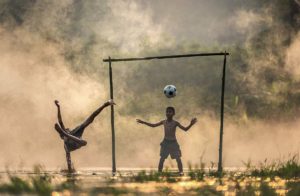
Soccer is the most popular sport in the world. As one of the most accessible games to play and watch, billions of people enjoy soccer. However, few are familiar with the impacts of soccer off the field. The sport has accepted an integral role in ending world hunger through its clubs, players and governing bodies. Many casual soccer fans are familiar with Marcus Rashford’s role in restoring over £120 million worth of food aid to underprivileged English citizens, a feat that is nothing short of remarkable. However, one cannot merely relegate soccer’s impact to the developed world: soccer is fighting world hunger, especially in developing nations.

Governing Bodies

Many larger soccer groups have committed to combating world hunger. One prominent example is the Professional Football Against Hunger campaign, which the U.N. Food and Agriculture Organization (FAO) and the European Professional Football Leagues (EPFL) co-founded and signed. The EPFL represents 27 member leagues constituting over 900 soccer clubs across Europe. This campaign reached millions of fans, generating record-breaking donations to food-aid projects. In addition, the organization created a recurring event named Match Day Against Hunger, in which over 300 clubs played in matches dedicated to raising awareness for world hunger. This awareness campaign helped put world hunger at the forefront of the soccer community’s mind, in addition to encouraging action from individuals and clubs alike.

Clubs

Soccer clubs themselves also play a massive role in fighting child and family hunger. Much like how soccer clubs in England support their regional communities, soccer clubs in developing nations also assist local populations. One gleaming example is the Everton Uganda Football Academy. This facility has committed itself to aiding the communities from which it recruits players, most recently donating food and medical supplies to 50 families. Fortunately, Everton is not an anomaly: many clubs in underdeveloped countries provide food assistance, particularly to the families of their budding players. The club cannot expect players’ and prospects’ best performance if they do not have adequate nourishment; thus, there is an incentive to provide for them. Many of the world’s best current soccer players – including Cristiano Ronaldo, Neymar and Gabriel Jesus – were food-insecure during their childhoods. Soccer programs provide not only food to young players, but also an opportunity to follow their dreams and prosper.

Players

Many of the world’s best professional soccer athletes have had humble beginnings. As a result, some of the most dynamic advocacy for hunger relief has originated from the players themselves. One example of an avid advocate for fighting world hunger is Kaká, a former AC Milan and Real Madrid star. Kaká became the youngest United Nations World Food Programme Ambassador at age 22, serving as the main endorser and contributor to the Fill the Cup campaign that ultimately fed over 20 million undernourished schoolchildren in nearly 80 developing countries. Kaká’s influence not only garnered millions of dollars to save the lives of millions but also encouraged many children to remain in school.

Colleges

In the United States, college soccer programs have also answered the call to fight against world hunger. While university soccer teams are largely underfunded – and thus unable to make large donations to charity – they are often extremely committed to issues surrounding world hunger. The University of North Carolina at Chapel Hill’s men’s and women’s soccer programs, for instance, sent an incredible 285,000 meals to Nicaragua to aid underprivileged families and youth. While monetary funds are hard to come by for many college athletics programs, the University of North Carolina powerfully demonstrates how these programs can donate time and money to do what they can in aiding others.

As the most popular sport in the world, soccer has nearly infinite influence. Especially for a massive issue like global poverty where it is difficult to recognize the pockets of solutions that some are implementing, it is essential to acknowledge how soccer is fighting world hunger. Fighting world hunger is not a task for food-aid specific groups alone, and soccer programs worldwide are helping to lead the charge.

– Keagan James
Photo: Piqsels

September 3, 2020
https://borgenproject.org/wp-content/uploads/borgen-project-logo.svg 0 0 Jennifer Philipp https://borgenproject.org/wp-content/uploads/borgen-project-logo.svg Jennifer Philipp2020-09-03 13:38:092024-05-30 07:52:08How Soccer is Fighting World Hunger
Developing Countries, Global Poverty, Health

6 Facts About Vaccines in Developing Countries

Vaccines in Developing Countries
It is estimated that immunization practices save two to three million lives each year. The development of vaccines and mass immunization practices have helped eradicate deadly diseases such as smallpox, while drastically reducing the number of people infected by influenza, hepatitis A and B, rubella, measles, chickenpox, polio, tetanus, mumps and other preventable illnesses. Vaccines also help prevent outbreaks and epidemics by increasing the number of people immune to various diseases within populations. Despite these benefits, global vaccine coverage is inadequate. Developing countries, in particular, often lack access to life-saving vaccines. Here are six facts about vaccines in developing countries.

6 Facts About Vaccines in Developing Countries

  1. An estimated one-quarter of all deaths in low-income countries are attributable to communicable diseases. More than 1.5 million people die annually from diseases that are preventable through vaccination. In 1990, 2.5 million children in developing countries under five died from vaccine-preventable diseases such as rotavirus, measles and pneumococcal disease. No deaths were attributable to these diseases in industrialized nations. Efforts to expand access to vaccines in developing countries reduced the child mortality rate to 750,000 in 2013. Despite this improvement, 19.7 million children under the age of one still lacked access to basic life-saving vaccines as of 2019.
  2. High manufacturing costs for vaccines hinder accessibility in many developing countries. Poverty-stricken nations often rely on vaccines to be imported from developed nations. Inefficient public health infrastructure and a lack of resources for transporting vaccines pose an obstacle to widespread immunization access.
  3. Developing countries continue to lack access to vaccines. Vaccine coverage has remained unchanged throughout the past few years in many developing countries, despite global advances in immunization knowledge and technology. Humanitarian crises caused by conflict and natural disasters threaten to perpetuate this stagnation in vaccine access.
  4. Several preventable diseases are making comebacks. In recent years, an increase in vaccine hesitancy among populations in developing countries has resulted in reductions in already poor immunization rates. The result has been outbreaks and resurgences of vaccine-preventable illnesses such as measles, diphtheria and even polio.
  5. Vaccinations also have significant economic benefits. Expanding access to vaccines in developing countries is a strategic economic investment because the financial and human costs of death and disease outweigh the burden of implementing immunization programs. Between 2001 and 2020, the economic benefit of vaccinations in developing countries was nearly $2.3 trillion.
  6. The World Health Organization has proposed the Immunization Agenda 2030 to address vaccine access. This program plans to address the shortcomings and challenges of immunization globally, including the recent outbreaks of infectious diseases such as Ebola and COVID-19. The Immunization Agenda 2030 envisions “a world where everyone, everywhere, at every age, fully benefits from vaccines to improve health and well-being.” Amidst the current COVID-19 global pandemic, its mission to improve access to life-saving vaccines in developing countries is more important than ever.

These six facts about vaccines in developing countries highlight the work that still needs to be done. Moving forward, it is essential that the World Health Organization and other humanitarian organizations make increasing access to vaccines a priority.

– Alana Castle
Photo: Flickr

September 3, 2020
https://borgenproject.org/wp-content/uploads/borgen-project-logo.svg 0 0 Kim Thelwell https://borgenproject.org/wp-content/uploads/borgen-project-logo.svg Kim Thelwell2020-09-03 13:21:152020-09-03 13:21:156 Facts About Vaccines in Developing Countries
Developing Countries, Global Poverty, Health, Water Crisis

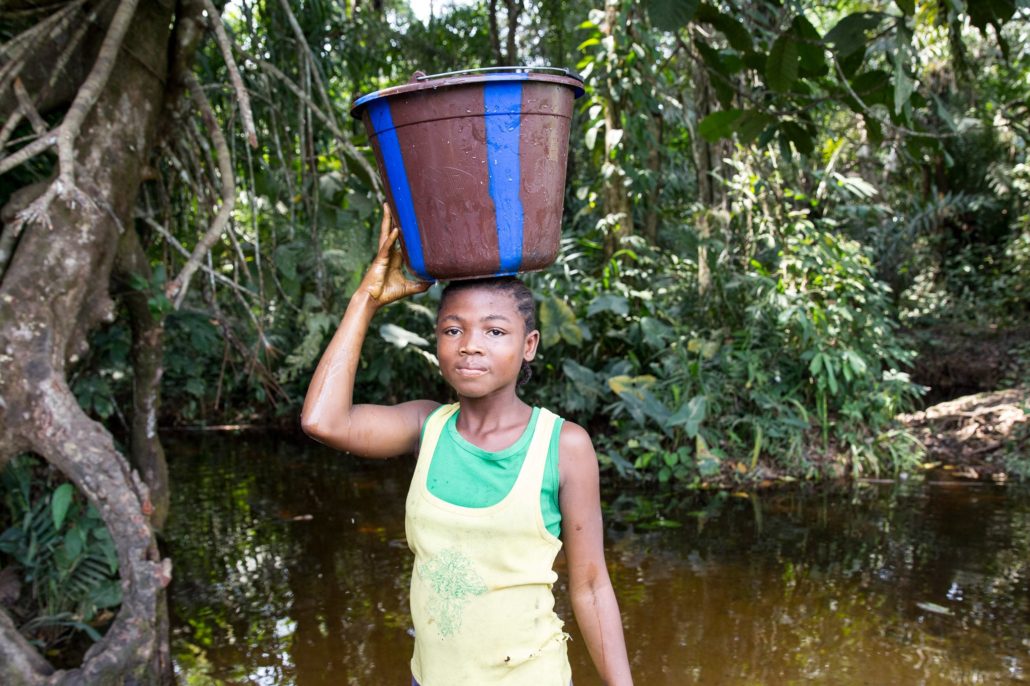
3 Organizations Combating Liberia’s Water Crisis

Liberia's Water Crisis
Insufficient access to clean water sources is one of the primary issues that developing countries are facing today, particularly in Africa. Without clean drinking water, people in these countries turn to unsafe secondary sources which can spread disease and promote unhealthy living conditions. Particularly during COVID-19, access to reliable drinking water has become more critical than ever. Liberia’s water crisis is an example of why safe water sources are so important.

Causes of Water Insecurity in Liberia

Situated on the coast of West Africa between the Ivory Coast and Sierra Leone, Liberia is a relatively small country with a population of just over 5 million people. It is Africa’s oldest republic, declaring its independence and drafting a constitution that it modeled on that of the United States in 1847. It is a tropical country with ample water sources, but several wars and disasters are to blame for the country’s lack of water purification systems and a limited ability to transport those resources.

Two brutal civil wars, first from 1989-1997 and again from 1999-2003, severely damaged Liberia’s infrastructure and nearly destroyed its economy. The country experienced a subsequent period of economic growth but lost much of its progress during the West African Ebola outbreak of 2014-2015. This outbreak caused the death of over 4,800 Liberians, causing the country to struggle in rebuilding its economy and infrastructure ever since. Liberia now relies heavily on international organizations and foreign aid, especially in securing potable water.

Combating the water crisis in Liberia is an undoubtedly daunting task. For example, 3.7 million Liberians— or eight in 10 people—do not have access to a functioning toilet. This deficiency forces citizens to relieve themselves outside in groundwater sources, which quickly become contaminated and allow for faster disease transmission. Ebola spread throughout the country as rapidly as it did because of the scarcity of clean toilets, which fostered diseases such as diarrhea. Diarrhea is the second leading cause of death in children in Liberia, with over 700 children under the age of 5 dying each year due to the disease.

In addition to damaging people’s health, Liberia’s water crisis reaches into other aspects of society such as education. Many children remain at home to help around the house, particularly with water retrieval, instead of attending school. For those who do go to school, the shortage of proper toilet facilities in classrooms can result in disease spread and has contributed to the country’s ever-increasing dropout rate. While the water crisis is widespread and threatens to grow with the rise of COVID-19, several organizations are collaborating with the Liberian government to rebuild the country’s infrastructure and provide clean water to those who need it most. Here are three organizations providing clean water in Liberia.

3 Organizations Providing Clean Water in Liberia

  1. UNICEF: The United Nations Children’s Fund (UNICEF) is the most prominent organization combating Liberia’s water crisis. UNICEF has been working with the Liberian government to construct water, sanitation and hygiene (WASH) systems in rural areas with extremely limited access to clean water, as well as schools and hospitals. These low-cost, high-quality centers are key to increasing nationwide hygiene and personal health. As of 2017, nearly 65% of all Liberian WASH systems were functioning properly and serving the country’s citizens, up from just 53% in 2011.
  2. Charity: Water: Charity: Water is a nonprofit organization focused on the global water crisis as a whole, and has an operation in Liberia. In Liberia, Charity: Water is working to restore an aging water-transporting infrastructure that has either experienced destruction or simply not received repair since the last civil war. In addition, the program educates communities on maintaining personal hygiene and teaches locals how to keep these water projects operational.
  3. Face Africa: Face Africa is another nonprofit organization that aims to bring clean and safe drinking water to developing countries, but with a tighter regional focus on Sub-Saharan Africa. Since the start of its mission in Liberia, the organization has completed 50 WASH projects in the country’s rural areas and brought clean drinking water to over 25,000 people. Similar to Charity: Water, Face Africa focuses on ensuring that pre-existing water projects in Liberia are functioning properly and serving their communities. Additionally, the organization is building its own WASH projects in the country.

While combating Liberia’s water crisis is no easy feat, UNICEF, Charity: Water and Face Africa are all doing their part to help end the issue. As Liberia’s economy grows and its ability to rebuild its failing infrastructure strengthens, the country will better able to fight off future water crises.

– Alexander Poran
Photo: Flickr

September 1, 2020
https://borgenproject.org/wp-content/uploads/borgen-project-logo.svg 0 0 Kim Thelwell https://borgenproject.org/wp-content/uploads/borgen-project-logo.svg Kim Thelwell2020-09-01 09:27:382024-05-29 22:30:063 Organizations Combating Liberia’s Water Crisis
Developing Countries, Global Poverty, Health

Solar Energy in Benin Empowers Women and Girls

Solar Energy in Benin
In Benin, a country in West Africa, only 11% of the rural population has access to electricity. This deficit contributes to poor nutrition and health, particularly in rural communities. Additionally, about 40% of the country’s 12 million citizens live below the poverty line. The Solar Electric Light Fund (SELF) is a nonprofit organization that uses solar-powered water pumps and solar drip irrigation to improve agriculture, increase access to clean drinking water and economically empower women in Benin, all with a focus on sustainability. Recent innovations utilizing solar energy in Benin are improving conditions for female farmers across the country.

Solar-Pump Water Stations: Benefiting Women and Girls

In the Kalalé District of northeast Benin, there are only 113 sanitary water sources for a population of 180,000 people. Many potable wells require women and girls to travel long distances outside their villages. This lack of available energy, known as energy poverty, increases the risk for women and girls of becoming targets of sexual violence. To avoid danger, many women and girls take routes to alternate water sources, such as nearby streams or open wells of contaminated water. Relying on these local water sources poses another significant health risk: water-borne diseases are responsible for about 15% of all deaths in Benin.

SELF has built 20 wells in the Kalalé District since 2011 and is currently working to install solar-pump water stations in the region. Funded by a grant from the Millennium Challenge Corporation (MCC), this initiative will install a new solar-pump water station in 24 villages, bringing clean, sanitary water to about 82,000 people. These solar-pump water stations use sunlight—a clean, renewable energy source—to increase access to clean water without emitting greenhouse gases. They also do not require batteries and can last at least 10 years without replacement.

With these solar-pump water stations, women and girls in 24 villages will no longer have to choose between a long, dangerous walk and contaminated water. By providing solar-powered technology to pump clean drinking water, SELF is reducing the prevalence of water-borne diseases in northeast Benin’s rural communities, as well as the risk of sexual violence for women and girls.

Solar Drip Irrigation: Empowering Women Farmers

In northeast Benin, the dry season is long and severe. According to the U.N. Framework Convention on Climate Change, it is “nearly impossible to grow food” for six months of the year. This especially harms women farmers, who are more likely to be living under the poverty line, as well as women and girls who must travel longer distances to collect water for irrigation.

The Solar Electric Light Fund created the Solar Market Garden (SMG) project to reduce malnutrition and food insecurity in Benin year-round. For this initiative, SELF used solar-powered well pumps to operate drip irrigation systems on 11 female-operated farms designated as Solar Market Gardens, impacting 400 women farmers in 10 villages throughout the Kalalé district. Each garden produces more than 4,000 pounds of food every month. As a result of this project, 66,000 more people have reliable access to fresh produce, increasing food security, nutrition and health. For rural villages in northeast Benin, access to solar energy can reduce hunger without negatively affecting the environment.

In addition to improving agriculture, SELF’s Solar Market Gardens also empower women and girls in Benin. Female farmers involved in the project can adequately feed their families, earn a larger and more reliable income and gain reputations as entrepreneurs. Women’s economic empowerment is crucial for poverty reduction because, according to U.N. Women, it “increases economic diversification and income equality” and grants women more “voice, agency and meaningful participation in economic decision-making at all levels.” At the same time, women and girls in each village can focus more on their education and other economic activities instead of water collection. According to the World Bank, educated women and girls are more likely to live healthier lives, earn an income and have fewer children. They are also less likely to marry as minors.

Encouraging Poverty Reduction

Widespread access to energy, especially electricity, is an essential component of poverty reduction because it allows more people to reliably access clean water and adequate food. The Solar Electric Light Fund reduces poverty and food insecurity in northeast Benin. Others can easily replicate their initiatives, directly benefitting women and girls and creating more sustainable communities. Overall, the rising popularity of solar energy in Benin gives hope to women and girls across the nation.

– Rachel Powell
Photo: Flickr

September 1, 2020
https://borgenproject.org/wp-content/uploads/borgen-project-logo.svg 0 0 Kim Thelwell https://borgenproject.org/wp-content/uploads/borgen-project-logo.svg Kim Thelwell2020-09-01 01:30:542024-05-29 23:22:31Solar Energy in Benin Empowers Women and Girls
Developing Countries, Global Poverty, Migration

How COVID-19 Affects Migrant Workers

How Migrant Workers Have Been Impacted By COVID-19Over the past several months, there have been many media stories about how the ongoing pandemic has impacted the American economy, as well as many others around the world. Any reader is likely aware of how harmful the crisis has been to many working- and middle-class people in America. One group that has not received as much attention, however, are migrant workers. Not only have migrant workers been made more vulnerable than usual in the current climate, but their struggles have also intersected with poverty on a global scale.

Migrant Workers During COVID-19

What makes this situation an international crisis rather than a solely American one is remittances. Many migrant workers travel from developing nations to more wealthy ones, where they can earn more money or simply find jobs in order to support their families. These workers send part of their paycheck back home to their loved ones, many of whom live in extreme poverty. Last year alone, migrant workers across the planet sent home $554 billion. This is over three times the amount of international development aid given by wealthy nations. Importantly, remittances frequently go toward crucial essentials, like food, education and medicine.

Experts predict that COVID-19 will be one of the factors that lead to the first global increase in poverty in over 20 years. Migrant workers were already living in difficult conditions prior to the outbreak, and recent events have worsened their circumstances. Many put themselves in danger in order to travel abroad to provide for their families. Furthermore, all of the migrants in the U.S. without Social Security Numbers were ineligible for the stimulus checks sent out in early 2020. When migrant workers are unable to support their relatives back home, their families — who in many cases had to pool resources to “invest” in a family member traveling abroad — are plunged even further into poverty.

A Potential Solution

However, state legislators have the opportunity to provide leadership on how to properly support migrant workers in the U.S. during this time. In April, Massachusetts Democrats put forward Bill H.4726, or “An Act To Provide Equal Stimulus Checks to Immigrant Taxpayers” in the Massachusetts state legislature. The bill would provide financial stimulus support to undocumented taxpaying Americans. Though not all migrant workers are undocumented, this bill would serve as a policy response to the crisis that includes undocumented workers who pay taxes. 

Legislation like this, paired with an extended and expanded financial stimulus plan, would help to combat poverty at home and around the globe. No matter what someone’s immigration status is, they should be able to rest knowing that they and their families, wherever they may be, will not get sick or go hungry. Massachusetts still needs to vote on this bill, but its very existence shows that the United States is not powerless in this situation.

The Role of the US

The United States has the ability to help impoverished people in developing nations, who are suffering in numerous ways from the COVID-19 crisis. U.S. support does not just have to come in the form of international aid, as our domestic affairs impact the rest of the world. By making sure that migrant workers are included in coronavirus relief efforts, the U.S. would help reduce poverty among migrant workers and their families.

– Brendan O’Halloran
Photo: Flickr

August 29, 2020
https://borgenproject.org/wp-content/uploads/borgen-project-logo.svg 0 0 Kim Thelwell https://borgenproject.org/wp-content/uploads/borgen-project-logo.svg Kim Thelwell2020-08-29 07:54:332020-08-31 13:17:33How COVID-19 Affects Migrant Workers
Developing Countries, Global Poverty

How Urban Gardening Is Helping to Fight Poverty

Urban Gardening
If one walks around major world cities today, they might see that an underutilized parking lot or sidewalk has become a lush, green garden. In dense, overcrowded cities around the world, local citizens are taking control of their nutrition and choosing urban gardening over the grocery store.

What is Urban Gardening?

Urban gardening,  or alternatively “urban agriculture” or “urban farming,” is an umbrella term for “the process of growing plants of all types and varieties in an urban environment.” In this niche agricultural field, a variety of techniques, such as container gardening, indoor gardening, community gardening and even “guerilla gardening” — a term for the process of taking over abandoned city structures or roads and creating gardens in their place — have arisen. Now, with 32 of the world’s cities hosting populations over 10 million, urban agriculture is a widespread trend across the globe.

Urban gardening is not a new concept, however. Even though the world’s population continues to grow at a rate higher than at any previous point in history, one can find evidence of urban farming in the world’s first big “city,” Mesopotamia, in 3500 B.C. Farmers in this ancient civilization “set aside plots in their growing cities,” laying the foundation for today’s urban agriculture.

The Reason Urban Agriculture is Important

So, why is urban gardening an attractive idea? To put it simply, it has a ton of benefits. In addition, life in the big city is not always as promising as some sometimes make out to be, especially in developing countries. In fact, “rapid urbanization is increasingly shifting the impacts of malnutrition from rural to urban areas” in low-income countries.

However, many migrants in developing countries are choosing cities due to “persistently high levels of rural poverty.” This creates a paradox in that “much urban poverty is created by the rural poor’s efforts to get out of poverty by moving to cities.” For example, in the case of sub-Saharan Africa, rapid urbanization and an annual 4% urban population increase are toppling governments’ abilities to sustain the urban populations. This has created a massive housing backlog of 51 million units in Africa and widespread urban poverty due to overcrowding and a lack of resources. In many developing cities, the demand far outweighs the supply.

Many factors contribute to why people in low-income nations are moving, including “distorted government policies, such as penalizing the agriculture sector and neglecting rural (social and physical) infrastructure.” In addition, many rural areas are simply uninhabitable. For example, 95% of the population in Egypt lives in a lush area around the Nile River that represents only 5% of the country’s total land. The rest of the country is desert.

Just as this overpopulation strains developmental resources in big cities, it also strains food and agriculture. Because 96% of the population growth through 2030 will occur in urban areas, this expansion is likely to seriously harm many of the world’s farmlands. Many low-income nations will likely bear the brunt of this agricultural depletion as well, as projections have determined that more than 80% of global cropland loss will come from Africa and Asia.

How Urban Gardening is Helping Big Cities in the Developing World

Urban gardening reduces the strain on natural resources in cities that overpopulation and crowding have hurt. Doubling as a mechanism of empowerment, urban gardening can involve anybody who wants to take their livelihood into their own hands. The benefits to impoverished communities are plentiful:

  1. Urban gardening takes away environmental strain. Because overpopulation places so much stress on the natural environment, including agriculture and water, small-scale urban gardening projects can reduce the environmental harm of mass production. In addition to the vast amounts of water used on major outdoor farms (which can easily just evaporate and go to waste in hotter climates), another issue is that mass transportation to grocery stores burns large amounts of fuel. Food transportation itself is a major contributor to greenhouse gas emissions because a great deal of produce now moves across longer distances (even requiring air travel in many cases). Furthermore, produce loses key vitamins and minerals through lengthy transportation. Thus, growing food locally ensures freshness from soil to plate.
  2. Urban gardening is often cheaper than buying food. Living in big cities is expensive, putting a vast amount of financial stress on low socioeconomic classes. In addition, malnutrition and obesity from cheap fatty foods and fast foods are a major problem in the developing world. Oftentimes, impoverished people cannot afford fresh produce and healthy food due to their higher prices. However, creating an individual garden is both cost-effective and healthier.
  3. Urban gardening can be year-round. One of the most beneficial components of urban gardening is the ability to create an indoor garden. Indoor gardening does not need to be expensive, either; simply using old food containers to grow your seeds and having a source of light and water is all you need. In addition, hydroponic gardening uses about 90% less water than traditional farming. Herbivore Farms, “Mumbai’s first hyperlocal, hydroponic” urban gardening company, has perfected the indoor gardening method on a large scale, delivering fresh, pesticide-free produce to customers across Mumbai. In addition, the company’s process uses 80% less water than outdoor farming due to its recirculating irrigation system.
  4. Urban gardening bonds communities. Aside from scientific and health benefits, gardening also bonds communities when members of a neighborhood or family build a garden together. Guerilla gardening also beautifies areas of cities, making people’s local areas more habitable and welcoming.

In a 2013 TED Talk, Ron Finley, founder of the Green Grounds urban gardening organization in South Central LA, said, “Food is the problem and food is the solution.” Urbanization in the developing world is not going to stop anytime soon. However, urban farming is a hopeful and promising contender as the next best solution to poverty around the world.

– Grace Ganz
Photo: Wikimedia Commons

August 26, 2020
https://borgenproject.org/wp-content/uploads/borgen-project-logo.svg 0 0 Kim Thelwell https://borgenproject.org/wp-content/uploads/borgen-project-logo.svg Kim Thelwell2020-08-26 12:53:092024-05-27 09:33:53How Urban Gardening Is Helping to Fight Poverty
Developing Countries, Global Poverty, Technology

4 Ways Digital Currency Can Improve the African Economy


Since the beginning of the digital age, there have been several advances in the world of digital currency. From mobile banking apps to mining for cryptocurrency, the use of physical bills and coins is becoming less common. The potential of this new technology in developing countries, particularly for those in Africa, cannot be ignored. Here are four ways digital currency in Africa can improve the economy.

4 Ways Digital Currency in Africa Can Improve the Economy

  1. Transferring money is easier and faster when combined with technology. For those who cannot waste time waiting for money to travel from one location to another, digital currency in Africa would allow for conveniently instantaneous transfers. Additionally, more companies are taking notice of the strong potential market for digital currency in Africa and the positive impact it could have on citizens and businesses. Airtel Africa, a telecommunications company serving East, West and Central Africa, has recently partnered with Mukuru, an online remittance company, allowing Mukuru customers to instantly send money transfers directly to Airtel Money customers across 12 African countries. This means that people can make intra-Africa payments from Southern Africa, where Mukuru has a major presence, to other nations in Africa. Users would also benefit from no longer going to an agent to receive international payments physically. Once Airtel Money customers receive the money, they can use it to pay bills, purchase goods and services or even cash out at one of Airtel Africa’s branches or kiosks. This will allow African citizens to get the most out of their money.
  2. Managing personal income leads to greater financial literacy. As the use of digital currency spreads, people are increasingly exposed to the language of business as well as standard banking practices. For those living in countries with low financial literacy rates, this could be the difference between economic stability and poverty. The implications of digital technology in Africa are astronomical due to the previous lack of education on these financial principles across the continent. In Somalia, the current rate of financial literacy is estimated to be 15%. On the other side of the spectrum, Botswana has a rate of over 51%—the highest in all of Africa. With this first-hand knowledge, more people will be able to learn how to manage their finances properly.
  3. Digital currency allows for more connections between African citizens and the rest of the world. The use of digital money transfers not only allows those living in Africa to pay and request money from people within their continent but also those around the world. With the recent partnership between Airtel Africa and Mukuru, small business owners in Africa can now establish business relationships with people in Europe, Asia and the United States, among others. As these relationships continue to grow, the digital currency can flow freely between Africa and the rest of the world, opening the continent up to high-dollar investments from more developed regions and, in time, lead to a potential rise in the African economy.
  4. More women have access to their finances. Only 37% of women in Sub-Saharan Africa have a bank account compared to 48% of men—a gap that has only widened in the past few years. The numbers are worse in North Africa, with around two-thirds of the adult population remaining unbanked and the gender gap for access to financial education standing at an 18% difference, the largest in the world. However, with the rise of digital technology in Africa, more women can become empowered and take control of their finances. Female entrepreneurs rarely apply for loans as a result of low financial literacy, risk aversion and fear of losing their businesses. If these women were to utilize digital banking technology, they would be able to pay employees, investors and, most importantly, themselves more efficiently. As more and more women manage their finances, they will be able to lift themselves out of poverty and strengthen their local economies.

As digital currency in Africa continues to flourish, more entrepreneurs, families and willing investors will be able to witness the rise of the African economy. Money transfers and online banking will likely support the growing economy as it joins the rest of the world in the technology age. With continued global support, African citizens will be able to lift their economy to new heights.

– Daniela Canales
Photo: Flickr

August 26, 2020
https://borgenproject.org/wp-content/uploads/borgen-project-logo.svg 0 0 Kim Thelwell https://borgenproject.org/wp-content/uploads/borgen-project-logo.svg Kim Thelwell2020-08-26 11:01:442024-05-30 07:52:104 Ways Digital Currency Can Improve the African Economy
Page 80 of 157«‹7879808182›»

Get Smarter

  • Global Poverty 101
  • Global Poverty… The Good News
  • Global Poverty & U.S. Jobs
  • Global Poverty and National Security
  • Innovative Solutions to Poverty
  • Global Poverty & Aid FAQ’s
Search Search

Take Action

  • Call Congress
  • Email Congress
  • Donate
  • 30 Ways to Help
  • Volunteer Ops
  • Internships
  • Courses & Certificates
  • The Podcast
Borgen Project

“The Borgen Project is an incredible nonprofit organization that is addressing poverty and hunger and working towards ending them.”

-The Huffington Post

Inside The Borgen Project

  • Contact
  • About
  • Financials
  • President
  • Board of Directors
  • Board of Advisors

International Links

  • UK Email Parliament
  • UK Donate
  • Canada Email Parliament

Get Smarter

  • Global Poverty 101
  • Global Poverty… The Good News
  • Global Poverty & U.S. Jobs
  • Global Poverty and National Security
  • Innovative Solutions to Poverty
  • Global Poverty & Aid FAQ’s

Ways to Help

  • Call Congress
  • Email Congress
  • Donate
  • 30 Ways to Help
  • Volunteer Ops
  • Internships
  • Courses & Certificates
  • The Podcast
Scroll to top Scroll to top Scroll to top