Hidden Hunger in Georgia
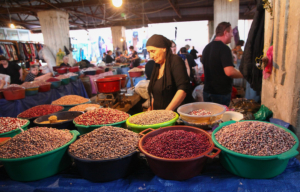 Located in the Caucasus Mountains of Eastern Europe, Georgia is a transcontinental country in Asia and Europe, where 15.6% of the population lives below the poverty line. While the people of Georgia receive enough food, some suffer from stunted growth and undernourishment due to the quality of their diet, leading to hidden hunger in Georgia.
Background
Hidden hunger in Georgia results from a lack of essential vitamins and minerals in its accessible food. It occurs when people do not consume enough protein, iron and vitamin A consistently, which can cause tangible issues. For example, half a million Georgians are malnourished and infant mortality is twice the EU average. Additionally, a significant number of children under 5 years old are anemic.
Most of the foods that Georgians eat are high in starch and have little nutritional value. The two most popular dishes in rural Georgia are fried potatoes and lobio, which are made of boiled beans. Overreliance on these types of foods has made cardiovascular disease the most common chronic disease in the country. Currently, it accounts for 69% of Georgia’s mortality.
The leading cause of the dietary insufficiencies in Georgia is a lack of access to meat and meat-based products. Unfortunately, these products are relatively expensive in local markets. The average household income is just $6 per day (⅓ of the population earns only $2.5 per day), so meat consumption is impractical for most people.
Furthermore, the gross domestic product of Georgia was just $16.21 billion in 2018, with a per capita GDP of $4,723. For comparison, the 2018 GDP per capita for the European Union was $35,616.
Although the country’s GDP is growing overall, economic downturns, such as the 2008 Russo-Georgian War, the 2015 stagnation, the 2020 pandemic and the Russia-Ukraine war, have reduced the value of the Georgian Lari. These shifts can create vulnerable conditions for Georgia’s population and reduce food security.
The Impact of COVID-19 and the Russia-Ukraine War
Amid the global pandemic, widespread lockdowns and food shortages significantly impacted local markets in Georgia. While the country has subsistence farmers, most of the population relies on purchasing food from street markets or bazaars. The combination of lockdowns and supply chain disruptions posed a severe risk of food insecurity for the population. However, the government took prompt action to mitigate this risk by implementing the following measures
- Provision of subsidies to local farmers
- Government procurement of food from private companies to prevent shortages.
- Subsidizing the import of food items such as pasta, oil, wheat, milk powder, and sugar.
Georgia relies on neighboring countries Russia and Ukraine for its wheat, sunflower oil, milk and dairy products. The disruption of the supply chain has reduced imports and increased food prices in the country, leading to an inflation rate of “17.9% in 2022”.
Solutions
Fortunately, governmental and nonprofit organizations worldwide are taking steps to improve dietary standards and combat hunger in Georgia. Action Against Hunger has had a Food Security Program in the country since 1994, established shortly after the dissolution of the USSR and the collapse of collective farming in the region. It helped 5,937 people in 2018.
BRIDGE is a Georgia-based NGO that publishes comprehensive studies detailing Georgians’ dietary habits. It also publishes policy recommendations, ranging from developing the Georgian diet monitoring systems to embedding nutrition into the Ministry of Education’s agenda.
The Georgian Agricultural and Rural Development Alliance (GAARD), of which BRIDGE is a member, registered a “Food Security Bill” in Parliament in 2017. This bill aims to reduce Georgia’s reliance on imported food and improve the country’s nutrition self-sustainably.
Hidden hunger manifests in various symptoms and diseases in Georgia, including obesity and cardiovascular issues. Cardiovascular disease represents 69% of Georgia’s mortality, and rising food prices could worsen this situation. While Georgia grapples with hidden hunger, organizations such as Action Against Hunger, BRIDGE and GAARD are actively working to enhance food quality in the country and make a positive impact.
– Christopher Bresnahan
Photo: Flickr
Updated: October 9, 2024
