• Link to X
  • Link to Facebook
  • Link to Instagram
  • Link to TikTok
  • Link to Youtube
  • About
    • About Us
      • President
      • Board of Directors
      • Board of Advisors
      • Financials
      • Our Methodology
      • Success Tracker
      • Contact
  • Act Now
    • 30 Ways to Help
      • Email Congress
      • Call Congress
      • Volunteer
      • Courses & Certificates
      • Be a Donor
    • Internships
      • In-Office Internships
      • Remote Internships
    • Legislation
      • Politics 101
  • The Blog
  • The Podcast
  • Magazine
  • Donate
  • Click to open the search input field Click to open the search input field Search
  • Menu Menu

Archive for category: Developing Countries

Information and stories about developing countries.

Developing Countries, Economy

Countries Have Outgrown the Terms ‘Developed’ and ‘Developing’

'Developed' and 'Developing'While the categories of ‘developed’ and ‘developing’ to describe countries may have been useful in the 1960s, Bill Gates and Hans Rosling—author of the book “Factfulness”—have begun using a new categorical system; four distinct income levels are now recognized as a more accurate way to describe countries and the range between them.
‘Developed’ and ‘Developing’ Countries

The terms ‘developed’ and ‘developing’ have become almost universal terms to describe the economy or wealth of countries. However, there is not one specific definition for these terms. Organizations such as the United Nations use the terms colloquially. However, they never introduced a specific, measurable definition for what actually classifies whether a country is developed or still developing.

In the 1960s, the terms were mostly based on infant mortality and birth rates. Developed countries had lower mortality and birth rates while developing countries had higher infant mortality and birth rates.

But ‘developed’ and “developing” have become outdated in this way, as just about every country in the world has improved infant mortality rates since the 1960s. In fact, some ‘developing’ countries of today have lower infant mortality rates than ‘developed’ countries in 1960.

Overall, the two terms are incapable of separating countries beyond ‘rich’ and ‘poor.’ This is a problem because the majority of people in most countries live somewhere in the middle. In fact, one can label 85% of countries as ‘developed.’ Meanwhile, 15% are in between and one can consider only 6% as “developing” in terms of fertility and mortality rates. That is why Hans Rosling uses four income levels to describe all countries instead.

The Four Income Levels

  • Level One: The majority of people live in extreme poverty on a daily income of $2 or less per day. Countries such as Lesotho and Madagascar are currently level one countries. For many people in level one, the main mode of transportation is walking. Some may not even have their own pair of shoes to travel in. In these countries, infant mortality, hunger and preventable disease prevalence are high. Approximately 1 billion people live at this level.
  • Level Two: People in countries such as China, Nigeria and Bangladesh generally live on $2 to $8 per day. They may ride a bicycle instead of walking, and they have their own pair of shoes. An estimated 2 billion people live at level two, which is more than any other level.
  • Level Three: In countries such as Egypt, Rwanda and the Philippines, about 2 billion people live on $8 to $32 per day. Transportation may include electric bikes, scooters, public transportation and cars. About 2 billion people live at level three.
  • Level Four: The wealthiest countries make up level four. The average person having an income of more than $32 per day. There is a large market for nice cars and houses. Simple necessities like clean water and nutritional food are widely available. The United States, Mexico, much of Europe and South Africa are some examples of countries at this income level.

This four-tiered system does not completely account for the variations within countries, but it provides more information than the previous terms. For example, some people living in level one countries are significantly richer than the $2 per day average, and many people living in level four countries experience poverty.

However, organizing countries in this way allows for a more accurate measure of progress. Bill Gates has argued that “It’s hard to pick up on progress if you divide the world into rich countries and poor countries. When those are the only two options, you’re more likely to think anyone who doesn’t have a certain quality of life is ‘poor.’” It is important to properly track global progress and development. We can then use the information to understand where further action must be taken.

A New Official Classification

It is difficult to distinguish between various countries with only two terms. The World Economic Forum stopped using the terms ‘developed’ and ‘developing’ in official reports. Instead, it has used a similar four-tiered categorization since 2016. The World Economic Forum states that it will now collect data “for the whole world, for regions, and for income groups – but not for the ‘developing world’ (or the sum of low and middle income).” Similarly, in 2016, the World Bank released a working paper looking into classifying countries by income as well.

According to Bill Gates, “Any categorization that lumps together China and the Democratic Republic of Congo is too broad to be useful.” Using these levels in data analysis creates a better understanding of variations between countries and their incomes.

– Sydney Bazilian
Photo: Unsplash

October 4, 2020
https://borgenproject.org/wp-content/uploads/borgen-project-logo.svg 0 0 Kim Thelwell https://borgenproject.org/wp-content/uploads/borgen-project-logo.svg Kim Thelwell2020-10-04 07:30:342020-10-03 07:27:05Countries Have Outgrown the Terms ‘Developed’ and ‘Developing’
Child Poverty, Developing Countries, Global Poverty, Health

5 Facts about Child Poverty in Rwanda

Child Poverty in RwandaJust over 20 years ago, the country of Rwanda suffered a devastating civil war and genocide, with more than 800,000 dead in 100 days. The children that suffered and survived the horrors are now adults, but what implications does this dark history have on Rwandan children today? Rwanda’s economic, political and social climates have entirely shifted since these tragic events. Of note, from 2001-2015, the country’s overall extreme poverty rate decreased by almost 24%. But more work is needed to help address the prevalence of poverty among the country’s youngest inhabitants. To that end, the national government has implemented the National Strategy for Transformation, aiming to halve the child poverty rate by 2030 from 39% to 19.5% or less. Here are five facts about child poverty in Rwanda.
5 Facts About Child Poverty in Rwanda

  1. Urban/Rural Divide. The provinces located in the West and South of Rwanda’s geographic landscape are significantly more rural, making child poverty disparities extremely visible compared to their urban counterparts. There are many different forms of poverty, but significant aspects affecting Rwanda’s rural youth include lack of sanitation and lack of health services. Currently, 20% more children under the age of 2 in rural areas experience greater than one form of poverty relative to those living in urban areas.
  2. Health. There have been significant health improvements for children in Rwanda, including the 70% reduction in child deaths over the last decade. However, health and healthcare are still lacking for Rwandan youth, as nearly 40% of children who die before the age of 5 are infants less than one month old. Though the rate of child deaths is alarming, Rwanda has significantly decreased its HIV/AIDS transmission rate between mother and child to 2% during the last three years.
  3. Education. Around 27% of secondary school-aged children did not attend in 2014 and more than half of Rwandan youth did not complete primary education in the same year.
  4. Child Rights. The median age in Rwanda is very young, standing at about 18.8 years old, due to the country’s genocide decades earlier. The young demographic has caused an increased awareness of child rights in the country, which has led to the passage of a bill that created a National Commission of Children. Children’s rights are now openly advocated for in the country as a result of the commission’s efforts, which address children’s rights to education, health and non-discriminatory practices.
  5. COVID-19. Rwanda experienced a period of economic growth and improvement prior to the COVID-19 pandemic. Fortunately, the World Bank Group provided funding of $14.25 million to help the country improve its COVID-19 response. Children in Rwanda have suffered by losing financial security and job access. Still, young farmers in the region have successfully adapted to the pandemic by adjusting the market for crops to save their lands and maintain a profit.

– Josie Collier
Photo: Wikimedia

October 3, 2020
https://borgenproject.org/wp-content/uploads/borgen-project-logo.svg 0 0 Kim Thelwell https://borgenproject.org/wp-content/uploads/borgen-project-logo.svg Kim Thelwell2020-10-03 11:47:502024-05-30 07:52:205 Facts about Child Poverty in Rwanda
Developing Countries, Global Poverty, Sustainable Development Goals

Updates on SDG Goal 1 in China

updates on SDG Goal 1 in ChinaSDG is short for Sustainable Development Goals, or the blueprints set by the United Nations to achieve global sustainable development. This initiative motivates every country to fight against social issues including hunger, global poverty, gender inequality and more. The first objective of the SDG is to “End poverty in all its forms everywhere.” Here are some updates on SDG Goal 1 in China.

Chinese Government’s Endeavor to Eliminate Domestic Poverty

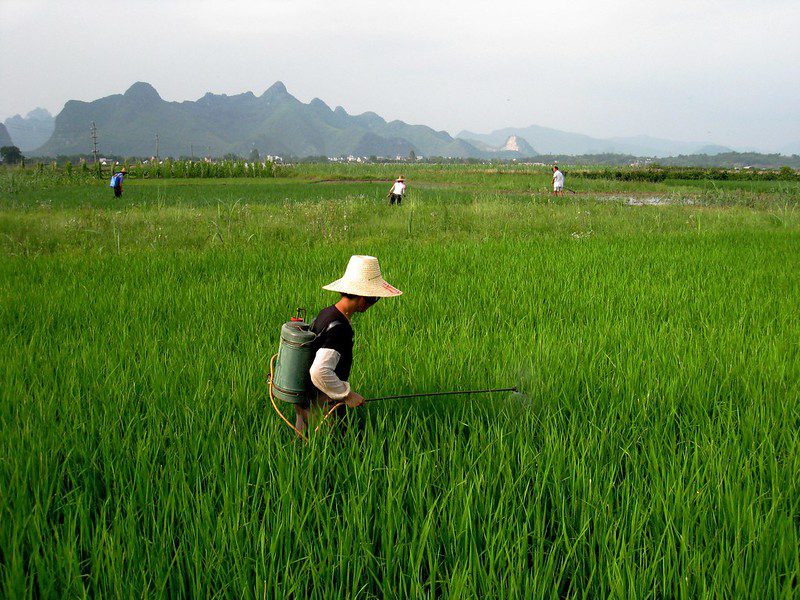
Among important updates on SDG Goal 1 in China is the fact that some researchers believe that China is on its way to eliminating poverty. According to China’s National Bureau of Statistics, the population of rural citizens in poverty has declined from 100 million in 2012 to 16.6 million in 2019. The poverty line set by the government is an annual income of 2,300 yuan, or about 6 yuan a day. This reduction in poverty in China is due to political support: the Chinese government aims to end poverty by 2020 and complete the establishment of a “moderately prosperous society.”

Another key part of updates on SDG Goal 1 in China is the government’s new actions to reduce poverty. Since 2012, China has employed targeted poverty alleviation methods focusing on relatively impoverished areas. As a result, the average annual income for citizens in rural areas increased to nearly 10,000 yuan in 2018. The Chinese government has also employed “Internet Plus” strategies by encouraging the development of e-commerce centers in rural areas. Accordingly, many cities have become “miracles” for poverty alleviation: statistics show that 2.54 million people have escaped from poverty in China in 2019.

Challenges During COVID-19

COVID-19 is a special challenge that the world, and especially developing countries, must confront. It is not only a health crisis but also a social and economic crisis. As such, it affects updates on SDG Goal 1 in China. For China, COVID-19 presents a barrier to achieving the goal of eliminating poverty. COVID-19 restricts agricultural development because farmers cannot return to their lands. Meanwhile, due to interruptions in transportation, migrant workers are also unable to work. The combination of these challenges has caused an economic decline in China. In addition, healthcare issues and economic distress have resulted in poverty in China.

Some of China’s poverty alleviation strategies are also no longer appropriate during the pandemic. In 2013, China encouraged “wildlife breeding and domestication” in specific areas and created a market value of 521 billion yuan. Many impoverished areas depend on raising wild animals for economic growth; however, the Chinese government banned the industry due to its link to the spread of COVID-19 and the suspicion that wild animals can infect people. Thus, perpetuating this industry in the midst of COVID-19 presents a severe challenge for undeveloped areas.

Looking Forward

China’s endeavors in poverty alleviation are significant for both the nation and the world. Other countries can learn from China’s successes in fighting against poverty, which helped 602.7 million people escape poverty. If China can achieve SDG Goal 1 in 2020, it will be 10 years ahead of the United Nations’ commitment to eradicating global poverty.

– Yilin Che
Photo: Flickr

October 2, 2020
https://borgenproject.org/wp-content/uploads/borgen-project-logo.svg 0 0 Kim Thelwell https://borgenproject.org/wp-content/uploads/borgen-project-logo.svg Kim Thelwell2020-10-02 12:00:582020-10-02 12:01:17Updates on SDG Goal 1 in China
Developing Countries, Gender Equality, Global Poverty, Women, Women's Empowerment, Women's Rights

Women in Developing Countries: The Impacts of International Trade

women in developing countriesInternational trade is arguably the most significant economic development of the last century. Its growth has been roughly exponential due to technological advancements and specialization, and exports today are more than 40 times the amount they were in 1913. Although this growth contributes to higher wealth and more stable economic systems for many countries, it simultaneously can exasperate already-existing inequalities, particularly those concerning women. International trade has contributed to the creation of new workforces containing more women. However, the employment opportunities in developing countries are typically low-paying positions with little prospects for skill development. Women in developing countries are limited to such positions due to social and cultural dynamics, policies and other country-specific contexts.
Employment of Women in Developing Countries

Women in developing countries oftent act as a cheap source of labor for firms. In manufacturing, women are mainly employed in jobs involving the production of goods, rather than higher-paying jobs involving management positions. If an economy is predominantly agricultural, women are often subsistence farmers or members of family businesses. In these situations, many women in developing countries do not get paid for their work. In service-based economies, women occupy low-skill positions such as street vendors. However, increasing the pay women receive for these jobs and successfully closing the gender gap could add about $28 trillion to global GDP.

The tendency of women to work in low-skilled jobs results from ingrained social norms designed to limit women’s economic mobility. Societies that expect women to assume the full responsibility of childcare often give them few opportunities to receive education or reduce the burden of their domestic labor. Consequently, these women are less likely to have the same access men do to land, credit and labor markets.

Little Access to Opportunities

Women in developing countries often also experience disproportionate rates of unemployment or remain in low-paying positions because they are unable to learn more about job opportunities in other locations. Robert Jensen, a former professor from the University of Texas at Austin, examined this phenomenon. He concluded that women living in rural areas in India who were contacted by recruitment campaigns providing information about job opportunities in urban areas ultimately participated more in the labor force. As a result, they experienced increased mobility.

Current Trade and Employment Policies

In 2016, the U.N. Conference on Trade and Development released a report stating that gender-blind trading policies exacerbate the inequalities women experience in developing countries. These gender-blind trading policies do not create equal opportunities. Instead, they allow men in the workforce to further benefit from existing economic advantages they enjoy.

However, the U.N. proposed two new global development frameworks to promote gender equality and women’s empowerment through trade. The 2030 Agenda for Sustainable Development focuses on combating gender issues. It links economic, social and environmental factors to address power structures and social dynamics that contribute to gender inequality. The Addis Ababa Agenda on Financing for Development requests equal gender inclusion into the formulation and implementation of financial, economic, environmental and social policies. It also aims to ensure women’s equal rights through access to economic activities that would combat gender-based violence and discrimination.

Together, these development plans are a holistic, firm course of action in the fight against women’s economic inequality. The U.S. Council on Foreign Relations recently reported on the progress nations have made in adopting plans, allocating funds and formulating policies. It found higher numbers of trade agreements with gender-related provisions in the last three decades. Although the global economic impact of COVID-19 may disrupt this progress, comprehensive plans and agendas will ensure that the pursuit of gender equality in trade continues.

– Isabel Serrano
Photo: Unsplash

October 2, 2020
https://borgenproject.org/wp-content/uploads/borgen-project-logo.svg 0 0 Kim Thelwell https://borgenproject.org/wp-content/uploads/borgen-project-logo.svg Kim Thelwell2020-10-02 11:46:522020-10-02 11:46:51Women in Developing Countries: The Impacts of International Trade
Developing Countries, Global Poverty, Health, Water Crisis

Paani Project Improves Water Access in Pakistan

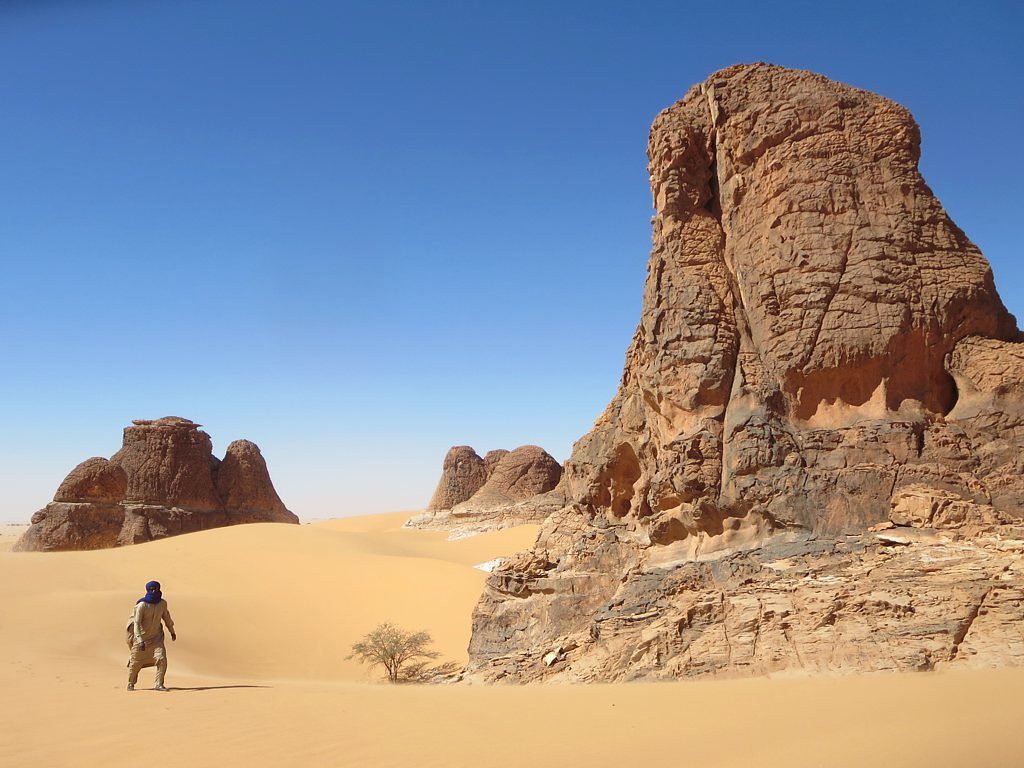
Water Access in PakistanJust a few months after assuming office in 2018, Pakistan’s Prime Minister Imran Khan issued a dire declaration to his nation, pronouncing the water crisis to be the most pressing problem facing Pakistan today. Soon after, one team of Pakistani-American college students decided to launch the Paani Project to address the issue. Since then, the group has made astounding strides toward improving water access in Pakistan.
The Water Crisis in Pakistan

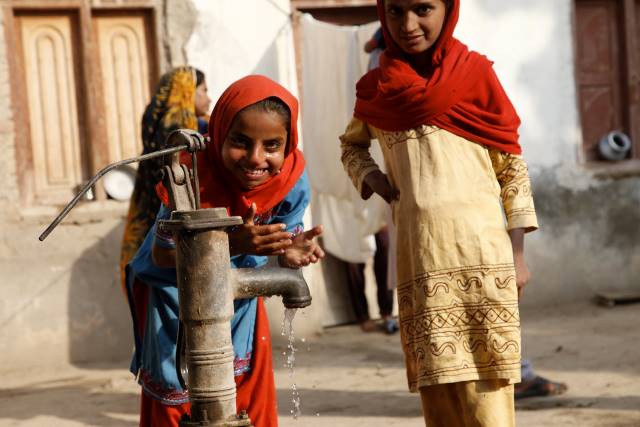
The Paani Project is addressing one of the most acute water crises in the world today. With a population of 212 million, poor water management, climate change and intensive agriculture, access to clean water can be scarce. An estimated 40% of deaths in the country are linked to unclean water.

Pakistan also has a shocking disparity in water access between its urban and rural areas. With up to 70% of rural regions having no access to clean water, millions in Pakistan’s more remote areas face a severe risk to their health and livelihoods.

Origins of the Paani Project

In order to combat this critical issue, four University of Michigan students decided to launch the Paani Project. The mission began on a local scale. For three months, on their way to class and around campus, the students would sell doughnuts, slowly collecting enough funds to build their first well in a rural region of Pakistan’s southeastern province of Sindh.

Since funding their first well, the team has put hours of effort, collaboration and organization into the project, creating a fully functioning nonprofit that has seen widespread success.

The Paani Project Impact

With over 850 wells built across rural areas as of 2020 and more than $300,000 donated, the Paani group has made an undeniable impact in improving water access in Pakistan. Their work has spread from Sindh to Khyber Pakhtunkhwa and Balochistan, serving rural needs across the country.

In addition to building wells, the project has also diversified its mission by leading a number of different humanitarian efforts around the country. In Azad Kashmir, Paani led a winter coat drive and in Karachi, the group operated a dental clinic to provide care for those that would not have access otherwise.

The organization has also provided relief from the COVID-19 pandemic by providing food to thousands of workers in Khyber Pakhtunkhwa and Sindh who rely on daily wages to support their families.

Other Initiatives

Paani also believes that education is an important step in combatting poverty and increasing water access in Pakistan. With every well that has been built, Paani has held “hygiene education seminars” to teach community members about proper sanitation practices and how to maintain the well. The group has also helped develop education curriculums in Sindh, through which they hope to increase knowledge about the water crisis and proper hygiene practices.

Although Pakistan’s water crisis is one that continues to make headlines and threatens the lifestyles of millions of people across the country, work by organizations such as Paani has helped to turn the tide. With tens of thousands of people directly reaping the benefits of Paani’s wells, the group’s contributions are sure to be much more than just a drop in the bucket in the fight for universal water access in Pakistan.

– Shayaan Subzwari
Photo: Flickr

September 29, 2020
https://borgenproject.org/wp-content/uploads/borgen-project-logo.svg 0 0 Kim Thelwell https://borgenproject.org/wp-content/uploads/borgen-project-logo.svg Kim Thelwell2020-09-29 04:57:262024-05-30 07:52:57Paani Project Improves Water Access in Pakistan
Developing Countries, Global Poverty, Women's Empowerment

How Microfinance Empowers Women

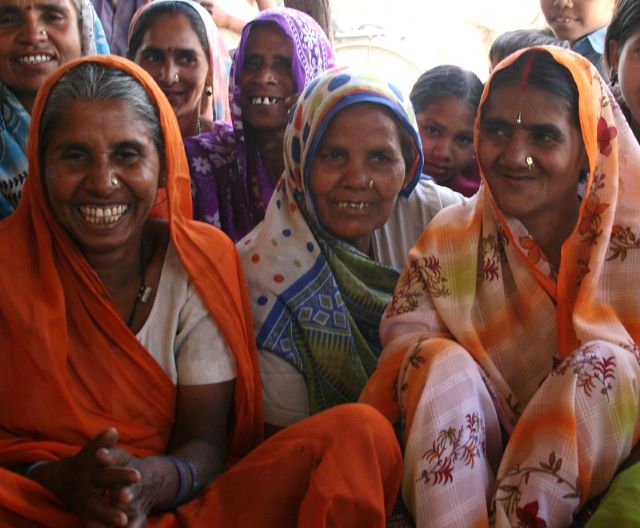
microfinance empowers womenGender inequality has a significant impact on poverty and income inequity. Income inequality based on gender is lower in countries with policies that support women and facilitate the employment of women. These policies include maternity leave, paid sick leave and unemployment benefits. In countries where women receive larger incomes, poverty rates tend to be lower overall. Microfinance or micro-lending combats poverty by helping individuals in low-income areas kickstart small businesses. Microfinance institutions provide micro-credits to people who are struggling financially with the goal of helping them reach financial security. Most of these institutions work in developing countries. As a result, microfinance empowers women to succeed and escape income inequality. 
How Do Loans Help Women?

Women account for 74% of the clients of microfinance institutions, which provide credit to almost 20 million people around the world. These loans help women in developing countries gain autonomy while also positively impacting their children and the opportunities available to them. When women gain financial security, they are more likely to invest money in their children’s education or medical expenses. Microfinance for women can also have positive impacts on entire communities. For instance, through the prioritization of education and reduction of gender inequalities. 

Women’s Empowerment Benefits the Economy

Microfinance enables women around the world to start businesses and act on ideas that they would not be able to achieve without a loan. FINCA, a Microfinance institution, has stated that 72% of its female clients were able to provide for their families and send their children to school. Gender inequality has significant economic implications. According to Kiva, another Microfinance institution, there are 1 billion women around the world without access to a savings account and necessary credit. Women earn 63% less than men on average and over twice as many men are involved in the early stages of business planning. Kiva loans have helped 2.7 million women in 94 countries, and 83% of the institution’s loan recipients are women. Additionally, these loans impact communities by building confidence in young girls. Estimates have determined that by 2025 the global GDP would grow by $12 trillion if women equally contributed to the economy. 

Women’s Empowerment and Healthcare

Microfinance programs often require women to meet on a weekly or monthly basis to repay loans and deposit money. This allows women to come together and simultaneously provides financial security while building support systems. These meetings also create an opportunity to provide health education to women who lack insurance and access to health care. Specifically, HIV/AIDS prevention programs can increase the reproductive and sexual health of marginalized women. 

Therefore, in many different ways microfinance empowers women. It not only allows women to gain independence financially but it increases opportunities for children and positively affects entire communities. Enabling women to gain financial security and empowering young girls can help decrease gender inequality around the world and combat poverty. From this, it is clear that microfinance has a far greater impact on poverty and female empowerment than simply providing a loan.

– Maia Cullen
Photo: Flickr

September 28, 2020
https://borgenproject.org/wp-content/uploads/borgen-project-logo.svg 0 0 Kim Thelwell https://borgenproject.org/wp-content/uploads/borgen-project-logo.svg Kim Thelwell2020-09-28 08:39:252024-05-30 07:52:57How Microfinance Empowers Women
Developing Countries

Tackling Health and Heat in Developing Countries

Heat in developing countries
Earth is getting warmer every day and the heat in developing countries can be fatal. There are ways to take the edge off – air-conditioned rooms, pools and shade – and make even the hottest days bearable. This is not to say that Americans are completely safe from heat-related deaths – it kills 800 people per year, disproportionately affecting people of color and migrant workers. Although this number may seem small compared to the toll of cancer and strokes, any deaths from overheating are unacceptable. They are easily preventable with proper education and access to the right information and technologies.

The Dangers of Overheating

However, in countries like India and in the deserts of Africa, where temperatures can reach up to 120 degrees Fahrenheit, the dangers of overheating are everyday realities. The effects of overheating on a population are difficult to measure because overheating exacerbates other diseases. Symptoms affect the heart (causing irregular rhythm), immune system (decreasing white blood cell count) and cause dehydration, which has innumerable other effects. Statisticians estimate that between 1998-2017, over 160,000 people died as a direct result of overheating and heatwaves worldwide. Technologies such as air conditioners would reduce deaths due to heat in developing countries and improve the livelihoods of people. Unfortunately, barriers such as high cost and the unavailability of electricity remain in developing countries. Luckily, several organizations are working to find ways to mitigate these barriers.

Reducing Heat-Induced Deaths

  • The World Health Organization (WHO): WHO already does much to help reduce poverty. It also takes on the challenge of reducing heat in developing countries. WHO looks at how to compactly design buildings with fewer levels to lower cooling costs. It investigates investment into insulation and the positive economic impacts of finding new markets for air conditioning companies. The Maghreb, a region of North Africa, could particularly benefit from an overhaul of cooling systems because of its rich natural resources. This would incentivize more workers to move there, bringing profit to all.
  • Rocky Mountain Institute: RMI aims to reduce the effect of air conditioners on the environment. These environmental effects often impact poorer communities in particular. Typical AC units run on electricity provided by fossil fuels. These fossil fuels warm the planet, creating a positive feedback loop. Providing everyone with access to air conditioners, therefore, as many organizations are doing, may not be enough. People also need to stop organizations from warming the earth and increasing demand even further. The institute concluded that the world needs units that are at least five times as powerful as they are now while using the same amount of energy, and electricity that comes from either solar panels or wind turbines.

Keeping people safe from the real danger of heat in developing countries is a necessary step to increasing productivity and saving lives. Fortunately, heat-related deaths are preventable if well-equipped countries assist third world economies to start producing the technologies that people need, such as air conditioners.

– Michael Straus
Photo: Flickr

September 26, 2020
https://borgenproject.org/wp-content/uploads/borgen-project-logo.svg 0 0 Kim Thelwell https://borgenproject.org/wp-content/uploads/borgen-project-logo.svg Kim Thelwell2020-09-26 10:00:192024-05-29 23:23:31Tackling Health and Heat in Developing Countries
Developing Countries, Food & Hunger, Global Poverty, Health

Fighting Malnutrition in Sub-Saharan Africa Through Investment

Fighting MalnutritionAs the years have passed, the nutrition of sub-Saharan Africans has shown little improvement. As of 2016, nearly 222 million people suffer from a form of undernourishment. With the population expected to boom shortly, this figure has a dangerous potential to increase. Fighting malnutrition in sub-Saharan Africa is bringing together investors, governments and NGOs in efforts to fight malnutrition in this region.

Consequences of Malnutrition

For African nations, current statistics on malnutrition paint a grim picture: nearly every country south of the Sahara reports at least 10% of children as underweight. The problems caused by widespread malnutrition—regardless of age—are apparent. According to World Bank statistics, malnourished children typically provide far less value later in life, losing an average of 10% of their potential lifetime earnings. Likewise, a malnourished mother may conceive a similarly deficient child with congenital disabilities and an equal risk of low productivity. While it is simple to recognize malnutrition as a source of other regional issues, identifying the underlying causes of malnutrition has proven to be more complicated.

The Complex Causes

Malnutrition is not exclusively caused by undernutrition. In many cases, the low variety of available foods causes developmental problems in children, which contributes to those mentioned above poor professional outcomes. The region’s poverty causes discrepancies in the food distribution of local towns, with communities becoming dependent on staple crops like grains while missing out on fruits, meats and other nutrient-dense foods. With surveys reporting that 39% of families in sub-Saharan Africa suffer precarious access to food, these cereal crops are the only way for many families to avoid going to sleep hungry.

This lack of nutritional variety primarily stems from the region’s poor-quality infrastructure. Without proper roads, many rural farmers struggle to bring their crops to market, making the trade of goods essential to a running economy—and a balanced diet—nearly impossible. With better economic conditions as well as simple roads, citizens could gain crucial access both physically and financially to foods they could not previously afford.

The Need for Investments

Food insecurity is not the only issue plaguing sub-Saharan Africa: with various forms of poverty—including fiscal, water and energy poverty—also demanding attention, it appears that a fix for one issue may have to envelop the other problems as well. Fortunately, improving the infrastructure for one of these issues incidentally benefits the others.

The region needs massive investments for projects like dams, bridges, power plants and namely roads. Experts advocate this investment on multiple grounds: not only would it assist in fighting malnutrition, but it also represents a sensible investment. Investment specialists recommend this action, and private companies in the U.K. have seen greater returns on investments to Africa than anywhere else in the world, according to the Overseas Development Institute.

A Future Worth Fighting For

Fortunately, current world leaders began to listen to this advice. Organizations like The World Bank have already organized the financial framework to fund ambitious projects fighting malnutrition globally. With Chinese investment into Africa totaling nearly $300 billion from 2005-2018, countries in sub-Saharan Africa are starting to receive the foreign investment necessary to feed their people adequately.

Fighting malnutrition in sub-Saharan Africa is no small task, but the current trend of investment shows promise for the future. The Infrastructure Consortium of Africa reported that between 2013-2017, the mean annual funding for infrastructure development was $77 billion, double the average from 2000-2006. If investment continues, much-needed dietary improvements could finally become a reality. Perhaps in the next ten years, a variety of foods will quite literally be a walk down the road for African families.

– Joe Clark
Photo: Flickr

September 25, 2020
https://borgenproject.org/wp-content/uploads/borgen-project-logo.svg 0 0 Kim Thelwell https://borgenproject.org/wp-content/uploads/borgen-project-logo.svg Kim Thelwell2020-09-25 14:30:522020-09-25 14:30:52Fighting Malnutrition in Sub-Saharan Africa Through Investment
Developing Countries, Global Poverty

Period Poverty and Stigmas: Menstrual Cups in Developing Countries

menstrual cups in developing countriesMenstruation is a natural and necessary biological function. However, it is a roadblock for millions of women and girls worldwide. About 12.8% of women and girls globally live in poverty, and 1.25 billion women and girls don’t have access to a safe and private toilet. Additionally, many people in developing countries see menstruation as unclean or even as a curse. This affects a girl’s ability to attend school as well as women’s ability to work and make a living. In this scenario, menstrual cups in developing countries could go a long way toward mitigating period poverty.

A menstrual cup is a feminine hygiene product shaped like a small cup. It is inserted into the vagina during menstruation and collects menstrual fluid. Most menstrual cups are generally made out of medical-grade silicone or latex. Importantly, the cups can be worn for periods of 12 hours and are completely reusable.

Period Poverty

In developing countries, period poverty affects 2.3 billion girls and women. Period poverty refers to an overall lack of access to menstruation education and other resources, including toilets, sanitary napkins, clean water sources and waste management. Many girls who are unable to access menstrual products often resort to using rags, paper or other unsafe materials that cannot be properly clean and sanitized. As a result, this poses a threat to their health and well-being.

Research shows that menstrual cups in developing countries are a hygienic and sustainable option, even if they do require running water. However, in settings where there is less running water, women can find ways to use less water in cleaning their menstrual cups. Women might even use less water with menstrual cups than they would otherwise, as they won’t need to wash stains out of clothes or used cloths.

Advocating for Menstrual Cups in Developing Countries

Ebby Weyime is a believer in the effectiveness of menstrual cups in developing countries. She believes that it can eradicate period poverty in her home country, Kenya. However, there are challenges to implementing menstrual cups in Kenya. For example, many Kenyans believe that a girl will lose her virginity if a product is inserted into the vagina. To combat this stigma, Weyime travels through local communities and educates people on the realities of menstrual cups. Weyime has even created her own menstrual cup, The Grace Cup.

The Grace Cup is the first and only menstrual cup made in Kenya. It is made of FDA-approved, medical-grade silicone. Importantly, the Grace Cup can last up to 10 years. Because it can last for so long, the Grace Cup will allow girls to save money. At the same time, it will allow girls and women to experience the least amount of discomfort during their period. Consequently, this will allow them to enjoy activities that they would normally enjoy.

Menstrual Cup Brands That Help Women

Various global menstrual cup brands are aware of the powerful potential of menstrual cups in developing countries. The brands are creating awareness, making menstrual cups and providing menstrual education available to girls across the world. Here are some noticeable brands that help women and girls worldwide:

  • The Freedom Cup: The Freedom Cup provides one cup to a girl in an underprivileged community with every menstrual cup purchased. It has provided cups to girls in India, Africa, Nepal, Cambodia, the Philippines and more.
  • The Moon Cup: The Moon Cup is founded in the U.K. and sold globally. The brand supports various charities, and team members donate to causes of their choice. The majority of charities that it supports provide menstruation education and assistance in developing countries.
  • The Saalt Cup: Saalt Cup is a popular menstrual cup brand in the West. It commits 2% of its annual revenue to provide period care like menstrual cups in developing countries. Through donating cups and providing girls with education, Saalt is reducing stigmas and ensuring period care worldwide.

Menstrual cups in developing countries will provide women and girls with a cost-effective way to manage their period. The expansion of these products also goes hand in hand with menstruation education. As a result, women and girls will be empowered and enabled to do more. As brands like the Grace Cup continue to educate and provide girls with cups, period stigmas will disappear and period poverty will become an issue of the past.

– Kalicia Bateman
Photo: Flickr

September 25, 2020
https://borgenproject.org/wp-content/uploads/borgen-project-logo.svg 0 0 Kim Thelwell https://borgenproject.org/wp-content/uploads/borgen-project-logo.svg Kim Thelwell2020-09-25 12:28:332020-09-25 12:28:33Period Poverty and Stigmas: Menstrual Cups in Developing Countries
Developing Countries, Global Poverty

Tourism’s Impact On Reducing Poverty

Tourism's Impact on Reducing Poverty
Within the past decade, international travel to developing countries has risen substantially. Countries like Tanzania and Indonesia have benefited from a surge in tourism. Moreover, research postulates that this will improve economic growth in developing countries. Economic developments in these countries are essential for stable socioeconomic growth. Tourism’s impact on reducing poverty within developing nations will be addressed in this article. However, the tourism industries in these countries promote more than just income generation — also, stability, opportunities in local communities, employment and cultural prosperity.

Advantages

In 46 of the 49 least developed nations (nearly 94%), tourism has become one of the primary sources of economic income. Moreover, in some countries, this results in 25% of GDP. The total contribution of tourism in 2019 generated roughly $9.2 billion, with direct contributions globally generating nearly $2.8 billion. The income generated in these countries can provide further support to local communities and the overall infrastructure and revenue of developing countries.

The tourism industry offers excellent advantages for socioeconomic growth and poverty alleviation. One of the most significant factors is employment. Many individuals living in developing countries lack the education and opportunity for high-paying, skilled jobs. Jobs within the tourism industry, such as food, conservation and hospitality require lower skill levels. Therefore, allowing for expanded employment opportunities. In these ways, tourism’s impact on reducing poverty is both positive and significant.

Disadvantages

The tourism industry can certainly promote nations, effectively raising their global profile and allowing for even more tourism. However, it can also allow for environmental damage, such as pollution, littering, resource depletion or loss of natural habitats due to the massive increase in visitors. In this same vein, roughly 40 million Americans traveled internationally in 2019. Yet, alternatively, it should be noted that tourism can potentially provide funding for conservation and create incentives to preserve natural areas. This occurs in both urban and rural environments to regenerate the areas.

Infrastructure such as roads, airports, hotels and other tourism services may fail to keep up with the estimated tourist projections of an “additional 400 million arrivals forecasted in 2030.” Infrastructure’s crucial role in tourism is in the amenities that these countries can provide for visitors. Although, with tourist arrivals already surpassing projections by 2017, some countries may struggle to progress and uphold their “infrastructure readiness” quickly enough.

Tanzania and Indonesia: Success Stories

Tanzania, located in sub-Saharan Africa, has become a significant tourist attraction within the past couple of years. Due to its rich culture and conservation, Tanzania has become a highly desirable destination. The nation accounted for 1.28 million tourist arrivals in 2016 alone. With this rise, Tanzania’s GDP of 4.7% is directly linked to tourism and travel expenditures. Furthermore, the country increased investments by 8.7% ($1.2 billion) and “export earnings,” generating $2.5 billion in revenue. These earnings dramatically impacted job opportunities, a significant variable in alleviating poverty. E.g., the increased investments employed 470,500 persons in the tourism and travel industry in 2016. Recent reports from the World Travel and Tourism Council (WTTC) expect the tourism and travel sector to continue to rise “6.6% annually in the next 10 years.”

Indonesia has also created a profitable tourism and travel industry. Striving to improve income inequality and alleviate poverty through tourism has proven to be a successful initiative. A study conducted by LPEM FEB UI, Universita Indonesia, shows that tourism activities have reduced the “depth of poverty from 2.04 to 1.21.” Along with this, severe poverty lessened in 2016 from 0.37 to 0.29. Additionally, the study also reveals that tourist activities offer more significant support within communities. For those living in regions with more prevalent tourist activity — the poverty rate is 1.5%–3.4% lower than regions that are not.

Continuing the Positive Impact

While the advantages do not necessarily outweigh the disadvantages — there are significant, positive results in promoting the travel and tourism industry in the highlighted regions above. With continued progress, countries such as Tanzania and Indonesia have made increasing strides in alleviating poverty. Tourism’s impact on reducing poverty represents a significant feat that will hopefully continue to yield positive results for the world.

– Allison Lloyd
Photo: Flickr

September 18, 2020
https://borgenproject.org/wp-content/uploads/borgen-project-logo.svg 0 0 Kim Thelwell https://borgenproject.org/wp-content/uploads/borgen-project-logo.svg Kim Thelwell2020-09-18 13:03:002024-06-06 00:43:14Tourism’s Impact On Reducing Poverty
Page 78 of 157«‹7677787980›»

Get Smarter

  • Global Poverty 101
  • Global Poverty… The Good News
  • Global Poverty & U.S. Jobs
  • Global Poverty and National Security
  • Innovative Solutions to Poverty
  • Global Poverty & Aid FAQ’s
Search Search

Take Action

  • Call Congress
  • Email Congress
  • Donate
  • 30 Ways to Help
  • Volunteer Ops
  • Internships
  • Courses & Certificates
  • The Podcast
Borgen Project

“The Borgen Project is an incredible nonprofit organization that is addressing poverty and hunger and working towards ending them.”

-The Huffington Post

Inside The Borgen Project

  • Contact
  • About
  • Financials
  • President
  • Board of Directors
  • Board of Advisors

International Links

  • UK Email Parliament
  • UK Donate
  • Canada Email Parliament

Get Smarter

  • Global Poverty 101
  • Global Poverty… The Good News
  • Global Poverty & U.S. Jobs
  • Global Poverty and National Security
  • Innovative Solutions to Poverty
  • Global Poverty & Aid FAQ’s

Ways to Help

  • Call Congress
  • Email Congress
  • Donate
  • 30 Ways to Help
  • Volunteer Ops
  • Internships
  • Courses & Certificates
  • The Podcast
Scroll to top Scroll to top Scroll to top