• Link to X
  • Link to Facebook
  • Link to Instagram
  • Link to TikTok
  • Link to Youtube
  • About
    • About Us
      • President
      • Board of Directors
      • Board of Advisors
      • Financials
      • Our Methodology
      • Success Tracker
      • Contact
  • Act Now
    • 30 Ways to Help
      • Email Congress
      • Call Congress
      • Volunteer
      • Courses & Certificates
      • Be a Donor
    • Internships
      • In-Office Internships
      • Remote Internships
    • Legislation
      • Politics 101
  • The Blog
  • The Podcast
  • Magazine
  • Donate
  • Click to open the search input field Click to open the search input field Search
  • Menu Menu

Archive for category: Developing Countries

Information and stories about developing countries.

Children, Clean Water Access, Developing Countries, Global Poverty, Health

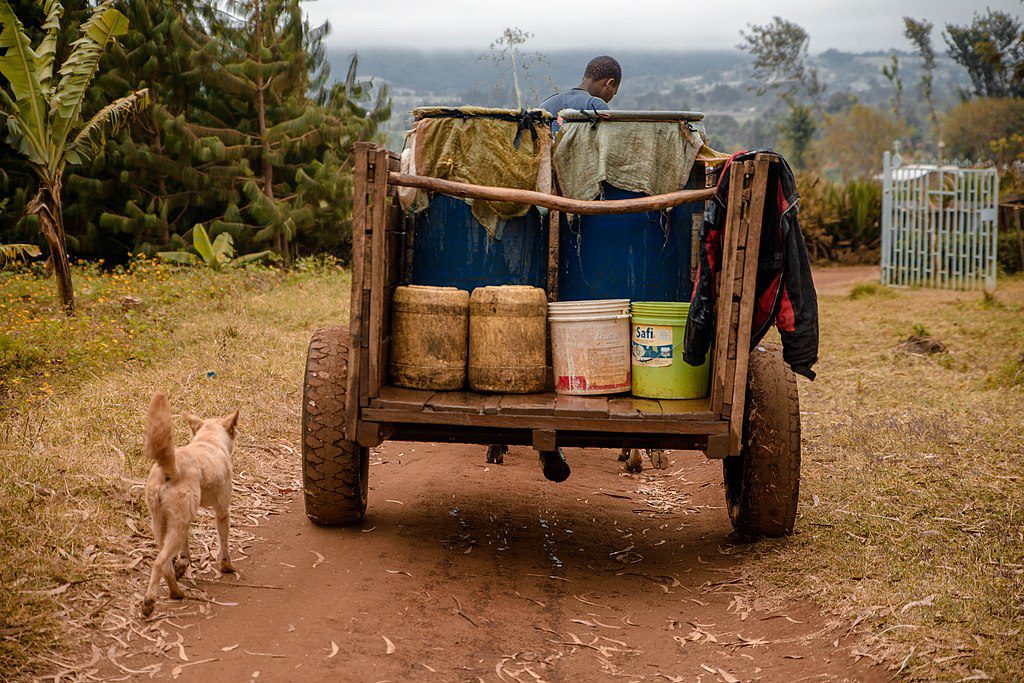
Teaching Sanitation Practices in Tanzania with Project SHINE

Sanitation Practices in Tanzania
Tanzania has made considerable strides in decreasing extreme poverty. For example, from 2007–2018, the country’s poverty rate declined from 34% to 26% (of the total population). However, this progress in poverty reduction has not translated as successfully when addressing sanitation. Improving sanitation practices in Tanzania directly relates to decreasing infant mortality and malnutrition. Currently, 23 million of Tanzania’s 57 million residents obtain drinking water from potentially hazardous sources. Acknowledging these disparities and the value of potable water in eradicating poverty, the initiative Project SHINE works in rural communities where low access to clean water and poor hygiene practices are common. The organization is on a mission to improve sanitation by inventing cost-effective, simple solutions that enhance hygiene in Tanzania.

Poor Sanitation and Resulting Diseases

Poor sanitation practices in Tanzania contribute to a host of preventable infections in the country. Tanzania suffers frequent cholera outbreaks, which cause extreme diarrhea and dehydration. Diarrheal disease is one of the largest contributors to child mortality in countries facing extreme poverty. Moreover, those who do survive, suffer developmental obstacles. Cholera, as well as the related disease typhoid, can transmit through drinking water polluted with human feces. Open excretion, a widely spread issue in Tanzania, is easily preventable by developing water sanitation infrastructure.

In terms of parasitic infections, malaria commonly transmits through mosquitoes. This illness and schistosomiasis easily spread due to a lack of proper drainage systems in Tanzania. Finally, skin, eye and oral infections are a common result of the lack of knowledge among Tanzanians regarding proper hygiene practices.

Rural communities in Tanzania learn and influence hygiene practices based on previously established knowledge and cultural practices. Therefore, many children are predisposed to the same habits — and therefore, the same risks as their families. To help combat these norms that often pose significant health risks, Project SHINE is introducing innovations in sanitation and hygiene for Tanzanians.

Sanitation and Hygiene Innovation in Education (SHINE)

Project SHINE uses science to educate children and motivate changes in their hygienic behaviors by cooperating with schools. The program also reaches out to parents and other community members to develop a better understanding of attitudes toward health within this field. Through its educational initiatives, Project SHINE engages pastoralists who, even though many children come from these families, often lack access to resources and are actively involved with livestock. In particular, SHINE highlights the importance of both animal and human health for these audiences.

Education Strategy: Science Fairs

Project SHINE promotes science fairs in its target schools to encourage greater conversation and education about sanitation. These events focus on three subjects: water, sanitation and hygiene. This project’s aim is to help motivate youth, health care workers and community members to adopt improved health care practices. The long-term goal of motivating future generations to permanently incorporate these habits into their daily routines is paramount.

During this process, teachers receive private training in separate workshops where they gain strategies for presenting hygiene and sanitation to students in engaging ways.

Students engage in these science fairs by conducting research and forming hypotheses. One project students can complete, for example, is to create sustainable hand-washing stations using local, low-cost materials. Project SHINE also incorporates a One Health Paradigm that emphasizes the connection between livestock, humans and the environment. Notably, this is a relevant framework for children from pastoral families. Overall, fitting sanitation practices in Tanzania into the school curriculum has become a priority for SHINE.

The Journey Ahead

Progress for hygiene and sanitation practices in Tanzania has been a long, difficult journey for many families who still struggle to obtain clean water. Nevertheless, interventions from Project SHINE have already made significant differences. The initiative is planning to expand to other parts of the community, including out-of-school youth and the disabled. Overall, the work of Project SHINE offers promise for the health and prosperity of thousands across Tanzania.

– Zoe Schlagel
Photo: Wikimedia Commons

October 27, 2020
https://borgenproject.org/wp-content/uploads/borgen-project-logo.svg 0 0 Kim Thelwell https://borgenproject.org/wp-content/uploads/borgen-project-logo.svg Kim Thelwell2020-10-27 01:30:302020-10-23 22:03:06Teaching Sanitation Practices in Tanzania with Project SHINE
Developing Countries, Global Poverty

How Ecotourism Alleviates Poverty in Nepal

Ecotourism Alleviates Poverty in Nepal
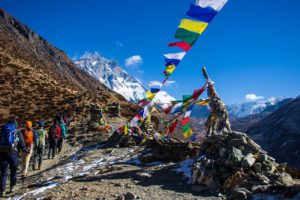
Nepal is a small country located between India and China, two of the world’s most powerful nations. Substantial foreign aid is allocated to fighting poverty in Nepal. However, inefficient governments prevent these benefits from reaching the people: one-fourth of Nepalis are living in poverty. Nepal, the birthplace of the Buddha and home to Mount Everest, also has 848 bird species, 600 plant families and more than 100 ethnic groups speaking 90 languages. Despite its ineffective leadership, Nepal’s lush natural environment has created a flourishing ecotourism industry providing business and conservation to the region. By fostering this market, ecotourism alleviates poverty in Nepal and improves life for thousands of the country’s residents.

What is Ecotourism?

According to The International Ecotourism Society, ecotourism is defined as “responsible travel to natural areas that conserves the environment, sustains the well-being of the local people and involves interpretation and education.” This definition encompasses aspects from human-environment relationships to understanding landscapes, maintaining species and learning about local cultures.

Many have debated whether zoos are a form of ecotourism or not. Despite the potential for educational value, many do not consider practices of capturing and confining wildlife as ecotourism. Wildlife should not endure any suffering from human interactions, and the interest of the animals should receive priority over humans. Ecotourism allows animals to live independently of human contact, a condition impossible to replicate in zoos.

Environmental Impact

Community-based ecotourism has been immensely successful in Nepal, especially in its rural areas. Due to sparse government regulations, the general tourism industry employs cheap yet harmful practices that have exacerbated poverty in Nepal. Thus, it has become necessary for the country to consider alternative methods of attracting revenue through tourism. With this goal in mind, Nepal has adopted the homestay model of ecotourism.

The primary goal of the homestay industry is to develop economic resilience in rural areas that can work with the environment rather than against it. This cooperation eliminates the need for large infrastructure to accommodate tourists as well as protects the environment from destruction. In a developing country like Nepal, the value of these outcomes is substantial. This system allows community members to become more involved in local tourism. Locals provide lodging, cultural education and history for compensation.

The ecotourism initiative has proven to be fruitful: of the 1.2 million tourists that visited Nepal in 2018, the majority explored natural areas. Across the country, 484 homestay houses are registered around natural sites like Chitwan National Park. These establishments also encourage the improvement of sanitation facilities like clean toilets, filtered water and pollution-free air, which are crucial to reducing poverty in Nepal.

From these homestays, tourists can travel to various nearby sites. At these sites, they can engage in activities including hiking, mountaineering, cultural immersion and rafting. These efforts propel afforestation projects and preserve biodiversity by preventing forest conversion. Community-based ecotourism has kept ancient cultures alive, protected the environment and provided economic and cultural stability to local communities.

Economic Impact

Oftentimes, people think of the environment and the economy as mutually exclusive; however, ecotourism in Nepal has challenged this mindset. Ecotourism contributes to about 4% of Nepal’s total GDP and provides varying forms of employment to about 200,000 people. These opportunities are growing for people like Pratiksha Chaudhary, who runs a homestay in the village of Dalla near Bardia National Park.

The thirty-three-year-old reflects on her initially timid nature when she began hosting guests, concerned that her rooms were not clean enough or that her food was not good enough. However, after a decade in the business, Chaudhary has found confidence in herself and in her work. She can now afford home renovations and has added two bigger rooms, tiled flooring and hot water. These additions help her remain competitive in her village’s ecotourism industry, which has experienced a doubling of homestays in the last decade. Through the income she earns, Chaudhary can also provide her son with quality education and protect her natural environment.

Protected areas across the country have created a substantial decrease in inequality and poverty in Nepal. Studies found increasing the number of protected areas in Village Development Committees from 10% to 70% led to increased prosperity for those villages. Additionally, protected areas with high tourism rates reduced the overall poverty rate, demonstrating that ecotourism alleviates poverty in Nepal.

The social and economic benefits of ecotourism do not stop there. In a study of homestay operators in Nepal, 83% reported feeling empowered. Additionally, 88% reported improving their lifestyle after opening their business. The local and tourist support these owners receive has also enabled them to maintain their cultural identities, adding further intrinsic benefits to the homestay field. These positive outcomes challenge the assumption that ecotourism only benefits the elite: data shows that homestays offer potential paths out of poverty for even the most remote villages in Nepal.

The Future of Ecotourism in Nepal

Ecotourism provides great potential for entrepreneurship and economic resilience that will ultimately help combat poverty in Nepal, especially for women. Qualitative data from a 2017 study shows that women tend to be more self-confident, financially independent and better educated in family decision-making when involved in homestay businesses.

Ecotourism and homestays have proven to be effective steps in boosting local economies and involving remote villages. However, establishing completely eliminating poverty in Nepal will require assistance from governments through policy. By expanding the availability of tools for conservation efforts and using ecotourism as an aid for other sectors like agritourism and transportation, the government could boost the economy and reach more people sustainably. As an industry, ecotourism alleviates poverty in Nepal and serves as a role model for developing countries pursuing similar endeavors.

– Mizla Shrestha
Photo: NeedPix

October 20, 2020
https://borgenproject.org/wp-content/uploads/borgen-project-logo.svg 0 0 Jennifer Philipp https://borgenproject.org/wp-content/uploads/borgen-project-logo.svg Jennifer Philipp2020-10-20 20:00:132022-05-09 13:26:57How Ecotourism Alleviates Poverty in Nepal
Children, Developing Countries, Education, Global Poverty, Health, Poverty

Addressing Childhood Blindness

Childhood BlindnessFounded by West Virginian Doctor VK Raju, the Eye Foundation of America responds to the ubiquity of childhood blindness. Though less common in industrialized nations, blindness affects many societies throughout the world. Globally, 2.2 billion people cope with cases of vision impairment or blindness, 12 million of which are preventable. According to the foundation, combating childhood blindness may be the most cost-effective health intervention.
Eye Foundation of America

Most instances of vision impairment result from eye conditions. When eye conditions obstruct the visual system and one or more of its functions, if not treated quickly and effectively, vision impairment leads to permanent blindness.

Dr. Raju, the creator of Eye Foundation of America (EFA), grew up in Rajahmundry, Andhra Pradesh, India. His medical career in ophthalmology brought him to his current residence of Morgantown, West Virginia. Following his journey from east to west, Dr. Raju strengthened his ties to India and other developing countries through EFA.

Childhood vision impairments have an impact on education as learning is done 80% through vision. Therefore, EFA revolves around a singular mission: eradicating childhood blindness. The principles of service, teaching and research, underscore operations of the foundation. EFA sets up medical clinics across the world focused on training staff on ophthalmological procedures, screening local populations for eye conditions and maintaining a functional vision for the youth.

In four decades, EFA made notable strides in combating childhood blindness and overall blindness. In 30 countries across the world, EFA trained and educated more than 700 doctors and medical staff, conducted three million vision screenings and saved the vision of more than 350,000 people through essential procedures.

Early Intervention Prevents Blindness

In an interview with The Borgen Project, Dr. Raju affirms the importance of proper sight for children, without which “the child becomes a problem to themselves, a problem to the family and a problem to society.”

Reducing childhood blindness requires early intervention. If health care personnel identify eye conditions in a child’s first two years of life, the visual cortex still has time to develop and function properly. Conversely, if doctors neglect vision problems during this critical period of growth, the brain cells may never learn to see.

Disparities Between Access and Affordability

Dr. Raju traces the pervasiveness of childhood blindness to accessibility and affordability rather than incidence. He offers his home state of West Virginia as an example. In 2018, the U.S. Census Bureau documented the West Virginia poverty rate at 17.8%, which is 6% above the national rate of 11.8%. Despite relative poverty, Dr. Raju asserts that West Virginia residents enjoy excellent health care and ophthalmological treatment, regardless of whether they have insurance.

Two-thirds of the 1.4 million cases of childhood blindness occur in developing countries where Dr. Raju sets up the majority of EFA’s clinics. Accordingly, The World Health Organization (WHO) reports, “The burden of visual impairments and eye conditions tends to be greater in low and middle-income countries and underserved populations, such as women, migrants, indigenous peoples, persons with certain kinds of disability and rural communities.”

Vision Impacts Global Poverty

Mahatma Gandhi once famously declared, “Be the change you wish to see in the world.” For Dr. Raju, the change is to see. Though often taken for granted, vision enables children to read, write and learn through seeing. Vision impacts education and education impacts poverty. Dr. Raju’s foundation addresses overall global poverty by addressing childhood blindness.

– Maya Gonzales
Photo: Flickr

October 20, 2020
https://borgenproject.org/wp-content/uploads/borgen-project-logo.svg 0 0 Kim Thelwell https://borgenproject.org/wp-content/uploads/borgen-project-logo.svg Kim Thelwell2020-10-20 03:15:082020-10-20 03:15:08Addressing Childhood Blindness
COVID-19, Developing Countries, Global Poverty, Health

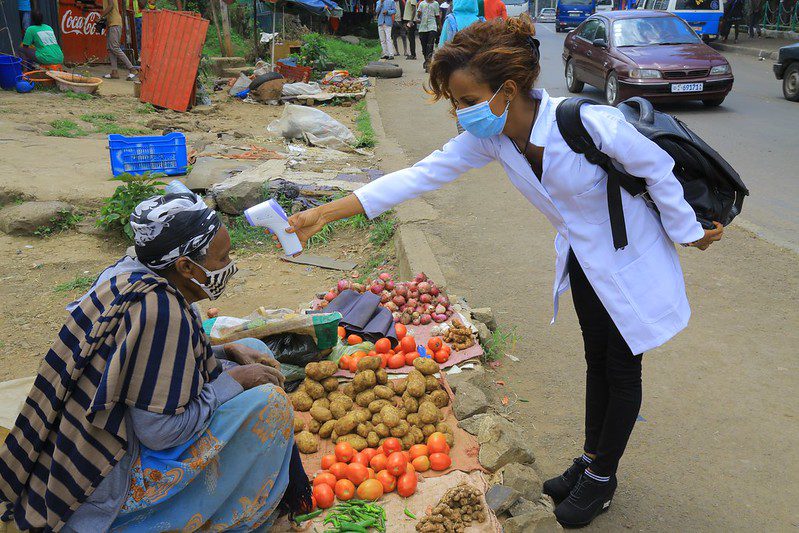
COVID-19 in Africa: What the Numbers Don’t Reveal

covid-19 in africa

On a world map of the distribution of COVID-19 cases, the situation looks pretty optimistic for Africa. While parts of Europe, Asia and the United States have a dark color, indicating relatively high infection rates, most African countries are light in comparison. This has created uncertainty over whether the impact of COVID-19 in Africa is as severe as other continents.

Lack of Testing

A closer look at the areas boasting lighter colors reveals that the situation in Africa is just as obscure as the faded shades that color its countries. In Africa, dark colors indicating high infection rates only mark cities and urban locations—often the only places where testing is available.

Although insufficient testing has been a problem for countries all over the world, testing numbers are strikingly low in Africa. The U.S. completes 249 tests per 100,000 people per day. In contrast, Nigeria, Africa’s most populous country, only executes one test per 100,000 people daily. While 6.92% of tests come back positive in the United States, 15.85% are positive in Nigeria. Importantly, Nigeria is one of the best African countries for testing: it carried out 80% of the total number of tests in Africa.

As a continent housing 1.2 billion individuals of the world’s population, Africa is struggling to quantify the impact of COVID-19 without additional testing. To improve these circumstances, the African CDC has set a goal of increasing testing by 1% per month. Realizing the impossibility of reliable testing, countries like Uganda have managed to slow the virus’ spread by imposing strict lockdown measures. As a result, the percentage of positive cases in Uganda was only 0.78% as of Sept. 1, 2020.

A Young Population

COVID-19 in Africa has had a lower fatality rate than any other continent. In fact, many speculate that fatality rates may even be lower than reported. Immunologists in Malawi found that 12% of asymptomatic healthcare workers had the virus at some point. The researchers compared their data with other countries and estimated that death rates were eight times lower than expected.

The most likely reason for the low fatality rate in Africa is its young population. Only 3% of Africans are above 65, compared with 6% in South Asia and 17% in Europe. Researchers are investigating other explanations such as possible immunity to certain variations of the SARS-CoV-2 virus and higher vitamin D levels due to greater sunlight exposure.

Weak Healthcare Systems

Despite these factors, the impact of COVID-19 in Africa is likely high. Under-reporting and under-equipped hospitals unprepared to handle surges in cases may contribute to unreliable figures. In South Sudan, there were only four ventilators and 24 ICU beds for a population of 12 million. Accounting for 23% of the world’s diseases and only 1% of global public health expenditure, Africa’s healthcare system was already strained.

Healthcare workers are at the highest risk of infection in every country. In Africa, the shortage of masks and other equipment increases the infection rate among healthcare workers even further. Africa also has the lowest physician-to-patient ratio in the world. As it can take weeks to recover from COVID-19, the infection and subsequent recovery times for healthcare workers imply that fewer are available to work. Thus, COVID-19 in Africa further exacerbates its healthcare shortage.

Additionally, individuals who are at-risk or uninsured can rarely afford life-saving treatment in Africa. For example, a drug called remdesivir showed promising results in treating COVID-19. However, the cost of treatment with remdesivir is $3120. While this is a manageable price for insurance-covered Americans, it is not affordable for the majority of Africans. Poverty therefore has the potential to increase the severity of COVID-19 in Africa.

Economic and Psychological Factors

Strict lockdowns have helped some nations control the spread of COVID-19 in Africa, but at a heavy price. A general lack of technology means that, following widespread school shutdowns, students have stopped learning. Many adults have also lost their jobs. More than 3 million South Africans have become unemployed due to the lockdown.

Furthermore, the lockdowns have also resulted in much higher rates of domestic violence, abuse and child marriage. Many such cases are unreported, meaning that the real scope of the problem is probably larger. Mental health services for victims or those struggling through the pandemic are also often unavailable. In Kenya, the United Nations has appealed for $4 million to support those affected by gender-based violence.

The slow spread of COVID-19 in Africa has allowed the continent and its leaders to prepare. Importantly, its young population will lessen the severity of the virus’ impact. Although these circumstances provide reasons to be hopeful, there is no doubt that Africa’s economy and future will suffer from the virus. This potential highlights the need for foreign assistance not only in controlling COVID-19 in Africa but in the continent’s recovery for years to come.

– Beti Sharew
Photo: Flickr

October 19, 2020
https://borgenproject.org/wp-content/uploads/borgen-project-logo.svg 0 0 Kim Thelwell https://borgenproject.org/wp-content/uploads/borgen-project-logo.svg Kim Thelwell2020-10-19 07:30:262020-10-15 10:52:53COVID-19 in Africa: What the Numbers Don’t Reveal
Developing Countries, Global Poverty, Health

CRISPR Gene Editing To Treat Sickle Cell Disease

Treat Sickle Cell DiseaseCRISPR gene-editing technology is now being used to treat various illnesses. This holds the potential to be a life-changing development for many people and may treat those plagued with sickle cell disease around the world.
What is Sickle Cell Disease?

Sickle cell disease is most prevalent in African countries, where having one copy of the sickle cell gene helps protect people against malaria. However, having two copies of this gene results in sickle cell disease. Sickle cell disease occurs because of a genetic mutation that causes red blood cells to develop a sickle-shape and this obstructs healthy blood flow. The condition can cause serious pain and negative health effects, usually resulting in early death. When considering children with the disease, 70% are born in sub-Saharan Africa. Unfortunately, these countries do not have adequate resources to properly alleviate the symptoms of this condition, let alone treat them.

A Potential Cure

In recent months, it has been discovered that CRISPR gene-editing technology may be the key to curing sickle cell disease. CRISPR–Cas9 is a naturally occurring defense system that edits DNA sequences to fight viruses in the human body. In the past decade, scientists have discovered how to harness this system’s ability to manipulate DNA in chosen ways. The result of this is CRISPR gene editing is a powerful technology that can correct genome defects and even alter entire genomes.

CRISPR technology works by editing genes, which modifies how the body functions. First, medical professionals remove patients’ bone marrow and treat it. Then, CRISPR allows scientists to “cut and paste” bits of the genome by either cutting or adding a sequence of DNA into the genome. This can correct genetic mutations, ultimately improving a patient’s health.

In the U.S., a trial of using CRISPR to cure sickle cell disease is yielding promising results. The treatment uses CRISPR technology to activate a gene that instructs the body to produce fetal hemoglobin instead of adult hemoglobin. The presence of fetal hemoglobin prevents the blood cells from sickling. In this way, the treatment alleviates the health complications typically resulting from sickle cell disease. The subject of this trial is much healthier and has made exceptional progress in her recovery. These spectacular results have left many people hopeful that CRISPR technology could successfully treat sickle cell disease, with more widespread results by 2022.

The Future of CRISPR Treatment

For CRISPR treatment to reach its full potential, it must become more accessible to those who need it most. Therefore, the underprivileged in sub-Saharan Africa would benefit greatly. One suggested way to overcome accessibility barriers is through a tiered-pricing system. This system would offer gene therapy treatment to patients in developing countries at a reduced price, while patients in high-income countries would be expected to pay for the treatment in full.

There are currently logistical barriers to this solution, as gene therapy can cost thousands of dollars. The cost of CRISPR treatment would have to be greatly reduced (beyond the normal price drops of tiered pricing) to be successfully made available to the underprivileged. Additionally, this treatment requires consistent doctor visits. Much of sub-Saharan Africa lacks access to health clinics and other essential resources, such as refrigeration.

Breaking Down Barriers

Organizations are helping to eliminate the barriers blocking CRISPR treatment for sickle cell disease in developing countries. The National Institutes of Health and the Bill and Melinda Gates Foundation donated $200 million to this cause in 2019. This money will help make gene therapy accessible throughout the world and improve the quality of life for thousands. With the promise of affordable CRISPR gene modification therapy, there is hope for individuals worldwide to treat sickle cell disease. Permanently improving the quality of life is the end goal. Those living in developing countries, the global poor and those vulnerable to falling into poverty will be the most to benefit from this exciting, technological development.

– Hannah Allbery
Photo: Flickr

October 19, 2020
https://borgenproject.org/wp-content/uploads/borgen-project-logo.svg 0 0 Jennifer Philipp https://borgenproject.org/wp-content/uploads/borgen-project-logo.svg Jennifer Philipp2020-10-19 01:30:372020-10-15 07:07:43CRISPR Gene Editing To Treat Sickle Cell Disease
Developing Countries, Global Poverty, Health

Well Systems: Essential Tech in Water Access

Essential Tech in Water AccessWell systems prove to be a life-saving technology, especially in sub-Saharan Africa where 40% of the population lacks access to improved water sources. These sources include pipe connection, public taps, protected wells and boreholes. The regions generally rely on surface water from streams or lakes with no protections against the bacteria infiltrating from farming run-off or open defecation practices. Every community deserves clean water, yet each community is unique and requires a water access system that fits its lifestyle. Several innovations surrounding modern tech in water access present potential keys to achieving this goal.
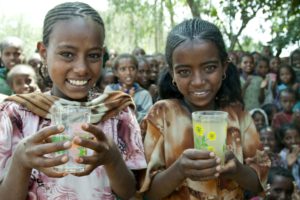
Rainwater Catchments

One cheap and effective innovation is rainwater catchment systems. These systems are undertakings for facilities containing three or more buildings with large roofs, such as medical clinics and schools. Gutters (also called downspouts) attach to the roofs of the buildings and connect to a large, sanitary holding tank. The gutters collect rain run-off and pour it directly into the holding tank — providing a safe source of water for the community.

Rainwater catchments are extremely reliable. This is due to the holding tanks avoiding any kind of exposure to the elements or outside contaminants. They do not lose water to evaporation as open-sourced water systems do. Even in communities with just one or two large buildings, rainwater catchments are useful during dry seasons as they provide rationed drinking water for school children. About 33% of Africa receives enough rain to provide sufficient amounts of safe drinking water for their populations. In this same vein, rain catchments offer the potential to harvest water in a way that benefits entire communities.

Boreholes and Other Drilled Wells

Borehole wells are essentially drilled wells with vertical pipes that extend down, past groundwater and connect to an aquifer below. These systems are typically hand-pumped. All wells (drilled) can be costly and require heavy equipment, skilled laborers and ample fuel to successfully operate. However, they are sustainable and can provide reliable sources of clean drinking water for approximately 50 years (with only minor repairs and upkeep). Drilled wells are a viable option of tech in water access for larger communities due to the high volume of water they provide. On average, operating borehole wells cost about $3,000, or approximately 51,000 South African Rand.

Spring Protections

Natural springs are abundant and depending on their specific outputs — a single protected spring can provide safe water for an entire village. Protected springs have naturally enclosed with walls made of concrete or similar material that extend into the earth until they meet the spring source. Workers then seal the tops of these walls to prevent contaminants from groundwater and animals. Workers install a spout on the side of the spring so water can flow out. Additionally, technicians can install another spout under the surface, to flow directly to a holding tank. Also, spring systems carry naturally filtered properties, they are economical and a solution for communities of any size. The only prerequisite to this option of tech in water access is that a natural spring must be present.

Benefits of Water and Sanitation

Every hour, 115 people in Africa die from diseases that are preventable through sanitary water access. From extensive water drilling projects to inexpensive spring protections, there is a solution for clean, reliable water for every community. With the consistent pursuit of well system installations across sub-Saharan Africa, tech in water access can improve health, food and education across the continent.

– Madalyn Wright
Photo: Flickr

October 17, 2020
https://borgenproject.org/wp-content/uploads/borgen-project-logo.svg 0 0 Kim Thelwell https://borgenproject.org/wp-content/uploads/borgen-project-logo.svg Kim Thelwell2020-10-17 08:12:212020-10-17 08:12:21Well Systems: Essential Tech in Water Access
Developing Countries, Global Poverty, Technology

The Local Production of Medical Supplies in Developing Countries

local production of medical suppliesAs developing countries struggle to meet their medical supply needs, many organizations have attempted to address these needs through the global supply chain. However, this system is often inefficient and inadequate for helping developing countries. Empowering struggling communities through the local production of medical supplies may be the key to improving medical care throughout the world.

Not Enough Oxygen

When working to improve healthcare in developing countries, aid organizations often struggle to supply adequate medical supplies in a timely manner. Supply shortages mean that these organizations fail to provide enough medical resources for these countries.

This lack of medical supplies is especially problematic during a pandemic such as COVID-19. While the pandemic has increased the need for oxygen in medical care, developing countries face the worst oxygen supply shortages. Estimates place the annual number of newborn deaths due to lack of oxygen at around 500,000.

In regions struggling with COVID-19, like Africa and the Middle East, oxygen shortages can be disastrous. Transporting oxygen tanks to these countries from the U.S. and Europe is often not efficient in cost or time. As such, the global supply chain for oxygen cannot supply these countries with what they need in a timely manner.

Not Enough Equipment

What’s more, the current response assumes that developed countries have enough supplies to meet global medical needs. This is not the case, however. According to the WHO, the global supply of personal protective equipment needed to effectively prevent the spread of COVID-19 only meets 60% of global demand. The WHO estimates that the world needs 89 million medical masks and 76 million medical gloves each month to combat the virus effectively.

These global supply chain shortages affect access to vaccines in impoverished communities in particular. More than a quarter of all vaccines have three or fewer distributers. This severely limits the access that poorer communities have to vaccines. Further, these distributors often headquarter exclusively in developed countries. This can make it even more difficult for developing countries to acquire enough vaccines to meet their own medical needs. Africa, for example, only has one vaccine manufacturer that is a member of the Developing Countries Vaccine Manufacturers Network.

Encouraging the Local Production of Medical Supplies

Rather than relying on an already struggling global supply chain, it may help more to encourage the local production of medical supplies in these countries. Having local manufacturing plants would allow vital medical equipment to reach impoverished communities much more quickly and efficiently than it otherwise could.

Since April 2020, an organization called Assist International has worked with manufacturing plants in Kenya, Rwanda and Ethiopia. These plants provide a local source of oxygen tanks to hospitals in these countries. So far, the program has helped more than 40 hospitals in Africa, creating a cheap and efficient system for the local production of medical supplies.

Implementing Additive Manufacturing

Additive manufacturing also provides a possible solution to the problem of medical supply shortages. This style of manufacturing allows for the quick and cost-effective production of important medical supplies. These may include mechanical parts for ventilators, surgical equipment and even prosthetics. 3D printing is a particularly versatile tool, since it can produce different kinds of equipment without unique machinery for each. Once installed in local production facilities, 3D printers can then support a variety of production purposes. They would therefore streamline the process of the local production of medical supplies in impoverished communities.

Medical supply shortages for developing countries are an especially pressing issue. As the world faces a pandemic and global supply chains begin to fracture, many developing countries cannot meet their medical needs. Working to empower impoverished communities through the local production of medical supplies and additive manufacturing may alleviate the strain on these countries’ medical systems.

– Marshall Kirk
Photo: Wikimedia

October 17, 2020
https://borgenproject.org/wp-content/uploads/borgen-project-logo.svg 0 0 Kim Thelwell https://borgenproject.org/wp-content/uploads/borgen-project-logo.svg Kim Thelwell2020-10-17 07:50:182020-10-17 07:50:18The Local Production of Medical Supplies in Developing Countries
Developing Countries, Global Poverty

Innovations in Poverty Eradication in Nigeria from Zenvus

Innovations in Poverty Eradication in NigeriaPoverty in Nigeria is extreme compared to developed nations. For example, 82 million people, or 40% of the country’s total population, earn less than $1.90 per day. Although Nigeria exports more oil and natural gas than any nation in Africa, massive population increases have hampered potential growth. This change has forced the economy and government to prioritize keeping its citizens alive by providing food. However, the unfortunate reality is that this often comes at the expense of health care and other essential infrastructure. To help improve food access, the startup Zenvus brings innovations in poverty eradication in Nigeria.

Improving Agricultural Productivity

Food production systems are inefficient in many parts of the country. For instance, with little availability of irrigation or fertilizer, 66% of the labor force works to produce 90% of Nigeria’s calories. This deficiency in resources is a result of outdated farming methods. The Green Revolution, which applied World War II technology to farming through mechanization and increased crop yields by 200%–300% in the last 50 years, skipped over Nigeria. Likewise, other developing nations missed this innovation as well. Zenvus, an agricultural technology company, aims to fill this gap by providing access to resources that help Nigerians experience the same explosive productivity boost that other countries enjoyed, decades ago. Here are just three of the many services Zenvus offers as innovations in poverty eradication in Nigeria:

  1. Soil Quality Measurements. Because certain crops grow best in specific soil types, understanding soil quality can help farmers plant strategically and maximize profits. Additionally, for a country bordering the Sahara that has already lost 35% of cultivatable land in the past 50 years, carefully extracting resources from certain dirt areas can help prevent desertification.
  2. Disease Warnings. Through a mountable camera and a complex computer algorithm, Zenvus determines plant health so farmers can proactively resolve problems. These individuals can then use pesticides more selectively, reducing costs and the amount of runoff into the surrounding environment. Zenvus has even devised methods of analyzing this data without an internet connection. This is an especially necessary feature, given how far these cameras must be spaced out.
  3. Financial Support. Implementing these technological innovations can be expensive. Especially when considering that Zenvus-supported farms are large enough to start mechanization of multiple processes. For example, tilling, planting and harvesting. Economies of scale — or the cost advantage that comes with bigger business, tends to dominate smaller businesses due to their ability to afford the high upfront costs of these machines. These smaller farms create a need for investors and loans to get off the ground. Acknowledging this phenomenon, Zenvus has created multiple products in this sector designed to fill this need. Examples include zCrowdfund, a program where people buy a ‘subscription’ to goods a farm produces; zInsure, or affordable insurance; and zMarkets, which connects consumers to producers both locally and globally.

The Spirit of Innovation and a Positive Future

Companies like Zenvus provide hope for Nigerians through their capacities to create jobs, increase wages and ensure sufficient food access for all Africans. With 239 million in sub-Saharan Africa alone in poverty, the spirit of Zenvus’ innovations in poverty eradication in Nigeria is perhaps more essential (and more promising) than ever.

– Michael Straus
Photo: Wikimedia Commons

October 17, 2020
https://borgenproject.org/wp-content/uploads/borgen-project-logo.svg 0 0 Kim Thelwell https://borgenproject.org/wp-content/uploads/borgen-project-logo.svg Kim Thelwell2020-10-17 07:30:202020-10-17 07:30:20Innovations in Poverty Eradication in Nigeria from Zenvus
Developing Countries, Global Poverty, Health, Water Quality

GivePower: Turning Saltwater into Clean Drinking Water

saltwater into clean drinking waterAccess to clean drinking water is a major issue that continues to affect individuals around the world. Further, an estimated 35% of the entire world population lacks access to “improved sanitation,” for which, access to water (generally speaking) is imperative. The CDC estimates that more than 700 million people live without direct access to an “improved water source,” which includes drinking water, proper household plumbing and wells. As of 2018, new solar-powered technology can now supply individuals with direct access to drinkable water by transforming saltwater into clean drinking water. Innovative technology, it seems, may play a pivotal role in helping to solve yet another global challenge.

GivePower & Solar-Powered Technology

GivePower is an innovative nonprofit behind solar, saltwater farms. Comprised of 20-foot-tall containers and accompanied by solar-powered panels and water pumps, these farms are designed to supply deficient countries with safe, drinkable water. The containers hold 75,000 liters of saltwater, every day. Through clean solar energy, this saltwater is converted into safe drinking water and delivered to surrounding villages. Such technology is relatively new, as saltwater is difficult to convert into freshwater. This is due to its makeup and strong chemical bonds. Therefore, saltwater’s conversion into clean water takes a large amount of energy and money to fund. GivePower, however, can cut the costs by using solar energy to powers its saltwater farms.

In 2018, GivePower built its first saltwater farm in Kiunga, Kenya. An extreme drought had caused Kiunga to experience a major shortage of potable water for cleaning, drinking and cooking. At this time, the city’s only source of water came from saltwater from the Indian Ocean. Individuals living in Kiunga would often contract harmful diseases due to this lack of clean water. GivePower acknowledged this issue and intervened by using its technology to convert the abundance of saltwater into safe, usable water. Not only does the saltwater filtration technology provide more water than typical wells — but it also has a lower impact on the environment through the use of renewable, solar energy.

A Global Impact

This technology has helped to address the water crisis in other countries as well. In many developing countries, it is common to have an abundance of saltwater and a lack of clean water. Due to its high sodium content, individuals consuming large amounts of this saltwater can become very sick. Waterborne diseases such as Vibrio and E. coli can contaminate saltwater, causing severe symptoms and in extreme cases, death. By turning contaminated saltwater into clean drinking water, many communities cannot only increase the availability of clean water but decrease the prevalence of waterborne diseases as well.

Through the innovative technology of GivePower, over 19,000 gallons of safe drinking water has been provided to 25,000 individuals per day within the Kiunga community. Although the company started in Kenya, GivePower has already extended to communities around the world by supplying over 2,000 solar-powered systems to schools, villages and facilities in need of freshwater.

The Path Ahead

As GivePower and other organizations continue to develop technology to turn saltwater into clean drinking water — thousands of individuals around the world can obtain direct access to safe water.

– Olivia Eaker
Photo: Google Images

October 17, 2020
https://borgenproject.org/wp-content/uploads/borgen-project-logo.svg 0 0 Kim Thelwell https://borgenproject.org/wp-content/uploads/borgen-project-logo.svg Kim Thelwell2020-10-17 01:30:132024-05-29 23:22:50GivePower: Turning Saltwater into Clean Drinking Water
Developing Countries, Global Poverty

Vaccines in Developing Countries: Challenges and Solutions

Vaccines in Developing CountriesHow much can the world really rely on vaccines as a cure to disease? For many impoverished communities, the jury is still out; many recent studies show that vaccines in developing countries are more ineffective than those in developed, high-income nations.

However, developing countries are at greater risk for all infectious diseases than developed countries. The World Health Organization (WHO) documented that the “total number of healthy life years lost per capita was 15-times higher in developing countries than in developed countries.” In addition to this imbalance, vaccines in developing countries also threaten these nations with ineffective treatment. Due to the many factors that impact disease, it is difficult to pinpoint specific causes behind vaccine acceptance or denial. However, the health effects of poverty contribute to the reasons why vaccines in developing countries are often ineffective.

How Poverty Increases Sickness

Poverty is a health epidemic. In 2008, PBS aired an original docu-series called “Unnatural Causes” that outlined the ways diseases disproportionately affect poor and marginalized groups. The show posed one overarching, famous question: “Is inequality making us sick?” In the assessment of vaccine effectiveness in rich versus poor countries, the creators of “Unnatural Causes” say the answer is yes.

A functioning immune system is largely responsible for an individual’s ability to make antibodies, the infection-fighting proteins developed via vaccines. Impoverished people often do not have high-functioning immune systems. This means that they cannot produce antibodies as well as their developed-nation counterparts.

Multiple factors contribute to the prevalence of ineffective immune systems in developing countries. The overpopulation and crowding common in low socioeconomic areas increase the risk of disease exposure. Pre-existing health conditions, resulting from vitamin deficiency and little clean water or sanitation, increase individual susceptibility to sickness. Further, unreliable health care places systemic, structural constraints on impoverished communities. In this way, poverty and disease continually reinforce each others’ negative effects.

Comparison Studies: Developed Nations vs. Developing Nations

Water-borne diseases, malaria, tuberculosis and HIV/AIDS continually afflict developing countries. They may be responsible for damaging people’s natural immunity, thus decreasing the likelihood of vaccine acceptance. Indeed, one study found that these diseases “may damage lymph node structures that are crucial to developing immunity after a vaccine.”

This study from the University of Minnesota compared Americans to Ugandans. Researchers discovered all the Ugandans had “significantly higher levels of inflammation in their bodies and a depleted supply of protective T cells.” In addition, the Ugandan’s lymph nodes (which help filter infections and respond to vaccines) were inflamed and scarred. None of the American participants had these issues. After administering a yellow fever vaccine to the Ugandan test subjects, researchers discovered a positive correlation. The more damaged their lymph nodes, the less likely it was for antibodies to form.

Another series of studies in Dhaka, Bangladesh discovered that a poor response to vaccines in developing countries could be correlated to the small intestinal bacteria endemic to low-income countries. Petri’s team surmised that “inflammation [in the intestine] could prevent vaccines from lingering in the gut and could keep the immune system from reacting to them.” The team also identified a similar issue with rotavirus vaccine response. In contrast, 98% of children in the developed world do not have complications after vaccination.

The Future of Vaccines

According to the World Bank, “nearly half of the world lives on less than $5.50 a day.” In addition, only 59 of the 195 countries in the world possess a Human Development Index (HDI) at or above 0.8, making them developed countries. This means that ineffective vaccination responses affect the majority of the world’s nations. Thus, the world needs a systemic change in public health to fix this issue. Studies in Bangladesh and Africa “are testing whether sanitation interventions such as installing hand-washing stations in rural homes” can relieve the gut inflammation thought to be causing poor responses to vaccination.

However, even though vaccines in developing countries are sometimes ineffective, routine vaccination for infants and children may help. Young children are less likely to have the long-term health effects responsible for ineffective responses to vaccines, with the exception of illnesses inherited from a mother’s womb. WHO estimates that approximately 70% of the 9 million deaths from children under five “could be prevented or treated with access to simple, affordable interventions,” including vaccines.

Vaccinating Children in Developing Countries

Still, the complicated relationship to vaccines in the developing world is palpable. One study in India found that there is only a 55% rotavirus vaccine efficacy rate in young children. However, India’s plan to make the rotavirus vaccination routine may “save 27,000 of the 78,000 young lives that infections claim every year.”

Thus, expanding coverage of vaccines in developing countries has proven successful in many cases. Various programs work to extend this success. Since 1990, WHO’s Expanded Programme on Immunization has helped decrease mortality rates among infants and children via vaccination. The Global Vaccine Alliance has also “vaccinated more than half a billion additional children since its founding in 2000,” often in developing countries. While routine vaccination is not a panacea, it helps prevent disease before long-term health issues develop.

Improving World Health

Obviously, this is a hefty challenge. Changing human response to vaccines will take years of improving sanitation and living conditions. In addition, developed countries often receive vaccines first and in larger quantities due to having more money. In the meantime, scientists and doctors are experimenting with speedier methods to the vaccine problem. Take mesalazine, a drug that treats the bowel inflammation preventing antibody response to vaccines. This drug could possibly treat unreliable oral vaccines for stomach illnesses. Recognizing the issue of vaccines in developing countries is the first steps in improving global health.

– Grace Ganz
Photo: Flickr

October 16, 2020
https://borgenproject.org/wp-content/uploads/borgen-project-logo.svg 0 0 Jennifer Philipp https://borgenproject.org/wp-content/uploads/borgen-project-logo.svg Jennifer Philipp2020-10-16 10:45:152024-05-30 07:52:23Vaccines in Developing Countries: Challenges and Solutions
Page 76 of 157«‹7475767778›»

Get Smarter

  • Global Poverty 101
  • Global Poverty… The Good News
  • Global Poverty & U.S. Jobs
  • Global Poverty and National Security
  • Innovative Solutions to Poverty
  • Global Poverty & Aid FAQ’s
Search Search

Take Action

  • Call Congress
  • Email Congress
  • Donate
  • 30 Ways to Help
  • Volunteer Ops
  • Internships
  • Courses & Certificates
  • The Podcast
Borgen Project

“The Borgen Project is an incredible nonprofit organization that is addressing poverty and hunger and working towards ending them.”

-The Huffington Post

Inside The Borgen Project

  • Contact
  • About
  • Financials
  • President
  • Board of Directors
  • Board of Advisors

International Links

  • UK Email Parliament
  • UK Donate
  • Canada Email Parliament

Get Smarter

  • Global Poverty 101
  • Global Poverty… The Good News
  • Global Poverty & U.S. Jobs
  • Global Poverty and National Security
  • Innovative Solutions to Poverty
  • Global Poverty & Aid FAQ’s

Ways to Help

  • Call Congress
  • Email Congress
  • Donate
  • 30 Ways to Help
  • Volunteer Ops
  • Internships
  • Courses & Certificates
  • The Podcast
Scroll to top Scroll to top Scroll to top