• Link to X
  • Link to Facebook
  • Link to Instagram
  • Link to TikTok
  • Link to Youtube
  • About
    • About Us
      • President
      • Board of Directors
      • Board of Advisors
      • Financials
      • Our Methodology
      • Success Tracker
      • Contact
  • Act Now
    • 30 Ways to Help
      • Email Congress
      • Call Congress
      • Volunteer
      • Courses & Certificates
      • Be a Donor
    • Internships
      • In-Office Internships
      • Remote Internships
    • Legislation
      • Politics 101
  • The Blog
  • The Podcast
  • Magazine
  • Donate
  • Click to open the search input field Click to open the search input field Search
  • Menu Menu

Archive for category: Developing Countries

Information and stories about developing countries.

Developing Countries, Food & Hunger, Global Poverty, Health

Fighting Malnutrition in Sub-Saharan Africa Through Investment

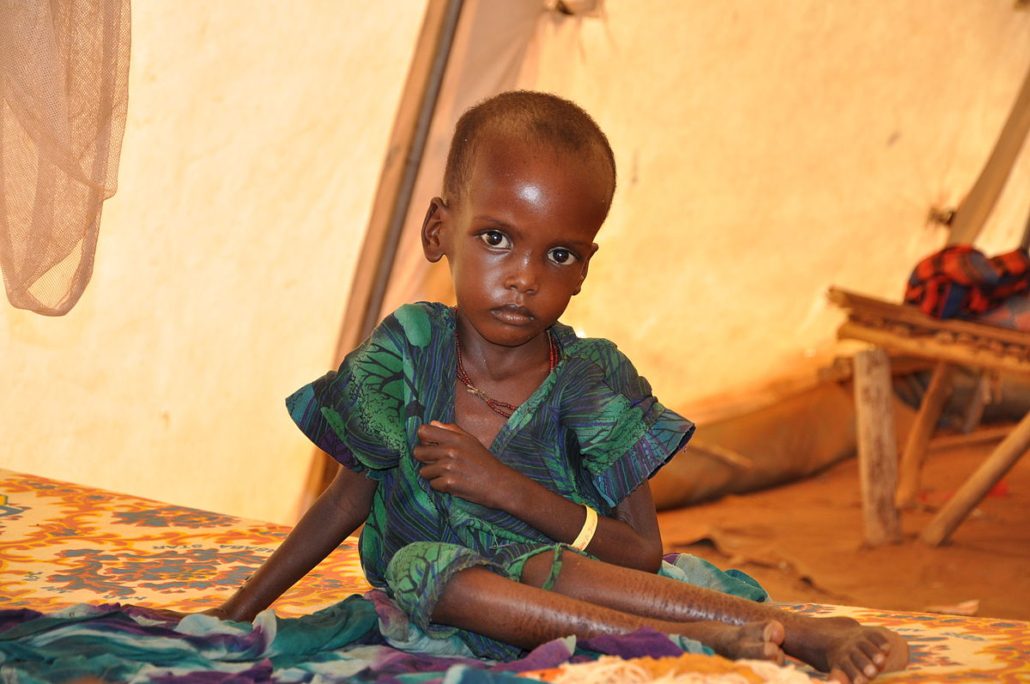
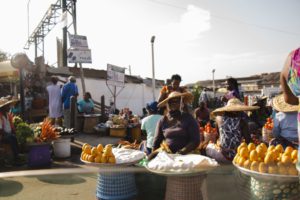
Fighting MalnutritionAs the years have passed, the nutrition of sub-Saharan Africans has shown little improvement. As of 2016, nearly 222 million people suffer from a form of undernourishment. With the population expected to boom shortly, this figure has a dangerous potential to increase. Fighting malnutrition in sub-Saharan Africa is bringing together investors, governments and NGOs in efforts to fight malnutrition in this region.

Consequences of Malnutrition

For African nations, current statistics on malnutrition paint a grim picture: nearly every country south of the Sahara reports at least 10% of children as underweight. The problems caused by widespread malnutrition—regardless of age—are apparent. According to World Bank statistics, malnourished children typically provide far less value later in life, losing an average of 10% of their potential lifetime earnings. Likewise, a malnourished mother may conceive a similarly deficient child with congenital disabilities and an equal risk of low productivity. While it is simple to recognize malnutrition as a source of other regional issues, identifying the underlying causes of malnutrition has proven to be more complicated.

The Complex Causes

Malnutrition is not exclusively caused by undernutrition. In many cases, the low variety of available foods causes developmental problems in children, which contributes to those mentioned above poor professional outcomes. The region’s poverty causes discrepancies in the food distribution of local towns, with communities becoming dependent on staple crops like grains while missing out on fruits, meats and other nutrient-dense foods. With surveys reporting that 39% of families in sub-Saharan Africa suffer precarious access to food, these cereal crops are the only way for many families to avoid going to sleep hungry.

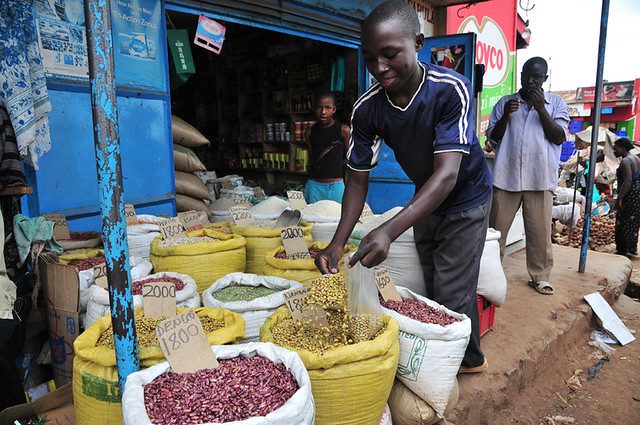
This lack of nutritional variety primarily stems from the region’s poor-quality infrastructure. Without proper roads, many rural farmers struggle to bring their crops to market, making the trade of goods essential to a running economy—and a balanced diet—nearly impossible. With better economic conditions as well as simple roads, citizens could gain crucial access both physically and financially to foods they could not previously afford.

The Need for Investments

Food insecurity is not the only issue plaguing sub-Saharan Africa: with various forms of poverty—including fiscal, water and energy poverty—also demanding attention, it appears that a fix for one issue may have to envelop the other problems as well. Fortunately, improving the infrastructure for one of these issues incidentally benefits the others.

The region needs massive investments for projects like dams, bridges, power plants and namely roads. Experts advocate this investment on multiple grounds: not only would it assist in fighting malnutrition, but it also represents a sensible investment. Investment specialists recommend this action, and private companies in the U.K. have seen greater returns on investments to Africa than anywhere else in the world, according to the Overseas Development Institute.

A Future Worth Fighting For

Fortunately, current world leaders began to listen to this advice. Organizations like The World Bank have already organized the financial framework to fund ambitious projects fighting malnutrition globally. With Chinese investment into Africa totaling nearly $300 billion from 2005-2018, countries in sub-Saharan Africa are starting to receive the foreign investment necessary to feed their people adequately.

Fighting malnutrition in sub-Saharan Africa is no small task, but the current trend of investment shows promise for the future. The Infrastructure Consortium of Africa reported that between 2013-2017, the mean annual funding for infrastructure development was $77 billion, double the average from 2000-2006. If investment continues, much-needed dietary improvements could finally become a reality. Perhaps in the next ten years, a variety of foods will quite literally be a walk down the road for African families.

– Joe Clark
Photo: Flickr
September 25, 2020
https://borgenproject.org/wp-content/uploads/borgen-project-logo.svg 0 0 Kim Thelwell https://borgenproject.org/wp-content/uploads/borgen-project-logo.svg Kim Thelwell2020-09-25 14:30:522020-09-25 14:30:52Fighting Malnutrition in Sub-Saharan Africa Through Investment
Developing Countries, Global Poverty

Period Poverty and Stigmas: Menstrual Cups in Developing Countries

menstrual cups in developing countriesMenstruation is a natural and necessary biological function. However, it is a roadblock for millions of women and girls worldwide. About 12.8% of women and girls globally live in poverty, and 1.25 billion women and girls don’t have access to a safe and private toilet. Additionally, many people in developing countries see menstruation as unclean or even as a curse. This affects a girl’s ability to attend school as well as women’s ability to work and make a living. In this scenario, menstrual cups in developing countries could go a long way toward mitigating period poverty.
A menstrual cup is a feminine hygiene product shaped like a small cup. It is inserted into the vagina during menstruation and collects menstrual fluid. Most menstrual cups are generally made out of medical-grade silicone or latex. Importantly, the cups can be worn for periods of 12 hours and are completely reusable.

Period Poverty

In developing countries, period poverty affects 2.3 billion girls and women. Period poverty refers to an overall lack of access to menstruation education and other resources, including toilets, sanitary napkins, clean water sources and waste management. Many girls who are unable to access menstrual products often resort to using rags, paper or other unsafe materials that cannot be properly clean and sanitized. As a result, this poses a threat to their health and well-being.

Research shows that menstrual cups in developing countries are a hygienic and sustainable option, even if they do require running water. However, in settings where there is less running water, women can find ways to use less water in cleaning their menstrual cups. Women might even use less water with menstrual cups than they would otherwise, as they won’t need to wash stains out of clothes or used cloths.

Advocating for Menstrual Cups in Developing Countries

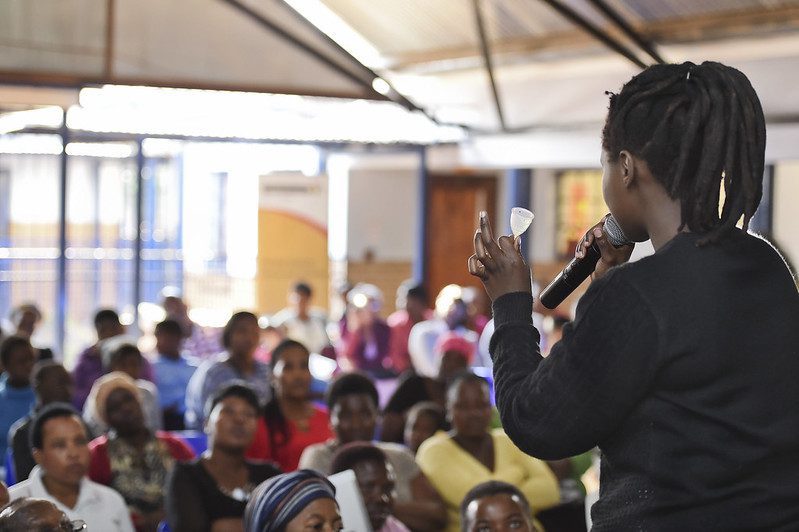
Ebby Weyime is a believer in the effectiveness of menstrual cups in developing countries. She believes that it can eradicate period poverty in her home country, Kenya. However, there are challenges to implementing menstrual cups in Kenya. For example, many Kenyans believe that a girl will lose her virginity if a product is inserted into the vagina. To combat this stigma, Weyime travels through local communities and educates people on the realities of menstrual cups. Weyime has even created her own menstrual cup, The Grace Cup.

The Grace Cup is the first and only menstrual cup made in Kenya. It is made of FDA-approved, medical-grade silicone. Importantly, the Grace Cup can last up to 10 years. Because it can last for so long, the Grace Cup will allow girls to save money. At the same time, it will allow girls and women to experience the least amount of discomfort during their period. Consequently, this will allow them to enjoy activities that they would normally enjoy.

Menstrual Cup Brands That Help Women

Various global menstrual cup brands are aware of the powerful potential of menstrual cups in developing countries. The brands are creating awareness, making menstrual cups and providing menstrual education available to girls across the world. Here are some noticeable brands that help women and girls worldwide:

  • The Freedom Cup: The Freedom Cup provides one cup to a girl in an underprivileged community with every menstrual cup purchased. It has provided cups to girls in India, Africa, Nepal, Cambodia, the Philippines and more.
  • The Moon Cup: The Moon Cup is founded in the U.K. and sold globally. The brand supports various charities, and team members donate to causes of their choice. The majority of charities that it supports provide menstruation education and assistance in developing countries.
  • The Saalt Cup: Saalt Cup is a popular menstrual cup brand in the West. It commits 2% of its annual revenue to provide period care like menstrual cups in developing countries. Through donating cups and providing girls with education, Saalt is reducing stigmas and ensuring period care worldwide.

Menstrual cups in developing countries will provide women and girls with a cost-effective way to manage their period. The expansion of these products also goes hand in hand with menstruation education. As a result, women and girls will be empowered and enabled to do more. As brands like the Grace Cup continue to educate and provide girls with cups, period stigmas will disappear and period poverty will become an issue of the past.

– Kalicia Bateman
Photo: Flickr

September 25, 2020
https://borgenproject.org/wp-content/uploads/borgen-project-logo.svg 0 0 Kim Thelwell https://borgenproject.org/wp-content/uploads/borgen-project-logo.svg Kim Thelwell2020-09-25 12:28:332020-09-25 12:28:33Period Poverty and Stigmas: Menstrual Cups in Developing Countries
Developing Countries, Global Poverty

Tourism’s Impact On Reducing Poverty

Tourism's Impact on Reducing Poverty
Within the past decade, international travel to developing countries has risen substantially. Countries like Tanzania and Indonesia have benefited from a surge in tourism. Moreover, research postulates that this will improve economic growth in developing countries. Economic developments in these countries are essential for stable socioeconomic growth. Tourism’s impact on reducing poverty within developing nations will be addressed in this article. However, the tourism industries in these countries promote more than just income generation — also, stability, opportunities in local communities, employment and cultural prosperity.

Advantages

In 46 of the 49 least developed nations (nearly 94%), tourism has become one of the primary sources of economic income. Moreover, in some countries, this results in 25% of GDP. The total contribution of tourism in 2019 generated roughly $9.2 billion, with direct contributions globally generating nearly $2.8 billion. The income generated in these countries can provide further support to local communities and the overall infrastructure and revenue of developing countries.

The tourism industry offers excellent advantages for socioeconomic growth and poverty alleviation. One of the most significant factors is employment. Many individuals living in developing countries lack the education and opportunity for high-paying, skilled jobs. Jobs within the tourism industry, such as food, conservation and hospitality require lower skill levels. Therefore, allowing for expanded employment opportunities. In these ways, tourism’s impact on reducing poverty is both positive and significant.

Disadvantages

The tourism industry can certainly promote nations, effectively raising their global profile and allowing for even more tourism. However, it can also allow for environmental damage, such as pollution, littering, resource depletion or loss of natural habitats due to the massive increase in visitors. In this same vein, roughly 40 million Americans traveled internationally in 2019. Yet, alternatively, it should be noted that tourism can potentially provide funding for conservation and create incentives to preserve natural areas. This occurs in both urban and rural environments to regenerate the areas.

Infrastructure such as roads, airports, hotels and other tourism services may fail to keep up with the estimated tourist projections of an “additional 400 million arrivals forecasted in 2030.” Infrastructure’s crucial role in tourism is in the amenities that these countries can provide for visitors. Although, with tourist arrivals already surpassing projections by 2017, some countries may struggle to progress and uphold their “infrastructure readiness” quickly enough.

Tanzania and Indonesia: Success Stories

Tanzania, located in sub-Saharan Africa, has become a significant tourist attraction within the past couple of years. Due to its rich culture and conservation, Tanzania has become a highly desirable destination. The nation accounted for 1.28 million tourist arrivals in 2016 alone. With this rise, Tanzania’s GDP of 4.7% is directly linked to tourism and travel expenditures. Furthermore, the country increased investments by 8.7% ($1.2 billion) and “export earnings,” generating $2.5 billion in revenue. These earnings dramatically impacted job opportunities, a significant variable in alleviating poverty. E.g., the increased investments employed 470,500 persons in the tourism and travel industry in 2016. Recent reports from the World Travel and Tourism Council (WTTC) expect the tourism and travel sector to continue to rise “6.6% annually in the next 10 years.”

Indonesia has also created a profitable tourism and travel industry. Striving to improve income inequality and alleviate poverty through tourism has proven to be a successful initiative. A study conducted by LPEM FEB UI, Universita Indonesia, shows that tourism activities have reduced the “depth of poverty from 2.04 to 1.21.” Along with this, severe poverty lessened in 2016 from 0.37 to 0.29. Additionally, the study also reveals that tourist activities offer more significant support within communities. For those living in regions with more prevalent tourist activity — the poverty rate is 1.5%–3.4% lower than regions that are not.

Continuing the Positive Impact

While the advantages do not necessarily outweigh the disadvantages — there are significant, positive results in promoting the travel and tourism industry in the highlighted regions above. With continued progress, countries such as Tanzania and Indonesia have made increasing strides in alleviating poverty. Tourism’s impact on reducing poverty represents a significant feat that will hopefully continue to yield positive results for the world.

– Allison Lloyd
Photo: Flickr

September 18, 2020
https://borgenproject.org/wp-content/uploads/borgen-project-logo.svg 0 0 Kim Thelwell https://borgenproject.org/wp-content/uploads/borgen-project-logo.svg Kim Thelwell2020-09-18 13:03:002024-06-06 00:43:14Tourism’s Impact On Reducing Poverty
Developing Countries, Global Poverty, Health

m-Health in Developing Countries

m-Health in developing countriesMobile healthcare, known colloquially as “m-Health,” just may be the key to revolutionizing healthcare and access to medicine in developing countries. m-Health allows anyone with a mobile device to access various facets of healthcare such as educational resources, notifications about nearby testing and vaccination diagnosis and symptom help and telehealth appointments.
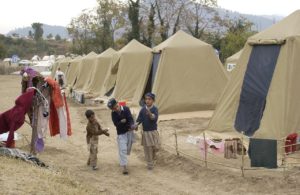
Lacking access to healthcare is one of the major drivers of poverty across the world. The World Bank and the World Health Organization (WHO) state that “at least half of the world’s population cannot obtain essential health services.” This inaccessibility perpetuates the existence of infectious diseases specific to developing countries. Similarly, poverty itself is a public health crisis. As indicated by the WHO, poverty directly causes sickness “because it forces people to live in environments that make them sick, without decent shelter, clean water or adequate sanitation.”

In addition, healthcare expenses cause 100 million people to fall into “extreme poverty.” Extreme poverty is defined as less than two dollars a day each year. Thus, even if people in developing countries can access to medical care, the expenses often put them into another devastating health situation.

However, m-Health may decrease these numbers. Read below for some key benefits of m-Health in developing countries.

m-Health is Adaptable and Available

m-Health is becoming more and more accessible to developing countries due to widespread mobile phone use around the world. A study from the PEW research center on global mobile phone ownership revealed that mobile phone ownership is growing in countries with developing economies. Around 83% of citizens in emerging economies (South Africa, Brazil, Philippines, Mexico, Tunisia, Indonesia, Kenya, Nigeria and India) own a mobile phone. Another PEW study found a majority of adults own their own mobile phones in a separate group of 11 developing countries.

67 countries in the world have less than two hospital beds per 1,000 people. However, many of those countries (including countries from the PEW research studies) have high rates of mobile phone ownership. Therefore, some developing countries would have better access to telehealth than in-person health.

In addition, m-Health is adaptable. WHO reported that the most widely-used m-Health initiatives around the world are “health call centers/ health care telephone helplines (59%), emergency toll-free telephone services (55%), emergencies (54%) and mobile telemedicine (49%).” This shows that different regions can implement different programs depending on the need.

m-Health Can Track Disease Outbreaks, Epidemics and Natural Disasters

Tracking disease outbreaks and natural disasters is a huge advantage of m-Health. WHO reported high implementation rates of this m-Health initiative in South East Asia and the Americas. Africa uses this feature of m-Health the most for public warning systems.

m-Health Avoids Poorly Maintained Health Clinics

In an article by the World Economic Forum, the author described how many health clinics in developing countries, particularly in Africa and Indonesia, may be doing more harm than good. If low-income countries rush to build multiple health facilities, the quality of these pop-up clinics is often low. They tend to be “lacking in the equipment, supplies and staff needed to deliver vital health services effectively.” In addition, the sheer volume of poorly-constructed clinics often competes for resources. Medical equipment is often left unsanitized, therefore becoming dangerous. This contributed to Ebola killing more people in health facilities than outside areas during the West African epidemic in 2014-2016.

However, m-Health reduces the need for going to an in-person clinic. In this model, concerned individuals can schedule a “virtual first” consultation and then attend an in-person appointment only if needed.

m-Health Raises Awareness and Mobilizes Communities to Receive Vaccines and Testing

Many countries have also implemented mass SMS alerts to alert their citizens of nearby testing sites for HIV. These alerts educate recipients on health concerns related to HIV and other infectious diseases. They also outline why it is necessary to receive testing and treatment. Similar alerts exist for vaccine knowledge and care.

As m-Health is a new and continuously developing idea, there are still problems with its potential to provide widespread care. For example, even though virtual appointments and care are possible through m-Health, many developing countries lack a sufficient number of health workers to keep up with m-Health services. One study affirms this, stating, “There are 57 countries with a critical shortage of healthcare workers, [creating] a deficit of 2.4 million doctors and nurses.”

In addition, different health conditions may receive disproportionate care through m-Health. For example, women’s and reproductive health is at a large deficit in the developing world and globally. One study revealed that “women are 21% less likely to own a mobile phone than men, and this difference is higher in South East Asia.” Another study in Kenya also reported that “ownership of mobile phones was 1.7 times and SMS-use was 1.6 times higher among males than among females.” This ownership deficit, coupled with the fact that women are more likely to be in poverty than men due to gender inequality, makes m-Health more accessible to men’s health or less gendered health issues.

Still, m-Health in developing countries is an extremely promising enterprise to relieve the developing world of its widespread healthcare deficits. As this study concludes “m-Health has shown incredible potential to improve health outcomes” – and it can only continue to progress from here.

– Grace Ganz
Photo: PXFuel

September 18, 2020
https://borgenproject.org/wp-content/uploads/borgen-project-logo.svg 0 0 Kim Thelwell https://borgenproject.org/wp-content/uploads/borgen-project-logo.svg Kim Thelwell2020-09-18 10:00:022024-05-29 23:10:59m-Health in Developing Countries
COVID-19, Developing Countries, Global Poverty, Refugees

The Impact of COVID-19 on Migration

COVID-19 on Migration
The novel coronavirus spread at dramatic rates since its discovery in Wuhan, China in late 2019. Some countries including China, Vietnam, New Zealand and Norway have successfully stopped the spread with an aggressive response; other countries, however, have been unwilling or unable to make similar progress. Worldwide confirmed cases currently top 20 million. While the virus is certainly transforming many aspects of life, the impact of COVID-19 on migration has become especially significant.

How COVID-19 Affects Refugees

About 80 million people have experienced forcible displacement from their home countries throughout the world. Additionally, 72 million of those asylum seekers are currently living in developing countries that lack the resources to aggressively fight a pandemic like COVID-19.

The International Rescue Committee estimates that up to 1 billion cases of COVID-19 could hit fragile countries housing the world’s refugees, such as Afghanistan, Syria and Yemen. Yemen has struggled with a major humanitarian crisis since its civil war escalated in 2015. Today an estimated 24 million people within the country are in need of assistance, with half of those individuals being children.

In most refugee camps, social distancing is impossible. One can find a prominent example of this difficulty in Cox’s Bazar, Bangladesh. This camp crams more than 850,000 Rohingya refugees into a very small, dense area. These refugees have severely limited access to health care. The lack of clean water for handwashing could prove disastrous when attempting to combat COVID-19. In addition, malnutrition and poor sanitation make refugee camps like Cox’s Bazar a potential hotbed for viral transmission. Medical depots at the camp only have 300 beds available and will be overrun if an outbreak emerges. These makeshift hospitals lack the lifesaving respirators needed for those in critical condition. In addition, medical workers must deal with COVID-19 on top of other preexisting health crises. Diseases like cholera, malaria and tuberculosis remain a constant issue.

The impact of COVID-19 on migration is evident in the record low numbers of refugee resettlement. For the time being, the United Nations has suspended relocation. People living in these unsuitable conditions are in dire need of help. Rather than taking in these refugees, most countries have chosen to lock down their borders without exception.

The Fate of Migrant Workers

Many industries in developed and undeveloped countries alike rely on a steady stream of foreign laborers. In the age of COVID-19, there is a premium on skilled workers in key industries like healthcare. As such, some countries have expedited the migration process for doctors, nurses and scientists.

Other job types have not experienced such demand. In countries like the United Arab Emirates, migrant workers are unemployed or have unpaid wages as a result of the pandemic. These men and women have no income to send back to their families and home villages, and many face a difficult decision: return home to their families where work is even rarer or scramble to find another job under their visa before being deported.

An Opportunity for Change

The long-term impact of COVID-19 on migration remains unclear. Asylum seekers in refugee camps will likely be the last on the priority list when vaccines become available, thus delaying their relocation even further. Until refugees obtain similar health protections to citizens, coronavirus will never fully resolve.

As lockdowns gradually end, the countries hit hardest by COVID-19 will face the immense task of rebuilding their economies. As part of this process, there will likely be a focus on hiring citizens over migrant workers. Governments may choose to distribute funds to domestic industries and put foreign aid on the back burner.

There is, however, a chance to reimagine human mobility. Portugal, Ireland and Qatar moved to ensure everyone has access to health care, regardless of their citizenship status. Several European Union countries have emptied their immigration detention centers to avoid outbreaks. Italy’s new amnesty law has granted 200,000 work permits to migrant workers.

Migrant workers are a major contributor to the global GDP, performing jobs across skill levels. Foreign labor is vital to successful economies, and a more fluid entry system would help expedite the road back. It is finally in the self-interest of governments worldwide to provide an easier path for these workers and mitigate the negative impacts of COVID-19 on migration.

– Matthew Beach
Photo: Pixabay

September 15, 2020
https://borgenproject.org/wp-content/uploads/borgen-project-logo.svg 0 0 Kim Thelwell https://borgenproject.org/wp-content/uploads/borgen-project-logo.svg Kim Thelwell2020-09-15 10:00:112020-09-15 06:13:22The Impact of COVID-19 on Migration
Children, Developing Countries, Global Poverty

Nutritional Solutions to Stunted Growth in Children

Stunted Growth in Children
In 2019, 149 million children under the age of 5 around the world experienced stunted growth. Children that stunted growth affects are 33% less likely to evade generational poverty as adults. By continent, 36% of children in Africa under the age of 5 are malnourished. Around 40-45% of “all preventable child deaths” are due to undernutrition. In 2012, this meant that more than 6 million children died from stunted growth disorders.

Stunted Growth in Children

Malnutrition in the early stages of a child’s life causes stunted growth. Stunting correlates with impaired physical growth and cognitive development, a weakened immune system, higher mortality rates and overall poor health. Stunted growth is a chronic condition that appears within the first two years of a child’s life.

Children who experience stunting are more likely to be fatigued and less curious, which naturally lessens their psychosocial development. Additionally, they tend to face disciplinary challenges as well as possess less developed motor function and social skills. These challenges perpetuate the cycle of poverty, as stunted growth in children leads to higher dropout rates and a 22% reduced earning capacity in the workforce.

While the effects of stunted growth are largely irreversible, reducing malnutrition will lessen underdevelopment and other illnesses that stem from malnourishment. The World Health Organization (WHO) has plans in place to reduce the prevalence of this disease by 40% by the year 2025.

Physiological Explanation

Malnutrition causes diminished cognitive function and psychosocial adversity in children by altering neurological function. This, in turn, leads to reduced income as adults. Dendrites are neurons that communicate with nerve cells and pass on signals in the brain. Malnutrition in young children decreases the density of dendrites in the brain and therefore reduces the number of neurons. This process negatively affects critical brain development such as memory formation, locomotor skills and other neurological functions, which are critical to healthy brain development.

Links to GDP Growth

According to the Global Panel on Agriculture and Food Systems for Nutrition, malnutrition drains the global economy of approximately $3.5 trillion per year from lost productivity. Individuals often experience a lack of brain development during the first years of their lives from undernourishment. They later suffer from diminished productive capacities in their livelihoods. The Global Panel reports that a 3% to 16% annual GDP loss results from malnutrition. Simply put, better-nourished children grow into more productive adults.

Policy Changes and Solutions

As with many public health problems worldwide, foreign aid investments may be a critical starting point for reducing malnutrition and stunted growth in children in poor regions. The Food and Agriculture Organization of the United Nations (FAO) estimates that if the U.S. invested $1.2 billion per year in the global fight against malnutrition, the decrease in deaths and an increase in “future earnings” (GDP income and relative economic benefits) would generate $15.3 billion for the U.S. per year. This calculation represents a thirteen to one benefit-to-cost analysis.

An Ethical Approach

Much more than an economic incentive, there is a moral imperative to improve nutrition globally. Eliminating malnutrition would increase the overall health of populations. Poor communities that lack consistent access to nutritious food and healthcare would particularly feel this effect.

Research shows that, while the impaired cognitive state is not necessarily permanent and can improve incrementally, there typically remains overall “cognitive dysfunction” in stunted children in comparison to healthy children. The FAO’s recommendations include dietary supplements, food fortification (the addition of nutrients to food to increase the nutrient content) and biofortification (agricultural practices that incorporate DNA recombination to augment nutritional content in primary crops).

Along with FAO dietary solutions, the WHO has developed policy aims to reduce stunted growth in children by 2025. Its policies include collaboration between organizations such as Scaling Up Nutrition (SUN), which works to reduce global malnutrition and the health disorders that accompany malnourished children. SUN helps countries develop and implement government policies to improve nutrition during the critical period before a child’s second birthday. Through collective action efforts, SUN, WHO, governmental entities, the U.N. and individual stakeholders are joining forces to eliminate malnutrition.

– Nye Day
Photo: Wikimedia Commons

September 14, 2020
https://borgenproject.org/wp-content/uploads/borgen-project-logo.svg 0 0 Kim Thelwell https://borgenproject.org/wp-content/uploads/borgen-project-logo.svg Kim Thelwell2020-09-14 10:00:222024-05-29 23:23:08Nutritional Solutions to Stunted Growth in Children
Developing Countries, Food & Hunger, Global Poverty, Health

3 Ways Rethinking the International Food Trade Can Help Impoverished Regions

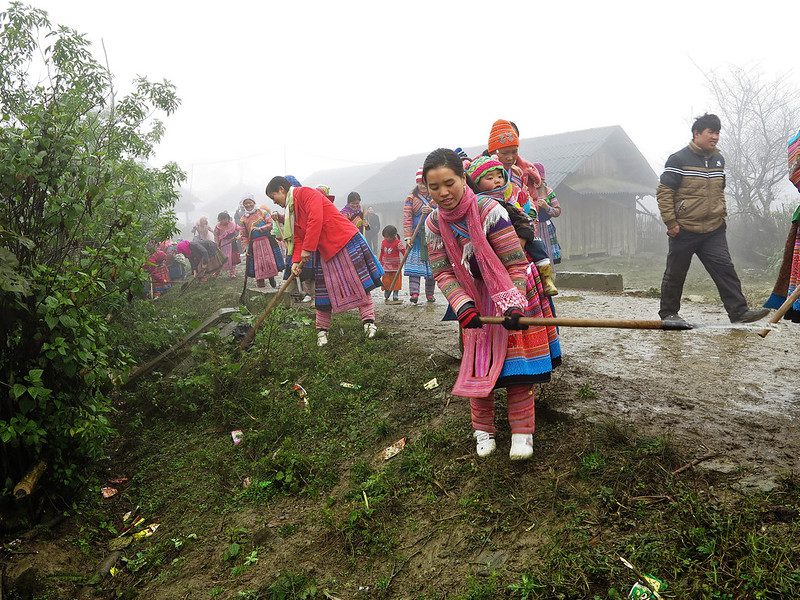
international food tradeMalnutrition, the state of nutrient over-consumption or under-consumption, plagues every nation in the world. Every day, one out of every nine individuals around the world goes hungry, while one out of every three is overweight. What causes this problem? The growth of the international food trade has stoked the flames of a malnutrition crisis that already disproportionately impacts impoverished countries. Nevertheless, governments and major firms in the international food trade can take simple steps to transform markets and reduce malnutrition all over the globe. Here are three ways that rethinking the international food trade can help impoverished regions deal with malnutrition.
Rethink Pricing Policies

It’s simple economics that when products drop in price, they become more widely purchased and distributed throughout the world. Unfortunately, many of the foods priced lowest in the international food trade fall into the category of “ultra-processed.” Consumption of these nutrient-poor foods is increasing due to their low price. In October 2019, sugar was priced at around $0.13 per pound, and its consumption was set to increase by 1.4%. Comparatively, meat saw a 1% decrease in production from 2018 to 2019 when its prices increased moderately.

With reduced national wealth, impoverished countries must often resort to purchasing these cheaper, unhealthy commodities. Driven by lower sugar prices, the consumption of sugar is expected to grow in Africa, the Middle East, Latin America and the Caribbean. Less wealthy countries will therefore continue to purchase “ultra-processed” foods linked to heart disease and diabetes. In doing so, they will provide their citizens with potentially harmful food that will only worsen the malnutrition crisis.

Rethinking trade policies can solve this issue of imbalanced prices. Many processed foods made with sugars or fatty oils have low international safety standards, which allows them to be sold within markets for low prices, whereas healthier fruits and vegetables have high international safety standards, which causes their prices to rise. This makes healthier foods less affordable for impoverished regions.

By applying high safety standards to sugar- and oil-based foods, the international food trade could equalize prices of healthy and unhealthy products. Healthy foods would then be more accessible to malnourished communities and help to reduce the impacts of malnutrition. Additionally, individual countries can redesign national trade policies to subsidize the production of healthier foods like fruits and vegetables so as to make them more affordable for impoverished countries.

Rethink Market Orientations

By 2022, the global fast food market is expected to grow by $188.4 billion. From 2018 to 2019, the international trade of oil crops reached an all-time high, and experts also expect the international market of sugar products to expand through 2020. Comparatively, the international market for healthier products like coarse grains may soon undergo a “sharp anticipated drop” in consumption and production.

The international food trade is therefore oriented toward distributing foods around the globe that contribute to the growth of obesity-related diseases and malnutrition. Given that the international food trade continues to prioritize markets for “ultra-processed foods,” it becomes even more likely that poor individuals will have to purchase and consume these foods. In turn, this will lead to poor regions eating increased amounts of refined foods linked to chronic diseases while consuming fewer natural foods that contain essential nutrients.

Such a market orientation stands to further deprive already starving individuals of the few nutrients remaining in their diet, thus worsening the global malnutrition crisis. In this case, governments and major food producers can help reduce malnutrition in impoverished countries by reorienting international food markets toward the production and consumption of healthier commodities like fruits, grains, vegetables and meats. These food groups currently make up only 11% of global food production.

By overhauling what gets sold within the international food trade and by emphasizing the commercialization of healthier foods, governments can work together to provide nutritious food to every country. These foods would help eliminate, not contribute to, cases of debilitating malnutrition.

Rethink Food System Investment

According to the WHO, 42 million children worldwide under the age of five are overweight or obese, while 50 million children are too thin for their height. Both of these conditions are associated with massive health risks as well as massive risks to the health of global economies. By 2030, the economic cost of diabetes, a disease linked to obesity and highly processed foods, could increase to $2.5 billion a year.

Through micro-financing and “multisectorial investments in nutrition,” governments and international food trade firms can grant increased buying power to communities with particularly high malnutrition levels. This type of investment could provide impoverished communities with food or direct cash grants that could help them reduce malnutrition and stimulate economic growth. Domestic financing has the potential to kickstart the economies of impoverished regions, which gives them the opportunity to purchase healthful foods crucial to reducing malnutrition rates.

Many current food systems lack any outside investment. For this reason, countries around the world would need $9 billion per year over the next five years to meet nutritional goals. By rethinking investment into international food markets and systems, the global community can come together to stimulate the economies of impoverished countries. This would give them a dignified way to access markets, purchase healthy foods and reduce malnutrition in the communities most in need.

Overall, although the current mechanisms of the international food trade foster malnutrition, countries can easily redesign them in ways that will actively help to reduce malnutrition worldwide. By rethinking trade policies, market orientations and community investments, governments and major firms in the international food trade can begin to address malnutrition and help provide impoverished individuals with the wholesome food crucial to lifelong health and happiness.

– Nolan McMahon
Photo: Flickr

September 12, 2020
https://borgenproject.org/wp-content/uploads/borgen-project-logo.svg 0 0 Kim Thelwell https://borgenproject.org/wp-content/uploads/borgen-project-logo.svg Kim Thelwell2020-09-12 07:55:062024-05-29 23:23:043 Ways Rethinking the International Food Trade Can Help Impoverished Regions
Developing Countries, Global Poverty

3 Agencies Improving Road Safety in Developing Countries

road safety in developing countries
When people help developing countries — they usually support policies that provide food, medicine and machines that will prevent malnourishment. Perhaps all to ease the transition into a stable society. All those efforts certainly benefit people, as 50 million fewer children around the world are malnourished compared to 20 years ago. Yet, the sometimes overlooked policy area of improving road safety in developing countries is also very important.

Lesser Income Countries Are Most Affected

Even if we save the world from malnourishment — it would not help the 1.35 million that fall victim to road accidents, every year. Also, 93% of road fatalities occur in middle or low-income countries, which impedes growth and hurts regions already suffering from other effects of poverty. International agencies around the world are proposing solutions to stop preventable deaths due to traffic accidents. Here are three agencies working to improve road safety in developing countries and thus — save lives with tried and true methods.

3 Agencies Improving Road Safety in Developing Countries

  1. WHO: The World Health Organization within the United Nations is primarily responsible for informing and organizing information about health-related issues, such as road safety in developing countries. In 2017, they released a guidebook for governments called Save LIVES, which outlines ambitious goals, such as reducing accident fatality by 50% by 2020. While the data is not yet available for 2020 — it may have happened, if only because of the coronavirus pandemic. Save LIVES suggests mitigation strategies as well, like lowering and enforcing speed limits. For instance, lowering the speed limit by just 1% holds the potential to reduce fatal crashes by 4%.
  2. Bloomberg Initiative for Global Road Safety (BIGRS): This philanthropic organization, funded by the Bloomberg financial company, uses evidence-based approaches to increase road safety in developing countries. They started in some of the hardest-hit countries in their pilot program. E.g., Cambodia, Mexico and Vietnam. In Ho Chi Minh City, Vietnam, BIGRS focused on reducing drunk driving through a combination of advertisements and increased enforcement as well as improving the existing transit system. As both efforts reduced deaths, Bloomberg has since expanded its efforts to other countries and is currently trying other approaches. For instance, working with manufacturers directly to make airbags and seatbelts standard, across the world.
  3. Global Alliance of NGOs for Road Safety: While this group does not directly build better roads or encourage legislation — it does organize and compile data from other NGOs. On the website are many articles about the impacts of those nonprofits. For example, ASIRT Kenya encouraged the creation of Nairobi Metropolitan Services in the neighboring country, to make journeys to school easier. Les Ambassadeurs de la Sécurité Routière (ASR) in Tunisia created a summer of road safety to encourage drivers and passengers to wear seatbelts and motorcycle helmets. Through a media campaign, they hoped to reduce road deaths by approximately 40%.

Road Safety and Poverty?

These organizations use many of the same solutions — encouraging people to wear seatbelts, increasing enforcement and decreasing speed limits. All of these efforts are for the same end goals of road safety in developing countries. Reducing traffic deaths has many benefits that people may not initially realize and can directly reduce poverty. The GDP growth of many developing countries could happen faster if they did not have the burden of losing citizens to the roads. An estimate by the WHO states that developing countries miss out on 7–22% of their potential GDP increase, because of such deaths. Countries with higher productivity (measured by GDP) tend to have less poverty because they can participate more in international trade. These countries also tend to produce more resources like food and medicine.

With safe roads both coming from and encouraging a greater GDP, impoverished people can continue their ascent out of poverty as road safety in developing countries and GDP simultaneously improve.

– Michael Straus
Photo: Flickr

September 11, 2020
https://borgenproject.org/wp-content/uploads/borgen-project-logo.svg 0 0 Kim Thelwell https://borgenproject.org/wp-content/uploads/borgen-project-logo.svg Kim Thelwell2020-09-11 22:06:552020-09-11 22:06:553 Agencies Improving Road Safety in Developing Countries
Developing Countries, Global Poverty

5 Innovations Fighting Poverty in Developing Countries

Innovations Fighting Poverty
Many citizens of developing countries struggle with poor living conditions and a low quality of life. They often do not have access to what they need to stay healthy, and are no stranger to the issues of malnourishment, disease and high infant mortality rates. Luckily, people around the world have begun to take notice, developing innovations designed specially to combat these issues. These innovations are being produced and delivered across the globe, saving countless lives. Here are five of the leading innovations fighting poverty.

NIFTY Cup

Some infants are unable to breastfeed due to medical conditions, premature birth or the death of their mother. Unable to get the nourishment they need, these babies are at risk of malnourishment and death. The NIFTY Cup is designed to help infants receive breastmilk without the risk of choking and other complications. The cup is made of soft silicone that holds a small amount of breastmilk, which flows into a small reservoir at the edge, allowing the baby to drink easily. This simple invention is helping to save the lives of children in Malawi and Tanzania, especially premature babies, who are less able to breastfeed safely.

Embrace Warmer

The Embrace Warmer is another among many innovations fighting poverty by treating hypothermia in infants. It is a portable warmer specifically designed for infants, and is much less costly than other warmers and incubators. Many hospitals in developing countries are ill-equipped to save the lives of hypothermic babies due to underfunding and overcrowding. The cost-effective Embrace Warmer, therefore, is just what hospitals and mothers need to keep their children safe and warm. So far, it has reached over 200,000 infants in 20 developing countries.

Jet Injector

Developing countries often have issues with sanitation, and diseases can run rampant. Vaccination is important to keep the population of a developing nation safe, but ensuring the cleanliness of the needles can prove to be a challenge. The Jet Injector reduces the risk of using improperly sterilized needles by using “a high-pressure, narrow stream of fluid to penetrate the skin.” It offers the same protection as a vaccine given through a traditional needle while reducing the risk of infections due to improper sterilization.

Lucky Iron Fish

Iron is an essential nutrient especially important to pregnant women and infants. Unfortunately, it is easy to develop a deficiency, particularly in developing countries. Lack of a sufficient amount of iron can lead to the development of anemia, a condition in which one’s body weakens from the inability to get enough oxygen. The Lucky Iron Fish is an easy-to-use supplement that combats this issue, and it is much more affordable and long-lasting than typical iron pills. When left in water or other liquid-based meals, it releases iron that enriches the food. One fish costs less than $50 and can be reused for up to five years.

Life Saving Dot

Iodine is another important nutrient commonly found in seafood and vegetables. It can be a challenge for those in developing countries to obtain iodine if they do not have access to either of these food groups. Iodine deficiencies are especially widespread in India, where the soil is notoriously iodine-poor and many citizens are vegetarians. The Life Saving Dot, another among many innovations fighting poverty, fuses culture and innovation to solve this problem. While a bindi is a traditional dot Hindu women wear on their foreheads, the Life Saving Dot is a bindi adhesive with added iodine that absorbs into the skin, providing wearers with the dose of nutrients they need. It is extremely affordable, simple to make and easily incorporated into these women’s lifestyles.

These innovations fighting poverty are saving lives and keeping people healthy in developing countries, showing just how powerful technology can be in the fight against poverty. Through current and future innovations, conditions will hopefully continue to improve for the impoverished.

– Alison Ding
Photo: Needpix

September 10, 2020
https://borgenproject.org/wp-content/uploads/borgen-project-logo.svg 0 0 Kim Thelwell https://borgenproject.org/wp-content/uploads/borgen-project-logo.svg Kim Thelwell2020-09-10 19:08:352024-05-27 09:18:485 Innovations Fighting Poverty in Developing Countries
COVID-19, Developing Countries, Global Poverty, Health

4 Organizations Fighting COVID-19 in Nigeria

COVID-19 in Nigeria
Nigeria is located on the western coast of the African continent. Home to more than 200 million people, Nigeria is the most populous country in Africa. The nation is no stranger to diseases: a dense population, frequent travelers and the Ebola outbreak have impacted thousands. Although the government successfully contained the Ebola outbreak, similar action was not taken to deal with COVID-19. As COVID-19 surges, several global humanitarian organizations are working with Nigeria’s government to combat the virus. Here are four organizations fighting COVID-19 in Nigeria.

The World Health Organization

The World Health Organization (WHO) has been actively involved in projects promoting health and safety in Africa for years. During the 2014 Ebola outbreak, the WHO helped contain the virus in Nigeria. Recently, the organization has shifted its focus to COVID-19. In early June, the WHO recognized a lack of COVID-19 testing in many of the country’s rural communities. In response, the organization planned to educate health officials and community members on the pandemic’s severity.

The WHO has since been working with the Nigeria Centre for Disease Control (NCDC) to conduct country-wide testing and sample collection. The two organizations are now locating and mapping at-risk communities to better coordinate treatments and procedures.

World Food Programme

World Food Programme (WFP) is a food-assistance branch of the United Nations. The WFP has been especially active in recent months, combatting the food insecurity accompanying economic hardships caused by COVID-19. The program has also established and deployed food assistance task forces to reach the country’s remote communities.

Throughout the pandemic, WFP has assisted more than 715,000 of its targeted 890,000 beneficiaries. The organization continues to offer life-saving food assistance to Nigerians while providing valuable education about sanitation and safety measures.

WaterAid

WaterAid is a nonprofit humanitarian aid organization focused on providing clean water and promoting hygiene and sanitation across the globe. Amidst COVID-19, WaterAid has been collaborating with Nigeria’s Federal Ministry of Water Resources to incorporate clean water resources and hygienic behaviors into communities across the country.

The organization is placing an emphasis on implementing routine hand-washing practices using clean water. WaterAid is also working to educate Nigerians about the importance of staying hygienic and sanitized to minimize the risk of contracting the virus.

The World Bank

The World Bank is an international financial institution that provides countries with loans and financial services. Its current work involves collaborating with the Nigerian government to monitor and analyze the impact of COVID-19 on the country’s socioeconomic health. The World Bank is also working to determine the amount of financial aid the country requires to adequately address the pandemic. The organization has initiated a household survey called the Nigeria COVID-19 National Longitudinal Phone Survey to assist in this endeavor.

In early March, the World Bank prepared initial financial packages of up to $12 billion to assist more than 60 countries heavily affected by COVID-19. Such financial packages have helped countries like Nigeria strengthen their healthcare systems and reduce the damage to the economy. The $12 billion funding includes contributions from various facilities within the World Bank, including International Bank for Reconstruction and Development (IBRD), International Development Association (IDA) and the International Finance Corporation (IFC).

When Nigeria’s first cases of COVID-19 emerged, international humanitarian and financial organizations quickly prioritized containment. While COVID-19 in Nigeria continues surging, organizations like the World Health Organization, World Food Programme, WaterAid and the World Bank Group have stepped in to support the country. As these organizations work to promote hygiene and offer treatment, the risk of contracting COVID-19 in Nigeria continues to decrease and ultimately brings hope to the nation.

– Omer Syed
Photo: Flickr

September 9, 2020
https://borgenproject.org/wp-content/uploads/borgen-project-logo.svg 0 0 Kim Thelwell https://borgenproject.org/wp-content/uploads/borgen-project-logo.svg Kim Thelwell2020-09-09 17:42:062024-05-29 23:22:564 Organizations Fighting COVID-19 in Nigeria
Page 79 of 158«‹7778798081›»

Get Smarter

  • Global Poverty 101
  • Global Poverty… The Good News
  • Global Poverty & U.S. Jobs
  • Global Poverty and National Security
  • Innovative Solutions to Poverty
  • Global Poverty & Aid FAQ’s
Search Search

Take Action

  • Call Congress
  • Email Congress
  • Donate
  • 30 Ways to Help
  • Volunteer Ops
  • Internships
  • Courses & Certificates
  • The Podcast
Borgen Project

“The Borgen Project is an incredible nonprofit organization that is addressing poverty and hunger and working towards ending them.”

-The Huffington Post

Inside The Borgen Project

  • Contact
  • About
  • Financials
  • President
  • Board of Directors
  • Board of Advisors

International Links

  • UK Email Parliament
  • UK Donate
  • Canada Email Parliament

Get Smarter

  • Global Poverty 101
  • Global Poverty… The Good News
  • Global Poverty & U.S. Jobs
  • Global Poverty and National Security
  • Innovative Solutions to Poverty
  • Global Poverty & Aid FAQ’s

Ways to Help

  • Call Congress
  • Email Congress
  • Donate
  • 30 Ways to Help
  • Volunteer Ops
  • Internships
  • Courses & Certificates
  • The Podcast
Scroll to top Scroll to top Scroll to top