• Link to X
  • Link to Facebook
  • Link to Instagram
  • Link to TikTok
  • Link to Youtube
  • About
    • About Us
      • President
      • Board of Directors
      • Board of Advisors
      • Financials
      • Our Methodology
      • Success Tracker
      • Contact
  • Act Now
    • 30 Ways to Help
      • Email Congress
      • Call Congress
      • Volunteer
      • Courses & Certificates
      • Be a Donor
    • Internships
      • In-Office Internships
      • Remote Internships
    • Legislation
      • Politics 101
  • The Blog
  • The Podcast
  • Magazine
  • Donate
  • Click to open the search input field Click to open the search input field Search
  • Menu Menu

Archive for category: Developing Countries

Information and stories about developing countries.

Developing Countries, Global Poverty

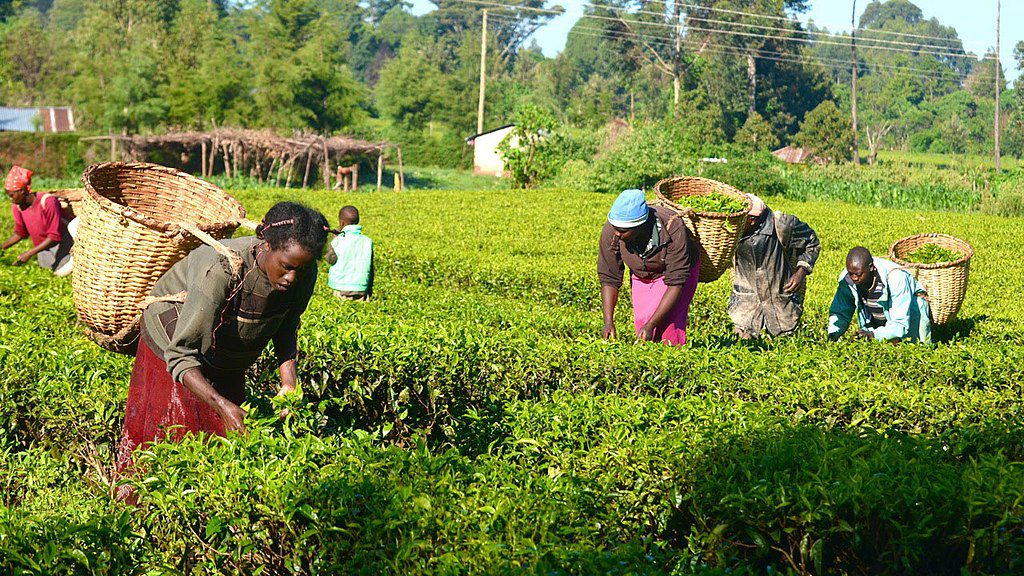
Entrepreneurial Spirit in Developing Countries: Providing Goods and Jobs

Entrepreneurial Spirit in Developing CountriesIn the ongoing effort to alleviate global poverty, many entrepreneurs focus on solutions that address social, cultural and economic challenges within a community or region. International organizations and institutions provide funding to developing countries to improve infrastructure, policy and services. All of this, in hopes of solving large-scale problems like poverty. However, perhaps the most powerful way to reduce global poverty is by focusing on the entrepreneurial spirit in developing countries. One such organization, Kountable, delivers goods and employment to emerging markets to reduce poverty.
All About Kountable

Kountable is a global trade organization that aims to interrupt generational poverty in developing countries by overcoming financial obstacles. It is these barriers that are hindering the fruition of small companies. Kountable provides funding and professional development opportunities to small and medium-sized enterprises (SMEs) that would otherwise lack access to the global market economy due to institutional barriers.

By combining “local knowledge with global expertise,” Kountable connects and fosters trade relationships between “large global suppliers… local SMEs, logistics providers, banks, and buyers from government, NGOs, and the largest multilateral institutions and foundations”.

The goal is to “bring the right goods to the right places on time” says Kountable President and Co-founder, Catherine Nomura. Another valuable aspect of Kountable is the multifaceted nature of its approach. For example, the organization collaborates with micro, small and medium-sized enterprises (MSMEs) in many industries — including healthcare, education and information and communications technology.

Financial Opportunities for MSMEs

Julian Kyula, entrepreneur and founder of MODE (Mobile Decisions) from Nairobi, Kenya, explains the challenges faced by SMEs in Sub-Saharan Africa and how Kountable’s strategy can reduce poverty. Kyula founded MODE in 2010 as a technology platform cooperating with telephone companies to distribute small mobile loans. While Kyula was fortunate to overcome financial obstacles, he reveals that, since banks do not often invest in startup businesses, about 70% of MSMEs “in emerging markets lack access to credit” and are therefore unable to grow. These obstacles tend to stifle the entrepreneurial spirit in developing countries.

Furthermore, the overall lack of financial opportunities hits MSMEs especially hard in developing countries. This is because SMEs create on average, 70% of jobs in emerging markets. Also, they represent 90% of businesses worldwide. The global workforce is growing at a rate that would require an additional 600 million jobs by 2030. Importantly, SMEs are expected to be a prime supplier of these jobs.

Researchers define micro-enterprises as organizations consisting of less than 20 workers and associate these businesses with lower poverty rates, especially in rural areas. Smaller and medium-sized enterprises can provide job opportunities and mobility within the workforce. SMEs benefit local communities, unlike massive corporations that often move to rural towns but lack the structural systems to lift regions from poverty into economic prosperity. Representing another reason that the entrepreneurial spirit in developing countries is so important for poverty reduction.

COVID-19 Challenges

Amid the Covid-19 pandemic, another challenge small businesses face is acquiring the U.S. dollars needed to secure essential health goods (PPE equipment, ventilators, masks, testing materials, hospital beds, etc.). Kountable identifies this currency struggle as the “trade before the trade,” and its commitment to funding MSMEs helps small businesses avoid this particular challenge.

The Doing Business in Africa Award

Kountable recently won runner-up for NABC’s 2018 Doing Business in Africa Award, making history by being the first, global trade network ever nominated for this award. Kountable’s success in delivering goods and employment to emerging markets has confirmed its credibility as an innovative solution. Alleviating global poverty and generating wealth by supporting small businesses.

– Nye Day
Photo: Wikimedia Commons

October 16, 2020
https://borgenproject.org/wp-content/uploads/borgen-project-logo.svg 0 0 Kim Thelwell https://borgenproject.org/wp-content/uploads/borgen-project-logo.svg Kim Thelwell2020-10-16 06:46:312020-10-16 06:46:31Entrepreneurial Spirit in Developing Countries: Providing Goods and Jobs
Developing Countries, Foreign Aid, Global Poverty

5 New Bills To Improve US Foreign Aid

Improve U.S. Foreign AidThe U.S. is currently ranked seventh in the list of “best countries,” according to US News. Further, the nation is known worldwide for its dominant economy and strong military power. Given its global influence, the U.S. has the power to impact the lives of citizens in developing countries. Over the years, the U.S. has provided substantial aid to help reduce famine and poverty rates in some of the world’s poorest countries. To continue assisting vulnerable areas in the future, Congress holds the power to pass certain bills that improve U.S. foreign aid policies. Every year, lawmakers introduce several bills to improve U.S. involvement in developing countries. Here are 5 pending bills designed to improve U.S. foreign aid:

5 New Bills to Improve US Foreign Aid

  1. H.Res. 517. New York Representative, Eliot Engel, introduced this bill in July 2019. It aims to support the Global Fund to fight AIDS, tuberculosis (TB), malaria and its Sixth Replenishment. It urges donor countries to help decrease the damage caused by these diseases, as well as to contribute donations. The bill also encourages recipient countries to keep their promises of utilizing the support to demonstrate progress in ending the AIDS, TB and malaria epidemics.
  2. H.Con.Res. 78. California Representative, Barbra Lee, introduced this bill in December 2019. This measure strives to promote the ideas and goals of World AIDS Day. It also supports continued funding for PEPFAR and the Global Fund to fight illnesses such as AIDS, Tuberculosis and Malaria. Additionally, it provides HIV/AIDS prevention, care and treatment in low and middle-income countries. Finally, this proposal supports efforts that contribute to decreased HIV rates worldwide and acknowledges the root causes of this disease in developing countries.
  3. S.Res. 169. Junior Senator for Oregon, Jeff Merkley, introduced this bill in April 2019. This measure presents a resolution to the statement under section 502B(c) of the Foreign Assistance Act of 1961. Concerning violations of human rights by the Government of Saudi Arabia: it states that the U.S. government should call on Saudi Arabia to release all innocent human rights activists currently imprisoned. This includes journalists and religious minorities as well. Furthermore, the bill requests that the Saudi Arabian government reverse its human rights violations.
  4. FY21. Newly introduced in response to the global crises of 2020, this bill includes $65.87 billion in foreign aid funding — an increase of nearly $8.5 billion from the fiscal year 2020 budget. The bill designates $10 billion for funding global COVID-19 responses and for the World Health Organization. Also, this bill allocates $25 million to global maternal and child health, as well as $750 million for global family planning. Moreover, several million dollars contribute to various Global Health and Disease Programs.
  5. H.Res. 527. California Representative, Alan Lowenthal, introduced this bill on July 25, 2019. The goal of this bill is to promote human rights worldwide. It recognizes the violation and erosion of human rights in several countries and urges all U.N. members to promote human rights. Also, H. Res. 527 encourages the U.S. to develop programs that promote the recognition of justice for all. For example, the creation of the national holiday “Human Rights Day.”

Making an Impact

With more power and financing than many other countries, the U.S. is in a unique position to influence the economies and governments of developing nations. Through passing these bills to improve U.S. foreign aid and support, the nation can leave a lasting, positive impact on people living in poverty around the world.

– Megan Ha
Photo: Flickr

October 16, 2020
https://borgenproject.org/wp-content/uploads/borgen-project-logo.svg 0 0 Kim Thelwell https://borgenproject.org/wp-content/uploads/borgen-project-logo.svg Kim Thelwell2020-10-16 03:21:052020-10-16 03:21:055 New Bills To Improve US Foreign Aid
Developing Countries, Global Poverty

Fix the E-Waste Problem: New Life for Used Electronics

Fix the E-Waste Problem: What We Should Be Doing with Our Used ElectronicsE-waste is a general term for discarded electronic components that contains everything from cell phones to disk drives. It is causing a crisis in the developing world. Only 12.5% are recycled worldwide. E-waste is different from other forms of trash because electronic waste contains toxic metals like lead and cadmium leach into groundwater sources if not properly managed. This is common in developing countries, where nations simply do not have the resources to properly limit water and air pollution. It is time to fix the e-waste problem.
The Problem

The processing of e-waste is difficult because of the many elements in computer chips and other techs. Paper, a major component of traditional solid waste, is recycled 64.7% of the time because the methods to get the paperback are just that much easier. The United Nations claims that 10-40% of the total e-waste from America goes abroad to countries in Asia. In addition, as little as 0.13% of all waste properly disposed of there. India is starting to make its own e-waste with the growth of the middle class. This leads to many unseemly sights in places like Taiwan, China and Pakistan.

One PBS reporter’s finding of a large lot stacked 5m high – just with printers. Workers, who are women and children, use unsafe and known to be carcinogenic chemicals like sulfuric acid to dissolve the plastic in the printers. People do get gold and silver out of this process. However, this comes at great cost to themselves and their communities, as breaking down this waste contributes to pollution. WHO estimates that one in four people die worldwide due to complications with contamination. Additionally, the way we manage e-waste certainly is not helping.

What Can We Do With Our Used Electronics?

The problem seems overwhelming and hard to solve. However, many companies and NGOs alike are tackling the issue. After e-waste is managed correctly, it has the potential to make or save money. There are three main ways to improve the health of people in Asia with respect to discarded electronics, and in the following order:

  • Reduce. Samsung, a well-known company based in South Korea, wants to make their products last longer. Although there are short-term benefits for having customers update their technology every few years, the corporation externalizes costs of what to do with those electronics after people use them to poorer nations. This leads to public relations issues and potentially a loss of profit. It plans to increase life by creating places where people can repair their phones and larger appliances. Also, people can change the design to make sure components do not break in the first place.
  • Reuse. Many people in countries where e-waste is going do not have internet access. Why not refurbish old devices from developed countries to expand access? This extends the life of technology which should ultimately reduce the amount that ends up discarded. Furthermore, one charity that sends technology worldwide is InterConnection. Unfortunately, some security risks rise with this. Since computer data is very hard to wipe, the data in electronics can end up in the wrong hands.
  • Upcycle. Not only recycling, but upcycling is a promising way to fix the e-waste problem. Upcycling turns products into something with more value, not less as is the case with paper or plastic when they’re made into something new. For example, the gold in the NoWa necklace is entirely from discarded cell phones. Promoting safe labor practices to make these pieces can also prevent situations like what happened with the printers in Vietnam.

Solving large problems like fixing the e-waste problem may seem daunting. If we think creatively, we can make the world a better place by encouraging our countries to make smart and informed decisions about how to responsibly manage hazardous materials from used electronics.

– Michael Straus

Photo: Flickr

October 14, 2020
https://borgenproject.org/wp-content/uploads/borgen-project-logo.svg 0 0 Jennifer Philipp https://borgenproject.org/wp-content/uploads/borgen-project-logo.svg Jennifer Philipp2020-10-14 10:00:402024-05-30 07:52:26Fix the E-Waste Problem: New Life for Used Electronics
Developing Countries, Global Poverty

Are Fair Trade Product Markets Really Fair?

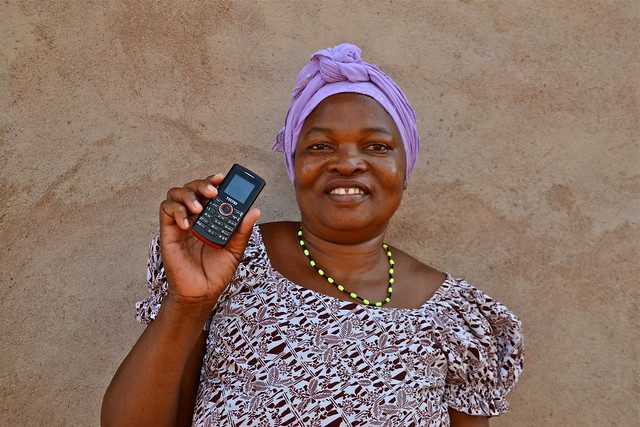
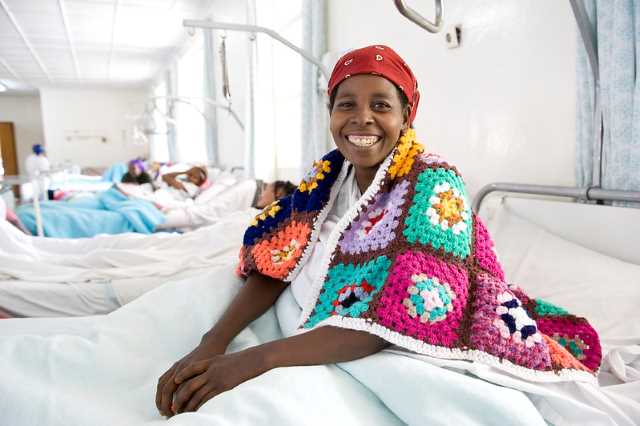
Fair trade productsIn a global marketplace full of exploitative producers and hungry consumers, fair trade product markets can seem like a welcomed compromise that allows exporters in developing countries to prosper from their resources. These initiatives usually involve goods exported from developing countries to higher-income trading partners, including coffee, tea, cocoa and handicrafts. In more socially conscious trading models, producers are compensated equitably for their products and held to higher environmental and social standards. However, the true efficacy of fair trade models is complex.
Price and Accessibility

Consumer attitudes and behaviors play a significant role in the pervasiveness of fair trade products. Buyers often report positive attitudes toward more ethically traded items but are not always willing to pay the inevitably higher prices. As a result, fair trade products are still a more niche commodity, making up less than 1% of the market. Ironically, the extra expense of these items often makes them less accessible to lower-income consumers in developed countries, creating connotations of elitism. Despite these setbacks, the demand for more ethical products is steadily on the rise.

Fair Trade Product Marketing

Despite many well-intentioned consumer attitudes, fair trade product markets frequently feature marketing strategies that conjure up imperialistic images. Rather than honoring the work of exporters as equitable trading partners, many marketing campaigns portray farmers as grateful and dependent on western purchases.

Transparency in Fair Trade Certification

In products marked as fair trade, the certification might only apply to the product’s raw materials, rather than the full process of production. This means that a shirt made with fair trade cotton could have been manufactured in a sweatshop. Naturally, this lack of transparency can mislead consumers and dilute the meaning of the certification.

Economic Impact of Fair Trade

The efficacy of fair trade as a poverty management tool is up for debate as well. Although fair trade marketing is centered on empowering those in producing regions and reducing poverty, the effects are not as straightforward as many well-intentioned consumers might hope. A 2014 study theorizes that these practices are somewhat effective, “although on a comparatively modest scale relative to the size of national economies.”

Often, the poorest workers are spared the prosperity from fair trade product market practices. A study that observed coffee mills in Costa Rica between 1999 and 2014, explored the impacts of fair trade systems on household incomes within the region. Researchers found that farm owners and skilled growers reap most of the benefits. Unskilled laborers receive no benefits other than the economic spillover of an increasingly prosperous coffee-growing region.

Many requirements of the fair trade certification are inaccessible for growers with fewer resources. Smaller producers might struggle to pay the fees associated with becoming certified fair trade producers. Similarly, producers struggle to attract large corporate trading partners who have no interest in paying the extra cost of sourcing materials equitably. NGOs like Maya Traditions, which helps Guatemalan artisans sell their products on the international marketplace, aim to make entrepreneurship accessible to small producers in developing countries.

The Verdict

The efficacy of fair trade systems is the subject of a great deal of criticism. While fair trade products like coffee, tea, and cotton are worth investing in, the benefits are imperfect and not accessible to all producers or consumers. Some activists advocate for a ‘direct trade’ system, in which consumers can buy goods directly from growers while paying growers sums closer to retail prices. However, the direct trade model comes with its own set of challenges and infrastructural changes. Nonetheless, establishing a system that allows producers to reach more advanced development from trading their crops is challenging but is certainly worth investing in.

– Stefanie Grodman
Photo: Flickr

October 13, 2020
https://borgenproject.org/wp-content/uploads/borgen-project-logo.svg 0 0 Kim Thelwell https://borgenproject.org/wp-content/uploads/borgen-project-logo.svg Kim Thelwell2020-10-13 09:39:132024-05-30 07:53:10Are Fair Trade Product Markets Really Fair?
Developing Countries, Global Poverty

Innovative Healthcare Apps in Sub-Saharan Africa

Healthcare Apps in Sub-Saharan Africa
Although sub-Saharan Africa accounts for nearly 11% of the world’s population, it carries approximately 24% of the global disease burden. The region spends less than 1% on global health expenditure and lacks a strong infrastructure to address its citizens’ healthcare necessities.

Advancements in technology may be the solution to this crisis. The mobile industry in sub-Saharan Africa is growing rapidly. In 2012, only 32% of the population had access to a mobile subscription. By 2018, the mobile industry saw a 12% increase in mobile penetration rates. As a result, innovative healthcare apps are being released on the market, allowing individuals to access medical services remotely. This article will focus on three innovative healthcare apps in sub-Saharan Africa that can be accessed through a mobile device.

Hello Doctor: Providing Remote Medical Assistance

Hello Doctor is a mobile healthcare app that was developed in South Africa. It is currently one of the most popular mobile healthcare apps on the market and is available in 10 different countries. The app allows patients to have healthcare that is accessible, affordable and personalized.

The app requires a subscription of $3 per month. It allows a subscriber to “carry a doctor in their pocket.” After filing a request, subscribers are connected with a doctor via text message or phone call. All requests are responded to within an hour. All doctors accessed through the application are registered medical professionals.

The app also has a symptom checker in which patients can note their concerns and are provided with a list of potential diagnoses. It is also updated daily with new content to provide fundamental healthcare advice to patients. This app is most beneficial to citizens who may not be able to easily travel to their nearest healthcare clinic.

Pelebox: Delivering Essential Medication

Communicable diseases such as HIV/AIDs remain a growing problem in sub-Saharan Africa. These chronic diseases must be treated with medication that is picked up from the clinic. However, the limited number of clinics, a shortage of healthcare professionals and a high patient volume create excessive wait times for patients.

Pelebox, a South African app, manages smart lockers that dispense refills of prescriptions to patients. Instead of waiting hours to be seen in the clinic, patients can retrieve their prescriptions within a matter of seconds. Pelebox’s goal is to reduce the burden on hospital staff so that they can focus their attention on patients in critical care.

Here is how the app works. The patient is enrolled in the clinic’s collection program, the prescription is issued and the medication is placed into the locker. Clients will receive a one-time-pin via text message from the system. Patients enter their phone number and PIN at the self-service interface and retrieve their prescriptions from the cubicle. The cubicle is accessible at any time. Through its innovative approach in delivering essential medication, Pelebox has reached approximately 3,000 patients. The company is also planning to set up an additional 30 units in the next five years to continue to expand its reach.

MedAfrica: An All-in-One Healthcare App

MedAfrica, a product of Shimba Mobile, is one of the most popular healthcare apps in sub-Saharan Africa. It was first launched in Kenya in November 2011. By March 2012, it had approximately 70,000 users and was released into several other countries.

The app was created to make healthcare more accessible, affordable and safer. The app is free to use and works on any operating system. It is an all-in-one healthcare app that has various features. It provides users with a directory of qualified doctors and hospitals that are nearby. It also has a symptom checker available to its users so they can decide whether they’d like to pursue further medical advice or treatment. After the diagnosis, they can easily connect with the proper specialist. Users also receive first-aid advice and health updates from local hospitals.

Advancements in Healthcare Through Apps

An underfunded infrastructure, shortage of medical professionals and high patient volumes make for a fragile healthcare system. The surge of healthcare apps in sub-Saharan Africa is a great start to combating these issues. The innovative technologies that are being released for consumer use may be the key to granting much-needed healthcare access to individuals who need it the most.

– Jasmine Daniel
Photo: Flickr

October 9, 2020
https://borgenproject.org/wp-content/uploads/borgen-project-logo.svg 0 0 Kim Thelwell https://borgenproject.org/wp-content/uploads/borgen-project-logo.svg Kim Thelwell2020-10-09 07:30:442021-03-09 10:16:07Innovative Healthcare Apps in Sub-Saharan Africa
Developing Countries, Global Health, Health

Mental Illness Issues in Ethiopia

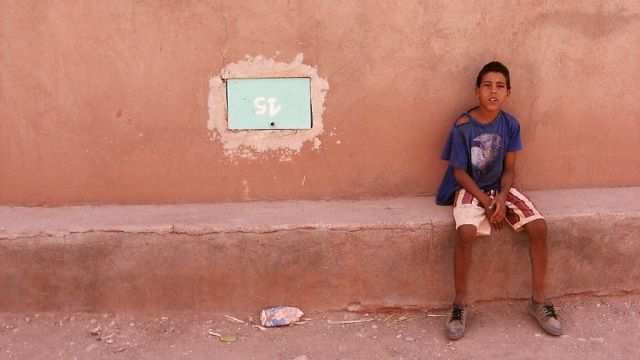
Mental Illness in EthiopiaEthiopia is the second most populated country in Africa, with a population of over 100 million. With such a large population comes a prevalence of poverty as well as disease. In an estimate from 2014, around 30% of Ethiopia’s population was below the poverty line. According to statistics from this year, Ethiopia also makes it onto the list of the world’s poorest countries, ranking 7th poorest in the world in both GDP growth and GDP per capita. Along with this poverty comes a myriad of diseases. The top four causes of death in Ethiopia are, in order, neonatal diseases, diarrheal diseases, lower respiratory infections and tuberculosis. While these diseases are quite well-known, Ethiopia is also plagued by another type of disease: mental illness. Mental illness in Ethiopia may not be as recognized as the other diseases that plague Ethiopian citizens but mental illness can impact overall general health and the ability to provide for one’s family.
A Troubled Past

Despite the fact that an estimated 15% of Ethiopians suffer from mental illness and substance abuse disorders, for decades almost nothing was done to address or treat these issues. In the 1980s, there was only one psychiatric hospital in the entire country and such an insignificant number of psychiatrists, that it was almost impossible to find treatment. Moreover, the psychiatrists who did practice at the time were often not interested in developing new research and treatment techniques. Because of this, most cases of mental illness went untreated, leaving mental health sufferers to face both isolation and discrimination.

A Passionate Doctor

When Dr. Atalay Alem started his medical work, there was only one psychiatric hospital in the country. After his decades of work, spanning from the 1980s until modern day, his efforts to improve the psychiatric treatment of Ethiopians have had a massive payoff. He started as a medical doctor before receiving his degree in psychiatry. After that, he became a psychiatric professor at Addis Ababa University, where his research and his passion for better mental health services were instrumental in the expansion of Ethiopia’s mental health care. Alem was also a key founder of the graduate psychiatry program at Addis Ababa University, giving more Ethiopians a chance to make a difference in the field. Today, there are almost 90 psychiatrists practicing in Ethiopia. Apart from these psychiatrists, there are hundreds of psychiatric nurses as well. These nurses are part of what has made such widespread psychiatric care possible and their presence has aided in the addition of mental health services at most Ethiopian hospitals. For his efforts, Alem was awarded the Harvard Award in Psychiatric Epidemiology and Biostatistics in 2019.

A Positive Future

Though Ethiopia has a total of under 100 psychiatrists, the current number is a great improvement from just a few decades ago. Moreover, with the help of Alem and other passionate psychiatrists, research efforts continue to grow. Alem is currently working on a study that looks at the way severe mental illness impacts rural Ethiopian communities in order to evaluate how to improve treatment and maximize impact. The Ethiopian government is also invested in improving the diagnosis and treatment of mental illness. The government, starting seven years ago, created a mental health strategy to aid the country’s mentally ill and allocated government funds to the overall improvement of mental healthcare. These funds have gone toward improving health services, such as more adequate healthcare training and increased access to psychiatric medications. Part of the reason Ethiopia’s mental health treatment has improved so much is due to the partnership between the Ethiopian government and the World Health Organization. WHO was absolutely key in providing guidelines for how to implement these new mental health care strategies.

Though progress always takes time, with the help of doctors like Alem and partnerships with organizations like WHO, Ethiopian mental health care has better days ahead.

– Lucia Kenig-Ziesler
Photo: Flickr

October 7, 2020
https://borgenproject.org/wp-content/uploads/borgen-project-logo.svg 0 0 Kim Thelwell https://borgenproject.org/wp-content/uploads/borgen-project-logo.svg Kim Thelwell2020-10-07 07:10:312024-05-30 07:53:05Mental Illness Issues in Ethiopia
Developing Countries, Global Poverty, Homelessness, Poverty Eradication

Addressing Homelessness in Morocco

Homelessness in MoroccoMorocco, a country bordering both Algeria and Western Sahara, has faced increased conflicts with the rising issue of homelessness. In the country, there are thousands without proper shelter as the problem worsens. However, newly implemented organizations are seeing rapid improvements in homelessness in Morocco.

More than 700,000 Moroccan citizens are currently battling homelessness. In addition, it must be noted that the youth has been severely impacted as well. There are more than 30,000 children roaming the streets in search of basic resources, as many escape abusive home situations. Under a prevalent gap between the wealthy and poor, it is reported that more than 15% of the population lives on $3 a day. With the poverty rate increasing, many turn towards the streets. Approximately four million Moroccan citizens live below the poverty line.

Causes of Homelessness in Morocco

The main contributor to the rise of homelessness in Morocco is the Structural Adjustment Policy that was launched in 1963. Since then, the homeless rate has rapidly increased, leading to its large population in present day. The policy aimed to improve the finance and social sectors. However, due to underfunding and a misallocated budget, thousands of families lost funding. For this reason, many lost their homes to the government.

Another cause of homelessness in Morocco is the shift in values in Moroccan society. As mentioned earlier, the wealth gap between the ones in poverty and the wealthy have led to resentment against the homeless. With the focus on the upper class, the poor population of Morocco is not given any aid. In certain cases, the plight of the poor is simply ignored.

Consequences of Homelessness in Morocco

With the youth making up a large portion of the homeless population, various consequences have arisen. A major problem is the overall safety of the children on the streets. With tens of thousands of children without a home, many are subject to sexual assault and abuse. The streets of Morocco have been subject to numerous crimes against the youth.

Another consequence of the homelessness problem is the lack of education. In the rural parts of Morocco, only 36% of girls pursue an education. With the issue of homelessness, the youth prioritize survival over schooling. It is also reported that only one in seven children attend school in Morocco. Homelessness plays a primary role in these low statistics as children do not have the resources to pursue an education.

The Road to Change

Despite the rising numbers, there have been numerous efforts to combat homelessness in Morocco. For example, the Moroccan government has stepped up to help those in need. Jamila El Moussali, the Moroccan Minister of Solidarity, Social Development and Family, has recently called for the largest shelter operation in Moroccan history. During the COVID-19 pandemic, the ministry has helped accommodate more than 6,300 homeless people and assisted 2,000 others in reuniting with their families. The government is looking to increase its involvement with the homeless in the coming years and boost social work to aid those in need. After completing one of the largest shelter operations, Morocco has seen a massive decline in the homeless population.

Even with the government’s newfound aid to help combat homelessness in Morocco, additional intervention is the key to make dramatic and long-lasting progress. For Morocco’s government to see a bright future and a reduced homeless count, it must act in a consistent manner to aid those in need. If the government can further boost the number of shelter operations, hundreds of thousands of homeless Moroccans would benefit.

– Aditya Padmaraj
Photo: Flickr

October 5, 2020
https://borgenproject.org/wp-content/uploads/borgen-project-logo.svg 0 0 Kim Thelwell https://borgenproject.org/wp-content/uploads/borgen-project-logo.svg Kim Thelwell2020-10-05 02:33:362020-10-05 02:33:36Addressing Homelessness in Morocco
Activism, Advocacy, Developing Countries, Global Poverty, Health

4 Activists Fighting Global Poverty

Activists Fighting World Poverty
Hunger is a prevalent issue that impacts children, families and individuals in countries across the globe. Despite the major scale of this issue, determined individuals can play major roles in providing food security to thousands. Sharing their ideas and resources on how to reduce hunger around the world, here are four activists fighting global poverty.

Malala Yousafzai

Malala Yousafzai is a Pakistani education activist. The Taliban shot her in the head in 2012 for publicly advocating an end to gender discrimination in education. Since then, she has become a U.N. Messenger of Peace, a Nobel Peace Prize winner and the co-founder of the Malala Fund. Oftentimes, those in poverty cannot receive quality education which also limits social mobility. The Malala Fund is addressing world poverty by providing education to millions of girls. This organization created the Education Champion Network, which helps provide education to girls in Afghanistan, Brazil, India, Lebanon, Nigeria, Pakistan and Turkey. The Malala Fund has partnered with Apple Inc. and the Bill and Melinda Gates Foundation, as well as individuals such as Angelina Jolie, to help support the 130 million girls being denied an education around the world.

Ernesto Sirolli

Ernesto Sirolli is a leading activist on economic development for those in poverty. Born in Italy, Sirolli worked for an Italian NGO in Zambia. This NGO taught Zambian communities how to grow Italian vegetables. There was resistance to the NGO’s efforts and, as a result, the organization paid wages to the Zambian communities working with them. Before the communities could harvest the vegetables, Sirolli witnessed a group of hippos rise out of the river and devour their new agriculture. Only then did he understand the true threat of local resistance.

From this experience, Sirolli discovered the issues that arise from what he calls “dead aid” from many Western countries. He questioned whether the more than $2 trillion from Western countries dedicated to developing communities was being used in a non-patronizing way. He noticed that NGOs rarely worked with local entrepreneurs on an individual level.

Sirolli developed a philosophy of economic aid for those in poverty in which the primary principle is respect. He created the Sirolli Institute International Enterprise Facilitation Inc., a network that gives local entrepreneurs an opportunity to develop their own ideas and benefit their own communities. Sirolli offers local people privacy, confidentiality, dedicated service and other essential components of entrepreneurship.

Louise Fresco

Louise Fresco is a Dutch researcher and activist who advocates for smart agriculture as the key to fighting world hunger. In 2000, she became the assistant-director general of the United Nations Food and Agriculture Organization (FAO) in Rome and brought her ideas to an international scale. Fresco uses the evolution of bread as a metaphor to explain food’s role in the development of modern society.

Over time, bread has evolved from a staple to a cheap contributor to obesity. Additionally, Fresco discusses the large-scale production that has resulted in the mass destruction of landscapes. This negative association, combined with the negative environmental impacts of mass production, has created a counter-culture where people prefer to buy bread made from small-scale sellers. However, Fresco argues, buying from small-scale producers is a luxury solution for those who can afford it. People in poverty simply benefit from diverse, low-cost and safe bread.

Cheap bread symbolizes that food has become increasingly affordable. The human race currently has more available food than ever before, which allows people to focus on other activities. Humans have not had the luxury of ample food production until now when it has become so cheap compared to previous years. Fresco believes that to solve world hunger, countries must increase food production with subtle mechanization to avoid large-scale environmental destruction.

Melinda Gates

Along with her husband Bill, Melinda Gates is the co-founder of the world’s largest private charitable organization. The Bill and Melinda Gates Foundation has a $40 billion trust endowment that helps solve issues including global health, global development, global policy and global growth or opportunity.

Melinda Gates has used her position to focus on empowering women around the world. Specifically, Gates concentrates on family planning, maternal well-being and child health. She has spread awareness about “time poverty,” which is the idea that many women perform hours of unpaid work that can deprive them of their potential.

The Gates Foundation has donated to Mama Cash and Prospera, two prominent international women’s funds. Since 2012, the Bill and Melinda Gates Foundation has put upwards of $560 million toward women’s health.

Each of these activists fighting world poverty is taking a different approach to eradicating global hunger. However, the culmination of these efforts is making a major impact around the world, one person at a time.

– Camryn Anthony
Photo: Pixabay

October 5, 2020
https://borgenproject.org/wp-content/uploads/borgen-project-logo.svg 0 0 Jennifer Philipp https://borgenproject.org/wp-content/uploads/borgen-project-logo.svg Jennifer Philipp2020-10-05 01:31:562024-05-30 07:52:154 Activists Fighting Global Poverty
Activism, Developing Countries, Gender Equality, Women's Empowerment

Saudi Women Empowerment: Gender Progression

Saudi women empowermentThe Kingdom of Saudi Arabia has struggled with issues regarding women’s rights for a long time. Saudi Arabia ranked 146 out of 153 in the 2020 Global Gender Gap Index. The country also did not allow women to drive until the government lifted the driving ban in 2018. In 2017, the country allowed women to apply for passports and allowed women above the age of 21 to travel independently without permission from male guardians. Saudi women even gained the right to vote and run for public office in 2015. Saudi Arabian women celebrate women’s empowerment due to the country’s recent progress toward gender equality.

Challenges Women Still Face

While Saudi Arabia is making progress, the country is not without its issues. The country still requires male guardians, usually fathers or brothers, to make decisions for Saudi women. To this day, the government also limits women when it comes to choosing whom to marry or initiating a divorce. This caused some Saudi women, such as Rahaf Alqunun, to flee because of the strict male guardianship system.

Additionally, several women’s rights activists, such as Loujain al-Hathloul, have been arrested by Saudi officials for encouraging Saudi women empowerment. Al-Hathloul posted videos of herself driving during the driving ban with her hair uncovered. She also ran for office but her name was never added to the official ballot.  Al-Hathloul was arrested in 2018 with 11 other activists on charges of promoting women’s rights and collaborating with foreign organizations and media. However, her trial was indefinitely postponed due to the COVID-19 pandemic.

Loosening Restrictions: Women Moving Forward

Saudi Arabia made the largest improvement globally in women’s rights at work, according to The World Bank. The strides are credited to greater freedom of movement for women and reforms for women at work. The country criminalized sexual harassment and established work protection to prohibit employers from firing pregnant women. Saudi Arabia also equalized the retirement age for both men and women at 60, which allows for more financial freedom. Finally, the country outlawed gender-based discrimination in financial services to increase female entrepreneurship.

These reforms were a part of the Saudi government’s Vision 2030 plan, which aims to diversify the economy by promoting the private sector. The plan also includes increasing women’s labor force participation from 22% to 30%.

Street Style and Women’s Empowerment

Marriam Mossali, a Saudi entrepreneur, launched her second edition of “Under the Abaya: Street Style from Saudi Arabia” celebrating Saudi women empowerment on June 24. The book, a partnership with LUX Arabia and Niche Arabia, exposes the kingdom’s unknown fashion scene. The first edition introduced progressive Saudi women while this second edition exposed the challenges these women face.

All of the book’s proceeds go toward scholarships for women to pursue higher education. To Mossali, the book is a celebration of Saudi women empowerment because it allows women to share their own stories. The book has a forward by Princess Reema bint Bandar Al-Saud, the country’s first female ambassador to the U.S. Al-Saud told Arab News that the book tells stories and embodies the principle of women supporting women.

“Our participation in the #WomenSupportingWomen movement is much more than just a hashtag,” the book’s website says. “We believe in giving voice to these talented women in Saudi and the opportunity to pursue their aspirations.”

The first edition of the book fundraised enough to award five aspiring photographers a yearlong scholarship to Future Academy in Jeddah. The second edition aims to award women aspiring to pursue a Bachelor’s in fashion design.

Despite strides made in women’s empowerment, women in the kingdom still face many challenges. However, Saudi women continue to fight for change and equality. From filming videos to photographing street fashion, Saudi women are taking a stand for gender equality and celebrating women’s empowerment.

– Grethel Aguila
Photo: Flickr

October 5, 2020
https://borgenproject.org/wp-content/uploads/borgen-project-logo.svg 0 0 Kim Thelwell https://borgenproject.org/wp-content/uploads/borgen-project-logo.svg Kim Thelwell2020-10-05 01:30:592020-10-05 01:33:23Saudi Women Empowerment: Gender Progression
Developing Countries, Global Poverty, Homelessness

The State of Poverty in Argentina

poverty in argentinaArgentina is a presidential republic that achieved its independence from Spain in 1816. Starting with the election of President Mauricio Macri in November of 2015, a promise of reform and international reintegration was on the minds of many Argentinians. The current president, Alberto Fernandez promised further reform and economic improvement in Argentina. However, poverty is an issue that the country must overcome in order to realize the dream of a better country. Here is some information about the current state of poverty in Argentina as well as the measures that some are taking to alleviate the issue.

Poverty Levels in Argentina

The poverty rate in Argentina is on the rise. In 2017, the CIA estimated that 25.7% of Argentina’s population lived below the poverty line. This poverty rate increased to 35.4% in 2019 and in the same year, it rose again to 40.8%. This is also reflected in Argentina’s GDP which declined from $643.6 billion in 2017 to $451.9 billion in 2019.

Many attribute the current state of poverty in Argentina to the unregulated spending of the Argentinian government. Additionally, many critics of the government’s economic policies claim that by spending more than what they have, the government created a public deficit. This increasing fiscal deficit led to inflation which is at the root of Argentina’s poverty.

Reasons for Poverty in Argentina

As mentioned, inflation resulted from the increasing fiscal deficit of the Argentinian government. However, this was also a consequence of the continuous printing of pesos to pay off debts. Consequently,  Argentina’s consumer prices rose 53.8% in 2019. The lack of affordability of food, for example, had drastic effects on Argentinian citizens’ lives. In addition, the Central Bank of Argentina rapidly sold its reserve of foreign currency in order to counterbalance the rapid depreciation of the peso. During the same time period, the Central Bank also increased interest rates to 45%. All of these factors further contributed to the additional inflation in the Argentinian economy.

The Alleviation of Poverty in Argentina

There are many people and organizations who are trying to alleviate poverty in Argentina. One aspect of poverty is homelessness. In 2019, there were an estimated 198,000 homeless in Buenos Aires alone. Tadeo Donegana, an 18-year-old Argentinian student, developed a map app called Ayumapp to help the homeless of Argentina. Ayumapp allows its users to add locations of the homeless in their respective cities. Users can also add comments about what kind of specific help the homeless need.

UNDP is also working with the Argentinian government to reduce poverty in the country. By furthering the Sustainable Development Goals (SDGs), UNDP has made progress in alleviating poverty. Some of UNDP’s outcomes include guaranteed food security for 198,000 people, providing health care to 15 million people without health insurance and training 7,500 youth to join the labor market.

Poverty in Argentina has its roots in the Argentinian government’s unrestrained spending. The huge fiscal deficit that resulted from this government spending and failed attempts to revitalize the Argentinian economy led to massive inflation. This inflation resulted in a lack of food affordability and homelessness in Argentina. However, there are those who are working tirelessly to better the current situation in Argentina. With this continuous support, many hope that a brighter future lies ahead for the country.

– YongJin Yi
Photo: Flickr

October 5, 2020
https://borgenproject.org/wp-content/uploads/borgen-project-logo.svg 0 0 Kim Thelwell https://borgenproject.org/wp-content/uploads/borgen-project-logo.svg Kim Thelwell2020-10-05 01:30:382024-05-30 07:53:02The State of Poverty in Argentina
Page 77 of 157«‹7576777879›»

Get Smarter

  • Global Poverty 101
  • Global Poverty… The Good News
  • Global Poverty & U.S. Jobs
  • Global Poverty and National Security
  • Innovative Solutions to Poverty
  • Global Poverty & Aid FAQ’s
Search Search

Take Action

  • Call Congress
  • Email Congress
  • Donate
  • 30 Ways to Help
  • Volunteer Ops
  • Internships
  • Courses & Certificates
  • The Podcast
Borgen Project

“The Borgen Project is an incredible nonprofit organization that is addressing poverty and hunger and working towards ending them.”

-The Huffington Post

Inside The Borgen Project

  • Contact
  • About
  • Financials
  • President
  • Board of Directors
  • Board of Advisors

International Links

  • UK Email Parliament
  • UK Donate
  • Canada Email Parliament

Get Smarter

  • Global Poverty 101
  • Global Poverty… The Good News
  • Global Poverty & U.S. Jobs
  • Global Poverty and National Security
  • Innovative Solutions to Poverty
  • Global Poverty & Aid FAQ’s

Ways to Help

  • Call Congress
  • Email Congress
  • Donate
  • 30 Ways to Help
  • Volunteer Ops
  • Internships
  • Courses & Certificates
  • The Podcast
Scroll to top Scroll to top Scroll to top