• Link to X
  • Link to Facebook
  • Link to Instagram
  • Link to TikTok
  • Link to Youtube
  • About
    • About Us
      • President
      • Board of Directors
      • Board of Advisors
      • Financials
      • Our Methodology
      • Success Tracker
      • Contact
  • Act Now
    • 30 Ways to Help
      • Email Congress
      • Call Congress
      • Volunteer
      • Courses & Certificates
      • Be a Donor
    • Internships
      • In-Office Internships
      • Remote Internships
    • Legislation
      • Politics 101
  • The Blog
  • The Podcast
  • Magazine
  • Donate
  • Click to open the search input field Click to open the search input field Search
  • Menu Menu

Archive for category: Developing Countries

Information and stories about developing countries.

Developing Countries, Global Poverty, Inequality

Poverty in Palestine

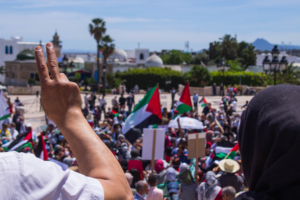
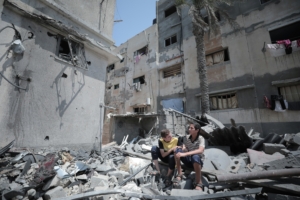
Poverty in PalestineThe World Bank estimates that half a million jobs have been lost in Gaza since the start of the conflict on October 7, 2023. In mid-2023, the overall poverty rate in Palestine stood at 32.8%, a 3.7% increase from 2017. Today, the World Bank states that nearly every Gazan lives in poverty. Although Israeli occupation and sanctions had already stifled the Palestinian economy, the war on Hamas has plunged Gaza into “utter ruin,” according to a U.N. report. The damage to infrastructure and natural resources, the interruption of education and the loss of life in Gaza mean that it could take 350 years for the strip’s economy to return to its pre-conflict levels.

Despite the fact that 40% of the Gazan population relied on humanitarian aid in 2023, Israel impedes organizations like the WHO and UNRWA from delivering essential assistance. Ilze Brands Kehris, the U.N.’s Assistant Secretary-General for Human Rights, stated that “the humanitarian and human rights situation for Palestinian civilians across Gaza is catastrophic” and referenced the “strong likelihood of famine.” Poverty in Palestine is, therefore, extreme and acute.

Blockade and Sanctions

Years of occupation and sanctions had already turned off the Gazan economy. Israeli settlements in the West Bank and Gaza appropriate Palestinian land and natural resources. Whereas Israeli settlements have access to high-quality water, only 10% of Gazans enjoy this human right. Additionally, Israel implemented a 300-meter buffer zone around the border of Gaza, which citizens are not allowed to access or cultivate. This means that Israel, in fact, controls 24% of the territory designated as Gaza.

Israel has exercised complete control over Gaza’s land, sea and air border since the beginning of the “blockade” in 2007. Under these sanctions, Israel has control over how much fuel, electricity, water and aid enters Gaza, as well as who is allowed to enter and exit. There are also reports that Israel engages in systematically spraying herbicide along the “buffer zone,” which is inside the territory of Gaza.

The practice started in 2014, resulting in further damage to the small amount of arable land left to Palestinians living in Gaza. Crosswinds carry the herbicides into Gaza, causing crop destruction miles away from the border buffer zone. Palestinian officials claim that the spraying of herbicides has damaged more than 420 acres of land in the Gaza Strip. The Israeli Defense Force’s (IDF) justification for the spraying is to “enable optimal and continuous security operations.”

Trade Restrictions

Restrictions placed on Palestinian trade by Israel mean that Palestinian goods and services are far less competitive on the market than their Israeli counterparts. The U.N. notes that the average trade cost per transaction for a Palestinian firm is nearly three times higher than for an Israeli firm. Barriers to trade with other countries mean that Palestine is overly reliant on Israel as its sole trading partner.

In 2022, 72% of Palestinian trade was with Israel. These measures imposed by Israel to contain and restrict Palestinian life contribute to the overall impoverishment of Palestinians. The U.N. found that, on average, for every eight cents a Palestinian earns, an Israeli earns $1. Even so, the currency union (the Israeli shekel is widely used in Palestine), customs union and geographical proximity tie living costs in Gaza with those of Israel, a much more advanced economy.

Impact on Education and Employment

Citizens of Gaza are well educated, with a literacy rate of 97.1%, yet the poverty of Palestine due to the occupation by Israel means that qualified professionals are unable to find jobs in Gaza or travel to look for work elsewhere. For instance, Said Lolo is a Palestinian man who holds a bachelor’s degree in public relations. Unable to find a job in Gaza, he is forced to work 14 hours a day selling coffee to support his family of nine. He sleeps at his cafe and only goes home once a week.

Conclusion on Poverty in Palestine

Despite the hostility between the Israeli government and Hamas, there are a number of Israel-based human rights groups. The groups are doing essential work in documenting Israel’s violations and advocating for Palestinian rights. B’Tselem, an Israeli human rights organization, has been working to monitor Israel’s activities for more than 30 years. It takes its name from an allusion to a passage in Genesis, meaning, “And God created humankind in His image. In the image of God did He create them.” The organization takes this reference to symbolize its commitment to “the universal and Jewish moral edict to respect and uphold the human rights of all people,” exemplifying the belief that there is no contradiction between being Israeli and advocating for Palestinian rights.

Adalah, an Arab human rights group based in Israel, focuses on promoting the rights of Arab citizens within Israel. The charity’s legal advocacy has enabled it to defend Bedouin rights to land in Israel and represent Palestinian victims of Israeli violence in court, among many other important victories. Without the advocacy of rights groups like these, Palestinians in Israel, the West Bank and Gaza would receive little visibility. It’s thanks to their work in advocating and documenting Israeli violations that the international community is apprised of the situation. These groups are essential in laying the groundwork for Palestinian representation that could lead one day to full Palestinian sovereignty.

– Io Oswald

Io is based in Paris, France and focuses on Politics for The Borgen Project.

Photo: Wikimedia Commons

December 7, 2024
https://borgenproject.org/wp-content/uploads/borgen-project-logo.svg 0 0 Hemant Gupta https://borgenproject.org/wp-content/uploads/borgen-project-logo.svg Hemant Gupta2024-12-07 07:30:092024-12-07 01:43:50Poverty in Palestine
Developing Countries, Electricity and Power, Global Poverty

Repurposed EV Batteries: A New Solution to Poverty in India

Poverty in IndiaThe current population of India makes up almost 18% of the world’s total population. Consequently, India’s poverty rates significantly influence global poverty rates. Between the years 2011-2019, India has made substantial strides to reduce its poverty rates. Indeed, urban poverty has been reduced from 14.2% to 6.3%. Furthermore, in rural areas, the decline was from 26.3% to 11.6%.

This news deserves to be heralded as hundreds of millions of people have risen out of poverty. However, there is still much work to do, particularly in rural areas. Estimating rural poverty using 2019 poverty rates and 2020 data shows that about 105 million people in rural India still subsist on less than $2.15 a day.

Rural Poverty in India

Rural poverty in India contributes to high crime rates, low educational attainment, limited job opportunities and poor prospects for escaping poverty. It also restricts access to quality health care, leading to issues such as malnutrition and high infant mortality rates. According to Prime Minister Narendra Modi, India will be a “developed” nation by 2047 after leading the green revolution and excelling in technology, which will ultimately boost the country’s economy. A thriving economy is one thing, but this goal requires proper consideration of the poorest people in rural India. Therefore, more needs to be done to lift rural areas out of poverty in India.

Repurposing EV Batteries

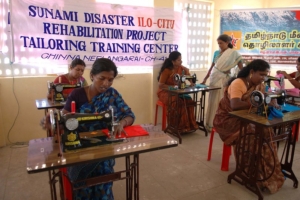
An example of alleviating poverty in India involves repurposing old electric vehicle (EV) batteries to improve manual work efficiency. According to AP News, Nunam, an energy storage company, provided six women in Kenchanahalli with a repurposed EV battery. Previously, they relied on an unstable electrical grid for their tailoring tasks. The women resorted to hand stitching during outages, which often made it impossible to complete orders on time.

AP News reports that these women’s lives have dramatically transformed in the four years since this effective energy source was provided because they are now able to work fewer hours and receive a more consistent wage. Additionally, by reusing these batteries, millions of tonnes of waste that this cleaner-than-fossil-fuels energy source would have produced are avoided.

India has set the ambitious goal of producing 500 gigawatts of clean energy by 2030. The aim is to make the country a global hub for the manufacturing of renewable energy sources like solar. However, it has been reported that India could produce an estimated 340 kilotons of solar power-related waste by 2030.

Upscaling Nunam operations can utilize EV batteries that are no longer suitable for storing solar power into batteries that enhance efficiency in labor-intensive jobs, thereby helping to reduce poverty in rural India. This company’s primary business is reengineering these batteries to give rural Indian towns backup power. Recently, Nunam has experienced an enormous spike in orders, yet there remains a vast untapped potential.

Future Outlook

On a national scale, this effort has significant economic and environmental potential. It can assist in strengthening the economy by lowering dependency on imports such as lithium. Upscaling these processes will create new jobs in the reengineering of these batteries. This type of activity can advance education in rural areas by requiring local technicians with higher levels of expertise. Expanding these initiatives at the regional level will also empower small businesses, like the women in Kenchanahalli, thereby improving living conditions in these rural communities.

Furthermore, since India is at the forefront of green energy, this project could help propel it into a “developed country status.” This can be accomplished by not only prevailing in the global clean energy manufacturing market but also having a well-thought-out recycling strategy that empowers the most impoverished communities from the bottom up. This dual solution that promotes clean energy and empowers India’s poor has vast potential to bridge the gap between urban and rural poverty rates by tackling poverty at its roots.

– William Pickering

William is based in Nottingham, UK and focuses on Technology and Solutions for The Borgen Project.

Photo: Flickr

December 5, 2024
https://borgenproject.org/wp-content/uploads/borgen-project-logo.svg 0 0 Hemant Gupta https://borgenproject.org/wp-content/uploads/borgen-project-logo.svg Hemant Gupta2024-12-05 07:30:552024-12-05 00:10:04Repurposed EV Batteries: A New Solution to Poverty in India
Advocacy, Aid, Developing Countries, Global Poverty, Nonprofit Organizations and NGOs, Poverty Reduction

Concern Worldwide in Malawi Takes Action

Concern Worldwide Takes Action in Malawi Malawi, a landlocked country in southeastern Africa, sees more than 70% of its population living in extreme poverty. After gaining independence in 1964, the Malawian government implemented a Poverty Monitoring System in 1994 to address rising poverty levels. Since then, various nongovernmental organizations have dedicated their efforts to improving the health and livelihoods of Malawians. Concern Worldwide, established in 2002, plays a crucial role in addressing multiple issues that contribute to poverty in Malawi.

Poverty in Malawi

A variety of challenges cause poverty among Malawians, including extreme weather variations, difficulty accessing globally traded goods, inequalities in food production and low access to health facilities. These issues result in an increased cost of living that is disproportionately impacting women and rural communities. A study from the National Library of Health describes the connection between income and the health status of families in rural Malawi. Research reveals that by increasing the overall income level by 10%, the average health status and level of well-being of Malawians improves by up to 1.2%. Concern Worldwide understands the crucial role the economy plays in health and poverty levels and takes action from multiple angles. 

Economic Impact

Research from the World Bank explains how economic growth directly affects mortality rates and life expectancy in developing countries. Additional factors such as income and income distribution, food prices, education and access to trading and transportation are primarily impacting the 80% of Malawians living in rural areas. Improving economic conditions requires changes in multiple areas of society by increasing the minimum wage, education and the household division of labor. 

RAISE Program

Concern Worldwide has taken action to improve the economic stability of the country by educating community members. The Raising Assets and Income for a Sustainable Environment in Malawi (RAISE) program, funded by the EU and Irish Aid, provides individuals from four districts in Malawi with a Business Skills Training course to encourage small businesses. This training, offered in Chikwawa, Mwanza, Neno and Nsanje, focuses on business management, risk vs reward and budget organization. Despite navigating literacy barriers, participants claim to have learned valuable skills to increase stability in sales and organization. Not only are entrepreneurs provided the knowledge to start their businesses, but they are also provided with a capital-funded transfer to start their enterprise. 

Health

In particular, rural Malawi’s low-income households, lacking access to medical resources or transportation to health centers, contribute to the lowest mortality rate. Researchers in the National Library of Medicine suggest public health and disease as the primary causes of decreasing mortality rates in struggling countries. Flooding furthers the spread of diseases and blocks roads, preventing access to centers.

To combat this, the organization is increasing the use of accessible technology to aid those who cannot make a trip to a clinic. Chipatala cha pa foni is a mobile hotline where young women and potential mothers can ask questions and hear advice from health care professionals. This program offers potentially life-saving opportunities to women struggling with their pregnancy or overall health. The organization is also implementing entertaining, educational methods to teach young girls about sexual health and reproduction. This helps younger populations be more aware of concerns such as AIDS, HIV, teen pregnancy and early marriage. 

Environmental Relief

Malawi relies heavily on agriculture to support its economy and feed its population. This makes the country dependent on the stability and predictability of the weather. However, Malawi is among the top 10 countries in the world impacted the most by turbulent weather changes. For instance, periods of high rainfall increase the spread of malaria through mosquitoes and flooding makes access to clean water more difficult, increasing the spread of cholera. Concern Worldwide combats agricultural disturbances by implementing Climate Smart Agriculture (CSA) techniques. CSA is a form of conservation agriculture that prioritizes the land and its sustainability in the future regardless of unpredictable weather concerns.

Specifically, Concern was one of the first organizations to respond to Cyclone Freddy in 2023. The storm damaged more than 50,000 homes, destroying crops, roads, powerlines and livestock. In response, Concern Worldwide provided 45 camps for displaced families throughout South Malawi and sent blankets, mosquito nets and other supplies to impacted areas. Emergency funds were allocated to 2,000 families forced to rebuild their lives. 

Women

The ongoing conflict in Ukraine has made commonly received goods unaffordable throughout Malawi. This increases the overall cost of living and contributes to poverty in an already struggling environment. Concern Worldwide analyzes the rising economic concerns through a gendered lens, considering how these challenges impact women. Malawian women especially lack access to financial responsibility, credit centers and household decision-making, which makes them vulnerable to inequalities in supplies and food production. By encouraging women to have a greater role in household decision-making and implementing a division of labor, families are better prepared to recover from disaster in the future.

A 2022 event featuring a panel discussion on the gendered impacts of the increasing cost of living in Malawi explains the economic and social issues women face and what is being done to address them. The discussion outlines the necessity of adopting a genderless approach to social protection systems to ensure women have equal access and support. The emphasis is on how prioritizing access to social protection programs for women in need can benefit the community long-term by reducing factors that contribute to poverty. In addition to encouraging women to enter the workforce, raising the minimum wage is considered an option to combat increasing costs. This would benefit the daily livelihoods of the workforce and boost the economy in life-changing ways.

Overall Impact

Despite various adversities, Malawi’s stability is gradually improving with the help of Concern Worldwide. This life-changing NGO offers aid and assists communities in protecting and rebuilding their livelihoods. By educating the workforce, supporting women, providing environmental and health care services and backing micro-businesses, Concern Worldwide empowers Malawi to support itself and require less aid in the future.

– Lauren Sellman

Lauren is based in Rochester Hills, MI, USA and focuses on Good News and Global Health for The Borgen Project.

Photo: Flickr

November 30, 2024
https://borgenproject.org/wp-content/uploads/borgen-project-logo.svg 0 0 Precious Sheidu https://borgenproject.org/wp-content/uploads/borgen-project-logo.svg Precious Sheidu2024-11-30 07:30:592024-11-30 03:16:33Concern Worldwide in Malawi Takes Action
Developing Countries, Education, Global Poverty

Higher Education in Sri Lanka

Higher Education in Sri LankaThe higher education landscape in Sri Lanka reflects a nation that has prioritized education since gaining independence in 1948. The commitment to providing education up to the bachelor’s degree has contributed to the country’s impressive literacy rate of 92%. This is of the highest in South Asia, despite ongoing economic and social challenges, including the civil war. While the enrolment rate at secondary school is 99%, this drops to 21% at tertiary level, with women making up 65% of total university enrolment.

Funding State Education

After the end of British colonial rule, Sri Lanka established a state-funded educational system with a national framework in place in 1961, when the government took control of denominational schools. However, public spending on education has been persistently low in the last decade, accounting for only 2% of the gross domestic product (GDP), which fell to a historic low of 1.2% in 2022 due to a global economic crisis. As a result, household private spending on education in Sri Lanka tends to be significantly higher, indicating a gap between government support and the demand for educational services.

Private Higher Education in Sri Lanka

However, while Sri Lanka offers state education, there are more government-approved private universities. Private institutions play a crucial role in higher education, with 27 government-approved private universities compared to 18 public ones. Private universities are under the purview of the Ministry of Higher Education. In contrast, the purview of the University Grants Commission oversees public universities.

The National Human Resource Development Council of Sri Lanka data showed that in 2021, Sri Lanka Institute of Information Technology (SLIIT) was the largest private higher education provider, with 10,402 students. Other providers were the National Schools of Business Management (NSBM), Horizon College of Business and Technology, CINEC Campus and SLTC Campus. Many of these universities have also recently formed partnership arrangements with U.K. universities, enhancing their international recognition.

Recent Developments

The government has recently established the Ministry of Education Science and Technology, aiming to improve the standard of the country’s Science, Technology, Engineering and Mathematics (STEM) education system to a more competitive level. This initiative aims to boost STEM education to attract a competitive market for private providers. However, due to limited opportunities in the free government public universities, 80% of these students seek private higher education pathways.

As a result of the economic crisis in Sri Lanka, middle-class parents have been pushing for their children to join degree pathways after their O-Levels rather than after the General Certificate of Education (GCE) A-level examinations. This means they can graduate three to four years earlier and start their career. This shift allows students to complete degrees in a shorter time frame, immediately entering the workforce and addressing critical skills shortages in the job market. As a result of these developments, there is a clear link between the higher education system and encouraging sustainable economic growth in Sri Lanka.

Final Note

While Sri Lanka has made substantial progress in ensuring access to education, significant challenges remain in higher education enrollment and funding. The rise of private institutions, coupled with government initiatives to enhance STEM education, presents a pathway for improving the employability of graduates and fostering economic growth. Continued investment and strategic planning will be vital in overcoming current challenges and ensuring that Sri Lanka’s higher education system meets the needs of its population and economy.

– Amani Almasri

Amani is based in Durham, UK and focuses on Good News and Technology for The Borgen Project.

Photo: Flickr

November 29, 2024
https://borgenproject.org/wp-content/uploads/borgen-project-logo.svg 0 0 Hemant Gupta https://borgenproject.org/wp-content/uploads/borgen-project-logo.svg Hemant Gupta2024-11-29 01:30:562024-11-28 08:19:30Higher Education in Sri Lanka
Developing Countries, Global Poverty, USAID

USAID in Angola: Impacting Poverty

USAID in AngolaAngola is not inherently an impoverished country; however, it has been significantly affected by a tumultuous history marked by slavery and civil conflict. These historical injustices have led to widespread inequality and left a substantial portion of the population living in precarious conditions. The United States Agency for International Development (USAID) is the principal government agency responsible for international development and humanitarian assistance. USAID plays a vital role in Angola by providing support aimed at fostering sustainable development, improving health outcomes and enhancing economic opportunities for its citizens.

Historical Background

Since 1992, USAID has been engaged in relief and development programs in Angola, initially focusing on immediate health interventions like immunization campaigns and emergency feeding. Following the end of the civil war in 2002, Angola made strides in rebuilding its infrastructure and economy. However, challenges such as poverty, inadequate health care and limited education remain. In response, USAID expanded its efforts to address these critical areas for recovery. By 2011, USAID celebrated its 50th anniversary and 15 years in Angola, providing support across agriculture, economic growth, health and governance.

Health Care Assistance

USAID’s health programs in Angola focus on improving health care services and addressing high maternal and child mortality rates. Collaborating with the Government of Angola (GRA) and various stakeholders, USAID supports initiatives like the President’s Emergency Plan for AIDS Relief (PEPFAR) and the President’s Malaria Initiative (PMI) to combat malaria, HIV/AIDS and other communicable diseases in the nation.

Despite these efforts, Angola faces significant health challenges, with nearly one in five children dying before age 5 and a maternal mortality ratio of 199 deaths per 100,000 live births. The country also has a high fertility rate of 5.8 births per woman, straining health care resources. The Angolan National Health Development Plan (2012-2025) aims to reduce malaria morbidity from 21% to 12%, maintain HIV/AIDS prevalence at 2%, triple the number of doctors per 10,000 citizens, improve skilled birth attendance from 49% to 70% and increase access to family planning services from 6% to 45%.

Food Assistance

​​Angola is highly vulnerable to recurring climatic shocks, such as droughts and floods, which have severely limited agricultural production and exacerbated food insecurity. Moreover, inadequate access to safe drinking water and essential health care services has led to increased morbidity and mortality rates. According to the World Food Program (WFP), as of September 2021, more than 1.3 million people in the Cunene, Huíla and Namibe provinces required emergency food assistance.

In response to this crisis, U.S. Ambassador Tulinabo S. Mushingi issued a redeclaration of humanitarian needs on November 29, 2022, highlighting the widespread food insecurity affecting the country. In light of these challenges, USAID continues to provide critical support in food, nutrition, water, sanitation and hygiene assistance to improve food security and nutrition outcomes for at-risk populations in Angola.

Environmental Protection

USAID’s Regional Environmental Activities prioritize the conservation and sustainable management of the Cubango-Okavango Basin, one of Africa’s most biodiverse ecosystems, which supports more than one million people who depend on its water for drinking, fishing, agriculture and tourism. However, changes in land use, water diversion and urbanization threaten these unique ecosystems and their vital resources. In response, the Ecosystems, Communities and Climate – Cubango-Okavango (ECCO) initiative has been launched, funded by USAID and bolstered by private sector support.

This initiative focuses on enhancing community governance of water and sanitation services while promoting cross-sector collaboration for biodiversity conservation. USAID’s efforts in Angola also include supporting national forest inventories, implementing community forestry pilot projects, conducting fire management capacity assessments and evaluating Angola’s protected area network. These initiatives complement regional programs aimed at safeguarding Angola’s natural resources, enhancing economic opportunities and promoting sustainable development across Angola, Namibia and Botswana.

Economic Development

Furthermore, USAID has developed a five-year Country Development Cooperation Strategy (CDCS) that acknowledges Angola’s growing economy, rising regional status and ongoing development challenges. This strategy aims to transition Angola from a donor-recipient relationship to a partnership model, where the country will take the lead in financing and managing its economic and social development with targeted technical assistance from USAID.

Recognizing agriculture as the backbone of the economy, USAID fosters economic growth and trade by mobilizing private sector investments. Collaborating with companies like ExxonMobil and Azule Energy, USAID supports rural women farmers through initiatives that enhance land rights, literacy and agricultural productivity, such as the Women in Angola Farming project. Additionally, USAID’s Africa Trade and Investment program under the Prosper Africa initiative boosts trade and investment between Africa and the U.S., addressing energy poverty and promoting sustainable innovation.

Conclusion

The USAID program in Angola represents a commitment to supporting the country’s development journey. Through targeted interventions in health care and food assistance, environmental protection and economic development, USAID has made a positive impact on the lives of many Angolans. Continued collaboration between the U.S. government, Angolan authorities and local communities will be essential to address ongoing challenges and promote sustainable development in the years to come.

– Hoi Ieng Chao

Hoi Ieng Chao is based in Macau and focuses on Global Health for The Borgen Project..

Photo: Flickr

November 26, 2024
https://borgenproject.org/wp-content/uploads/borgen-project-logo.svg 0 0 Hemant Gupta https://borgenproject.org/wp-content/uploads/borgen-project-logo.svg Hemant Gupta2024-11-26 01:30:262024-11-24 11:33:50USAID in Angola: Impacting Poverty
Africa, Developing Countries, Global Poverty

AFRYDEV: Empowering Women and Youth in Northeastern Nigeria

AFRYDEVThe Northeastern geopolitical zone of Nigeria has been grappling with a severe crisis largely driven by the activities of Boko Haram, an Islamist terrorist jihadist organization. This violent extremist group has inflicted significant harm on innocent citizens. Boko Haram’s ideology is rooted in establishing a “pure” Islamic state governed by Sharia law.

The group’s operations have gained traction in the region due to a confluence of socioeconomic factors, including widespread poverty, hunger, lack of education and limited social development.

African Youth for Peace Development and Empowerment (AFRYDEV), a nongovernmental organization established in 2013, is actively addressing the escalating challenges of poverty, gender-based violence (GBV) and socioeconomic inequality in this region.

The Situation in Northeastern Nigeria

The Northeast, Nigeria’s largest geopolitical zone, has been a conflict zone since 2009 when Boko Haram declared its goal to form an Islamic State in the region. In response, in 2013, the Federal Government of Nigeria (FGN) declared a state of emergency and launched military operations in the area. However, as of 2019, the conflict has resulted in more than 35,000 deaths and displaced more than two million people, including women and children. Furthermore, more than eight million people in the region are in need of humanitarian aid.

With the extremist group still a threat, carrying out attacks across different villages in the Northeast, many families are struggling to meet their basic needs in the face of relentless insecurity. Poverty remains rampant, with many households lacking access to essential services such as health care, education and safe water, perpetuating a cycle of deprivation and social instability. The ongoing conflict has worsened vulnerabilities, particularly for women and girls, who face heightened risks of gender-based violence (GBV) and exclusion from economic opportunities.

AFRYDEV recognizes that these issues are intertwined and significantly hinder the potential for sustainable development and peace within these communities. Therefore, as a youth- and women-led organization, AFRYDEV is dedicated to tackling the critical issues of poverty and hunger through innovative and targeted interventions aimed at addressing the essential needs of insurgency-affected communities.

AFRYDEV’s Strategy

AFRYDEV employs a multifaceted approach to address the intertwined challenges of poverty, GBV and socioeconomic inequality in conflict-affected regions of Northeast Nigeria. Its strategy is rooted in community engagement, peacebuilding and socioeconomic development. The NGO actively involves local stakeholders, including women, youth, traditional leaders and government representatives, in the design and implementation of its programs. This participatory approach fosters ownership and ensures that AFRYDEV’s initiatives are responsive to the specific needs and aspirations of the communities it serves.

For instance, its Youth Peace Camp Project empowers vulnerable youth through leadership and civic engagement training. It also establishes youth community service clubs that promote active participation in local governance, creating a platform for transparency, accountability and collaborative nation-building. Similarly, through projects like the European Union’s Support to Early Recovery, AFRYDEV facilitates the reintegration of women and girls affected by Boko Haram, enhancing social cohesion while also providing vocational training and economic opportunities.

Additionally, AFRYDEV’s focus on gender-sensitive programming ensures that women and girls are not only protected from GBV but are also empowered to participate fully in economic and social life. By combining humanitarian assistance with capacity-building initiatives, the nonprofit aims to transform communities, promote social stability and pave the way for a more peaceful and equitable society in northeastern Nigeria.

Empowering Women and Youth

AFRYDEV has empowered more than 50,000 women and youths through various initiatives aimed at promoting active citizenship, leadership and skills development. The establishment of youth community service clubs has further strengthened community ties and encouraged active participation in local governance. In Yobe State, its collaboration with various stakeholders has led to the successful reintegration of more than 1,000 girls and women who were previously abducted by Boko Haram insurgents, highlighting the organization’s commitment to social acceptance and healing.

Furthermore, programs like ‘’Resilience Building through Livelihood’s Support to Promote Durable Solutions’’ have provided sustainable livelihood options through the restoration of market systems, protection and income generation starter packages to more than 10,000 people affected by the conflict. The Community Clean-up Project in Borno State has improved the physical environment and also fostered a sense of inclusion and economic opportunity among marginalized youth, thereby building trust within communities.

The outcomes of AFRYDEV’s efforts extend beyond immediate interventions, contributing to broader socioeconomic development and resilience in the region. Its focus on livelihood and economic empowerment has provided training and resources to vulnerable women and girls, enabling them to start their own businesses and contribute to their families’ incomes. This approach has led to improved economic stability and has equipped individuals with marketable skills, fostering long-term self-sufficiency.

Additionally, AFRYDEV’s training programs for community stakeholders have enhanced local capacities in conflict resolution and dialogue, facilitating sustainable peace and human rights advocacy. Overall, the positive changes brought about by AFRYDEV’s work are evident in the strengthened community relationships, increased engagement in governance and enhanced well-being of conflict-affected populations, ultimately contributing to a more peaceful and resilient society.

Final Note

AFRYDEV is committed to providing life-saving protection services to address the impact of the humanitarian crisis on vulnerable women, adolescent girls, boys and men in host communities, internally displaced persons (IDPs) and returnees. The organization focuses on an integrated, survivor-centered and community-based approach to address gaps identified in the prevention and response to GBV in conflict-affected communities in northeastern Nigeria. This includes providing access to life-saving services for GBV survivors, skills building and livelihood options through localizing the production of dignity kits and reusable menstrual hygiene kits. These initiatives aim to improve the economic security of women and adolescent girls, leading to enhanced reproductive health outcomes and financial stability.

– Staff Reports
Photo: Flickr

November 22, 2024
https://borgenproject.org/wp-content/uploads/borgen-project-logo.svg 0 0 Hemant Gupta https://borgenproject.org/wp-content/uploads/borgen-project-logo.svg Hemant Gupta2024-11-22 01:30:512024-11-22 01:50:50AFRYDEV: Empowering Women and Youth in Northeastern Nigeria
Conflict, Developing Countries, Global Poverty

Poverty in Colombia’s Chocó Region

Poverty in Colombia’s Chocó RegionChocó, Colombia’s poorest region, has long been a victim of ongoing conflict, corruption and racism, resulting in a poverty rate that far exceeds the national average. Almost 80% of the population in Chocó lives below the poverty line. The impact on children is especially severe, with child mortality rates in the region doubling those seen elsewhere in Colombia.

While the alarming poverty rate can be attributed to the ongoing armed conflict between the National Liberation Army (ELN) and the Autodefensas Gaitanistas de Colombia (AGC), discriminative poverty remains in abundance. About 82.1% of the population in this region are Afro-Colombian and indigenous communities, such as the Embera, who also call Chocó home. These groups face conflict, discriminative policies and geographical difficulties, resulting in malnutrition and a lack of care and access to necessities.

While the region remains under scrutiny from armed groups and conflicts, there are some initiatives in place to help alleviate extreme poverty in Colombia’s Chocó Region. The Millennium Development Goals Achievement Fund (MDG-F) aims to improve food security and nutrition in Chocó. Similarly, a government notion of “total peace” operates across the country to better the situation in post-conflict zones and ensure peace prevails. The situation in Chocó remains dire, but promises by current President Gustavo Petro bring hope for the future.

Why Is Chocó Poor?

  1. Armed Conflict: Chocó has historically been plagued by conflict and hardship, from Colombia’s civil war to enduring clashes between the leftist guerrilla group ELN and the right-wing paramilitary group AGC. These opposing forces continue to battle for territory, illicit trade routes, economic control and key smuggling pathways into Panama, fuelled by the region’s abundant illegal drugs and valuable natural resources like timber, platinum and gold. Many years of friction have led to the displacement of 181,000 people, high rates of sexual violence and limited access to essential services. The violence has left many individuals in psychological distress, with little to no access to necessary medical or mental health support.
  2. Geography: Chocó has a unique and complex geography, enriched with highly biodiverse, dense forest, the Andean mountains to the East and the Pacific coast to the West. Many areas are only accessible by boat or plane, making it an easy target for armed groups and vulnerably isolated from essential amenities. This remoteness means that more than 30% of the population has no access to running water and 80% have no sewage system, spurring the spread of disease and infection. Furthermore, Chocó has the poorest health care in Colombia, with only one hospital accessible in Quibdó, leaving much of the population vulnerable to often easily cured illnesses or injuries. 
  3. Farming: The lack of transport links, infrastructure and money means most rely on farming to sustain a living, specifically coca and Pancoger farming. However, changes in weather patterns and the increased effects of climate instability, pollution and flooding have destroyed much of the arable land, leading to increased crop failures and, thus, food shortages. Harvesting Coca plants has been a long-standing form of farming in Colombia, providing much necessary income for small-holder farmers. However, the market has dropped significantly and the government has implemented initiatives to destroy the crop to target illegal industries.

Total Peace

Since Petro’s election in 2022, his administration has championed a “total peace” initiative to reduce violence and foster long-term stability in Colombia. This strategy allows the government to negotiate with criminal organizations in hopes of securing permanent disarmament and eventually reducing violence in Colombia. Petro has pledged significant investments in education and reconciliation efforts, supporting various programs that address the roots of conflict.

Additionally, he has prioritized investment in post-conflict regions like Chocó, where longstanding violence has left deep scars. Among his administration’s key achievements, Petro announced a guaranteed investment of $24.5 million for road infrastructure in Chocó. Progress has also been seen in security, with reported clashes between state authorities and armed groups decreasing by 48%, signaling a hopeful shift toward stability in the region.

The MDG-F’s Joint Program

The MDG-F’s Joint Program focuses on improving food security and nutrition for impoverished people in Chocó. The program is directed at helping the particularly vulnerable, including pregnant women, children and Indigenous and Afro-Colombian communities who face marginalization and exclusion. While the program promotes physical and cognitive development in individuals, it also aims to strengthen inter-ethnic and gender relationships to maintain peace and reduce inequality.

The program recorded several successes in reducing poverty and improving health outcomes, particularly among children in Colombia’s Chocó region. More than 80% of malnourished children recorded at the start of the intervention have shown significant recovery, contributing to decreased food and nutrition insecurity across the region. Beyond physical health improvements, the program has fostered a sense of empowerment and active community participation, helping residents feel more involved in shaping their futures and supporting each other in the journey toward stability and well-being.

– Sofia Bowes

Sofia is based on the Isle Of Skye and focuses on Good News and Global Health for The Borgen Project.

Photo: Flickr

November 20, 2024
https://borgenproject.org/wp-content/uploads/borgen-project-logo.svg 0 0 Hemant Gupta https://borgenproject.org/wp-content/uploads/borgen-project-logo.svg Hemant Gupta2024-11-20 07:30:362024-11-20 00:18:02Poverty in Colombia’s Chocó Region
Africa, Developing Countries, Global Poverty

How IWAYEC Is Transforming Livelihoods in Borno State, Nigeria

IWAYECIntegrated Women and Youths Empowerment Center (IWAYEC), a nongovernmental organization (NGO) registered in 2003, has been instrumental in improving the livelihoods of vulnerable communities in Borno State, Nigeria, particularly in conflict-affected areas like Izge in Gwoza Local Government Area (LGA). One of the center’s flagship projects focuses on empowering local farmers by providing them with essential farming equipment, high-quality seedlings and necessary chemicals for both irrigation and traditional farming. 

This initiative aims to boost agricultural productivity and ensure food security in a region where farming is a primary source of livelihood. However, it has been severely disrupted by ongoing conflicts. Here is how IWAYEC is impacting lives in these conflicted-affected regions:

Uplifting Women

In addition to supporting farmers, IWAYEC is dedicated to uplifting women across Borno State through skills acquisition programs. More than 6,000 women in six LGAs have benefited from training in petty trading, cattle rearing and oil extraction. These skills are vital for enabling women to generate sustainable incomes and support their families. By focusing on both agricultural and entrepreneurial empowerment, IWAYEC is not only addressing immediate economic needs but also laying the groundwork for long-term resilience and self-sufficiency in these communities.

Integrating Communities and Local Stakeholders

IWAYEC employs a holistic, multi-layered approach to tackling the diverse challenges faced by vulnerable groups, especially in conflict-affected regions. Central to its strategy is the integration of community engagement and stakeholder collaboration. IWAYEC actively involves local leaders, civil society organizations and government agencies to ensure that its interventions are culturally sensitive and community-driven.

By facilitating open dialogues with beneficiaries, the organization tailors its projects to address the specific needs and challenges of each community. This grassroots approach fosters trust, strengthens local ownership and ensures the long-term sustainability of its programs.

Addressing Gender-Based Violence

Prioritizing child protection and safeguarding, IWAYEC implements initiatives that address abuse and exploitation, creating safe spaces for children and adolescents. A flagship initiative, the School-Related Gender-Based Violence (SRGBV) project, funded by the United Nations Children’s Fund (UNICEF) and the United Nations Population Fund (UNFPA), prevents and responds to violence in schools, ensuring safe learning environments for both girls and boys.

These initiatives, alongside community engagement efforts, have fostered economic empowerment, improved educational access and strengthened the social fabric of some of Nigeria’s most vulnerable communities, bringing IWAYEC’s mission and vision closer to reality. The organization also engages in advocacy efforts to address systemic issues affecting women and children, working to influence policy changes and promote social justice.

Final Remark

IWAYEC operates with a deep commitment to inclusivity and sustainability. Beyond its core projects, the organization places a strong emphasis on monitoring and evaluation to ensure the effectiveness and impact of its initiatives. IWAYEC regularly assesses the progress of its programs through feedback from beneficiaries, data analysis and collaboration with local stakeholders.

This continuous learning approach allows for the adaptation and enhancement of strategies to better meet the evolving needs of the communities it serves. Through its comprehensive approach and commitment to community-driven solutions, IWAYEC is making a meaningful and enduring impact on the lives of its beneficiaries.

– Staff Reports
Photo: Flickr

November 17, 2024
https://borgenproject.org/wp-content/uploads/borgen-project-logo.svg 0 0 Hemant Gupta https://borgenproject.org/wp-content/uploads/borgen-project-logo.svg Hemant Gupta2024-11-17 07:30:322024-11-17 01:10:36How IWAYEC Is Transforming Livelihoods in Borno State, Nigeria
Developing Countries, Global Poverty

Poverty in Nauru: The Country That Had and Lost It All

Poverty in NauruNauru is a small island country in the Pacific Ocean with a population of slightly more than 12,000 people. Once known as the world’s wealthiest nation, it now ranks among the lowest in national income, with an average gross domestic product (GDP) per capita of $10,000 to $12,000. About one in four people live below the basic needs poverty line, giving Nauru the worst human development indicators in the region.

In Nauru, poverty often reflects a lack of opportunity to participate fully in socioeconomic life and insufficient resources to meet household and community needs, according to the 2006 Household Income and Expenditure Survey (HIES) report. Living in poverty in Nauru is challenging due to limited social services and resources, which can lead to restricted access to education, health care and other necessities.

Historical Background

Nauru gained independence from Australia in 1968 and simultaneously became the owner of a highly profitable phosphate industry. Considering the size of its population and territory, which can be equated to that of an international airport, the income generated from phosphate mining made Nauru one of the wealthiest countries in the world. From 1970 to the early ’80s, Nauruans benefited from universal health care and education and many were unemployed by choice.

Yet, inadequate governmental management and the notion that the nation’s financial standing was never-ending drove it into its current impoverished state. By 1990, the land had been stripped of its natural resources and the phosphate mining industry collapsed, sending Nauru into a deep socioeconomic crisis. In an attempt to reestablish its vigorous economy, the government attempted to sell banking licenses and passports. However, this decision further fueled Nauru’s debacle as, in 2002, the U.S. treasury defined it as a “money-laundering state” for allowing the “establishment of offshore banks with no physical presence.”

Health Care

Health care specialists and Nauruans consider the health care system unsatisfactory and less equipped to serve the community. The Nauruan government faces a worsening health crisis. Although Australia invests considerably in Nauruan health facilities, the medical treatment is still inadequate.

Patients often required medical treatment overseas, as many doctors and residents alike described the Republic of Nauru hospital as “substandard, poorly staffed and ill-equipped,” according to Dr. Nick Martin in an article for The Guardian. Nonetheless, many have been denied transfer to Australian hospitals, which has led to exacerbated health concerns and fatal consequences.

Food Poverty

One of the most prominent issues in Nauru is food poverty and malnutrition. The original Nauruan diet mainly consisted of seafood and various vegetables. However, after 20 paradisiacal years that transformed Nauru into a consumer society and left behind an environmental wasteland, the people moved away from fishing and agriculture in favor of less expensive and more convenient imports.

Mass imports of alcohol and industrial foods further encouraged a sedentary lifestyle, which Nauruans still need to recover from. Consequently, Nauru has the highest obesity and type 2 diabetes rates in the world, with 71% of the population classified as obese and more than 90% considered overweight.

In a 2021 ministerial statement at the U.N. Food Systems Summit, Rennier Gadabu, Nauru’s minister for commerce, industry and environment, called for increased cooperation to prevent price spikes and food shortages in “vulnerable countries,” as Nauru relies heavily on imported food. Gadabu also reaffirmed Nauru’s commitment to restructuring its agriculture to boost domestic food production and improve food security and nutrition.

Education

Nauru is currently facing high levels of truancy, which results in decreased youth literacy and numeracy rates. A lack of job prospects primarily fuels this as graduates fail to see returns from their investment in education. In response, the Waqa government implemented the Nauru Education Assistance Trust Scheme (NEATS). NEATS provides trust funds for primary and secondary school students, who receive $5 each day they attend school.

According to teachers and school officials, this scheme has already produced efficient outcomes in reversing truancy rates. “Every day the children come to school, they’re investing in their future with the allowance they receive, because it’s not given to them on a daily basis but put into a trust fund which they can access when they leave school,” said Charmain Scotty, Nauru’s Minister for Education. In addition, the scheme will be monitored to encourage responsible spending and the money saved will be invested toward a bright future, “such as starting a business or buying a home.”

Measures and Possible Solutions

Australia is Nauru’s largest bilateral donor. Australian official development assistance (ODA) to Nauru totaled $32 million in 2022-23, with an estimated $46 million for 2023-24. The aid aims to improve public sector management, invest in infrastructure and support human development. Nauru’s 2024-25 development plan prioritizes health, education and climate-resilient infrastructure. Australia’s program aligns with these goals, supporting broader health initiatives, including funding for talent, training and infrastructure to strengthen medical services and the Ministry of Health.

Furthermore, the Raña Tsimorum (“Look After Your Life”) program will be implemented in 2025 to support specific population groups and bolster the Nauruan health system. The program aims to build a more robust health system through health-strengthening interventions and the efficient delivery of quality health services, including public health. It also seeks to improve health outcomes focused on demand, as prioritized in the National Health Strategy.

Further plans focus on reinforcing governance and resource allocation and enabling an environment for economic diversification through the Nauru-Australia Partnership on Economic Governance. As of May 2024, Australia reassured its commitment to supporting Nauru’s financial sustainability and contributing to its long-term budgetary self-reliance as a Nauru Intergenerational Trust Fund Committee member. More than ever, it is of utmost importance to build a more sustainable culture and society so that Nauruans can return to their once healthy and prosperous lifestyle, alleviating the challenges of experiencing poverty in Nauru.

– Beatriz Cicci

Beatriz Cicci is based in London, UK and focuses on Good News and Politics for The Borgen Project.

Photo: Flickr

November 17, 2024
https://borgenproject.org/wp-content/uploads/borgen-project-logo.svg 0 0 Hemant Gupta https://borgenproject.org/wp-content/uploads/borgen-project-logo.svg Hemant Gupta2024-11-17 01:30:522024-11-17 01:06:35Poverty in Nauru: The Country That Had and Lost It All
Africa, Developing Countries, Global Poverty

The Havids’ Initiatives for Youth and Community Development

The Havids’ InitiativesFor years, the people of the Niger Delta, an oil-rich region in Southern Nigeria, have faced staggering challenges, including inadequate access to quality education, limited economic opportunities and environmental degradation. These factors have perpetuated a cycle of poverty, leaving the community’s most vulnerable children, particularly children and youths, without the resources they need to thrive.

Recognizing the urgent need for change, The Havids Center for Environment and Development (The Havids), founded in 1992, has embarked on a mission to empower Nigerian youths living in the delta region and even beyond. To achieve this, The Havids’ initiatives have been implemented, including:

The Scholar Diplomats – Building Future Leaders

The Havids designed the Scholar Diplomats program to nurture a new generation of leaders who are academically proficient and deeply committed to social change. The organization carefully selects bright young minds from the community and provides them with rigorous training in diplomacy, environmental stewardship and leadership. The program equips participants with the skills and knowledge needed to address local challenges while thinking globally.

The Wintersteen Hub: A Beacon of Hope

The Wintersteen Hub is a community center that serves as the focal point of The Havids’ efforts in Bakana (Rivers State, Nigeria) and its environs. The Hub offers a range of programs aimed at combating poverty, including a library, vocational training, entrepreneurship support and environmental education. It also serves as a safe space for community members to access resources, such as Internet services, educational materials and health information.

More than 200 individuals have completed vocational training programs at the Hub, with many going on to start their own businesses or secure gainful employment. Additionally, the Hub’s focus on environmental education has significantly reduced deforestation in the area, as community members have learned about sustainable farming practices and the importance of preserving their natural surroundings.

Reusable Sanitary Menstrual Pads for Schoolgirls

The Havids also addresses period poverty among schoolgirls in the Niger Delta through the Reusable Sanitary Menstrual Pads for Schoolgirls project. In many impoverished communities, young girls often miss school due to a lack of access to sanitary products, leading to significant disruptions in their education.

To combat this, the organization provides reusable sanitary pads to schoolgirls, ensuring they can attend school with dignity and without interruption. The Reusable Sanitary Menstrual Pads for Schoolgirls project has kept more than 500 girls in school, reducing absenteeism and empowering them to pursue their education without the stigma and challenges associated with inadequate menstrual care.

By educating girls about menstrual health and providing sustainable, cost-effective solutions, The Havids not only helps to keep them in school but also empowers them with the knowledge and confidence they need to succeed.

Practical Leadership Awards for Youths (PLAY)

PLAY, another of The Havids’ initiatives, seeks to recognize and empower young individuals who demonstrate exceptional leadership and a commitment to community development. It gives this award to youths who have shown a remarkable attitude toward tackling local issues, whether through innovative projects, community service or environmental conservation efforts.

Recipients of the PLAY award receive not only recognition but also mentorship opportunities, funding for their projects and the chance to network with other young leaders. By shining a spotlight on these young changemakers, PLAY aims to inspire a new generation of leaders dedicated to creating a poverty-free future for the Niger Delta and beyond.

The Havids’ efforts, demonstrated through these initiatives, are a testament to the power of innovative, community-driven solutions to poverty. By focusing on education, leadership and sustainable development, The Havids is not only changing the narrative in the Niger Delta but also inspiring others globally to take action.

– Staff Reports
Photo: Pexels

November 16, 2024
https://borgenproject.org/wp-content/uploads/borgen-project-logo.svg 0 0 Hemant Gupta https://borgenproject.org/wp-content/uploads/borgen-project-logo.svg Hemant Gupta2024-11-16 01:30:352024-11-15 10:33:48The Havids’ Initiatives for Youth and Community Development
Page 7 of 157«‹56789›»

Get Smarter

  • Global Poverty 101
  • Global Poverty… The Good News
  • Global Poverty & U.S. Jobs
  • Global Poverty and National Security
  • Innovative Solutions to Poverty
  • Global Poverty & Aid FAQ’s
Search Search

Take Action

  • Call Congress
  • Email Congress
  • Donate
  • 30 Ways to Help
  • Volunteer Ops
  • Internships
  • Courses & Certificates
  • The Podcast
Borgen Project

“The Borgen Project is an incredible nonprofit organization that is addressing poverty and hunger and working towards ending them.”

-The Huffington Post

Inside The Borgen Project

  • Contact
  • About
  • Financials
  • President
  • Board of Directors
  • Board of Advisors

International Links

  • UK Email Parliament
  • UK Donate
  • Canada Email Parliament

Get Smarter

  • Global Poverty 101
  • Global Poverty… The Good News
  • Global Poverty & U.S. Jobs
  • Global Poverty and National Security
  • Innovative Solutions to Poverty
  • Global Poverty & Aid FAQ’s

Ways to Help

  • Call Congress
  • Email Congress
  • Donate
  • 30 Ways to Help
  • Volunteer Ops
  • Internships
  • Courses & Certificates
  • The Podcast
Scroll to top Scroll to top Scroll to top