• Link to X
  • Link to Facebook
  • Link to Instagram
  • Link to TikTok
  • Link to Youtube
  • About
    • About Us
      • President
      • Board of Directors
      • Board of Advisors
      • Financials
      • Our Methodology
      • Success Tracker
      • Contact
  • Act Now
    • 30 Ways to Help
      • Email Congress
      • Call Congress
      • Volunteer
      • Courses & Certificates
      • Be a Donor
    • Internships
      • In-Office Internships
      • Remote Internships
    • Legislation
      • Politics 101
  • The Blog
  • The Podcast
  • Magazine
  • Donate
  • Click to open the search input field Click to open the search input field Search
  • Menu Menu

Archive for category: Developing Countries

Information and stories about developing countries.

Africa, Developing Countries, Global Poverty

Uganda Paves the Way for Palliative Care in Africa

Palliative Care in AfricaPalliative care is crucial in mitigating the suffering of individuals who are suffering from serious and/or terminal illnesses. Of the 54 African countries, 43 have no access to basic palliative care systems. Furthermore, even fewer can provide high-quality care to those who need it. Uganda is paving the way for palliative care in Africa. The country is building a nationwide service for citizens to receive care and comfort in the final stages of their lives.

Current Situation in Africa

Basic palliative care services are unavailable in 79.6% of Africa. The vast majority of the continent’s seriously ill population is denied specialized assistance that would improve their quality of life. Relieving the suffering and stress from somebody’s final days is widely regarded as the compassionate thing to do, as palliative care supports both a patient and their loved ones through difficult times.

Palliative care, when available, is offered to people with illnesses such as cancer, heart disease, dementia and HIV/AIDS. In 2023, there were approximately 396,200 AIDS-related deaths in Africa. The data suggests that most of these individuals would not have had the appropriate medical care, guidance and comfort in the lead-up to their passing. Similarly, it is estimated that 367,000 Africans get diagnosed with dementia annually; again, it can be implied that few of these people receive palliative care that would provide comfort in a time of confusion.

Furthermore, half a million Africans are believed to die from cancer annually. In the next 50 years, the figure is projected to increase by 40%. Therefore, palliative care services need to be implemented now so that the future is as comfortable as possible for those facing cancer and other serious illnesses.

Uganda Paving the Way

Uganda’s population is currently estimated at 46 million and is growing at a rate of 2.9%. This expanding East African nation is making remarkable progress in palliative care, following a comprehensive framework that supports everyone involved in the medical process: patients, health care staff and their loved ones.

The Palliative Care Association of Uganda

The Palliative Care Association of Uganda (PCAU) is one of the key forces driving this positive change in Uganda. Established in 1999, the organization provides holistic care and pain relief for needy people. With more than 1,500 individual members and 230 medical facilities offering PCAU services, they implement a framework supporting seriously ill patients in Uganda. PCAU has developed a strategic plan with five focus areas:

  1. Capacity building 
  2. Advocacy and awareness creation
  3. Palliative care research and information
  4. Governance and support functions 
  5. Sustainability and financial efficiency

Those affiliated with PCAU work hard to implement these strategies. Indeed, outcomes are being achieved with the support of the Ugandan Ministry of Health, ensuring 55,000 people in Uganda receive palliative care.

Hospice Africa

Another key provider of palliative care in Uganda is Hospice Africa. Founded in the U.K. in 1992, the charity trains health care staff. It provides palliative care across Africa, with a significant focus on Uganda. Its clinical headquarters is in Kampala, where programs are implemented, patients are treated and morphine is manufactured.

Uganda serves as the base for Hospice Africa, which provides much of its medical attention there. Notably, 95% of Ugandan cancer patients do not seek curative treatment, highlighting the demand for holistic care. In 2023, three Hospice Africa Uganda sites cared for 2,110 individuals needing medical attention. Among these new patients, 66% were diagnosed with cancer and 7% were younger than the age of 18.

Hospice Africa Uganda’s reach is growing. The financial year 2022/2023 saw a 12% increase in patients as the charity expanded and received more funding to help care for seriously ill people.

What the Future Holds

Uganda is an African nation leading by example in providing palliative care to its citizens. Furthermore, the country is inspiring the rest of the continent to follow suit. However, there is still much work to be done. In October 2024, the Ugandan Ministry of Health reported that only 11% of the 500,000 Ugandans needing palliative care were receiving it. While more progress is needed in Uganda, the country is setting a positive example with its strategic frameworks to assist those needing end-of-life support.

By 2050, the Ugandan population is expected to exceed 100 million, making it encouraging to see effective frameworks for providing holistic care already in place. The increasing availability of palliative care in Uganda is poised to enhance the quality of life for the country’s growing population.

– Megan Hall

Megan is based in Suffolk, UK and focuses on Global Health and Celebs for The Borgen Project.

Photo: Flickr

October 19, 2024
https://borgenproject.org/wp-content/uploads/borgen-project-logo.svg 0 0 Hemant Gupta https://borgenproject.org/wp-content/uploads/borgen-project-logo.svg Hemant Gupta2024-10-19 07:30:132024-10-19 01:00:04Uganda Paves the Way for Palliative Care in Africa
Developing Countries, Global Poverty, Health

Medical Reforms in Chile

Medical Reforms in ChileThe University of Chile, in 1842, began Chile’s strong devotion to medical education. Later, in the ’40s and ’50s, grants from the Rockafeller and Kellogg Foundations aided in academic programs for those learning about public health. Indeed, these investments led to the expansion of the School of Public Health at the University in 1958 to support incoming health care workers. In 1970, under President Allende, several medical reforms were enacted in Chile.

Reforms included a focus on rural and ambulatory services and increased community involvement in health care by the government. Furthermore, importance was placed on opening nationwide health centers, moving resources that the hospital sectors once controlled into the community and expanding the milk distribution program. This six-year health plan was a response to some of the previous health plan’s shortcomings, most notably the lack of comprehensive and complete health care coverage and lack of focus on primary care.

With the military coup in 1973, Allende’s “The National Health Service” was replaced by the “National System of Health Services” under the new leadership. Medical care could no longer be provided for free and competition within medical practice became the norm. The Secretary-General said at the time, “We want to incorporate into the health system certain aspects of the market economy…competition will allow the physician who provides the best care to gain a larger clientele.”

Problems With the Current System

Chile’s health care system is currently financed by two main entities: the Fondo Nacional de Salud (FONASA) and the Instituciones de Salud Previsional (ISAPRE). Approximately 80% of the population is covered by FONASA. The remaining 20% relies on ISAPRE, which includes additional charges based on risk assessments. This structure often leaves many elderly and chronically ill individuals unable to afford the necessary services.

Due to insufficient resources, many of those under the FONASA cannot take advantage of hospital services. Indeed this has led many to not be enrolled with a public health care facility, which has caused an increase in emergency care department visits. The current system faces several additional challenges, including:

  1. Outdated per capita calculation methodology
  2. Limited capacity to adjust capitations based on the epidemiological realities in different regions of the country
  3. Lack of accountability mechanisms

Program for Universal Primary Health Care

In December of 2023, the World Bank approved a loan of $200 million to aid Chile’s current efforts to reform its health care system. By 2027, it hopes to reach approximately 187 out of 346 municipalities with an emphasis on primary care. The program will have three main areas of focus:

  1. Free primary care services, regardless of insurance status.
  2. Prevention and preparation for the impacts of climate change and public health emergencies.
  3. Improvement of health care resources, including developing a virtual health system and enhancing the efficiency of existing systems.

All three focus areas aim to target the population not covered by FONASA. Those with coverage who are not currently in a Public Health Care (PHC) system. The goal is to reduce the number of patients seeking care directly in emergency services. Other medical reforms in Chile seek to further these objectives by expanding effective coverage in PHC. Additional reforms seek to establish a more resilient system, improving the model for both social and health care and optimizing resources for monitoring and evaluating the health care system.

Final Note

With these new implementations, the health care system in Chile aims to grow stronger. Furthermore, care could become more accessible and reliable for its citizens. Chile aims to build on the foundations established by the health care systems of the past and learn from past mistakes and shortcomings.

– Isabella Chavez

Isabella is based in Swampscott, MA, USA and focuses on Technology and Global Health for The Borgen Project.

Photo: Pexels

October 18, 2024
https://borgenproject.org/wp-content/uploads/borgen-project-logo.svg 0 0 Hemant Gupta https://borgenproject.org/wp-content/uploads/borgen-project-logo.svg Hemant Gupta2024-10-18 07:30:052024-10-18 01:56:59Medical Reforms in Chile
Developing Countries, Global Poverty, Health

LIF: UK-Mexico Relations and Medical Innovation

LIFMexico’s economy is on the rise after a 3.2% growth in 2023 and boasts the second-largest economy in Latin America. The shock of COVID-19 failed to stunt the country’s ongoing efforts to reduce poverty since rates continued to fall from 43.9% in 2020 to 36.3% in 2022. Although Mexico is exceeding in development, clear income divides remain between rural and urban areas, which is evident in its health care system. The Leaders in Innovation Fellowships (LIF), a U.K. program, worked with Mexican innovators to help provide solutions to health care disparities.

What Is the LIF program?

The Royal Academy of Engineering (RAEng) began the LIF program more than 10 years ago to promote global entrepreneurship through the use of technological innovation. Alongside Mexico, the program has partners in 16 countries, including Brazil, Vietnam, and Romania. The LIF was launched thanks to funding from the Newton Fund, which is part of the U.K.’s official development assistance and fosters international science and innovation partnerships.

Health Care in Mexico

The Mexican health care system operates on a combination of public, private, and employer-funded schemes. Prior to the introduction of Seguro Popular in 2004, a government program that ensured universal access to health care, three-quarters of the population could not access health care through the Ministry of Health. However, high poverty rates in rural areas of Mexico often leave these populations without adequate access to health care. Services are typically concentrated in the country’s largest cities.

In fact, 88% of dentists in Mexico are located in urban centers. Despite multiple reforms, health care infrastructure in rural municipalities remains insufficient, forcing locals to rely on out-of-pocket expenses. These areas also represent two-thirds of Mexico’s extremely poor. The removal of Seguro Popular in 2020 further increased out-of-pocket health care costs, which indicates the need for further health care security and reform to aid the most inadequate.

The LIF Program in Mexico

In February 2024, LIF joined efforts with technological innovators in Mexico to help the Xicotepec, one of the municipalities that make up the Puebla state. The program funded the use of these medical inventions and services in the communities of Xicotepec. The team operating there organized a Community Health Services (CHS) Week, where 265 people received medical care.

The program covered a variety of training and medical care. Indeed, 90 mothers attended breast cancer screenings, 40 doctors were trained in wound healing, and more than 200 people were trained in disease prevention. The program was well received by its beneficiaries: “The service was very good and necessary. The truth is that we don’t go to the doctor often because we can’t afford it.”

Final Note

Positive partnerships like the LIF program enable medical innovation and treatment to reach the communities that need it most. They can help resolve the negative effects of recent changes in Mexico’s health care system. The capacity of the RAEng to reach remote communities like Xicotepec shows how far-reaching international collaboration is.

– Sofia Brooke

Sofia is based in Oxfordshire, UK and focuses on Global Health for The Borgen Project.

Photo: Pexels

October 7, 2024
https://borgenproject.org/wp-content/uploads/borgen-project-logo.svg 0 0 Hemant Gupta https://borgenproject.org/wp-content/uploads/borgen-project-logo.svg Hemant Gupta2024-10-07 01:30:352024-10-07 00:51:26LIF: UK-Mexico Relations and Medical Innovation
Child Poverty, Developing Countries, Global Poverty

Sex Trafficking and Child Poverty in Belarus  

Sex Trafficking in BelarusBelarus is a country in Eastern Europe which only recently gained its independence in August 1991 after a long history of the Soviet Union. The country, occupied by the Russian Empire since the 18th century, fell into Nazi hands years after the Russian Revolution, and following World War II, the country returned to Soviet Union’s control in 1944. In 1994, three years after declaring independence, Aleksandr Lukashenko became president and has been in office since his initial election.

Vulnerable Communities

In 2017, the rate of child poverty in Belarus stood at 11.3% while the population as a whole stood at 5.9%. The most vulnerable communities and families have been and still are those that live in more rural areas of the country, single-parent homes and homes with three or more children.

The multidimensional child poverty (MDCP) is higher than the overall poverty rate in the country. It is 16.7%, but the number varies across individuals. For larger households with three or more children and families in rural areas, the rate stands at 29.5% and for single-parent households, the rate is 23.8%, UNICEF reports.

UNICEF defines MDCP as “the situation of children suffering from multiple deprivations, rather than just income deprivation. Children may lack necessities or basic rights such as access to water and sanitation, a healthy, diverse diet, adequate living space or access to a personal computer to aid learning.”

Child Sex Trafficking in Belarus

Due to child poverty in Belarus, these underprivileged groups are especially vulnerable to trafficking, one of the major issues in the country. According to Interpol, Belarus has been identified as the country in Eastern Europe with the single most individuals identified in child abuse material. In 2013, there were a total of 91 victims in explicit abuse photographs and videos from Belarus.

The number of cases only increased. In 2015, there were a total of 506 separate cases of “commercial exploitation of children,” according to ECPAT. The traffickers often take victims abroad to countries like Russia, Poland and Turkey where their exploitation continues. The number of victims each year has fluctuated, but has remained consistently high, with the government identifying 251 victims in 2019.

The Good News

Although sex trafficking and child poverty in Belarus remain prominent, there is international support from NGOs and international aid groups to provide resources to victims and low-income households, according to the U.S. Department of State.

The number of victims of child trafficking has slowly increased since 2020; although, the government of Belarus has made small steps in providing resources for these vulnerable individuals. The government provides housing for up to six months in centers for children between the ages of three to 18 as well as free legal assistance, the U.S. Department of State reports. In July 2019, Belarusian and Israeli officials worked together to coordinate an operation to take down a sex trafficking ring composed of Belarusian and Ukrainian women, leading to the arrest of 15 people.

To address child poverty, the country has begun to provide aid to low-income families and families with underage children. There are also one-time benefits provided to families experiencing hardships and children up until 2 years old are provided with food supplies, regardless of income. Belarus is making efforts to address the issues of child poverty and human trafficking. No matter how slow, there are still efforts being made.

– Maya Renfro

Maya is based in Chicago, IL, USA and focuses on Good News for The Borgen Project.

Photo: Flickr

October 6, 2024
https://borgenproject.org/wp-content/uploads/borgen-project-logo.svg 0 0 Jennifer Philipp https://borgenproject.org/wp-content/uploads/borgen-project-logo.svg Jennifer Philipp2024-10-06 01:30:562024-10-06 00:36:59Sex Trafficking and Child Poverty in Belarus  
Developing Countries, Electricity and Power, Global Poverty

Renewable Energy in Georgia

Renewable Energy in GeorgiaGeorgia is a country rich in history, situated at the eastern end of the Black Sea in Eastern Europe. Once home to the ancient kingdom of Iberia, Georgia is now charting its course with one of Europe’s most significant and rapidly growing renewable energy sectors. The Georgian people aim not only to promote renewable energy but also to use it to alleviate poverty.

Pushing Toward a Green Future

This push toward a green future goes hand in hand with the country’s economic policy. Specifically, Georgia has always maintained the goal of creating a liberalized economic environment for its people. This economy would be governed through minimal state interference, reduced taxation and free trade. These principles have already been put into place. For example, Georgia achieved an average annual economic growth of 3.6% between 2017 and 2021. The country achieved this by stimulating capital and investments through a system of structural reforms. Its renewable energy sector is one such reformation that has expanded into an industry of its own.

Georgia has been involved in the energy sector since the mid-’90s and its efforts have steadily progressed, yielding significant results. Approximately 70% of the country’s electricity comes from hydropower, with the remainder generated from coal and natural gas. This positions Georgia for potential energy independence from its neighbors, opening the door to becoming an electricity exporter to other European nations. For context, the country’s total energy consumption was 4.49 million tons of oil equivalent (Mtoe) in 2020, presenting a lucrative opportunity for sustainable economic growth.

In addition, the country’s energy sector is on pace for rapid growth. The state electricity producer Georgian State Electrosystem (GSE) currently produces 4,600 megawatts (MW) of electricity, which is expected to reach 10,000 megawatts by 2033. Furthermore, new hydropower plants are being proposed to aid this development. Even more, there are plans to construct photovoltaics and wind farms in the country. The fruition of these projects would have significant implications for the country’s renewable energy output.

Potential Economic Impact

The jobs created by this initiative could spark a significant economic boom for the nation. Citizens could engage in meaningful work within an industry, revitalizing their country and promoting a healthier environment. This potential is reflected in economic forecasts, which project Georgia’s gross domestic product (GDP) to rise to 5.5% by 2025, a 0.5% increase from the previous year.

Looking Ahead

There is still much work ahead and progress continues to be made. Georgia’s legislators are focused on realizing their vision of a green future by integrating and strengthening the economic and environmental sectors. Increasing these areas would foster sustainability and financial security for the nation and its citizens. In conclusion, renewable energy has brought much-needed attention to Georgia, establishing it as a significant player on the global stage in the pursuit of a brighter future.

– Drew Ellison

Drew is based in Laurel, DE, USA and focuses on Technology and Solutions for The Borgen Project.

Photo: Pexels

October 6, 2024
https://borgenproject.org/wp-content/uploads/borgen-project-logo.svg 0 0 Hemant Gupta https://borgenproject.org/wp-content/uploads/borgen-project-logo.svg Hemant Gupta2024-10-06 01:30:282024-10-06 00:40:48Renewable Energy in Georgia
Africa, Developing Countries, Global Poverty

Women’s Rights in Rwanda

Women's Rights in RwandaRwanda, a small country in East Africa, has emerged as a beacon of hope in the realm of women’s rights. Following the devastating genocide in 1994, Rwanda has made significant strides in empowering women and fostering gender equality. However, challenges remain that need to be addressed.

The Gender Parity

In a landmark move, Rwanda implemented the Gender Parity Law, which mandates that women occupy at least 30% of decision-making positions in government and other institutions. As a result, Rwanda has one of the highest representations of women in parliament globally, with women holding 63.7% of seats in the Chamber of Deputies. This progressive legislation not only promotes gender equality but also enables women to contribute meaningfully to national development and policy-making.

Access to Education

Education plays a pivotal role in empowering women and Rwanda has made substantial progress in this area. The government has prioritized girls’ education through various programs, such as the Girl’s Education Program, which aims to ensure that girls complete their secondary education. As a result, the literacy rate for young women in Rwanda has increased dramatically, reaching 77% in 2022, from 69% in 2018. However, while these initiatives are commendable, ongoing efforts are needed to eliminate barriers that prevent girls from accessing education, particularly in rural areas.

Addressing Gender-Based Violence

Despite the progress made, gender-based violence (GBV) remains a significant challenge in Rwanda. The government has recognized this issue and is actively working to combat it through the National Gender-Based Violence Policy, which aims to prevent violence and provide support to survivors. Community-based programs have also been established to raise awareness about GBV and promote respectful relationships. In 2023, the Rwanda National Police reported a decrease in GBV cases, attributed to heightened awareness and increased reporting mechanisms.

The Role of NGOs

NGOs play a vital role in advocating for women’s rights and supporting government initiatives. Organizations like Women for Women International provide training and support to marginalized women, helping them to reintegrate into society and gain financial independence. The organization has reached more than 10,000 women in Rwanda, equipping them with skills and resources to overcome poverty and violence.

The Path Forward

While Rwanda has made remarkable progress in advancing women’s rights, continuous effort is required to sustain and build on these gains. Ensuring that women are not only represented in decision-making processes but are also active participants in their communities is crucial. The government’s commitment to gender equality, coupled with the support of NGOs, will play a pivotal role in creating an environment where women can thrive.

Ultimately, the advancements in women’s rights in Rwanda are commendable, showcasing a commitment to gender equality and empowerment. While challenges persist, the foundation has been laid for a brighter future for women in Rwanda. It is both reassuring and encouraging to see a nation recognizing the importance of women’s rights as fundamental to national development and progress.

– Jonny Wilkinson

Jonny is based in Paris, France and focuses on Global Health for The Borgen Project.

Photo: Flickr

October 4, 2024
https://borgenproject.org/wp-content/uploads/borgen-project-logo.svg 0 0 Hemant Gupta https://borgenproject.org/wp-content/uploads/borgen-project-logo.svg Hemant Gupta2024-10-04 01:30:532024-10-04 01:20:31Women’s Rights in Rwanda
Child Poverty, Developing Countries, Global Poverty

Child Poverty in the Marshall Islands

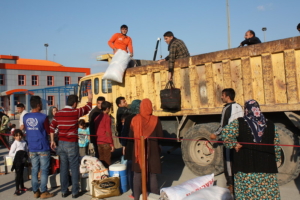
Child poverty in the Marshall IslandsThe Marshall Islands are roughly between Hawaii and Australia in the Pacific Ocean. Child poverty in the Marshall Islands has been an issue that usually is ignored by the global community. Most children living in these islands face significant challenges in achieving adequate development due to limited access to health care. Poor education, maternal health challenges and malnutrition (35%) are some of the most common factors when talking about child poverty in the region.

Maternal Health Challenges

Maternal health care challenges and child poverty are closely related in the Marshall Islands. Limited access to efficient maternal health services harms health outcomes for both mothers and children. Children who are born from mothers who do not receive proper prenatal and postnatal care are at a higher risk of experiencing health issues, stunting and developmental delays. As a consequence, they are not able to do regular activities as any other children.

The lack of education on proper contraception contributes to a higher likelihood of unintended pregnancies, resulting in various health and economic challenges. A study conducted by the University of Arkansas on women in the Marshallese community living in Arkansas found that many mothers fear the adverse effects of contraception, leading them to reject contraceptive methods.

Education

Poverty significantly restricts children’s access to education in the Marshall Islands, particularly in rural areas where schools are often far from their homes. Limited learning materials, inadequate school infrastructure and a shortage of qualified teachers contribute to the low quality of education. As a result, many children discontinue their schooling to work and support their families, perpetuating the cycle of poverty.

Malnutrition

Malnutrition is another significant consequence of poverty affecting children in the Marshall Islands. According to a 2017 joint study by the Marshall Islands government and the United Nations Children’s Fund (UNICEF), highlighted by the World Bank Group in 2020, 35% of Marshallese children younger than 5 suffer from stunted growth due to malnutrition. This statistic is particularly alarming, even compared to other Pacific Island nations facing challenges related to poor nutrition and the high costs of imported goods.

What Is Being Done?

The government of the Marshall Islands, in collaboration with UNICEF, is implementing programs to improve health care and combat malnutrition. Efforts are focused on enhancing access to education and health care services. Mobile clinics and educational initiatives are being introduced to ensure that most children on the islands can benefit from these programs.

Additionally, the Early Childhood Development Project, launched by the World Bank in April 2019, directly addresses these issues. This $13 million initiative is funded by the International Development Association (IDA) in collaboration with the Republic of the Marshall Islands Government and UNICEF. The programs aim to improve health and nutrition, enhance early education and support families in creating a nurturing environment for their children. Additionally, evaluations and monitoring will be implemented to ensure the success and impact of the projects.

Conclusion

Addressing child poverty in the Marshall Islands requires a multifaceted approach involving local and international collaboration. Significant strides are being made to improve the living conditions and the future of children in the region. Indeed, initiatives like the Early Childhood Development Project and various programs improving nutrition, health care and education are making significant steps forward. Continued support and innovative solutions will be essential in ensuring that every child in the Marshall Islands has the opportunity to thrive and reach their full potential.

– Maria Urioste

Maria is based in Maspeth, NY, USA and focuses on Good News for The Borgen Project.

Photo: Flickr
September 28, 2024
https://borgenproject.org/wp-content/uploads/borgen-project-logo.svg 0 0 Hemant Gupta https://borgenproject.org/wp-content/uploads/borgen-project-logo.svg Hemant Gupta2024-09-28 07:30:202026-04-16 09:59:48Child Poverty in the Marshall Islands
Developing Countries, Global Poverty, Health

Algeria: Public Health Strategy to Combat Antimicrobial Resistance

Antimicrobial ResistanceOn September 9, the World Health Organization (WHO) published Algeria’s updated National Action Plan, which aims to target antimicrobial resistance (AMR) as a critical threat to public health. The report offers an overview of previous achievements and identifies the next stage of solutions to be implemented from 2024 to 2028.

Antimicrobial Resistance

AMR is the ability of a pathogen to withstand treatment, complicating the targeting of infections caused by fungi, viruses and other microbes. According to Health Data Source, approximately 3,400 deaths in Algeria were directly attributed to AMR. Furthermore, a total of 13,600 deaths were associated with related health complications.

Globally, health care professionals find that the mutation of microbial and bacterial diseases often outpaces the development of new and effective treatment options. Antimicrobial medicines offer protection against infections and viruses during medical procedures and treatments. However, pathogens usually develop immunity to these procedures, increasing the risk of infection and risking the spread of disease.

Populations Affected by Antimicrobial Resistance

The WHO identifies humans, animals and agriculture as the primary organisms endangered by AMR. The spread of resistant pathogens threatens food safety and the integrity of food supply networks. These pathogens and bacteria, resistant to medical treatments, can proliferate within human and animal populations. Indeed, they become increasingly dangerous with each mutation.

Inequities in access to health care and services make women particularly vulnerable to AMR pathogens. Cultural perceptions of women, along with biases held by health care providers, often lead to delays in the quality of care and services they receive during medical visits. Many women face exposure to unsafe and contaminated environments in their daily activities. For instance, as the primary water collectors in their households, Algerian women risk contracting fungi or viruses from contaminated water sources.

On a positive note, Algerian women are among the most likely to seek medical advice for personal and family health concerns. To address these issues, Algerian officials, along with the global community, are working to enhance the infrastructure of their health care system to tackle AMR-related health conditions.

Algeria Proposes an Updated Action Plan

Algeria will focus on monitoring cases of treatment-resistant bacterial infection to prevent the rapid spread of disease among people, livestock and the food supply. The updated strategy would provide more data for preparing and launching health initiatives and research. Algeria’s newest goals coincide with the One Health system, a collection of health care principles embraced by nations worldwide. The One Health campaign organizes the management of infectious diseases into five divisions:

  1. Surveillance and Disease Intelligence
  2. Emergency Preparedness and Response
  3. Laboratory Systems
  4. Public Health Institutes and Research
  5. Disease Control and Prevention

This organization allows for better tracking of infectious diseases and regulating efforts to implement solutions before major medical emergencies arise.

Goals

The following goals summarize the Algerian government’s participation in reducing the threat of AMR in global communities:

  • Create awareness campaigns about the issue of Antimicrobial Resistance. Additionally, educate the public at the grade school, collegiate and professional levels.
  • Implement a training program for health care, veterinary and agricultural workers.
  • Create better surveillance and data reporting networks to monitor the issue of antimicrobial resistance.
  • Better equip laboratories as centers for research and observation of antimicrobial resistance.
  • Develop and promote treatment options that can serve as alternatives to antimicrobial medications.
  • Establish a system to monitor antibiotic consumption.
  • Prevent and control infection in neonatal settings by updating known hygienic protocols, promoting breastfeeding for new mothers, revisiting the issue of mother-fetus infection and more.
  • Prevent and control community infections by promoting rapid tests for bacterial blood; include private doctor offices, laboratories and hygienic clinics in antimicrobial research.
  • Establish a therapeutic standard on the issue of antimicrobial resistance.
  • Establish a community-based monitoring system for local developments in AMR.
  • Prevent and control infections at the farm level.
  • Create a ranking system for the critical stages of AMR and establish an antimicrobial committee accessible to local Wilaya hospital committees and the private sector.
  • Monitor antimicrobials in human and veterinary health.
  • Develop a therapeutic recommendation for the treatment of AMR in human medicine.
  • Develop a good practice guide for the use of antimicrobial medicines in veterinary settings.
  • Strengthen regulations and training around the use and availability of antimicrobials.
  • Create a documentation system for antimicrobial research and develop financing.
  • Develop research collaborations with universities and create international and national partnerships.
  • Create committees and oversight groups to monitor the implementation of the antimicrobial action plan and develop funding for AMR research.

These goals will promote research campaigns dedicated to understanding, tracking and controlling the transmission of diseases prone to AMR.

Final Note

Combating AMR bacteria will prepare the medical community to limit the spread of complex diseases, protecting a population of 42 million. While the updated program is in the early stages, the Algerian government has committed to partnering with public and private institutions to educate communities nationwide and to ensure long-lasting results.

– Karina Dunn

Karina is based in Mesquite, TX, USA and focuses on Global Health for The Borgen Project.

Photo: Flickr
September 27, 2024
https://borgenproject.org/wp-content/uploads/borgen-project-logo.svg 0 0 Hemant Gupta https://borgenproject.org/wp-content/uploads/borgen-project-logo.svg Hemant Gupta2024-09-27 03:00:512024-09-27 02:20:04Algeria: Public Health Strategy to Combat Antimicrobial Resistance
Africa, Developing Countries, Global Poverty

Maternal Support in Ghana

Maternal Support in GhanaResearch by Economic and Social Research Council-funded doctoral student Winfred Dotse-Gborgbortsi examined how travel time to vital health facilities and the quality of obstetric services affect women’s access to high-quality maternal health care in Ghana. His study, which used spatial analysis to integrate health facility databases with routine health data for more than 40,000 women in more than 150 facilities across 33 districts in Eastern Ghana, revealed disparities in the provision of skilled obstetric care.

In this region, 95% of the required hours for obstetricians and gynecologists were unmet, highlighting the significant gap between the care women need and what is available. Dotse-Gborgbortsi says: “My use of disaggregated data highlights the danger of national estimates, which can mask regional and district shortages of the most skilled health care staff.”

Since this research was conducted, it has contributed to addressing the geographic inequalities women face in accessing birth services and maternal support in Ghana. Despite expanding primary care facilities, the study suggests that improving the quality of health care services, rather than simply increasing the number of nearby facilities, is essential for increasing the uptake of skilled birth attendance and enhancing maternal health outcomes. Therefore, here are some organizations providing maternal support in Ghana.

Amref Health Africa

Amref Health Africa is enhancing maternal health by supporting women in giving birth safely and with dignity. The organization employs various strategies to improve maternal support and related issues in Ghana, including training and supporting midwives through in-person and online training to upskill their current roles. Additionally, Amref trains community health workers to provide local communities with advice and information on available support and how women can access it.

The organization also incorporates sexual and reproductive health into its maternal health programs, empowering women to make informed choices about family planning and contraception. Furthermore, Amref advocates at the highest levels for increased investments in maternal health care, including a significant rise in trained midwives and nurses available to support women throughout their pregnancies.

Eni Foundation

The Eni Foundation supported a Ghana health care project to improve primary medical services for mothers and children. The project focuses on enhancing staff’s medical and management skills, developing infrastructure and increasing community knowledge of hygiene, health issues and healthy living to serve mothers and children better.

The foundation’s aims are divided into four categories:

  1. Community Level: Expanding essential maternal and child health services in eight underserved areas, including large-scale vaccination programs and educational initiatives.
  2. Sub-District Level: Enhancing maternal and child medical services and emergency obstetric and neonatal care in 10 health centers.
  3. District Level: Improving key inpatient and outpatient maternal and child services at two district hospitals, particularly in emergency obstetric and neonatal care (including surgery).
  4. District and Regional Level: Strengthening health care management through improved data collection, planning, monitoring and assessment of health care programs, training medical staff and teaching at nursing colleges.

Maternal Rights

Maternal Rights is a nonprofit organization dedicated to improving pregnancy, childbirth and postpartum outcomes for marginalized women. Through advocacy, education and access to resources, the organization aims to enhance maternal and infant health and reproductive and sexual health. Maternal Rights collaborates with local health facilities and communities in Ghana to enhance maternal health care in low-resource settings.

The organization offers volunteering opportunities for individuals to become agents of change and make a difference. It strives to amplify the suppressed voices of women and children in underprivileged communities and provide collaboration opportunities and partnerships to improve the quality of life for women and children.

Final Note

Pregnancy and childbirth pose significant risks to women and girls in sub-Saharan Africa. In Ghana, most women have their first child by age 22, making maternal support initiatives crucial for the health and well-being of the population. Organizations like Amref Health Africa and the Eni Foundation enhance health care services and train local health workers, while Maternal Rights amplifies the voices of marginalized women and provides access to vital resources. Together, these initiatives aim to ensure safer pregnancies and better maternal and child health outcomes in the country.

– Sadie Virgin

Sadie is based in Newport, South Wales, UK and focuses on Good News for The Borgen Project.

Photo: Flickr
September 26, 2024
https://borgenproject.org/wp-content/uploads/borgen-project-logo.svg 0 0 Hemant Gupta https://borgenproject.org/wp-content/uploads/borgen-project-logo.svg Hemant Gupta2024-09-26 07:30:572024-09-26 05:40:01Maternal Support in Ghana
Developing Countries, Global Poverty

Child Marriages in Malaysia: Tradition, Law and Reform

Child Marriages in MalaysiaMalaysia, an up-and-coming developing country that has fought its way through Portuguese, Dutch and British colonization from 1511 to 1824. It is also recognized as one of the 17 megadiverse countries, rich in natural heritage and biodiversity. Despite its progress toward modernization, Malaysia has seen an alarming increase in child marriages.

Law

Countries like Iraq, Pakistan, Saudi Arabia, Iran and Malaysia all have one thing in common: the Shariah jurisdiction, which is a form of religious law that is based on Islamic scriptures. The Shariah jurisdictions are split into three different systems:

  1. Classic Shariah system: Sharia law serves as the national law and the judiciary is often overseen by a monarch, as seen in Saudi Arabia, Iran and Brunei.
  2. Secular system: Shariah courts handle only personal affairs and have no authority over the country’s legal system, as in Indonesia, India and Nigeria.
  3. Mixed system: The most common system, where the national legal system coexists with Shariah jurisdiction over specific areas such as marriage, divorce, child custody, dress code and alcohol consumption.

While the jurisdiction of religious laws may appear suitable in some contexts, certain practices may be seen as extreme. For example, in 2019, Brunei’s Sharia jurisdiction introduced a new penal code that mandates death by stoning for offenses such as blasphemy, apostasy, sodomy and insults to Islam.

Correlations

The correlation between child marriages and Sharia courts lies in the fact that Sharia jurisdictions often bypass the legal age requirement for marriage, putting many vulnerable children at risk. One of the most common reasons for child marriages is financial hardship, leading parents to arrange marriages for their children in hopes of securing their future. Unfortunately, this often results in children missing out on their childhood and education and possibly facing abusive relationships.

According to the United Nations Children’s Fund (UNICEF), a total of 1,856 children were married in 2018, 1,372 of whom were female and 170 of whom were male, making 83% of such marriages under the Muslim faith. Unfortunately, according to data from the Shariah Judiciary Department of Malaysia, the approval rate for underage marriage during 2005–2015 was around 82%, with the Law Reform Act 1976 (LRA) unable to detest the Shariah court, allowing the lives of 1,856 children and many more in danger.

Reform

In response, Malaysia’s Ministry of Women, Family and Community Development has launched the National Strategy for Addressing the Causes of Child Marriages, which will run from 2020 to 2025. The plan includes six factors, such as low household income, lack of education and negligent laws. It aims to provide social protection for low-income households, improve access to sexual reproductive health and parenting education, increase school attendance and address stigma around child marriage in communities. The strategy also calls for stricter laws to prevent underage marriages and ensure accurate data on marital status.

This strategic plan has already shown positive results, reducing the number of child marriages in Malaysia from 1,856 in 2018 to 1,042 in 2021, a reduction of approximately 44%. Although there’s still much work to be done, more nongovernmental organizations are collaborating to put an end to child marriage ultimately.

– Rayden Lim Jun Ee

Rayden is based in Tropicana, Petaling Jaya, Malaysia and focuses on Global Health for The Borgen Project.

Photo: Flickr
September 24, 2024
https://borgenproject.org/wp-content/uploads/borgen-project-logo.svg 0 0 Hemant Gupta https://borgenproject.org/wp-content/uploads/borgen-project-logo.svg Hemant Gupta2024-09-24 01:30:202024-09-24 01:03:33Child Marriages in Malaysia: Tradition, Law and Reform
Page 9 of 157«‹7891011›»

Get Smarter

  • Global Poverty 101
  • Global Poverty… The Good News
  • Global Poverty & U.S. Jobs
  • Global Poverty and National Security
  • Innovative Solutions to Poverty
  • Global Poverty & Aid FAQ’s
Search Search

Take Action

  • Call Congress
  • Email Congress
  • Donate
  • 30 Ways to Help
  • Volunteer Ops
  • Internships
  • Courses & Certificates
  • The Podcast
Borgen Project

“The Borgen Project is an incredible nonprofit organization that is addressing poverty and hunger and working towards ending them.”

-The Huffington Post

Inside The Borgen Project

  • Contact
  • About
  • Financials
  • President
  • Board of Directors
  • Board of Advisors

International Links

  • UK Email Parliament
  • UK Donate
  • Canada Email Parliament

Get Smarter

  • Global Poverty 101
  • Global Poverty… The Good News
  • Global Poverty & U.S. Jobs
  • Global Poverty and National Security
  • Innovative Solutions to Poverty
  • Global Poverty & Aid FAQ’s

Ways to Help

  • Call Congress
  • Email Congress
  • Donate
  • 30 Ways to Help
  • Volunteer Ops
  • Internships
  • Courses & Certificates
  • The Podcast
Scroll to top Scroll to top Scroll to top