• Link to X
  • Link to Facebook
  • Link to Instagram
  • Link to TikTok
  • Link to Youtube
  • About
    • About Us
      • President
      • Board of Directors
      • Board of Advisors
      • Financials
      • Our Methodology
      • Success Tracker
      • Contact
  • Act Now
    • 30 Ways to Help
      • Email Congress
      • Call Congress
      • Volunteer
      • Courses & Certificates
      • Be a Donor
    • Internships
      • In-Office Internships
      • Remote Internships
    • Legislation
      • Politics 101
  • The Blog
  • The Podcast
  • Magazine
  • Donate
  • Click to open the search input field Click to open the search input field Search
  • Menu Menu

Archive for category: Developing Countries

Information and stories about developing countries.

Developing Countries, Global Poverty

Rural Poverty in Lesotho

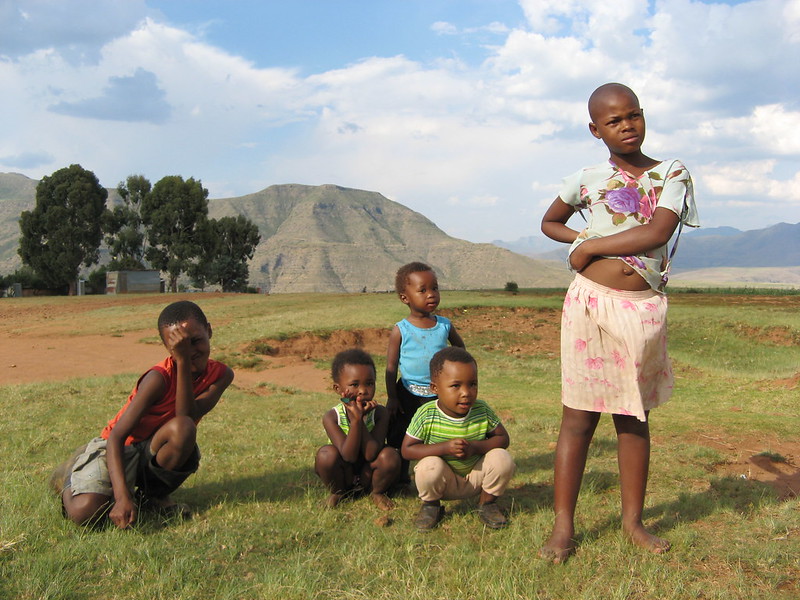
Rural Poverty in Lesotho Lesotho is one of the poorest countries in Africa. About 33.9% of the population lives below the international poverty line of $2.15 a day, while 56.2% lives on less than $3.65 a day. Despite having natural resources like diamonds and mineral deposits and a high literacy rate of 79.4%, widespread poverty persists. This is largely due to corruption, high unemployment and dependence on imported goods. In rural areas, these challenges are more severe. Around 70% of Lesotho’s population lives in rural areas, where 60% experience poverty. In the rural highlands, approximately 68% of people lived in poverty in 2017, a more than eight percentage point increase from 2002, making rural poverty a growing concern for NGOs and humanitarian groups.

Food Insecurity in Rural Communities

Lesotho’s reliance on imported goods—reflected in a trade deficit of 52%—limits the availability of essential products. The COVID-19 pandemic and the war in Ukraine worsened global agricultural prices, making food even harder to access for those living below the poverty line. In rural areas, the mountainous terrain restricts farming. As a result, only 40% of Lesotho’s farming households maintain a stable food supply. This has left 293,000 rural residents, 19% of the rural population, in a state of severe food insecurity.

Barriers to Education

Despite a high literacy rate, rural poverty in Lesotho persists due to a lack of educational resources. In rural areas, only one in five boys and one in four girls complete secondary Grade 12. Underachieving in school can be traced back to the stunted growth that affects many children in Lesotho, with 35% of all children between the ages of 0-5 having their growth stunted by a lack of food. This gives rural children little preparation for education, which they can never recover from. For girls, a teenage pregnancy rate of 17.8% nationally and 25% for those in rural areas means many have no choice but to drop out of an education system that cannot support them while they give birth. This is symptomatic of Lesotho having one of the highest inequality rates in the world. Many schools in Lesotho shut down during the pandemic and never reopened, leaving almost 500,000 children without access to learning.

Health Care Access Remains Limited

Studies have found that affordable health care remains out of reach for most rural citizens in Lesotho. Around 60% of rural residents say that they cannot afford basic health care, while 25% of residents lack any awareness of what health insurance schemes are available. There is no government mechanism to support them, so these people are left in the dark about health care options. Only 35% report having a clinic nearby. Those who do seek care often encounter long wait times, medicine shortages and poorly equipped facilities. As a result, 50% of surveyed residents said they would forgo treatment entirely when facing a medical issue.

Hope Through Investment

Lesotho often goes unnoticed in global poverty discussions, but targeted efforts are making an impact. Food insecurity remains a top concern. To address this, the International Fund for Agricultural Development (IFAD) invested $64.3 million in seven programs aimed at strengthening food systems. These projects support improved farming techniques, irrigation development and decentralized governance. So far, 80,000 households have benefited. These ongoing efforts mark an important step toward ending rural poverty in Lesotho.

– Felix Hughes

Felix is based in Surrey, UK and focuses on Politics for The Borgen Project.

Photo: Flickr
June 3, 2025
https://borgenproject.org/wp-content/uploads/borgen-project-logo.svg 0 0 Precious Sheidu https://borgenproject.org/wp-content/uploads/borgen-project-logo.svg Precious Sheidu2025-06-03 01:30:422025-06-03 01:25:03Rural Poverty in Lesotho
Developing Countries, Development, Global Poverty

Community-Led Development in Tanzania: Transforming Lives

Community-Led Development in TanzaniaTanzania is a country with stunning landscapes and a rich cultural heritage. It has become an example of how community-driven development can successfully tackle poverty. Recent statistics show that approximately 26.4% of the population lives below the national poverty line. Rural communities are at risk because they have limited access to essential services like clean water and education. Some significant changes occurring on the ground involve community-led development in Tanzania, devising creative solutions to transform lives through local initiatives, improving life in rural areas and establishing sustainable methods to escape poverty.

VSLAs: Driving Internal Financial Growth

In rural Tanzania, formal banking services are restricted, leaving numerous communities distant from conventional financial institutions. Village Savings and Loan Associations (VSLAs) have effectively addressed this void, transforming economic inclusion, especially for women. The VSLA model is a simple yet highly effective approach. In this system, groups of 15 to 40 local community members, predominantly women, meet regularly to save small amounts of money, after which the total savings and any profits from loans are shared among the members.

The impact extends beyond individual success stories. VSLAs promote shared ownership, transparency, effective governance, inclusiveness and organized savings and lending. Members can lend money to other farmers. Borrowers must repay the loan within a set timeframe and contribute interest to the group’s savings. At the end of each cycle, members receive back their savings and a share of the interest earned on the loans.

In the latest savings round, 112 VSLA groups saved 80 million Tanzanian Shillings ($32,000) in just nine months. Members use these savings to invest in their futures, start businesses, repair homes, cover medical costs and pay for education. More importantly, the model builds financial literacy, entrepreneurial skills and social capital that sustain poverty reduction beyond any single loan or project.

Participatory Forest Management

Since 2001, the Nou Joint Forest Management Project (JFM) has been a conservation effort in Tanzania’s Manyara Region. Its goal is to safeguard the 320 sq km Nou Forest, which sustains 28 permanent rivers and impacts the livelihoods of more than 200,000 individuals. This initiative tackles forest degradation caused by shifting agriculture, population increases, illegal logging and unmanaged grazing. The approach utilizes Participatory Forest Management (PFM), fostering collaboration between government bodies and local communities to protect forest resources.

Tanzania’s Forests cover approximately 38.8 million hectares, supporting biodiversity while providing critical resources to rural communities. Historically, these forests faced degradation through unsustainable harvesting and agricultural expansion. PFM, an innovative, community-led development in Tanzania, transfers management rights and responsibilities to local communities.

The World Land Trust’s 2021 appeal to save Tanzania’s coastal forest is a notable conservation achievement. Within five weeks, the campaign garnered $541,760 from international donors, exceeding its initial goal of $487,584. Immediate action was needed to protect the coastal forests of Lindi District in southern Tanzania, which face urgent threats from expanding roadways and commercial cashew and sesame plantations.

The appeal’s success has enabled Tanzania Forest Conservation Group (TFCG) to launch immediate conservation action in partnership with local communities. The funding supports comprehensive protection efforts, including enhanced reserve patrolling, wildlife monitoring programs and vital research initiatives. Most importantly, the additional money raised allows TFCG to expand its conservation impact further, providing these fragile coastal ecosystems with the robust protection they need.

The Path Forward

The UNESCO-Alwaleed Philanthropies project embodies an innovative approach to community-led development in Tanzania. It recognizes that culture and the arts can be powerful tools for education and economic empowerment. The core concept involves integrating cultural heritage and artistic practices into Technical and Vocational Education and Training (TVET).

This approach ensures that students do not merely acquire skills; they gain abilities rooted in their cultural identity, which can aid in preserving traditional practices while fostering modern livelihoods. From 38 applications, UNESCO carefully selected projects demonstrating the most substantial potential to blend cultural preservation with practical skill development. Each selected initiative receives up to $10,000 as funding and as seed money to prove that culture-based vocational education can create sustainable business and employment opportunities.

This project is part of a broader effort to promote the economic and social value of cultural heritage and institutions in Tanzania. The initiatives foster collaboration on both local and national levels, aiming to empower youth, women and underprivileged groups while ensuring that Tanzania’s vibrant culture remains influential and thrives in today’s world.

– Vanuza Antonio

Vanuza is based in London, UK and focuses on Good News and Global Health for The Borgen Project.

Photo: Flickr
June 2, 2025
https://borgenproject.org/wp-content/uploads/borgen-project-logo.svg 0 0 Hemant Gupta https://borgenproject.org/wp-content/uploads/borgen-project-logo.svg Hemant Gupta2025-06-02 01:30:412025-06-02 00:25:46Community-Led Development in Tanzania: Transforming Lives
Developing Countries, Development, Global Poverty, Technology

Digital Poverty in the Least Developed Countries

Digital Poverty in the Least Developed CountriesMillions are being left behind in the digital age, as digital poverty in the least developed countries becomes ever more entrenched in global society. As the world sees its’ fourth industrial revolution, the United Nations’ list of the 46 Least Developed Countries (LDCs) is seeing a growing digital divide. Just under a fifth of the world’s population lives in the least developed countries, and yet almost 70% of the collective LDC population still does not have access to the internet.

Background

Digital poverty in the least developed countries could deepen global socio-economic inequalities and exclude those living in LDCs from fully participating in the global economy. Digital poverty is also holding the growth of business back; in Senegal, 80% of people cannot use the internet for work, and in Rwanda this jumps to 99%. Elsewhere, in the LDCs of Mozambique, Tanzania and Uganda, only 10% of businesses have a computer.

As new technologies develop at an exponential rate in more developed countries, LDCs are left outpaced. For example, 5G mobile networks are becoming commonplace in more developed countries, whilst LDCs are still only able to work with 2G and 3G networks, according to the U.N. This digital gap reinforces disparities in education, employment, and economic growth. However, efforts are underway to understand the facts that contribute to digital poverty in least developed countries and to bridge the digital divide.

About Digital Poverty

Digital poverty refers to restricted or no access to digital resources such as the internet, computers and mobile phones. It also encompasses digital illiteracy, where individuals lack the skills or education necessary to utilize online tools effectively. Digital poverty exists on a spectrum—while some individuals may have limited access, others do not have access to technological advancements at all.

Globally, 3.7 billion people lack access to or do not use the internet, with sub-Saharan Africa particularly affected. Digital poverty disproportionately affects vulnerable populations, including women, the elderly, and those with lower education levels.

Key contributing factors to digital poverty include:

  • High Costs: Internet services and devices remain unaffordable for many in LDCs.
  • Infrastructure Gaps: Unreliable electricity and insufficient ICT infrastructure hinder internet expansion.
  • Limited Education: Many individuals lack the skills to navigate digital technologies or do not recognize the benefits of being online, according to Telecommunications Policy.
  • Content Accessibility: Many LDCs lack sufficient digital content available in local languages.

The Impact

The impacts of digital poverty can limit other aspects of a person’s life, including their earning potential. More than 80% of jobs that are middle-skilled, and therefore higher earning, rely on individuals having skills in technology and access to digital platforms and technology, according to the Institute of Electrical and Electronics Engineers (IEEE). Lower-skilled jobs, which do not have these requirements, tend to be lower paid. This results in a cycle of individuals in digital poverty taking on lower-income jobs, which further limits possible education, meaning that people cannot gain the digital skills they need to secure the higher-earning, digitally focused jobs.

In LDCs, this cycle could limit a nation’s economic progress, both in terms of its citizens’ economic opportunities and mobility, and in limiting an LDCs ability to partake as effectively in online trade, both nationally and globally.

Digital Poverty: Solutions

Amazon’s Project Kuiper is a low-cost satellite internet initiative that provides broadband access to underserved regions. Whilst precise costs are still not public, the project promises that its 3,232 satellite constellation will provide speeds comparable to 4G internet, addressing infrastructure limitations faced by LDCs.)

The UNDP commenced its Doha Program of Action (DPoA) in 2022, set to run through to 2031. The DPoA is a framework strategy which aims to accelerate digital accessibility in LDCs through five key steps, including early engagements with governments, tailoring digital solutions that “work for everyone,” creating result-driven roadmaps, improving technical capacities and sharing skills and expertise through archives and assemblies.

Whilst the DPoA is still in its’ formative years, initiatives like this, which focus on policy development, equitable digital solutions, and infrastructure expansion, in collaboration with governments, NGOs, academia, and private companies, have previously been successful.

Digital Literacy Workshops

In Bangladesh, the UNDP facilitated digital literacy workshops for female entrepreneurs, boosting their ability to generate income. Similarly, in Nepal, the UNDP collaborated with a local bank firm to equip women from rural areas with the knowledge of how to partake in online transactions.

UNDP reports on its website that an initiative in Afghanistan improved and expanded a digital payment system, which resulted in a growth in financial inclusion and the synchronization of financial services. These success stories demonstrate how global collaboration can boost access to the digital age and enhance local economies.

The Future

Bridging the digital divide extends beyond simple internet access—it directly impacts global poverty reduction. Improved internet access enables entrepreneurship and job creation while allowing individuals to access essential financial services. More than 25% of the global population lacks access to banking, restricting economic mobility, but with the right initiatives, this can change.

Expanding digital access could improve economies by enhancing trade, education and health care. Closing the digital divide could foster international economic growth, benefiting both developing and developed nations.

Closing the digital divide is not a challenge that any single country can solve alone—it requires global collaboration and, when used the right way, technology can even be a part of the solution. While recent technological initiatives provide hope, sustained investment in digital infrastructure, policy reform, and education will be necessary to ensure long-term success.

– Amber Lennox

Amber is based in Suffolk, UK and focuses on Technology and Solutions for The Borgen Project.

Photo: Flickr
May 28, 2025
https://borgenproject.org/wp-content/uploads/borgen-project-logo.svg 0 0 Naida Jahic https://borgenproject.org/wp-content/uploads/borgen-project-logo.svg Naida Jahic2025-05-28 07:30:502025-05-28 03:23:31Digital Poverty in the Least Developed Countries
Developing Countries, Global Poverty

A Framework for Change: Akokán Fighting Poverty Through Art

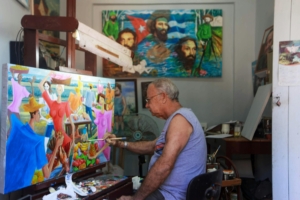
AkokánIn the heart of Havana is a mural of a small boy, his face covered with a bandana, watching over the streets of the old town. As the colonial buildings are collapsing around him, it is difficult not to feel empowered by the boy’s innocent yet vigilant eyes and the word “CORAJE” featured above his head.

While Cuba has a history of overcoming challenges, these challenges have become more and more frequent in recent years. Since the pandemic in 2019, the Cuban economy has struggled to bounce back, with inflation recently estimated to be at 30%. However, spiralling prices are not the only worry for Cubans. Powerful storms regularly hit the island, leading to blackouts due to the outdated Soviet-era power grids. As such, food insecurity has become a big concern on the island, with some estimating that as much as 37.8% of the population is food insecure.

The sugar industry, for example, has declined significantly since 1959, with more than 160 mills reduced to just 20 in 2024. This has resulted in the island importing a product it once dominated. And, with a population of 8.62 million (2023) that shrank by 18% in just two years, brain drain and an aging population have significantly impacted economic output.

The Role of Art in Cuba

Since the Special Period in the 1990s, resilience has become a core element of Cuban identity. Despite recent government efforts to limit artists who seek to raise awareness about the economic difficulties on the island, art has become a vehicle for hope and innovation in Cuba.

What makes Cuban art distinctive is its tendency to use daily objects and turn them into thought-provoking works that deal with themes of struggle and paradox. Yoan Capote, for example, uses oil-based paints with fishing hooks to explore the theme of migration in Cuban culture and the dangers associated with crossing the sea.

Beyond the artwork, the galleries encompass the Cuban spirit of renewal, as the popular Fábrica de Arte (Vedado, Havana) demonstrated: a previously run-down cooking oil factory that became a gallery for emerging and established artists. The space stands as a source of hope for generations in Cuba as it celebrates artistic creation in an environment of economic downturn and struggle.

Akokán

Art is a source of hope and expression in times of difficulty in Cuba. However, some organizations have gone the extra mile to channel the island’s artistic wealth into the most marginalized communities. In 2016, a group of professors and students from the Colegio Universitario San Gerónimo in Havana formed a project called Akokán.

This historical, cultural and environmental project aims to bring out the creative potential of the people from Los Pocitos. Los Pocitos is a community on the outskirts of Havana that faces growing violence, unemployment, housing insecurity and a lack of public spaces. Across the enormous scope of meaningful projects Akokán has delivered, Dame una Mano (lend me a hand) uses urban art for social transformation and strengthening identity.

Additionally, Akokán holds an annual event in Los Pocitos, which celebrates the artistic and innovative achievements of the community.

A Framework for Change

Mass migration, food insecurity and poverty are just a few challenges Cuba faces today. However, a by-product of such a struggle is artistic excellence. What distinguishes Cuban art is its inherent capacity to adapt to societal needs by working with rather than against. Historically, during economic downturns, Cubans have found innovative ways to improve their daily lives. However, a sense of hope manifests through art, culture and conservation.

– Alfie Williams-Hughes

Alfie is based in Nottingham, UK and focuses on Business and Politics for The Borgen Project.

Photo: Pexels

May 24, 2025
https://borgenproject.org/wp-content/uploads/borgen-project-logo.svg 0 0 Hemant Gupta https://borgenproject.org/wp-content/uploads/borgen-project-logo.svg Hemant Gupta2025-05-24 07:30:422025-05-24 03:49:51A Framework for Change: Akokán Fighting Poverty Through Art
Agriculture, Developing Countries, Global Poverty

How IFAD Fights Rural Poverty in Honduras

Rural Poverty in Honduras
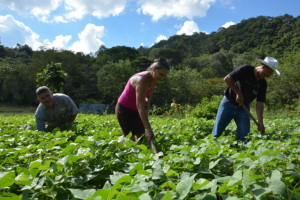
The International Fund for Agricultural Development (IFAD) and the Honduran government have cooperated for many years to fight rural poverty in Honduras. The country is largely agrarian, with every one in four citizens employed in agriculture, and is considered a low to middle-income country. With nearly half the population living on less than $6.15 a day, Honduras is the poorest country in Central America, and the second poorest behind Haiti in Latin America.

Adding to Honduras’s perennial issues are the frequent severe weather events and climate disasters that plague the country’s rural infrastructure. For instance, a 2019 drought decimated the land’s bean and corn crops, creating widespread food insecurity for Honduran citizens. The following year, hurricanes Eta and Iota affected more than 400,000 citizens and caused more than $2 billion in damage.

Since 1979, the IFAD has worked with Honduras to alleviate rural poverty, provide financing to rural farmers and build systems and infrastructure that support small, independent agriculture. This article will explore IFAD’s current program benefiting farmers, the Project for the Economic and Social Inclusion of Small Rural Producers in Northeast Honduras (PROINORTE) and the organizational framework, the Country Strategic Opportunities Programme (COSOP), that currently guides IFAD’s operations in Honduras. The article will also examine one of IFAD’s former successes in the country to demonstrate how COSOP and PROINORTE will help alleviate rural poverty in Honduras.

About IFAD

Founded in 1977 in response to global food shortages, IFAD is a United Nations (U.N.) agency dedicated to addressing rural poverty. The agency provides funding, training and investment to rural communities to strengthen small-scale agribusiness and the overall well-being of rural populations. IFAD partners with businesses, corporations, international organizations and governments to secure funding for grants and low-interest loans directed toward rural farmers.

IFAD is guided by its Country Strategic Opportunities Programme 2020-2025 (COSOP) in Honduras. COSOP is an institutional framework that outlines the rules of engagement for IFAD’s involvement in Honduras. It defines the specific areas where individual IFAD projects should concentrate their efforts and outlines the strategic objectives the organization aims to accomplish.

Specifically, COSOP lists two objectives that guide Honduran IFAD projects. The first focuses on increasing rural productivity and building sustainable food systems. This goal not only aims to help local rural farmers improve their business practices, but also strives to improve rural Honduran communities’ social and physical health. The second objective aims to boost rural employment in Honduras by helping producers access markets and funding.

PROINORTE: Building Small-Scale Farming Businesses

Under the guiding framework of COSOP, IFAD has created two projects to help reduce rural poverty in Honduras, the Project for Competitiveness and Sustainable Development in the South-Western Border Region (PRO-LENCA) and the Project for the Economic and Social Inclusion of Small Rural Producers in Northeast Honduras (PROINORTE). PRO-LENCA reached completion in 2023 and will be discussed in the next section below.

PROINORTE is the only IFAD program currently open in Honduras. The program operates in the northeast region of Honduras, where 59% of households live in poverty. Like its guiding framework, COSOP, PROINORTE aims to improve the productive and marketing capabilities of small rural farmers and to foster sustainable business practices and lifestyles in rural communities. Additionally, the program looks to help farmers build resilience against Honduras’ frequent climate disasters and economic volatility.

PROINORTE includes three areas of activity or “components.” Component 1 helps farmers develop organizational frameworks, build partnerships between businesses and producers, and bolster entrepreneurial agrarian activity. Meanwhile, component 2 provides financing and implementation of plans put forth by local producers and businesses. Component 3 monitors PROINORTE’s progress and ensures that goals are met.

PROINORTE, rather than providing emergency relief or assistance, works to develop small-scale, subsistence-level farms into functioning, free-market businesses. By providing professional training and investment, the project seeks to connect agrarian farmers with markets to sell their products, thereby increasing rural employment and living standards. The project has an estimated total cost of $46.48 million, with funding provided by the IFAD, the OPEC Fund for International Development, the Honduran government and local beneficiaries in Honduras.

Past Successes

To understand how PROINORTE will positively impact northeastern Honduran communities, it is important to examine IFAD’s past successes in the country. PRO-LENCA, a program similar to PROINORTE but located in the southwestern region of Honduras, wrapped up in 2023. Like PROINORTE, PRO-LENCA sought to reduce rural poverty in Honduras by investing in and developing local businesses and agriculture.

According to IFAD documents, PRO-LENCA was largely successful, benefiting 59,000 Honduran citizens and creating more than 1,800 jobs in the area. The program reached nearly all of the households it set out to help, with the incomes of these impacted households rising by almost 50%. Moreover, for every dollar invested in PRO-LENCA, $2.40 was created in economic benefits for rural Hondurans in the target region. Additionally, the project increased youth and female employment in southwest Honduras and decreased food insecurity.

Looking Forward

While it is too early to assess PROINORTE’s economic impact, the benefits that PRO-LENCA created paint a positive future. PRO-LENCA worked to build organizational capabilities and link rural businesses to consumer markets. The hope is that PROINORTE will repeat this program’s success in Honduras’ northeast region. Guided by COSOP, PROINORTE looks to continue IFAD’s track record of reducing rural poverty in Honduras. By helping rural farmers turn their small-scale agriculture into full-fledged businesses, PROINORTE will stimulate rural economies and help Honduran farmers build resilient food systems.

– Charles Citron

Charles is based in Boston, MA, USA and focuses on Business and Politics for The Borgen Project.

Photo: Flickr
May 22, 2025
https://borgenproject.org/wp-content/uploads/borgen-project-logo.svg 0 0 Hemant Gupta https://borgenproject.org/wp-content/uploads/borgen-project-logo.svg Hemant Gupta2025-05-22 01:30:422025-05-28 11:23:34How IFAD Fights Rural Poverty in Honduras
Charity, Developing Countries, Global Poverty

International Charities Working To Fight Poverty in Ethiopia

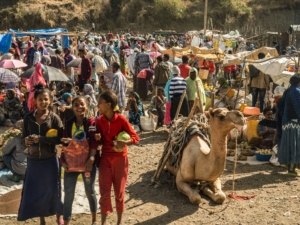
Poverty in EthiopiaNearly 70% of people live in multidimensional poverty in Ethiopia, with rural areas the worst affected. Multidimensional poverty encompasses various aspects of life, from food and job insecurity to poor health and living conditions. As such, Ethiopians suffer a crisis of circular poverty, with generations experiencing the same lack of access to clean water, education and life-saving health care. Due to the complexity of poverty in Ethiopia, international support and humanitarian aid play a vital role. Here are three of the international organizations working to make lasting change.

Mercy Corps

Mercy Corps has supported communities across Ethiopia since 2004. Its mission is to provide immediate, long-lasting support that will impact this generation and all those to come. Within 20 years, the organization has helped more than four million people in Ethiopia. Mercy Corps focuses its support on vulnerable communities, particularly marginalized Ethiopians such as women and those living in conflict-affected areas.

For many, support comes in the form of business skills acquisition, help in fostering market relationships and professional mentorship. Training and support like this are given to aid the building of stable economic opportunities throughout the country, allowing individuals to secure reliable employment and income streams.

Immediate support also plays a key role in Mercy Corps’ support, particularly in ensuring access to food for many Ethiopians. While some of its programs deliver agricultural support and climate-resistant seeds to rural areas, others provide immediate relief to Ethiopia’s impoverished people. This includes food deliveries and cash aid to allow families to purchase household necessities and ensure they have access to food.

Tikkun Olam Ventures (TOV)

TOV started with a two-year pilot program in Ethiopia, building upon decades of existing humanitarian work done by The American Jewish Joint Distribution Committee (JDC) across the country. The initiative aims to provide innovative Israeli technology to those still reliant on traditional farming methods and break the cycle of poverty in communities. Since then, tomatoes, onions and hot peppers have been grown using drip irrigation systems, fertilizers and hybrid seeds using this vital technology.

It’s estimated that two-thirds of those living in extreme poverty worldwide make their livelihoods from farming. This global reality is particularly staggering in Ethiopia, where agriculture is the largest economic sector, contributing 43% to the country’s gross domestic product (GDP). Despite its importance, many farmers, especially smallholder and family farmers, remain trapped in a cycle of poverty, relying heavily on their crops for both income and sustenance.

To ensure that farmers can continue improving crop yields and ensure food and income security, TOV has used funding from an Ethiopian bank to purchase technology, seeds and technical support. When loans are repaid, the money returns to the loan fund, allowing more farmers to receive the benefits of Israeli technology.

For-Ethiopia

For-Ethiopia aims to reduce poverty in Ethiopia through education and health services. It believes that real change begins with small developmental projects focused on the community and its residents. The organization’s support includes providing medical equipment and training to health centers and health posts to ensure that everyone has access to clean, sterile environments and experienced health care workers.

A key priority of its aid is responding directly to community needs. For example, when health care workers requested fridges, For-Ethiopia ensured they received them. For-Ethiopia believes ending poverty in Ethiopia begins with access to education and health care, including clean, sanitary water.

Just as it supports health care facilities with essential equipment, it also supplies schools with resources such as books, bathrooms with handwashing stations and more. It credits these efforts with a more than 20% increase in girls’ school enrollment.

For-Ethiopia is currently running the Women and Children First campaign, which focuses on reducing maternal and infant mortality rates in the country.

Conclusion

Organizations like Mercy Corps, TOV, and For-Ethiopia are making a significant impact in Ethiopia by addressing poverty through agriculture, education, and health care. Their work demonstrates that lasting change is achievable with global support and community-driven solutions.

– Macy Hall

Macy is based in Dover, Kent, UK and focuses on Good News for The Borgen Project.

Photo: Unsplash

April 12, 2025
https://borgenproject.org/wp-content/uploads/borgen-project-logo.svg 0 0 Hemant Gupta https://borgenproject.org/wp-content/uploads/borgen-project-logo.svg Hemant Gupta2025-04-12 01:30:522025-04-12 02:38:28International Charities Working To Fight Poverty in Ethiopia
Agriculture, Developing Countries, Global Poverty

Safi Organics Brings Sustainable Agriculture to Rural Kenya

Safi Organics Brings Sustainable Agriculture to Rural KenyaIn Kenya, 3 million farmers face high fertilizer costs, spending a combined $84 million each year on conventional products. Globally, rising fertilizer prices affect an estimated 237 million smallholder farmers. About 56% of Kenya’s population lives below the poverty line, with most people in rural areas relying on agriculture for their livelihoods. Poor soil quality limits productivity and quality fertilizer remains too expensive for many. Reports reveal that only 20% of Kenya’s land is suitable for cultivation. To address this, Safi Organics uses decentralized production of organic fertilizer as an affordable alternative that strengthens farmers’ incomes and improves soil health.

Safi Organics

Samuel Rigu and Joyce Kamande founded Safi Organics in 2015 to partner with local farmers in Kenya. After graduating from agricultural college, Rigu noticed that Kenyan farmers were burning farming waste like rice husks while the land decayed. He developed a method to make soil more productive using local materials. With partnership from MIT graduate Kevin Kung, they introduced a new process to convert agricultural waste into organic fertilizer, helping to improve long-term sustainability. Safi Organics created a decentralized business model where crop residues are locally processed into organic fertilizers, reducing transportation costs and empowering rural farmers economically.

The company employs rural farmers to help produce the organic fertilizer from agricultural waste. It also works with more than 35,000 farms across Kenya to expand access to sustainable farming practices. Its partnerships give farmers unique access to sustainable agricultural practices that help even the playing field of systemic inequality. 

Economic Impact for Farmers in Kenya

Farmers using Safi Organics fertilizer have seen a 30% increase in crop yields. About 600 farmers using the fertilizer reported a 50% rise in income. The fertilizer also reduces the need for expensive chemicals, allowing farmers to spend 60% to 70% less on fertilizer. Safi Organics has helped preserve more than 6,000 hectares of farmland and repurposed large volumes of waste, contributing to environmental sustainability in Kenya.

Challenges and Opportunities for Growth

Access to credit and financing remains a challenge for many farmers. This challenge makes it difficult for farmers to invest in the new technology that Safi Organics offers. Infrastructure in rural areas in Kenya is underdeveloped, increasing the cost of transport. The company provides more affordable options than international fertilizer providers. With greater outreach and further efforts to help the marginalized in the agricultural industry, the company could further expand awareness of sustainable farming practices. 

Safi Organics demonstrates how local agricultural innovation in Kenya can contribute to farmers’ poverty reduction. By transforming farm waste into affordable, eco-friendly fertilizer, the company improves crop yields, boosts incomes and creates employment for farmers in rural Kenya. As more rural farmers achieve financial independence, the benefits extend to their households and communities. With additional investment and strategic partnerships, Safi Organics could scale its impact, supporting sustainable development and economic inclusion.

– Divya Beeram

Divya is based in San Antonio, TX, USA and focuses on Technology and Politics for The Borgen Project.

Photo: Flickr
April 9, 2025
https://borgenproject.org/wp-content/uploads/borgen-project-logo.svg 0 0 Precious Sheidu https://borgenproject.org/wp-content/uploads/borgen-project-logo.svg Precious Sheidu2025-04-09 01:30:052025-04-07 13:41:42Safi Organics Brings Sustainable Agriculture to Rural Kenya
Developing Countries, Global Poverty

How Art Offers Relief from Stress Due to Poverty in Sierra Leone

How Art Offers Relief From Poverty-Related Stress in Sierra LeoneFrom the Ebola outbreak to the economic impacts of the COVID-19 pandemic, the people of Sierra Leone, a small West African country, confront poverty and related stress. Despite ongoing efforts to alleviate poverty through various development programs aimed at improving living conditions and well-being, the lack of accessible health care, education and employment continues to distress the country. Amid these tough conditions of low income and limited access to necessities, Sierra Leone’s art culture thrives as a crucial outlet for expression and community cohesion. Music and dance do more than entertain; they become narratives of personal and collective experiences, reflecting how Sierra Leoneans cope with poverty.

History

Sierra Leone’s underdevelopment has deep roots in the aftermath of the country’s 11-year civil war, one of the bloodiest wars in African history. Despite attempts at economic recovery post-civil war, the country was consistently rated as one of the world’s poorest countries, ranking third out of 20 impoverished countries in 2025. This immense conflict caused the loss of several lives and displacement, as well as disruption in the nation’s economy and infrastructure. 

Poverty in Sierra Leone

According to UNICEF, 60% of 8.8 million people live below the national poverty line and 13% live in extreme poverty conditions. Sierra Leoneans live on less than $1.90 daily, making the cycle of accessing education, food and safe water problematic to escape from. The northern region has a higher poverty rate and a lower rate in the West of Sierra Leone. The COVID-19 pandemic caused a decline in several citizens’ incomes and citizens who receive income from self-employment jobs, such as farmers, were hit the hardest. COVID-19 disrupted Sierra Leone’s poverty reduction actions and made people find different ways to make ends meet for their families. 

Culture of Artistic Expression

Some residents in Sierra Leone seek an escape route from reality by participating in the arts. Through the arts, individuals can express their emotions and tell their stories to reduce anxiety, ease depression and view problems from a different perspective. Coping with the trials of life, such as poverty, builds strength to communicate and manage feelings of hopelessness. Sierra Leone residents take pride in their culture, specifically the nation’s traditional musical instruments, such as the balangi and dance, such as the Bondo dance. The art culture allows the people of Sierra Leone to surround themselves with one another as a community to address communal values and social issues. 

The Arts and Poverty-Related Stress in Sierra Leone

Musicians are tackling the rise of poverty and related stress in Sierra Leone. While many believe Sierra Leone’s musicians have escaped poor living conditions, singer and songwriter Emmerson Bockarie uses his music to advocate for truth and justice in his country. “I stand with the people; I am with the country,” Bockarie said. In his single “No Easy Eh,” he sings, “Wi weh no born mit money/ less opportunity/ still wi wan be somebody/ e no easy eh.” Bockarie highlights the struggles of the youth population facing poverty-related stress in Sierra Leone, underscoring the enduring hardships that the country wants the government to address.

Spreading Hope for the Future

Art culture is a motivational characteristic of fighting poverty-related stress. It articulates social and economic concerns from the voiceless to government officials to rally local and international support for social shifts. Sierra Leonean artists assist the impoverished population and encourage the community to bond and nurture resilience during challenging circumstances. People feel emotional relief through art that endures the spirit of Sierra Leone, navigating their socio-economic landscape.

– Makayla Johnson

Makayla is based in Cary, NC, USA and focuses on Good News and Celebs for The Borgen Project.

Photo: Flickr
April 7, 2025
https://borgenproject.org/wp-content/uploads/borgen-project-logo.svg 0 0 Precious Sheidu https://borgenproject.org/wp-content/uploads/borgen-project-logo.svg Precious Sheidu2025-04-07 01:30:442025-04-07 03:40:27How Art Offers Relief from Stress Due to Poverty in Sierra Leone
Developing Countries, Global Poverty, Politics

President Luiz Inácio Lula da Silva: Reducing Poverty in Brazil

Reducing Poverty in BrazilBrazil’s president, Luiz Inácio Lula da Silva, also known as President Lula, has returned to lead the country after winning his third non-consecutive term in 2023. When he assumed office, Brazil’s poverty rate stood at 23.5%, based on the poverty line of $6.85 USD per day per capita. Within one year, President Lula managed to reduce poverty in Brazil to 1.7%. Although Lula’s leadership has driven significant progress in Brazil, he continues to face challenges.

Lula’s First Two Terms

On October 27, 2002, Luiz Inácio Lula da Silva secured election as Brazil’s president, becoming the first former laborer to achieve this role. During his first term, he tackled issues that burdened Brazil, such as income inequality, the minimum wage and economic record-keeping.

He launched social programs like Bolsa Família and enacted reforms to address these challenges. Despite these accomplishments, Luiz Inácio Lula da Silva faced criticism for neglecting education and crime as well as for a scandal involving his party’s illegal campaign funding.

In 2006, Lula triumphed in the presidential election again through two rounds of voting. His leadership fostered Brazil’s prosperity, symbolized by the selection of Brazil to host the 2016 Summer Olympics.

Under Lula’s guidance, Brazil thrived; however, constitutional limits prevented him from pursuing a third consecutive term. Consequently, Lula endorsed Dilma Rousseff to succeed him as Brazil’s leader.

Lula’s Absence From Office and Incarceration

Rousseff secured consecutive election victories, but during her second term in 2014, a corruption scandal implicated Lula, business owners and other Workers’ Party politicians. Over the next few years, dramatic events led to Lula’s incarceration and eventual release. Although Lula faced charges, the Supreme Court of Brazil annulled all accusations against him in 2021, clearing the way for his re-election bid.

Lula’s Reelection and Reconstruction of Brazil

In 2022, Lula campaigned against Jair Bolsonaro, a far-right politician who accelerated Amazon deforestation and mismanaged the COVID-19 pandemic, resulting in more than 600,000 deaths in Brazil. Lula emerged victorious in the election’s second round and began his third term.

Lula reinstated the policies he introduced during his first two terms. Since his return to office, 8.7 million Brazilians have moved above the poverty line. To illustrate this achievement, 10,875 individuals per day escaped poverty after Lula’s return.

Poverty reduction in Brazil is largely credited to Bolsa Família, the social program Lula initiated. Bolsa Família provides financial support to families in poverty on the condition that they ensure their children receive education and healthcare. Inspired by this program’s success, nearly 20 countries have adopted similar initiatives. Its broad reach is evident, as 42.7% of children aged 0-14 benefit from its provisions.

Unsolved Issues

Despite Brazil’s notable progress under Lula’s leadership, the country struggles with persistent racial inequality. Among Brazilians aged 15-29, 10.3 million remain unemployed and disconnected from education.

Of this group, 45.2% are black or brown women, and 23.4% are black or brown men. Altogether, 68.6% of this demographic identifies as black or brown.

What Lula and the Rest of the World Can Learn

Lula has undeniably advanced Brazil’s development during all three presidential terms. Brazil stands to benefit by maintaining Lula’s policies while expanding efforts to support disadvantaged populations, whilst reducing overall poverty in Brazil.

Brazil has already extended aid to previously underserved groups, as evidenced by Bolsa Família’s reach. Taking further steps to address the needs of marginalized communities could perfect the program’s impact.

For the world, Lula’s leadership and Bolsa Família serve as examples of effective governance. Nations facing similar challenges can adopt programs like Bolsa Família, which deliver substantial benefits with relatively simple implementation.

– Nicholas East

Nicholas is based in Ashby, MA, USA and focuses on Politics for The Borgen Project.

Photo: Wikimedia Commons

April 5, 2025
https://borgenproject.org/wp-content/uploads/borgen-project-logo.svg 0 0 Jennifer Philipp https://borgenproject.org/wp-content/uploads/borgen-project-logo.svg Jennifer Philipp2025-04-05 04:05:522025-04-05 04:05:52President Luiz Inácio Lula da Silva: Reducing Poverty in Brazil
Developing Countries, Global Poverty, Hunger

Hunger in Saint Vincent and the Grenadines

Hunger in Saint Vincent and the GrenadinesSaint Vincent and the Grenadines (32 eastern Caribbean islands and cays), a small island developing state, is a British Commonwealth parliamentary democracy, colonized in the 18th century. Slave-run plantations dominated the economy until slavery was abolished in 1834. Former slaves and immigrants provided labor until landowners abandoned estates in the early 1900s, leaving the liberated slaves to cultivate the land. Saint Vincent and the Grenadines progressed from an administrative unit of the Federation of the West Indies (1960-62) to autonomy and then finally to independence in 1979. Its population of just over 100,000 is primarily (71.2%) of African descent. 

Saint Vincent and the Grenadines is an agricultural economy, although over half of its population (54.3%) is urban. Its mountainous terrain is more than two-thirds forest, with less than 13% arable land. It is home to La Soufriere volcano, which last erupted in 1979, and in addition to volcanic eruptions is also threatened by hurricanes. 

Natural and External Challenges

In July 2024, the minister of agriculture for Saint Vincent and the Grenadines declared, “Saint Vincent and the Grenadines is on the brink of food insecurity. On average it has been hit by one natural disaster every year for the past five years, which has disrupted every food chain. We have experienced COVID-19, 32 volcanic eruptions, severe droughts and hurricanes.” June’s Hurricane Beryl, destroyed the country’s fisheries and lobster chain, affecting 95% of vessels and displacing a large percentage of producers and fisherfolk, along with destroying 98% of plantain and banana production. 

By October 2024, however, the World Bank reported that these natural and external disasters and shocks were followed by agricultural recovery and “robust performance” in tourism. Those improvements, along with the implementation of large-scale infrastructure projects, were driving economic growth. Despite high food prices, food security concerns decreased with a decrease in inflation, and the proportion of the population experiencing severe food shortages (no food, or skipping meals, for a whole day) had declined over the year. In addition, food-vulnerable households were supported by existing social programs, including safety net payments.

Agenda for Sustainable Development

In 2015, Saint Vincent and the Grenadines committed to the United Nations 2030 Agenda for Sustainable Development, along with the agenda’s 17 sustainable development goals. SDG 2 is Zero Hunger: end hunger, achieve food security and improved nutrition and promote sustainable agriculture. 

As of 2024, Saint Vincent and the Grenadines was assessed as having significant remaining challenges in meeting SDG 2, with its score “stagnating or increasing at less than 50% of the required rate.” The country was on track or maintaining its achievement only with regard to the prevalence of undernourishment and cereal yield, and its major challenge was in the prevalence of obesity. (Data were unavailable on three of the eight indicators.) 

Nutrition Targets

Saint Vincent and the Grenadines has implemented ten national food and noncommunicable disease policies, with targets related to six global nutrition targets. However, the 2022 Global Nutrition Report reported the country as “off course” in meeting all the global nutrition targets for maternal, infant and young child nutrition, no progress in reducing anemia of reproductive age women and insufficient data to assess several other targets. 

The FAO and Saint Vincent and the Grenadines

Saint Vincent and the Grenadines joined the United Nations Food and Agriculture Organization (FAO) in 1981. Initial support included capacity building, legislative development, formulation of policy and agricultural planning. Food security programs, technology transfer, market infrastructure and climate change resilience were later foci. Recent FAO contributions to the country have included technical support in 2022 to prepare and implement the country’s first agriculture census in 22 years and, in 2023, assistance to finalize a Fisheries Bill to manage the country’s fisheries resources. 

Global Alliance Against Hunger and Poverty

In October 2024, Saint Vincent and the Grenadines joined the Global Alliance Against Hunger and Poverty. The Global Alliance formally launched in November 2024 to serve as a platform “for the development, implementation, or expedited execution of public policies aimed at SDGs 1 and 2.” Joining the Alliance was Saint Vincent and the Grenadines’ commitment to collaborate with Alliance members in addressing solutions to hunger and poverty worldwide. This voluntary membership is significant in recognizing the global challenges of hunger and poverty and the importance of a collaborative and mutually supportive response to those challenges. 

– Staff Reports

Photo: Flickr

March 21, 2025
https://borgenproject.org/wp-content/uploads/borgen-project-logo.svg 0 0 Borgen Project https://borgenproject.org/wp-content/uploads/borgen-project-logo.svg Borgen Project2025-03-21 01:30:382025-03-20 03:28:41Hunger in Saint Vincent and the Grenadines
Page 5 of 157«‹34567›»

Get Smarter

  • Global Poverty 101
  • Global Poverty… The Good News
  • Global Poverty & U.S. Jobs
  • Global Poverty and National Security
  • Innovative Solutions to Poverty
  • Global Poverty & Aid FAQ’s
Search Search

Take Action

  • Call Congress
  • Email Congress
  • Donate
  • 30 Ways to Help
  • Volunteer Ops
  • Internships
  • Courses & Certificates
  • The Podcast
Borgen Project

“The Borgen Project is an incredible nonprofit organization that is addressing poverty and hunger and working towards ending them.”

-The Huffington Post

Inside The Borgen Project

  • Contact
  • About
  • Financials
  • President
  • Board of Directors
  • Board of Advisors

International Links

  • UK Email Parliament
  • UK Donate
  • Canada Email Parliament

Get Smarter

  • Global Poverty 101
  • Global Poverty… The Good News
  • Global Poverty & U.S. Jobs
  • Global Poverty and National Security
  • Innovative Solutions to Poverty
  • Global Poverty & Aid FAQ’s

Ways to Help

  • Call Congress
  • Email Congress
  • Donate
  • 30 Ways to Help
  • Volunteer Ops
  • Internships
  • Courses & Certificates
  • The Podcast
Scroll to top Scroll to top Scroll to top