• Link to X
  • Link to Facebook
  • Link to Instagram
  • Link to TikTok
  • Link to Youtube
  • About
    • About Us
      • President
      • Board of Directors
      • Board of Advisors
      • Financials
      • Our Methodology
      • Success Tracker
      • Contact
  • Act Now
    • 30 Ways to Help
      • Email Congress
      • Call Congress
      • Volunteer
      • Courses & Certificates
      • Be a Donor
    • Internships
      • In-Office Internships
      • Remote Internships
    • Legislation
      • Politics 101
  • The Blog
  • The Podcast
  • Magazine
  • Donate
  • Click to open the search input field Click to open the search input field Search
  • Menu Menu

Archive for category: Developing Countries

Information and stories about developing countries.

Africa, Developing Countries, Global Poverty

Rays of Hope Support Initiative: Path to Healthier Lives in Ibadan

Rays of Hope Support InitiativeNoncommunicable diseases (NCDs) have become a significant public health challenge in Nigeria, particularly in urban areas. Hypertension and diabetes, in particular, have seen a surge in prevalence, disproportionately affecting vulnerable populations. These conditions often lead to severe health complications, disability and premature death, exacerbating poverty and inequality.

Nigeria’s Silent Health Crisis: Hypertension and Diabetes

More than 20 million Nigerians are living and battling with hypertension silently, while more than 11 million live with diabetes. More than half of those affected by these silent killers are unaware of their health status. Even among those who are aware, many are not taking action. Those trying to seek care are hindered by economic challenges and unable to afford or access health care. As a result, they resign to their fate, waiting for the inevitable.

Nearly 30% of deaths in Nigeria, either at the hospital or at home, stem from NCDs. The nation’s potential brightest contributors are lost to these illnesses. The most vulnerable are hit hardest, as a lack of resources cuts their dreams short.

Rays of Hope Support Initiative

Rays of Hope Support Initiative (ROHSI) has been operational since 2017. Located in Ibadan, Oyo State, Nigeria. ROHSI is dedicated to combating the rising burden of NCDs in Ibadan and Nigeria, where it has been implementing innovative solutions to address these pressing issues. As an organization working within the NCD health space, ROHSI has focused on empowering vulnerable populations, such as older people, women and children, who are disproportionately affected by NCDs. This involves providing targeted interventions, addressing social determinants of health and ensuring equitable access to health care services.

The ROHSI team, since inception, has been working closely with local health care providers through collaboration and partnerships to ensure that individuals with NCDs, especially hypertension and diabetes, receive appropriate treatment and care. This includes providing access to essential medications and connecting patients with support services. Through its community-based health education initiative, the organization conducts regular health education programs to raise awareness about NCDs, especially hypertension and diabetes, their risk factors and preventive measures.

These sessions are tailored to the specific needs of the community, ensuring that information is accessible and understandable. Furthermore, the ROHSI early detection and screening program allows for timely intervention, reducing the likelihood of severe complications, therefore saving many lives from avoidable deaths.

Impact of Rays of Hope Support Initiative

ROHSI’s efforts have yielded significant results in improving the health and well-being of the community in Ibadan. It has educated more than 10,000 citizens on disease prevention with an emphasis on hypertension and diabetes. The organization has made an impact across three states, reaching more than 5,000 direct beneficiaries through free screenings and medication.

The nonprofit currently has a thriving online community with access to daily, up-to-date health tips. More than 1,500 members are part of its combined Facebook group, with thousands more across other social media platforms, where they access up-to-date information on health-related issues.

Many of ROHSI’s community members have reported a significant improvement in their quality of life as a result of the team interventions, including reduced symptoms, increased energy levels and greater independence.

Final Note

ROHSI has strengthened its community members’ resilience by empowering individuals to take control of their health and well-being. It has done so through daily health tips and free access to its medical team for guidance on health and wellness issues. The organization has advocated for favorable health policy changes from the Nigerian government and policymakers to address the root causes of NCDs and improve access to health care services in Nigeria. It does this by fostering partnerships and collaborations with like-minded local and international organizations.

– Staff Reports
Photo: ROHSI

November 15, 2024
https://borgenproject.org/wp-content/uploads/borgen-project-logo.svg 0 0 Hemant Gupta https://borgenproject.org/wp-content/uploads/borgen-project-logo.svg Hemant Gupta2024-11-15 01:32:162024-11-15 01:32:16Rays of Hope Support Initiative: Path to Healthier Lives in Ibadan
Developing Countries, Global Poverty, Housing Security

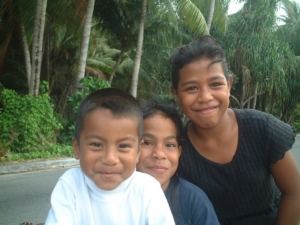
Boateng’s Plastic Bricks Offer Affordable Housing for Ghana

Affordable Housing for GhanaIn 2015, in Accra, the capital of Ghana, a devastating fire exacerbated by plastic pollution ended up killing 250 people. While this was a horrible accident, Nelson Boateng, the Chief Executive Officer of Nelplast, a big plastic-producing company in Ghana, took accountability and decided to start creating an impactful solution from this loss. He became inspired to invent and invest in bricks made out of shredded plastic and sand to mitigate the issues of plastic arising in Ghana.

This invention also helped save his company, as the Ghanaian government was considering a ban on single-use plastics due to health and safety hazards associated with plastic pollution. Boateng told “Africa Calling” podcast correspondent Zubaida Mabuno Ismail, “I had to find a way of dealing with the plastic in a more sustainable way.”

Waste Management in Ghana

A major factor driving plastic repurposing efforts in Ghana is the country’s significant plastic pollution problem. The National Library of Medicine reports a link between public health issues in Ghana and inconsistent waste management practices, a concern shared by many Ghanaians. Indeed, Gbeddy Phanuel’s online survey on household waste management practices in Accra found that 83% of respondents consider quality service to be the top priority. Many feel that current waste management practices are unpredictable and lack professionalism.

As a developing country, Ghana has yet to establish fully functional waste management sites, making it challenging for residents to dispose of waste properly. In fact, 62% of Ghana’s waste reaches landfills. Furthermore, the remaining 38% is disposed of through unregulated methods, including 14.5% in waterways and 16.5% in gutters. This poses health risks for Ghanaians as inadequate waste management solutions compromise water sources.

Fortunately, Gbeddy’s survey of more than 200 Ghanaians revealed that 81% are willing to participate in waste management initiatives. Plastic waste ranks third highest in Africa and due to its long lifespan, finding sustainable ways to reduce its usage is crucial for the health and safety of people in Ghana.

Beautiful Plastic Homes for a Low Price

In an interview with Voice of America, Boateng offers an inside look at the plastic brick manufacturing process and its final results. He showcases his home, which is built entirely from Nelplast bricks made of recycled plastic. Constructing a one-bedroom apartment with these bricks costs around $11,000, making it an affordable housing option for low-income families in Ghana.

Each home uses about 13,400 kilograms (approximately 29,542 pounds) of plastic. Boateng and his company developed these bricks by heating and compressing a blend of plastic and sand, creating durable materials that leverage plastic’s resilience against decay—a promising solution to Ghana’s housing shortage.

Boateng introduces an innovative solution for both the housing shortage and plastic waste problem, providing a hopeful path forward for affordable housing in Ghana.

– Madeline Star Heintz

Madeline is based in Los Angeles, CA, USA and focuses on Business and Solutions for The Borgen Project.

Photo: Flickr
November 13, 2024
https://borgenproject.org/wp-content/uploads/borgen-project-logo.svg 0 0 Hemant Gupta https://borgenproject.org/wp-content/uploads/borgen-project-logo.svg Hemant Gupta2024-11-13 07:30:242024-11-13 00:02:49Boateng’s Plastic Bricks Offer Affordable Housing for Ghana
Conflict, Developing Countries, Global Poverty

Sawré Muybu: A Landmark Win for Indigenous Peoples in Brazil

Sawré MuybuIn 2022, the Statista Research Department reported that 33.2% of Indigenous peoples in Brazil live below the poverty line, subsisting on less than $2.15 a day. This statistic highlights the many systemic barriers that Indigenous communities in Brazil face. Among the most pressing is the ongoing encroachment on Indigenous lands: miners and loggers increased their invasions from 109 in 2018 to 305 in 2021.

These incursions threaten the livelihoods of Indigenous communities who rely on the land for farming, fishing and hunting. One egregious example of the detrimental effects of these invasions is the use of toxic mercury by gold miners to extract gold. This contaminates rivers and endangers both community health and cultural traditions like fishing. Furthermore, the resulting food scarcity and deforestation have driven many Indigenous people to relocate to cities, where they face discrimination and have limited access to health care.

Conflict Over Sawré Muybu

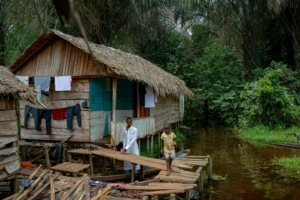
Within the heart of the Amazon lies the Sawré Muybu, an Indigenous land inhabited by the Munduruku people for generations. Rich in diverse plant and animal life, safeguarding this land is essential to preserving an ancestral way of life that connects deeply to the forest and is grounded in cultural and spiritual harmony. However, frequent land invasions by miners and loggers threaten the Munduruku people’s livelihoods and their ability to sustain this ancestral way of life. Leaders of the Munduruku community have endured violence and death threats for defending their territory, highlighting the severe risks they take to protect their land and heritage.

Demarcation establishes the legal process of officially defining and protecting Indigenous lands, creating clear boundaries to recognize and safeguard the rights of Indigenous communities to their ancestral territories. This process is crucial for preventing incursions by external parties, such as miners and loggers and preserving Indigenous livelihoods and culture. The demarcation process for the Sawré Muybu territory began in 2007 but saw long delays due to the economic sway of the mining industry in the region.

In 2014, the Munduruku people took control by self-demarcating their land, marking its borders and driving out intruders. This act carried significant political weight and inspired other Indigenous communities across Brazil to assert their rights in similar ways.

The Demarcation of the Sawré Muybu Territory

On September 25, 2024, Brazil’s Minister of Justice officially decreed the demarcation of the Sawré Muybu territory, achieving a major victory for Indigenous peoples in Brazil. This 17-year struggle for the Munduruku’s ancestral land highlights the power of solidarity and persistent advocacy in influencing political decisions on Indigenous rights. With this demarcation, incursions on the land are now illegal, placing a duty on the government to enforce the decree, remove land invaders and prevent any acts of violent retaliation.

The Path Ahead for Indigenous Rights

This victory marks a pivotal step toward Indigenous dignity and rights amid the numerous pressures affecting Indigenous peoples in Brazil. Indeed, it stands not only as a landmark in the fight for land rights but also as a triumph for human rights, poverty reduction and environmental preservation. Furthermore, it demonstrates that Indigenous voices possess strength—and, if ignored, will find ways to be heard.

Chief Juarez Saw of Sawré Muybu village aptly expressed this sentiment upon the decree’s signing: “Yesterday was a victory for all of us who depend on the forest, which means the whole world. For forest defenders, the minister’s signature was very important in helping us to guarantee the preservation of nature and the standing forest. When I speak of our victory, I speak of our collective victory.”

– William Pickering

William is based in Nottingham, UK and focuses on Good News and Technology for The Borgen Project.

Photo: Flickr
November 11, 2024
https://borgenproject.org/wp-content/uploads/borgen-project-logo.svg 0 0 Hemant Gupta https://borgenproject.org/wp-content/uploads/borgen-project-logo.svg Hemant Gupta2024-11-11 01:30:222024-11-10 23:59:40Sawré Muybu: A Landmark Win for Indigenous Peoples in Brazil
Developing Countries, Global Poverty, Nonprofit Organizations and NGOs

Excellent World Foundation and Its Approach to Poverty Alleviation

Excellent World FoundationPoverty remains a significant challenge in Nigeria, a country of more than 200 million people, where more than 80% of the population lives in abject poverty despite the nation’s wealth of natural resources. This situation is especially dire in the Niger Delta States, which include Abia, Akwa Ibom, Bayelsa, Cross River, Edo, Delta, Ondo, Imo and Rivers. The Niger Delta region is vital to Nigeria’s economy, contributing more than 70% of the country’s revenue. However, the communities here face severe poverty and a profound lack of social amenities.

In addition to poverty, the Niger Delta communities grapple with environmental degradation caused by oil spills from the oil and gas industry. This destruction of their surroundings is compounded by other issues, including conflict, insecurity and corruption, which further destabilize the region. The Excellent World Foundation focuses its efforts in these states, aiming to address the region’s challenges.

Efforts

As a grassroots-based organization, the Excellent World Foundation employs a variety of approaches and methodologies to implement its initiatives and engage critical stakeholders effectively. These methods emphasize direct engagement and allow for real-time feedback that supports continuous planning and evaluation. The key approaches include:

  1. Advocacy: Using an aggressive advocacy strategy, the organization reaches out to stakeholders and facilitates the implementation of its activities.
  2. Focus Group Discussions: This tool allows the foundation to engage stakeholders meaningfully, fostering an environment for open dialogue and active participation.
  3. Town Hall Meetings: Through these gatherings, it connects directly with its beneficiaries, ensuring their voices are heard and their concerns are addressed.
  4. Interactive Sessions: These sessions provide further opportunities for personal engagement and immediate feedback.

Impact and Outcomes

In partnership with the Nigerian Petroleum Development Company (NPDC) through the Community Development Board (CDB) of Oil and Mineral Lease (OML) 26 in Delta State, Nigeria, the Excellent World Foundation has previously implemented programs that have empowered more than 20,000 youths. These initiatives provided skill training and starter packs in areas such as welding and fabrication, fashion and design, solar installation, sewing and cake baking, among other trades, directly benefiting youths within the OML 26 communities.

Furthermore, in partnership with PRO-DATA, it has established more than 200 peace clubs, an early warning system, HIV/AIDs clubs and environmental watch in public schools in Nigeria. With funding support from the United States Agency for International Development (USAID), the Excellent World Foundation has established more than 200 Emergency Water Sanitation and Hygiene Group (EWASH) committees, providing essential training in more than 200 communities. Currently, the foundation is implementing “Skools” and digital skills training programs, aiming to reach more than 10,000 beneficiaries across Nigeria, with a focus on student participants.

Conclusion

The Excellent World Foundation has demonstrated a steadfast commitment to addressing poverty and promoting sustainable development in Nigeria, particularly within the Niger Delta and other underserved communities. Supported by partnerships with organizations like USAID and the NPDC, the foundation’s initiatives have positively impacted tens of thousands, equipping them with essential skills and resources to create lasting change.

– Staff Reports
Photo: Flickr

November 10, 2024
https://borgenproject.org/wp-content/uploads/borgen-project-logo.svg 0 0 Hemant Gupta https://borgenproject.org/wp-content/uploads/borgen-project-logo.svg Hemant Gupta2024-11-10 01:30:252024-11-10 01:46:18Excellent World Foundation and Its Approach to Poverty Alleviation
Africa, Developing Countries, Global Poverty

DSWHUB Fights Poverty in Nigeria

DSWHUBNigeria, the most populous country in Africa, continues to grapple with severe socioeconomic issues that have left millions in poverty. As of 2023, nearly 87 million Nigerians live below the poverty line, with inflation hitting a 24-year high of 31.7%. Despite efforts to address unemployment, the youth face high underemployment rates and a lack of quality job opportunities, leading to widespread poverty in Nigeria.

This economic disparity is a major factor in irregular migration, with many Nigerians risking their lives to seek better opportunities abroad. In 2017 alone, more than 18,000 Nigerians arrived in Italy via the perilous Mediterranean route. The desperation that pushes individuals to migrate also makes them vulnerable to human trafficking, often ending up in forced labor or sexual exploitation.

Denny Social Welfare Hub

Denny Social Welfare Hub (DSWHUB), a nonprofit organization, is tackling the root causes of irregular migration and human trafficking by focusing on community empowerment, education and advocacy. One of its key initiatives is the iEMPATHY Campaign, which raises awareness about the dangers of irregular migration and human trafficking. This campaign specifically targets women and other vulnerable groups, educating them about the risks involved in irregular migration and empowering them to make informed decisions.

In 2023, DSWHUB held a notable community engagement event in Ogun State, where it educated residents on the risks of illegal migration and the tactics traffickers use to exploit vulnerable individuals. The event emphasized the role of women in migration decisions and promoted the idea of safe and legal migration pathways​. By increasing awareness and fostering informed decision-making, DSWHUB reduces the number of individuals falling prey to traffickers.

Support for Migrants and Survivors of Human Trafficking

In addition to awareness campaigns, DSWHUB actively supports the reintegration of returned migrants and survivors of human trafficking. These individuals often face stigma and difficulty rebuilding their lives. Through vocational training, education and capacity-building programs, DSWHUB equips them with the skills they need to reintegrate successfully into society. Its focus on long-term economic empowerment ensures survivors are less likely to become re-trafficked.

DSWHUB’s efforts have had a tangible impact on the communities it serves. By educating vulnerable populations and offering alternatives to dangerous migration routes, DSWHUB has helped reduce instances of irregular migration and human trafficking. Many individuals who participated in the iEMPATHY Campaign have shared testimonies of how the program equipped them with knowledge that helped them avoid falling victim to traffickers.

Moreover, DSWHUB’s reintegration programs have enabled survivors of trafficking to rebuild their lives. Through skills training and support, individuals have gained the confidence and resources to start small businesses, seek employment or return to education. By addressing the root causes of poverty and unemployment, DSWHUB is making a lasting impact in breaking the cycle of exploitation and preventing retrafficking​.

Summary

DSWHUB is addressing the systemic issues of poverty and unemployment in Nigeria, which drive irregular migration and human trafficking. Through innovative campaigns like iEMPATHY and comprehensive reintegration programs, DSWHUB is creating long-term solutions that empower individuals and strengthen communities. Its work not only saves lives but also offers a model for how grassroots organizations can combat human trafficking and irregular migration in regions plagued by socioeconomic challenges.

DSWHUB is helping vulnerable populations build safer, more secure futures free from exploitation by focusing on education, empowerment and advocacy. DSWHUB’s ongoing work highlights the importance of addressing the root causes of migration and trafficking to create lasting change in Nigeria.

– Staff Reports
Photo: Flickr

November 9, 2024
https://borgenproject.org/wp-content/uploads/borgen-project-logo.svg 0 0 Hemant Gupta https://borgenproject.org/wp-content/uploads/borgen-project-logo.svg Hemant Gupta2024-11-09 01:30:222024-11-09 00:25:47DSWHUB Fights Poverty in Nigeria
Africa, Developing Countries, Global Poverty

The Impact of Custos Care Foundation

Custos Care FoundationCustos Care Foundation (CCF), a nongovernmental organization based in Enugu State, Nigeria, aims to promote social justice and reduce poverty and inequality by empowering underprivileged groups through skills development, health care, well-being and basic education. By working closely with local communities and partners, CCF seeks to drive sustainable change in Enugu State and beyond.

The Mama Care Initiative

According to a publication by PubMed, data from the obstetric unit of the University of Nigeria Teaching Hospital (UNTH) in Enugu, Nigeria, shows that between January 2003 and December 2005, there were 49 maternal deaths, 2,131 deliveries and 2,044 live births. This results in a maternal mortality ratio of 2,397.3 maternal deaths per 100,000 live births during the study period. In response, CCF recently launched the “Mama Care Initiative,” a significant milestone in providing one-year health insurance premiums for 1,701 pregnant women across Enugu State’s 17 Local Government Areas (LGAs), with approximately 100 per LGA in the pilot phase.

A notable case involved a baby from the Oji River LGA who was born prematurely at a primary health care facility. The family was unable to secure the funds necessary to transfer the infant to a secondary facility equipped with an incubator. However, with the assistance of CCF, the baby was successfully transferred to the UNTH, where she received the necessary care and support needed for her health and survival.

Child Abuse Awareness and Sensitization

CCF is currently organizing sensitization programs in primary schools across the 17 LGAs in Enugu State to raise awareness about child abuse. This initiative is anchored in two key program areas: social protection and basic education for all. The objective is to educate school pupils in Enugu State about child abuse, including its identification and prevention. So far, CCF has visited 13 schools, reaching approximately 6,000 pupils directly and more than 5,000 indirectly through media campaigns, including social media outreach.

Skills Acquisition Training for Women and Youth

The issue of poverty, exacerbated by unemployment and a shortage of skills, has significantly impacted the living standards of the population. While the current government in the state has made commendable efforts to build workforce capacity, the organization is also dedicated to bridging the capacity gap.

Through the CCF’s “Craft UP Initiative,” the foundation has trained 68 women and youth in the state in vocational skills related to leather work, including shoemaking, bag making and belt production. To further support their endeavors, it established a skills acquisition center focused on tailoring and leatherworking.

This center provides these individuals with the opportunity to utilize our state-of-the-art industrial machines at no cost, enabling them to produce high-quality goods in larger quantities.

Youth Aspire Boot Camp 2024

In 2024, CCF hosted a four-day youth boot camp for 100 young people from Enugu State, consisting of both male and female participants, alongside more than 30 volunteers and resource persons. Participants aged 15 to 20 were selected from various locations across the state, with a commitment to inclusivity that ensured equitable representation across gender, social status and abilities.

The youths acquired a diverse range of skills, including information and communication technology (ICT) competencies such as coding and the creation of 3D and 2D animations. They also developed vocational skills in areas like weaving, tailoring, bead-making, social media marketing and content creation.

Final Remark

By engaging with local partners and communities, Custos Care Foundation not only provides essential services but also cultivates a culture of empowerment and resilience. As it continues to bridge gaps in health, education and vocational training, CCF stands as a beacon of hope for underprivileged groups in Enugu State, driving meaningful progress and inspiring a brighter future.

– Staff Reports
Photo: Flickr

November 5, 2024
https://borgenproject.org/wp-content/uploads/borgen-project-logo.svg 0 0 Hemant Gupta https://borgenproject.org/wp-content/uploads/borgen-project-logo.svg Hemant Gupta2024-11-05 01:30:222024-11-03 01:15:37The Impact of Custos Care Foundation
Developing Countries, Global Poverty, Technology

5 Ways Renewable Energy Can Transform Developing Countries

5 Ways Renewable Energy Can Transform Developing CountriesAccording to Bloomberg New Energy Finance (BNEF), 2017 saw an unprecedented global rise in demand for renewable energy. Renewable energy production in developing countries has now surpassed the capacity generated by fossil sources. Focusing on Goal 7 (affordable and clean energy), Leonardo Souza from the Statistics Division of the Department of Economic and Social Affairs (DESA) highlighted key points from the special edition of the Secretary-General’s report on progress toward the SDGs. He reported that nearly 2 billion people will still rely on polluting fuels and technologies for cooking by 2030. He also noted that renewable sources comprised 19% of global final energy consumption in 2020, with two-thirds coming from modern renewable energy sources.

Global Efforts for Sustainable Energy

Moving toward sustainable modern energy will require renewable sources to constitute 60% of power generation by 2030, supporting resilient industry and infrastructure in developing countries. The World Bank, which currently has a $10 billion portfolio in energy projects, supported Nigeria’s electrification program that has transformed the country. Accelerating global electrification will necessitate a fundamental shift in the conception of energy access.

5 Ways Renewable Energy Transforms Developing Countries

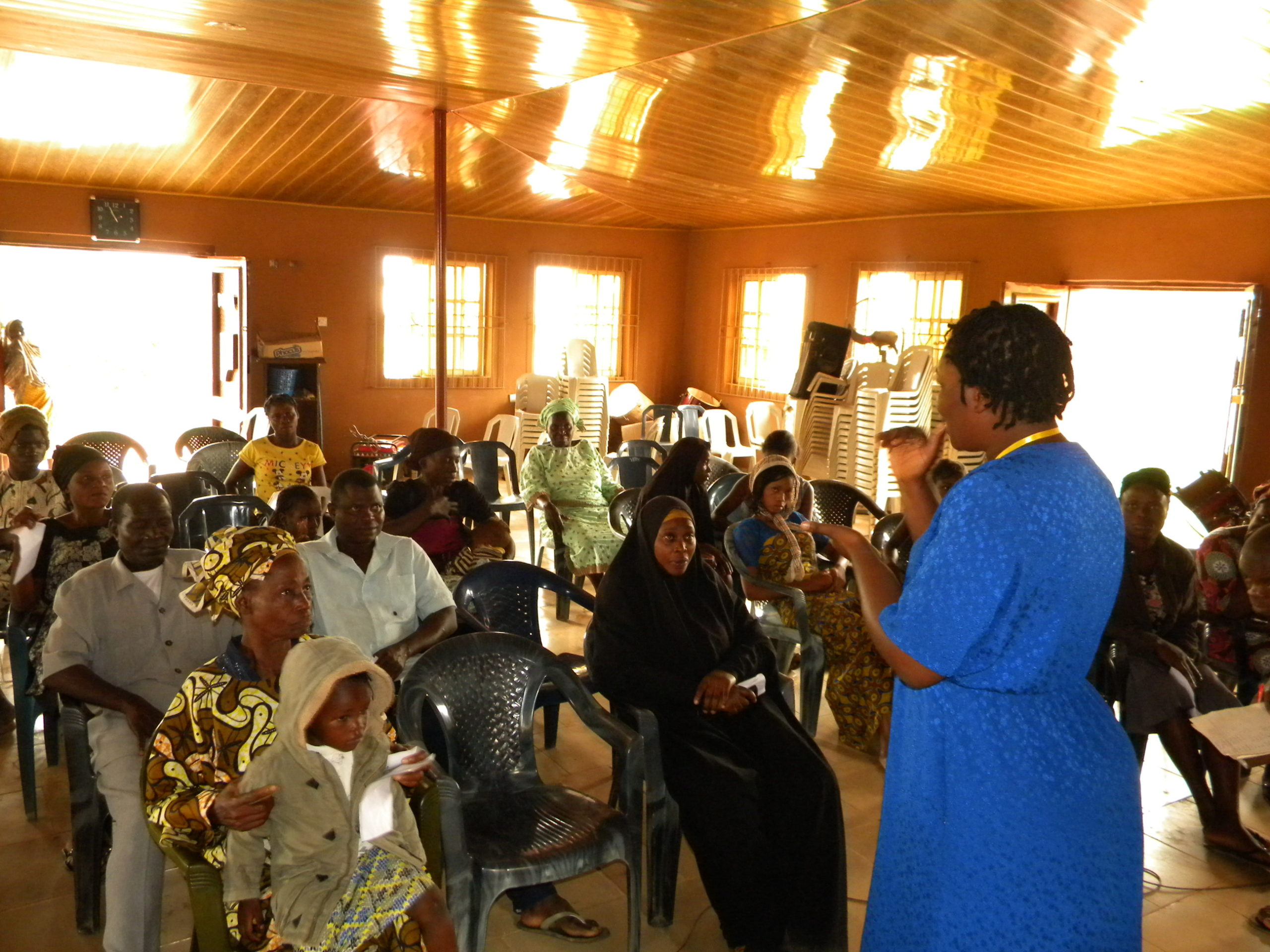
  1. Economic Growth. Renewable energy positively impacts economic growth in developing countries by enhancing sustainable development and energy security. The clean development mechanism, as part of the Kyoto Protocol under the UNFCCC, promotes the deployment of renewable energy technologies, which helps mitigate greenhouse gas emissions. Developed nations fund these renewable energy programs, facilitating the adoption of green technology in developing regions. This transition not only reduces dependency on fossil fuels but also creates job opportunities and stimulates local economies. Despite challenges such as higher manufacturing costs and lack of financial resources, increasing the reliance on renewable energy sources is crucial for developing countries’ growth and economic stability.
  1. Create Employment Opportunities. Renewable energy positively impacts job creation in developing countries by fostering labor-intensive industries and providing numerous employment opportunities. Unlike traditional fossil fuels, renewable energy sources such as solar and wind power require more labor per megawatt of energy produced. This increased labor intensity translates to more jobs in producing and maintaining renewable energy infrastructure. Energy efficiency improvements, which often rely on unskilled labor in the construction sector, can further boost employment. These opportunities are particularly attractive for developing countries, where job creation is crucial for economic growth.
  1. Improve Health Outcomes. Studies reveal that increased renewable energy consumption enhances the quality of life in low-income African countries. This improvement can be attributed to the environmentally friendly nature of renewable energy. Alternative energy sources can reduce pollution and mitigate climate change, leading to better health conditions. By incorporating a substantial amount of renewable energy into their energy mix, these countries can achieve sustainable development goals related to good health and well-being. This, in turn, encourages economic growth, as healthier populations are more productive and can contribute more effectively to the economy. Thus, renewable energy not only supports environmental sustainability but also drives economic development by enhancing public health.
  1. Reduce Environmental Impact. By exploiting clean energy sources like solar, wind and geothermal, countries are decreasing their reliance on fossil fuels. Furthermore, this also leads to a significant reduction in greenhouse gas emissions. This not only improves air quality by reducing pollution and associated health issues but also contributes to global climate change mitigation. Additionally, the implementation of renewable energy helps preserve natural resources and promotes a more sustainable use of the environment, which is crucial for long-term sustainable development.
  1. Enhance Energy Security. By adopting renewable energy sources such as hydroelectric power, developing countries have reduced their dependence on imported fossil fuels, which are often subject to price volatility and supply disruptions. This shift not only ensures a more consistent energy supply but also supports economic stability and growth. Additionally, renewable energy projects create local jobs, stimulating economic development and providing employment opportunities. The environmental benefits, such as reduced greenhouse gas emissions, further contribute to the sustainability of these nations. Renewable energy systems are more resilient to natural disasters. Indeed, they can be deployed in remote areas, ensuring reliable energy access to underserved communities.

Looking Ahead

Renewable energy holds significant transformative potential for developing countries. By adopting solar, wind and hydroelectric power, these nations can drive economic growth. Furthermore, initiatives will create jobs, improve health outcomes, reduce environmental impact and enhance energy security. As these countries seek sustainable solutions for their energy needs, renewable energy emerges as a promising and transformative approach that can potentially lead to a brighter and more sustainable future.

– Maria Urioste

Maria is based in Maspeth, NY, USA and focuses on Good News for The Borgen Project.

Photo: Flickr
November 2, 2024
https://borgenproject.org/wp-content/uploads/borgen-project-logo.svg 0 0 Precious Sheidu https://borgenproject.org/wp-content/uploads/borgen-project-logo.svg Precious Sheidu2024-11-02 07:30:122024-11-02 02:48:215 Ways Renewable Energy Can Transform Developing Countries
Developing Countries, Global Poverty, Poverty

Poverty in Iraqi-Kurdistan

Poverty in Iraqi-KurdistanMost of Kurdistan’s poverty is concentrated in the rural and border areas, where a large segment of the population lacks access to basic services, education, health care and employment. Iraq is an oil-wealthy country. However, the wealth tends to be concentrated in certain areas and has not trickled down to Kurdistan. In comparison to Iraq’s majority Arab population, poverty rates among Kurds tend to be a bit lower in central and southern Iraq, where the majority of Arabs in the country live. Yet, these areas have still not fully recovered from two major wars, ongoing terrorism and persistent government corruption.

Systematic Oppression

The systematic oppression of Kurds has been a longstanding issue in Iraq, with policies such as the Anfal campaign further exacerbating this. The Anfal campaign was implemented between 1986-1989 and sought to dismantle Kurdish groups seeking self-governance and displace Kurds from their villages, particularly in the oil-rich area of Kirkuk. Former president Saddam Hussein Arabized many Kurdish regions in this area, leading to mass displacement, loss of land and the economic network that was created by the native population.

The Halabja massacre in 1988, an extension of the Anfal campaign, was a chemical attack undertaken by the military that resulted in the death of up to 5,000 Kurds and led to the destruction of farmland, mass displacement and the depreciating health of citizens, inhibiting them from working which increased poverty among this population. The former government also moved the Kurdish population from their native lands to collective towns (also referred to as mujamma’at), which restricted their movement and were far away from the country’s economic hubs, putting them in economic isolation. These areas were systematically neglected in terms of development, while other regions in Iraq benefited from infrastructural improvements and oil wealth.

Current Tensions and Poverty in Iraqi-Kurdistan

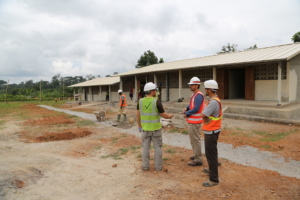
While the Kurdish region in Iraq has a level of autonomy, meaning that they have more rights to their local resources, they are still heavily reliant on the central government for its oil revenue. The oil is often withheld due to political disagreements between Baghdad and The Kurdish Regional Government. This has led to delayed salaries and cuts in funding for public services and infrastructural investments, exacerbating poverty in the region. Additionally, decades of underinvestment in Kurdistan prior to Saddam Hussein’s government and during his reign have led to a lack of proper infrastructure, with roads, health care and education in rural areas remaining inadequate. This limits economic opportunities for those living in these areas compared to more urban areas of Kurdistan and wealthier majority Arab areas of southern Iraq.

The Kurdish Regional Government remains deeply divided, with two rival factions, the Kurdistan Democratic Party (KDP) and the Patriotic Union of Kurdistan (PUK), being in charge of different areas of the region. Tensions between these two parties have caused a delay in economic reform due to their lack of cooperation and prioritizing their interests rather than regional ones, which also weakens their ability to negotiate on a national level with the central government. Their rivalry has also caused revenue-sharing issues, particularly oil, which has fostered further instability. Both parties are also guilty of corruption and economic mismanagement and keep a large segment of the wealth for themselves and the elite class.

Organizations Reducing Poverty in Iraqi-Kurdistan

Despite the current circumstances, both international and local organizations, such as the United Nations Development Programme (UNDP), the Norwegian Refugee Council (NRC) and Kurdistan Save the Children (KSC), are fighting against poverty by distributing humanitarian aid to vulnerable communities in rural areas and displaced people. The UNDP Iraq has supported the Kurdistan Regional Government to develop a Public-Private Partnership Framework, which encourages the private sector to work with the public sector to deliver services such as health care, roads, electricity and water.

Additionally, the NRC supports displaced people in Iraqi Kurdistan by facilitating access to essentials such as education, shelter and food. The NRC has assisted 31,085 people through its education program, provided shelter for 141,613 individuals and supported 16,212 people through its food program. Local organizations, such as the KSC, focus on the well-being of children by providing access to education, health care and mental health services.

The Future

The future of the region remains uncertain, as tensions between the two rival factions of the KRG are likely to persist, along with ongoing disagreements over the distribution of oil revenue. These issues will continue to contribute to the already high levels of poverty in Iraqi Kurdistan. The region’s future depends on the PUK and the KDP finding ways to resolve their tensions and improve their relations with the central government in Baghdad. Additionally, there is a pressing need for both parties to diversify the economy and lessen their reliance on oil.

– Floria Persis

Floria is based in London, UK and focuses on Politics for The Borgen Project.

Photo: Flickr
October 30, 2024
https://borgenproject.org/wp-content/uploads/borgen-project-logo.svg 0 0 Hemant Gupta https://borgenproject.org/wp-content/uploads/borgen-project-logo.svg Hemant Gupta2024-10-30 01:30:092024-10-30 00:17:08Poverty in Iraqi-Kurdistan
Children, Developing Countries, Global Poverty

UNICEF’s Action Against Child Displacement in the DRC

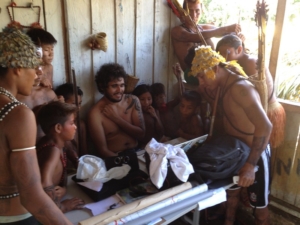
Child Displacement in the DRCThe Democratic Republic of the Congo (DRC) is the largest country in sub-Saharan Africa, with a population of nearly 100 million. The DRC is rich in natural minerals, hydropower potential and extensive arable land. However, most of the population is unable to benefit from this wealth. The DRC faces political instability, autocratic leaders and long-term conflict. The country is in a humanitarian crisis, with much of the population, including children, experiencing displacement and extreme poverty. Many nongovernmental organizations (NGOs) are providing aid to help people affected by displacement, such as UNICEF’s action against militia-induced child displacement in the DRC.

Militia-Induced Child Displacement in the DRC

Much of the DRC is controlled by militia rebel groups, with territories seized on a regular basis. Its east and north provinces experience the most unrest, with violent killings of adults and children, as well as the ransacking of homes, schools and health centers. Families are often separated and forced out of their villages into crowded settlements without safe water, health care and basic services. More than eight million people in the DRC are “acutely food insecure.” Alongside the internal displacement of its citizens, the DRC also hosts refugees from neighboring conflict-affected countries.

Children are being recruited as militia fighters and subjected to sexual assault, violence and separation from their families. Rebel forces have displaced three million children from their homes. The Rwandan-backed M23 rebels are causing mass displacement of civilians and humanitarian organizations in eastern DRC. Recently, militia forces shelled refugee camps in the region, killing 17 people, most of whom were children.

UNICEF’s Mission

Without urgent humanitarian aid, children will continue to suffer. Malnutrition, disease and displacement to unsafe areas are causing high child mortality rates. UNICEF faces challenges while delivering aid due to dangerous environments and weak transport infrastructure for delivering resources. However, UNICEF’s action against militia-induced displacement of children in the DRC, alongside other national partner NGOs, works to provide urgent basic services. These include tarpaulins for shelter, cooking utensils, clean water and sanitation. It also has three long-term initiatives:

  1. Safe Spaces: UNICEF collaborates with local governments and NGOs to provide safe spaces for children. It focuses on providing protective services for survivors of sexual violence, forced military recruitment and separation from their families. In addition to providing physical protection, UNICEF also provides mental health and psychosocial support.
  2. Health Care: Militia groups have invaded many health care centers. The rebels use the premises to set up bases, cutting off basic health services to the population. UNICEF provides support to primary health centers in conflict areas. In 2023, these centers reached more than 375,000 children younger than 5.
    Children are provided with health checkups, including routine and emergency immunizations, to prevent the outbreak of diseases such as polio. UNICEF is also responding to the latest cholera outbreak. The organization provides communities with safe drinking water and water treatment kits. The NGO has people on the ground providing decontamination services for homes, as well as prevention techniques such as awareness and surveillance.
  3. Education: Educational institutions have also been overrun by rebels forcing children out of education. In response, UNICEF has built temporary education units to allow displaced children the opportunity to continue their education safely. It provides school supplies, remedial classes, psychotherapy support and encourages peacebuilding activities.

The Future

In 2019, the DRC appointed a new president, Félix Tshisekedi. He promised major reforms in a bid to transform the country’s image of poverty and war into a growing economy and a favorable place for investment. With support, the Congolese government is attempting to overthrow militia groups and reassert authority in the country.

Similarly, in 2022, the World Bank Group set up the Country Partnership Framework (CPF). This four-year strategy promotes the stabilization and development of the DRC. A large focus of the CPF is on human development and improving essential services such as education, health and social welfare. In 2023, the DRC received more than $8.6 billion from the World Bank to fund 23 development initiatives.

The DRC still suffers from fragility and conflict. However, missions such as UNICEF’s action against militia-induced child displacement in the DRC and the Country Partnership Framework are having positive impacts on the country’s security, economy and the well-being of its people.

– Millie Trussler

Millie is based in London, UK and focuses on Global Health and Politics for The Borgen Project.

Photo: Flickr
October 23, 2024
https://borgenproject.org/wp-content/uploads/borgen-project-logo.svg 0 0 Hemant Gupta https://borgenproject.org/wp-content/uploads/borgen-project-logo.svg Hemant Gupta2024-10-23 07:30:562024-10-23 01:24:03UNICEF’s Action Against Child Displacement in the DRC
Developing Countries, Education, Global Poverty

Solar Power in Uganda Supports Educational Goals

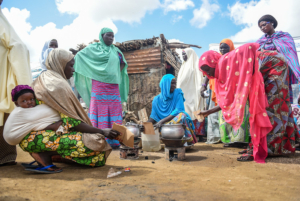
Solar power in UgandaRefugees often seek resettlement services after natural disasters and war-related events. Individuals and families use these resettlement services to relaunch their lives and to find stability after disaster events. However, most resettlement encampments need a reliable connection to a power supply and internet services to serve refugee populations. Without these resources, staff may struggle to onboard new members and refugees may struggle to reconnect with society.

Good Actors and Initiatives

Jon Paul Ojok developed a mobile solar power box to supply electricity to students in West Nile region in Uganda. Drawing on his experience as a developer at the United Nations High Commissioner for Refugees (UNHCR), Ojok created a device that can be easily moved through neighborhoods and communities to provide affordable internet and electricity to remote villages and camps. Ojok’s solar power box allows students to access course materials and complete assignments. The long-term success of these students will contribute to the goal of upward mobility and the growth of local communities. The solar power box also provides stable electricity and internet to UNHCR staff, enabling them to connect with and retain more refugees for resettlement services.

The Mobile Solar Computer Classroom (MSCC) is a similar initiative serving Ugandan students. For this project, solar panels are attached to an all-terrain vehicle equipped with computers and a router. The project has improved digital literacy and academic performance in local schools. Since 2008, MSCC has trained more than 37,000 students, 200 teachers and 2,000 out-of-school youths in more than 80 schools and 20 libraries. Approximately 70% of the schools MSCC has worked with have seen improved academic performance at the national level.

Impacts of Solar Initiatives

According to the World Bank, about 41.3% of Ugandans lack access to electricity. Uganda’s power grid, though operational, is not always stable, with professionals and students most likely to experience service interruptions. As more people enter the country, innovations in solar power will help reduce stress on the grid and improve the ability of both native Ugandans and refugees to work toward a middle-class life.

According to Uganda’s Energy Transition Plan, educational and industrial advancements made possible by solar power will improve living standards. Enhancing the country’s grid infrastructure will increase the reliability of clean energy connections in the next 10 to 30 years. This will enable Uganda to better support transitioning its youth and students into a self-sustaining, independent workforce.

Final Note

Solar power in Uganda will lead to more equitable access to essential resources such as electricity and internet services. As access improves, students across all regions will receive a stronger foundational education, promoting the resilience of future generations. Expanding solar power to more remote locations ensures no person or family is left behind, increasing the region’s chances of securing a just, peaceful and equitable future.

– Karina Dunn

Karina is based in Mesquite, TX, USA and focuses on Technology and Solutions for The Borgen Project.

Photo: Flickr
October 22, 2024
https://borgenproject.org/wp-content/uploads/borgen-project-logo.svg 0 0 Hemant Gupta https://borgenproject.org/wp-content/uploads/borgen-project-logo.svg Hemant Gupta2024-10-22 01:30:512024-10-22 01:03:27Solar Power in Uganda Supports Educational Goals
Page 8 of 157«‹678910›»

Get Smarter

  • Global Poverty 101
  • Global Poverty… The Good News
  • Global Poverty & U.S. Jobs
  • Global Poverty and National Security
  • Innovative Solutions to Poverty
  • Global Poverty & Aid FAQ’s
Search Search

Take Action

  • Call Congress
  • Email Congress
  • Donate
  • 30 Ways to Help
  • Volunteer Ops
  • Internships
  • Courses & Certificates
  • The Podcast
Borgen Project

“The Borgen Project is an incredible nonprofit organization that is addressing poverty and hunger and working towards ending them.”

-The Huffington Post

Inside The Borgen Project

  • Contact
  • About
  • Financials
  • President
  • Board of Directors
  • Board of Advisors

International Links

  • UK Email Parliament
  • UK Donate
  • Canada Email Parliament

Get Smarter

  • Global Poverty 101
  • Global Poverty… The Good News
  • Global Poverty & U.S. Jobs
  • Global Poverty and National Security
  • Innovative Solutions to Poverty
  • Global Poverty & Aid FAQ’s

Ways to Help

  • Call Congress
  • Email Congress
  • Donate
  • 30 Ways to Help
  • Volunteer Ops
  • Internships
  • Courses & Certificates
  • The Podcast
Scroll to top Scroll to top Scroll to top