• Link to X
  • Link to Facebook
  • Link to Instagram
  • Link to TikTok
  • Link to Youtube
  • About
    • About Us
      • President
      • Board of Directors
      • Board of Advisors
      • Financials
      • Our Methodology
      • Success Tracker
      • Contact
  • Act Now
    • 30 Ways to Help
      • Email Congress
      • Call Congress
      • Volunteer
      • Courses & Certificates
      • Be a Donor
    • Internships
      • In-Office Internships
      • Remote Internships
    • Legislation
      • Politics 101
  • The Blog
  • The Podcast
  • Magazine
  • Donate
  • Click to open the search input field Click to open the search input field Search
  • Menu Menu

Archive for category: Developing Countries

Information and stories about developing countries.

Developing Countries, Global Poverty, Migration

Improving the Evolving Landscape of the Sundarbans

Sundarbans
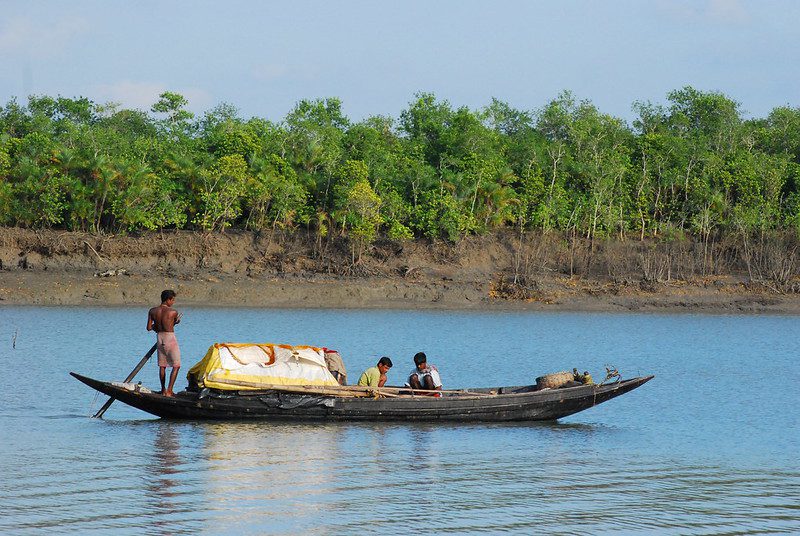
The Sundarbans is the largest mangrove forest in the world and home to 4.5 million people. Out of Sundarbans’ 102 islands, 54 between India and Bangladesh have inhabitants. Almost 70% of these Sundarbans live below the poverty line. To make matters worse, the region has suffered 13 supercyclones in the past 23 years, with the most recent occurring in 2020. To address the adversity that these people face, the governments of India and Bangladesh are exploring avenues to improve the evolving landscape of the Sundarbans.

The Situation in the Sundarbans

The islands act as a shield, protecting major areas of India and Bangladesh by taking the brunt of the cyclones. Since 2019 alone, the islands faced the wrath of cyclones Fani (May 2019), Bulbul (November 2019) and the lethal Amphan (May 2020). These cyclones constitute a concern for both the present and future. The islands have been unable to recuperate fully. The older cyclones destroyed their embankments, affected the salinity of the soil and overwhelmed their vulnerable agricultural economies.

The islands of the Sundarbans were able to act as a shield because of their previously dense mangrove cover. But now, that cover has experienced compromise due to the felling of trees and the increasing temperature of the water. The forest has also absorbed the continuous shocks of the onslaught of the cyclones. The environmental disasters quickly affected the Sundarbans’ economy during the COVID-19 pandemic, saturating the agricultural land with salt.

Advancing the Ongoing Work

The Government of West Bengal promised to plant five crore mangrove trees in the Sundarbans. Meanwhile, researchers have begun to look into a more realistic and sustainable approach called  Community Based Ecological Mangrove Restoration (CBEMR). To fight the salinity of the soil and economic hardships in the Sundarbans, scientists engineered several variants of “salt-tolerant rice varieties” at the Central Soil Salinity Research Institute (CSSRI). Carlsberg, a major beverage company, is setting up Desolenator’s solar-power water purification system to turn saline water at Sundarbans into safe drinking water. Additionally, some are building barriers to limit human-tiger interactions with nets and embankments to prevent further damage from storms leading to salinity. Experts also seek alternatives to concrete embankments, which are non-cohesive to the environment and do not always withstand cyclones.

Migration Problems

According to the WWF, the Sundarbans house some of the poorest people in the world. This facilitates a low rank in human development indicators. The rampage of environmental disasters and human-animal conflict in the Sundarbans strongly affected the livelihood and the daily lives of the residents. This has led many to migrate from the islands to the mainland in search of work and shelter. An MIT study stated that if the trend of migration continues, it might be one of the largest populations in Asia to migrate due to the climate crisis. After the COVID-19 pandemic hit, many workers who had migrated returned to the landscape of the Sundarbans. As long as these sudden-onset disasters keep affecting the islands, people will continue looking for work on the mainland.

Planning a Retreat

Climate scientists predict that climate disasters will continue to affect the landscape of the Sundarbans and that these disasters may even increase in intensity. The poor, vulnerable and lower-caste population suffers the most from all of this. When discussing the current climate crisis, climate adaptation and planned or managed retreats serve as key components. However, moving about 1 million people away from danger zones presents some challenging logistics.

Policymakers from India and Bangladesh have proposed the Delta Vision 2050 to address this need. It is a step-by-step planned migration to move the 1 million living in vulnerable areas. However, concerns exist that the migration plans will not honor the people’s desires. To the islanders of the Sundarbans, the climate crisis is not the only threat they face. Residents urgently need to address the socio-political climate of the Sundarbans, not just the climate.

Opportunities for Community-led Tourism

The picturesque landscape of the Sundarbans makes it the perfect holiday destination for nature lovers. At the same time, it has the potential to generate substantial income for the community. If Bangladesh and India join hands to facilitate achievable standards of hospitality to attract tourists worldwide, the Sundarbans will not only experience an economic revival but also work towards a sustainably secure future.

Infrastructural hindrances like electricity, water-way transportation and effective communication are the key challenges to enhancing the tourist experience. Cooperation from the government, forest and transportation departments, community-based hospitality training exercises and collaboration with tourism will greatly advance the Sundarbans’ ecosystem.

The Importance of Community Involvement

Ashmita Biswas, a Climate Risk and Adaptation Consultant at CEEW, responded to The Borgen Project’s questions on the importance of involving the community in the Sundarbans. “It is imperative to involve local communities in any and every discussion which pertains to their surroundings, be it conservation or resilience, as they will be ones who will have to implement initiatives. Stakeholder engagements are important to identify constraints and tailor programs to make for sustainable initiatives. Without such conservations, there lies a risk of communities not understanding the importance of them, and, as a result, not following through with responsibilities. Stakeholder engagements also help to understand what might be key drivers that could motivate communities to take action. These action points are essential in ensuring the success of a plan or policy to create long-term sustainable impact and change.”

The Sundarbans are at the forefront of the climate crisis. Its geographic position has often exaggerated its already-present economic, social and developmental hardships. The interconnectedness of the ongoing crisis post-cyclone presents a cluster of islands full of people simultaneously recuperating from past disasters while bracing for future ones. The Sundarbans’ community members are key facilitators of the innovations that scientists, policymakers and NGOs have created. Their equal involvement and understanding of the Sundarbans will determine the future of the islands.

– Anuja Mukherjee
Photo: Flickr

April 17, 2021
https://borgenproject.org/wp-content/uploads/borgen-project-logo.svg 0 0 Kim Thelwell https://borgenproject.org/wp-content/uploads/borgen-project-logo.svg Kim Thelwell2021-04-17 18:19:242024-05-30 22:23:20Improving the Evolving Landscape of the Sundarbans
Developing Countries, Global Poverty, Women's Empowerment

How ImpactHER Empowers African Businesswomen

African BusinesswomenWomen own only 29% of businesses in sub-Saharan African. Because of socio-cultural and structural barriers, starting and running a successful business is especially difficult for women entrepreneurs. ImpactHER, a women-led nonprofit, has been empowering African businesswomen for the past four years.

Impediments for African Female Entrepreneurs

Barriers and adversities prevent African businesswomen from entering local and global markets. Many African women lack opportunities in education, personal wealth and tools to enter the market compared to their male counterparts. In 2019, Souhayata Haidara, special adviser to Mali’s Minister of Environment and Sustainable Development, discussed with the Africa Renewal information program, the importance of educating women. She stated how lucky she is to have completed school before getting married. Often cultural expectations force women to drop out of school to marry. She reiterated that economic empowerment for women begins with education.

Even if a woman obtains a proper education, she may still find it difficult to start a business because of collateral requirements. Many African women do not own collateral or assets like land or a car. This leads to banks and investors financially excluding African women, which makes it difficult for African women entrepreneurs to access capital to launch and operate their businesses. In Tanzania, for example, although women have land ownership rights, customary law dictates that women cannot inherit land from their husbands or fathers.

Sociocultural barriers also prevent African women from becoming entrepreneurs. Women miss out on opportunities because they are often the main caretakers for children and oversee unpaid domestic work. Sociocultural barriers force domestic responsibilities onto women which often prevents them from having time to start a business.

Female Entrepreneurs for Economic Growth

Successful African businesswomen are crucial for a strong economy. Estimates say that gender gaps in employment and entrepreneurship cost economies about 15% of their GDP. Female-led businesses expand productivity, increase household incomes and diversify the local and national economy. With successful women’s economic empowerment, a country’s economy becomes stronger, meaning it is on track for poverty eradication.

ImpactHER

Efe Ukala founded ImpactHER in 2017, a nonprofit organization that trains and prepares African female entrepreneurs to become market leaders. Since 2017, ImpactHER has reached more than 45,000 women-led businesses in 89 countries, with more than 20,000 female African entrepreneurs trained.

In a March 2021 presentation organized by Global Minnesota, Ukala revealed that in 2020 alone, ImpactHER helped more than 10,000 African businesswomen and connected African female entrepreneurs to institutional capital to the value of $577,000. ImpactHER also rendered technology transformation services to more than 5,000 African businesswomen. ImpactHer accomplishes these tasks through its programs.

  • The AdvanceHER program assists African businesswomen in expanding their businesses and market presence. This program aims to transform African female entrepreneurs into market leaders.
  • The UpliftHER program provides African businesswomen with information on how to become investor-ready.
  • ConnectHER teaches African female entrepreneurs how to network and choose the right investors for their businesses.

ImpactHER and COVID-19

COVID-19 disproportionally impacted women-led businesses. Once COVID-19 arrived, ImpactHER jumped into action. ImpactHER sent 30 African presidents letters that advocated for women-targeted stimulus packages, relaxation of collateral requirements by African banks, disbursement of stimulus packages from a gender-lens perspective by African governments and extending the repayment period for loans. ImpactHER also co-authored a policy brief with U.N. Women and Affirmative Finance Action for Women in Africa.

After assessing the needs of African businesswomen in the time of COVID-19, ImpactHER assisted African female entrepreneurs in:

  • Rendering technology to create e-commerce websites
  • Creating market strategies to sustain the market during COVID-19
  • Finding therapeutic services for women facing psychological fear resulting from the pandemic and business uncertainty

Since its founding in 2017, ImpactHER has assisted thousands of African women entrepreneurs. There is still more to accomplish when it comes to advancing African businesswomen, especially with the presence of COVID-19. But, with programs like ImpactHER, African businesswomen will continue to receive the tools to recover and move forward.

– Bailey Lamb
Photo: Flickr

April 17, 2021
https://borgenproject.org/wp-content/uploads/borgen-project-logo.svg 0 0 Kim Thelwell https://borgenproject.org/wp-content/uploads/borgen-project-logo.svg Kim Thelwell2021-04-17 04:29:242024-12-13 18:02:29How ImpactHER Empowers African Businesswomen
Children, Developing Countries, Global Poverty, Health, Poverty Reduction

The Many Ways Peanuts Reduce Poverty

Peanuts Reduce PovertyEvery year, more than three million children under 5 years old die as a result of severe acute malnutrition (SAM), making it the largest killer of young children. In developing countries, including sub-Saharan African countries, Uganda, Malawi and Haiti, malnutrition is a severe issue that pediatricians and scientists are looking for a simple way to solve. Some of these ideas are successfully showing how peanut butter and peanuts reduce poverty and save lives.

Malnutrition

Malnutrition starts in the womb. Therefore, scientists intend to stop malnutrition and anemia in young mothers hoping to give their babies a more nutritional start to life. In Malawi, roughly 50% of all pregnant women and nearly a third of nursing mothers are anemic and in need of a higher calorie diet that can start with peanut butter.

The Power in a Peanut

Peanuts contain more plant protein per ounce than any other nut, making it a powerhouse for nutrition. Only one ounce of peanuts reduces malnutrition by providing an adequate source of niacin and magnesium. Peanut butter is also a good source of fiber and contains other essential nutrients. The nutritional value in peanut butter creates better nutritional and health outcomes, necessitating fewer hospital visits for young children.

Peanuts also contain healthy oils that are “trans-fat-free, cholesterol-free and low in saturated fats.” As a high caloric nut and an impressive source of nutrients, peanuts reduce poverty because the nut addresses malnutrition in malnourished children and young mothers, helping them to gain weight and maintain a balanced diet.

Peanut Butter With a Punch

Peanut butter alone is a good source of nutrition and calories but scientists working to eradicate malnourishment have amped up the standard peanut butter recipes to cater to undernourished bodies.

The most talked-about of these miracle nutritional products is Plumpy’Nut, a nutritional, protein-packed peanut-based paste. Plumpy’Nut comes in portioned plastic wraps that are easy to store and easy to open, making it a resilient food for unstable conditions. Unlike some other ready-to-use therapeutic foods (RUTF), one does not need to mix Plumpy’Nut with water, cutting down the risk of spreading disease.

Nourimamba is a similar peanut-based product that includes extra protein. Packaged in jars, hospitals mostly use Nourimamba to treat severely malnourished children. These jars of sweetened paste also end up in schools as snacks for children.

Dr. Mark Manary founded Project Peanut Butter, an organization in Malawi that helps to feed malnourished children in Sierra Leone, Malawi and Ghana. The organization uses a locally sourced, protein-rich and high caloric peanut butter known as “chiponde” to treat severe malnutrition.

While peanut butter is already a nutritious food, these pastes pack a greater punch in the fight against malnutrition. These products have a long shelf life and require no preparation, making them the ideal snack for undernourished individuals.

Positive Impacts on Poverty

Getting peanut butter into hungry stomachs is the top priority, but in the process, the nut helps uplift developing nations. In addition to addressing malnutrition, these peanut butter products create jobs that can break the cyclical poverty malnourished children are born into.

The Mwayi Wathu Peanut Butter Processing Group, supported by Oxfam and the Catholic Development Commission of Malawi (CADECOM), produces peanuts and peanut butter. This cooperative addresses malnutrition with its products while creating local jobs to stimulate the economy.

Peanuts Reduce Poverty

W. K. Kellogg graciously funded Accesso’s nutritional snack program, which aimed to feed 11 schools in central Haiti. As a result of this initiative, enrollment at the schools increased by 20%. The jobs that the program created allow parents to send their children to school. These families were unable to afford educational endeavors before.

Accesso works with 7,400 local farmers and has tripled the profits of farmers through its agribusiness model. Through this model, farmers strengthened their income and the organization can provide nutritional peanut snacks to more than 4,000 children every single day.

Part of this improved agribusiness model is the spicy peanut butter, Lavi, which holds the promise of opening up new markets for these developing nations. Accesso, the organization that championed the creation of Lavi, aims to expand its business to global markets, especially the United States, where demand for peanuts is high. As the most commonly enjoyed nut by U.S. citizens, more than two-thirds of all nut consumption in the U.S. is peanuts, making it a powerhouse in helping foreign farmers increase their incomes and rise out of poverty.

The benefits of nutritious peanut butter products show how peanuts reduce poverty in developing countries, tackling several concerns at once.

– Veronica Booth
Photo: Flickr

April 16, 2021
https://borgenproject.org/wp-content/uploads/borgen-project-logo.svg 0 0 Yuki https://borgenproject.org/wp-content/uploads/borgen-project-logo.svg Yuki2021-04-16 07:30:032021-04-13 03:21:03The Many Ways Peanuts Reduce Poverty
Developing Countries, Development, Global Poverty

Top 3 Countries: Commitment to Development Index

Commitment to Development IndexThe Center for Global Development (CGD) releases the Commitment to Development Index (CDI) annually. The CGD analyzes the policies of the 40 most powerful countries in the world on their dedication to contributing to the development of low-income nations. It rates the countries based on performance in three overall categories and seven subcategories: development finance, exchange (including investment, migration and trade) and global public goods (including environment, security and technology). After scoring these sections individually for each country, the CGD then assigns each country an overall grade. The organization ranks the countries on the CDI based on these overall scores. In 2020, the top three countries were Sweden, France and Norway.

Sweden

Sweden ranks first on the Commitment to Development Index, with an overall score of 100%. Sweden received more than a 90% rating on development finance, migration, environment and security. The country scores well on all categories except technology, where it ranks 20th.

  • Development Finance. Sweden received a score of 93% because it spends 0.83% of its gross national income (GNI) on development finance. This is more than twice the average. Sweden also has proper transparency when it comes to spending. The country even has its own development finance institution called Swedfund. The institution’s goal is to alleviate poverty by investing in and helping to develop sustainable businesses in struggling and formidable markets.
  • Migration. Sweden received a score of 100% in this category because it has the most inclusive migrant policies compared to all the other countries on the CDI. Sweden has tightened its legislation since 2015 when it received 160,000 asylum seekers. The aim is to ensure that it can sufficiently take care of the people already in the country without being overburdened. Nevertheless, the country still welcomes more migrants than any other country on the CDI.
  • Security. Sweden received a 93% in security because it “contributes an above-average level of troops and finance to global peacekeeping missions.” Sweden also helps contribute to global health initiatives. Sweden has worked with the U.N. peacekeeping missions since 1948 and has sent more than 80,000 Swedish people to help.

France

France came second on the Commitment to Development Index with an overall score of 81%. France received more than a 90% score on investment, environment and security. France also scored well on trade.

  • Investment. France received a 91% in this category because it performs well with regard to business and human rights criteria. France created “The National Plan for the Implementation of the United Nations Guiding Principles on Business and Human Rights.” The plan “is a universal road map for implementing the standards aimed at holding businesses accountable with regard to human rights.”
  • Environment. France received a 97% in the environment category because it signed every necessary environmental treaty and produces few fossil fuels.
  • Security. France has a 93% in this category because of its peacekeeping commitments. It provides 0.066% of its GNI to peacekeeping, which is twice the average. For 2020-2021, France budgeted $6.58 billion for peacekeeping efforts.

Norway

Norway ranks third on the Commitment to Development Index, with an overall score of 78%, mostly because of its high rating on development finance. It ranks well on investment and security too.

  • Development Finance. Norway received a 96% in this category because it provides 0.89% of its GNI to development finance. It is also first in transparency for development financing reporting. The country is well known for its commitment to “development co-operation” because it “has a primary focus on promoting equality for all, especially for the most vulnerable, marginalized and less privileged ones in least developed countries (LDCs) and sub-Saharan Africa.”
  • Investment. Norway has an 81% in investment. This is because Norway implements the OECD’s Anti-bribery Convention and has a strong history of upholding human and business rights. Norway works closely with the Human Rights Watch, an organization working to expose abuse and improve human rights throughout the world.
  • Security. Norway received an 88% on security partly because it ranks well in health security. The country utilizes significant monitoring and surveillance methods for antimicrobial resistance. This work is important because it can help lower global health hazards.

Reducing Global Poverty

For 2020, the Commitment to Development Index ranked Sweden, France and Norway as the top three countries. These countries are significantly contributing to global development, and in turn, are contributing to global poverty reduction.

– Sophie Shippe
Photo: Flickr

April 16, 2021
https://borgenproject.org/wp-content/uploads/borgen-project-logo.svg 0 0 Kim Thelwell https://borgenproject.org/wp-content/uploads/borgen-project-logo.svg Kim Thelwell2021-04-16 01:31:092021-04-13 10:02:15Top 3 Countries: Commitment to Development Index
Charity, Developing Countries, Development, Global Poverty, Poverty, Poverty Reduction

Fighting Poverty in South America

Fighting Poverty in South America
A long history of imperialism, turmoil and instability has manifested itself into modern issues of poverty in South America. Countless grassroots and nongovernmental movements are providing help to the poor in this region. Many funds often drown in the complexities of bureaucratic and organizational structures, unfortunately. One individual is repurposing the term “influencer culture.” This refers to the social leverage that internet users with clout have. Aaron Murphy is creating mini-docuseries for awareness and sharing his personal payment service usernames. He is raising funds at a global scale that he directly pumps into the community. He is fighting poverty in South America through social media and videos.

Aaron Murphy

Aaron Murphy traveled to South America on a backpacking trip to learn Spanish. He now wanders across states in the region — mainly Ecuador, Peru, Colombia and Venezuela — to empower families and communities. His entire journey is available for public access on his social media, specifically his YouTube and Tik Tok accounts. His posts and videos often include an effort to promote awareness along with a call to action. Notably, the content available on these platforms provides a candid view into the everyday life of people living in poverty in South America.

The intent is not to romanticize a serious issue. Instead, he aims to connect with his viewers, sharing the very human reality beyond the understanding of people who live with less. He includes mini-documentaries and conducts interviews with residents. Murphy willfully makes an effort to understand the communities he is in. Murphy has also vocalized part of his videos’ purpose is to remind viewers of the privileges and blessings they experience daily.

Vlogs and Awareness

Murphy’s posts calling people to action have gained large traction recently, especially on Tik Tok. The app’s algorithm works to boost trending videos and topics. His audience is growing along with efforts to support his organization. Murphy provides continuous updates on different projects, giving followers a transparent view of where their proceeds go. His videos also focus on documenting dialogue between individuals and families. He also translates what they say into English subtitles.

Murphy films his videos into vlogs. They cater to a younger audience and have a natural look. One series of videos prompted a wave of global action at the beginning of March 2021. Murphy was following a Venezuelan native community without quality access to housing and food. In the first video and caption, he showed the livelihood of the struggling community. He then urged followers to donate through Paypal and Venmo. Followers raised $12,000 after Murphy posted the video. This gave the Murphslife team the ability to provide the community beds for 112 huts.

The Murphslife Foundation

The Murphslife Foundation accepts funds through Patreon, Venmo, Paypal and Cash App to go towards its efforts fighting poverty in South America. It is a largely unique approach to tackling poverty in South America, though an effective one for convenient participation among younger activist communities. The organization has no connection to any tax-exempt status. Perhaps a testament to its efficacy, the organization is a young and rapidly growing one.

Oftentimes, there is little opportunity to provide direct help for international causes. Initiatives to eradicate poverty in South America have become saturated and commodified in ways similar to that of an enterprise. The nonprofit and not-for-profit organizations affect the people negatively. This takes place, though the organizations are important within the larger picture of a long-term solution to poverty.

It has an association with nationalities and governances, forced through sanctions and other diplomatic complications. Potential donors dull the impact of a donation when dissuaded from giving to charities for these political complications. Murphslife shows how short-term results are also incredibly effective solutions to help those in need. Going forward, hopefully, other organizations and influencers will follow Murphy’s model of fighting poverty in South America. This will help them anchor their support in the fight to end poverty as a whole.

– Danielle Han
Photo: Flickr

April 15, 2021
https://borgenproject.org/wp-content/uploads/borgen-project-logo.svg 0 0 Kim Thelwell https://borgenproject.org/wp-content/uploads/borgen-project-logo.svg Kim Thelwell2021-04-15 20:18:552024-12-13 18:02:27Fighting Poverty in South America
Developing Countries, Global Poverty

Mutombo Coffee Uplifts Coffee Farmers in the DRC

Mutombo CoffeeOver a span of 18 years, Dikembe Mutombo built a Hall of Fame NBA career that made his name synonymous with stifling defense and a trademark finger wag. In 1997, he established the Dikembe Mutombo Foundation with the mission to improve the lives of people in his native country of the Democratic Republic of the Congo (DRC). Mutombo also recently established Mutombo Coffee to revive the Congolese coffee industry.

Congolese Coffee

A major accomplishment of the Foundation is the construction of a 170-bed hospital in Kinshasa, the capital of the DRC. The hospital opened in 2007 and was built in memory of Mutombo’s mother. The hospital services anybody in need, regardless of their ability or inability to pay.

While certainly impressive and commendable, Mutombo’s latest endeavor involves building a thriving coffee industry in the DRC. “Rebuilding” is actually the proper term to use when describing the DRC’s coffee economy. In the 1980s, coffee was the country’s second-largest export, providing approximately $164 million to the economy. Connoisseurs prized Congolese coffee and rain-rich, volcanic soils in the Lake Kivu region provided ideal growing conditions.

However, recent decades of conflict and instability, much of it centered in the country’s coffee-growing east, have decimated output. Many Congolese people live without the infrastructure needed to safely operate their farms and easily reach international markets.

Mutombo Coffee

Mutombo announced the creation of a new coffee company in the first few months of 2021. He has placed special weight on not only providing economic sustainability and fair wages for farmers but spotlighting the unsung efforts of women farmers in the industry. The emphasis is especially significant given the DRC’s infamous struggles with sexual violence. Additionally, his work is important given that in 2018 an estimated 73% of the Congolese population lived on less than $1.90 a day. As the chair of the international distribution company, Cajary Majlis, Mutombo partnered with the DMCC Coffee Centre to bring coffee from the DRC to other parts of Africa and Dubai. Mutombo hopes to extend the coffee’s reach even further.

Perils of Congolese Coffee Farming

The Congolese wars between 1996 and 2002 significantly impacted the country’s export industry. Coffee farmers were forced to make a dangerous journey across Lake Kivu in small boats to smuggle their crops into Rwanda and neighboring countries. Locals estimate that 2,000 drowned making these trips. Those who made it were forced to accept below-market value prices for the coffee out of desperation.

Fortunately, many farmers no longer have to undertake this ordeal. The development of regional cooperative associations with stable international supply links has reduced some of the hurdles. However, numerous challenges still remain. Grenades and mines lie waiting in thickets around crops. Also, more than one hundred armed groups, such as the Democratic Forces for the Liberation of Rwanda and the Allied Democratic Forces, still operate in the eastern DRC. Abductions and kidnappings also happen with some regularity, putting farming families at risk.

Bureaucracy and taxes pose additional hurdles and can reach as much as 13% of a shipment’s value. This total is far higher than in neighboring countries. Frequent delays involved in moving goods across the DRC border can needlessly increase prices even further.

Building a Market

There is also disagreement regarding the optimal strategy for marketing DRC coffee. Some argue the product needs to be sold at the lowest possible price in the highest possible quantities to reestablish the beans around the globe and compete with neighboring countries. Others believe higher prices targeting the burgeoning specialty coffee market are ideal. Congolese coffee shop owners say there needs to be more emphasis on building a domestic market.

Mutombo sees promise in his native country and so do others. A partnership funded by USAID, the Howard G. Buffet Foundation, Catholic Relief Services, Eastern Congo Initiative and World Coffee Research committed a four-year-long effort to help Congo’s coffee industry. The effort led to 4,000 farmers exporting their own coffee, which Starbucks sold in 2015.

Financial aid is flowing in to redevelop the region, and despite the obvious challenges, hope is on the horizon. With Mutombo’s track record of success and the personal touch of a native Congolese committed to prioritizing people over profits, Mutombo Coffee seems primed to bolster a region hungry to rebuild and thrive.

– Jackson Fitzsimmons
Photo: Flickr

April 15, 2021
https://borgenproject.org/wp-content/uploads/borgen-project-logo.svg 0 0 Kim Thelwell https://borgenproject.org/wp-content/uploads/borgen-project-logo.svg Kim Thelwell2021-04-15 03:47:342021-06-04 03:47:58Mutombo Coffee Uplifts Coffee Farmers in the DRC
Developing Countries, Development, Gender Equality, Global Poverty, Women's Empowerment

Gender and the African Continental Free Trade Area Agreement

African Continental Free TradeGender inequality in the workforce is an issue that affects women globally. Women account for 60% of all jobs globally but earn only 10% of all income. In addition, 70% of women experience financial exclusion, which contributes to gender inequality in Africa. Barriers to educational opportunities are also factors of gender inequality with up to 4 million girls that have not enrolled in the educational system. Advancing women’s involvement and opportunity in the African economy will aid in closing the gender gap. The African Continental Free Trade Area (AfCFTA) agreement aims to economically transform Africa and women are an important part of this process.

The African Continental Free Trade Area Agreement

The AfCFTA agreement came into effect on January 1, 2021, and created one of the largest free trade areas in the world. AfCFTA created a new market of 1.3 billion people across Africa. This accounts for a combined gross domestic product (GDP) of $3.4 trillion. According to the World Bank, AfCFTA has the potential to take up to 30 million Africans out of extreme poverty and increase the incomes of 68 million Africans who live on less than $5.50 a day.

The provisions of the agreement include lowering trade tariffs between participating countries and other beneficial regulatory measures. Overall, AfCFTA aims to completely reshape African markets and boost the economy with the creation of new jobs, increased industrialization and increased trade within Africa. In addition, women will benefit from the agreement by improving their access to trade opportunities and stimulating wage gains by up about 10.5%.

Boosting Women-Owned Businesses

The AfCFTA can boost women’s roles in jobs across different sectors like the agricultural sector. In agricultural jobs, AfCFTA can expand markets for exports and widen opportunities available to women. With increased industrialization and diversification, the AfCFTA can benefit women’s manufacturing and wage employment in manufacturing industries. Higher-skilled jobs will also become more available and accessible to women. In addition, significant benefits are present for women entrepreneurs. Regional value chains support smaller women-owned businesses. The chains allow larger firms to use smaller women-owned businesses as suppliers.

The SheTrades Project

Empowering Women in the AfCFTA project also addresses the gender gap. The purpose of the SheTrades project is to support women-owned businesses so that they can experience the free trade benefits under AfCFtA. The project focuses on capacity building, networking and advocacy as a means to achieve this. The project works with more than 50 women’s business associations to raise awareness of prioritizing women in terms of AfCFTA and discuss recommendations for prioritizing women as well as policy advocacy strategies. It also works to provide a platform for women’s business associations to work with each other as well as policymakers.

Addressing Gender Inequality

Women are key stakeholders in the development of the African economy under AfCTA, consisting of 70% of informal traders.

AfCFTA also recognizes the importance of gender in trade relations in Africa by stating the importance of incorporating gender inequality in the context of trade and the economy. A method of fighting gender inequality in Africa is through gender mainstreaming. Gender mainstreaming is defined as, “a process of assessing the implications for women and men of any planned actions, including legislation, policies or programs in all areas and at all levels.” Strategies like gender mainstreaming are addressed and applied in several countries’ AfCTA National Implementation Strategies.

Implementation of further gender gap-related policies can strengthen the impact that the African Continental Free Trade Area agreement has on Africans and help to eradicate gender inequality in Africa.

– Simone Riggins
Photo: Flickr

April 13, 2021
https://borgenproject.org/wp-content/uploads/borgen-project-logo.svg 0 0 Kim Thelwell https://borgenproject.org/wp-content/uploads/borgen-project-logo.svg Kim Thelwell2021-04-13 01:31:412024-05-30 22:23:10Gender and the African Continental Free Trade Area Agreement
COVID-19, Developing Countries, Development, Global Poverty, Health, Refugees

A Pandemic in a Refugee Camp

A Pandemic in a Refugee Camp
Since the Venezuelan refugee crisis began in 2015, over 360,000 Venezuelans have fled to Ecuador where they have sought political and economic asylum away from the tumultuous governing in Venezuela. In Ecuador, Venezuelan refugees have created camps and have attempted to rebuild their lives to little avail due to xenophobia, limited job opportunities and harsh living environments. While these harsh living conditions have continued for the Venezuelan refugees for years, the beginning of the COVID-19 pandemic has intensified hardships. Spending the pandemic in a refugee camp involving cramped and overflowing shelters has caused refugees to become extremely vulnerable to contracting and dying from COVID-19.

No Access

For the hundreds of thousands of impoverished and unemployed Venezuelan refugees living in cramped refugee camps, it is challenging to social distance or to retrieve information on COVID-19. Moreover, with limited money focused on food, shelter and provisions, refugees have little left to spend on personal hygiene or personal protective equipment. As a result, refugees do not have access to much-needed medical supplies to keep safe from virus transmissions such as masks, sanitizers, gloves or vitamins. Consequently, transmission rates in refugee camps are disproportionately higher than their urban Ecuadorian city counterparts, yet the medical care is disproportionately lower.

As hospitals in Ecuador have become overrun by sick patients and Ecuadorian first responders have become absorbed with endless virus-related emergencies, Ecuadorian healthcare workers have had to choose which patients they will actually provide medical care to. This decision oftentimes coincides with heavy racism against Venezuelan refugees. Consequently, first responders have often chosen to respond to the rich Ecuadorian citizens living in urbanized areas over the far away, impoverished Venezuelan refugee camps. Similarly, Ecuadoran doctors prefer to provide medical care to the more affluent Ecuadorian citizens who can surely pay their hospital bills rather than the refugees. In turn, Venezuelan refugees are not always able to use Ecuadorian healthcare and instead have to fend for themselves without medical supplies, information about the virus or the ability to social distance.

A Solution for Refugees Surviving a Pandemic in a Refugee Camp

Because solving xenophobia in Ecuador or empowering and enriching refugees could not rapidly happen in time so that they could receive proper treatment during the pandemic, refugees had to take matters into their own hands by looking to new initiatives to prevent the spread of COVID-19. Alongside the United Nations High Commissioner for Refugees (UNHCR), Venezuelan refugee communities in Ecuador developed the Community Epidemiological Surveillance System in an attempt to rapidly discover COVID-19 cases in refugee camps. The system can detect individuals with COVID-19 for quarantine purposes and consequently reduce the risk of COVID-19 transmission amongst refugee communities.

Once the system detects them, patients receive information about their diagnosis along with referrals for proper treatment. The system reports all cases to the national health authorities so that Venezuelan refugees can identify who they were in contact with so that all parties can undergo quarantine and testing for the virus.

How it Works

Since launching in July 2020, the Community Epidemiological Surveillance System has detected hundreds of cases and has prevented the further spread of the virus for thousands of refugees. By identifying a suspect COVID-19 case, the system is able to assess a localized community point of potential exposure for other refugees. Once discovered, the system registers all information upon a public health database that records exposed individuals and provides them with information and medical treatment for the virus. Furthermore, the Community Epidemiological Surveillance System records if a COVID-19 patient or exposed individual has access to personal protective equipment, has preexisting conditions or lives in overcrowded environments that would make them and their neighbors more susceptible to the virus.

UNHCR taught six refugee camps across Ecuador the process of contact tracing. Trained refugees can utilize the Community Epidemiological Surveillance System. This results in using telephone hotlines, community visits by healthcare workers and providing medical provisions. The system is curbing COVID-19 spread in a pandemic in a refugee camp for vulnerable Venezuelans who would have very few medical opportunities otherwise.

– Caroline Largoza
Photo: Flickr

April 10, 2021
https://borgenproject.org/wp-content/uploads/borgen-project-logo.svg 0 0 Kim Thelwell https://borgenproject.org/wp-content/uploads/borgen-project-logo.svg Kim Thelwell2021-04-10 13:36:262021-06-10 13:36:41A Pandemic in a Refugee Camp
Children, Developing Countries, Education, Global Poverty

3 Standout Children’s Programs in Vietnam

Children's Programs in VietnamChildren’s programs in Vietnam are vital to the country’s development. The country is home to 26.2 million children, 21.1% of whom currently live in multidimensional poverty, according to UNICEF. Vietnam has made progress on child welfare since 1990 when it was the first Asian country and the second global country to ratify the Convention on the Rights of the Child. The majority of children in Vietnam attend primary and secondary school, have access to adequate healthcare and have a longer life expectancy than their parents had. But, a significant population of Vietnam’s children still live in impoverished conditions and are deprived of basic needs. Fortunately, there are several standout children’s programs in Vietnam addressing this issue.

Children of Vietnam

Children of Vietnam was founded in 1998 by two friends bringing essential items to children and families by scooter. These two individuals, Ben Wilson and Luong Thi Huong, rode all the way to the Vietnam countryside. They brought food, medicine and clothing to ensure a brighter future for children growing up in poverty.

Today, Children of Vietnam has grown into an NGO that aims to “assist children, families and communities in breaking the cycle of poverty, ill health and homelessness.” It has several initiatives offering aid to children in Vietnam including education, healthcare, housing and nutrition. It also offers support systems for struggling single mothers and children with disabilities.

In 2019, Children of Vietnam successfully completed its Cycling Out Child Poverty tour. The organization was able to raise $146,974 to help Vietnamese children living in poverty.

Room to Read

Room to Read is an organization that aims to empower millions of children in low-income communities by improving literacy and gender equality in education. It operates in developing countries like Tanzania, South Africa, Bangladesh and Cambodia. Almost 90% of the staff are from the countries the organization works in. The organization particularly prioritizes the education of girls, ensuring girls receive equal opportunities for education, no matter their financial background. Room to Read supports young girls so that they can finish secondary school and learn essential life skills that can help them progress and advance.

The organization launched in Vietnam in 2001. Since then, 1.1 million children in Vietnam have benefited from the program. Almost 1,000 schools in Vietnam partnered with the Room to Read Literacy Program and 98% of students passed the program’s “gatekeeping exam” and advanced to the next level in their schooling.

Save the Children

Another organization that works to help children in multiple countries is Save the Children. Founded in 1919, the mission of Save the Children is to ensure a future for children where they grow up healthy, safe and educated. Working in more than 100 different countries, Save the Children has helped more than 144 million children around the world in 2019 alone.

Working in Vietnam since 1990, Save the Children has launched several initiatives to give Vietnamese children the opportunity for quality education, a healthier life and protection from harm. Save the Children has positively affected more than seven million Vietnamese children in 2020. In specific, Save the Children ensured:

  • Roughly 7,110,000 children were healthy and nourished
  • About 179,000 children were educated and empowered
  • Approximately 64,000 children were protected from harm

These standout children’s programs in Vietnam have made significant strides in improving the lives of Vietnamese children over the years. From health to education and safety, organizations have committed to protecting vulnerable children.

– Celia Brocker
Photo: Flickr

April 7, 2021
https://borgenproject.org/wp-content/uploads/borgen-project-logo.svg 0 0 Kim Thelwell https://borgenproject.org/wp-content/uploads/borgen-project-logo.svg Kim Thelwell2021-04-07 07:33:082024-05-30 22:23:123 Standout Children’s Programs in Vietnam
Aid, Developing Countries, Global Poverty, Health, Technology

The Need for Telemedicine in Brazilian Communities

Telemedicine in Brazilian Communities
Brazil is using telemedicine to change the way the country’s most vulnerable interact with the healthcare system. Brazil is a South American democratic power that has over 211 million people living within its borders. A 2010 census indicated that over 11 million Brazilians lived in favelas. Those living in favelas have an economic disadvantage and limited access to quality healthcare. In the favelas, many Brazilians lack a healthy water supply to maintain hygiene. Additionally, the clustered homes in favelas are increasing the chances that infectious diseases will spread through them. As a result, these communities need better access to public health resources and telemedicine in Brazilian communities must improve.

Brazil’s Unified Health System suffers from geographic disparities in access and a lack of funding. The Brazilian health system already had issues meeting the needs of the people in poor urban and rural areas. However, once the COVID-19 pandemic hit, the health system became strained even more. Luckily, for the most vulnerable people of Brazil, there are organizations trying to bridge the gaps in Brazilian healthcare.

SAS Brazil’s Mission to Bring Telemedicine to Brazilian Communities

SAS Brazil describes itself as “a [nonprofit] and itinerant Brazilian social organization, which believes in technology and invests in health innovation.” Eight friends formed the nonprofit in 2013 when they attended an international rally. In 2019, it received over $120,000 and had an operating budget of around $200,000 in the same year. However, its expenses for the same year were $200,000. It runs on a budget that relies on multiple sources of revenue including donations to continue its mission of providing the healthcare needed in Brazilian communities.

In the organization’s founding year, it helped 1,500 people. Meanwhile, in 2019, it helped 13,000 people. SAS Brazil’s work consists mostly of expeditions to communities in 14 Brazilian states. Cocos is a municipal region in the northeast of Brazil. The nonprofit has served over 840 individuals in that area alone as of 2019. A major change in Brazilian healthcare regulations has expanded its mission.

Brazil’s Remote Healthcare Regulation Changes

Brazil has 79 telemedicine-related laws and regulations. However, these many attempts to create a whole and codified framework for healthcare services in Brazil have fallen short. Up until the year 2020, SAS Brazil faced this problem as Brazil only allowed remote healthcare services between medical professionals. However, the Ministry of Health with the Federal Council on Medicine revised the rules to allow contact between healthcare professionals and patients. SAS Brazil can now bring medical expertise to more remote and poor areas throughout Brazil.

Looking Ahead

Numerous factors in Brazil’s favelas and impoverished communities play a role in making healthcare technology expansion vital to these regions. The lack of medical professionals, transportation and high need has created a disparity in access to telemedicine in Brazilian communities like favelas. Moreover, the COVID-19 pandemic has exasperated the disparity tremendously. However, new developments are decreasing the access gap for many Brazilians. Nonprofit organizations, like SAS Brazil, are providing “free medical free basic medical consultations and guidance for residents of favelas in different cities in Brazil.”

– Jacob Richard Bergeron
Photo: Flickr

April 5, 2021
https://borgenproject.org/wp-content/uploads/borgen-project-logo.svg 0 0 Kim Thelwell https://borgenproject.org/wp-content/uploads/borgen-project-logo.svg Kim Thelwell2021-04-05 07:34:312024-06-04 01:03:20The Need for Telemedicine in Brazilian Communities
Page 55 of 157«‹5354555657›»

Get Smarter

  • Global Poverty 101
  • Global Poverty… The Good News
  • Global Poverty & U.S. Jobs
  • Global Poverty and National Security
  • Innovative Solutions to Poverty
  • Global Poverty & Aid FAQ’s
Search Search

Take Action

  • Call Congress
  • Email Congress
  • Donate
  • 30 Ways to Help
  • Volunteer Ops
  • Internships
  • Courses & Certificates
  • The Podcast
Borgen Project

“The Borgen Project is an incredible nonprofit organization that is addressing poverty and hunger and working towards ending them.”

-The Huffington Post

Inside The Borgen Project

  • Contact
  • About
  • Financials
  • President
  • Board of Directors
  • Board of Advisors

International Links

  • UK Email Parliament
  • UK Donate
  • Canada Email Parliament

Get Smarter

  • Global Poverty 101
  • Global Poverty… The Good News
  • Global Poverty & U.S. Jobs
  • Global Poverty and National Security
  • Innovative Solutions to Poverty
  • Global Poverty & Aid FAQ’s

Ways to Help

  • Call Congress
  • Email Congress
  • Donate
  • 30 Ways to Help
  • Volunteer Ops
  • Internships
  • Courses & Certificates
  • The Podcast
Scroll to top Scroll to top Scroll to top