• Link to X
  • Link to Facebook
  • Link to Instagram
  • Link to TikTok
  • Link to Youtube
  • About
    • About Us
      • President
      • Board of Directors
      • Board of Advisors
      • Financials
      • Our Methodology
      • Success Tracker
      • Contact
  • Act Now
    • 30 Ways to Help
      • Email Congress
      • Call Congress
      • Volunteer
      • Courses & Certificates
      • Be a Donor
    • Internships
      • In-Office Internships
      • Remote Internships
    • Legislation
      • Politics 101
  • The Blog
  • The Podcast
  • Magazine
  • Donate
  • Click to open the search input field Click to open the search input field Search
  • Menu Menu

Archive for category: Developing Countries

Information and stories about developing countries.

Children, Developing Countries, Education, Global Poverty

Progress Toward Better Education in India

better Education in IndiaEducation is vitally important to every country, especially impoverished ones. Education itself can help families break cycles of poverty and it allows people an opportunity to use their knowledge and skills in a way that helps their nation. Education can allow people to learn better farming techniques so that they can produce more food for themselves. Literate and educated people often have a better opportunity to have a healthier lifestyle because they can understand medical information. India is one nation that is trying to improve its education system. Better education in India can help people rise out of poverty.

Advantages of India’s Education System

Despite its learning system needing improvements, India’s learning system does already have some substantial positive aspects to it. One benefit of India’s education system is that it correlates to a decrease in unemployment. School also helps people become self-employed. India’s schools also helped to greatly reduce the amount of child labor taking place in the nation.

India’s educational system also provides a degree of support for people who are especially disadvantaged and impoverished. There are programs in India called reservation systems that help these groups. Reservation systems mean a set percentage of seats will be reserved in all universities and colleges for students who belong to socially and educationally backward categories or castes. Certain scheduled tribes have 7.5% reserved seats, scheduled castes have 15% and “other backward classes” have 27%. However, each state within India can have varying percentages.

The Draft National Education Policy

In 2019, India released its Draft National Education Policy (DNEP). The DNEP is India’s first attempt to reform its education system since the 1986 National Policy on Education. The DNEP outlines some important improvements that India wants to make.

For example, the document suggests an increase in spending for public education in India. The current percentage of India’s GDP that goes to education is 3%. Under the DNEP, that percentage would go up to 6%. Under this policy, Indian school children would start learning at the age of three, which allows more time for children to grow and learn.

Another improvement that India’s education system requires is better training for its teachers. The DNEP will address this challenge by having teachers complete their training at universities. Currently, teachers train at specialist colleges that provide less beneficial teacher training.

Lastly, the DNEP wants to develop around 10,000 to 15,000 multidisciplinary universities. The reason for this is that currently 20% of 40,000 colleges in India only offer one field of study and another 20% of those colleges have less than 100 students on their rosters. Multidisciplinary universities will allow Indians to have more opportunities and educational routes.

A Concerned Citizenry

While the government of India is taking steps to better-learning systems in India, Indian citizens are more than aware that their educational system could use some much-needed change. This has led news outlets such as India Today to publicize their desires for the future of India’s education system. One suggestion that the outlet posed is the removal of lengthy tests that evaluate the knowledge and skills of students. Due to their length and importance, these tests can cause students to become stressed, resulting in underperformance.

India Today suggests that evaluation indicators should include class participation, projects and other key indicators of learning. The equal treatment of all learning subjects is also imperative. Teachers should encourage their students to pursue not just the subjects they need to learn but also the ones that they have a great interest in.

India’s education system still needs improvement but the country has taken significant first steps toward quality education in India. Since education is a key to poverty alleviation, reform is vitally important.

– Jacob E. Lee
Photo: Flickr

April 25, 2021
https://borgenproject.org/wp-content/uploads/borgen-project-logo.svg 0 0 Yuki https://borgenproject.org/wp-content/uploads/borgen-project-logo.svg Yuki2021-04-25 01:31:532021-04-22 20:21:56Progress Toward Better Education in India
Developing Countries, Global Poverty, Women and Female Empowerment, Women's Rights

4 Books Bringing Awareness About Honor Killings

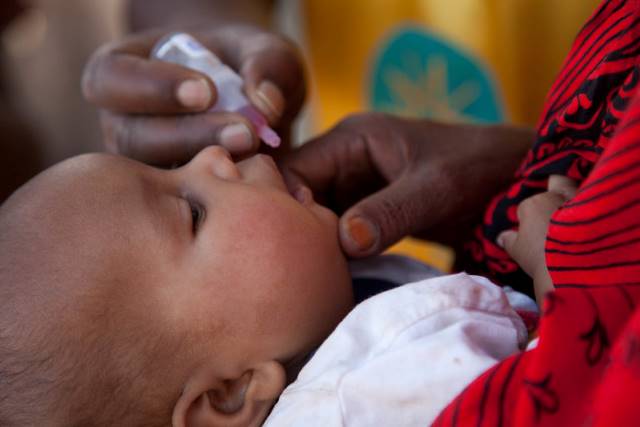
Awareness About Honor KillingsHonor killings and honor violence are still common practices in patriarchal societies. The practice involves an act of violence, usually murder, perpetrated against a woman by a male family member as punishment for bringing “dishonor” to the family. Behaviors that bring dishonor almost always relate to the woman’s sexual activity or relationship: sex outside of marriage, seeking a divorce, refusing an arranged marriage and being a victim of rape. These are all actions that supposedly justify honor killings because of the shame they bring to the family. Though archaic and cruel, honor killings happen all the time. The United Nations Office on Drugs and Crime (UNODC) estimates that, in 2017, intimate partners or family members killed roughly 50,000 women, many of them victims of honor killings. Several books hope to raise awareness about honor killings in order to reduce the occurrence and bring about change.
“I Should Have Honor: A Memoir of Hope and Pride in Pakistan”

This memoir by Khalida Brohi reflects on honor violence and related systems Brohi witnessed growing up in Pakistan. Her mother was an arranged marriage child bride. Brohi was nearly subject to a similar fate. Brohi was part of an arranged marriage before she was even born. Her father refused to let her become a child bride because he believed in education. The honor killing of her cousin by her uncle prompted her journey to helping women become empowered. Brohi’s uncle murdered her cousin for being in love with a man she was not married to. Brohi tells this story in her memoir and the story of her subsequent activism: empowering women and educating men on how and why these systems must undergo dismantling.

“Honor and Violence against Women in Iraqi Kurdistan”

Unlike Brohi’s deeply personal memoir, this book by Minoo Alinia focuses on applying an intersectional perspective to research concerning honor violence in Kurdistan. Alinia analyzes cultural notions of masculinity and the individual actions that stem from it. This text offers a socio-political perspective and participates in a larger conversation about global gender studies and how colonial history, religion and poverty have an influence. Though less personal, the researched approach to a subject as urgent as honor violence is vital to change advocacy. Alinia attempts to understand the origin of the practice in this region in order to create a cultural conversation about eliminating the practice.

“Inside an Honor Killing: A Father and a Daughter Tell Their Story”

In this book, Lene Wold brings a journalist’s perspective to the subject of honor killings, particularly in Jordan. Wold chose to immerse herself: she spent years in Jordan documenting as many stories as she could. While she witnessed the gender and socioeconomic dynamics of daily life firsthand, she interviewed young women, village elders and men who had murdered a female family member in the name of honor. This book uniquely presents not only the victim’s perspective but the perpetrator’s. It is central to the advocacy surrounding honor violence because it tries to share every side of the story, allowing for the most holistic education and understanding.

“Bliss”

This novel by O.Z. Livaneli is unique because, unlike the others, it is fictional. Livaneli tells the story of a character who experiences rape by her uncle before his son arranges for her death as her rape has dishonored the family. The fictional story set in Turkey hopes to reflect the experiences of Turkish women and families. The most important aspect of this story is the overwhelming hopefulness it conveys. Education and understanding are essential to advocacy but so is hope. Livaneli’s novel brings hope as well as awareness to the issue of honor killings.

By bringing awareness to the issue of honor killings, these writers hope to reduce its occurrence and inspire advocacy and change.

– Samantha Silveira
Photo: Flickr

April 24, 2021
https://borgenproject.org/wp-content/uploads/borgen-project-logo.svg 0 0 Kim Thelwell https://borgenproject.org/wp-content/uploads/borgen-project-logo.svg Kim Thelwell2021-04-24 07:31:132021-04-22 19:46:544 Books Bringing Awareness About Honor Killings
Children, Developing Countries, Global Poverty, Health

The Success of the Global Polio Eradication Initiative

Global Polio Eradication InitiativeMost think of polio as a disease of the past, eliminated from the world through scientific advancement. However, the disease remains present in some countries and runs the risk of spreading again if it is not contained. In the words of Ban Ki-moon in 2012, former Secretary-General of the United Nations, “Wild viruses and wildfires have two things in common. If neglected, they can spread out of control. If handled properly, they can be stamped out for good. Today, the flame of polio is near extinction — but sparks in three countries threaten to ignite a global blaze.” The Global Polio Eradication Initiative (GPEI) seeks to finally eradicate polio throughout the world.

The Global Polio Eradication Initiative

It is a truly global project, led by a partnership between the World Health Organization (WHO), the U.S. Centers for Disease Control and Prevention, UNICEF, Rotary International, the Bill & Melinda Gates Foundation and Gavi, the Vaccine Alliance. Furthermore, the Initiative involves 200 countries around the world. The Initiative started “in 1988 after the World Health Assembly passed a resolution to eliminate polio.” Over 33 years, the Initiative has secured more than $17 million worth of contributions from donors and financing.

The Global Polio Eradication Initiative has a well-developed and comprehensive plan which has produced numerous successes and lays out a roadmap to completely eradicate polio. One goal is integration. The GPEI seeks to integrate national governments’ vaccination plans with the polio vaccine, allowing children to get the polio vaccine as part of national immunization schedules. Enhanced integration also includes joint delivery of the polio vaccine with other vaccines, integration of polio surveillance with surveillance of other diseases and harmonizing data systems.

Routine vaccination of children is the crucial part of the plan, along with supplementary vaccination when needed. Areas that are most susceptible to an outbreak often receive supplementary vaccinations in targeted campaigns or through National Immunization Days.

Polio Success Stories

The success of the Global Polio Eradication Initiative since its founding is undeniable. The GPEI estimates that the global incidence of polio has decreased 99.9% since its inception. Polio efforts saved more than 1.5 million lives and prevented 16 million people from polio-induced paralysis. In addition to this, the GPEI administered more than 2.5 billion polio vaccines to children across the world.

Africa is a shining example of the GPEI’s success in eradicating polio. Even after the development of the polio vaccine in 1954, the disease remained endemic for decades and the continent struggled to track cases and vaccinate children. Around 1996, wild polio paralyzed 75,000 African children a year. The GPEI helped to coordinate cooperation between African national leaders and multinational NGOs, leading to greater tracking and quick responses to outbreaks.

As part of the Kick Polio Out of Africa campaign, the GPEI and other contributors provided nine billion doses of the oral polio vaccine and vaccinated 220 million children every year. Thanks to this work, Nigeria became the only country where polio was still endemic by 2016. In 2020, after four years without a polio case, the GPEI declared Africa polio-free. The elimination of a highly contagious and dangerous disease is a remarkable success story.

Remaining Countries and At-Risk Countries

While it is near eradication, polio remains endemic in Afghanistan and Pakistan. While concerning, there were less than 30 reported cases of the disease in these countries in 2018. Children miss out on coverage for polio in Afghanistan and Pakistan for various reasons, including a lack of infrastructure and an unstable political situation. Still, the Global Polio Eradication Initiative continues to vaccinate children, provide surveillance of the disease and work to develop new vaccines, diagnostic tools and antiviral drugs.

The failure to eliminate or contain polio completely could lead to a resurgence. If not contained, this could lead to 200,000 or more global cases a year within 10 years. The GPEI, in support of the governments of Afghanistan and Pakistan, works extensively with leaders in the countries to vaccinate children and provide teams of volunteers.

Children need multiple doses of the vaccine for effective prevention and vaccinations must be widespread in order to prevent any community transmission. For this reason, the GPEI has identified five main at-risk countries that are vulnerable to outbreaks and require greater surveillance:

  1. China
  2. Indonesia
  3. Mozambique
  4. Myanmar
  5. Papua New Guinea

Approaching the Finish Line

The Global Polio Eradication Initiative has had major successes so far and is nearly at the finish line of eradicating polio from all nations of the world. Unprecedented global cooperation and collaboration have been the driving forces behind its achievements. Global collaboration is integral for addressing all aspects of global poverty.

– Clay Hallee
Photo: Flickr

April 23, 2021
https://borgenproject.org/wp-content/uploads/borgen-project-logo.svg 0 0 Kim Thelwell https://borgenproject.org/wp-content/uploads/borgen-project-logo.svg Kim Thelwell2021-04-23 07:31:292021-04-22 18:16:51The Success of the Global Polio Eradication Initiative
Developing Countries, Global Poverty

Novissi GiveDirectly Alleviates Poverty in Togo

Novissi GiveDirectly Togo, a West African country home to 8 million people, wants to put money into the pockets of its most vulnerable citizens in order to alleviate some of the economic burdens of COVID-19. The most impoverished Togolese people, however, are often the most difficult to locate as they tend to live in remote areas and have little or no record of income. To address this issue, the government of Togo partnered with researchers at the University of California and the U.S. charity called GiveDirectly. The team is using artificial intelligence to identify pockets of extreme poverty within its borders. The program called Novissi GiveDirectly intends to stabilize the economy by uplifting those most in need.

The Initial Novissi Program

“Novissi” translates to “solidarity” in one of the local languages of Ewe. The initial Novissi program already distributed $22 million via mobile money payments to 600,000 citizens who live in urban areas. Voting registration provided the state with information about a citizen’s financial status and the state used this information to determine eligibility. Then, payment was sent via mobile devices. However, this same methodology could not be applied to the many Togolese who live outside the cities and identify as informal workers. The government wanted to target people in rural areas living on less than $1.25 per day without the means to put themselves on the government’s radar. Presented with this challenge, a second phase of the program emerged: Novissi GiveDirectly.

Novissi GiveDirectly

In Togo, Novissi GiveDirectly utilizes satellite imagery, mobile data and artificial intelligence as a poverty solution. Satellites capture photos from every square kilometer of the country, giving insight into villages’ local infrastructure, the housing materials used and even the size of land plots.

Mobile data also provides researchers with a major clue in the search for those carrying the biggest financial burdens. In general, impoverished people use cellphones less often, receive more calls than they make and have lower mobile money balances. Artificial intelligence then analyzes the mountains of data to identify who is eligible to receive aid from the program by estimating an individual’s wealth. Registration is as simple as a Togolese citizen dialing #855 to register for the program.

The Impact on Locals

Eric Dossekpli is a 49-year-old farmer whose livelihood has experienced a direct impact from COVID-19. His market goods were not selling because people were not buying due to the financial distress of the pandemic. This left him without an income and unable to afford fertilizer to continue growing crops.

When Dossekpli heard about Novissi GiveDirectly, he immediately registered. Once Novissi GiveDirectly confirmed his eligibility, he received an instant mobile payment of $13. Novissi GiveDirectly gives $13 to men and $15 to women every month for five months. Women receive more money due to their roles as caregivers. The money received meant he could pay for his children’s tuition and afford food. “I can’t imagine how I was going to live if not for this money. All I can say is thanks,” said Dossekpli.

The Road Ahead

What makes the program unique is that it operates using data that is already available. This makes it quick and comprehensive, two characteristics that are critical during a crisis. The program aims to distribute $10 million to 114,000 Togolese people over a period of a few months. The Novissi GiveDirectly model is currently being considered for Nigeria and Bangladesh.

Though Novissi GiveDirectly has emerged in response to a crisis, one cannot help but consider the potential benefits of such targeted investments long-term. If $13 can pay for the education of four Togolese children during a global pandemic, a sustained investment of this nature could boost an entire economy, allowing everybody to reap the rewards.

– Greg Fortier
Photo: Flickr

April 22, 2021
https://borgenproject.org/wp-content/uploads/borgen-project-logo.svg 0 0 Kim Thelwell https://borgenproject.org/wp-content/uploads/borgen-project-logo.svg Kim Thelwell2021-04-22 07:31:262021-04-20 14:41:02Novissi GiveDirectly Alleviates Poverty in Togo
Developing Countries, Development, Education, Health, Refugees

Aiding Over 2 Million Syrian Refugees

2 Million Syrian Refugees
Syria has been at the center of an ongoing civil war since 2011. The civil war displaced over 6.1 million people and over 5.6 million became refugees. With over 13 million people requiring humanitarian aid, Syria is in dire need of assistance. The COVID-19 pandemic affected over 1.1 million refugees and magnified the levels of food insecurity, joblessness and poverty. Children make up half of those suffering from the effects of the civil war. Luckily, since the beginning of the humanitarian crisis, the Maram Foundation has been aiding over 2 million Syrian refugees access the necessities they require.

The Maram Foundation’s Background

The Maram Foundation is a nonprofit organization that focuses on development projects in Syria. The nonprofit started by helping to establish the Olive Tree Atmeh camp for internally displaced persons (IDP). The Atmeh camp was home to over 28,000 people in northern Syria. A child in the Atmeh camp influenced the naming of the Maram Foundation. They suffered from paralysis as a result of shrapnel damage. The nonprofit currently works in refugee camps across Syria and in parts of Turkey and Jordan. Through the use of a series of development programs, the Maram Foundation has aided over 2 million Syrian refugees.

Development Programs

With 80% of Syrian refugees living below the poverty line, the Maram Foundation is providing direct support to the people through camp management, development and livelihood programs. The Camp Coordination and Camp Management program works to promote human rights within the Syrian refugee camps. These camps are temporary solutions to the ongoing crisis. The programs plan to improve the refugee camps to promote the living standards, safety and comfort of refugees.

The Maram Foundation uses early recovery strategies to ensure refugee camps are able to use humanitarian aid. It will foster sustainable development rather than create dependency. The Maram Foundation also works to ensure the refugee camps are free of abuse, violence and fear through community empowerment of women and children. Additionally, education programs are also working to ensure that children in refugee camps are able to receive the education they need. This will help them grow and develop professional skills.

Benefits of the Maram Foundation

As more than 9 million Syrians suffer from food insecurity, the Maram Foundation is also working to strengthen refugee camps. This will result in providing shelter and non-food items such as clothing. It will improve food, water and hygiene systems in Syria. The Maram Foundation seeks to ensure Syrian refugees have these resources.

The Food Security and Livelihood program works to build the resilience of refugees by providing them with the ability to grow their own food and combat malnutrition. The program has built resilience towards food scarcity across the refugee camps in Syria. The nonprofit provides a water, sanitation and hygiene program called WASH. This program provides refugees with access to clean water and waste disposal. The program takes action against the spread of contamination and disease. This protects the health and living standards of the refugee communities.

Looking Forward

The Maram Foundation has been aiding over 2 million Syrian refugees since the start of the crisis in 2011. The Maram Foundation has partnered with non-governmental organizations to get the funding it requires to carry out its work. With the ongoing pandemic, the Maram Foundation has continued to work in Syrian refugee communities to build pandemic resilient housing. Millions of people are suffering from the ongoing humanitarian crisis in Syria. The Maram Foundation for Relief and Development is working to promote the safety and dignity of the Syrian people.

– Gerardo Valladares
Photo: Flickr

April 20, 2021
https://borgenproject.org/wp-content/uploads/borgen-project-logo.svg 0 0 Kim Thelwell https://borgenproject.org/wp-content/uploads/borgen-project-logo.svg Kim Thelwell2021-04-20 20:19:092024-05-30 22:23:12Aiding Over 2 Million Syrian Refugees
Developing Countries, Global Poverty

Energy Vault is Working to Fight Energy Poverty

Energy Vault
“Energy poverty” is a term that describes the lack of reliable, affordable sources of energy. More than one-seventh of the world’s population still lacks electricity, and in countries where it is available, it is often very expensive or unreliable. Access to energy is essential to people’s health and wellbeing, and it is instrumental in reducing poverty. Countries will not be able to engage in economic activities without modern, efficient energy. This in turn slows economic growth, which is a necessity for countries to pull themselves out of poverty. The poor will remain outcast and unprosperous, shut out from the high technology world if energy poverty persists. Here is some information about renewable energy and the Swiss startup Energy Vault that is providing low-cost energy to developing countries.

Renewable Energy

Renewable energy has the potential to help the developing countries that are struggling to provide power. It is sustainable and efficient, and the more efficient the energy technologies are, the more energy a country can save to use elsewhere. Renewable energy may seem like the perfect solution to energy poverty. In practice, however, the familiar forms of renewable energy like wind and hydropower pose various challenges.

Barriers to Renewable Energy Use

First, renewable energy has a high initial cost. In order to harness renewable energy, countries must build specific structures to capture it and convert it into electrical power. If using hydropower, a country must build a hydropower plant; in the case of wind energy, a country must build wind turbines. Furthermore, energy generation is dependent on the climate and geography of the area and it may be unstable. Wind does not blow incessantly, and the turbines will not generate any energy when there is no breeze.

In the example of hydropower, areas may not have water to spare to power hydroelectric plants. More than 40% of the world’s people still do not have access to clean water, and it would be unwise for countries to use the little they do have on hydropower when their own people are still struggling. While renewable energy seems like the best option for developing countries, it presents several challenges when implemented.

Energy Vault

In response to this issue, Energy Vault, a Swiss startup, developed a method to provide reliable energy by utilizing the force of gravity. It operates by lifting composite bricks, then lowering them back to the ground. The brick has kinetic energy as it goes down, which the structure converts into electricity. It uses similar principles to hydropower but replaces the water with a system of bricks. This makes the system more implementable than hydropower since it does not divert water away from the population, who need it for drinking. Any area can implement Energy Vault easily because it does not depend on geographical or climatic factors. Unlike hydropower, wind power or solar power, it can generate electricity under any conditions. Energy Vault is extremely low cost and affordable to developing countries that need it.

In addition to its reliability, Energy Vault is sustainable. It can last for more than 30 years, and its performance will not degrade at all throughout its life. Recycled waste and landfill materials make up the bricks that Energy Vault uses, and as such, they are readily available anywhere.

The affordability and sustainability of Energy Vault make it a good energy source for struggling countries. Though energy poverty is still a major issue in many areas of the world, startups like Energy Vault offer innovative solutions to combat it.

– Alison Ding
Photo: Flickr

April 19, 2021
https://borgenproject.org/wp-content/uploads/borgen-project-logo.svg 0 0 Kim Thelwell https://borgenproject.org/wp-content/uploads/borgen-project-logo.svg Kim Thelwell2021-04-19 07:30:462021-04-17 20:15:46Energy Vault is Working to Fight Energy Poverty
Developing Countries, Development, Global Poverty, Humanitarian Aid, NGOs

Community-Based Safeguarding Toolkit for Aid Efforts

Safeguarding ToolkitThe Organization for Economic Co-operation and Development (OECD) created a report to address why aid effectiveness and quality are so important to development goals. Increasing effectiveness is defined as ensuring that the most impoverished populations are receiving quality aid to improve their quality of life. In order to achieve this, donors and developing countries must be mutually respectful of one another in order to achieve the desired development goals. This means countries providing aid and on-the-ground development need to be mindful of and respectful to the communities they are aiming to lift out of poverty. A community-based safeguarding toolkit was launched to ensure that people are aware of their rights and protections when it comes to developmental aid efforts.

Dignity at the Center of Aid

Jonathan Glennie of Open Democracy presents the question, “What if dignity was placed at the heart of all development work, from planning, through implementation, to evaluation of its impact?” Glennie explains the importance of a dignity-centered approach when lifting individuals and communities out of poverty and how such an approach is a more effective way of alleviating poverty. Engaging in foreign aid with dignity for communities experiencing extreme poverty leads to the empowerment of these populations. According to Glennie, when communities are empowered they can reach their real goals, resulting in concrete benefits such as improved health and food security, quality education and higher incomes.

Safeguarding Toolkit

The concept of mutual respect and dignity is now generally accepted as a norm in the development world. However, communities are not always aware of their rights. Given this, Habitat for Humanity, Oxfam International and WaterAid collaborated to launch a “community-based safeguarding visual toolkit” in February 2021, with plans to review and update the toolkit in 2022, resources allowing. The toolkit was created to allow humanitarian and development organizations to give visual information regarding the Six Core Principles Relating to Sexual Exploitation and Abuse to the community members these organizations are working with.

NGOs are continuously evolving and many have recognized that safeguarding measures will be most effective with intentional and focused community engagement. This toolkit was designed to protect and embolden communities in which development is taking place to understand their rights, prevent exploitation and abuse and promote a speak-up culture in the world of development globally. The toolkit has been released in 24 languages so far and can be downloaded for free, making it widely and equitably accessible.

Encouraging Ethical Development

The toolkit contains 11 key messages with 29 corresponding visuals. Some examples of these messages are “aid workers are not allowed to ask for or accept bribes for aid” and “aid organizations encourage complaints — there are safe ways to complain.” Other visuals explicitly state community members’ rights against sexual abuse and/or exploitation by aid workers. These visuals are not intended to be a stand-alone effort in creating respectful and ethical development efforts but are to be utilized in conjunction with wider training and conversations.

Strategic and ethical aid promotes the economic prosperity of developing communities while creating self-reliance. It is important that such communities are aware of their rights and are engaged in the development process. This community-based safeguarding toolkit is working to ensure that efforts to lift people out of poverty respect the basic rights of the communities humanitarian organizations serve.

– Tatiana Nelson
Photo: Flickr

April 19, 2021
https://borgenproject.org/wp-content/uploads/borgen-project-logo.svg 0 0 Kim Thelwell https://borgenproject.org/wp-content/uploads/borgen-project-logo.svg Kim Thelwell2021-04-19 02:31:352021-05-19 02:31:55Community-Based Safeguarding Toolkit for Aid Efforts
Developing Countries, Global Poverty, Humanitarian Aid

The Value of CARE’s Aid to Egypt

CARE’s Aid to EgyptDespite the richness of Egypt’s history, the country faces several issues that affect the nation’s people. Among them are education, women’s rights, agricultural development and governance. However, the organization called CARE is working extensively to help resolve these pressing issues in Egypt. CARE’s aid to Egypt provides the necessary support to a struggling population.

Current Issues in Egypt

Egypt’s education system has made a number of improvements. As of 2017, the literacy rate in Egypt among youths was at 94%. Furthermore, the amount of elementary-aged children in Egypt not attending school has decreased to 50%. One particular concern regarding the Egyptian education system, however, is the increasing population in Egypt. The population increase puts strain on the educational system because it leads to overcrowded classrooms, capacity shortages and a greater need for educational funding to support this.

Women’s rights in Egypt is another issue of concern for the country. In 2015, the Global Gender Index gave Egypt a rank of 136 out of 145 countries regarding inequities between men and women of Egypt. This low ranking is evidenced by the fact that women’s participation in the labor force is only 26% in comparison to 79% for men. Furthermore, women’s literacy stands at 65% in comparison to 82% for men.

Agriculture is vitally important to the Egyptian economy. About 11.3% of Egypt’s GDP comes from this sector. Of the entire Egyptian workforce, around 28% of it is employed in the agricultural sector. Upper Egypt relies heavily on agriculture with 55% of the population employed in the sector. The Egyptian agricultural sector struggles due to the use of traditional farming methods that hinder productivity and do not align with international standards.

CARE Addresses Egyptian Education

One of CARE’s focuses regarding Egyptian education is children who live in poverty. CARE works to ensure that children still have access to education despite the economic situation they find themselves in. CARE works to improve education in Egypt by assisting the Egyptian Ministry of Education (MOE). The MOE has what is called Readability Units to help improve literacy among students. CARE works directly with these Readability Units to better improve teaching methods and monitor the progress of both students and teachers.

CARE Supports Women’s Rights

CARE helps to support women’s rights by fighting gender-based violence (GBV) in Egypt. CARE’s women’s rights program helps support efforts to raise awareness about GBV and provide assistance to survivors.

The Safe Cities Free of Violence project has been protecting Egyptian women and girls since 2012 by ensuring GBV-free, safe neighborhoods in specific areas. Through field activities, people are educated on gender-based violence matters. Furthermore, survivors are provided help through four pillars: health access and medical care, safety, legal and psychosocial. During the 2016-2017 period, the GBV program directly benefited more than 16,000 women and girls.

CARE’s aid to Egypt also helps women economically by using the village savings and loan associations (VSLA) strategy. The purpose of the VSLA is to give lower-income people the opportunity to save money and access loans to improve economic stability. This also contributes to ensuring financial inclusion for impoverished people. Since 2009, the VSLA has helped more than 54,000 people, 95% of whom were women.

CARE Helps Agriculture and Governance

CARE recognizes that the traditional agricultural practices in Egypt are not the most beneficial or productive. CARE reaches out to small-scale farmers to teach them more efficient farming techniques to better improve their productivity. Our Children’s Wheat program has provided agricultural training to 172 farmers growing maize. An additional 2039 farmers were trained on growing wheat crops productively.

Furthermore, CARE has long been working toward improving governance in Egypt. Focusing on regional level governance, CARE wants to better improve the way regional governments provide for citizens. CARE also wants these regional governments to be more accountable when it comes to addressing the needs of citizens. It has established governance and social accountability initiatives and practices to ensure improvement in this area.

The Road Ahead

Despite the hardships Egypt faces, the country is receiving significant support from CARE. This support is especially significant in areas where the government lacks the resources to fulfill the needs of its citizens. CARE’s aid in Egypt provides hope to a struggling population for a future that goes beyond simply surviving to fully thriving.

– Jacob E. Lee
Photo: Flickr

April 19, 2021
https://borgenproject.org/wp-content/uploads/borgen-project-logo.svg 0 0 Kim Thelwell https://borgenproject.org/wp-content/uploads/borgen-project-logo.svg Kim Thelwell2021-04-19 01:30:262024-05-30 22:23:17The Value of CARE’s Aid to Egypt
Developing Countries, Development, Global Poverty, Poverty Eradication

The Possibility of Exporting Clean Energy

Exporting Clean EnergyCongressman Mike Thompson introduced H.R. 848: GREEN Act of 2021 on February 4, 2021. It is an amendment to the Internal Revenue Code of 1986, serving to provide incentives for renewable energy and energy efficiency. Renewable energy can serve as a means of ending poverty as access to energy can improve healthcare, education and economic opportunity. There also lies an opportunity of possibly exporting clean energy.

The GREEN Act of 2021

Congressman Thompson’s GREEN Act of 2021 seeks to increase the incentives for U.S. citizens to use renewable energy. Congressman Thompson is a vocal advocate for clean energy, believing this change will help not only the United States but also the world at large. Thompson’s vigor in promoting clean energy comes from a desire to cut reduce emissions and create millions of jobs worldwide. Congressman Thompson has voiced renewable energy as priority in Congress by cosponsoring the Green New Deal in February 2019 and sponsoring legislation to provide tax incentives for those using clean energy. Congressman Thompson acknowledges the U.S.’s responsibility to aid other countries. One sees this through his commitments to improve education globally. In combining these two efforts, the U.S. could tackle two of the world’s most important issues.

Clean Energy at Work

In the United Nations Sustainable Development Goals, the elimination of poverty is as imperative as clean, renewable energy. Robert Freling, executive director of the Solar Electric Light Fund, believes energy is a key weapon in fighting against global poverty. To Freling, access to electricity is a basic human right that is not available to many impoverished nations. Without access to energy, developing countries’ attempts to improve people’s lives comes to a standstill.

The World Bank reports that 840 million people do not have access to electricity and 650 million people will still not have electricity in 2030. According to the World Bank, those lower-income families living in rural areas will need to use solar home systems, mini-grids and solar lighting to combat poverty.

Various countries have proven the effectiveness of renewable energy in fighting poverty. For example, in China introducing solar energy led to more than 800,000 families in poverty having access to power. In some areas, solar installations provided families with an additional yearly income of more than $400.

Exporting Clean Energy

This emphasis on the Unites States promoting clean energy across the world has been noticed by other members of Congress as well. Rep. John Curtis believes the U.S. should set an example by exporting renewable energy to foreign countries. Rep. Curtis introduced multiple bills with the main goal of exporting clean energy. One piece of legislation Rep. Curtis introduced is the Worldwide Wind Turbine Act, which would give the U.S. Agency for International Development (USAID) the power to accept old wind turbines as donations and share these turbines with developing nations who could benefit from wind energy.

By exporting clean energy, the U.S. can lead the way to transition to renewable energy while improving the global economy. Renewable and clean energy efforts are vital because global poverty cannot truly be resolved unless energy poverty is addressed.

– Solomon Simpson
Photo: Flickr

April 18, 2021
https://borgenproject.org/wp-content/uploads/borgen-project-logo.svg 0 0 Lynsey Alexander https://borgenproject.org/wp-content/uploads/borgen-project-logo.svg Lynsey Alexander2021-04-18 05:41:142021-05-18 05:41:34The Possibility of Exporting Clean Energy
Developing Countries, Global Poverty, Health

Targeting the Midwifery Shortage: LMIC Midwives

LMIC MidwivesAccording to the World Health Organization (WHO), utilizing well-trained midwives could be a game-changer. Globally, midwives could decrease maternal, newborn and stillborn mortality by 83%. This is why WHO advocates for a midwife or other skilled health professional at every birth globally. Midwives are health professionals trained to manage uncomplicated pregnancies and deliveries and guide the family through the immediate post-natal period. More low-to-middle-income country (LMIC) midwives are needed to reduce maternal mortality rates.

Midwifery

Midwives can deliver 87% of the maternal health service need. However, only 42% of skilled midwives work in the 73 countries with 90% of the maternal, newborn and stillborn deaths. Further, a 2020 University of Dundee study found that midwifery is less effective in low-to-middle-income countries (LMICs). Where it does exist, there is a lack of standardization in education, training and regulation. Fortunately, organizations are focusing on increasing the number of LMIC midwives, midwifery education options and midwifery regulation.

Role of the Midwife

Not only do midwives deliver babies but they also play several other key roles. As members of their communities, they are culturally sensitive. Because they have community trust, they effectively promote strong health measures. Midwives help patients with family planning and breast and cervical screenings. They advocate for female rights and the elimination of genital mutilation practices. Midwives counsel teens on sexual and reproductive health and counsel victims of gender-based violence.

The midwife-led model of care is one in which the midwife is the lead medical provider for childbirth. According to a 2020 study, the holistic midwife-led model leads to more patient satisfaction and fewer unnecessary procedures. The study, however, suggests that the model needs stronger implementation in LMICs.

As the United Nations Population Fund (UNFPA) declares, “The deficits are highest in the areas where needs are greatest.” Luckily, the UNFPA and other programs are pushing to increase the number of LMIC midwives, midwifery education and midwifery regulation.

UNFPA: Supporting LMIC Midwives

Supporting LMIC midwives and building an LMIC midwifery workforce has been the focus of UNFPA since 2008. The organization works with more than 40 global partners and more than 300 national partners. Together they work on strengthening competency-based midwifery training and bringing it to scale. The focus is developing strong regulatory processes to analyze outcomes, supporting midwives in gaining a stronger voice through the creation of midwife organizations and increasing funding for midwife services. As of the end of 2018, the UNFPA trained more than 105,000 midwives and 8,500 midwifery tutors in 650 midwifery schools. This has helped create 250 midwifery associations and branches. The UNFPA’s midwifery support extends to more than 120 countries, including 39 countries with the highest global maternal mortality rates.

Tunza Mama: Midwifery Network in Kenya

While the UNFPA works globally, there are also national programs striving to support LMIC midwives. There is a shortage of midwives in public health facilities in Kenya because the government cannot afford to pay them. The African Medical and Research Foundation (Amref) International University launched the Tunza Mama network in 2018. This provides an alternative option to access midwives and improve the socio-economic status of Kenyan midwives.

Tunza Mama midwives visit women at their homes. Clients pay directly to the Tunza Mama bank account and the midwives get 95% of the fee. Tunza Mama spreads awareness of its existence using social media, which is how 70% of mothers came to know about the program. During the COVID pandemic, Tunza Mama is using mobile and e-learning digital platforms to reduce the need for in-person sessions by 75%. Some challenges include the fact that Tunza Mama is a paid service so only the middle-class can use it. The next steps include subsidizing the system so marginalized women can also gain access.

SWEDD Midwifery Training in the Sahel

In Mali, according to 2016 demographic data, the shortage of midwives and obstetric nurses is severe. There are only 1.4 midwives per 10,000 people versus the WHO recommendation of 23 doctors, nurses or midwives per 10,000 people. Also, according to 2018 data, 36% of teenagers have begun childbearing. Pregnancy and childbirth are the leading cause of death among adolescent girls.

Mali is part of the Sahel, the semi-arid region of north-central and western Africa. The Sahel also includes Benin, Burkina Faso, Chad, Cote d’Ivoire, Mali, Mauritania and Niger. The maternal and neonatal mortality rate in this region is one of the highest rates in the world. In response, in 2016, the World Bank began working with Sahel governments with support from the UNFPA to launch the Sahel Women’s Empowerment and Demographic Dividend (SWEDD) project, which provides midwifery training. Since the launch, more than 6,600 midwives have been trained. In addition to training LMIC midwives, SWEDD’s overarching goal is to achieve the “demographic dividend” by empowering women and girls through education, family planning and more.

Together, global organizations such as the UNFPA, local networks such as Tunza Mama and regional collaborations including SWEDD are pushing to boost the number of LMIC midwives. This will significantly lower maternal and newborn mortality in areas that need it the most.

– Shelly Saltzman
Photo: Flickr

April 18, 2021
https://borgenproject.org/wp-content/uploads/borgen-project-logo.svg 0 0 Kim Thelwell https://borgenproject.org/wp-content/uploads/borgen-project-logo.svg Kim Thelwell2021-04-18 02:49:422024-05-30 22:23:22Targeting the Midwifery Shortage: LMIC Midwives
Page 54 of 157«‹5253545556›»

Get Smarter

  • Global Poverty 101
  • Global Poverty… The Good News
  • Global Poverty & U.S. Jobs
  • Global Poverty and National Security
  • Innovative Solutions to Poverty
  • Global Poverty & Aid FAQ’s
Search Search

Take Action

  • Call Congress
  • Email Congress
  • Donate
  • 30 Ways to Help
  • Volunteer Ops
  • Internships
  • Courses & Certificates
  • The Podcast
Borgen Project

“The Borgen Project is an incredible nonprofit organization that is addressing poverty and hunger and working towards ending them.”

-The Huffington Post

Inside The Borgen Project

  • Contact
  • About
  • Financials
  • President
  • Board of Directors
  • Board of Advisors

International Links

  • UK Email Parliament
  • UK Donate
  • Canada Email Parliament

Get Smarter

  • Global Poverty 101
  • Global Poverty… The Good News
  • Global Poverty & U.S. Jobs
  • Global Poverty and National Security
  • Innovative Solutions to Poverty
  • Global Poverty & Aid FAQ’s

Ways to Help

  • Call Congress
  • Email Congress
  • Donate
  • 30 Ways to Help
  • Volunteer Ops
  • Internships
  • Courses & Certificates
  • The Podcast
Scroll to top Scroll to top Scroll to top