• Link to X
  • Link to Facebook
  • Link to Instagram
  • Link to TikTok
  • Link to Youtube
  • About
    • About Us
      • President
      • Board of Directors
      • Board of Advisors
      • Financials
      • Our Methodology
      • Success Tracker
      • Contact
  • Act Now
    • 30 Ways to Help
      • Email Congress
      • Call Congress
      • Volunteer
      • Courses & Certificates
      • Be a Donor
    • Internships
      • In-Office Internships
      • Remote Internships
    • Legislation
      • Politics 101
  • The Blog
  • The Podcast
  • Magazine
  • Donate
  • Click to open the search input field Click to open the search input field Search
  • Menu Menu

Archive for category: Developing Countries

Information and stories about developing countries.

Developing Countries, Global Poverty

Economic Policies in Africa Reduce Poverty

Economic Policies in AfricaCOVID-19 has had disastrous effects on Africa’s fight against poverty. After a 25-year streak without a recession, sub-Saharan Africa now faces a new uphill battle. In spite of the challenges posed by the global pandemic, several economic policies in Africa are being quickly implemented by African governments stepping up to combat pandemic-induced poverty.

Impacts of COVID-19

Projections in 2020 indicated that the economic effects of COVID-19 would lower Africa’s GDP by three to five percentage points. A lower GDP is projected to increase the number of Africans living below the international poverty line by 13 million people. In sub-Saharan Africa, a projected loss of $37-79 billion is expected in output losses.

Facing a dire economic situation, several African nations are implementing comprehensive policies and strategic partnerships with key financial institutions. These economic policies in Africa come with the goal of providing much-needed economic support for individuals and families hit hardest by the pandemic.

Cameroon’s Joint Initiative

In late November 2020, French multi-international bank, Société Générale, and the European Investment Bank (EIB) confirmed a new joint initiative to support economic development in Cameroon. The new initiative aims to provide support for private sector development to help increase the economic resilience of companies across Africa that have been impacted by COVID-19.

Among the initiatives is the SocGen-EIB COVID-19 economic resilience financing program. It will allow working capital expenses, and most importantly, payment of salaries and social security and tax, leaving out a minimum maturity requirement to help ease the economic effects of COVID-19. By increasing backing for financial investment through more flexible disbursement conditions, the initiative hopes to support the economic challenges faced by Cameroon and the Central African economy.

Rwanda’s Economic Recovery Fund

Among the most effective economic policies in Africa, Rwanda’s government finalized an Economic Recovery Fund in June 2020 to increase the number of businesses eligible for economic support. The recovery fund initially included approximately RWF100 billion aimed at supporting local businesses most financially impacted by COVID-19. Benefiting the most from this recovery fund has been hotels. Through refinancing initiatives, hotels are able to restructure loans and working capital to avoid lay-offs and ultimately keep their doors open.

Although only a portion of the total funds (roughly RWF50 billion) was slated for hotel refinancing, the portion looked to restructure at least 35% of total outstanding loans of the hotel industry for some 571 borrowers by close of February 2020. The mark has already been met, resulting in John Rwangombwa, Rwanda’s central bank governor, approving RWF43 billion more in additional funds for hotel loans. The hotel refinancing loans are disbursed at a 5% interest rate compared to present market rates of 16%.

Zimbabwe’s Economic Blueprint

Zimbabwe’s President Emmerson Mnangagwa recently launched a five-year economic blueprint called the National Development Strategy (NDS). Targeting a 5% growth rate per year, the plan intends to establish the country as an upper-middle-income economy by 2030. The NDS will look to accelerate economic growth, improve infrastructure and improve investments and usage in information and communications technology.

The plan takes over from the now outdated Transitional Stabilization Program (TSP), which managed to help the country take steps toward a more stable economy. The NDS hopes to improve and bolster the economy even further through improved quality of life and more equitable and equal distribution of wealth. It was projected that the Zimbabwean economy would contract by 4.5% in 2020 due to the effects of COVID-19. Fortunately, the NDS is expected to expand the economy by 7.4% in 2021 and an estimated 760,000 formal jobs are to be created.

African Continental Free Trade Area Agreement (AfCFTA)

Malawi is working to finalize the ratification of the African Continental Free Trade Area (AfCFTA) with other key stakeholders in the African Union (AU). The AfCFTA went into effect on January 1, 2021, and will bring together 55 African countries, affecting 1.2 billion people. The initiative has ambitious goals such as boosting the region’s income by a projected $450 billion. If accomplished this would bring 30 million people out of extreme poverty and increase the incomes of 68 million Africans.

In the short term, the measure will help mitigate the immediate effects of COVID-19 by supporting regional trade and value chains. In the long term, it will lay a new foundation and framework for cooperation among AU members and policy reform needed to curb the shocks felt on the African economy after COVID-19.

The Road to Recovery

Unfortunately, COVID-19 is still a major global issue that continues to pose serious threats to the economic and social stability of Africa. The situation calls for government action, and fortunately, many African nations are stepping up to the plate. Strategic partnerships and expedient economic recovery plans put in place by Cameroon, Rwanda and Zimbabwe hope to set an effective precedent for other African nations to follow. More importantly, pan-African agreements that require continent-wide cooperation such as the African Continental Free Trade Area Agreement can lay the potential groundwork for a prosperous and strengthened Africa.

– Andrew Eckas
Photo: Flickr

April 1, 2021
https://borgenproject.org/wp-content/uploads/borgen-project-logo.svg 0 0 Kim Thelwell https://borgenproject.org/wp-content/uploads/borgen-project-logo.svg Kim Thelwell2021-04-01 04:04:362024-05-30 22:23:42Economic Policies in Africa Reduce Poverty
Developing Countries, Development, Education, Global Poverty, Health

Tackling The Taboo of Menstrual Hygiene

Taboo of Menstrual Hygiene
The American Medical Women’s Association defines period poverty as “the inadequate access to menstrual hygiene tools and education.” This includes limited accessibility to menstrual products like tampons, pads, washing stations and the ability to properly dispose of used products. The World Bank reports that “at least 500 million women and girls globally” lack the basic necessities for healthy menstrual management, making it difficult to combat the taboo of menstrual hygiene.

The inaccessibility of hygienic resources causes several problems for menstruating women and girls around the world. The U.N. states that in sub-Saharan Africa, 10% of school-aged girls will miss days for 20% of the school year due to menstruation. Their cycles, unfortunately, isolate them from their families and loved ones. These girls have to eat alone,  sleep outside and wear the same clothes daily. Society claims they are “unclean” because of their cycles. Studies in Kenya found that it is not uncommon for girls to trade sex to pay for period supplies. Period poverty is a widespread issue. Countries frequently do not address it because of stigmas surrounding menstruation.

Entrepreneurs in the Making

In 2016, South Australian high school students Eloise Hall and Isobel Marshall attended a leadership conference that would start them on a journey of empowering women all over the world. The two young women left the conference with the motivation to do something impactful.

Eloise and Isobel decided that creating a social enterprise would be the most impactful. This is a result of making menstrual hygiene their target objective. They catered to a market that spent $300 million on period supplies annually.

As Isobel and Eloise researched menstrual hygiene, “they were shocked to learn that 30% of girls in developing countries will drop out of school once they start having periods.” They also researched “that far too many reproductive complications stem from the lack of appropriate menstrual health care and education.” They felt a responsibility to contribute to reducing period poverty. Isobel and Eloise launched their company, Taboo, over the next few years with an immense amount of effort, fundraising, persistence and heart.

Team Taboo

Taboo makes organic cotton period products, pads and tampons. Taboo sells them online and in stores throughout Australia. The Taboo team consists only of volunteers. Taboo has a commitment to using ethically sourced materials in its products. It also donates 100% of its profits. The money goes straight to One Girl, a nonprofit organization that “…break[s] down the barriers that girls face in accessing an education. [They] do this by running girl-led programs in Sierra Leone and Uganda to drive positive change for girls and their communities.” One Girl teaches on menstrual hygiene, which is a frequent topic. Taboo also donates menstrual products, thus,  assisting the program with spreading awareness. One Girl distributes its products to its program members. It also combats the taboo of menstrual hygiene.

Eloise and Isobel sought to help their local community. In addition to their support of One Girl, they offer their consumers an option to subscribe to Taboo’s menstrual hygiene products on behalf of “disadvantaged” women in South Australia. They make a monthly trip to a women’s crisis center called Vinnie’s to hand deliver all donated supplies.

Taboo’s first products released in 2019. This company has made a huge impact in this short time. This contributes to Australia’s desire to combat the taboo of menstrual hygiene. In January 2021, co-founder Isobel Marshall became the recipient of the Young Australian of the Year award. The Taboo team is hopeful this recognition will spread awareness of the period poverty crisis.

– Rachel Proctor
Photo: Flickr

March 31, 2021
https://borgenproject.org/wp-content/uploads/borgen-project-logo.svg 0 0 Yuki https://borgenproject.org/wp-content/uploads/borgen-project-logo.svg Yuki2021-03-31 11:07:462024-05-30 22:23:07Tackling The Taboo of Menstrual Hygiene
Developing Countries, Health

A Closer Look at HIV/AIDS in Liberia

HIV/AIDS In LiberiaAround 4.9 million people are currently living with HIV in western and central Africa, including a percentage of those living in the small African country of Liberia. With a population of 5.1 million, roughly 1.5% of Liberians aged 15-49 live with HIV/AIDS. While this sounds like a small percentage, this equates to an estimated 47,000 people currently living with HIV/AIDS in Liberia, including 3,600 children.

HIV/AIDS in Liberia

While the percentage of HIV/AIDS in Liberia is lower than in surrounding countries and other regions of Africa, the country still struggles with treatment plans, education on the disease and breaking down stigma that could help prevent further spread. In 2019, UNAIDS released a comprehensive report detailing the spread and effect of HIV/AIDS in the country. The report states that only 33% of those living with HIV are receiving ART treatment. This amounts to 15,000 people currently receiving antiretroviral therapy (ART), a daily medication that reduces HIV in the system. Persons with HIV who do not receive ART treatment are more likely to develop AIDS and spread the virus. Of the 15,000 receiving treatment, 763 are children, which amounts to only 21% of all infected children in the country.

Additionally, only 58% of those living with HIV know their status. Lack of education on HIV testing and little access to testing centers has led to only a little more than half of those infected knowing their status through accurate testing. This lack of education heightens the threat of further spread, putting the health and safety of the entire population at risk. HIV/AIDS is not limited to sexual encounters. It also spreads through shared drug injections and even spreads to infants through breastfeeding. Unfortunately, stigma and discrimination continue to prevent progress.

According to UNAIDS’ 2019 report, roughly 53% of those surveyed in Liberia answered no when asked if they would purchase produce from a vendor who was HIV positive. This kind of stigma and cultivated ignorance around HIV and AIDS further inhibit people from getting tested as they may fear public ridicule. The fear of a positive test prevents the country from creating accurate and beneficial response plans.

Programs and Progress

In 2017, the African Union, in partnership with UNAIDS and others, implemented a series of “catch-up plans” for countries in western and central Africa to combat these issues. These plans included a 90-90-90 goal by 2020, meaning 90% of the people will know their HIV positive status, 90% of HIV positive people will have access to ART treatment and 90% will have viral suppression. The UNAIDS’ full 2020 report for Liberia is not available yet but the 2019 report already showed improvements in the country’s fight to eradicate the disease.

Compared to a 2016 report, the percent of children receiving ART treatment rose from about 17% to 21% in 2019.  Additionally, the percentage of HIV-positive pregnant women receiving ART treatment has increased from 19.3% in 2015 to 90% in 2019. This massive increase helps prevent infants born with HIV and decreases the risk of spread through sexual partnerships. The U.S. President’s Emergency Plan for AIDS Relief (PEPFAR) has supported the African Union and UNAIDS’ efforts in Liberia and significantly aided in the reduction of HIV-related issues. Therefore, PEPFAR supports health and treatment facilities in four Liberian counties and supported ART treatment for 15,000 HIV-positive persons in 2020.

All these improvements show progress toward the eradication of HIV/AIDS in Liberia. These advancements bring optimism as hope for an HIV/AIDS-free country remains strong.

– Kendall Couture
Photo: Flickr

March 30, 2021
https://borgenproject.org/wp-content/uploads/borgen-project-logo.svg 0 0 Kim Thelwell https://borgenproject.org/wp-content/uploads/borgen-project-logo.svg Kim Thelwell2021-03-30 03:22:362024-05-30 07:56:41A Closer Look at HIV/AIDS in Liberia
Developing Countries, Development, Global Poverty

The OPEC Fund Fights Poverty in Tanzania

OPEC FundThe OPEC Fund for International Development fights against poverty by funding projects that improve poverty and spur development. On February 19, 2021, it continued this effort by sending a $50 million loan to Tanzania. The funding supports the Fourth Tanzania Poverty Reduction Project. The project intends to focus on boosting the economy through rural development. It will also improve access to social services for more than 900,000 people. Tanzania has certainly made progress in reducing poverty over the past decade, but around 26 million Tanzanians still live on less than $1.90 per day. The efforts of the OPEC Fund intend to address the issue of poverty in Tanzania.

The Goal

The fourth phase of the plan aims to build rural infrastructure for education, health, water, agriculture and transportation. By improving these conditions, employment opportunities will arise for those who are struggling. Additionally, this project will provide people with income opportunities such as growing vegetables and farming animals. The OPEC Fund Director-General Dr. Abdulhamid Alkhalifa states that the organization has committed to improving poverty in Tanzania for years. He explains that the current loan will empower communities to help themselves by strengthening food resilience and household incomes as well as developing social amenities to encourage growth and development.

The Partnership

The partnership between the OPEC Fund and Tanzania has existed for 45 years. During the partnership, the OPEC Fund has given the country more than $370 million for the current project and 37 other public sector operations. The OPEC Fund most recently granted assistance toward transportation. Tanzania received $26 million for the Kazilambwa-Chagu Road Upgrading Project. The road built will connect two of the country’s main ports. Improving the accessibility of these ports will ultimately lead to an increase in both agricultural and tourism-related activities. Additionally, it will enable trade with neighboring countries, therefore spurring economic growth.

Plans for Development

The OPEC Fund’s mission is to stimulate economic growth in low to middle-income countries. The OPEC Fund provides financing to both member and non-member countries. Established by member countries in 1976, it sought to increase development and strengthen communities, all while empowering the people of the country. The OPEC Fund has approved more than $25 billion for 135 countries, showing many that development is possible for everyone. With help from the OPEC Fund, Tanzania has greatly reduced poverty levels over the past 10 years. As the OPEC Fund fights against poverty, the Tanzanian government is implementing programs to eradicate poverty and developmental issues. Exemplary programs include three previous phases of this project co-financed by the OPEC Fund.

Importance of Agriculture

Agriculture is the center of Tanzania’s economy, contributing around a quarter of GDP and employing three-fourths of the country. Increasing droughts and harvest losses, however, present a threat to food security and the agriculture sector. Tanzania’s GDP growth of 6–7% annually over the past decade stems largely from the agriculture sector. A majority of the agricultural success has come from improvements and progress in farming and harvesting.

Tanzania also struggles to expand modern energy access, with two-thirds of the population still without access to modern energy. Similarly, only 9% of Tanzania’s population has access to formal financial services and only 4% has ever received a loan from a bank, factors clearly stagnating economic growth and development in the country.

The assistance provided by the OPEC Fund alongside community members and the Tanzanian government has allowed Tanzania to make great strides toward eradicating poverty and improving developmental growth.

– Jai Phillips
Photo: Flickr

March 30, 2021
https://borgenproject.org/wp-content/uploads/borgen-project-logo.svg 0 0 Kim Thelwell https://borgenproject.org/wp-content/uploads/borgen-project-logo.svg Kim Thelwell2021-03-30 03:17:282024-05-30 22:23:10The OPEC Fund Fights Poverty in Tanzania
Children, Developing Countries, Education, Global Poverty, Health

Children with Disabilities in Kyrgyzstan

Disabilities in Kyrgyzstan
Kyrgyzstan is a small nation in Central Asia. It is west of China and south of Kazakhstan. In 2019, this former Soviet country ratified the United Nations Convention on the Rights of Persons With Disabilities (CRPD). Kyrgyzstan is now part of it along with 180 other countries. The approval of the CRPD showcases the progress that various organizations have made in recent years toward creating a more inclusive Kyrgyzstan. This is of vital importance to more than 31,000 registered children with disabilities in Kyrgyzstan who often lack basic civil rights.

Barriers to Inclusion

Since Soviet rule, the prevailing mindset in Kyrgyzstan is that people with disabilities require fixing. This has led to the development of stigmas against people with disabilities, and in turn, their exclusion from daily life. This can take the form of the children not receiving an education, and having limited access to health and rehabilitation services and institutional placement. According to UNICEF, in 2012, more than 3,200 children and teenagers with disabilities were living in institutions. Here, they often face inhumane treatment. For example, Human Rights Watch documented that staff use “psychotropic drugs or forced psychiatric hospitalization to control children’s behavior and punish them.” This kind of treatment is harmful and can result in an overdose.

Learning Better Together

In 2018, the Kyrgyzstan government launched several initiatives with the intention of fostering inclusion. One of these initiatives is the Learning Better Together Initiative. This is a partnership between USAID, the Ministry of Education and Science of Kyrgyzstan and UNICEF. UNICEF is responsible for placing children with disabilities or special needs in local schools. Teachers received training on how to work with children with disabilities and how to identify areas in which students need extra help.

There were 20 schools that participated in the pilot program. Each one received grants to use as they best saw fit. For example, the school in Kok-Sai used the grant to build a dance room and purchase exercise equipment to help children with disabilities improve their physical health.

While the main focus of the Learning Better Together Initiative is children with disabilities, it also implemented multilingual education. At least 20 school settings practiced this concept during the pilot program. These programs are important for a multiethnic nation like Kyrgyzstan.

Open the Door to the Child!

“Open the door to the child!” is a UNICEF public campaign. It is in partnership with the Osh and Bishkek Mayor’s office that informed the public about children with disabilities in Kyrgyzstan. Billboards displayed advertisements that talked about accepting those with disabilities. Similar posters and banners hung on bus stops and city lights. The stories of children with disabilities in Kyrgyzstan, including their trials and victories, aired on local television throughout the Osh Oblast (region).

Additionally, kindergartens handed out bilingual pamphlets to parents, outlining how to connect with children with disabilities. Psychology and sociology students came to kindergartens to teach how to make friends with others, including those who have disabilities.

UNICEF’s Early Identification and Early Intervention Programme for Children with Disabilities is a program that sends health care workers to homes with newborns and children to screen for health issues and disabilities. Currently, UNICEF is striving for early detection in children 8-years-old and under to ensure they get adequate health services. UNICEF is also aiming to prevent a child’s health from worsening.

Buchur

Buchur is a daycare center in Osh, Kyrgyzstan, which specializes in working with children with disabilities. Founded by UNICEF, the city now runs and finances the daycare center itself. Here, children with disabilities between the ages of 2 and 16 can learn skills and interact with one another instead of facing isolation at home. Furthermore, it facilitates a smooth integration into kindergarten or school. Buchur also tutors children from mainstream schools who need help with homework. Similar facilities are uncommon in Kyrgyzstan.

Basketball for All

Inspired by a similar Ukrainian program, Basketball for All teaches kids with down syndrome or autism the skills and teamwork needed to play basketball. Administered by World Link and FLEX alumni, this is the first project of its kind in Kyrgyzstan. Organizers integrate parent and student feedback into the program to ensure it has the desired effect on students. Though the COVID-19 pandemic cut the initial run of the program short, the organizers have expressed interest in continuing the program after the pandemic.

Kelechek Plus

Kelechek Plus is an organization that focuses on issues surrounding children with disabilities in Kyrgyzstan. One of its programs focuses on building inclusive playgrounds for children. These playgrounds help expose non-disabled children to children with disabilities and vice versa. This is important to the mental and emotional needs of the children. Kelechek Plus has built playgrounds in various cities around Kyrgyzstan, such as Osh and Karakol. A wheelchair-accessible merry-go-round is an example of the type of structures that parents could find at one of Kelechek Plus’ playgrounds.

The progress that Kyrgyzstan has made over the last few years has been valuable in regard to the inclusion of children with disabilities in Kyrgyzstan. However, most NPO and government initiatives affect mainly the cities, leaving the rural areas in need of social and academic services. Government assistance in rural areas needs to occur. However, the success of current inclusive programs could serve as a roadmap throughout Kyrgyzstan.

– Riley Behlke
Photo: Flickr

March 28, 2021
https://borgenproject.org/wp-content/uploads/borgen-project-logo.svg 0 0 Kim Thelwell https://borgenproject.org/wp-content/uploads/borgen-project-logo.svg Kim Thelwell2021-03-28 12:23:332021-05-19 12:23:48Children with Disabilities in Kyrgyzstan
Developing Countries, Global Poverty

Caribbean Nations Unites on Storm Resilience

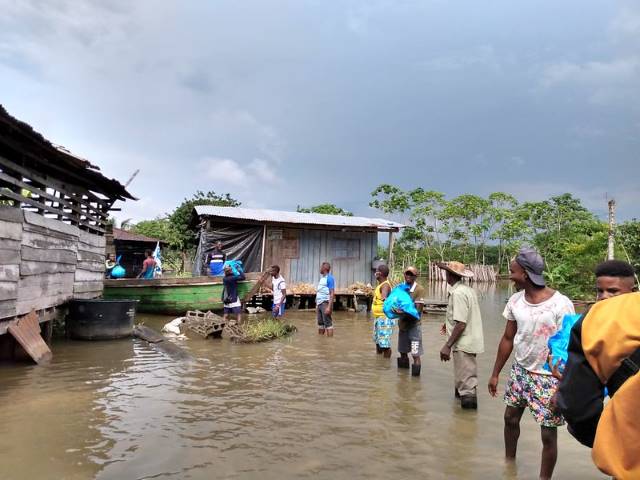
storm resilienceThe Caribbean region is facing an accelerated amount of devastating storms and severe weather incidents. With the Atlantic hurricane season becoming longer and more aggressive, as well as the additional crippling effect of the COVID-19 pandemic, Caribbean nations are struggling to persevere. It was predicted that from June 2020 to November 2020 there would be as many as 19 named storms, with up to six potentially becoming major hurricanes. In the Caribbean, a typical hurricane season has 12 named storms and three major hurricanes. Caribbean nations have united on storm resilience in the face of disaster in order to strengthen their disaster response.
COVID-19 and Caribbean Storms

The COVID-19 pandemic has already made it difficult to rebuild from past storms. Economies have been critically damaged as many regions depend on tourism. Furthermore, the government has to now prioritize already minimal resources for the public health crisis instead of disaster relief efforts.

With more devastating storms to come, the well-being of these Caribbean nations is a critical concern. Amid the uncertainty, Caribbean nations have united on storm resilience to implement effective emergency preparedness and response.

Initiating Institutional Reform

Nations throughout the Caribbean are acknowledging the obstacle of insufficient investments in National Disaster Management Organizations (NDMOs) that stem from deficiencies in their institutional frameworks. In January 2021, The Caribbean Disaster Emergency Management Agency (CDEMA) launched an initiative to augment disaster preparedness and enact institutional evaluations for Eastern Caribbean countries like Dominica, Saint Kitts and Nevis, Grenada, Saint Vincent, the Grenadines and St. Lucia. These evaluations, conducted by in-person interviews and questionnaires from national disaster experts and program representatives, will find weaknesses in each countries respective NDMOs. From there, the initiative will create a foundation that will support future regional cooperation.

During these institutional assessments, a reoccurring fault was the inadequacy of the NDMOs ability to collect and manage triable data and information. In response, the project received further funding to implement data collection training workshops that cover managing COVID-19 and the oncoming hurricane season. To guarantee the sustainability of these reforms, the project needs to engage policymakers and stakeholders within the government as well as gain input from ministries of finance in the countries involved.

Mobilizing Finance and Insurance Coverage

Caribbean nations have united on storm resilience by developing the Caribbean Catastrophe Risk Insurance Facility (CCRIF) in 2007 which provides the region with insurance coverage for hurricanes and earthquakes. This “sovereign parametric” insurance method is bought by the government and relies on risk modeling instead of on-the-ground damage evaluations to estimate the cost of disasters. The insurance policy automatically pays out when pre-agreed conditions like wind speed, rainfall and modeled economic losses meet or exceed a certain limit.

This creates fast payouts that avoid time-consuming damage evaluations. This also allows businesses to reopen sooner, roads and airports to quickly start operating again and affected communities to recover faster, preventing further long-term damage.

USAID Collaboration in Disaster Response Training

The United States Agency for International Development (USAID) has continued to support the International Federation of Red Cross and Red Crescent Societies (IFRC) to expand the Red Cross national societies in Caribbean countries. USAID allocated more than $43.1 million in 2020 to support disaster risk reduction activities in Latin America and the Caribbean. These tools will empower communities to adequately prepare for, respond to and recover from disasters.

Setting an Example During Turbulent Times

Preventing future destruction from violent storms and natural disasters will require serious commitment and collaboration among Caribbean nations. In addition, these circumstances call for increased international support during a time where pre-existing vulnerabilities have been intensified by a threatening pandemic. Witnessing how Caribbean nations have united on storm resilience in face of disaster can provide a positive example for other countries during a time where global unity is most essential.

– Alyssa McGrail
Photo: Flickr

March 27, 2021
https://borgenproject.org/wp-content/uploads/borgen-project-logo.svg 0 0 Kim Thelwell https://borgenproject.org/wp-content/uploads/borgen-project-logo.svg Kim Thelwell2021-03-27 07:30:212021-03-23 08:15:57Caribbean Nations Unites on Storm Resilience
Developing Countries, Global Poverty, Health

10 Facts About the Ervebo Ebola Vaccine

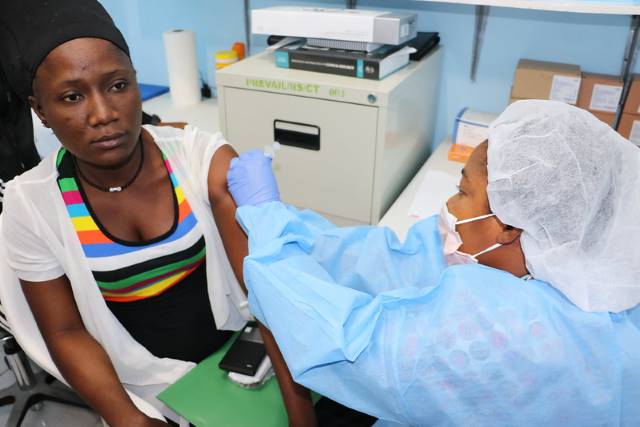
ErveboIn 2014, an outbreak of Zaire ebolavirus in the West African countries of Guinea, Liberia and Sierra Leone resulted in more than 28,000 cases and 11,000 deaths. Ebola virus disease (EVD) outbreaks were documented since the 1970s. However, the widespread nature of the 2014 epidemic caused global fear. Many countries responded by imposing travel restrictions against West African nations. Fortunately, the U.S. Food and Drug Administration approved the first Ebola vaccine (Ervebo) in December 2019.

10 Facts About the Ervebo Ebola Vaccine

  1. Trials began in 2018. The World Health Organization (WHO) and the Democratic Republic of the Congo (DRC) began to trial Ervebo in 2018 as an investigational vaccine under an expanded access program. The DRC experienced the world’s second-largest Ebola outbreak. The vaccine use aimed to prioritize people most at risk such as healthcare workers.
  2. Roughly 290,000 people received vaccinations. In response to the Ebola outbreak in the DRC, more than 290,000 people have received the Ervebo vaccination under compassionate use protocols. Compassionate use allows for the limited allocation of an unlicensed vaccination due to a dangerous public crisis.
  3. Ervebo is 100% effective. A study in Guinea during the 2014-2016 outbreak indicates that Ervebo was 100% effective for individuals 18 and older. In a comparison of cases, Ervebo was 100% effective in preventing cases of Ebola with symptom onset more than 10 days after inoculation. The comparison involved 2,108 participants in an “immediate” vaccination group and 1,429 participants in a “delayed” vaccination group.
  4. Trials outside of West Africa. In addition to West Africa, trials of the Ebola vaccine occurred in Canada, Spain and the United States. Because Ebola is not endemic to Europe or North America, researchers wanted to measure the antibody response among individuals with no history of previous exposure. The antibody responses among participants in Canada, Spain and the U.S. were close to that of individuals in Liberia and Sierra Leone.
  5. Ervebo is safe for all participants. Roughly 15,000 individuals in Africa, Europe and North America were part of vaccine trials. The trials determined that the vaccine is safe and effective for all individuals. Individuals reported only minor side effects.
  6. Ervebo is a single-dose vaccine. Ervebo is a single-dose injection that does not require boosters. This allows for faster distribution and protection against EVD. The vaccine is a “live, attenuated vaccine that is genetically engineered to contain protein from the Zaire ebolavirus.”
  7. The vaccine received priority review. Due to the importance of developing an Ebola vaccine as a public health measure, Ervebo received a priority review and a tropical disease priority review voucher by the FDA under a program supporting the development of new drugs for the prevention and treatment of tropical diseases. Ervebo also received a breakthrough therapy designation to assist with the development of the vaccine. The FDA worked closely with the company, Merck & Co., Inc., and completed the evaluation in less than six months.
  8. The vaccine will be available to those most in need. Due to limited supplies of Ebola vaccines, Ervebo will be available as part of a ring vaccination strategy during future outbreaks. This strategy means that those most at risk will receive first priority. Vaccination efforts will start with people like healthcare workers and extend outward to other members of the community.
  9. A global stockpile will be available in January 2021. Beginning in January 2021, a global stockpile of the vaccine will be available through the International Coordinating Group (ICG) on Vaccine Provision. The ICG also manages stockpiles of cholera, meningitis and yellow fever vaccines and will be responsible for decision-making on allocation.
  10. Four African countries have licensed the vaccine. In February 2020, the Democratic Republic of the Congo (DRC), Burundi, Ghana and Zambia licensed the Ervebo vaccine. The license means the manufacturer can stockpile and widely distribute the vaccine within these countries. No further research or clinical trials are necessary with a license.

The Future

One cannot undo the damage of past outbreaks but the Ervebo Ebola vaccine may be a valuable tool for future Ebola prevention efforts. As the vaccine becomes widely available in future years, the World Health Organization hopes the population of West Africa will achieve herd immunity against the disease, eradicating the spread of EVD. The technology used in the development of the Ebola vaccine will also aid in the quick development of vaccines for future global outbreaks. As the world continues to struggle against COVID-19, the success of Ervebo provides a blueprint for the prevention and mitigation of future epidemics.

– Eliza Browning
Photo: Flickr

March 27, 2021
https://borgenproject.org/wp-content/uploads/borgen-project-logo.svg 0 0 Kim Thelwell https://borgenproject.org/wp-content/uploads/borgen-project-logo.svg Kim Thelwell2021-03-27 01:30:212021-03-26 21:52:0810 Facts About the Ervebo Ebola Vaccine
Activism, Developing Countries, Global Poverty, Human Rights

The Frontline Heroes of Human Rights in Brazil

Human Rights in BrazilHuman rights in Brazil are under attack by the country’s own presidential administration. Having campaigned on his famous “anti-human-rights rhetoric,” President Jair Bolsonaro is now turning his words into concrete actions that affect millions of Brazilians. Activists in Brazil are not backing down, relentlessly fighting for the human rights of the Brazilian people.

Human Rights Concerns in Brazil

  • Bolstering of police impunity for use of illegal force
  • Government complicity with torture in detention facilities and the systematic disassembly of government monitoring programs tasked with preventing torture
  • Funding cuts to environmental protection programs, approval of new pesticides for use without proper monitoring of toxicity levels in rural communities, minimization of consequences for illegal logging and ignoring reports of increased deaths of forest defenders
  • Civil and property rights of indigenous people, quilombolas, women and LGBTQI communities
  • Limiting the independence of nongovernmental agencies and restricting access to government information and public records

Despite the wave of policy change threatening human rights in Brazil, there is an equally powerful movement rising to meet it; real people and organizations dedicated to the fight for all humans and their right to exist freely in a peaceful, healthy and safe country.

Damião Braga

At 54 years old, Damião Braga is an experienced activist. He is the leader of Pedra do Sal, a community of African slave descendants in Rio de Janeiro called quilombolas. For 30 years, Braga has been in a judicial struggle over land in a historical part of Rio because he believes it should belong to his people whose ancestors arrived there as slaves.

This land is currently owned by the state and claimed by the Catholic Church, two formidable opponents. Braga says granting quilombolas the property rights is an essential step in making reparations for these descendants of slaves. Because slaves freed in Rio were never given property to live on in the first place, forcing them to settle in the margins of the city that became known as favelas, many believe it is time the government makes amends.

It is not only important for the quilombolas to fight against racism and systematic marginalization but it is also important for them to fight for the right to have a place of their own. Here they can build a future in a land they did not arrive at willingly but now call home.

The Guardians of the Forest

This group, formally established in 2013, is made up of around 120 indigenous activists in the Araribóia Indigenous Reserve. Located in the Brazilian state of Maranhão, this reserve is one of the regions most at risk of illegal logging. Emboldened by the relaxing of consequences for illegal loggers by the Bolsonaro administration, violence is increasing and the local people are taking matters into their own hands.

At first, most of the group’s work entailed destroying the camps of illegal loggers, using guerilla tactics to make them feel unwelcome. The Guardians are now working to set up an NGO and website in order to raise awareness and donations to help fund a more organized resistance.

It is indeed dangerous work. In 2019, the Indigenous Missionary Council released a report saying that violence against the indigenous peoples of the Amazon went up 23% from 2017 to 2018, making for a total of 135 people murdered in 2018 alone. Thus, the Guardians take this work very seriously. Most of them are Guajajara, the indigenous people of the area, therefore, they see it as a sacred duty to protect the land they have lived on for centuries. “We will continue to confront the wrongs committed by the Brazilian system of justice against the lives of Brazilians.”

Marielle Franco

Born to a very poor family who immigrated to Rio, Franco grew up in the favela Maré. Because she was exposed to the injustice of police brutality at a young age, Franco’s experiences fuelled her political career.

In 2016, she became a councilwoman for the Socialism and Liberty Party, officially enlisting in the fight for human rights in Brazil. She worked hard in this position to improve the situations of women and people living in favelas.

The councilwoman proposed 16 bills but only two were approved while she was alive. Another five would pass after her death, a small comfort to those who saw her as a leader.

In March of 2018, a now-charged man shot the 38-year-old Rio councilwoman in an alleged assassination. Now, after her death, her life is celebrated by supporters wearing shirts that read, “Fight like Marielle” and her name is the inspiration and strength people need to keep fighting for their rights.

Inspiring Activism in Brazil

The danger of these and thousands of other activists fighting for human rights in Brazil is tangible and constant. Thus, the courage to continue this work even in the face of such great risk shows the world their commitment to stand up against an authoritarian government.

– Kari Millstein
Photo: Flickr

March 26, 2021
https://borgenproject.org/wp-content/uploads/borgen-project-logo.svg 0 0 Kim Thelwell https://borgenproject.org/wp-content/uploads/borgen-project-logo.svg Kim Thelwell2021-03-26 07:30:052021-03-22 06:49:56The Frontline Heroes of Human Rights in Brazil
Children, Developing Countries, Global Poverty, Health

Fighting Malnutrition in Nepal

Malnutrition in NepalIn 2019, the malnutrition rate in Nepal was 43% for children under 5 years old. Malnutrition is defined as a lack of nutrition and can be a result of either being underfed or not eating enough nutritious foods. When children suffer from chronic malnutrition, it can result in stunting, which can permanently affect a child’s growth physically and cognitively. For the first two decades after 1990, malnutrition in Nepal decreased. Thereafter, malnutrition progress slowed down. Currently, malnutrition in Nepal is still a serious issue that needs addressing.

Malnutrition in Numbers

Nearly 66% of children between 0-5 months old are exclusively breastfed. Between 6-24 months old, only 36% of babies receive a minimum acceptable diet. Additionally, as little as 47% of these children receive diversified diets with the proper nutrients.

Mother Fights Malnutrition

To help fight malnutrition, adolescent girls, women and children, need access to better nutritious diets and associated nutritional care. According to UNICEF, “The first 1,000 days from the start of a woman’s pregnancy to a child’s second birthday offer an extraordinary window of opportunity for preventing undernutrition and its consequences.” In this critical period, preventative intervention is vital. This includes breastfeeding support,  supplementary foods for infants and micronutrient supplementation for women and children.

Bimala Chaudhary is an example of a mother who has been educated on the importance of nutrition. On a monthly basis, Chaudhary participates in a mothers’ group meeting where female community health volunteers teach mothers about how to improve both their own nutrition and the nutrition of their children. The mothers have been taught lessons that include the importance of handwashing and how to prepare nutritious porridge.

The health volunteers also visit Chaudary’s home to provide one-on-one nutritional counseling. A USAID-supported radio program called Mother Knows Best further emphasizes the lessons she learns through the women’s group. She also receives SMS messages to remind her to take her daughter for visits at the clinic in order to monitor progress.

To help the community, Chaudhary shares what she learns from the meetings with other mothers. Her end goal is to make sure no children are malnourished in the future.

Solutions

Since the 1990s, a lot of progress has been made to fight malnutrition in Nepal. The current country program (2018-2022) works to improve nutrition in Nepal. Adolescents, pregnant women, breastfeeding mothers, infants and young children receive special focus. UNICEF supports the Government of Nepal in the implementation of comprehensive nutritional strategies. These strategies include deworming children, vitamin A supplementation, iron folate supplementation and nutritional education and counseling.

The Nepal Youth Foundation has developed child malnutrition treatment centers. These Nutrition Rehabilitation Homes (NRHs) treat severely malnourished children, teach mothers about children’s health and train professionals on best nutritional practices. These homes bring in critically-underweight children for three to four weeks to help improve their health through a monitored diet. For a long-term solution, caregivers and mothers are taught how to make nutritious meals. They are then encouraged to share these lessons with their communities. Since the first NRH was opened in 1998, 15,000 malnourished children have been restored back to health.

Food for the Future

By increasing the nutritional education of communities, malnutrition in Nepal can improve. With both short and long-term solutions, organizations like UNICEF and the Nepal Youth Foundation improve the lives of mothers and children.

– Sarah Kirchner
Photo: Flickr

March 26, 2021
https://borgenproject.org/wp-content/uploads/borgen-project-logo.svg 0 0 Kim Thelwell https://borgenproject.org/wp-content/uploads/borgen-project-logo.svg Kim Thelwell2021-03-26 01:31:172024-05-29 23:22:31Fighting Malnutrition in Nepal
COVID-19, Developing Countries, Global Poverty, NGOs

The Kwanisa Foundation Helps South Africans

Kwanisa FoundationWhile COVID-19 casts a new set of challenges for poverty in South Africa, two extraordinary women are showing the power that a grassroots foundation has in the fight against poverty. COVID-19 has had disastrous effects on poverty in South Africa, leaving many South Africans unemployed and unable to secure basic needs such as food and clean water. The Kwanisa Foundation aims to assist South Africans in need.

COVID-19 in South Africa

Surprisingly, in an analysis done by Global Food Security, food security issues caused by COVID-19 in South Africa are not related to supply, logistics or distribution. Food insecurity is due to a collapse in earnings.

A recent study conducted by the United Nations Development Program (UNDP), concluded that 34% of households are expected to fall out of middle-class status and into the vulnerability of poverty. The same study predicts that the South African economy will contract anywhere from 5-8% in 2020. Furthermore, the economy will likely recovery slowly through 2024.

The adverse health effects of COVID-19 and economic disruptions put South Africa’s food security in jeopardy. Shocks in the system due to COVID-19 have resulted in a complete stop of household income for many families, income that is vital for purchasing food.

Although the South African government has provided relief funds, it has not been enough to curb the effects of the pandemic. With the loss of income resulting in food insecurity, social protections and grassroots efforts are vital to providing short-term relief.

The Kwanisa Foundation

Providing much-needed short-term relief is exactly what Kopano Tsengiwe and Nwabisa Mpotulo, both from Johannesburg, set out to do by founding the Kwanisa Foundation. Starting in March 2020 when the nation went into lockdown, the Kwanisa Foundation has been providing food to families in need.

Delivering food packages around their community, consisting of dry and canned goods and even hygiene products such as toothpaste, the Kwanisa foundation has empowered those in the community to help in any way they can.

By developing these grassroots programs that draw in help from those who can give it, the Kwanisa Foundation has put an increased emphasis on outreach directed toward the youth of South Africa.

The goal is to build a network of individuals who can pool together resources and skills in order to develop and improve local communities.

The co-founders first met at the University of Pretoria and both worked at the nonprofit called Blue Palm. In an attempt to continue their philanthropic efforts, the two co-founded the Kwanisa Foundation whose mission is to empower disadvantaged youth to become advocates for change within and outside of their communities.

Other Initiatives

The Kwanisa Foundation’s efforts do not stop at food drives. Looking to empower the youth of South Africa and address unemployment, skills development workshops target students in underprivileged schools. These workshops include university readiness training and career counseling to help prepare the youth for their futures ahead.

Another youth-driven project is the Light in a Home Mission. This project looks to improve the living conditions and access to resources for the 2.3 million orphaned children currently living in South Africa. Orphans receive basic necessities and administrative help such as applications for grants and tertiary institutions.

Other community-driven projects championed by the Kwanisa Foundation include sanitary pads and toiletry drives, school shoes and stationary drives as well as blanket drives.

Instead of just hoping for change, Tsengiwe and Mpotulo are stepping up and creating change with a grassroots effort to help end poverty in South Africa.

– Andrew Eckas
Photo: Flickr

March 26, 2021
https://borgenproject.org/wp-content/uploads/borgen-project-logo.svg 0 0 Kim Thelwell https://borgenproject.org/wp-content/uploads/borgen-project-logo.svg Kim Thelwell2021-03-26 01:30:132021-03-22 08:15:14The Kwanisa Foundation Helps South Africans
Page 56 of 157«‹5455565758›»

Get Smarter

  • Global Poverty 101
  • Global Poverty… The Good News
  • Global Poverty & U.S. Jobs
  • Global Poverty and National Security
  • Innovative Solutions to Poverty
  • Global Poverty & Aid FAQ’s
Search Search

Take Action

  • Call Congress
  • Email Congress
  • Donate
  • 30 Ways to Help
  • Volunteer Ops
  • Internships
  • Courses & Certificates
  • The Podcast
Borgen Project

“The Borgen Project is an incredible nonprofit organization that is addressing poverty and hunger and working towards ending them.”

-The Huffington Post

Inside The Borgen Project

  • Contact
  • About
  • Financials
  • President
  • Board of Directors
  • Board of Advisors

International Links

  • UK Email Parliament
  • UK Donate
  • Canada Email Parliament

Get Smarter

  • Global Poverty 101
  • Global Poverty… The Good News
  • Global Poverty & U.S. Jobs
  • Global Poverty and National Security
  • Innovative Solutions to Poverty
  • Global Poverty & Aid FAQ’s

Ways to Help

  • Call Congress
  • Email Congress
  • Donate
  • 30 Ways to Help
  • Volunteer Ops
  • Internships
  • Courses & Certificates
  • The Podcast
Scroll to top Scroll to top Scroll to top