• Link to X
  • Link to Facebook
  • Link to Instagram
  • Link to TikTok
  • Link to Youtube
  • About
    • About Us
      • President
      • Board of Directors
      • Board of Advisors
      • Financials
      • Our Methodology
      • Success Tracker
      • Contact
  • Act Now
    • 30 Ways to Help
      • Email Congress
      • Call Congress
      • Volunteer
      • Courses & Certificates
      • Be a Donor
    • Internships
      • In-Office Internships
      • Remote Internships
    • Legislation
      • Politics 101
  • The Blog
  • The Podcast
  • Magazine
  • Donate
  • Click to open the search input field Click to open the search input field Search
  • Menu Menu

Archive for category: Developing Countries

Information and stories about developing countries.

Developing Countries

The Issue of Female Genital Mutilation in Uganda

Female Genital Mutilation in UgandaFemale genital mutilation (FGM) is an invasive violation that impacts the short- and long-term health, safety and well-being of girls and women. Internationally recognized for its harm, much work goes into preventing female genital mutilation. Nonetheless, it remains a modern issue. As of 2016, UNICEF reported that one in three girls between the ages of 15 and 19 years old has been subjected to FGM. In the past couple of decades, East Africa has recorded the largest decrease in the use of FGM. Female genital mutilation in girls between the ages of 0-14 has decreased from 71.4% in 1995 to 8.0% in 2016. In 2010, Uganda created the Prohibition of Female Genital Mutilation Act. This played a significant role in the reduction of female genital mutilation in Uganda. However, cultural norms, traditions and beliefs continue to create challenges in completely eliminating FGM.

Activist Grandmothers

Lonah Cheptilak, one of the Trail Blazers Foundation’s activist grandmothers, is a “Role Model Mother,” advocating for women and girls in the Amudat District of Uganda. Cheptilak mentors 20 adolescent girls, visiting them at school, tracking their progress and providing counseling. Cheptilak is currently lobbying the district to set up a rescue center in Loroo Sub-County due to the prevalence of FGM and child marriages in the area. She is also fighting for schools to reopen to provide protection for young girls during COVID-19. Cheptilak states, “FGM in Amudat is a bigger problem than COVID-19. Students used to find refuge at school. Now some parents are using the closure as an advantage to cut their daughters in gardens.”

Involving Cultural Leaders

In Uganda, if a woman does not undergo FGM, she faces not only public ridicule but will be in danger of losing her bride price. This is a significant deterrent in choosing to remain uncut, even though legislation makes the practice punishable by law. Research shows that young girls have utilized COVID-19 lockdowns to cut themselves in private and receive medical care afterward. Because of the cultural norm that pressures girls as young as 11 to conduct the atrocity on themselves, it is vital that governments and organizations engage leaders in the community to transform the system from the inside out.

Dorcas Chelain, the vice chairperson of the Amudat District, advises social workers and activists by sharing her cultural knowledge. For instance, Chelain understands that simply speaking to the women in Amudat has proven ineffective. While they may agree that FGM is harmful and must end, the women lack the power to change the system. In order to survive, they defer to the male influence and cultural norms that dictate their reality.

Girls Resist FGM

Innovative problem-solving techniques are required to involve communities in the elimination of harmful traditions. In the conservative Pokot community in the Amudat District of Uganda, the Straight Talk Foundation has been actively engaging with the people and persevering through the difficult process of convincing girls to defy FGM in Uganda. Through this work, 20 girls refrained from undergoing the FGM procedure. Empowered by the support of their parents and the church, they were able to resist FGM and get married despite being uncut.

The women have become an example of possible alternatives for communities that base financial, moral and marriageable worth on FGM. The government of Uganda strategized to include these 20 couples as ambassadors representing the possibility of a new way of life. For their brave resistance, each woman was rewarded with 20 roofing sheets which would help in the construction of a permanent home.

It is clear that to truly end female genital mutilation in Uganda, such a deeply ingrained cultural practice, government, organizations, families and communities must be involved to create lasting change.

– Hannah Brock
Photo: Flickr

May 9, 2021
https://borgenproject.org/wp-content/uploads/borgen-project-logo.svg 0 0 Kim Thelwell https://borgenproject.org/wp-content/uploads/borgen-project-logo.svg Kim Thelwell2021-05-09 01:31:082021-05-05 07:43:30The Issue of Female Genital Mutilation in Uganda
Developing Countries, Global Health, Global Poverty, Health

In the Spotlight: COPE Nepal

COPE NepalCOPE Nepal is a youth-led organization that collects and analyzes information about COVID-19 in Nepal to help coordinate efforts to send resources to Nepalese communities hardest hit by the pandemic.

COVID-19 in Nepal

There is no country that has not felt the effects of the COVID-19 pandemic, Nepal included. The first case of COVID-19 in Nepal was detected on January 23, 2020, and the first case of COVID-19 that was locally transmitted was detected nearly two months later on April 4, 2020. On March 9, 2021, the country’s total COVID-19 case count reached 274,869 and total deaths reached 3,012.

Due to an inadequate healthcare system, COVID-19 is particularly concerning in a developing country such as Nepal. After the detection of the first local transmission, Nepal took significant steps to limit COVID-19 transmission. However, difficulties arose due to cases with unknown origins and overwhelmed quarantine centers. Self-isolation became the only option, which is harder for the Nepalese government to regulate.

The COVID-19 pandemic has also had a negative effect on Nepal’s economy. In the last fiscal year, Nepal’s economy contracted for the first time in 40 years. Tourists were not allowed to climb the country’s famous peaks due to COVID-19 restrictions, hurting an economy that is highly dependent on tourism. Furthermore, as a result of school closures and other factors, child marriage is on the rise in Nepal, threatening to reverse progress made toward keeping girls in school.

COPE Nepal

As Nepalese colleges and universities transitioned to remote learning and many young adults found themselves in a state of uncertainty, they embraced creativity and innovation. COPE Nepal is an organization that formed in response to the COVID-19 pandemic. A group of university students from data analytics, branding and communications backgrounds created COPE Nepal with the goal of collecting, presenting and disseminating data about COVID-19 in visual formats. According to the co-founder of COPE Nepal, Anup Satyal, the COVID-19 lockdown opened up more opportunities to make a meaningful impact in Nepal.

COPE Nepal’s Strategy

COPE Nepal’s strategy consists of four parts which are outlined in the acronym COPE:

  • Coordinate efforts and responses with local government and NGOs
  • Operationalize and allocate resources
  • Personalize the COVID-19 response to each location
  • Evaluate strategies and results on a daily basis

COPE Nepal has published a total of four reports showing the progression of COVID-19 in Nepal in a way that is easily understood by policymakers and average people. These reports are also easily accessible on the humanitarian information portal ReliefWeb.

On Instagram, COPE Nepal posted calls for individuals to share their accounts of the conditions in government quarantine facilities. Its Instagram also includes graphics and data from the four published reports and information about COVID-19 safety such as how to properly dispose of personal protective equipment (PPE).

A group of talented Nepalese university students started COPE Nepal out of a desire to help their country better respond to the COVID-19 pandemic. As Nepal transitions out of lockdown, COPE Nepal’s data collection and dissemination is important to ensure vulnerable populations are sufficiently protected from COVID-19.

– Sydney Thiroux
Photo: Flickr

May 2, 2021
https://borgenproject.org/wp-content/uploads/borgen-project-logo.svg 0 0 Yuki https://borgenproject.org/wp-content/uploads/borgen-project-logo.svg Yuki2021-05-02 01:31:082024-06-06 00:59:32In the Spotlight: COPE Nepal
Developing Countries, Global Poverty, Poverty Reduction, Water

Improving Water Access In Brazil

Improving Water Access In BrazilThe South American country of Brazil has an abundant water supply. In fact, Brazil’s water supply makes up 20% of the entire water supply of the world. Brazil’s energy sector is significantly dependant on water as the country uses hydropower for 62% of its energy. Irrigation activities to preserve Brazil’s important agriculture industry uses 72% of Brazil’s water supply. Despite an abundance of water, many people in Brazil find it challenging to gain access to reliable water and sanitation. While the wealthier part of Brazil’s population has better access to water and sanitation, the more impoverished part of the population struggles with obtaining these resources. Due to the dire circumstances that disadvantaged people in Brazil find themselves in, organizations are dedicating efforts to improving water access in Brazil.

Water.org Assists

According to Water.org, three million Brazilians lack access to safe water. Lack of access to clean water and sanitation impacts the socioeconomic development of Brazil and also affects people’s health. During the COVID-19 pandemic, safe water access is vital for hygienic measures to prevent transmission of the virus.

Water.org is an organization dedicated to ensuring that people worldwide have access to safe water and sanitation resources. According to Water.org, financing can often be an obstacle to water access. In order to resolve this, Water.org implemented the WaterCredit Initiative loan program. By providing small loans, financial barriers are overcome and people have access to water and sanitation. Thanks to more than 15 years of WaterCredit’s efforts, more than 36 million people in 13 countries have access to safe water and sanitation facilities.

Lower-income communities in Brazil do not receive the same amount of financing as the wealthy. This makes the population even more vulnerable. Using the WaterCredit Initiative, Water.org has been able to provide safe water and sanitation for 107,000 Brazilians. With this success, Water.org plans on continually improving water access in Brazil.

Providing Water in Sao Paulo

The state of Sao Paulo in Brazil is heavily urbanized and susceptible to water shortages. To rectify this problem, the World Bank and partners devised the Sao Paulo Water Recovery Project. The project targeted communities around the five key watersheds of Sao Paulo and aimed to reduce the amount of water wasted and improve upon existing water systems. Furthermore, the project worked closely with water providers in Sao Paulo and was successful in many ways. Certainly, the project’s efforts helped to benefit almost 98,000 people by the project’s close in May 2017. The project was able to save 47 million cubic meters of water annually. The total amount of recovered water amounts to a water supply adequate for a city of 800,000 people, which reveals how successful recovery efforts were.

The efforts of organizations provide long-term solutions to improve living conditions for impoverished people in Brazil. By improving water access in Brazil, the right to water access is upheld and people are able to live better quality lives.

– Jacob E. Lee
Photo: Unsplash

May 1, 2021
https://borgenproject.org/wp-content/uploads/borgen-project-logo.svg 0 0 Lynsey Alexander https://borgenproject.org/wp-content/uploads/borgen-project-logo.svg Lynsey Alexander2021-05-01 04:56:042021-06-04 04:56:23Improving Water Access In Brazil
Children, Developing Countries, Global Poverty, Health, Hunger

Addressing Malnutrition in Burkina Faso

Malnutrition in Burkina FasoBurkina Faso is a country in West Africa that is home to more than 20.9 million people. The Burkinabe people have dealt with ongoing instability, displacement and food insecurity as the result of the dissolution of a government regime in 2014. With 40% of the country’s population living in poverty, there is a clear need for humanitarian assistance. Humanitarian organizations like the World Food Programme have been working to help combat food insecurity and malnutrition in Burkina Faso.

Current Situation in Burkina Faso

The World Food Programme (WFP) released its 2020 Annual Country Report for Burkina Faso, which contains various statistics and the humanitarian goals for the country until 2023. Burkina Faso has experienced an 80% increase in the number of internally displaced people (IDPs) since 2019, with more than one million IDPs. The WFP estimates that 15% of the country’s population, or 3.3 million people, face food insecurity.

Save the Children, a humanitarian aid organization, states that more than 1.5 million children under 5 are affected by the nutrition crisis in Burkina Faso. COVID-19 has worsened the situation in Burkina Faso as it becomes more difficult to get humanitarian aid to those in need. Other factors contributing to the current food insecurity crisis in Burkina Faso include the armed conflict, droughts and poverty.

Humanitarian Response

The WFP states that the number of people it reached in 2020 doubled compared to 2019, with the WFP reaching more than two million people. The WFP has worked in Burkina Faso to provide people with cash transfers and emergency school feeding initiatives. It also provided more than 305,000 children as well as pregnant and lactating women with treatment for acute malnutrition. The organization’s ability to help the Burkinabe people weakened as COVID-19, access and security restraints as well as regional instability made it more difficult for assistance to reach vulnerable populations.

Save the Children has been working in Burkina Faso since 1982, reaching more than 85,000 children in 2020. The nonprofit is focusing its efforts on providing children with a healthy start to their lives, providing children with opportunities to learn and protecting them from any potential harm. The organization has been working with the Burkina Faso Ministry of Health to strengthen healthcare systems in the country. The organization has programs that provide food assistance, clean water, sanitation and hygiene products to children, pregnant women and mothers.

Save the Children works with schools and teachers to create literacy centers to improve the quality of education for children. An alternative education program called Youth in Action focuses on providing an education to IDPs and children without access to school. The education program focuses on literacy, basic finance knowledge and developing life skills. The organization is also working to protect children from dangerous jobs, educating people on ways to protect their children and promoting parenting methods that support children. Other efforts also promote local organizations that are actively working to provide children with more opportunities and end child marriage in Burkina Faso.

Looking Forward

With 40% of the population living in poverty, increasing insecurity from conflict and more than a million IDPs, Burkina Faso is facing a growing humanitarian crisis that requires continued humanitarian attention to combat. COVID-19 has caused the conditions in Burkina Faso to deteriorate as humanitarian assistance becomes more difficult to deliver. The WFP and Save the Children intend to increase efforts to combat malnutrition in Burkina Faso by providing nutritious food, building resilience and empowering the Burkinabe people.

– Gerardo Valladares
Photo: Flickr

April 30, 2021
https://borgenproject.org/wp-content/uploads/borgen-project-logo.svg 0 0 Kim Thelwell https://borgenproject.org/wp-content/uploads/borgen-project-logo.svg Kim Thelwell2021-04-30 06:25:552021-05-26 06:26:15Addressing Malnutrition in Burkina Faso
Developing Countries, Global Poverty, Water Crisis

How to Help the Water Crisis in Kenya

water crisis in Kenya Kenya’s economy remains the largest and most developed in East Africa, yet 36.1% of the population lived below the poverty line in 2015. This is predicted to moderately decrease to 32.4% in 2021. Although poverty rates continue to decrease, experts state poverty in Kenya is unlikely to resolve by 2030 at the current pace. Addressing the water crisis in Kenya is critical to improving conditions for citizens and reducing poverty.

Kenya’s Water Crisis

Kenya has shown rapid growth in education, with a literate population of 81.5% in 2018 for people 15 and older. Roughly 58% of adults older than 24 have also completed primary education, a notable increase from 44% in 2005. Despite progress in education and literacy, improved access to clean water in Kenya remains low. With long droughts and dry spells, water scarcity is an overwhelming concern. Kenyans living in rural areas rely on ponds, rivers and shallow wells as piped water connections are often unreliable. Women and children have the duties of traveling to collect water every day. This sidelines their education and increases the risk of contracting a  waterborne disease such as cholera.

Tackling Kenya’s water scarcity can seem daunting and many wonder how to help. Many question whether a small contribution will even make a difference. However, every effort to end the water crisis makes a substantial impact on Kenyan communities. There are a few easy ways to help contribute to solving the water crisis today.

  • Donate. A simple Google search will reveal an abundance of organizations working tirelessly to address the water shortage in Kenya. Checks can be sent via mail or donations can be made with a phone call or a simple click of a button. If time is of concern, in less than five minutes, anyone can sign up to make donations via credit card without even leaving their home.
  • Shop Smart. Help solve the water crisis by supporting businesses that make considerable donations to nonprofits. Buy coffee products at Golden Made Kafé and the organization will donate 5% of the proceeds to Water.org to support water access efforts in countries like Kenya. Gift a book from AwesOm Life to a friend and it will donate 100% of the proceeds to organizations like Water.org. Purchase coloring books from Hidden Words Coloring and it will donate 10% of book sale revenue to support Water.org’s mission of global water access.
  • The Water Challenge. Instead of buying soda or sports drinks, commit to drinking only water for two weeks. More than 800 groups all over the United States and Canada have taken part in The Water Challenge to raise money for the water crisis in Africa. Donate the money that would have otherwise been spent on beverages and it will provide at least one person access to clean water.
  • Share Stories. In a globalized world bombarded with technology, one share on Facebook could make a difference in whether someone will have access to clean water or not. Follow UNICEF’s water access efforts on Twitter, Instagram or Facebook to learn more and share stories with friends and family to spread awareness.

The Road Ahead

Kenya has certainly made considerable progress in its development. However, the scarcity of water is an issue that results in Kenya lagging behind neighboring countries. It is important to have access to clean water now more than ever to support hygiene efforts to protect people from COVID-19 and other diseases. It may feel overwhelming to solve the water crisis in Kenya, but the crisis continues to move in a positive direction. With a push of a button, anyone can contribute to reducing global poverty.

– Mio Vogt
Photo: Flickr

April 30, 2021
https://borgenproject.org/wp-content/uploads/borgen-project-logo.svg 0 0 Kim Thelwell https://borgenproject.org/wp-content/uploads/borgen-project-logo.svg Kim Thelwell2021-04-30 05:42:362024-06-06 00:59:34How to Help the Water Crisis in Kenya
Developing Countries, Global Poverty, Health, Poverty Eradication

India’s Health and Wellness Centers

health and wellness centersIndia has long lacked an adequate healthcare system, with disadvantaged communities being particularly excluded. Initiatives were implemented throughout the years to improve healthcare in India, culminating in 2018 with the inauguration of the Ayushman Bharat program. The program includes a two-pronged approach to achieving universal healthcare: the establishment of an insurance scheme aimed at impoverished people as well as the creation of 150,000 health and wellness centers (HWCs) throughout the country. While the former has been widely analyzed, the latter is underrated in its potential to improve the lives of India’s most vulnerable. The new HWCs will greatly expand India’s primary healthcare system and will provide impoverished communities with quality healthcare.
Ayushman Bharat and India’s Healthcare System

The Ayushman Bharat program was initiated in 2018 as a response to shortcomings in India’s healthcare system. Indian policymakers have directed much attention toward combating the rates of communicable diseases or diseases that are spread by bacteria. As a result, deaths due to these conditions have decreased. Meanwhile, non-communicable diseases were the cause of 62% of deaths in 2016. The need to reorient India’s healthcare system to this issue became apparent.

The Indian government’s National Health Policy 2017 detailed the need to upgrade the country’s existing health facilities by investing 2.5% of its gross domestic product (GDP) in healthcare by 2025. Ayushman Bharat launched the next year to facilitate this with one of the main goals of the program: the establishment of health and wellness centers throughout the country.

Health and Wellness Centers

India’s health and wellness centers (HWCs) intend to upgrade 150,000 existing health facilities by December 2022. These upgraded facilities are designed to remedy the country’s substandard healthcare by providing a greater range of services and being in touch with local needs. The expanded range of services is key to reaching more people as HWCs will treat issues such as non-communicable diseases and mental health while also providing dental care.

Additionally, HWCs seek to emphasize community engagement to effectively serve the areas they are located in. This includes health promotion through schools and other community centers as well as the empowerment of individual volunteers to improve local capacity. Furthermore, HWCs will encourage the participation of civil society and will engage with local nonprofit organizations to provide additional care.

With a goal of creating 150,000 HWCs by December 2022, India appears to be well on its way. As of November 2020, 50,000 facilities have been made operational, according to the Ministry of Health and Family Welfare. In terms of COVID-19, the work of HWCs is integral as they have been involved in efforts for contact tracing, community surveillance and early identification of cases. They have also ensured the provision of health services for people with co-morbidities who are at higher risk of contracting COVID-19.

The Road Ahead

With the combination of expanded services and community engagement, HWCs are designed to encourage Indians to pursue proper healthcare, thus decreasing the rates of diseases and other ailments. This is especially beneficial for India’s disadvantaged communities as they will have greater access to quality healthcare that is specifically tailored to their needs. In all, HWCs will greatly improve India’s chances of achieving universal healthcare.

– Nikhil Khanal
Photo: Flickr

April 30, 2021
https://borgenproject.org/wp-content/uploads/borgen-project-logo.svg 0 0 Kim Thelwell https://borgenproject.org/wp-content/uploads/borgen-project-logo.svg Kim Thelwell2021-04-30 05:03:322021-05-31 05:03:53India’s Health and Wellness Centers
Developing Countries, Global Poverty, Health

Controlling HIV/AIDS in Senegal

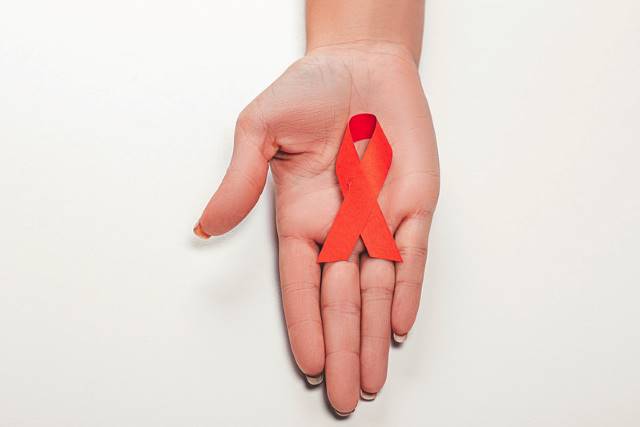
HIV/AIDS in SenegalHIV/AIDS is an epidemic that is most prevalent in Africa. Many countries across the continent are acutely affected or struggle to control the disease. One country that has handled the crisis expertly is Senegal. A low-income country in West Africa, Senegal would look to be a prime candidate for a difficult path regarding HIV/AIDS. However, HIV/AIDS in Senegal is relatively low in cases and in damage.

HIV/AIDS in Senegal

Senegal has become a model for controlling HIV/AIDS across the developing world. The country of 16 million people manages to keep the prevalence and spread of HIV/AIDS low while providing many methods to increase knowledge of the disease. There are only 41,000 people in Senegal living with HIV/AIDS as of 2019.

The prevalence rate of people living with HIV/AIDS stands at 0.4 among adults between 15 and 49, with men having a 0.3 prevalence rate and women having a 0.4 prevalence rate. There were only around 1,400 new cases of HIV/AIDS in Senegal in 2019 and 1,200 deaths. There has been a 37% decrease in HIV/AIDS cases since 2010 and a 26% decrease in deaths. Roughly 70% of people with HIV/AIDS receive antiretroviral treatment. Senegal was the first sub-Saharan country to establish an antiretroviral treatment program in 1998 and is one of the few countries in Africa that provides such treatment for free.

Smart Senegalese Strategies

Senegal’s success is due to several methods of raising awareness about HIV and increasing treatment and prevention plans. Senegal took HIV/AIDS very seriously even in the earliest days of the spread. In 1986, Senegal was one of the first African nations to develop a National Council Against AIDS, which has remained effective and stable. The country was also one of the first to focus on securing antiretroviral drugs and negotiated deals with pharmaceutical companies in order to provide them for free or at a low cost.

The Senegalese government has continued to make HIV/AIDS a priority. In 1992, Senegalese president, Abdou Diouf, showed leadership by asking other leaders to make a commitment to addressing HIV/AIDS at a summit for the Organization of African Unity. This attitude has led to sustained success. Since 1997, Senegal’s HIV/AIDS prevalence rate has remained below 1%, a remarkable achievement as prevalence rates across Africa have frequently soared above 10%.

Senegal’s basic strategy has remained consistent. The country emphasizes awareness, provides medical resources and works with the powerful local regional communities to stop the spread. Public health initiatives including blood screenings, education programs in schools and condom distribution are common. NGOs also provide a lot of help in health initiatives and raising awareness.

Crucial in the success of preventing HIV/AIDS in Senegal is the support of religious leaders and the role of religion. Senegal is a 95% Muslim-based country, and generally, strict adherence to the religion leads to fewer incidents of casual sex and infidelity. In a largely religious country, the words of religious leaders are very important, especially as conspiracy theories around HIV/AIDS are common. Many religious figures talk openly about HIV/AIDS and promote solutions, which lends credibility to the danger of the disease and the government’s efforts to combat the disease.

A Role Model

HIV/AIDS in Senegal is well under control, which should be a great source of pride for the country. Senegal has taken HIV/AIDS seriously since the beginning and has a consistent and effective strategy that keeps the disease largely at bay.

– Clay Hallee
Photo: Flickr

April 28, 2021
https://borgenproject.org/wp-content/uploads/borgen-project-logo.svg 0 0 Kim Thelwell https://borgenproject.org/wp-content/uploads/borgen-project-logo.svg Kim Thelwell2021-04-28 06:06:392024-05-30 22:23:22Controlling HIV/AIDS in Senegal
Developing Countries, Global Poverty, Health

University of Calgary Improves Health in Uganda

University of CalgaryThe University of Calgary (UCalgary), one of the premier research universities in Canada, has been establishing meaningful global partnerships which have produced tangible results. While the university has multiple international campuses and partnerships, the successes of a few have particularly stood out. UCalgary’s global health partnerships with the Mbarara University of Science and Technology and other global health organizations are working to improve health in Uganda and Tanzania.

Healthy Child Uganda

UCalgary’s global health partnerships work with the Cumming School of Medicine. This allows medical students to gain experience and provide much-needed help in health outcomes and projects in Uganda and Tanzania.

One of UCalgary’s most important partnerships is Healthy Child Uganda. Healthy Child Uganda is a partnership between Mbarara University, UCalgary and the Canadian Paediatric Society, with some funding from other universities and associations. It “works with national and district health planners, leaders and communities themselves to develop, implement and evaluate initiatives that strengthen health systems and improve health for mothers, babies and children.” It is based adjacent to Mbarara University’s campus in Mbarara town, Uganda. The Healthy Child Uganda partnership operates in the districts of Mbarara, Bushenyi, Buhweju, Ntungamo and Rubirizi in Uganda as well as two districts of the Mwanza Region in Tanzania.

Healthy Child Uganda was established in 2002. Its multitude of efforts aims to improve health services in Uganda, especially in maternal and pediatric care.

The Impact of Healthy Child Uganda

Since its establishment, Healthy Child Uganda has partnered with local health authorities to train more than 5,000 community health workers for service in almost 1,000 villages in Uganda. Community health workers promote health in their villages, take part in development activities, spread awareness and monitor sick children and pregnant women to see if they need treatment. Healthy Child Uganda shares its training curriculum for community health workers online, providing valuable information to other medical providers. It is also a leader in maternal and child health research, having developed many different practice approaches that have provided models for many other organizations.

Healthy Child Uganda has also worked to combat COVID-19 in Uganda, with funding largely provided by the UCalgary. In the early stages of the pandemic, it was able to provide cleaning products, PPE, handwashing stations, fuel, hand sanitizer and hygiene soap. This was crucial in providing protection in Uganda before provisions came in from Uganda’s Ministry of Health. Healthy Child Uganda also worked to train frontline health workers in fighting COVID-19.

Mama Na Mtoto

The University of Calgary is also a valuable partner in Mama na Mtoto, a partnership that seeks to improve women and child health in rural Tanzania. Mama na Mtoto does its work in the Mwanza Region of Tanzania.

Mama na Mtoto performs many of the same functions as Healthy Child Uganda, just in a different location. It works with the government and existing health facilities to “support communities to adapt and lead activities and innovations that address their own health challenges.”

Mama na Mtoto plans activities that emphasize information and teachings about women and child care, from adolescence to pregnancy. This, therefore, helps to take the burden off of government health services and equip mothers with the best tools to succeed in places where there is little access to health information.

UCalgary’s Successes

UCalgary’s work in Uganda has had tangible results. In 2020, Bushenyi District was recognized as the best performing district for healthcare in Uganda. UCalgary helped this district under Healthy Child Uganda. UCalgary is also working with Mbarara University on another initiative known as HAY! (Healthy Adolescents and Young People in Uganda), which will educate youth on family planning, sexual health, menstrual hygiene and gender-based violence. The University of Calgary is showing how universities can be proactive and provide support that improves health in vulnerable areas.

– Clay Hallee
Photo: Flickr

April 28, 2021
https://borgenproject.org/wp-content/uploads/borgen-project-logo.svg 0 0 Kim Thelwell https://borgenproject.org/wp-content/uploads/borgen-project-logo.svg Kim Thelwell2021-04-28 03:38:472024-05-30 22:23:17University of Calgary Improves Health in Uganda
Child Marriage, Children, Developing Countries, Development, Education, Global Poverty

Theresa Kachindamoto’s Activism for Malawi Children

Theresa Kachindamoto’s Activism
Malawi operates under a democratic chiefdom system, which has been in existence for hundreds of years. Theresa Kachindamoto is the youngest of 12 siblings and the mother of five children. She works as a tribal Malawian chief in the district of Dedza. This district consists of nearly 900,000 people and 551 headmen. Theresa Kachindamoto’s activism for Malawi children stems from the cultural practice of child marriages.

Kachindamoto has been working to annul child marriages and ensure that the female victims of it can receive an education. In Malawi, one in two girls will marry before 18, preventing them from completing their education. Kachindamoto uses her voice to explain the practicality of arranged marriages with healthy boundaries. She also advocates for safe environments for the betterment of all parties involved. Here is some information about Theresa Kachindamoto’s activism for Malawi children.

Empowerment of Children

Some call Theresa Kachindamoto the terminator of child marriages. In fact, she has annulled over 1,000 marriages and immediately aided in getting individuals back to school afterward. Kachindamoto has said she will be chief until she dies, giving the children of Malawi a solid and long-term advocate. She is accomplishing change through the creation of a reliable support network to alter traditions.

U.N. Women has been a big supporter of Theresa Kachindamoto’s activism for Malawi children and how she brings attention to the issue of child marriages.

Many young women end up having to enter child marriages since their families are in poverty and cannot provide for their basic needs. Benedeta Matinson talked about marriage and finishing school in a U.N. Women video before she received employment. She conveyed information about experiencing marriage and pregnancy at the age of 15. Benedeta stated that marriage not a suitable solution for the lack of basic necessities.

The Problem

Malawi is the sixth most impoverished country in the world. Girls who marry before the age of 18 make up 18% of the country. Kachindamoto has expressed that motherhood and wifehood often take precedence over girls’ education. Thus, the chief is working towards altering traditions. Theresa Kachindamoto’s activism for Malawi children empowers young women. It grants the girls understanding of their value and what they deserve. This includes quality education before marriage arrangements.

Child marriages lead the way to more significant problems. An example of a problem is sexual initiation camps. These are places where young women learn how to sexually please men and understand their “duties” as wives. The tradition translates as “kukasa fumbi,” which basically means sexual cleansing. Girls either graduate the program by having relations with their instructor or go home virgins. Meanwhile, if they return home as virgins, their parents force them to lose their virginities to local men. This cultural practice makes girls more susceptible to unwanted pregnancies and the spread of HIV. In fact, statistically, every one in 10 Malawians becomes ill with HIV/AIDS.

With the teen pregnancy rate rising during the COVID-19 pandemic, 57.2% of girls ages 15 to 19 are mothers. In addition, 63.5% of girls are mothers-to-be.

The Importance of Education

As part of Theresa Kachindamoto’s activism for Malawi children, she created and signed an agreement for her district to end child marriage along with sexual initiation camps. This was the result of conversing with 50 sub-chiefs who gave Kachindamoto significant pushback. In response, she firmly said, “these girls will go back to school” and the other tribal members slowly worked towards sticking to the new law. In her reign, Kachindamoto raised the age of consent for marriage from 15 years old to 18 years old.

The Mpapa mothers’ group is an organization that seeks out victims of child marriages. Members go door to door in search of those who have dropped out of school due to early marriage, and they attempt to return the girls to school. Mpapa Primary School is a school that the girls then attend, where drop-out rates were at 6% in 2020 and attendance was at 87%. Nationally, only 51% of girls finish primary school.

The Joint Programme on Girls Education (JPGE) trains the Mpapa mothers’ group. The United Nations sexual and reproductive health agency supports the group as well. The group encourages to complete education by mentoring teens on pregnancy issues, marriage and their rights as women.

A 15-year-old girl and Mpapa Primary School attendee, Aisha Kayima, benefited from mentoring sessions two times a month. The mothers’ group has taught Kayima to be better informed about her choices so that she can have a quality future.

Looking Ahead

Putting a stop to child marriages can change the economic status of young girls while ensuring entire communities’ safety by inhibiting the spread of HIV/AIDS. Theresa Kachindamoto’s activism for Malawi children also helps reconnect girls with their warranted educational paths. In Kachindamoto’s words, “If you educate your girl, you will have everything in the future.”

– Libby Keefe
Photo: Flickr

April 26, 2021
https://borgenproject.org/wp-content/uploads/borgen-project-logo.svg 0 0 Kim Thelwell https://borgenproject.org/wp-content/uploads/borgen-project-logo.svg Kim Thelwell2021-04-26 07:53:582024-12-13 18:02:27Theresa Kachindamoto’s Activism for Malawi Children
Developing Countries, Global Poverty, Water Crisis

Improving the Water Supply in the Philippines

Water Supply in the PhilippinesReliable water resources are an important issue within the Philippines. Currently, five million Filipino citizens do not have access to safe sources of water. This is especially concerning considering the rate the country is growing economically. Urbanization in the country is expected to increase exponentially in the future. Cities will become strained with the increasing population, which will make it more difficult for the citizens in those cities to have access to reliable water resources. Despite the dire circumstances, efforts are being made to improve the water supply in the Philippines. Many of these efforts are being led by organizations that specialize in helping communities access water resources.

Water.org’s Contributions

Water.org is an organization that is working to improve the water supply in the Philippines. The organization devotes its efforts to providing reliable access to water resources to populations around the world. Water.org carries out this goal through the use of financing solutions for households that require a reliable water supply. By providing, small affordable loans, Water.org has been able to provide 4.3 million people in the Philippines with reliable water resources since 2014. Water.org will continue to work with utility providers in the Philippines so that it can continue to provide water resources to people that need them.

The Efforts of Water Governance Facility

Water Governance Facility (WFG) is another organization that is trying to improve the water supply in the Philippines. The WFG has similar goals to that of Water.org. It seeks to ensure that people around the world have affordable and reliable access to water supplies.

The WGF has been able to help the people of the Philippines using the GoAL WaSH program. The purpose of this program is to provide clean drinking water and proper sanitation. WGF achieves this goal by not only drilling wells and building toilets but also by engaging the local governance of the area it operates in for sustainable and impactful change. In the Philippines, the WFG has been able to provide 7,169 households with reliable sources of water. The WFG is also able to monitor the quality of drinking water. The WFG can then promptly stop the use of any contaminated water sources detected.

The Manila Water Foundation

Another organization that is trying to help provide citizens of the Philippines with reliable water resources is the Manila Water Foundation. The organization runs a multitude of programs that help achieve this goal. The Lingap program focuses on providing schools and other locations like health institutions and city centers with a reliable water supply. The program started in 2010. In 2019, Lingap helped a total of 46 schools, city halls and health centers. This equates to more than 149,000 beneficiaries across these 46 different locations. The water supply that Lingap provides for these students and staff can be used for drinking, handwashing and toothbrushing. Through its many programs, the Manila Water Foundation is working to improve the water supply in the Philippines.

The Philippines has made notable efforts to improve water resources for its people. With more efforts, even greater strides can be made in the water and sanitation sector.

– Jacob E. Lee
Photo: Flickr

April 26, 2021
https://borgenproject.org/wp-content/uploads/borgen-project-logo.svg 0 0 Lynsey Alexander https://borgenproject.org/wp-content/uploads/borgen-project-logo.svg Lynsey Alexander2021-04-26 01:30:102021-04-24 04:51:33Improving the Water Supply in the Philippines
Page 53 of 157«‹5152535455›»

Get Smarter

  • Global Poverty 101
  • Global Poverty… The Good News
  • Global Poverty & U.S. Jobs
  • Global Poverty and National Security
  • Innovative Solutions to Poverty
  • Global Poverty & Aid FAQ’s
Search Search

Take Action

  • Call Congress
  • Email Congress
  • Donate
  • 30 Ways to Help
  • Volunteer Ops
  • Internships
  • Courses & Certificates
  • The Podcast
Borgen Project

“The Borgen Project is an incredible nonprofit organization that is addressing poverty and hunger and working towards ending them.”

-The Huffington Post

Inside The Borgen Project

  • Contact
  • About
  • Financials
  • President
  • Board of Directors
  • Board of Advisors

International Links

  • UK Email Parliament
  • UK Donate
  • Canada Email Parliament

Get Smarter

  • Global Poverty 101
  • Global Poverty… The Good News
  • Global Poverty & U.S. Jobs
  • Global Poverty and National Security
  • Innovative Solutions to Poverty
  • Global Poverty & Aid FAQ’s

Ways to Help

  • Call Congress
  • Email Congress
  • Donate
  • 30 Ways to Help
  • Volunteer Ops
  • Internships
  • Courses & Certificates
  • The Podcast
Scroll to top Scroll to top Scroll to top