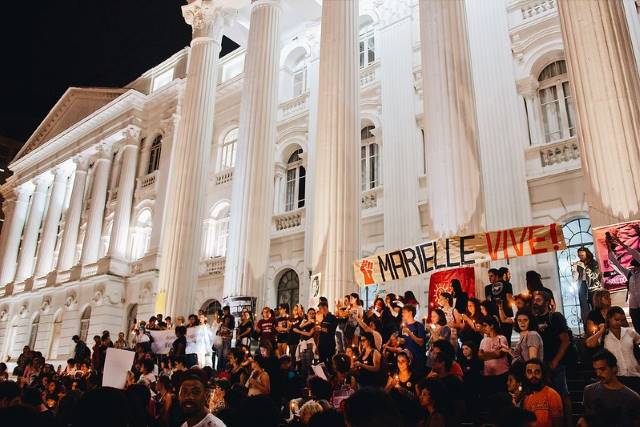
 Human rights in Brazil are under attack by the country’s own presidential administration. Having campaigned on his famous “anti-human-rights rhetoric,” President Jair Bolsonaro is now turning his words into concrete actions that affect millions of Brazilians. Activists in Brazil are not backing down, relentlessly fighting for the human rights of the Brazilian people.
Human Rights Concerns in Brazil
- Bolstering of police impunity for use of illegal force
- Government complicity with torture in detention facilities and the systematic disassembly of government monitoring programs tasked with preventing torture
- Funding cuts to environmental protection programs, approval of new pesticides for use without proper monitoring of toxicity levels in rural communities, minimization of consequences for illegal logging and ignoring reports of increased deaths of forest defenders
- Civil and property rights of indigenous people, quilombolas, women and LGBTQI communities
- Limiting the independence of nongovernmental agencies and restricting access to government information and public records
Despite the wave of policy change threatening human rights in Brazil, there is an equally powerful movement rising to meet it; real people and organizations dedicated to the fight for all humans and their right to exist freely in a peaceful, healthy and safe country.
Damião Braga
At 54 years old, Damião Braga is an experienced activist. He is the leader of Pedra do Sal, a community of African slave descendants in Rio de Janeiro called quilombolas. For 30 years, Braga has been in a judicial struggle over land in a historical part of Rio because he believes it should belong to his people whose ancestors arrived there as slaves.
This land is currently owned by the state and claimed by the Catholic Church, two formidable opponents. Braga says granting quilombolas the property rights is an essential step in making reparations for these descendants of slaves. Because slaves freed in Rio were never given property to live on in the first place, forcing them to settle in the margins of the city that became known as favelas, many believe it is time the government makes amends.
It is not only important for the quilombolas to fight against racism and systematic marginalization but it is also important for them to fight for the right to have a place of their own. Here they can build a future in a land they did not arrive at willingly but now call home.
The Guardians of the Forest
This group, formally established in 2013, is made up of around 120 indigenous activists in the Araribóia Indigenous Reserve. Located in the Brazilian state of Maranhão, this reserve is one of the regions most at risk of illegal logging. Emboldened by the relaxing of consequences for illegal loggers by the Bolsonaro administration, violence is increasing and the local people are taking matters into their own hands.
At first, most of the group’s work entailed destroying the camps of illegal loggers, using guerilla tactics to make them feel unwelcome. The Guardians are now working to set up an NGO and website in order to raise awareness and donations to help fund a more organized resistance.
It is indeed dangerous work. In 2019, the Indigenous Missionary Council released a report saying that violence against the indigenous peoples of the Amazon went up 23% from 2017 to 2018, making for a total of 135 people murdered in 2018 alone. Thus, the Guardians take this work very seriously. Most of them are Guajajara, the indigenous people of the area, therefore, they see it as a sacred duty to protect the land they have lived on for centuries. “We will continue to confront the wrongs committed by the Brazilian system of justice against the lives of Brazilians.”
Marielle Franco
Born to a very poor family who immigrated to Rio, Franco grew up in the favela Maré. Because she was exposed to the injustice of police brutality at a young age, Franco’s experiences fuelled her political career.
In 2016, she became a councilwoman for the Socialism and Liberty Party, officially enlisting in the fight for human rights in Brazil. She worked hard in this position to improve the situations of women and people living in favelas.
The councilwoman proposed 16 bills but only two were approved while she was alive. Another five would pass after her death, a small comfort to those who saw her as a leader.
In March of 2018, a now-charged man shot the 38-year-old Rio councilwoman in an alleged assassination. Now, after her death, her life is celebrated by supporters wearing shirts that read, “Fight like Marielle” and her name is the inspiration and strength people need to keep fighting for their rights.
Inspiring Activism in Brazil
The danger of these and thousands of other activists fighting for human rights in Brazil is tangible and constant. Thus, the courage to continue this work even in the face of such great risk shows the world their commitment to stand up against an authoritarian government.
– Kari Millstein
Photo: Flickr
 In 2019, the malnutrition rate in Nepal was
 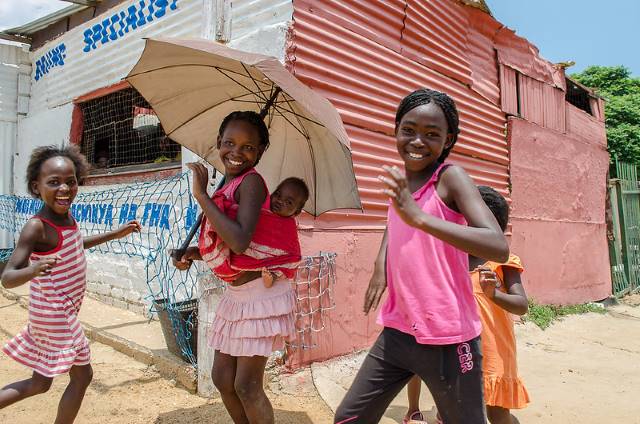 While COVID-19 casts a new set of challenges for poverty in South Africa, two extraordinary women are showing the power that a grassroots foundation has in the fight against poverty. COVID-19 has had disastrous effects on poverty in South Africa, leaving many South Africans unemployed and unable to secure basic needs such as food and clean water. The Kwanisa Foundation aims to assist South Africans in need.
 Period poverty is
 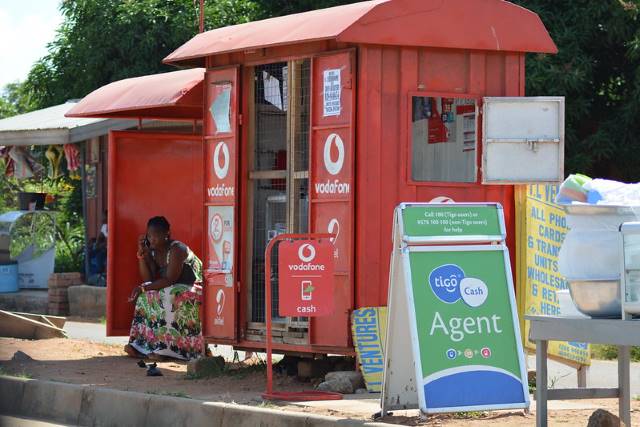 Mobile Money refers to digital payments that
 An effort to bring virtual education resources to Colombia’s indigenous people helps students learn in their native language and creates opportunities for them to break the cycle of poverty. The COVID-19 pandemic has created food insecurity and economic challenges for many
  India is one of the poorest and populated countries, with more than
  The National Basketball Association (NBA) is known as one of the best leading professional basketball leagues to ever exist. With
 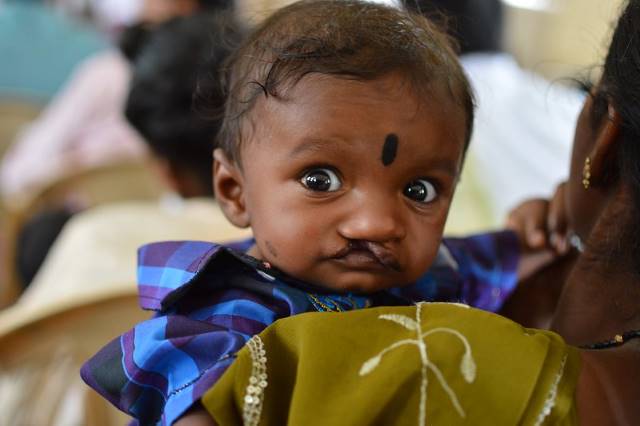 More than 170,000 children in developing countries are born with cleft lips or palates. Children born with clefts in developing countries often go untreated due to a lack of trained surgeons and facilities as well as the high cost of corrective surgery. Without surgery, children struggle to eat, breathe, hear and speak. Smile Train is a nonprofit that works to provide life-enhancing services to children with clefts in developing countries.
 James Wolfensohn, the ninth World Bank president, passed away at