• Link to X
  • Link to Facebook
  • Link to Instagram
  • Link to TikTok
  • Link to Youtube
  • About
    • About Us
      • President
      • Board of Directors
      • Board of Advisors
      • Financials
      • Our Methodology
      • Success Tracker
      • Contact
  • Act Now
    • 30 Ways to Help
      • Email Congress
      • Call Congress
      • Volunteer
      • Courses & Certificates
      • Be a Donor
    • Internships
      • In-Office Internships
      • Remote Internships
    • Legislation
      • Politics 101
  • The Blog
  • The Podcast
  • Magazine
  • Donate
  • Click to open the search input field Click to open the search input field Search
  • Menu Menu

Archive for category: Developing Countries

Information and stories about developing countries.

Children, Developing Countries, Global Poverty

5 Benefits of the Home Grown School Feeding Program in Rwanda

School Feeding Program in RwandaRwanda is a small, densely populated country in Africa, located just south of the equator. Though the country has made great strides in poverty reduction since the 1994 genocide, 55% of the population still lived in poverty in 2017. The COVID-19 pandemic halted a period of economic boom and, as a result, the World Bank expects poverty to rise by more than 5% in 2021. International aid and development programs in Rwanda are more important than ever, especially when it comes to providing reliable, nutritious food sources. Chronic malnutrition affects more than a third of Rwandan children younger than 5 and the World Food Programme (WFP) considers nearly 20% of Rwandans food insecure. One key initiative aiming to eradicate malnutrition in Rwanda is the WFP’s Home Grown School Feeding program in Rwanda.

History of the Home Grown School Feeding Initiative

The WFP’s Home Grown School Feeding initiative works with local governments, farmers and schools to provide nutritious, diverse daily meals for students and enrich local economies. These Home Grown School Feeding programs currently operate in 46 countries with each program tailored to the needs of local people.

The Home Grown School Feeding program in Rwanda began in 2016, funded by the U.S. Department of Agriculture (USDA) and Mastercard. The program serves daily warm meals to more than 85,000 learners in 104 primary schools. The program benefits both students and their families in several major ways.

5 Benefits of the Home Grown School Feeding Initiative

  1. Improves Nutrition. Agriculture is the basis of Rwanda’s economy, but desertification, drought and other problems are decreasing harvests. As a result, many families struggle to grow enough food to feed themselves. The Home Grown School Feeding program in Rwanda provides students with meals of either maize, beans or hot porridge. The school-provided meal is often the only regular, nutritious meal available to many students.
  2. Improves Hygiene. Along with kitchens and ingredients, the WFP also supplies schools in Rwanda with materials to teach basic nutrition and hygiene. One strategy includes installing rainwater collection tanks and connecting them to handwashing stations. Additionally, WFP workers build or renovate bathrooms at each school. Connecting the school to a reliable water supply also benefits the local community by decreasing the distance villagers travel to access water. School handwashing stations are also open to the community, improving health and hygiene for everyone.
  3. Improves Focus, Literacy and School Attendance. According to Edith Heines, WFP country director for Rwanda, “a daily school meal is a very strong incentive for parents to send their children to school.” In primary schools where the WFP implemented the Home Grown School Feeding Program, attendance has increased to 92%. With the implementation of the program, students report increased alertness in class and better grades and performance. One child from Southern Rwanda, Donat, told the WFP that before his school provided lunch, he was often so hungry that he did not want to return to school after going home at lunchtime. Now that his school provides lunch, he looks forward to class each day. Literacy rates have also improved dramatically at schools where the program operates and the WFP reports that student reading comprehension has increased from less than 50% to 78%.
  4. Teaches Gardening and Cooking Skills. The WFP develops a kitchen garden at every school involved in the Home Grown School Feeding program. Children participate in growing and caring for crops, learning valuable gardening skills that they can take home to their parents. Children are also instructed in meal preparation and in proper hygiene.
  5. Diversifying Crops at Home. Students also receive seedlings in order to provide food at home and to diversify the crops grown in food-insecure areas. Crop diversification can help improve soil fertility and crop yields. Sending seedlings home also promotes parent and community involvement in the program, ensuring the program’s long-term stability.

Looking Ahead

The Home Grown School Feeding program in Rwanda has improved the quality of life for many children living in poverty as well as their families. By fighting to end hunger in food-insecure areas of Rwanda, the WFP has improved hygiene, nutrition, school attendance, literacy, crop diversity and more. The continuation of the program in Rwanda and in other countries around the world will enable further progress in the fight against global poverty.

– Julia Welp
Photo: Flickr

July 22, 2021
https://borgenproject.org/wp-content/uploads/borgen-project-logo.svg 0 0 Kim Thelwell https://borgenproject.org/wp-content/uploads/borgen-project-logo.svg Kim Thelwell2021-07-22 01:30:422021-07-21 23:39:555 Benefits of the Home Grown School Feeding Program in Rwanda
COVID-19, Developing Countries, Health, Poverty

The Impact of COVID-19 on Poverty in Zimbabwe

The Impact of COVID-19 on Poverty in ZimbabweThe effects of COVID-19 have been felt throughout the world. However, countries that were already experiencing poverty and health disparities are in worse shape now. Zimbabwe is one particular country that is struggling with the COVID-19 crisis. The impact of COVID-19 on poverty in Zimbabwe “further complicates Zimbabwe’s economic and social conditions.” With global aid and support, Zimbabwe can successfully recover from the effects of the pandemic.

COVID-19’s Economic Impact on Zimbabwe

According to a June 2021 economic analysis conducted by the World Bank, the number of  Zimbabweans living in extreme poverty increased to 7.9 million in 2020 due to the impact of the COVID-19 pandemic. The study also reveals that the impact of COVID-19 on poverty in Zimbabwe escalated extreme poverty overall to almost 50% in 2020. The COVID-19 crisis has also impacted basic public services in the areas of “health, education and social protection.”

Prior to the pandemic, poverty in Zimbabwe was already on the rise. In 2011, the number of Zimbabweans living in poverty increased from three million people to 6.6 million people in 2019. Before COVID-19, rising fuel and food prices contributed to the rising level of poverty in the country. However, the impact of COVID-19 on poverty in Zimbabwe has only exacerbated the dire circumstances with increased job losses and reduced household income.

It was reported that at least 30% of formal jobs within the country were lost due to the increasing number of COVID-19 restrictions. The country has lost roughly $1 billion from a lack of tourism. Zimbabwe still has restrictions at hotspots such as Mashonaland West, Masvingo and Bulawayo provinces. Intense restrictions require businesses in these areas to trade until 3 p.m. instead of 6 p.m. Limited trading hours economically impact the revenue of businesses.

Avoiding Another Lockdown

As Zimbabwe prepared to enter a third wave of the pandemic, another nationwide lockdown seemed unavoidable. The president of the Employers’ Confederation of Zimbabwe (Emcoz), Israel Murefu, warns that another lockdown would have a disastrous impact on the economy. Due to COVID-19 lockdown restrictions, businesses have suffered nationwide and Zimbabweans suffered extreme job losses.

The impact of COVID-19 on poverty in Zimbabwe has left its mark on the country. The rising level of unemployed Zimbabweans has caused a spike in extreme poverty cases. Murefu states that “adapting production processes to the new normal requires a huge capital outlay and takes time,” adding that the country should avoid another lockdown.

Global Assistance

Aside from internal changes that need to occur such as the government creating policies that will protect the impoverished and provide resources to people hit hardest by the pandemic, aid from world superpowers would help Zimbabwe get back on track.

Zimbabwe is experiencing a significant shortage of vaccines. As cases continue to rise, it is more important than ever that the global community steps in to help. It was reported that China would be providing Zimbabwe with 2.5 million doses of the COVID-19 vaccine by the end of June 2021. As more people receive vaccinations, COVID-19 restrictions can ease and Zimbabwe can find its way to economic recovery.

Zimbabwe has reported more than 43,000 COVID-19 cases as of June 24, 2021. As cases continue to rise, the Zimbabwean government has committed to improves its COVID-19 awareness campaigns across the country in order to help reduce the spread of cases. A reduced burden of COVID-19 cases will decrease the economic burden stemming from strained healthcare services in the country.

It is also important for other countries and international players to provide more vaccine doses to Zimbabwe. Being that the country is unable to acquire enough resources to combat COVID-19, the generosity of other countries will help Zimbabwe regain stability. Though the recovery of Zimbabwe’s economy and job market will take time, recovery progress will accelerate if the global community is able to reach out a helping hand and share resources.

– Jordyn Gilliard
Photo: Flickr

July 21, 2021
https://borgenproject.org/wp-content/uploads/borgen-project-logo.svg 0 0 Lynsey Alexander https://borgenproject.org/wp-content/uploads/borgen-project-logo.svg Lynsey Alexander2021-07-21 07:30:072024-05-30 22:23:53The Impact of COVID-19 on Poverty in Zimbabwe
Developing Countries, Global Poverty, Poverty Eradication

The 2021 Safari Rally Can Help Kenya’s Economy

Safari Rally Can HelpThe Kenyan Safari Rally is a car racing event “first held in Kenya in 1953 to commemorate the coronation of Britain’s Queen Elizabeth II.” The Safari Rally became inactive for almost 20 years “due to concerns over safety, organization and finances.” Now, in 2021, the car racing event is making a comeback in Kenya. The event may be an important source of revenue for Kenya as it has the potential to increase tourism in the country. The revival of the Safari Rally can help Kenya since the country’s “economic outlook remains highly uncertain” due to COVID-19.

Impact of COVID-19 on Kenyan Tourism

From 2009 to 2019, the tourism sector’s GDP value in Kenya grew by about $4 billion. Since almost 40% of Kenya’s youth experience unemployment, a growing tourism industry has the potential to provide employment opportunities, thus reducing poverty in the country. International tourism in Kenya is more profitable than domestic tourism with arrivals of more than two million tourists between 2018 and 2019. However, with the onset of the COVID-19 pandemic, pandemic-induced restrictions have limited the economic potential of tourism in Kenya.

As is the case for most countries, COVID-19 harshly impacted Kenya’s tourism and hospitality sector with a loss of more than $500 million in hotel revenue alone. Due to decreased travel in 2020, more than 36,000 airline workers in Kenya were at risk of unemployment. According to the World Bank, the COVID-19 pandemic has pushed an additional two million Kenyans into impoverished circumstances due to job losses, wage cuts and reduced household income. The Safari Rally offers hope to a struggling Kenyan economy, providing a chance to revitalize the tourism sector after the harsh impacts of the pandemic.

How the Safari Rally Can Help Tourism

By hosting 24 foreign and 34 Kenyan drivers, the Safari Rally will boost not only international tourism but also domestic tourism. Domestic tourism is just as important as international tourism in preventing tourism-based economies from collapsing during the pandemic. The Safari Rally enables local Kenyan residents to travel to the race venues to support Kenya as domestic tourists.

The hospitality industry will see a rise in activity as sponsors and participants in the Safari Rally book hotels for accommodation. A Kenyan betting company, Betika, sponsors the event along with companies such as Toyota. The event will increase the prominence of Kenyan businesses harmed by the lack of sporting activities due to COVID-19 restrictions.

Additionally, the Safari Rally will give Kenyans a chance to boost their sporting culture and patriotism. The itinerary of the race consists of 18 stages that pass through key tourist attraction sites in Kenya. Locations such as Lake Naivasha and other wildlife conservancies give spectators and participants a chance to enjoy the sight of lions, leopards, giraffes and elephants, all while boosting the Kenyan economy.

The Road to Economic Recovery

While tourism may have been the worst-hit sector globally, for developing countries it may be a way to escape the economic impacts of the global pandemic. The Safari Rally can help Kenya by offering Kenya’s tourism sector an opportunity to recover, igniting economic growth and reducing poverty in the country.

– Frank Odhiambo
Photo: Flickr

July 21, 2021
https://borgenproject.org/wp-content/uploads/borgen-project-logo.svg 0 0 Jennifer Philipp https://borgenproject.org/wp-content/uploads/borgen-project-logo.svg Jennifer Philipp2021-07-21 01:30:312024-05-30 22:23:54The 2021 Safari Rally Can Help Kenya’s Economy
Developing Countries, Food & Hunger, Food Aid, Food Security, Global Poverty

FoodForward SA Alleviates Hunger in South Africa

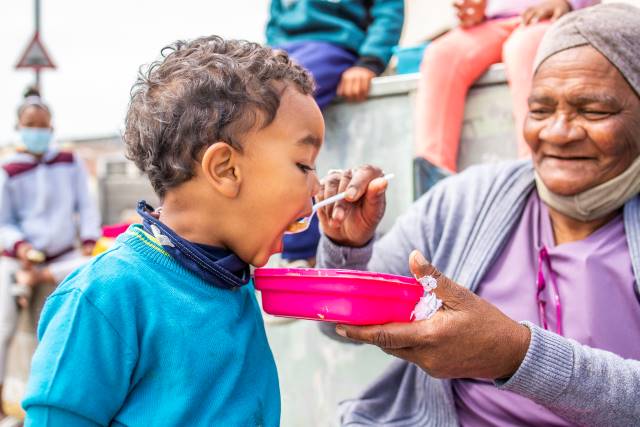
FoodForward SASouth Africa is one of the most developed African countries and the continent’s largest stock exchange. However, despite its advanced economy, South Africa still has much work to do to solve its key issues, one of them being food insecurity. According to Statistics South Africa, in 2017, 6.8 million South Africans faced hunger. Although the number of food-insecure populations has plummeted by more than half from 13.5 million in 2002, roughly 11% of the country’s population struggled to put food on the table in 2019. However, a closer look at South Africa reveals that hunger is not a national-level issue but rather a household-level issue. Although the country produces enough food for its citizens, approximately 10 million tonnes of food goes to waste in a year. FoodForward SA aims to alleviate hunger in South Africa by rescuing and redistributing surplus food that would otherwise go to waste.

The FoodForward SA Mission

FoodForward SA is a South African nonprofit that was established in 2009 to alleviate hunger in South Africa by rescuing quality edible food for subsequent redistribution to people in need. FoodForward SA partners with various local beneficiary organizations (BOs) to extend its impact to rural and urban communities. Through these BOs, the organization widens the scope of its impact to large numbers of vulnerable South Africans, which it would otherwise not reach if it were acting alone.

The FoodShare Innovation

Before 2018, FoodForwad SA relied on a complex logistics chain to gather, categorize, store surplus food from donor agencies and redistribute the food to beneficiary organizations. In 2018, however, this ended with the organization’s innovation, “FoodShare,” a cyber platform to help save quality food that would otherwise end up in landfills by virtually connecting food outlets with beneficiary organizations, consequently promoting a smoother redistribution process. In addition to connecting donors and beneficiaries, FoodShare also allows for easy inventory optimization, tonnage measurement and offline monitoring and evaluation, among other features.

Breakfast Program

About nine years ago, FoodForward SA embarked on a partnership with Kellogg’s, a U.S. multinational food manufacturing company. The Kellogg’s Breakfast for Better Days Programme is a school feeding initiative dedicated to providing breakfast to vulnerable primary and secondary school children in South Africa. In 2020, the program covered the South African provinces of Gauteng, KwaZulu-Natal and both the Eastern and Western Cape, reaching roughly 37,000 children. The collaborative efforts of FoodForward SA and Kellogg’s help the initiative expand its reach and impact. In 2021, Kellogg’s hopes to extend the program’s impact to more vulnerable areas in South Africa.

Mobile Rural Depot Programme

FoodFoward SA’s Mobile Rural Depot Programme was started in 2019 to alleviate hunger in South Africa by making quality surplus food accessible to more than 25 identified and underserved rural communities. FoodForward SA deploys trucks loaded with food supplies to each depot region to deliver food to communities. BOs from neighboring communities subsequently gather to collect and redistribute the food. Following the delivery, empty trucks stop by the areas’ farms to stockpile surplus agricultural supplies, which are taken back to a warehouse.

COVID-19’s Impact: A Blessing in Disguise

Whereas the ongoing COVID-19 pandemic has exerted a toll on food banks globally, FoodForward SA has a different story. In an interview with The Borgen Project, Deidre Adams, the nonprofit’s fund development manager, discussed FoodForward SA’s immediate action during COVID-19 and its resulting success.

Adams explains that the COVID-19 pandemic required the organization to rapidly scale its operations to meet increasing food insecurity. The managing director of FoodForward SA, Andy Du Plessis, put out a food security appeal of R50,000 in order to extend its scale of food aid. The R50 million appeal sparked an influx of donations from local and international donors, totaling R90 million, almost doubling the initial target.

“By not only reaching but exceeding our appeal target, we have been able to scale rapidly so that currently, and within nine months only, we are feeding around 475,000 people daily,” Adams says. Through its Mobile Rural Depot (MRD) Programme alone, FoodForward SA currently reaches 62,000 vulnerable people in rural communities disproportionately affected by the pandemic.

Future Prospects

Despite FoodForward SA’s remarkable success, the organization never stops searching for innovative ways to alleviate hunger in South Africa by reaching as many vulnerable communities as possible and seeking more financial support to reach all of the country’s nine provinces. In response to whether the organization’s progress provides hope of attaining its vision, “a South Africa without hunger,” Adams remarked that connecting the world of surplus to the world of need can indeed eradicate hunger in South Africa.

By 2024, FoodForward SA hopes to have expanded the number of beneficiaries to one million people. “As we expand our operations to reach one million people, we would like to call on food supply chain role players to donate their surplus food to FoodForward SA, which allows them to save on dumping costs,” Adams says.

During the 2020/2021 fiscal year alone, the organization issued 29 million meals. To ensure that its resources reach the intended beneficiaries, the organization pays unannounced monitoring and evaluation visits to its beneficiary organizations once a quarter. Although from the current state affairs, it is indubitable that South Africa still has a steep hill to climb to achieve zero hunger, FoodForward SA’s exceptional work promises rewarding outcomes in due time.

– Mbabazi Divine
Photo: Courtesy of FoodForward SA

July 19, 2021
https://borgenproject.org/wp-content/uploads/borgen-project-logo.svg 0 0 Kim Thelwell https://borgenproject.org/wp-content/uploads/borgen-project-logo.svg Kim Thelwell2021-07-19 01:30:162021-07-19 01:05:31FoodForward SA Alleviates Hunger in South Africa
Developing Countries, Global Poverty, Health, Women & Children

Female Genital Mutilation in Tanzania

Female genital mutilation in TanzaniaThe WHO estimates that more than 200 million women and girls across the world have experienced female genital mutilation (FGM). The culturally entrenched practice holds no benefits for girls and women. In fact, FGM puts girls and women at risk of severe health complications. Despite constituting an international human rights violation, in countries such as Tanzania, cases of FGM persist. The government of Tanzania, individuals and organizations aim to address incidents of female genital mutilation in Tanzania.

Female Genital Mutilation in Tanzania

In the year 1998, female genital mutilation became illegal in Tanzania through the Sexual Offences Special Provisions Act. However, the legislation only criminalized the act for women younger than 18. Law enforcement officials intervened in rituals where young girls received their rite of passage through mutilation. The country hopes to end all harmful actions against women and children by 2030. This includes FGM practices.

A few issues surrounding the prosecution of FGM cases include victims refusing to testify against the perpetrators, especially if they are family members. Additionally, bribery by perpetrators is common to avoid prosecution. Inadequate evidence and “witnesses failing to appear in court” also contribute to low prosecution rates.

At times, “community leaders pretend to abandon the practice then organize alternative rite of passage festivals for girls only to continue with female genital mutilation in disguise.” Despite these barriers, Tanzania has seen a decrease in mutilations from 18% in 1996 to around 10% in 2021.

Recommendations From WHO

According to the World Health Organization, nine out of 10 Tanzanian women are against FGM practices. Because the practice is culturally entrenched, it is more difficult to completely abolish. The WHO recommends raising awareness about FGM in order to communicate the dangers the practice holds for girls and women. Furthermore, health professionals should be trained to “manage and prevent” cases on FGM. Furthermore, law enforcement needs to be better supported in order to ensure cases are investigated and prosecuted.

Solutions to FGM in Tanzania

Tanzania has developed a national strategy to address FGM in the country. The strategy launched on March 15, 2021, and will run for four years. The strategy involves “running campaigns on the health consequences of FGM for girls and women, recruitment of change agents from within the communities and the enforcement of legal mechanisms.” Though FGM rates in Tanzania have reduced to 10%, the fight to abolish the practice continues.

Men in the community have also joined the fight to end FGM. Chief Girihuida Gegasa Shulumbu is a traditional leader in the Mara village of Tanzania. As a father of three daughters, Shulumbu works with other male leaders to end the practice and find “alternative rites of passage.” Shulumbu recognizes that FGM impacts the most impoverished people and impacts education by keeping girls out of school due to recovery time and health complications that may ensue.

A lack of education keeps women in poverty, economically impacting Tanzania as a whole. Due to individual efforts and efforts from organizations, in the past three years, 96 ritual leaders have stopped FGM practices in Mara. Furthermore, more than 1,500 girls between 9 and 19 were protected from FGM practices through campaigns and programs.

Efforts to decrease female genital mutilation in Tanzania have proven successful. Although the fight continues, there is much promise that the practice may be eliminated by 2030.

– Selena Soto
Photo: Flickr

July 18, 2021
https://borgenproject.org/wp-content/uploads/borgen-project-logo.svg 0 0 Jennifer Philipp https://borgenproject.org/wp-content/uploads/borgen-project-logo.svg Jennifer Philipp2021-07-18 07:30:472021-07-15 05:27:55Female Genital Mutilation in Tanzania
Developing Countries, Global Poverty

Looting in South Africa Exacerbates Poverty

Looting in South AfricaIn early July 2021, South Africa experienced deadly riots and mass-scale looting in response to the arrest of former President Jacob Zuma. The Wall Street Journal reported on July 16, 2021, that at least 212 people have lost their lives, with thousands arrested during the civil unrest. Authorities dispatched the South African military to combat the violence and destruction. The riots were particularly intense in the KwaZulu-Natal province where Zuma’s ethnic group, the Zulus, makes up 80% of the population. COVID-19 caused the South African economy to enter a recession in 2020, putting the country in a vulnerable economic state. The recent looting has not only caused more damage to the already vulnerable economy but has also led to food and fuel shortages, exacerbating poverty in affected areas.

Origins of the Riots

Jacob Zuma was arrested on July 7, 2021, after refusing to testify in court on alleged corruption in the African National Congress. The former president led the country from 2009 until his resignation in 2018 under the pressure of corruption allegations. The African National Congress (ANC) has been in power every year since the election of Nelson Mandela in 1994. However, the political party’s support waned over the last two decades. The response to Zuma’s arrest reveals the factionalization within the ANC as well as the amount of support the former president still commands. Current President Cyril Ramaphosa made the decision to send in the military to quell the riots after the South African Police Services struggled to do so.

Rioting Exacerbates Poverty

The end of apartheid did not usher in an era of equality in South Africa. South Africa consistently ranked as one of the most unequal countries in the 21st century, with a Gini coefficient of 0.63 in 2015. According to the World Bank, “High inequality is perpetuated by a legacy of exclusion and the nature of economic growth, which is not pro-poor and does not generate sufficient jobs.” The recent looting in South Africa highlights the desperation that many impoverished South Africans face and the zero-sum nature of inequality’s violent outcomes.

The rioting disrupted supply chains and caused food and fuel shortages that hurt impoverished South Africans. Distributors and suppliers halted operations in fear of the violence, destruction and theft arising from the riots. Many supermarkets and grocery stores were emptied by looters, forcing stores to close their doors and leaving many South Africans without a source of food. In some suburbs, no stores were operational at all.

Even the South African National Blood Services facility was not spared as looters ransacked the Queensmead Mall center on live television. The riots forced a number of facilities in the Kwazulu-Natal province to close, impacting the “movement of blood and samples to SANBS processing and testing facilities, among other functions of the blood bank.”

Looters went as far as ransacking humanitarian aid organizations such as Food Forward SA. The organization, which provides food aid to vulnerable South Africans, had to temporarily close, leaving 125,000 vulnerable people without food. Still reeling from the impacts of the COVID-19 pandemic, the South African economy now faces another setback due to the recent political riots.

The Future of South African Civic Society

Like many countries around the world, the COVID-19 pandemic accentuated South Africa’s social cleavages. As a country with an apartheid history, racial and ethnic tensions were also apparent in the riots and looting. Community militias, private security contractors and even citizens themselves have taken up arms against the looters to protect their lives, businesses and property.

While the recent riots display the instability of South Africa, the unrest has also highlighted the humanity still present. The riots, lasting roughly a week, have since died down. South Africans of all backgrounds have been working around the clock to clean up the streets and repair the destruction caused by the riots. Activists have taken to social media to organize volunteers to repair communities and heal South African civic society. The hashtag #CleanUpSA has gained traction on Twitter as the country comes together to rebuild in the wake of violence.

Organizations such as Gift of the Givers are working to provide food parcels to areas impacted by food shortages. Give of the Givers also provided food packages to health workers so that they “could concentrate on their patients and not stand in long queues to access groceries.”

With reparation and restoration efforts underway, South Africans stand as a united front to recover and rebuild in the aftermath of the riots and looting in South Africa.

– Will Pease
Photo: Flickr

July 18, 2021
https://borgenproject.org/wp-content/uploads/borgen-project-logo.svg 0 0 Kim Thelwell https://borgenproject.org/wp-content/uploads/borgen-project-logo.svg Kim Thelwell2021-07-18 01:30:062024-12-13 18:02:33Looting in South Africa Exacerbates Poverty
Developing Countries, Global Poverty, Human Trafficking

Addressing Human Trafficking in Burundi

Human Trafficking in Burundi
Burundi is a landlocked East African country bordering Tanzania and Rwanda. The majority of its population faces extreme poverty, with 65% of Burundians falling below the poverty line. In Bujumbura, the country’s capital, agricultural workers earn an average wage of 3,000 francs ($1.82) per day. In rural areas, the minimum wage is a third of the capital city’s, forcing rural workers to make ends meet on less than a dollar a day. Many Burundians lack access to clean water and basic sanitation and less than 5% have electricity. In addition to a high rate of extreme poverty, political instability and widespread violence have led to an increase in human trafficking in Burundi.

Trafficking in Supply Chains and “Cash Crops”

The Education Policy Data Center found that, as of 2014, 62% of Burundians aged 15-24 never complete primary education. Child labor is common, especially in agriculture. The International Labour Organization (ILO) and the Government of Burundi found, in a collaborative study, that child labor was commonly used to harvest “cash crops” such as coffee. Forced labor also occurs, sometimes because of human trafficking.

Gold mining is another Burundian industry plagued by human trafficking. According to the U.S. State Department, children and young adults often fall victim to forced labor in the gold mines surrounding the city of Cibitoke. The U.S. State Department also finds that traffickers try to recruit people they know into forced labor.

Children are the most common victims since they are easier to mislead and exploit for monetary gain. Burundi’s primary catalysts for human trafficking are its major industries. Implementing anti-trafficking protocols within these industries and refusing to buy exports produced using forced labor and trafficking would go a long way toward ending human trafficking in Burundi.

The Impact of Human Trafficking on Burundian Families

Young women and children are especially vulnerable to human trafficking. Many leave their families because of traffickers’ false promises of “good jobs,” which women and children see as their only chance to escape poverty. Human trafficking also causes emotional trauma for families with members who have been trafficked. NGOs working in the area believe that between 500 and 3,000 young women from Burundi became trafficking victims in the Middle East between 2015 and 2016.

OLCT, a Burundian NGO that stops transnational crime, reported that at least 527 girls and women arrived in Middle Eastern countries in 2017 as a result of human trafficking. Additionally, more than 250 girls and women arrived in the Middle East in 2018. According to the chairman of OLCT, Qatar is the most common place internationally trafficked Burundian girls end up in due to preparations for the 2022 World Cup.

Human trafficking in Burundi and the exploitation of young girls for monetary gain is a major problem in Burundi. However, ending human trafficking is possible with the proper prevention programs. Burundians stand to benefit both emotionally and economically from greater support from both the African and international communities in preventing human trafficking and keeping families together.

Ending Human Trafficking in Burundi

In April 2021, the Ugandan police intercepted a human trafficking caravan in transit to another nation. The police saved 29 Burundian girls and arrested and charged five human trafficking racket suspects. According to a Ugandan police spokesperson, the girls’ destination was likely the sex trade. Uganda is a cut-through country for traffickers bringing girls into other countries. Human trafficking in Burundi and Africa as a whole will end only if bordering nations cooperate with each other. Uganda’s rescue of 29 young girls displays what can happen when nations work together.

The Burundi Counter-Trafficking Project

Gaston Sindimwo, the vice president of Burundi as of 2019, says that fighting human trafficking requires universal respect for human rights and the understanding that human trafficking is a global issue. In 2019, the International Organization for Migration (IOM) partnered with the Burundian Government to launch Burundi Counter-Trafficking, a project to strengthen the government’s capacity to fight human trafficking.

The Netherlands has fully funded the $3 million project, which will run until the end of 2022. Caecilia Wijgers, the Netherlands’ ambassador to Burundi as of 2019, stressed the need to protect people suffering exploitation and deception. Funding from the Netherlands has limited the number of trafficking rackets in the past few years and has allowed Burundi to work with its neighbors to stop trafficking throughout the continent.

The Burundi Counter-Trafficking project is helping reduce human trafficking in Burundi. However, much work still lies ahead in order to end the exploitation of Burundians and ensure no more families suffer as a result of human trafficking.

– Curtis McGonigle
Photo: Flickr

July 13, 2021
https://borgenproject.org/wp-content/uploads/borgen-project-logo.svg 0 0 Kim Thelwell https://borgenproject.org/wp-content/uploads/borgen-project-logo.svg Kim Thelwell2021-07-13 11:31:312024-05-30 22:23:56Addressing Human Trafficking in Burundi
Developing Countries, Education, Global Poverty

Improving Access to Education in Palestine

Access to Education in PalestineAmid the escalating Israel-Palestine conflict, there remains a generation of Palestinian children denied access to traditional education. Despite immense adversity, education remains an important priority in Palestinian society. Education is, in part, a mode of sustaining Palestine’s unique culture amid exile and foreign occupation. More than 95% of children are enrolled in basic education across Palestine. While impressive, this statistic obscures the tribulations and barriers that Palestinian youth experience in their educational journeys. Both males and those with disabilities are at a disproportionately higher rate of not completing their education with 25% of boys dropping out of school by age 15. Equally concerning, is that “22.5% of boys and 30% of girls aged 6-15 years with a disability have never enrolled in school.” International aid organizations are committed to improving access to education in Palestine.

Low School Completion Rates

Low rates of school completion are inherently tied to Palestine’s failing job market. The economy is crippled by decades of sanctions and isolationism. Currently, youth unemployment rates are 40% in the West Bank and 62% in Gaza. Simply, many young Palestinians do not see the incentive in completing their education if it will not guarantee them job opportunities.

For the Palestinian education system to thrive, the state’s circulation of job opportunities needs to be drastically improved. The United Nations Relief and Works Agency (UNRWA) offers a technical and vocational training program to Palestinian refugee youth to help them gain skills for the Middle Eastern job sector. The UNRWA runs eight centers with a capacity for about 7,500 students. Furthermore, UNICEF works on “life-skills and entrepreneurship skills programs for adolescents to support their future employment.”

Influence of West Bank Violence on Education

Violent episodes of conflict along the West Bank and Gaza Strip hinder education in Palestine. Due to the crisis in the region, almost half a million children in Palestine require humanitarian assistance. The closure of the Gaza Strip and its accompanying physical access restrictions vehemently infringe upon the liberties and learning potential of young Palestinians. Having to regularly pass by military checkpoints and settlements on the way to school has untold psychological effects on Palestinian youth. Even at home, almost 90% “of children are subjected to psychological aggression” and 74% are physically punished.

Organizations such as UNICEF fight to create violence-free environments across Palestine. “It is our collective duty to protect every child on the journey to school and at school and to ensure that they can access the quality education which is the right of every child, everywhere,” says Genevieve Boutin, UNICEF special representative in the State of Palestine. She further explains that education is integral to achieving peace.

The Future of Palestinian Education

Still, much remains to be done to improve access to education in Palestine. Across Palestine, classrooms remain immensely overcrowded and underfunded. From a lack of classrooms to textbook shortages, Palestinian students are forced to beat the odds. Sometimes, students must study with no light due to frequent power outages. In fact, the Gaza Strip is only able to garner a meager four to six hours of electricity daily.

It is crucial that the United States and other powerful countries increase their humanitarian assistance and aid to the Palestinian territories. As violence continues to erupt, the U.N. is actively involved in mediation efforts. International organizations must continue targeted development projects in marginalized Palestinian communities. The future of education in Palestine depends on the unity and support of the international community.

– Conor Green
Photo: Flickr

July 13, 2021
https://borgenproject.org/wp-content/uploads/borgen-project-logo.svg 0 0 Jennifer Philipp https://borgenproject.org/wp-content/uploads/borgen-project-logo.svg Jennifer Philipp2021-07-13 07:30:022021-07-09 03:41:05Improving Access to Education in Palestine
COVID-19, Developing Countries, Global Poverty

The Impact of COVID-19 on Poverty in South Sudan

The Impact of COVID-19 on poverty in South SudanAs the world’s youngest country, South Sudan faces many obstacles to economic and political stability. Continued conflict, natural disasters and COVID-19 further exacerbate the developing nation’s economic strife in the aftermath of years of civil war. Outside of foreign aid, South Sudan’s economy heavily relies on two main sources: oil production and agriculture. Both these sources experienced the impact of the COVID-19 pandemic, negatively affecting economic growth and livelihoods in the country. The impact of COVID-19 on poverty in South Sudan calls for the support of foreign aid in order for the country to successfully recover.

South Sudan’s Oil Industry

South Sudan is one of the most oil-reliant countries in the world. More than 90% of its revenue and more than 70% of its GDP stems from its abundant oil fields. Since gaining its independence, South Sudan produces nearly three-quarters of former Sudan’s entire oil output, equating to almost 500,000 barrels per day. However, the volatile oil industry is experiencing a lower demand and a decline in prices due to the pandemic. Regarding the global oil demand, “containment measures and economic disruptions related to the COVID-19 outbreak have led to a slowdown in production and mobility worldwide, producing a significant drop in global demand for oil.”

COVID-19’s Effects on Agriculture and Food Security

The agricultural sector accounts for 15% of GDP in South Sudan and employs roughly 80% of South Sudan’s population. With more than 80% of the population residing in rural areas, agriculture, livestock farming and fishing make up the livelihoods of many households.

A devastating combination of flooding, drought, locust swarms and the pandemic created high levels of food insecurity in South Sudan. More than 6 million people are facing crisis-level food insecurity and roughly 1.4 million children under 5 may suffer from acute malnourishment in 2021.

The IMF Assists

In response to the worsening humanitarian crisis, the world continues to reaffirm its commitment to eliminating poverty in South Sudan. The International Monetary Fund (IMF) approved a disbursement of  $174.2 million in March 2021 for emergency assistance to South Sudan in the wake of COVID-19. The assistance aims to provide economic relief due to the collective impact of plummeting oil prices, floods and the pandemic in general. According to the IMF, the funding will “finance South Sudan’s urgent balance of payments needs and provide critical fiscal space to maintain poverty-reducing and growth-enhancing spending.”

World Bank Projects in South Sudan

On June 8, 2021, the World Bank announced two new projects equating to $116 million to curb poverty in South Sudan by committing to “strengthen the capacity of farmers, improve agricultural production and restore livelihoods and food security.” The first project, the South Sudan Resilient Agricultural Livelihoods Project (RALP), amounts to $62.5 million and commits to training farmers to better manage their businesses, utilize new agricultural technology and implement climate-smart practices to improve agricultural output. The project will also assist farmers with “tools, machinery and seeds required to improve productivity.”

The second grant of $53.7 million supports the Emergency Locust Response Project (ELRP). The grant will fund South Sudan’s response to desert locusts. The project will provide income opportunities to vulnerable people to assist them in producing more food and improve their economic situation. The project also encourages “the restoration of pasture and farming systems” in the region.

The Road Ahead

The World Bank expects levels of poverty in South Sudan to remain high for the time being due to food insecurity and the lack of access to essential goods and services. The impact of COVID-19 on poverty in South Sudan is harsh. Data as of April 2021 indicates that 82% of the population lives below the poverty line. However, the recent aid to South Sudan gives the country’s oil industry and agricultural production an opportunity to recover to pre-pandemic levels. The government’s priorities lie in addressing the lingering conflict and stabilizing its economy amid an economic, humanitarian and public health crisis. With continued aid and support, South Sudan can successfully recover and achieve stability.

– Gene Kang
Photo: Flickr

July 11, 2021
https://borgenproject.org/wp-content/uploads/borgen-project-logo.svg 0 0 Jennifer Philipp https://borgenproject.org/wp-content/uploads/borgen-project-logo.svg Jennifer Philipp2021-07-11 01:30:182021-07-09 06:45:21The Impact of COVID-19 on Poverty in South Sudan
Developing Countries, Disease, Global Poverty, Health

Combating Kidney Disease in Southeast Asia

Kidney Disease in Southeast Asia
End-stage renal disease, the last stage in chronic kidney disease, is one the deadliest illnesses in the modern world. This rise in end-stage renal disease can result in a considerable loss of economic growth and cause a massive loss of life. Growing countries and communities experience a harsher result from end-stage renal disease. Southeastern Asian countries face challenges that are damaging to poverty-stricken countries. Many vulnerable individuals face the challenging task of securing medical assistance for combating chronic kidney disease because of healthcare systems lacking financial support, including renal support. The 21st century has brought to light a new, dangerous illness. The process of combatting kidney disease in Southeast Asia must occur through global initiatives and support.

The Silent Chronic Illness

The term “silent illness” is a long-term sickness that results in death. Chronic kidney disease, known as CKD, is one of the deadliest diseases globally, killing millions each year. With more than 10% of the population suffering from the disease, its lethality has grown sharply. It increased from the 28th deadliest cause of death to the 19th. This sharp rise in death rate is comparable to only AIDS, and HIV has a sharper increase in death rate. This statistic showcases the challenges in combating kidney disease.

A recent study from the scholarly journal, Nephron Clinical Practice, displayed the significant financial and medical expenses that could come from the sharp rise in kidney disease illnesses and deaths. These issues will hit developing countries the hardest. More than 23 developing countries could lose more than $85 million in economic development. Southeast Asian countries suffer the worst. Renal Replacement Therapy costs 10 times as much as the per capita income. Furthermore, very few medical coverages support renal medical treatment. Only 10% of individuals suffering from chronic kidney disease have access to renal medical resources, a worrying statistic for the future of developing countries that work hand in hand with other developed countries to continue to flourish against kidney disease in Southeast Asia.

Kidney Disease in Southeast Asia

Kidney disease preventative centers and policies are not very accessible in Southeast Asia. Many governments have just become aware of the extensive and damaging results that kidney disease carries. Southeast Asian countries lack the essential resources to help with a deficiency of dialysis treatment.

This disease is, however, especially deadly in impoverished communities worldwide. Experts from The International Society of Nephrology, the world’s leader in chronic kidney disease research, found in a recent study that more than 10 million people die every year from chronic kidney disease. The BNC Nephrology systematic review also saw a sharp decline in human resources in kidney services and disproportionate effort within the healthcare system of these respective Southeast Asian countries.

Combative Practices

Political and social policies have always provided support to those who need it. However, recent years have been more optimistic towards a more renal secured Southeast Asia. One country that has doubled down on this matter has been Thailand. In the past decade, Thailand has created three new national kidney foundations. The kidney foundations work through direct financial and medical support to those most in need and politicians to secure a poverty-ending medical support policy for those at risk and suffer from chronic kidney disease.

Some are working on the introduction of a renal replacement therapy policy within Southeast Asia today, with help from the International Society of Nephrology. The society is holding various forums to work with the Southeast Asian governments for more inclusive policies.

Malaysia and the Philippines both have two national kidney foundations to educate and secure funds needs for renal therapy and medical support. Consequently, the increase of chronic kidney patients has increased the demand for dialysis nurses and doctors.

Malaysia, Thailand and Singapore are receiving public-private partnerships in supporting renal therapy and medical support. The acknowledgment of policies that allow further funding from private organizations and liberal implementations of new policies would also trigger community involvement, drafting a new healthcare system with the inclusion of kidney care to combating the rise of kidney disease in Southeast Asia.

Conclusion

Chronic kidney disease has been dismantling families and hitting poverty-stricken communities the hardest. Southeast Asian communities have followed a pattern in renal disease medical needs. Millions of people with and without preexisting conditions are at risk. But, Southeast Asia can become a much more healthy and prosperous place for those who suffer from chronic renal disease. Combating kidney disease in Southeast Asia will continue to be an uphill battle. However, the next generation of policy for a healthier healthcare program will usher in a new era of kidney care for those most at risk in Southeast Asia.

– Mario Perales
Photo: Flickr

July 10, 2021
https://borgenproject.org/wp-content/uploads/borgen-project-logo.svg 0 0 Kim Thelwell https://borgenproject.org/wp-content/uploads/borgen-project-logo.svg Kim Thelwell2021-07-10 12:40:022024-05-30 22:23:42Combating Kidney Disease in Southeast Asia
Page 49 of 157«‹4748495051›»

Get Smarter

  • Global Poverty 101
  • Global Poverty… The Good News
  • Global Poverty & U.S. Jobs
  • Global Poverty and National Security
  • Innovative Solutions to Poverty
  • Global Poverty & Aid FAQ’s
Search Search

Take Action

  • Call Congress
  • Email Congress
  • Donate
  • 30 Ways to Help
  • Volunteer Ops
  • Internships
  • Courses & Certificates
  • The Podcast
Borgen Project

“The Borgen Project is an incredible nonprofit organization that is addressing poverty and hunger and working towards ending them.”

-The Huffington Post

Inside The Borgen Project

  • Contact
  • About
  • Financials
  • President
  • Board of Directors
  • Board of Advisors

International Links

  • UK Email Parliament
  • UK Donate
  • Canada Email Parliament

Get Smarter

  • Global Poverty 101
  • Global Poverty… The Good News
  • Global Poverty & U.S. Jobs
  • Global Poverty and National Security
  • Innovative Solutions to Poverty
  • Global Poverty & Aid FAQ’s

Ways to Help

  • Call Congress
  • Email Congress
  • Donate
  • 30 Ways to Help
  • Volunteer Ops
  • Internships
  • Courses & Certificates
  • The Podcast
Scroll to top Scroll to top Scroll to top