• Link to X
  • Link to Facebook
  • Link to Instagram
  • Link to TikTok
  • Link to Youtube
  • About
    • About Us
      • President
      • Board of Directors
      • Board of Advisors
      • Financials
      • Our Methodology
      • Success Tracker
      • Contact
  • Act Now
    • 30 Ways to Help
      • Email Congress
      • Call Congress
      • Volunteer
      • Courses & Certificates
      • Be a Donor
    • Internships
      • In-Office Internships
      • Remote Internships
    • Legislation
      • Politics 101
  • The Blog
  • The Podcast
  • Magazine
  • Donate
  • Click to open the search input field Click to open the search input field Search
  • Menu Menu

Archive for category: Developing Countries

Information and stories about developing countries.

Developing Countries, Global Poverty, Health

A One-Stick Hospital Stay to Promote Safety

One-Stick Hospital Stay
Needles pose a serious risk for people in developing countries, but nearly every hospital stay requires the use of needles in some way, whether it be for IV lines, blood draws or simple injections. One of the top medical technology companies in the world has a new plan for a “One-Stick Hospital Stay” that could change the safety and experience of global health care for everyone.

What is the Danger of Needles?

Because of poor access to medical equipment, hospitals in developing countries must routinely reuse needles. This unsafe practice leads to the transmission of bloodborne pathogens such as Hepatitis B and C, HIV and other unrecognizable infections. In many countries dealing with poverty, more than 60% of injections are unsafe, meaning that the needles may undergo use multiple times on multiple patients before people throw them away or sanitize them. The probability of transmission from unsafe needle use varies within different locations, but Hepatitis B, Hepatitis C and HIV are the most common bloodborne pathogens that occur through needles.

Along with infections, needles can cause anxiety for patients. Estimates have determined that trypanophobia, the fear of needles, affects 20% to 30% of adults. It has many possibly detrimental consequences, such as fainting, nausea, difficulty breathing, hypersensitivity and avoidance of necessary hospital visits. However, new technology could soon be on the way to eliminating these risks and the anxiety that goes along with needles and injections.

Becton, Dickinson and Company’s New Innovation

Becton, Dickinson and Company’s (BD) goal is to create a “One-Stick Hospital Stay” to eliminate the need for multiple needle sticks in a single hospital visit. As a result, it will reduce discomfort and anxiety and increase safety for patients. BD has been working towards this vision for the past 70 years. The company provides doctors with the tools they need to utilize needles correctly on each individual. This assistance helps to ensure success on the first needle stick as well as success with IV insertion and care. Recently, BD has entered into a partnership with Velano Vascular to continue approaching this one-stick goal.

Velano Vascular allows clinicians to go virtually needle-free by drawing blood through peripheral intravenous catheter lines (PIVC lines). This technology brings BD one step closer to achieving a “One-Stick Hospital Stay.” Velano Vascular is currently one of the most rapidly expanding medical device companies. In hospitals, 90% of patients receive IV therapy. About 95% of that therapy uses PIVC lines. Inserting these lines and performing venipuncture are some of the most common operations in hospitals. Reducing the number of needlesticks in these procedures can reduce the risk of stress, fear and possible infection and pain, creating an overall safer and more comfortable healthcare experience for everyone.

Future Repercussions

BD is present in nearly every country striving to enhance healthcare experiences for everyone. It is working to expand access to this new technology, and as it becomes available around the world, the impact will be significant. A “One-Stick Hospital Stay” can reduce the risk of unsafe injections, decrease bloodborne pathogens, provide more comfort and less stress to patients and assist countries in poverty that do not have access to large quantities of sterilized needles for each patient.

– Delaney Gilmore
Photo: Flickr

November 5, 2021
https://borgenproject.org/wp-content/uploads/borgen-project-logo.svg 0 0 Kim Thelwell https://borgenproject.org/wp-content/uploads/borgen-project-logo.svg Kim Thelwell2021-11-05 07:30:462024-05-30 22:25:23A One-Stick Hospital Stay to Promote Safety
Developing Countries, Development, Global Poverty, Health

Horn of Africa Development Initiative in Kenya


In a part of the African region known as the Horn of Africa, Kenya has made significant reforms in the past 10 years to ignite economic growth in the nation. However, like the rest of the world, economic progress in Kenya came to a halt during the COVID-19 pandemic. With a vulnerable economy, poverty and inequality remain daunting issues. Infestations of locusts began in January 2020, which further weakened the economic infrastructure, particularly in the Northeast part of Kenya. The Horn of Africa Development Initiative aims to uplift and empower Kenyans living in poverty.

The Impact of COVID-19 on Poverty in Kenya

For many Kenyans, food security is a serious problem. According to the Kenya COVID-19 Poverty Monitor by the Chronic Poverty Advisory Network, by January 2020, some families could not afford more expensive foods such as vegetables while others only ate one or two meals per day. In addition, “lower agricultural yields” create further stress on households as does job loss due to the COVID-19 pandemic.

COVID-19 has impacted the Kenyan economy through “supply and demand shocks.” In 2020, real gross domestic product in Kenya dropped by 0.3%. Service sectors such as tourism and education faced disruption and manufacturing took a hit as well.

Help for Kenyans in Need

An inventive non-governmental organization is working to help families in need and reduce global poverty by building resilient communities. Fatuma A. Adan founded the Horn of Africa Development Initiative (HODI) in 2003, in Marsabit, Northern Kenya. Through “advocacy, education, peacebuilding and sustainable livelihoods,” the NGO works with communities and women who struggle to meet their basic needs.

Due to unemployment, locust infestation and frequent droughts that wither crops, many households are barely able to put food on the table every month. Because economic shocks disproportionately impact women-headed households, HODI runs a program with disadvantaged Kenyan women in mind.

Building Resilient Communities Program

HODI’s Building Resilient Communities Program aims to empower women and help communities increase their economic power. The program encourages village women to organize into groups of 10 to 50 women to save money together. Each member must save “at least 10 shillings every day: three shillings for education, three shillings for hospital bills and four shillings for small business.” After 30 days, this amounts to 300 shillings per member, which goes into a bank account that the women operate. From this pooled money, “women take out small loans repayable in small monthly installments” to fund their children’s education, pay medical bills and even start their own businesses.

With the revenue from their small businesses, women can”repay their loans” and also provide for their families and achieve financial independence. Within the program, HODI helps participants with record-keeping and teaches them financial literacy.

With the donations HODI receives for this program, HODI “inject[s] grants into the groups to increase the amount of money that is available for loans” and provides households with “water tanks to increase the water-saving capacity” of families.

Bringing Women Together for a Shared Purpose

Another benefit of the Building Resilient Communities Program is that although the women belong to different ethnic groups, they come together for a common purpose. Because HODI founder “Fatuma Adan was born to parents from two warring tribes in Marsabit, Northern Kenya,” she made it her goal to help unite people from different factions.

For her work in building resilient communities in Kenya, Adan received the Stuttgart Peace Prize in 2011, among other awards. In 2012, Adan received a nomination for the Nobel Peace Prize. With support and funding from donors, the Horn of Africa Development Initiative can continue to empower and uplift Kenyans living in poverty.

– Sarah Betuel
Photo: Flickr

October 30, 2021
https://borgenproject.org/wp-content/uploads/borgen-project-logo.svg 0 0 Kim Thelwell https://borgenproject.org/wp-content/uploads/borgen-project-logo.svg Kim Thelwell2021-10-30 07:30:462021-10-27 16:13:50Horn of Africa Development Initiative in Kenya
Developing Countries, Development, Education, Global Poverty, Health

4 Mobile Applications Elevating Farmers in Kenya

Elevating Farmers in KenyaAfrican agricultural technology (agri-tech) services bring in $2.6 billion every year. Kenyan agri-tech is a large piece of Africa’s agri-tech industry, accounting for 25% of all startups. Agri-tech companies in Kenya create websites and mobile applications with the hope of elevating farmers in Kenya from poverty by allowing them to showcase their products and access information databases. Mobile applications and virtual marketplace platforms also boost market accessibility for farmers in Kenya.

Agriculture in Kenya

More than 25% of the global workforce works in the agriculture sector. In Kenya, agricultural employment accounts for more than 40% of the population. Additionally, agriculture comprises 33% of Kenya’s GDP. Although agriculture is a major economic sector, in Kenya the industry traditionally consists of older and smallholder farmers. Socially, Kenyans see farming as lackluster and dirty. Many young people prefer to turn to education rather than farming but digitalization in the agriculture industry is drawing in younger people.

It is important for younger Kenyans to enter the agricultural industry because their experience with technology will advance the market. What Kenyans saw as an industry for the older generation is transforming into a technologically advanced industry with the help of young adults. Engaging young people through social media and other mobile applications will rejuvenate and modernize agriculture in Kenya. Additionally, because many farmers in Kenya are smallholders, people who own small-scale farming operations, the creation of mobile applications allows farmers to feasibly access new markets via smartphone or computer without relying on brokerages or a middle-man, elevating farmers in Kenya from poverty.

4 Agri-Tech Applications Transforming Agriculture in Kenya

  1. Mkulima Young: Created by Joseph Macharia, a Kenyan farmer, Mkulima Young’s website connects farmers and potential buyers throughout East Africa. The platform is enhancing trade throughout the region. Using the application, Kenyans can feasibly buy and sell agricultural products. On the platform’s website’s homepage, Mkulima Young features young farmers’ selfies with their products, the latest products its members uploaded to the site and requests from buyers. Another page on the site includes a virtual market that allows farmers in Kenya to showcase and sell their cash crops, flowers, livestock and other agriculture products. Mkulima Young’s virtual marketplace gives users access to data to help understand trend projections and market insights.
  2. Twiga Foods Ltd: Beginning in 2014, Twiga sources products from Kenyan farmers and food manufacturers for registered vendors to sell, in turn providing adequate market security for farmers and vendors. After sourcing fresh fruits and vegetables from Kenyan farmers, Twiga Foods brings produce to Kenya’s urban centers. Currently, more than 4,000 suppliers and more than 35,000 vendors utilize Twiga’s marketplace platform. Twiga prides itself on transparency and efficient delivery of quality products. The platform offers smallholder farmers reassurance that their products will be profitable. Twiga Foods makes selling and buying Kenyan produce easier for average Kenyan farmers and vendors through its transparency and a guaranteed market.
  3. DigiCow: Founded by tech start-up Farmingtech Solutions, which specializes in agricultural data management, DigiCow provides smallholder farmers with farming management services. With DigiCow’s services, farmers in Kenya can reach data-based conclusions rather than guessing and estimating results, which was common practice before applications like DigiCow. The application enables its users to make data-driven decisions. Specific tools the application offers are, but are not limited to, virtual training, message boards for farmers to connect with each other, digital tracking of feeding, insemination and milking, notifications for vital dates and analyzed reports. April 2019 marked a notable milestone for DigiCow. The World Bank recognized the Farmingtech Solutions team as Kenya’s most inventive Agri-tech by awarding DigiCow the winner of the Disruptive Agricultural Technologies challenge. With the DigiCow application, farmers can now keep data sets and make educated decisions.
  4. DigiFarm: Founded by Safaricom, a telecommunication firm in Kenya, DigiFarm allows farmers to connect directly with bulk produce buyers, credit providers and cheaper agronomic materials. DigiFarm arranges deals with buyers for small farmers. These deals are more beneficial than the deals farmers use to make with traditional brokers. More than 40,000 farmers utilize the application. The app allows smallholder farmers to analyze the market of their produce. Additional services DigiFarm provides its users are insurance for weather-related incidents, loss management and recommendations on how to increase yields. Projections estimate that if success continues, DigiFarm will represent 10% of annual ag-business affairs in Kenya. Before DigiFarm’s assistance many farmers could not afford supplies but with DigiFarm’s help, many small farmers can now run successful operations.

How Agri-Tech Alleviates Poverty in Kenya

The World Bank states that an increase in agriculture technology will assist Kenya in meeting its rising food demand, whilst elevating farmers in Kenya from poverty. As smaller farmers utilize more agri-tech, their production will increase leading to a rise in income for themselves and also a rise in food production for the country. Increasing agriculture productivity through agricultural technology will not only increase food supply but will also increase the number of jobs available in both the agriculture and technology sectors.

These agricultural technology applications are a game-changer for smallholder Kenyan farmers. They have the potential to create economic growth in the agriculture and technology industry. The creation of virtual marketplaces and agri-tech platforms will ultimately lead to prosperity in Kenya.

– Bailey Lamb
Photo: Flickr

October 26, 2021
https://borgenproject.org/wp-content/uploads/borgen-project-logo.svg 0 0 Lynsey Alexander https://borgenproject.org/wp-content/uploads/borgen-project-logo.svg Lynsey Alexander2021-10-26 07:30:082024-05-30 22:25:174 Mobile Applications Elevating Farmers in Kenya
Developing Countries, Global Poverty, Health

The Round Table on Sustainable Palm Oil

Sustainable Palm Oil
Farming palm oil is a major source of income for those living in equatorial regions across the globe and the industry can provide the short-term alleviation of poverty in poor regions by providing jobs. However, farming palm oil has a history of being unsustainable. Deforestation and biodiversity loss are both symptoms of palm oil production across the globe. While citizens in nations such as Indonesia are receiving necessary income, the environment around them is becoming increasingly polluted. The Roundtable on Sustainable Palm Oil (RSPO) is an initiative working to improve the farming techniques’ environmental impact and is building a solution to a previously unsustainable industry.

About RSPO

RSPO targets and requires the legal commitment of companies to use palm oil through certifications of sustainability. It presents a solution to the traditional environmental destruction caused by farming palm oil. This means the group directly addresses issues such as the deforestation of rainforests due to unsustainable palm oil agriculture.

The group describes that it is possible to grow it without the razing of whole forests. It focuses on commitments to ensure this does not occur while maximizing the amount grown. It presents that there are sustainable options in the way farmers can grow the product. As a result, farming palm oil can address economic development in poverty-stricken nations without sacrificing the environment.

Palm Oil Production and Usage

Palm oil is a major ingredient in a plethora of foods and products ranging from Oreos to lipstick. Through its versatility, the crop is lucrative. Without the consideration of sustainability, this encourages the destruction of natural areas. Under a strictly short-term economic perspective, the complete deforestation of an area to grow one specific crop maximizes profits and minimizes the costs of products that use palm oil.

However, the growing of the crop does not require the destruction of the environment. Instead, current systems of harvesting palm crops ignore the possible benefits of sustainable agriculture. Considering the environment and its relationship to growing palm oil is a commitment that RSPO seeks to encourage.

Palm oil is often a major source of income for equatorial regions growing it. This means the crop contributes to the reduction of poverty in countries such as Indonesia where the majority of the palm crop grows. However, where economies are solely based around one crop, the incentivization of poor business practices is increased. This source of income comes at the expense of the environment. Often, the consequences outweigh the immediate reduction of poverty.

The Challenges for Low-Income Families

The clearing of tropical rainforest to grow palm oil directly pollutes and destroys environments that low-income families live in. For RSPO to certify sustainable palm oil, Producers of palm oil must not clear land through burning in order to receive certification for sustainable palm oil from RSPO, among a list of other requirements. The burning of forests is a common way to clear the land. The practice immediately pollutes the air through smoke and eliminates biodiversity. If wildlife survives, it comes in massively reduced populations.

The farming of palm oil without considering its environmental impact ruins whole ecosystems. In addition, asking poor communities who solely rely on its economic benefits to consider the impact of the environment ignores the demand from companies for cheaper sources of the crop. In theory, the commitment of larger companies that have more resources to address issues will shift the palm oil market in the future.

RSPO is among the certifications to address the environmental pollution created by unsustainable agriculture. In turn, the creation of clean palm oil “certificates” by industry leaders in RSPO is a major solution to industry malpractice and sustainability in the poverty-stricken nations that palm is grown.

– Harrison Vogt
Photo: Flickr

October 20, 2021
https://borgenproject.org/wp-content/uploads/borgen-project-logo.svg 0 0 Jennifer Philipp https://borgenproject.org/wp-content/uploads/borgen-project-logo.svg Jennifer Philipp2021-10-20 04:20:342022-01-20 14:05:33The Round Table on Sustainable Palm Oil
Developing Countries, Global Poverty, Health

What Japan’s Forest Bathing Teaches About Poverty

forest-bathing
For the first time in human history, humans are increasingly turning away from wild spaces. By the year 2050, expectations have determined that nearly 7 billion people or two-thirds of the human population will live in urban areas. Meanwhile, half of the world’s poor already live in Earth’s most populous areas where access to natural space is dwindling. Re-imagining the value of nature is alleviating symptoms of urbanization that disproportionately impact the world’s poor. In Japan, the practice of forest bathing (shinrin-yoku) serves as a functional detox from the unnatural environment. The practice presents a fresh perspective on humanity’s relationship with nature and provides insight into the importance of nature in sustainable development.

The Environment and Health

Throughout human history, the natural world guided people in their daily lives. However, urbanization is reducing human exposure to nature and increasingly introducing citizens to harmful pollution that exacerbates illnesses that disproportionately affect the poor.

In developing nations, illnesses are most associated with hazards of the urban environment carries. In Dharavi, India’s most densely populated and poorest community, a lack of clean water and sanitation or trash disposal systems are among the issues contributing to a lower quality of living. Despite this one square mile area housing close to 1 million people, there are no parks, trees or wildlife besides disease-carrying rodents and stray pets. In addition, summer temperatures soar and monsoonal rainstorms find just enough room for flooding to spawn mosquito-borne illnesses. Neighborhoods such as Dharavi depict a negative relationship between the urban environment and health.

Health and Forest-Bathing

Poverty often has links to mental illness. This means many of the symptoms of a polluted urban environment contribute to a higher likelihood of stress. Socio-environmental factors as a whole play a large role in determining the health of individuals. However, studies often overlook the tangible effect that the physical environment plays in development. Shinrin-yoku, the Japanese term for forest-bathing, provides insight into what humans are missing in an absence of nature.

Japanese health officials examined the relationship that exposure to natural places has on human health. While studying the practice of forest-bathing and bodily responses to nature, scientists discovered a direct correlation between health and exposure to nature. For example, studies determined that exposure to nature promotes health benefits, including “lower levels of cortisol, lower pulse rate, lower blood pressure,” more than urban exposure. Responses often lead to a lower likelihood of developing serious illnesses that are too expensive for poor nations to address. This begs the question: Do the environments citizens live in hold them back?

The Economics of the Wild

Nature adds a quantifiable impact on economies across the globe. This is especially important for poorer communities that experience direct impacts from the environments they exist in. Singapore, one of the most urbanized nations in the world and previously home to poor communities comparable to Dharavi, is integrating various forms of nature into urban design through the Singapore Green Plan. Sustainable developments feature the city’s main attractions and are helping to alleviate poverty. This means more revenue for the local economy and higher incomes, coupled with an improved quality of life. Comparably, a modern appreciation of nature is proving rewarding across the globe in alleviating symptoms of urbanization. In terms of health, Singapore’s increased greenery also improves the quality of living by negating the urban heat effect and air quality.

For similar reasons, outdoor recreation constitutes one of the most rapidly growing industries worldwide. Japan’s forest bathing is a cultural phenomenon in which citizens escape to natural space. For the United States, hiking and action sports such as mountain biking and skiing are becoming increasingly popular. A whole economy centers around this type of recreation. According to the Outdoor Recreation Association, recreation centered around the U.S. outdoors generates $887 billion annually. The wild is a source of wellbeing, economic development and cultural significance for millions. However, for the developing world, nature is still largely inaccessible, especially for impoverished citizens in urban areas.

Sustainable Development

Uncontrolled development is not the only cause of the environment in poor nations. Rather, the environment in poor urban areas is often responsible for the area’s poverty in the first place. Unsustainable development exacerbates symptoms of poverty. The absence of nature in urban areas holds poor communities down.

Singapore is not the only one incorporating sustainable development into its future planning. The Organization for Economic Co-operation and Development (OECD) describes environmental aid as “necessary for improving economic, social and political conditions in developing countries.” Sustainable development and wellbeing increasingly look to nature as a fundamental aspect of development.

Increasing Access to Natural Spaces

Historically, access to nature by means of escape is recreational freedom for privileged, fully-developed nations. In developing nations, the environment is a determiner of the quality of life. Unfortunately, urban areas including Dharavi and Singapore do not have the same access to nature as Japan’s forests. This means that forest bathing is a distant dream for millions living in the most densely populated areas of the globe. Increasing accessible natural spaces and integrating nature into an urban design is fundamental to increasing the quality of life for developing nations.

Investing in poor communities is not separate from investing in the environment. The health, wealth and development of communities remain largely dependent on natural space. Regardless of status, forest-bathing in Japan presents an often overlooked benefit of nature that surrounds all of human life. Poverty and the environment are two heavily interconnected issues that can be and currently are receiving attention.

– Harrison Vogt
Photo: Flickr

September 30, 2021
https://borgenproject.org/wp-content/uploads/borgen-project-logo.svg 0 0 Lynsey Alexander https://borgenproject.org/wp-content/uploads/borgen-project-logo.svg Lynsey Alexander2021-09-30 01:30:202021-09-28 08:30:53What Japan’s Forest Bathing Teaches About Poverty
Developing Countries, Global Poverty, Migration

Rural-Urban Migration and the Developing World

Rural-urban migrationWhen thinking of rural-urban migration, experts tend to focus on the positive aspects for migrants. New economic opportunities, access to public services and greater social tolerance define the experience of newly-urban migrants in the conversation around rural-urban migration. When discussing flaws, the conversation gravitates toward the slum conditions and informal labor in large developing-world cities. However, the developing world’s rapid amount of rural to urban migration leaves many villages with less human capital and resources. What does this rural-urban migration mean for the rural developing world?

Urban Transition

Rural-urban migration has swept the developing world since the late 20th century. This transformation, known as “urban transition,” brings the economies of countries from rural-driven to urban-driven. Seeing this trend, many countries have supported larger development projects in urban areas, looking to get ahead of the curb. While an admirable strategy, it leaves out the rural populations who tend to be more isolated. This creates a vicious cycle, where people move where the government invests, and the government invests where people move.

This lack of investment creates a problem for rural areas. Unable to increase productivity and suffering from a lack of investment, impoverished rural areas are stuck in a loop, using the same basic techniques for subsistence farming utilized in the 20th century. Rural families have many children, hoping some will move to the city to send back money and some will work on their local subsistence farm. By sending the educated children to the city, families create a gap in living standards, with those with opportunity leaving while those without stay behind.

Migration in Trade for Remittances

However, this rural-urban migration also brings benefits to the rural areas. Many families send their young adult children into the cities, investing in their future in the city. Remittances, money sent back by those moving to urban areas, keep rural finances diverse and pay for many essential services for rural people. Without this income source, rural families would be completely dependent on the whims of nature, with no sense of security that a separate income gives. Studies show that these remittances increase life expectancy and happiness, two factors increased with security.

How to Help Rural Areas

One of the rural areas’ biggest difficulties is low productivity which hinders economic growth. Many Africans living in rural areas are subsistence farmers, meeting their own food needs but creating little surplus which drives economic growth. For this reason, young people commonly move to higher productivity urban areas. To prime rural areas for development, scholars have identified several factors which developing-world governments should attack. For instance, poor rural infrastructure, illiteracy and low social interaction all hinder rural growth, which drives rural-urban migration.

By attacking these problems, governments can increase rural development, attack poverty at its heart and protect rural communities in the long run. Severe “brain drain,” where educated people move to more productive areas, especially impacts rural communities. Lowering populations will lead to less monetary and representative allotments, decreasing the voice of rural residents. Additionally, men make up the majority of rural-urban migrants, leaving women in a vulnerable position both in caring for children and running subsistence farms.

Rural development projects which take into account community leaders at all levels of planning and execution can greatly increase their effectiveness. Improving the governance of these projects, especially reducing corruption, is essential in assuring rural development. The integration of system-wide rural development projects serves as an opportunity to increase rural development. Currently, thousands of NGOs operate rurally around Africa, with many separate governmental programs overlapping. By increasing cooperation, systematic development of rural areas can occur rather than a patchwork of unrelated development projects.

– Justin Morgan
Photo: Flickr

September 24, 2021
https://borgenproject.org/wp-content/uploads/borgen-project-logo.svg 0 0 Kim Thelwell https://borgenproject.org/wp-content/uploads/borgen-project-logo.svg Kim Thelwell2021-09-24 07:30:062021-09-22 15:33:09Rural-Urban Migration and the Developing World
Developing Countries, Food Insecurity, Global Poverty

Greenhouses in Afghanistan as a Solution to Food Insecurity

<span class="imagecredit">On April 12, 2013, the World Bank approved funding for the National Horticulture and Livestock Productivity Project (NHLP) in Afghanistan. Under this governmental program, greenhouses are distributed to families across Afghanistan’s provinces. More than 300 Afghan women in the province of Kapisa alone are able to grow food year-round for their families with some women even becoming the sole breadwinners of their family due to farming made possible through the NHLP’s distributed greenhouses. The United Nations implemented the Community-Based Agriculture and Rural Development project (CBARD) in Afghanistan in 2018, a program that involves similar creations of greenhouses in Afghanistan. CBARD has led to the construction of 70 greenhouses in the Ghormach district alone. As the success of micro and commercial greenhouse distribution through both the World Bank and U.N.-initiated projects has grown, the importance of long-term and community-based anti-poverty solutions has become clear internationally.

Greenhouse Distribution

The NHLP has reached 291 districts across all 34 provinces in Afghanistan, covering more than 500,000 citizens, half of whom are women. Each greenhouse costs 25,000 afghani (or around $320) to build, with recipients selected “based on financial need and access to at least 250 square meters of land.” After distributing these greenhouses, the NHLP also provides classes for participants on how to cultivate vegetables and apply fertilizer made from organic waste.

With the goal of tailoring the CBARD project to Afghanistan’s agriculture, the U.N. aims to benefit an estimated 46,000 households across the nation. As part of this general agricultural program, greenhouses are implemented as “key infrastructure” across the region. The U.N. explains that due to cultural and security concerns throughout many provinces, it has also focused on the implementation of micro greenhouses so that women can grow crops inside their homes. With the CBARD program currently active in the Badghis, Farah and Nangarhar provinces, the program has built hundreds of micro and commercial greenhouses for farmers.

The Need for Year-Round Food

Greenhouses in Afghanistan have provided access to produce during winter months while also providing a general improvement in food quality. This is especially beneficial for children and pregnant women who are vulnerable to malnutrition. Saima Sahar Saeedi, NHLP social affairs officer, explains to the World Bank that these greenhouses aim to reduce childhood malnutrition with children able to “eat the vegetables grown in their own family greenhouses.”

Due to Kapisa province’s especially cold winter climate, many families are unable to grow produce such as wheat, potatoes and vegetables throughout the year without the help of greenhouses and are unable to afford produce at a local bazaar. Some greenhouses in Afghanistan even help families sell crops. One recipient, Roh Afza, tells the World Bank that the money she made from selling her greenhouse produce is used to buy “clothes, school uniforms, notebooks and books for [her] children.”

The U.N.’s CBARD program has focused on the Badghis region specifically, where citizens depend on agriculture as their primary occupation. With an increase of droughts, however, much of the population has turned to poppy cultivation, which requires less water than other crops. Poppy cultivation not only requires an entire family to work but results in minimal profits and reduces the fertility of the soil. The CBARD program aims to reduce the dependence on poppy cultivation in the region by implementing greenhouses for the production of crops such as cucumbers, tomatoes, eggplants and peppers.

The Global Success of Greenhouses

The success of both the U.N.’s CBARD program and the World Bank’s NHLP initiative include achievements in combating malnutrition, poverty and food insecurity through both micro and commercial greenhouses. Greenhouses have also furthered agricultural progress and livelihoods in rural Jamaica as well as Japan, China, South Korea and Taiwan. The U.N. and World Bank’s greenhouse implementation programs create long-term, community-based solutions in combating food insecurity, poverty and malnutrition.

– Lillian Ellis
Photo: Wikimedia Commons

September 22, 2021
https://borgenproject.org/wp-content/uploads/borgen-project-logo.svg 0 0 Lynsey Alexander https://borgenproject.org/wp-content/uploads/borgen-project-logo.svg Lynsey Alexander2021-09-22 07:30:172021-09-22 00:03:25Greenhouses in Afghanistan as a Solution to Food Insecurity
Developing Countries, Global Poverty, Poverty Reduction

5 Facts About Poverty in Nigeria

About Poverty in NigeriaThe wealthiest and most populous African country, Nigeria plays a substantial role in global poverty alleviation. Its success or failure has wider implications for the rest of the developing world. The history of Nigeria is a storied one, its chiefdoms and local tribes tracing their origins to the ancient kingdoms of sub-Saharan Africa. But, only in 1914 did Nigeria emerge in its present form under British colonial rule, followed by independence in 1960. Even then, the country suffered from the debilitation of military rule. It was not until the turn of the century that Nigeria blossomed as a full and free democracy.

Most recently, COVID-19 has dented the economy as global supply chains were sent into prolonged shock. But, a young Nigerian population meant that the human impact was minimized to a greater extent than in some Western countries. Furthermore, Nigeria is also expected to register positive economic growth in 2021. By 2100, Nigeria is slated to have the second-largest population in the world, surpassing China and trailing India. . Understanding the complexities of poverty in this highly crucial corner of the globe grows more imperative by the day.

5 Facts About Poverty in Nigeria

  1. Poverty in Nigeria is widespread. To date, around 40% of Nigerians live in poverty. The economy is dependent on oil, creating inherent vulnerabilities for supply chain disruptions. Depending on the stability of the wider world, millions of additional Nigerians could fall into poverty within a relatively short span of time.
  2. Inequality is similarly high. By the common method of international measurement, Nigeria actually has less inequality than the United States. But, this overshadows the vast challenges facing the country. Unemployment is high at 33%. Women are disproportionately impacted because of gender inequality and discrimination. Nigerian women own less property than men and a significant contingent of the female population is illiterate.
  3. The wealth gap has created the political conditions for terrorism to flourish. Boko Haram, one of the leading terrorist groups in the world, has headquartered itself on the outskirts of Nigeria. The organization is responsible for tens of thousands of deaths and the displacement of millions.
  4. Progress is possible. Over the years, life expectancy has risen. In 1960, life expectancy was 37. By 2019, that figure was 55.
  5. Nigeria is also a fast-growing economy. A recession in 2016 led to an economic contraction and the COVID-19 pandemic had a similar effect. But, these are exceptions. The economy otherwise grows quite fast. One example lies in 2014 when the economy expanded by 6.3%.

Doctors Without Borders

Times are changing. Organizations like Doctors Without Borders are taking the lead in tackling some of Nigeria’s biggest challenges. In many countries, poverty and health form a vicious cycle, with one reinforcing the other. Without adequate medical treatments, millions fall victim to poverty and lack the resources to access opportunities. Doctors Without Borders cuts the problem at its source.

Drawing on donations from across the world, the group treats more than 50,000 Nigerians for malaria, a disease mostly eliminated in the Western world but greatly affecting developing countries in sub-Saharan Africa where hundreds of thousands died in 2019 alone. At the same time, Doctors Without Borders has taken a multipronged approach by increasing hospital admission rates, allowing more than 60,000 Nigerians to receive necessary medical treatment in a hospital facility.

These facts paint an optimistic picture of Nigerian development. Increases in life expectancy and strong economic growth can also make substantive impacts on poverty alleviation. In the coming years, better resource allocation on the part of the Nigerian government can allow more flexible responses to the challenges facing the nation.

– Zachary Lee
Photo: Flickr

September 21, 2021
https://borgenproject.org/wp-content/uploads/borgen-project-logo.svg 0 0 Kim Thelwell https://borgenproject.org/wp-content/uploads/borgen-project-logo.svg Kim Thelwell2021-09-21 07:30:222021-09-21 00:51:195 Facts About Poverty in Nigeria
Children, Developing Countries, Education, Global Poverty

How the Super 30 Program Breaks Cycles of Poverty in India

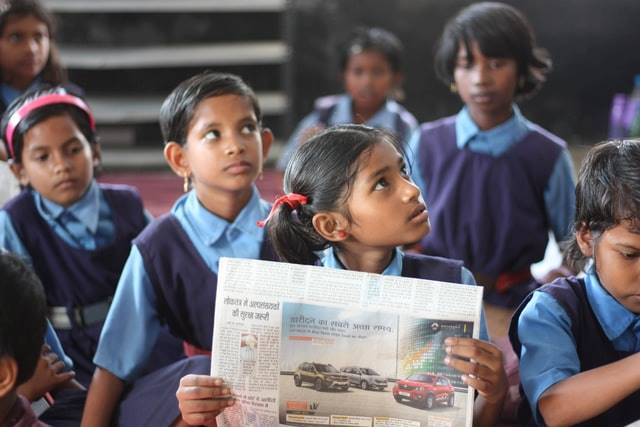
Super 30In India, the state of Bihar has one of the highest illiteracy rates in the country. For many impoverished children in India, quality education is out of reach. For this reason, many children are unable to rise out of poverty and pursue higher-paying jobs. Anand Kumar, a famous mathematician in India, set his mind to solve this issue through the Super 30 program.
Background of Anand Kumar

Anand Kumar grew up living near the railway tracks in a town in India called Patna located in the state of Bihar. His family was not financially stable yet his parents were very supportive of his education. Over time, Kumar discovered a passion for mathematics, which his parents encouraged him to pursue. While studying toward his bachelor’s degree in mathematics, he produced theoretical papers that “were published in foreign journals.” Kumar seemed certain of a bright future in mathematics.

His next step was to study toward a master’s degree in mathematics at Cambridge University. However, his father’s death in 1994 left his family financially unstable, leaving him unable to pursue this plan. In order to support his family, Kumar assisted his mother in selling “papad and wafers” on the streets of Patna. According to the Times of India, in order to continue studying mathematics, Kumar traveled to Varanasi to study at the Banaras Hindu University (NHU) library and access foreign mathematical journals. Not long after, in 1992, Kumar decided to open his own mathematical school, the Ramanujan School of Mathematics.

Creation of Super 30

In 2002, an impoverished student of Kumar’s came to him seeking coaching for the entrance exam for the Indian Institute of Technology (IIT). However, the student was unable to afford the exam registration fee. At this very moment, Kumar came up with the idea for the Super 30 program. Each year, the Super 30 program selects 30 high-achieving academic students from impoverished families to receive “free lodging, boarding and coaching” in preparation for the IIT exam. After much coaching, many of these students are able to successfully pass the IIT exam.

The Importance of Super 30

Kumar’s Super 30 program operates on the premise that all children deserve an equal chance at success in education, regardless of their financial background. Some of the most intelligent children can be found in India’s most impoverished areas, yet they are at an immediate disadvantage because they cannot afford the private exam coaching and tutoring that children from wealthier families can afford.

Kumar’s students have a high success rate. In 2017, all 30 of his students passed the IIT exam. Since the beginning of the Super 30 program, Kumar’s coaching has benefited more than 500 students who are now qualified engineers.

These children, who were once unable to receive a quality education, are able to pursue their dreams of attending the most prestigious schools in India. Furthermore, with their final qualifications, these disadvantaged children can secure high-paying jobs that will enable them to break cycles of poverty. Programs such as Super 30 emphasize education as a proven tool for empowering children to rise out of poverty.

Inspiring Others

Super 30 has also inspired others to create similar programs. The Maharashtra Government was inspired to create its own Super 50 program to not only prepare underserved children for IIT exams but for other medical and engineering programs as well.

Programs such as Super 30 serve as a stepping stone to success. By inspiring more institutions to start similar programs, Kumar hopes for the world to come together to reduce global poverty through the power of education.

– Saanvi Mevada
Photo: Unsplash

September 14, 2021
https://borgenproject.org/wp-content/uploads/borgen-project-logo.svg 0 0 Kim Thelwell https://borgenproject.org/wp-content/uploads/borgen-project-logo.svg Kim Thelwell2021-09-14 07:30:452021-09-10 05:28:21How the Super 30 Program Breaks Cycles of Poverty in India
Developing Countries, Global Poverty, Water, Women and Children

The Samburu Project

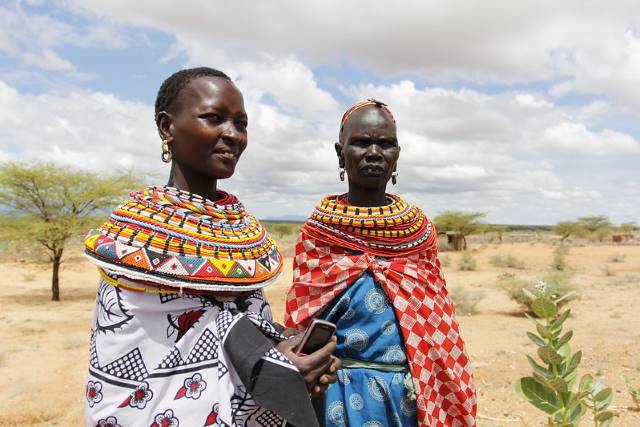
The Samburu ProjectThe Samburu are indigenous peoples located in Kenya and East Africa. The Samburu tribe is historically nomadic, traveling throughout the region to provide for its members. With close relations to the Maasai tribe, the Samburu tribe shares a similar language, both derived from the mother language Maa. The Samburu Project aims to provide clean water access to the Samburu people.

“Women’s Rights are Human Rights”

Kristen Kosinski founded The Samburu Project after a trip to Kenya in 2005. While meeting with female leaders in the region, Kosinski met Mariama Lekwale, known as “Mama Mussa,” a remarkable women’s rights activist and member of the Samburu tribe. Mama Mussa introduced Kosinski to many Samburu women, all of whom brought up the issue of water during shared conversations. Kosinski learned that water was the focal point of many of these women’s lives. It was the women’s responsibility to procure drinking water for the family, an extremely complicated task.

Safe drinking water was severely lacking in the region, with few available wells. The existing hand-dug wells faced contamination from waste products. Waterborne disease was rampant, causing illness and death across the region. As it is the women’s job to search for water, parents often pull daughters out of school to help with this arduous task, depriving young girls of their education. According to Water.org, globally, women and children “spend a collective 200 million hours collecting water.” This time could go toward more productive activities such as education and paid employment.

Impact in Numbers

Seeing how a lack of access to water disproportionately affects girls and women, Kosinski was inspired to work together with Mama Mussa to drill four new wells in the region before the year 2007. In 2007, Mama Mussa, unfortunately, passed away, however, her son Lucas Lekwale took over this incredible mission. Together, Lekwale and Kosinski committed to drilling an additional 75 wells in the region before the close of 2015. Since its start in 2005, The Samburu Project has built 126 wells in the region, providing more than 100,000 Kenyans with clean and safe drinking water. Over time, The Samburu Project gained many well-known partners such as Whole Foods, OPI, Chobani, Wells Fargo Advisors, Rotary International, Lyft and Forever 21, to name just a few.

The Far-reaching Impacts of Access to Water

According to the United Nations, water forms “the core of sustainable development and is critical for socio-economic development, healthy ecosystems and for human survival itself.” Furthermore, water is essential for eliminating diseases and “improving the health, welfare and productivity of populations.” As such, The Samburu Project’s mission is an important one.

The Samburu Project’s mission is “to provide access to clean water and continue to support well communities with initiatives that promote health, education, women’s empowerment and general well-being.” Safe water has also played a significant part in curbing the spread of COVID-19 in the area. Reducing contamination and increasing access to hygiene practices like handwashing through “tippy tap” handwashing stations has dramatically reduced potential instances of infection and transmission in the region.

Eliminating the search for water gives women time to earn an income, lifting many out of poverty. It also gives young Kenyan girls time to focus on their education, with more than double the number of girls enrolled in school as a result of acquiring access to clean water. With accessible clean drinking water, health, hygiene and wellness improve and young girls can attend school instead of shouldering the burden of collecting water with their mothers. Furthermore, women can focus their energy on activities that empower them to rise out of poverty.

The Samburu Project has done incredible work in Kenya, ensuring that the fundamental right to water is upheld for the most vulnerable and disadvantaged communities.

– Michelle M. Schwab
Photo: Flickr

September 13, 2021
https://borgenproject.org/wp-content/uploads/borgen-project-logo.svg 0 0 Lynsey Alexander https://borgenproject.org/wp-content/uploads/borgen-project-logo.svg Lynsey Alexander2021-09-13 07:30:442024-05-30 22:25:03The Samburu Project
Page 47 of 158«‹4546474849›»

Get Smarter

  • Global Poverty 101
  • Global Poverty… The Good News
  • Global Poverty & U.S. Jobs
  • Global Poverty and National Security
  • Innovative Solutions to Poverty
  • Global Poverty & Aid FAQ’s
Search Search

Take Action

  • Call Congress
  • Email Congress
  • Donate
  • 30 Ways to Help
  • Volunteer Ops
  • Internships
  • Courses & Certificates
  • The Podcast
Borgen Project

“The Borgen Project is an incredible nonprofit organization that is addressing poverty and hunger and working towards ending them.”

-The Huffington Post

Inside The Borgen Project

  • Contact
  • About
  • Financials
  • President
  • Board of Directors
  • Board of Advisors

International Links

  • UK Email Parliament
  • UK Donate
  • Canada Email Parliament

Get Smarter

  • Global Poverty 101
  • Global Poverty… The Good News
  • Global Poverty & U.S. Jobs
  • Global Poverty and National Security
  • Innovative Solutions to Poverty
  • Global Poverty & Aid FAQ’s

Ways to Help

  • Call Congress
  • Email Congress
  • Donate
  • 30 Ways to Help
  • Volunteer Ops
  • Internships
  • Courses & Certificates
  • The Podcast
Scroll to top Scroll to top Scroll to top