• Link to X
  • Link to Facebook
  • Link to Instagram
  • Link to TikTok
  • Link to Youtube
  • About
    • About Us
      • President
      • Board of Directors
      • Board of Advisors
      • Financials
      • Our Methodology
      • Success Tracker
      • Contact
  • Act Now
    • 30 Ways to Help
      • Email Congress
      • Call Congress
      • Volunteer
      • Courses & Certificates
      • Be a Donor
    • Internships
      • In-Office Internships
      • Remote Internships
    • Legislation
      • Politics 101
  • The Blog
  • The Podcast
  • Magazine
  • Donate
  • Click to open the search input field Click to open the search input field Search
  • Menu Menu

Archive for category: Developing Countries

Information and stories about developing countries.

Developing Countries, Global Poverty, Health

LifeBank Improves Healthcare in Africa

LifeBankFounded in 2016, LifeBank is a Nigerian health technology startup created to address the issue of blood shortages in Nigeria. The startup recently expanded to Kenya and aims to save lives across all of Africa. LifeBank has succeeded in saving more than 10,000 lives in critical emergencies and plans to save 990,000 more lives as it extends its reach to Kenya. The startup works to find technological solutions to improve healthcare in Africa.
LifeBank’s Mission

LifeBank has dedicated itself to solving the problems of healthcare in Africa. Founder Temie Giwa-Tubosun was initially inspired by her own child’s birth, which took place in the United States. The baby was born prematurely and Giwa-Tubosun could have died of postpartum hemorrhage had she given birth in Nigeria. Giwa-Tubosun told Africa Renewal that “Eight out of 10 women who bleed to death while giving birth can be saved if blood is readily available.” Blood shortages are common in Nigeria and other African countries. Giwa-Tubosun created LifeBank to address this issue.

LifeBank has had a profound impact on healthcare in Africa. The innovative company “uses data, technology and smart logistics to improve the discoverability, delivery, affordability and safety of essential medical products like blood and oxygen for health systems” in Nigeria and Kenya. Since its creation, LifeBank has saved thousands of lives by delivering more than 25,000 essential medical products to roughly 550 hospitals in need.

How LifeBank Works

A strong health supply chain engine in Africa is characterized by a 24-hour delivery service from ports to medical centers. LifeBank works to make this process affordable, adaptable and accessible to everyone. LifeBank uses every type of delivery service, including “bikes, boats, trucks, tricycles and drones.” The company utilizes Google Maps to calculate and monitor the routes involved in blood transportation.

LifeBank uses AI and Blockchain in its distribution system. Its deployment services utilize USSD or SMS to ensure universal access. Patients or doctors place a phone call to LifeBank or make an order through the company’s app. Then, LifeBank contacts the blood bank closest to the patient and the delivery service begins. LifeBank’s service is on-demand. It works across eight states in Nigeria and will now expand to Kenya. The company is able to deliver supplies in less than 50 minutes. LifeBank has made a visible impact on healthcare in Africa and intends to continue doing so.

Improving Healthcare in Africa

According to the World Health Organization, “nearly 20% of all global maternal deaths” occur in Nigeria. Access to blood could significantly reduce cases of maternal deaths involving blood loss. The Nigerian National Blood Transfusion Service often raises concerns about the lack of blood donors in the country, which significantly impacts the blood shortage in Nigeria.

LifeBank aims to solve two major problem areas in the health sector of Africa: accessibility and infrastructure. People in need of blood or hospitals, especially those located in rural areas, have no access to essential medical supplies. Further, blood banks are searching for patients and hospitals to provide for. LifeBank helps connect the two, providing quality information and ensuring fast deliveries.

LifeBank hopes to create a more robust healthcare system by strengthening the supply chain engine across Africa. With its expansion to Kenya, it will continue to save more lives by delivering medical supplies to reduce preventable deaths.

– Addison Franklin
Photo: Flickr

June 20, 2021
https://borgenproject.org/wp-content/uploads/borgen-project-logo.svg 0 0 Kim Thelwell https://borgenproject.org/wp-content/uploads/borgen-project-logo.svg Kim Thelwell2021-06-20 07:31:492021-06-19 01:58:22LifeBank Improves Healthcare in Africa
Developing Countries, Global Poverty

Trade Partnership Between The EU And India

Trade Partnership Between The EU And India
The European Union and India have recently agreed to resume trade negotiations since 2013. The European Union has acknowledged that trade leads to the reduction of national poverty, a huge benefit. The trade partnership between the E.U. and India is strategic to the E.U. in terms of India’s geographical location and natural resources.

National Poverty in India

In India, 30% of the population lives under extreme poverty, meaning that individuals earn less than $1.25 per day. India is one of the subcontinents with the highest toll of poverty in the world. The lack of resources creates a chain reaction, leading to unemployment, child labor and lack of education. Similarly, the poverty rate in India is concerning, alarming other nations to develop impactful relations with India. The economy in India bases on exporting spices, coffee, tea, tobacco, iron and steel. The current COVID-19 pandemic struck India with the lowest economic growth in years. It affected rural areas in India the most. People are reducing spending due to the crisis and financial situation. The European Union has agreed to trade with India to pursue common interests.

Trade Agreements Between the EU and India

The European Union agreed on trading with India for better development and strategic commerce. Europe and India froze their relationship in 2013. This decision strongly affected India’s financial situation. Trade partnership between both nations creates impactful relationships and empowers women. Strengthening the relationship between both countries strengthens human rights and reduces the poverty index, helping civil society. The trade deal between nations is 8.5 billion euros. The European Union and India agreed to build infrastructure projects to increase cooperation.

Both nations have compromised to reduce carbon emissions and increase renewable energy. The pledge between both will improve citizens living conditions and minimize national poverty. According to the European Commission, India is amongst one of the fastest-growing economies in the world. The trade partnership with the European Union could potentially grow India’s GDP up to 6%. The European Union will exhaust available channels to work with India to ensure a transparent market and respect multilateral obligations.

Trade Drives International Development

Open trade policies enable economic development in countries. The cooperation of international trade will benefit the importer and exporter in numerous ways. For instance, trade is critical when it comes to ending global poverty. Multilateral relationships create a win-win scenario, improving productivity and innovation. Poverty means the concentration of individuals deprived of basic needs, often disconnected from global or even regional markets. Consequently, increasing trade creates jobs and grows the exporting sector.

Improving Living Standards in India

In conclusion, emphasizing trade partnership is a national growth strategy. With the collaboration and agreement, India could increase up to 6% of its annual GDP. According to the World Bank, trade-open markets help create an inclusive and integrated environment. The European Union will help India significantly reduce national poverty levels. All sectors in India benefit from bilateral and multilateral negotiations. Above all, it is essential to have an equitable economy to ensure growth in society. The United Nations has prioritized poverty as a millennium development goal emphasizing MDG 8, which corresponds to international trade as a growth strategy to reduce poverty. Thus, the trade partnership between the E.U. and India is conducive to India’s future economic success.

– Ainara Ruano Cervan
Photo: Flickr

June 20, 2021
https://borgenproject.org/wp-content/uploads/borgen-project-logo.svg 0 0 Kim Thelwell https://borgenproject.org/wp-content/uploads/borgen-project-logo.svg Kim Thelwell2021-06-20 07:15:012021-07-22 09:06:04Trade Partnership Between The EU And India
Developing Countries, Global Poverty, Women's Empowerment

Solar-Powered Tricycles for Women in Zimbabwe

solar-powered tricycleZimbabwe is one of the most impoverished countries in the world. After years under the dictatorship of Robert Mugabe, and with the added impact of the COVID-19 pandemic, the number of Zimbabweans living in extreme poverty peaked at 7.9 million in 2020, equating to almost 49% of the population. In the rural Zimbabwean district of Wedza, a solar-powered tricycle scheme is helping women improve their living standards. The scheme was started in 2019 by a Zimbabwean startup called Mobility for Africa to promote community-based transport solutions for rural communities. Mobility for Africa leases solar-powered tricycles to groups of Zimbabwean women.

A Tricycle Scheme for Women

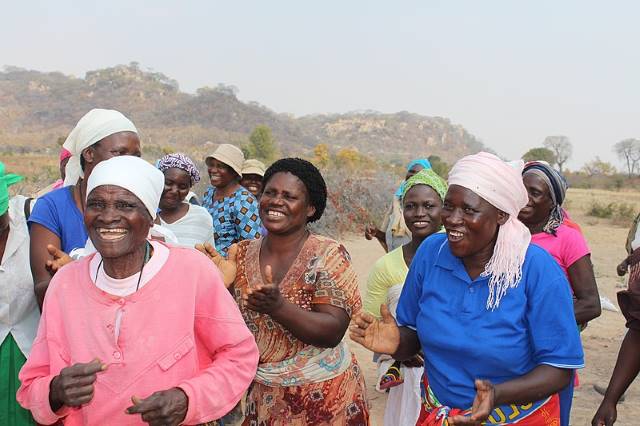
The groups of women consist of up to five members and pay $15 a month as a group to lease a solar-powered tricycle. The solar-powered tricycle called “Hamba” rotates from one group member to another. To change the battery of the tricycle, which functions on solar power, costs up to $1. The tricycle transport solution allows women to sell their farm produce at markets a distance from their homes. It also allows them to offer transport service to locals and carry out domestic duties with more ease. According to one of the coordinators of the solar-powered tricycle scheme, women have even been able to increase their incomes because they are now able to engage in income-producing activities like baking and tailoring.

According to U.N. Women, females engage in “at least two and a half times more unpaid household and care work than men.” As a consequence, women have less time to engage in paid work that would bring in an income and help women rise out of poverty. Mobility for Africa’s solar-powered tricycle scheme recognizes that giving Zimbabwean women access to affordable transport solutions can empower women and help reduce poverty as it gives women an opportunity to increase household income.

Community Model and COVID-19

By using a community model, Mobility for Africa provides a clean energy transport solution to women facing poverty in Africa. The community model of the solar-powered tricycle scheme has enabled women with farms in rural Zimbabwe to increase their income by selling produce in markets that were previously too far to reach. The solar-powered tricycles have also made household chores less time-consuming. For example, women no longer have to walk long distances carrying heavy firewood back home.

The community model pursued by Mobility for Africa has helped people in the Wedza district during the COVID-19 pandemic. A nationwide decrease in household income is one of the most significant economic impacts of the COVID-19 pandemic. The solar-powered tricycle scheme has allowed women in the Wedza district to contribute to increasing household income during the pandemic. The scheme has also been important in ensuring rural communities receive essential health services. The tricycles are often used to transport people to health clinics and collect medicines for patients.

Increasing women’s access to paid labor goes hand-in-hand with reducing global poverty. Women, especially in developing countries, are more vulnerable to poverty. Empowering women means recognizing the fact that women play a significant role in reducing global poverty. Mobility for Africa’s Hamba scheme is one example of how private companies can contribute to the fight against global poverty.

– Frank Odhiambo
Photo: Wikimedia Commons

June 20, 2021
https://borgenproject.org/wp-content/uploads/borgen-project-logo.svg 0 0 Kim Thelwell https://borgenproject.org/wp-content/uploads/borgen-project-logo.svg Kim Thelwell2021-06-20 01:30:412021-06-17 01:23:36Solar-Powered Tricycles for Women in Zimbabwe
Developing Countries, Global Poverty, Technology

How Smart Feature Phones Can Reduce Poverty

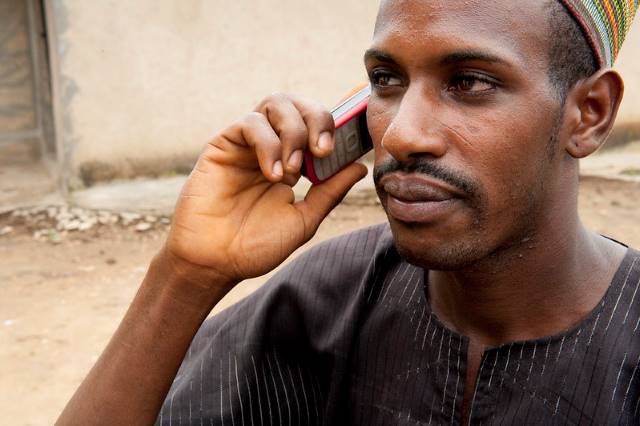
Smart Feature PhonesAccess to computing technologies and the internet are key to economic success in today’s post-industrial world. However, around 3.4 billion people, according to the Wall Street Journal, still do not have internet access. Smart feature phones may be key to increasing economic development in lower-income regions such as Africa.
Smart Feature Phones vs Smartphones

The primary barrier of a smartphone is financial: even the cheapest smartphones cost hundreds of dollars, a cost that is beyond the reach of many people in developing countries. On the other hand, smart feature phones can sell for as low as $20. Smart feature phones have a retro look but allow for plenty of modern features, including web browsing, email access, cameras and GPS systems. Compared to smartphones, the processing power of smart feature phones is limited, the screens are small and they lack advanced features such as high-tech camera lenses. Still, the absence of these extra features allows for longer battery life and greater durability, which are both major benefits for people in rural areas.

Mobile Phone Benefits

Mobile phones can greatly improve productivity in less ostensibly technological industries. Mobile phones are especially useful in industries such as agriculture where agriculture apps allow farmers greater market access and help increase their agricultural output. Mobile banking allows for safer and more stable commerce and marketing is often far easier and more effective online than in person. Additionally, remote communication between workers can maximize efficiency and weather advisory apps can improve productivity in any outdoor job. All of these functions are completely feasible on smart feature phones. Even illiterate people are able to use smart feature phones as models such as the KaiOS JioPhone features an extensive voice command system.

Increasing Popularity

KaiOS Technologies, a leading company in the smart feature phone industry, has spent much of the mid-2010s developing a mobile phone and operating system that can help stimulate emerging markets in the developing world. The company has formed partnerships with large telecommunications companies such as Orange and MTN, which are major operators in West Africa and South Africa respectively. So far, KaiOS’s efforts are paying off and the smart feature phone industry as a whole is growing rapidly. MTN alone plans on selling 10 million KaiOS-based phones between 2020 and 2023. Furthermore, smart feature phones have experienced “a 252% growth in demand in 2018.” KaiOS’s flagship product, JioPhone, is also selling well in India.

The Need for Infrastructure

As revolutionary as smart feature phones could be, the phones are not very useful without a reliable source of electricity and internet access. In 2017, only 22% of African people were connected to the internet, according to the International Finance Corporation. While some Africans lack internet access because they do not own a device, some are unable to access the internet due to high costs, lacking area connectivity and limited access to electricity.

The East African Cable System (EASSy), which launched in 2010, runs through 20 African states, reducing broadband costs by around 90%. EASSy has brought internet access to more than 250 million African people. In doing so, EASSy has contributed to economic growth in sectors, “increasing employment in some areas by as much as 10%.” Furthermore, internet expansion has helped East Africa increase its GDP by 14% since 2009.

The Road Ahead

Smart feature phones are on the rise in the developing world and may accelerate economic growth due to their affordability and digital functions. In the coming decades, these phones may significantly help formerly impoverished nations become major players in the global economy.

– Sawyer Lachance
Photo: Flickr

June 19, 2021
https://borgenproject.org/wp-content/uploads/borgen-project-logo.svg 0 0 Kim Thelwell https://borgenproject.org/wp-content/uploads/borgen-project-logo.svg Kim Thelwell2021-06-19 06:56:562021-07-02 06:57:23How Smart Feature Phones Can Reduce Poverty
Developing Countries, Global Poverty, Inequality, Poverty Reduction

The Promise of Chile’s Election

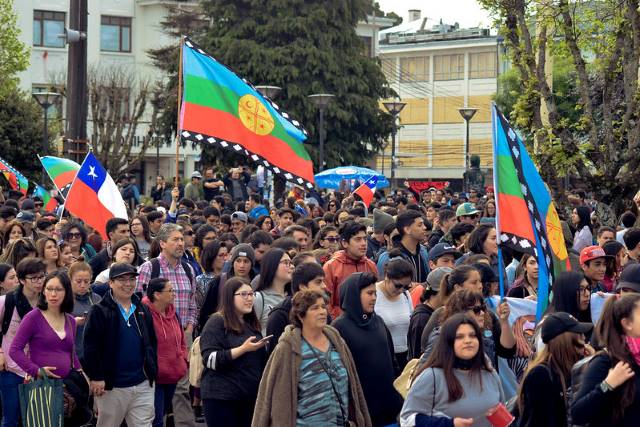
Chile’s electionOver the weekend of May 15-16, 2021, a very unique election took place in Chile. Chileans voted for mayors, governors and city councilors. The distinctive part of Chile’s election was the vote for 155 representatives who will make up the Constitutional Convention responsible for drafting the new constitution of Chile.

The Need for a New Constitution

Back in 1973, Augusto Pinochet came into power as an authoritarian military dictator. Pinochet drafted a constitution that was reflective of his rule. Since then, Chile has been making the transition to democracy through several presidential administrations, the current being that of President Sebastián Piñera. Pinochet’s 1980 constitution has been a point of contention because many Chileans perceive it as favoring corporations over citizens.

Additionally, the constitution does not even mention indigenous people who account for more than 1.5 million Chileans. Chileans generally want to move away from the old constitution, which symbolizes the move from a transitional period into a full embrace of democracy. A new constitution would allow this to happen. Chile’s election decides who participates in the drafting of this monumental document.

Protests in Chile

Public disapproval came to a head in October 2019 when massive protests swept the South American country. Major cities like Santiago, Valparaíso and Concepción experienced riots, looting and several casualties as a result. An increase in subway rates initially triggered the demonstrations. The riots continued over concerns of extreme economic inequality and poor public health and education systems. One of the demands of the protests was to rewrite the constitution. A new constitution was seen as a solution to address the root of all the issues.

In October 2020, Chile’s government held a referendum in response to the protests. The referendum asked Chileans if they would want a new constitution, and if so, Chileans were to specify the type of body they would task with drafting this new constitution. Chileans responded with a majority of more than 78% of the country voting in favor of a new constitution to be drafted by a group elected by popular vote.

The Constitutional Convention

The Constitutional Convention is the first in the world to have a gender parity requirement. Because of the election, 50% of legislative seats will belong to women. Another milestone is the inclusion of Chile’s indigenous people. Indigenous representatives will account for 17 of the 155 convention seats. Seven of these seats go to the Mapuche, the largest Indigenous community. In recent years, industrial deforestation has wiped out much of the Mapuche lands, greatly harming the community.

In addition, six out of the 155 representatives will come from the LGBTQ+ community. Although the nation is facing great troubles, the achievements of Chile’s election should not be overlooked. The built-in diversity and representation should be cause for global celebration. The majority of seats have gone to independent and opposition candidates. This goes against the right-leaning coalition that is currently in power under President Piñera. Since the “government-backed candidates” now take up only about a quarter of the seats, they are left unable to pass legislation or block dramatic changes.

The Goals of a New Constitution

One of the primary goals of the leftward shift is fighting poverty in Chile, but not in the traditional sense. In terms of GDP per capita, Chile is considered the wealthiest country in South America, but the wealth is distributed very unequally. Chilean’s want the country’s wealth to be distributed equally, which should be reflected in better housing, education and healthcare for all.

Whether through indigenous rights, equitable educational services or the taxation of the wealthy, the Constitutional Convention will figure out how to make Chile a more equitable place. A well-structured and democratic constitution has the potential to bring lasting change to the country and reduce extreme poverty, which is why Chile’s election is such a significant moment in the country’s history.

– Lucy Gentry
Photo: Flickr

June 19, 2021
https://borgenproject.org/wp-content/uploads/borgen-project-logo.svg 0 0 Kim Thelwell https://borgenproject.org/wp-content/uploads/borgen-project-logo.svg Kim Thelwell2021-06-19 01:31:032021-06-18 00:37:59The Promise of Chile’s Election
Developing Countries, Global Poverty, Health

US to Distribute 25 Million Surplus Vaccines Abroad

vaccines abroadThe Biden administration has initiated plans to distribute an initial 25 million surplus vaccines abroad, marking the first steps in the administration’s commitment to share up to 80 million doses by the end of June 2021. The doses will first prioritize areas of extreme vaccine inequity in Latin America, the Caribbean, Africa and South Asia. The wealthiest nations of the world must take decisive and united actions to combat COVID-19 in areas of the world lacking basic medical infrastructures and the means to independently produce vaccines. Currently, low-income countries have received less than 1% of COVID-19 vaccine doses. Global health organizations forewarn that the pandemic will persist through variant strains unless vaccination efforts are significantly increased. Sending 25 million COVID-19 vaccines abroad will work toward stabilizing infection rates in the world’s most marginalized communities.

The Fight Toward Ending Vaccine Inequity

A large majority (about 75%) of the initial 25 million vaccines distributed abroad will be administered through the international vaccine initiative referred to as COVAX. The initiative’s priority is addressing vaccine equity by helping lower-income countries secure vaccines despite limited monetary capacity. Remarkably, as of early June 2021, only 31 million Africans “have received at least one dose” on a continent that measures a population of about 1.3 billion people. Resources have proven extremely scarce, with countries like Ghana and Rwanda already running through their first shipments of vaccines delivered through COVAX.

A mere 1,386 Kenyans out of a 50 million person population have received two doses of a vaccine —  a glaring testament to the vaccine inequity found throughout the global south. Apart from a lack of material resources, many countries have seen vaccine hesitancy negatively impact their vaccination rates. Concerns over blood clots and doubts surrounding inoculation capacity have greatly diminished the efficiency of vaccine distribution in countries like Malawi and the Democratic Republic of Congo. Distributing 25 million vaccines abroad will partially cushion already weak healthcare systems with limited beds, ventilators and oxygen.

The Road Ahead

Though U.S. efforts to donate vaccines abroad are significantly helpful, to properly address vaccine inequity, larger-scale efforts are necessary. Researchers from Duke University estimate 11 billion doses will be required to vaccinate 70% of the world’s population. However, this is just the beginning of the long and calculated global response to COVID-19. Jeffrey Zients, the COVID-19 response coordinator for the Biden administration, has said to “expect a regular cadence of shipments around the world across the next several weeks.”

The U.S. will hopefully continue to embrace its responsibility as a world leader and facilitate even greater donations of vaccines abroad. In the end, quelling the pandemic will require “working with allies and partners to expand the production of vaccines and raw materials, including here at home,” said Jake Sullivan, President Biden’s national security adviser. As the world takes on the next chapter in the fight against COVID-19, the leaders of the world must stand together to form a strong, collaborative response.

– Conor Green
Photo: Flickr

June 15, 2021
https://borgenproject.org/wp-content/uploads/borgen-project-logo.svg 0 0 Kim Thelwell https://borgenproject.org/wp-content/uploads/borgen-project-logo.svg Kim Thelwell2021-06-15 01:30:302024-05-30 22:23:44US to Distribute 25 Million Surplus Vaccines Abroad
Children, Developing Countries, Health, Malaria

Malaria Vaccine Breakthrough Could Save Lives

Malaria Vaccine BreakthroughMalaria is a life-threatening disease, but it is both preventable and curable. Malaria is transmitted through the bites of a specific type of female mosquito. In 2019 alone, there were almost 230 million cases of malaria worldwide and the estimated death toll stood at 409,000. Of these global deaths, 67% were children under the age of 5, making them the most at-risk group in terms of malaria. A malaria vaccine breakthrough has the potential to save millions of lives, especially in regions such as sub-Saharan Africa where malaria is endemic.

Malaria’s Impact in Africa

The African region carries the highest percentage of the global malaria burden. The region accounted for 94% of total malaria cases and deaths in 2019. Transmission is most common in areas where the mosquito lifespan is longer and where mosquitoes prefer to bite humans rather than animals, both of which are features of the specific malaria-spreading mosquitos present in Africa. Another reason for widespread malaria in Africa is the lack of resources across Africa to promptly prevent and treat malaria cases. Many people in malaria-riddled regions of Africa live in poverty with no access to basic healthcare or educational, preventative tools, leaving much of the population at risk of contracting malaria.

The Search for a Vaccine

Malaria is a leading cause of death among thousands in low-income African countries. Thus, a malaria vaccine breakthrough could be lifesaving. More than 100 malaria vaccines entered clinical trials in recent decades, but all of them failed to meet the 75% efficacy target established by the World Health Organization. Before the University of Oxford’s breakthrough malaria vaccine, the most effective vaccine had only shown 55% efficacy, which is well below the established target. Such limited success has caused some criticism, especially following the speedy development of multiple COVID-19 vaccines. However, scientists have responded that a malaria vaccine has taken longer to come to fruition because malaria has thousands of genes. People need a much higher immune response to fight malaria than COVID-19, which has around a dozen genes.

The Promise of the New Oxford Vaccine

The breakthrough malaria vaccine was developed by the University of Oxford’s Jenner Institute, and trials for the vaccine began in 2019. In its most recent clinical trial, the vaccine showed 74% to 77% efficacy in one year in West African children — a promising sign for a potential breakthrough in public health. The vaccine trial took place in Burkina Faso. Exactly 450 participants aged 5-17 months old were vaccinated. Researchers recruited the toddlers from 24 villages in the area of Nanoro, Burkina Faso.

Such successes are encouraging, and researchers are moving toward a phase three trial in 2021. Researchers will conduct vaccine trials on 4,800 children in Burkina Faso, Mali, Kenya and Tanzania. If the phase three trial is successful, researchers hope that regulators will issue emergency authorization for the malaria vaccine as was done with the COVID-19 vaccines. The Serum Institute of India has committed to manufacturing 200 million malaria vaccine doses in the coming years. The malaria vaccine has the potential to have a major public health impact if scientists achieve licensure. A successful malaria vaccine will prevent millions of deaths in endemic areas and protect the lives of the most vulnerable children.

– Lizzie Alexander
Photo: Flickr

June 14, 2021
https://borgenproject.org/wp-content/uploads/borgen-project-logo.svg 0 0 Kim Thelwell https://borgenproject.org/wp-content/uploads/borgen-project-logo.svg Kim Thelwell2021-06-14 01:31:292021-06-18 07:42:59Malaria Vaccine Breakthrough Could Save Lives
Developing Countries, Global Poverty, Health

Healthcare in Liberia Since the Ebola Outbreak

Healthcare in LiberiaThe 2014-2016 Ebola outbreak in West Africa killed more than 4,800 people in Liberia and infected thousands of others. However, these data points only scratch the surface of Ebola’s effect on healthcare in Liberia. Ebola’s devastation affected the provision of healthcare services in West Africa and caused an additional 10,600 deaths due to HIV, tuberculosis and malaria. In countries such as Liberia, more medical training and equipment means healthcare in Liberia has strengthened since the Ebola outbreak. Ebola exposed the weaknesses in the healthcare system of Liberia and showed the Liberian government and international aid organizations particular areas needing improvement and reform.

The World Bank’s Involvement

After recognizing the struggles of Liberia’s healthcare system during the Ebola epidemic, the World Bank devised specific ways to assist Liberia. For example, in May 2020, the World Bank approved the Institutional Foundations to Improve Service for Health Project for Liberia (IFISH). The four-component program focuses specifically on improving health services and outcomes for women, children and adolescents. The six-year program costs $84 million, of which $54 million of funding comes from the United States. Roughly 50% of the budget will be dedicated to health facilities and construction in Liberia. The program also attempts to lay the groundwork for future Liberian healthcare officials. The program includes training health workers and financing certain undergraduate and postgraduate faculties.

The Yale Capstone Project

For multiple years, the Yale Jackson Institute for Global Affairs has worked alongside the Yale Global Health Institute to create a project-based global health course for Yale seniors. The program allows students to explore the intersection of public health and policy. The students of this program have contributed to recovery efforts in Liberia. The program has assisted in establishing proof to encourage partners and policymakers to undertake significant changes in Liberia’s main medical school. The 2015 class conducted case studies on Rwanda and Ethiopia to generate targeted policy solutions in Liberia. Overall, the partnership was deemed a “win-win” for Liberia and the students involved.

CDC Field Epidemiology Training Program

The Centers for Disease Control and Prevention (CDC) has been actively aiding healthcare in Liberia since 2007. However, it did not expand its Liberian focus until the Ebola outbreak. Accompanied by more traditional CDC programs such as malaria intervention and the provision of vaccines, Liberia receives assistance through the CDC’s Field Epidemiology Training Program (FETP). The three-tiered educational initiative aims to equip Liberian healthcare workers with the knowledge and tools to investigate and respond to disease outbreaks. At the close of 2016, Liberia had 115 FETP-trained staff. The FETP graduates will go on to provide field support in response to disease outbreaks across Liberia. With graduates from all 15 counties and 92 health districts in Liberia, fellows of FETP work to contain outbreaks and prevent them from turning into local or global epidemics.

Room for Improvement

Healthcare in Liberia is improving due to Liberia’s coordinated recovery efforts with multiple organizations. Nevertheless, Liberia still battles with increasing civilian access to healthcare and the funding of critical health institutions. For example, two-thirds of rural families need to travel for more than an hour to access a health center. These extended travel times can significantly impact the healthcare outcomes of Liberians. Moreover, hospitals are struggling to survive because funding from donors has slowed since the Ebola outbreak. In Liberia’s health system, primary healthcare facilities are largely underfunded.

While these struggles persist, they should not overshadow the significant improvements made since the Ebola outbreak. With aid, commitment and effort, healthcare in Liberia can improve further.

– Kendall Carll
Photo: Flickr

June 11, 2021
https://borgenproject.org/wp-content/uploads/borgen-project-logo.svg 0 0 Kim Thelwell https://borgenproject.org/wp-content/uploads/borgen-project-logo.svg Kim Thelwell2021-06-11 07:30:482024-06-11 23:16:25Healthcare in Liberia Since the Ebola Outbreak
Developing Countries, Global Poverty

How Fashion Can Contribute to Global Poverty

Fashion can Contribute to PovertyFashion can contribute to poverty, but it is also a powerful force that lifts women out of poverty as it has stirred up a feminist movement. Brands that provide a living wage for female garment workers empower them to lead dignified lives. Additionally, these fashion brands give women access to a fair supply chain, proper work and fair wages. As a result, fashion consumers that support ethical fashion brands help advocate for women’s rights through their shopping decisions.

The Feminist Movement

The feminist movement supports women all over the globe. The fashion industry is part of the feminist movement because it is a female-dominated industry. According to Labour Behind the Label, 80% of garment workers worldwide are women. One example of the feminist movement in the fashion industry is the production of t-shirts with feminist quotes. In 2019, the Spice Girls’ #IWannaBeASpiceGirl t-shirts sold for Comic Relief’s “gender justice” campaign were made by Bangladeshi garment workers. However, Oxfam reported that same year that no Bangladeshi garment workers earned a living wage. These workers received 35 pence an hour during 54-hour workweeks, amounting to about £82, which is well below the living wage estimate. This is a clear example of how fashion can contribute to global poverty.

Fast Fashion

Fast fashion prioritizes the fast production of cheap clothing produced by garment workers all over the globe. According to the Clean Clothes Campaign, it is typical for a garment worker to work 96-hour workweeks. This is equal to 10 to 18 hours per day for wages that are two to five times less than what is needed to live sufficiently. In addition, the majority of profits made from fast fashion are paid to top fashion CEOs. In fact, Oxfam states that CEOs earn in four days what a garment worker will make in one lifetime.

Brands that pay garment workers a living wage allow employees to afford essential needs, such as housing, food, transportation, education and savings. In 2017, the Deloitte Access Economics report for Oxfam Australia stated that paying garment workers a living wage would only increase the retail price of clothing by 1%. Researchers from the University of New South Wales and the University of Queensland also found that increasing the cost of clothing by $0.20 would ensure Indian garment workers earn a living wage.

SOKO: Ethical Fashion

SOKO empowers garment workers by addressing the most vital human rights abuse in the fashion industry: the non-payment of a living wage. This women-led, ethical jewelry brand produces collections made by more than 2,300 independent Kenyan artisans. SOKO’s virtual manufacturing platform connects with a global marketplace to receive orders and payments. By leveraging technology, artisans earn five times more with SOKO compared to an average artisan workplace. In addition, this U.N.-endorsed brand guarantees workers freedom and sovereignty by limiting artisans’ work to 50% or less of their total capacity. As a result, SOKO artisans have experienced a 12% increase in average artisan income, and SOKO’s sales have impacted 11,400 beneficiaries.

Empowering Girls and Women

The U.N. reports that investing in girls and women helps improve their livelihoods in the long term. Moreover, studies from the World Bank show that providing basic education to girls until adulthood enables them to better manage their family’s needs, provide care for their family and send their children to school. This helps improve the lives of children and women all over the world. Empowering women also leads to reduced maternal and child mortality levels. When garment workers can afford to send their children to school, economic growth improves and poverty decreases.

The lives of underpaid garment workers are a testament to how fashion can contribute to poverty. Brands that support their garment workers contribute to the feminist movement. Brands support the movement by investing in female education, providing living wages, establishing safe working conditions and empowering workers. Consumers can support the movement by supporting ethical brands that strive to uplift the garment workers making their clothing.

– Giselle Magana
Photo: Flickr

June 9, 2021
https://borgenproject.org/wp-content/uploads/borgen-project-logo.svg 0 0 Jennifer Philipp https://borgenproject.org/wp-content/uploads/borgen-project-logo.svg Jennifer Philipp2021-06-09 07:30:272021-06-09 15:46:32How Fashion Can Contribute to Global Poverty
Developing Countries, Development, Global Poverty

New Deal for Africa to End Dual Crises

New Deal for Africa There is a growing international appeal for “A New Deal for Africa and by Africa” in the wake of slow pandemic recovery and a growing debt crisis. French President Emmanuel Macron hosted a Paris-based summit on May 18, 2021, calling for a new way forward for Africa. Joined by African and European leaders, the summit aimed to address the worsening debt crisis across the African continent.

A Call for International Camaraderie

Highlighting recovery from the COVID-19 pandemic as a key issue, Macron urged leaders to foster a sense of international camaraderie. Macron argued that for there to be a steady return to normal, there must be a collective effort to repair the global economy. Additionally, he advocated that countries adopt a new perspective recognizing the interconnectivity of regional economies. In short, Macron stressed that the health and stability of Africa will determine the health and stability of the world.

As the pace of recovery becomes glaringly disproportionate between nations of varying economic status, Macron stressed that it would not only be unethical to leave Africa behind, it would also be to the detriment of the greater international community. Macron explicitly called for a waiving of patents on COVID-19 vaccines to speed up Africa’s recovery.

Africa’s Debt Crisis

The International Monetary Fund (IMF) warned that Africa’s debt crisis, now nearing $300 billion, will increasingly burden the continent. This crisis will continually arrest economic development in Africa and African nations will fall further behind other nations.

The pandemic has greatly exacerbated this issue. Slow vaccine distribution and lack of pandemic relief packages have led many African nations to fall further behind in development. If the situation continues, experts warn that up to 39 million Africans could fall into poverty before the year ends. Macron highlighted how an increase in poverty rates among Africans will ultimately threaten both international market growth opportunities and international security.

In 2021, the IMF recognized the sub-Saharan region of Africa to be the slowest growing on the planet in terms of GDP. The IMF voiced concern that the pandemic has undone years of economic construction and development for the region. The organization, comprised of 190 countries, fears that the pandemic’s effects will harm poverty reduction efforts for years to come.

A New Deal for Africa

After defining the severity of Africa’s debt crisis, the summit moved on toward establishing solutions. World leaders at the summit agreed a two-pronged approach toward economic recovery was necessary.

Firstly, the summit agreed that the slow vaccine rollout must be addressed. To do this, patents forbidding African manufacturers from concocting their own supplies of effective vaccines must be lifted. The patents had forced African nations to purchase their doses from the patent holders, such as Pfizer, only deepening the debt crisis. Macron states that he hoped to have 40% of all Africans vaccinated by the end of 2021. Secondly, members of the summit agreed to allocate more than $30 billion worth of relief from the IMF to nations in Africa.

In some areas of Africa, vaccine supply is so low that the World Health Organization recommended prioritizing the first dose only in order to partially vaccinate as many people as possible. As of early May 2021, six nations in Africa still had not received any doses and eight other African nations had already exhausted their supply.

Macron advocated for $100 billion to be allocated to the “New Deal for Africa” and wants wealthier nations to donate their IMF relief to Africa. Some members of the summit pushed for even more. For instance, the prime minister of Italy, Mario Draghi, stressed the need for a total restructuring of the debt system in Africa. The summit paved the way for further discussions to help support Africa.

– Jack Thayer
Photo: Flickr

June 6, 2021
https://borgenproject.org/wp-content/uploads/borgen-project-logo.svg 0 0 Kim Thelwell https://borgenproject.org/wp-content/uploads/borgen-project-logo.svg Kim Thelwell2021-06-06 01:31:212021-06-03 00:56:03New Deal for Africa to End Dual Crises
Page 51 of 157«‹4950515253›»

Get Smarter

  • Global Poverty 101
  • Global Poverty… The Good News
  • Global Poverty & U.S. Jobs
  • Global Poverty and National Security
  • Innovative Solutions to Poverty
  • Global Poverty & Aid FAQ’s
Search Search

Take Action

  • Call Congress
  • Email Congress
  • Donate
  • 30 Ways to Help
  • Volunteer Ops
  • Internships
  • Courses & Certificates
  • The Podcast
Borgen Project

“The Borgen Project is an incredible nonprofit organization that is addressing poverty and hunger and working towards ending them.”

-The Huffington Post

Inside The Borgen Project

  • Contact
  • About
  • Financials
  • President
  • Board of Directors
  • Board of Advisors

International Links

  • UK Email Parliament
  • UK Donate
  • Canada Email Parliament

Get Smarter

  • Global Poverty 101
  • Global Poverty… The Good News
  • Global Poverty & U.S. Jobs
  • Global Poverty and National Security
  • Innovative Solutions to Poverty
  • Global Poverty & Aid FAQ’s

Ways to Help

  • Call Congress
  • Email Congress
  • Donate
  • 30 Ways to Help
  • Volunteer Ops
  • Internships
  • Courses & Certificates
  • The Podcast
Scroll to top Scroll to top Scroll to top