• Link to X
  • Link to Facebook
  • Link to Instagram
  • Link to TikTok
  • Link to Youtube
  • About
    • About Us
      • President
      • Board of Directors
      • Board of Advisors
      • Financials
      • Our Methodology
      • Success Tracker
      • Contact
  • Act Now
    • 30 Ways to Help
      • Email Congress
      • Call Congress
      • Volunteer
      • Courses & Certificates
      • Be a Donor
    • Internships
      • In-Office Internships
      • Remote Internships
    • Legislation
      • Politics 101
  • The Blog
  • The Podcast
  • Magazine
  • Donate
  • Click to open the search input field Click to open the search input field Search
  • Menu Menu

Archive for category: Developing Countries

Information and stories about developing countries.

Developing Countries, Global Poverty, Poverty Reduction

4 Chic Brands Support Impoverished Artisans

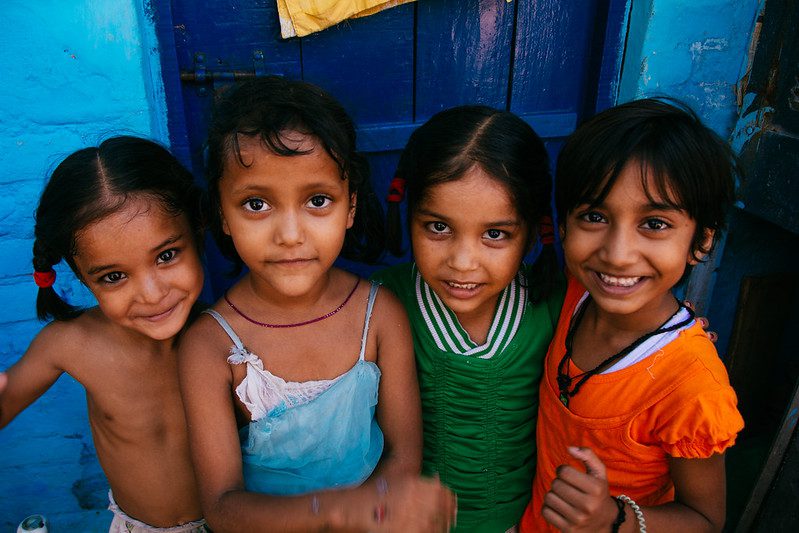
chic brandsArtisans living in impoverished communities often do not receive fair compensation for their crafts. This issue is especially prominent if their work is sold in a more economically developed country, due to the nature of the country’s economic power. However, four chic brands are offering local artisans more sustainable job opportunities that provide equitable wages.
4 Chic Brands Giving Opportunities to Local Artisans

  1. Zambeezi. Founded in 2018, Zambeezi is a Zambian company that produces handmade soaps, body balms and lip moisturizers made out of beeswax from bees managed by Zambian beekeepers. According to Zambeezi, farmers and workers in Africa receive minimal compensation for their work, despite their products selling for high prices in more economically developed countries. In order to prevent this continuous cycle, Zambeezi forms partnerships with “entrepreneurs, farmers and beekeepers in Zambia, Africa” to ensure that workers are able to earn a “fair and living wage.” Going beyond fair compensation, Zambeezi allocates a portion of its profits to support local community development projects, such as developing wells and constructing schools.
  2. Gift of Hope. Founded by the Haiti Foundation Against Poverty in Port-au-Prince, Haiti, Gift of Hope is an “ethical fashion initiative” looking to break the poverty cycle by creating jobs for more than 70 artisans from Haiti. With a mostly female workforce, the organization pays employees three times the minimum wage to economically empower them to rise out of poverty. The company also works to prevent children from becoming “orphaned by poverty” simply because of the financial struggles of a family. By crafting jewelry, purses, headbands, keychains and more, using recycled and repurposed fabrics and materials, women in Haiti are able to provide income for their families and financially support their children.
  3. Pura Vida. Pura Vida began with two struggling Costa Rican artisans crafting string bracelets and grappling to survive on their earnings from selling only a few bracelets per week. On a visit to Costa Rica, Californians Griffin Thall and Paul Goodman asked the artisans to make 400 bracelets for Thall and Goodman to take back to the United States. The bracelets sold out at a boutique within just a short period. This prompted the start of Pura Vida, a company that now sells millions of these bracelets annually. The bracelets are made by more than 800 previously impoverished artisans located in Costa Rica, China, India and El Salvador. The company provides its employees with a sustainable work environment and a steady income. Pura Vida partners with more than 200 charities worldwide and has donated approximately $3.8 million to charities chosen by consumers.
  4. Hiptipico. Hiptipico provides transparency, fair compensation and “non-factory working conditions” to women living in impoverished, indigenous communities in Guatemala. The company creates partnerships with artisans in Guatemala to craft items from its collection, including bandanas, dog collars, camera straps, laptop cases and handbags. Furthermore, Hiptipico allows artisans to price the items themselves. This ensures that workers receive fair earnings for every crafted piece of work. Additionally, the brand allows female artisans to select their own working hours. The flexibility allows women time for family responsibilities while providing an income. Guatemalan artisans also have the freedom to create their own designs and add a touch of personal flair to their crafts, ensuring products reflect the authenticity of Guatemalan culture.

Supporting Fairtrade

These four chic brands strive to end poverty by providing jobs, safe working conditions and fair wages to impoverished artisans. The brands also preserve the originality of the artisans’ cultures. By creating partnerships with artisans globally, the brands ensure that the artisan is rewarded fairly for their craftsmanship. The four companies provide an income to impoverished families while allowing the artisans time to care for their children. Overall, these brands are bringing the world one step closer to ending poverty.

– Lauren Spiers
Photo: Flickr

July 10, 2021
https://borgenproject.org/wp-content/uploads/borgen-project-logo.svg 0 0 Kim Thelwell https://borgenproject.org/wp-content/uploads/borgen-project-logo.svg Kim Thelwell2021-07-10 01:30:182021-08-19 03:56:524 Chic Brands Support Impoverished Artisans
Children, Developing Countries, Human Trafficking, Women, Women & Children

The Fight Against Human Trafficking in India

Problems and Solutions with Human Trafficking in India
With its current population of 1.3 billion people, India is the second-largest country in the world. However, with its size comes a myriad of human rights issues. With so many people in one country, many of them can easily fall under the radar. Human trafficking in India is one of the most prominent human rights issues within the country.

In India, kidnappings for labor and sexual needs have been constant. In 2020, a U.S. Department of State report identified India as a Tier 2 country. In spite of many genuine efforts, the country remains hindered by its inadequate solutions to alleviate the problem and the department feels that India did not sufficiently ensure the mitigation of the issue. Enslavement has also been a common issue. In 2016, the Global Slavery Index found that 18 million people out of 46 million people are enslaved in India.

Trafficking of Women

Within the system of human trafficking in India, most of those victimized are either women or minors. In 2016, The National Crime Records Bureau estimated that 33,855 people in India have been victims of kidnapping for the purpose of marriage. Half of this percentage consisted of individuals under 18 years of age. Kidnappers most commonly force women into commercial sex and indentured servitude.

Bride trafficking has also been a consistent commodity due to skewed sex ratios in certain areas. There has been a lack of women for the larger male population to marry, so many buy their partners. A UNODC report in 2013 found that of the 92 villages of the Indian state of Haryana, nine out of 10 households bought wives from poor villages in other parts of the country. The report also mentioned that most of the women experienced abuse and rape as well as working like slaves.

Child Kidnappings

Alongside the trade of women, many child kidnappings occur. Kidnappers force many of the victims into servitude within industries of agriculture and manufacturing. In 2016, the Central Bureau of Investigation estimated that 135,000 children become victims of human trafficking in India annually. Many of the Indian train stations, such as Sealdah in the city of Kolkata, have had reports of youth kidnapping. Due to the frantic environment of the station, most of these disappearances go unnoticed. A lot of these children either live near the station due to poverty and abuse at home or travel out to work despite the danger and illegality of child labor. Children have also experienced kidnapping during natural disasters. During an earthquake in Nepal, traffickers targeted children whose parents had lost their lives. Wherever traffickers send these children, they work in brutal conditions and receive little pay or nothing at all.

Action in Legislation

Despite the magnitude of the issue and the bleakness it presents, there are glimmers of hope. The government and the public have pushed to mitigate these problems. Prosecution and the tracking of victims are becoming a focus of legislation creation. The Ministry of Women and Child Development has worked to develop a new law to combat the issue. The draft law will include measures to make placement agencies compulsory and rules to monitor where workers are from and where they are going. The 2020 Department of Justice report recommended that increased prosecutions and legislation are necessary to combat the issues.

There are also Non-Governmental Organizations (NGOs) that can give outside assistance in helping trapped women escape. One such group is Chetanalaya, which is the social action group of the Archdiocese of Delhi. Started in 1970, the organization focuses on mobilizing volunteer groups and state and union governments to assist in its efforts. The group has managed to liberate more than 800 enslaved domestic workers in the past two decades.

Helping Faceless

With the rise of technology in India, many have looked to use new innovations to assist in their cause. An example of this is the app Helping Faceless. Created in 2013, it helps fight child kidnapping and trafficking through the use of search engines that use facial recognition to help find wandering youth. To assist in helping women, the website is available for anonymous documentation of sexual assaults and other horrific experiences. By 2015, 5,000 downloads had occurred and the app continues to grow with attempts to improve the technology. Moreover, some are proposing to bring it to other countries that have similar human rights issues.

Going Forward

While the current issues regarding human trafficking in India are immense, the information and technology available can help alleviate the problem. Looking into a problem is one of the best steps in creating a good future and, while it may take a while, there is reason to hope. With the large population in the country, there are many individuals who have survived these experiences and are ready to fight to ensure that others will not endure them.

– John Dunkerley
Photo: Flickr

July 7, 2021
https://borgenproject.org/wp-content/uploads/borgen-project-logo.svg 0 0 Jennifer Philipp https://borgenproject.org/wp-content/uploads/borgen-project-logo.svg Jennifer Philipp2021-07-07 10:19:522021-07-07 10:19:52The Fight Against Human Trafficking in India
Developing Countries

How the Decline in Oil Impacts Azerbaijan’s Economy

The Impact of the Decline in Oil Prices on the Economy of AzerbaijanAzerbaijan is located in the Caucasus region and situated at the crossroads of Europe and Western Asia. The country is bordered on the north by Russia and on the south by Iran. Since October 18, 1991, Azerbaijan has been an independent nation. Before the announcement of independence, Azerbaijan was a member state of the Union of Soviet Socialist Republics (USSR). After declaring sovereignty, the country had political instability for several years. In addition, Azerbaijan fought a bloody war over the territorial dispute with Armenia in the late 1980s and early 1990s. As a consequence of these events, economic, political and social development slowed down. However, after the establishment of political stability and ceasefire agreement between the two sides, Azerbaijan entered a new stage of development. With the onset of the COVID-19 pandemic, the country faces further hardship as the decline in oil prices impacts the economy of Azerbaijan and causes a current financial crisis.

The Oil Production in Azerbaijan

To turn Azerbaijan into a powerful state with a sustainable economy, the previous president Heydar Aliyev had an oil-based national development strategy. On September 20, 1994, the Production Sharing Agreement (PSA) was signed between the State Oil Company of Azerbaijan Republic (SOCAR) and 11 foreign oil companies from six nations. In the beginning, the contract covered oil companies such as BP, Amoco, Unocal, LUKoil, Statoil, Exxon, TPAO, Pennzoil, McDermott, Ramco and Delta Nimir. The oil companies represented six countries. These included the U.K., U.S., Russia, Norway, Turkey and Saudi Arabia. The PSA was the first large-scale investment by western companies in any former USSR country. Later on, the agreement got famous and was known as “The Contract of Agreement.” It was a success for Azerbaijan to invite foreign oil companies and benefit from oil production. Because of this achievement, Azerbaijan managed to develop its economy and invest in social programs.

On the other hand, to export oil to the world market, Azerbaijan decided to build the Baku-Tbilisi-Ceyhan pipeline with the help of geopolitical partners. This pipeline transformed Azerbaijan’s oil industry and became operational in June 2006. The overall length of the pipeline is 1768km, and 443km of it crosses from Azerbaijan, 249km in Georgia and 1,076km in Turkey.

The Decline in Oil Prices Impacts Azerbaijan’s Economy

The economy of Azerbaijan is predominantly dependent its oil export. As mentioned above, the agreements with international companies and the successful export of oil to the world market led to the development of Azerbaijan. However, because of oil money, the country could not manage progress in the political sphere. The level of corruption increased, and the government did not fairly distribute oil money among the citizens of Azerbaijan. As a result of the financial crisis in 2014, the economy of Azerbaijan faced severe difficulties. In 2014, the oil price dropped by 59.2% in seven months. On June 20, 2014, the oil price peaked at $107.95 a barrel, but by June, prices plunged to $44.08. In 2014, the GDP per capita in Azerbaijan was $7,891.313, and in 2015, it decreased to $5,500.31. In 2016, the GDP declined to $3,880.739 — the lowest level since 2007. After 2016, the economy of Azerbaijan started to rise again. In 2017, the GDP per capita was $4,147.09.

The Effects of the COVID-19 Pandemic

With the beginning of COVID-19, the economy of Azerbaijan began to face difficulties again. Because of the financial crisis, the prosperity of Azerbaijani citizens decreased drastically. People started to lose their jobs, and prices in the market increased. Also, as oil prices declined, several international companies decided to leave the territory of Azerbaijan. During the financial crisis, the president of Azerbaijan, Ilham Aliyev, said that Azerbaijan should “work and live as if we live in the post-oil era.” It was a strong statement by the president, and it also was the signal of the beginning of a new economic era for Azerbaijan. After the crisis, the government decided to improve the business environment and diversify to non-oil sectors.

Conclusion

As an oil-rich country, it is not surprising that the economy of Azerbaijan is highly dependent on oil revenues. Unfortunately, the government failed to develop other profitable fields for the economy in the last decades. That is why the financial crisis in 2014 increased the level of poverty in Azerbaijan. From 2014 until 2017, the GDP decreased significantly. However, in the latter stages of the financial crisis, the government managed to stabilize the overall situation.

– Tofig Ismayilzada
Photo: Flickr

July 1, 2021
https://borgenproject.org/wp-content/uploads/borgen-project-logo.svg 0 0 Kim Thelwell https://borgenproject.org/wp-content/uploads/borgen-project-logo.svg Kim Thelwell2021-07-01 01:31:042024-05-30 22:23:29How the Decline in Oil Impacts Azerbaijan’s Economy
Developing Countries

El Salvador: The First Country to Use Bitcoin as Legal Tender

Bitcoin as Legal TenderOn Wednesday, June 9, 2021, El Salvador made history by becoming the first country to authorize the use of bitcoin as legal tender. President Nayib Bukele’s proposal to utilize the currency was widely popular in Congress. The votes came to 62 out of 84 in favor of instating a law to adopt bitcoin as the country’s legal tender. The introduction of bitcoin will greatly help the facilitation of remittances sent back home from Salvadorians living abroad. This is important as one in four Salvadorians live abroad. In addition, more than $2 out of every $10 in the country’s economy comes from remittances. Therefore, incorporating bitcoin as legal tender should only improve access to financial resources throughout El Salvador’s marginalized communities. Shortly before the bill was passed, President Bukele tweeted about the economic benefits of having bitcoin as legal tender: “It will bring financial inclusion, investment, tourism, innovation and economic development for our country.”

The Benefits of Bitcoin

The authorization of bitcoin as legal tender may be a developing trend across emerging economies. This is because bank penetration and access to traditional financial institutions are remarkably low. In El Salvador, more than 70% of the population lacks any connection to traditional financial services. It is due to these circumstances that Salvadorians have found themselves so reliant on remittances. In the past year alone, remittances contributed a fifth of El Salvador’s total GDP. With the domestic economy so dependent on remittances, it is clear why Bukele would craft a bill intended to ease the process for sending money back home from abroad.

Through cryptocurrency, Salvadorians will be able to send money to impoverished loved ones at a more affordable and quicker rate. No longer will those working in the global north have to rely on remittance firms. Rather, converting local currencies to and from bitcoin requires only an informal broker.

President Bukele will use significant domestic resources to help train the Salvadorian population to carry out bitcoin transactions. El Salvador’s commitment to cryptocurrency will not only forecast the future relevancy of cryptocurrency but act as a case study for other emerging economies that may be interested in eventually adopting bitcoin as legal tender. “The market will now be focused on adoption through El Salvador and whether other nations follow,” said Richard Galvin of crypto fund Digital Asset Capital Management. “This could be a key catalyst for bitcoin over the next two to three years.”

Moving Forward

In the past, people have criticized bitcoin mining for its harmful environmental footprint. However, El Salvador has made a concerted effort to ensure its bitcoin operation uses complete renewable energy. President Bukele has repeatedly stated that El Salvador’s state-run geothermal energy mechanisms will convert power derived from volcanoes for bitcoin mining. Scorching steam generates the power that can spin turbines and generate electricity. Going forward, bitcoin holds enormous potential in driving renewable energy projects across the world, especially in emerging economies.

– Conor Green
Photo: Flickr

June 30, 2021
https://borgenproject.org/wp-content/uploads/borgen-project-logo.svg 0 0 Lynsey Alexander https://borgenproject.org/wp-content/uploads/borgen-project-logo.svg Lynsey Alexander2021-06-30 07:30:322024-06-04 01:18:01El Salvador: The First Country to Use Bitcoin as Legal Tender
Developing Countries, Health

Female Genital Mutilation in Côte d’Ivoire

Female Genital Mutilation in Côte d’Ivoire
Female genital mutilation is the process of partially or totally removing the external female genitalia, and is a violation of the human rights of women and girls around the globe. While many strive to ban this non-medical practice, FGM still has a grip on many countries. One such country where FGM is prevalent is Côte d’Ivoire. Here is some information regarding the practice of female genital mutilation in Côte d’Ivoire and the measures to eradicate it.

Female Genital Mutilation in Côte d’Ivoire

Côte d’Ivoire, also known as the Ivory Coast, is a country located along the south coast of West Africa. With a population of about 25 million, FGM practices affect approximately 36.7% of women ages 15-67, the highest prevalence being 60% to 75% among the ethnic groups of the northwest regions of Nord, Nord-Ouest and Ouest. However, girls and women of all ages and from all different regions of Côte d’Ivoire are at risk of FGM.

The prevalence of female genital mutilation in Côte d’Ivoire stems from two reasons, the first being social and cultural traditions. Those who perform the actual cut are typically the older women that make it their living and perform the procedure without anesthesia and the use of medical facilities. Pressure for older girls to undergo FGM often takes place when the prospective husband and his family will not accept a bride that has not experienced it.

The second reason for FGM’s prevalence in Côte d’Ivoire traces back to the large migrant population coming in and out of the country. Many migrants originate from countries where there is little to no legal action against FGM, such as the border nations of Guinea and Mali. The frequent crossing of borders attributes to the high percentages of women and girls who experience FGM in the northwest regions.

Harms of Female Genital Mutilation

Of the four major types of FGM that the World Health Organization (WHO) identified, Côte d’Ivoire practices Type 2. There are no health benefits to any type of FGM, as the non-medical practice mutilates a normal organ of a woman’s body. Instead, FGM harms those who undergo the procedure, and the victims become increasingly at risk to develop health complications in the present moment or in the future. Women and girls who experience FGM largely suffer from the following:

  • Severe pain
  • Infection
  • Urinary and vaginal problems
  • Childbirth complications

Steps Against Female Genital Mutilation

The government of  Côte d’Ivoire created legislation targeting the practice of FGM. Article 5 of the Constitution of Côte d’Ivoire prohibits “female genital mutilation as well as any other forms of degradation of human beings.” Law No. 98-757 of 23 December 1998 criminalized the practice of FGM in all forms, which includes actions by medical professionals and by those who aid in its performance.

Since the creation of Law No. 98-757, few people who practice FGM have experienced prosecution. The Ministry for Women and the Protection of the Child and Solidarity is a major government authority in Côte d’Ivoire. It protects the country’s women and girls and ensures equality in economic, social and cultural areas. From 2008-2012, the government put a National Action Plan in place that protects women and girls from sexual violence, including FGM. Since the National Action Plan’s end, there have been no new talks to implement a new plan.

Looking Ahead

While more work is necessary to completely end female genital mutilation in Côte d’Ivoire and the Ivory Coast, the work of those advocating to end FGM is making a difference in the local communities. Many are starting to see the harms that the practice inflicts. Small steps are still steps toward a brighter future for the women and girls affected.

– Grace Ingles
Photo: Flickr

June 30, 2021
https://borgenproject.org/wp-content/uploads/borgen-project-logo.svg 0 0 Jennifer Philipp https://borgenproject.org/wp-content/uploads/borgen-project-logo.svg Jennifer Philipp2021-06-30 03:38:052021-07-07 15:00:52Female Genital Mutilation in Côte d’Ivoire
Developing Countries, Development, Global Poverty

Algbra is Bridging the Gap in Financial Inclusion

Algbra is Bridging the Gap Algbra is a “global digital program” for the “unbanked and underserved.” Algbra is bridging the gap in financial inclusion by bringing financial security to developing countries. The emergence of cryptocurrency, artificial intelligence and blockchain technology has spawned endless opportunities within the financial industry. Although these accomplishments are impressive, a shocking 1.7 billion people worldwide are still without access to bank accounts. Banking services offer a convenient and secure money management method, a luxury unattainable for many of the world’s impoverished. Millions of people in developing markets are excluded from the financial system due to “insufficient income levels and market discrimination.” Exclusion from financial services prevents an accumulation of savings, investable funds and asset growth. New World Group vows to bridge the financial inclusion gap in developing countries with the innovative global digital platform, Algbra.

The Algbra Fintech Platform

Algbra is the new London-based fintech platform designed to create a multi-faceted, fair and viable banking experience that fulfills the needs of low-income consumers. The company raised £3.75 million in funds for the Algbra platform, with the aim of educating and uplifting underserved and minority populations so that people can move toward financial freedom.

Algbra is also the first platform of its kind to offer services in consideration of faith-based values. This is a more appealing option for those following the Islamic faith, an unbanked demographic of nearly 800 million people. Some of the products offered by Algbra include “current accounts, foreign exchange, remittances and rewards, with lending products to follow shortly thereafter.”

Algbra’s Impact on Global Poverty

In a study involving 35 countries in sub-Saharan Africa, researchers looked at the impact of financial inclusion on poverty levels among low-income households. Using data from 2011, it was concluded that financial inclusion significantly decreased poverty in sub-Saharan Africa by “providing net wealth and larger welfare benefits” for impoverished people.

On May 19, 2021, Algbra announced its partnership with the Patchwork Foundation, a British organization dedicated to advocating for underprivileged and minority communities to partake in issues of democracy and civil society. Through this partnership, Algbra and the Patchwork Foundation will empower promising young leaders with financial literacy skills and other essential skills. These skills will help the youth become informed policymakers capable of establishing practices that promote social and economic inclusion.

It is important for Muslim women to have a share in financial resources and the opportunity to participate in society’s advancement, all while adhering to Islamic teachings. This is instrumental to economic prosperity for developing countries with large Muslim populations.

However, the World Bank found that the Middle East and North Africa, which are predominantly Muslim regions, have the most significant gender gap in bank account ownership. In these regions, a whole 65% of women are without a bank account compared to 48% of men. Zeiad Idris, CEO of Algbra, believes empowering women by facilitating access to financial services is instrumental to increased economic growth.

How Algbra is Bridging the Gap

The financial industry lacks services that meet the faith-based needs of consumers. As a result, many Muslims limit their usage of financial services. A 2018 Thomson Reuters report indicates that religious considerations prohibited 34% of Afghan individuals and 27% of people in Iraq and Tunisia from utilizing financial services. However in Muslim-majority nations like Jordan, providing Shariah-compliant lending products (loans aligned with religious principles) raised application rates from 18% to 22%, according to a study by Professor Dean Karlan of Yale University.

Shariah compliance prohibits profiting from items or services with the potential to cause harm to people or the environment. Additionally, investors must avoid enterprises that deal with “weapons, alcohol and gambling.” Algbra provides solutions for Muslim consumers who seek Shariah-compliant banking services and solutions. The solutions are also beneficial for environmentally conscientious consumers who are mindful of financial imprints.

The Future of the Financial Industry

Adam Sadiq, CEO of New World Group, explains that a significant amount of people in impoverished nations “face financial exclusion because they cannot open an account at a traditional brick and mortar bank. As a result, they are unable to enjoy the opportunities made possible by economic growth, and in many cases, remain stuck in the poverty trap.” Algbra is bridging the gap in financial inclusion as the latest financial technology innovation aimed at resolving these difficulties through faith-based and inclusive banking services.

– Tiara Tyson
Photo: Flickr

June 29, 2021
https://borgenproject.org/wp-content/uploads/borgen-project-logo.svg 0 0 Kim Thelwell https://borgenproject.org/wp-content/uploads/borgen-project-logo.svg Kim Thelwell2021-06-29 01:30:472024-05-30 22:23:43Algbra is Bridging the Gap in Financial Inclusion
COVID-19, Developing Countries, Global Poverty, Health, Nonprofit Organizations and NGOs

The Immunization Agenda 2030

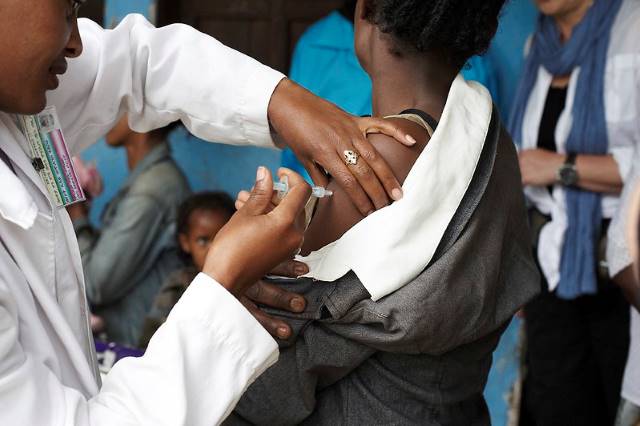
Immunization AgendaAs the 18-month mark of COVID-19 nears, people around the world are eager to return to normalcy. However, according to The New York Times, as of March 2021, more than 75% of all vaccine doses have gone to the wealthiest countries. Meanwhile, organizations are committed to fighting for vaccine equity so that lower-income nations are not overlooked in global vaccination plans for any diseases. The World Health Organization, UNICEF and Gavi, among other partners, launched the Immunization Agenda 2030 on April 26, 2021. The Agenda aims to “maximize the lifesaving impact of vaccines through stronger immunization systems.” This includes securing vaccines for developing countries.

Global Vaccine Action Plan (GVAP)

Prior to the Immunization Agenda, there was the Global Vaccine Action Plan, spanning from 2011-2020. The ultimate goals of GVAP were providing universal vaccination access and “reducing vaccine-preventable diseases.” Under GVAP, poliovirus types two and three were eradicated and measles incidents decreased by more than 80%. GVAP did not meet all of the goals it intended to, however, it did succeed in laying out a steady framework to proceed with the Immunization Agenda 2030.

The Immunization Agenda 2030 focuses on global participation in improving global vaccine access to reduce the threat of preventable diseases and ensure vaccine equity This requires strengthening healthcare and immunization systems and increasing accessibility. The strategy has primary targets to achieve the goal of saving more than 50 million lives through vaccines.

Targets for 2030

  • Reach at least 90% coverage of core childhood and adolescent vaccines
  • Reduce by 50% the number of children who go entirely unvaccinated
  • “Complete 500 national or subnational introductions of new or under-utilized vaccines — such as those for COVID-19, rotavirus or human papillomavirus (HPV)”

Immunization for Global Development

Since “immunization is the foundation of a healthy, productive population” vaccines contribute to global development. Children who are in full health have better chances of educational success, which contributes to economic prosperity and reduces poverty. Furthermore, preventing diseases means easing the burden on healthcare systems throughout the world.

The Agenda hopes to completely eliminate yellow fever outbreaks by 2026 and “reduce viral hepatitis B deaths by 65% by 2030.” According to the WHO, 47 countries across Africa and Central and South America are most burdened with yellow fever. In 2013 alone, yellow fever is estimated to have killed up to 60,000 people. Additionally, Africa has the highest cases of viral hepatitis in the world. According to WHO global data, in 2015, almost 260 million people had hepatitis B. As these diseases are less prevalent in wealthier countries, the Immunization Agenda calls for accountability to ensure high-income nations are doing their part for global immunizations.

Challenges

Achieving universal vaccine coverage comes with its own challenges. Vaccine hesitancy poses a threat to immunization. Founding partners of the Agenda place an emphasis on the trustworthy spread of information and an increase in health literacy to ensure vaccinations become a social norm. Additionally, the present threat of climate change greatly increases the risk of future pandemics and the spread of infectious diseases, especially via mosquitoes. The Agenda itself is working to limit the “environmental impact of vaccine waste.”

Moving Forward

The Immunization Agenda provides reachable goals to greatly reduce preventable disease deaths. The Agenda is calling for leaders in global health to make their commitments to the Agenda explicit. It also encourages leaders to urgently invest in strengthening their health systems, especially in the wake of COVID-19. The Agenda prompts leading governments and scientists to invest more time into vaccine research and development to strengthen the impact of vaccines and combat global diseases more effectively. Vaccines are the foundation of global health security and the Immunization Agenda 2030 commits to achieving vaccine equity and ensuring vaccines reach the people who need them most.

– Monica Mellon
Photo: Flickr

June 27, 2021
https://borgenproject.org/wp-content/uploads/borgen-project-logo.svg 0 0 Yuki https://borgenproject.org/wp-content/uploads/borgen-project-logo.svg Yuki2021-06-27 01:30:342021-06-25 08:03:46The Immunization Agenda 2030
Developing Countries, Global Poverty

LIT Propels Digitization in Africa

Digitization in AfricaLiquid Intelligent Technologies (LIT) is “a pan-African technology group.” The group was established in 2005 and spans 14 countries, with a focus on sub-Saharan Africa. LIT provides custom digital solutions to private and public businesses across Africa. LIT hopes to utilize its fiber infrastructure to accelerate the accessibility of new innovative technologies and propel digitization in Africa.

LIT’s Impact

Digitization in Africa is vital for the continent’s economic growth. LIT’s extended expansion across 14 countries provides connectivity to small businesses, enterprises and government entities. This enables productivity through several digital solutions that cater to each of their needs.

LIT’s fiber infrastructure reaches more than 100 million people across the continent. This complex network creates new, innovative opportunities by providing accessibility to businesses and individuals across Africa and accelerating the continent’s digital transformation.

In 2021, LIT succeeded in deploying 100,000 kilometers (around 62,000 miles) of fiber infrastructure across Africa. This milestone makes LIT the “largest independent fiber network provider in emerging markets globally.” LIT plans to further accelerate digitization in Africa and create unique opportunities through digital inclusion.

LIT’s Other Achievements

  • LIT has provided a high-speed fiber network connection in the city of Mbuji-Mayi in the Democratic Republic of Congo, allowing access to three million people for the very first time.
  • LIT has enabled 4G connectivity through “1,500 new mobile network operator tower connections.” It is currently preparing to implement 5G technology, which can reach a speed of up to 100 times more than 4G.
  • High-speed internet has basically been absent in the Democratic Republic of Congo in the past decade. The country’s internet access is so limited that it ranked 145th in the world for internet access. LIT’s new extensive fiber infrastructure will allow the DRC to digitally transform along with the rest of Africa.

Broadband Access is a Basic Necessity

Broadband (high-speed) internet access is considered “a basic necessity for economic and human development in both developed and developing countries.” However, only about 35% of people in developing nations have access to the internet in stark contrast to 80% of people in developed economies. The goal is to provide high-speed internet access to all, particularly in rural areas.

The “digital divide” in internet and technology access disproportionately impacts rural areas and the impoverished. Higher internet access in cities compared to developing rural communities hinders shared prosperity and blocks “pathways out of poverty.”

Solving this problem could provide “millions of jobs and billions of dollars in revenue” in the years to come. According to the World Bank, increasing internet access from 35% to 75% in developing nations could add up to $2 trillion to their “collective gross domestic product (GDP).” Furthermore, this increase in internet penetration could establish more than 140 million jobs globally.

Access to high-speed internet boosts the economy. It is an essential tool for basic services such as education and healthcare. Further, it provides more opportunities for women’s development and enhances “government transparency and accountability.”

Bringing High-Speed Internet to Africa

The internet plays a vital role in allowing access to educational resources and providing knowledge sharing for students and their teachers. Africa only has a 20% internet penetration and LIT’s mission is to increase this by providing opportunities with its extensive fiber network and accelerating digitization in Africa.

Nic Rudnick, group CEO of LIT, tells Gadget magazine that “By providing access to information, connecting people to businesses everywhere and opening up new markets, the internet can act as an enabler of economic activity and an engine for information sharing.”

With the power of high-speed internet, LIT has helped address the most crucial challenges within “high-potential countries” such as the Democratic Republic of Congo and South Sudan. Digitization in Africa has never been more crucial in what is now a digital era. High-speed internet brings the promise of “peace, state-building, job creation and improved livelihoods.”

– Addison Franklin
Photo: Flickr

June 24, 2021
https://borgenproject.org/wp-content/uploads/borgen-project-logo.svg 0 0 Yuki https://borgenproject.org/wp-content/uploads/borgen-project-logo.svg Yuki2021-06-24 07:30:172024-05-30 22:23:43LIT Propels Digitization in Africa
Developing Countries, Education

The Benefits of Youth Apprenticeships in Nigeria

Youth Apprenticeships in Nigeria The African nation of Nigeria is prioritizing its growth and development. In a tough economic climate of high unemployment and poverty, the youth of Nigeria are motivated to prepare for the future. While classroom learning is undoubtedly important, students are also pursuing a different type of education, oftentimes on top of their schoolwork. Informal Nigerian apprenticeships provide children with personalized vocational training from the master craftsmen of their communities. The benefits of youth apprenticeships in Nigeria are particularly advantageous for children who face a lack of education and extreme poverty. Youth apprenticeships in Nigeria provide useful skills that increase children’s future employability and help them get a head start on their careers. Up to 49% of children are involved in apprenticeships in some areas of Nigeria.

History of Apprenticeships

The master-apprentice relationship has been around for hundreds of years and its implementation can be seen all over the globe. The Igbo apprenticeship system became the prominent model for the Igbo ethnic group, who reside in Southeastern Nigeria. Once young learners prove their knowledge and ability, learners receive more responsibility in their given occupation until they eventually take over the enterprise from their mentor. Now, this same model has spread to different parts of the country and is an ingrained part of the culture. The modern version of this system is different from before because it is not a strictly patrilineal arrangement. Today, apprentices do not have to be male or of relation to the master craftsman as in earlier times.

Benefits of Youth Apprenticeships in Nigeria

Nigerian apprenticeships are mindful of students’ school commitments. The apprenticeship system does not discourage academics but rather works in harmony with it. Hours are flexible and tend to be after school and on the weekends. In addition, many young people find that having a commitment apart from school keeps them busy and out of trouble. A typical age range for these child apprentices is between 10 and 15. In order to avoid malpractice or exploitation, the Nigerian Child Rights Act serves as protection, “but does not rule out children working altogether.” This specification is in place because working can be very advantageous to Nigerian children and restricting work could actually add to their economic difficulties and prevent their career development and economic progression.

Specialty trades for apprenticeships include farming, weaving, pottery, carving, bricklaying, mechanics, hairdressing and operating market stands. For children who are unable to complete their formal school education, being a skilled tradesman or artisan provides a steady alternative career track. Apprenticeships are generally unpaid, but some do provide small cash payments for children to afford basic necessities such as food and clothing. Even little contributions are extremely beneficial for the well-being of Nigerian families in poverty.

Reducing Rates of Poverty

Nigerian apprenticeships can help to ease pre-existing pressures that stem from high unemployment rates and increasing rates of poverty. On top of the potential money generated from apprenticing, the pupil may have the opportunity to take over the mentor’s position in the future with the knowledge of the inner workings of the operation.

Apprenticeships allow more people to have access to financial freedom and present an antidote to global poverty. Overall, Nigerian youth apprenticeships are bringing positive benefits to the country. The likelihood of youth falling further into poverty sees a drastic reduction and personal development becomes a reality.

– Lucy Gentry
Photo: Flickr

June 23, 2021
https://borgenproject.org/wp-content/uploads/borgen-project-logo.svg 0 0 Yuki https://borgenproject.org/wp-content/uploads/borgen-project-logo.svg Yuki2021-06-23 07:31:252021-06-22 04:01:35The Benefits of Youth Apprenticeships in Nigeria
Developing Countries, Development, Economy, Global Poverty

Costa Rica’s New Infrastructure Projects

How Costa Rica’s New Infrastructure Will Help Reduce PovertyOn May 4, 2021, President Carlos Alvarado addressed Costa Rica with the State of the Republic, a yearly analysis of the country’s accounts, progress and goals for the future. In his speech, he discussed the various infrastructure projects set to begin in Costa Rica. The projects will create opportunities for employment and reduce poverty across the country. President Alvarado’s plan for Costa Rica’s new infrastructure projects responds to the current economic crisis in the country. Due to the COVID-19 pandemic, poverty in Costa Rica has hit an all-time high since 1992, with 26.2% of families in the country experiencing household poverty.

New Infrastructure to Reduce Poverty in Costa Rica

Costa Rica’s economy is sustained by tourism, a sector that hit a sharp decline as a result of the COVID-19 pandemic. In 2020, Costa Rica’s “economy shrank by 4.5%” while unemployment rose by 6%. The various infrastructure projects which President Alvarado discussed aim to decrease poverty in the country and help bring Costa Rica out of its economic slump.

  1. Road Infrastructure. In his address, President Alvarado emphasized the need for improving roads and bridges across Costa Rica. He remarked that the Government intends on accessing a loan in order to treat all roads in the country with an asphalt seal and improve bridges across Costa Rica. The transformation of Costa Rica’s road infrastructure is a considerable undertaking that would provide thousands of people with jobs. Improving roads will lead to decreased congestion and facilitate transportation throughout the country. This directly benefits Costa Ricans and increases their access to jobs, which would greatly decrease the country’s record-high levels of poverty.
  2. Educational Infrastructure. Another key subject that Alvarado touched upon is the need for equal education opportunities for Costa Ricans. Investing in education infrastructure will help achieve this goal. Education for all Costa Ricans is important because education breaks cycles of poverty. Educating impoverished people on nutrition, health and safety can help them improve their living conditions. Additionally, educating children will provide them with the knowledge and skills to secure future employment and lift their families out of poverty.
  3. Land for Indigenous Groups. President Alvarado has a special recovery plan for indigenous territories. In the State of the Republic, he pledged monetary funding to address the inequities indigenous Costa Ricans experience due to existing legislation. The indigenous groups in Costa Rica have historically been subjected to slavery, displacement and exclusion and are disproportionately affected by poverty. Ensuring indigenous land rights are protected and prioritizing aid for indigenous people’s development would help reduce poverty across Costa Rica.
  4. Public Transportation. President Alvarado discussed an initiative to transition to electric mobility. The President “requested the support of Congress to approve a project to modernize public bus transport.” Additionally, the Costa Rican President introduced the Greater Metropolitan Area Electric Passenger Train, which is expected to generate almost 2,670 jobs, ignite economic growth and attract investors to the country. Another railway project that the President presented to Costa Rica is the Limon Electric Freight Train (TELCA). The construction of public transportation projects will provide Costa Ricans throughout the country with jobs and facilitate transportation between communities in order to spur economic growth.

Costa Rica’s commitments directly benefit citizens and the economy. Costa Rica’s new infrastructure projects show the country’s commitment to developing Costa Rica and reducing poverty.

– Eliza Kirk
Photo: Flickr

June 23, 2021
https://borgenproject.org/wp-content/uploads/borgen-project-logo.svg 0 0 Lynsey Alexander https://borgenproject.org/wp-content/uploads/borgen-project-logo.svg Lynsey Alexander2021-06-23 01:31:042021-06-21 11:07:02Costa Rica’s New Infrastructure Projects
Page 50 of 157«‹4849505152›»

Get Smarter

  • Global Poverty 101
  • Global Poverty… The Good News
  • Global Poverty & U.S. Jobs
  • Global Poverty and National Security
  • Innovative Solutions to Poverty
  • Global Poverty & Aid FAQ’s
Search Search

Take Action

  • Call Congress
  • Email Congress
  • Donate
  • 30 Ways to Help
  • Volunteer Ops
  • Internships
  • Courses & Certificates
  • The Podcast
Borgen Project

“The Borgen Project is an incredible nonprofit organization that is addressing poverty and hunger and working towards ending them.”

-The Huffington Post

Inside The Borgen Project

  • Contact
  • About
  • Financials
  • President
  • Board of Directors
  • Board of Advisors

International Links

  • UK Email Parliament
  • UK Donate
  • Canada Email Parliament

Get Smarter

  • Global Poverty 101
  • Global Poverty… The Good News
  • Global Poverty & U.S. Jobs
  • Global Poverty and National Security
  • Innovative Solutions to Poverty
  • Global Poverty & Aid FAQ’s

Ways to Help

  • Call Congress
  • Email Congress
  • Donate
  • 30 Ways to Help
  • Volunteer Ops
  • Internships
  • Courses & Certificates
  • The Podcast
Scroll to top Scroll to top Scroll to top