• Link to X
  • Link to Facebook
  • Link to Instagram
  • Link to TikTok
  • Link to Youtube
  • About
    • About Us
      • President
      • Board of Directors
      • Board of Advisors
      • Financials
      • Our Methodology
      • Success Tracker
      • Contact
  • Act Now
    • 30 Ways to Help
      • Email Congress
      • Call Congress
      • Volunteer
      • Courses & Certificates
      • Be a Donor
    • Internships
      • In-Office Internships
      • Remote Internships
    • Legislation
      • Politics 101
  • The Blog
  • The Podcast
  • Magazine
  • Donate
  • Click to open the search input field Click to open the search input field Search
  • Menu Menu

Archive for category: Developing Countries

Information and stories about developing countries.

Agriculture, Developing Countries, Global Poverty

Threats and Solutions To Crop Farming in Uganda

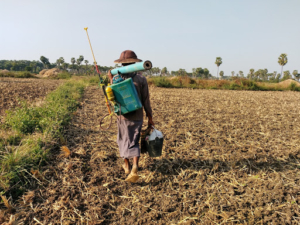
Crop Farming in UgandaUganda is located in East-Central Africa. It is a landlocked country, with the Democratic Republic of Congo to its west, South Sudan to its north, Tanzania to its south and Kenya to its east. Uganda is resource-rich, but relatively underserved. Its GDP per capita was $1,072 in 2024, which places the country at 196 in the world for this measurement.

Farming in Uganda

Crop farming in Uganda is a major sector. About 80% of Uganda’s land is arable, but only 35% is cultivated. Agriculture remains vital, accounting for nearly 25% of the country’s GDP.” Environmental factors are intrinsic to crop farming and in recent years, these factors have become unpredictable and extreme.

Since smallholder farmers are some of the most impoverished members of Ugandan society and often rely on every harvest for their sustenance and livelihoods, the increasing environmental challenges can become a real problem.

Maize and beans are two essential crops in Uganda. While they do not rank in the top five for exports, they are significant domestic foods and cash crops. Both crops are facing new environmental challenges and the solutions demonstrate the resilience and dynamism of the Ugandan agricultural community.

Better Beans for Ugandans

Beans are vital to Uganda, providing nourishment for its people. However, rising droughts and unpredictable rainfall threaten harvests, putting the country’s most vulnerable smallholder farmers at risk.

Dr. Clare Mukankusi is a Ugandan plant researcher at the International Center for Tropical Agriculture (CIAT). She is a firm believer in the importance of beans as a foundation of Ugandan life, having grown up on them herself. Through selective crossbreeding, Mukankusi has been developing a new type of bean that matures in two months, rather than the three to four months taken by traditional beans.

This will make them much more likely to survive an unpredictable and shorter growing season. As this new breed of bean is further developed and eventually distributed across Uganda, it will help secure the future of crop farming in the country. It offers vulnerable smallholders a crucial advantage in facing an increasingly challenging environment.

Fighting the Armyworm Threat

Pests have always been an issue in Uganda, but pesticidal chemicals were a clear solution. The armyworm, in particular, threatens maize, an important food, cash crop and export crop on which many smallholder farmers depend. However, the armyworm is becoming increasingly pesticide-resistant, forcing farmers to adapt and find new ways to keep the pest at bay:

  • Parasites: Introducing certain parasites that feed on armyworm larvae can help control their population. If managed carefully, this could become an effective mitigation method.
  • Planting techniques: Deep ploughing and strict management of crop residue after harvest can reduce pest survival.
  • Crop rotation: Regularly rotating maize with other crops can disrupt pest life cycles and lower infestation risks.

These techniques have the potential to counter pest threat without increasing chemical potency, which many farmers have had to do in the interim. While effective, this is not sustainable. Scientists from multiple institutions warn that overuse damages soil health in the long term and accelerates pest resistance.

The Need for Government Action

Many Ugandan environmental scientists agree that their government must become more involved in crop farming in Uganda. As mentioned, increased potency of pesticides has risks to human and environmental health and risks of further pest-resistance.

Dr. Kalyebi, the lead author of armyworm research in Uganda, stated that the government needs to educate farmers on the dangers of chemical mitigation and fund different solutions, such as those aforementioned. It is widely agreed upon that the Ugandan government should recognize the importance of maize farming, particularly farming and invest in research and subsidies.

Conclusion

Crop farming in Uganda is vital to the country’s economy and people. The underserved depend on good harvests to survive and environmental factors such as droughts and pests directly threaten them. However, the determination of the Ugandan people to find ways around these problems is remarkable and one can hope that the government will match these efforts.

– Oliver Evans

Oliver is based in Winkleigh, Devon, UK and focuses on Good News and Technology for The Borgen Project.

Photo: Flickr

September 13, 2025
https://borgenproject.org/wp-content/uploads/borgen-project-logo.svg 0 0 Hemant Gupta https://borgenproject.org/wp-content/uploads/borgen-project-logo.svg Hemant Gupta2025-09-13 01:30:162025-09-12 10:41:53Threats and Solutions To Crop Farming in Uganda
Developing Countries, Development, Global Poverty, Sustainable Development Goals

How India’s Sustainable Goals are Combating Poverty

India's Sustainable Goals are Combating PovertyIn a recent meeting at the United Nations (U.N.) headquarters, India stated that it is currently meeting expectations to reach its Sustainable Development Goals (SDG) health targets by 2030. This was announced during the Voluntary National Review (VNR) at the High Political Forum (HLPF) on Sustainable Development.

Significant progress has also been made in climate commitments made by India during the Paris Agreement in 2015. The link between making sustainable decisions and reducing poverty is very apparent when looking at recent data from India.

The Progression of India’s Climate Commitments

Non-fossil fuel capacity is currently one of India’s climate commitments. By the year 2030, India hopes to ensure half of the country’s energy is derived from renewable sources. Remarkably, India met this goal in 2024. Around 50% of the country’s installed capacity is sourced from wind, solar, hydro and nuclear sources. However, only 28% of electricity used in India is derived from non-fossil fuel sources. While India has met its initial target, it is still working toward making better use of sustainable energy sources.

India has also committed to increasing carbon sinks. A carbon sink is something that releases less carbon into the atmosphere than it absorbs. India’s goal is to use forests and trees to make an extra 2.5-3 billion tonnes of carbon sink. By 2021, India had managed to create an additional 2.29 billion tonnes of carbon sink.

Each year, there has been an increase of 150 million tonnes. However, there are some worries about the sustainability of carbon sinks. There is an anxiety surrounding the imbalance of monoculture plantations compared to naturally occurring forests. The concern surrounds their impact on ecology and whether their success can be sustained during a period of urbanization and pressure of land use.

Further, India has focused on its emissions intensity as part of its climate commitments. The government hopes to have a 45% reduction in emissions from its gross domestic product (GDP) by 2030. By the year 2020, India had already reached a 36% reduction. However, there is a significant lack of data beyond 2020 on emission reduction in India. Therefore, progress cannot be successfully monitored despite being on track to meet the goals of the group five years ago.

Impacts on Poverty Reduction

Over the course of the last 10 years, more than 240 million people have escaped from poverty within India. Furthermore, from 2015, the number of people with social protection coverage has increased by twice as much. These figures were displayed at the Voluntary National Review and reflect how India’s sustainable goals are combating poverty. India’s showcase at this review was a product of conversations with marginalized groups within its country. These groups include tribal groups, ensuring their needs are also being met.

India presented a short film during its VNR, highlighting its progress on the SDGs. The video showed how the country raised its SDG index score from 60 to 71. It also detailed efforts to ensure food security for more than 800 million people and the delivery of more than 2.2 billion vaccine doses. The film concluded with India’s core vision: “A sustainable future where no one is left behind.”

Looking to the Future

Working sustainably can improve a country’s economy and create a better future for its citizens. If India hopes to continue its remarkable progress, there are a few elements it can focus on. However, recent data support how India’s sustainable goals are combating poverty. As progress continues to increase, there is the hope of a future with little to no poverty.

– Katie Gray

Katie is based in Glasgow, UK and focuses on Global Health for The Borgen Project.

Photo: Flickr

September 8, 2025
https://borgenproject.org/wp-content/uploads/borgen-project-logo.svg 0 0 Hemant Gupta https://borgenproject.org/wp-content/uploads/borgen-project-logo.svg Hemant Gupta2025-09-08 14:00:472025-09-08 10:52:50How India’s Sustainable Goals are Combating Poverty
Developing Countries, Employment, Global Poverty

4 Key Innovations in Poverty Eradication in Paraguay

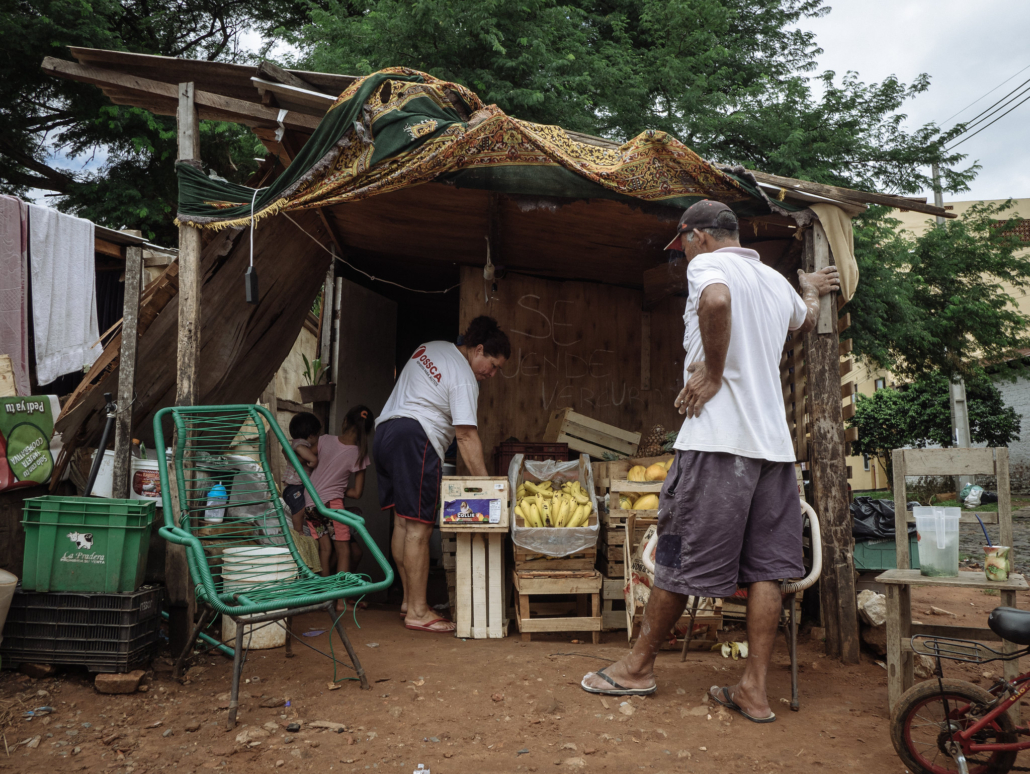
Poverty in ParaguayParaguay has made remarkable progress in cutting poverty over the past two decades. According to the World Bank Group, the country’s poverty rate fell from 51.4% in 2003 to 24.7% in 2022. Social entrepreneur Martin Burt has been among the leading figures in creating innovations to reduce poverty in Paraguay. This success comes despite continuous challenges. Paraguay, a landlocked developing country in South America, with a population of around 6 million, still struggles with inequality and human capital gaps. Many Paraguayans face poor access to quality education, health care and formal employment.

Since the fall of the dictatorship in 1989, a strong implementation of macro-economic policies, market reform and social programs have driven significant growth and lifted millions out of poverty. Nonetheless, inequality still remains stagnant amongst Paraguayans. The World Bank Group has issued four key recommendations to improve poverty: invest in human capital, create quality jobs, strengthen the fiscal system and increase climate resilience. Here are four key innovations in poverty eradication in Paraguay.

1. Investment in Human Capital

Education reform is at the center of Paraguay’s long-term anti-poverty strategy. The OECD’s Paraguay Country Program, officially launched in March 2025, lists improving teacher training as a top priority. Experts see better-trained teachers as essential to raising learning standards and preparing students for the job market. 

One example is Tikichuela: Mathematics in My School, an online program designed to support teachers in helping primary students develop math skills. A Berkeley study found that Tikichuela has successfully narrowed the learning gap between low- and high-performing students in Paraguay. According to the study, 65% of students do not have the minimum proficient standards in mathematics, science and reading, making such teacher-supported programs vital. The initiative, which currently benefits 4,000 students in Paraguay, highlights how equipping teachers with the right tools and training enables them to deliver more effective learning. Building on this success, in 2017 the Paraguayan government announced plans to expand funding for Tikichuela at a national scale.

2. ‘Poverty Spotlight’ – Fundación Paraguaya

Social innovator Martin Burt developed Poverty Spotlight, a self-assessment tool that helps families, organizations and NGOs to assess their poverty levels on a holistic level. This innovation uses a metric of 50 indicators across six dimensions including: Income & Employment, Health & Environment, Housing & Infrastructure, Education & Culture, Organization & Participation and Interiority & Motivational. This creates a personalized ‘life map’ for individuals to understand their state of poverty and how best to overcome it.

The system uses a traffic-light color code: Red (extreme poverty), Yellow (poverty) and Green (not poverty). Staff works directly with the people, designing tailored plans to overcome their challenges. Families and individuals track their progress over time, moving from red to green with the support from local mentors and community. Since 2013, 100 public and private businesses in Paraguay have adopted the tool to improve employee well-being, reaching more than 15,000 workers and their families.

In 2021, the United Nations awarded Poverty Spotlight the ODS Recognition (Sustainable Development Goals) for its work dedicated towards ending poverty.

3. Creating Job Opportunities

Fundación Paraguaya runs several programs to help individuals gain key skills and find secure work. Here are some of its innovative programs that are aiding poverty eradication in Paraguay: 

  1. Football without Poverty: Football without Poverty is a program that encourages the combination of sport and activities connected to entrepreneurship to disconnect from the multidimensional poverty within families and communities.
  2. Junior Achievement Paraguay: This program develops the entrepreneurial skills of young people. This has benefited 27,000+ young people in 2024.
  3. Academy of Women Entrepreneurial (AWE): The Department of State of the United States Embassy in Paraguay initiated this enterprise. Its goal is to provide women with the necessary software platforms for them to carry out their business successfully.
  4. Young Ambassadors: Young Ambassadors provides full scholarships to 13 young leaders aged between 15 and 17 years old for a cultural exchange in the United States while representing Paraguay. They take part in training and activities enhancing their leadership skills. 
  5. Let’s Be Open: The foundation promotes this program as part of rebooting the economy in collaboration with Coca-Cola Paraguay. The program provides training to those without jobs or education, with the aim of increasing skills and employability.

Unemployment hit a record high of 8.55% in June 2021, but has since fallen to 5.7%. These innovations support Paraguay’s broader goal of eradicating poverty by fostering entrepreneurship and expanding economic participation.

4. Investing in Climate Resilience

Paraguay is one of the world’s leaders in clean energy production, generating 99.9% of its electricity from zero-carbon hydropower infrastructure. Thanks to its efficient dams, the country is able to produce more than it consumes. It exports the surplus to its neighboring countries Argentina and Brazil. These exports account for 7.1% of Paraguay’s net GDP, serving as a major source of public funding revenue that can be put towards social programs aimed at further reducing poverty.

However, a Berkeley study warns that the country’s climate shocks affect the success of its electricity export. A previous drought reduced export revenues by 12%, reducing the funds available for infrastructure, education and job creation, all of which are critical in reducing poverty in Paraguay.

Looking Ahead

Paraguay’s combination of education reform, innovative poverty measurement, job creation programs and climate conscious economic infrastructure shows how targeted strategies can reduce poverty in sustainable ways. The four key innovations in poverty eradication in Paraguay are key players in bringing the country forward.

– Ashley Pfeifer

Ashley is based in London, UK and focuses on Business and Good News for The Borgen Project.

Photo: Unsplash

September 6, 2025
https://borgenproject.org/wp-content/uploads/borgen-project-logo.svg 0 0 Jennifer Philipp https://borgenproject.org/wp-content/uploads/borgen-project-logo.svg Jennifer Philipp2025-09-06 01:30:252025-09-05 15:03:304 Key Innovations in Poverty Eradication in Paraguay
Agriculture, Developing Countries, Global Poverty

Recycling Human Waste In Biochar to Diminish Fertilizer Shortage

BiocharWith farmers across the globe facing growing prices and increasing inaccessibility to fertilizer, labor representatives like the National Corn Growers Association (NCGA) have warned their public officials of said resource and distribution complications. Many farmers’ economic climate uncertainty is mainly rooted in geopolitical tensions. The availability of components such as phosphorus, potassium and nitrogen has reduced, increasing the price of the internationally manufactured fertilizers that farmers rely on.

Many farmers in developed nations such as China and the United States have been disproportionately affected by the current global trade crisis. In June 2024, China implemented new restrictions on fertilizer exports, including a significant reduction in urea exports by 83% compared to the previous year, solidifying the existing imbalance in the world’s trade economy. Many farmers in developing nations without access to Urea-Ammonium Nitrate (UAN) or other nitrogen-based fertilizers grapple with tighter supplies. They are forced to reevaluate spending as uncertainty rises.

Human Waste and Biochar: How it’s Manufactured

Morocco, Russia, China, the U.S. and Saudi Arabia are the five countries that dominate the phosphate market, in turn, steadily taking control of fertilizer accessibility to global trade partners. Although this economic system has been reliable in the past, depletion of attainable resources and market tensions have made agricultural production less feasible. However, new studies on agricultural advancements have emerged, bringing attention to an innovative solution to reducing fertilizer shortages.

While not the most flattering topic, human waste may be an international golden ticket to making fertilizer more accessible for farmers. Studies have shown that human excrements can be applied annually to 15% of phosphorus, 25% of potassium and 17% of nitrogen in biochar fertilizer. If acted on, biochar could begin mitigating agricultural failures in developing nations by introducing a more accessible way to obtain fertilizer.

Biochar fertilizer is a soil amendment made from heating organic solids (or even fluids) at very high temperatures with negligible oxygen, creating a fertilizer that improves soil structure. Although the biochar process converts only solids, nutrients taken from urine could be added. Compared to treated sewage, researchers can separate waste at the source from harmful microplastics, heavy metals, PFAS, pathogens and pharmaceuticals in biochar fertilizer. On top of the many beneficiaries, biochar can have its nutritional proportions altered depending on the needs of the individual crop, increasing its versatility across all types of farmland.

What it Could Lead to

Among the leading benefits for farmers and product growth in farmland, biochar is one of the most innovative solutions against climate instability caused by agriculture. As agriculture and related land use account for 25% of the world’s greenhouse gas emissions, biochar is starting to be considered a promising alternative to reducing this percentage.

Studies estimate that the process of manufacturing biochar removes up to 90% of human waste, improving the efficiency of transportation. In addition, the production acts as a carbon sink, removing its man-made excess from the atmosphere. As humanity faces an uncertain future in its relationship with ecological sustainability, taking the first steps toward a green transition, such as the global adoption of biochar fertilizer from human waste within a circular economy, can benefit countless communities.

– Sam Barbagallo

Sam is based in Tewksbury, MA, USA and focuses on Business and Technology for The Borgen Project.

Photo: Wikimedia Commons

August 30, 2025
https://borgenproject.org/wp-content/uploads/borgen-project-logo.svg 0 0 Hemant Gupta https://borgenproject.org/wp-content/uploads/borgen-project-logo.svg Hemant Gupta2025-08-30 03:00:452025-08-29 13:39:22Recycling Human Waste In Biochar to Diminish Fertilizer Shortage
Developing Countries, Global Poverty, Poverty Reduction, Tourism

Tourism in Developing Nations: Which Countries Are Advancing?

Tourism in Developing NationsTourism has long been a vital source of income for many nations, supporting infrastructure, employment and development. Tourism provides a unique opportunity for developing nations facing poverty or economic instability to diversify income sources. As global travel rebounds following the pandemic, countries like Georgia, Mozambique, Kenya and Sudan stand at a crossroads, each with untapped potential and lessons from other nations where tourism has greatly benefited the economy.

Georgia: A Model of Strategic Diversification

Nestled between Europe and Asia, Georgia has emerged as a rising star in tourism by leveraging its rich cultural heritage, wine traditions and dramatic landscapes. Georgia’s Tourism Strategy 2015–2025 focuses on diversifying markets, improving service quality and creating niche experiences that appeal to high-value travelers.

The strategy has eight strategic objectives to promote tourism growth in the region. They include respecting, enhancing and protecting Georgia’s natural and cultural heritage. Also, to strengthen competitiveness, through the delivery of world-class visitor services to promote the region. Key initiatives:

  • Investment in infrastructure and hospitality training.
  • Strategic marketing to attract visitors from Russia, Turkey and the European Union.
  • Creation of unique and authentic visitor experiences of Georgian Culture.

Georgia’s success lies in its ability to package authenticity with accessibility, making it a country of economic potential to elevate its tourism profile.

Mozambique: Unlocking Coastal and Eco-Tourism Potential

Mozambique boasts more than 1,500 miles of pristine coastline, vibrant marine life and rich cultural diversity. Yet, despite welcoming around two million tourists annually, the country’s tourism sector contributes just 4% to its gross domestic product (GDP) in 2024.

The Strategic Tourism Development Plan (STDP), approved in 2015, aims to change that by positioning Mozambique as a premier African destination. Core strategies of the plan include:

  • Developing eco-tourism and community-based lodges.
  • Reinforcing leisure tourism and further strengthening business tourism.
  • Enhancing infrastructure in conservation areas like Gorongosa and Quirimbas.
  • Promoting investment through incentives and public-private partnerships.

Mozambique’s challenge is balancing growth with sustainability. Focusing on low-impact, high-value tourism can protect its natural assets while boosting local economies, attracting tourists to enjoy the beautiful sights the country has to offer.

Kenya: From Safari Stronghold To Diversified Destination

Kenya has long been associated with safari tourism, attracting millions to its famous parks and reserves. However, the country’s National Tourism Strategy 2025–2030 aims to expand its appeal by investing in niche markets such as sports tourism, agri-tourism and cultural experiences.

This strategy aims to enhance the contribution of Kenya’s tourism sector to the economy through effective development, management and marketing in partnership with stakeholders. Highlights of Kenya’s National Tourism Strategy:

  • Targeting five million annual visitors by 2030.
  • 12% contribution of tourism to GDP.
  • Enhancing domestic tourism and regional connectivity.
  • Promoting sustainability and resilience through green financing and safety protocols.
  • Kenya’s strength lies in its brand reputation and biodiversity, but its future depends on regional innovation. Embracing transformation and continuous investment in the tourism sector can ensure that tourism benefits all parts of society.

Conclusion

Tourism is more than a leisurely pursuit; it’s a lifeline for transformation. Tourism becomes an engine of inclusion and innovation for developing nations confronting poverty and instability, not just lifting economies, but elevating voices. As travelers increasingly seek deeper, more immersive experiences, destinations like Georgia, Mozambique and Kenya hold the power to redefine what meaningful exploration truly means.

With long-term strategies and community-focused planning, these countries stand ready to turn landscapes into legacies and history into hope. Tourism growth here isn’t just about numbers; it’s about connection, empowerment and rewriting global narratives. And as the world watches, it may discover that the most compelling journeys enchant travelers and uplift the people who make those experiences possible.

– Dylan Fly

Dylan is based in Detroit, MI, USA and focuses on Business and New Markets for The Borgen Project.

Photo: Flickr

August 17, 2025
https://borgenproject.org/wp-content/uploads/borgen-project-logo.svg 0 0 Hemant Gupta https://borgenproject.org/wp-content/uploads/borgen-project-logo.svg Hemant Gupta2025-08-17 03:00:222025-08-16 03:52:33Tourism in Developing Nations: Which Countries Are Advancing?
Developing Countries, Development, Education, Global Poverty

Education Reforms in Mexico

Education Reforms in MexicoIn the late ’80s and early ’90s, then-President Carlos Salinas de Gortari launched a nationwide program to modernize Mexico’s education system. He aimed to achieve this by improving textbooks and reforming the curriculum, all while continuing to work to close the equity gap. Since then, successive administrations have attempted various methods of improving educational outcomes, including the expansion of public universities and the establishment of compulsory basic education.

The current President of Mexico, Claudia Sheinbaum, took office in late 2024 and has since introduced a series of education reforms. These education reforms in Mexico fall under the Comprehensive Plan of the National Baccalaureate System, part of the New Mexican School framework originally developed by former President Andrés Manuel López Obrador. The plan is built on three core pillars:

  1. Comprehensive strengthening
  2. Integration
  3. Expansion

Comprehensive Strengthening

Sheinbaum aims to modernize the curriculum through conversations with educators and the establishment of educational equity programs. To achieve these goals, her administration would implement two programs: the Benito Juarez Universal Scholarship and the extension of the School is Ours program.

The Benito Juarez Universal Scholarship encourages students to enroll in upper secondary school by providing financial support to more than 5.6 million secondary school students. In the same vein, Sheinbaum plans to invest around 4.6 billion pesos (about $243 million) into the School is Ours program, which will ultimately benefit more than 6,000 schools nationwide by improving educator salaries and encouraging community involvement.

Integration

In addition to providing scholarships, the plan consolidates the existing 31 systems of secondary education into two: the National General Baccalaureate and the General Technological Baccalaureate. The unification brings about various benefits, including the reduction of administrative barriers when transferring between schools, easier transfer processes for students and teachers and equity in the quality of education.

As a part of the plan, the two systems of education will be validated by the National Polytechnic Institute and the National Technological Institute of Mexico, thus simplifying the transition between secondary and higher education.

Expansion

Sheinbaum hopes to expand educational offerings throughout the nation in an effort to increase equity and access. Through the plan, her administration sets forward to create 37,500 new spaces for students in upper secondary schools. She plans to achieve this by erecting 20 new high school campuses and expanding 30 already-existent but high-in-demand campuses.

In addition, 35 secondary schools that currently only offer morning classes will be converted to afternoon and evening schools, allowing more students to attend at flexible hours. By the end of six years, Sheinbaum hopes to have created more than 100,000 high school spots and 330,000 university slots.

Final Remarks

Though Sheinbaum has only been in office for a few months, her administration has made tangible progress in expanding educational access. With her six-year plan in action, she seeks to create an education system built on unity and equity. Suppose she continues to progress as she has in these past months. In that case, Mexico is on the way to ensuring quality education for its people.

– Ariana Wang

Ariana is based in Dallas, TX, USA and focuses on Technology and Solutions for The Borgen Project.

Photo: Unsplash

August 10, 2025
https://borgenproject.org/wp-content/uploads/borgen-project-logo.svg 0 0 Hemant Gupta https://borgenproject.org/wp-content/uploads/borgen-project-logo.svg Hemant Gupta2025-08-10 03:00:302025-08-09 23:36:23Education Reforms in Mexico
Developing Countries, Global Poverty, Refugees, Refugees and Displaced Persons

Empowering Refugees in Kenya Amid Poverty

Empowering Refugees in KenyaKenya has launched several groundbreaking initiatives to empower refugees in Kenya and reduce long-term poverty and dependency. As of 2025, according to the Operational Data Portal, the total number of refugees and asylum-seekers in Kenya is 854,876, with the majority coming from Somalia (54%).

According to the Hebrew Immigrant Aid Society, economic constraints, bureaucracy, little refugee engagement and little infrastructure hinder the improvement of empowering refugees in Kenya. However, despite struggles, initiatives have continued to progress.

Transforming Camps Into Municipalities

In March 2025, according to the Ministry of Interior and National Administration, President William Ruto unveiled the ambitious “Shirika Plan.” This signals a paradigm shift in empowering refugees in Kenya. Inspired by the Swahili word for “cooperation,” this 11-year initiative aims to integrate refugee camps into formal municipalities, notably Kakuma and Dadaab.

With more than 830,000 refugees across Kakuma, Dadaab and urban zones, the plan’s initiative marks a historic step toward sustainable, development-led inclusion. According to the Ministry of Interior and the National Administration, some of the key components include:

  • Ensuring refugees access national services such as education, health care and financial systems alongside Kenyans.
  • Issuing the Kenya Education Management Information System school registration and the Social Health Insurance Fund enrollment.
  • Streamlined service delivery under the Turkana and Garissa county administrations.
  • A projected budget of around $943 million, overseen by a multi-agency steering committee.

Microloans for Refugees and Hosts

In February of 2024, Equity Bank, with backing from the International Finance Corporation (IFC), launched a $20 million risk-sharing facility. According to Equity Group Holdings, this is aimed at expanding unsecured microloans to refugees and host-community entrepreneurs across 14 counties, all empowering refugees in Kenya. This marks the world’s first such dedicated facility for forcibly displaced individuals.

Some of the major highlights of the facility, according to Equity Group Holdings, include:

  • Covering 50% of the risk exposure.
  • Financial literacy and agribusiness capacity-building delivered via Equity Group Foundation.
  • Projecting 25 million new jobs to empower refugees in Kenya by 2030.

Equity Group CEO James Mwangi underlined the initiative’s goal of transforming lives, dignifying refugees and fostering wealth creation.

Scaling Refugee Entrepreneurship

Rwanda-founded social enterprise Inkomoko has played a transformative role in supporting refugee and host-community entrepreneurs in Kenya. According to the organization, its support model has:

  • Served more than 12,00 clients and deployed more than $6 million in capital.
  • Helped create more than 2,500 jobs.
  • Supports more than 4,000 entrepreneurs annually, delivering business advisory, training and low-interest loans.

Examples illustrate the real impact, such as tailor Adele Mubalama, who grew her Kakuma-based business to employ 26 people and earn approximately $8,300. Similarly, according to Finance Commerce, former Ethiopian soldier Mesfin Getahun expanded his “Jesus is Lord” retail chain using a $115,00 loan from Inkomoko.

“We find that refugee business owners actually have the characteristics that make world-class entrepreneurs,” Inkomoko runner Julienne Oyler said, reporting on Finance Commerce.

Digital and Leadership Empowerment via Amahoro Coalition

Founded by Isaac Kwaku Foku, the Amahoro Coalition champions digital inclusion and leadership among refugees. Some highlights, according to the Kenya Private Sector Alliance (KEPSA), include:

  • 2022 partnership with Kenya’s Aijira Digital Program to enable Kakuma and Dadaab residents to work online, delivering business solutions to Kenyan companies via digital platforms.
  • Offering digital training free of charge to help transition to online jobs.

Mandating the country a “digital freelancing hub” supporting youth in accessing jobs online. Additionally, in June 2024, Amahoro launched a 12-month mentorship program for women with lived displacement experience within the Amahoro Fellowship. Amahoro is moving refugees beyond humanitarian aid toward genuine economic participation and leadership by merging digital capacity-building, mentorship and private-sector engagement.

Rights, Resources and the Road Ahead

While these strides signal hope, key challenges remain. Refugees still lack full freedom of movement and citizenship rights, limiting mobility and economic opportunity. Camp schools run at 300% capacity and water sanitation infrastructure remains inadequate.

Observers warn that prioritizing livelihoods over rights could jeopardize long-term inclusion. Broader legal protections and clear citizenship pathways are still urgently needed. 

– Clarissa Dean

Clarissa is based in Bowling Green, KY, USA and focuses on Good News and Celebs for The Borgen Project.

Photo: Flickr

July 24, 2025
https://borgenproject.org/wp-content/uploads/borgen-project-logo.svg 0 0 Hemant Gupta https://borgenproject.org/wp-content/uploads/borgen-project-logo.svg Hemant Gupta2025-07-24 03:00:122025-07-24 02:34:27Empowering Refugees in Kenya Amid Poverty
Developing Countries, Global Poverty, Health, Women

WHO Advocates Progress for Syrian Women’s Health

Syrian Women’s HealthWith more than 6 million women in need of health support in Syria and ongoing challenges like gender-based health care discrimination, political bias and social inequality, the World Health Organization (WHO) has taken meaningful steps to improve Syrian women’s health. These efforts include mental and physical support for survivors of gender-based violence, health education and the promotion of women’s rights through a more inclusive, mainstream health care network.

Gender-Biased Laws Upon Women in Syria

Extremist groups Jabhat al-Nusra, Islamic State of Iraq and Sham have imposed strict gender-biased laws upon women in Syria. Women have unlawfully become required to wear hijabs and full-length robes and threatened if they do not comply, according to Human Rights Watch. Failure to conform leads to misogynistically charged discrimination, barring girls from attending schools, moving freely in public and working.

Since the onset of the Syrian Civil War and its backlash effects on women, the WHO has championed programs in Syrian women’s health care that offer rehabilitation and education services alongside their advocacy for systemic changes. Since 2018, the WHO has institutionalized routine care for victims of gender-based violence.

Syria’s Health Care System

The prolonged conflict has desecrated approximately half the health care infrastructure in Syria, resulting in a shortage of medicine, facilities, health workers and equipment. More than 100 health facilities in northwest Syria have sustained severe damage and a loss of complete funding. More than 15.9 million people are left in need of health support, including 257,000 pregnant women, according to the United Nations Population Fund (UNPF).

With women making up nearly 50% of Syria’s population and the majority of those displaced in refugee camps, the WHO has launched targeted programs to address their health needs. According to the WHO, these initiatives ensure that “every woman enjoys her right to the highest attainable standard of health.”

Advancing Gender Equality in Syria’s Health System

The WHO base in Syria has “mainstreamed gender equality in its programming.” It assures women the highest standard of care through pregnancy, birth, violence and discrimination. By educating women on how to make informed decisions about their health care, the Syria-based program has made meaningful progress in preventing the rise of mental health issues and gender-based violence.

These efforts empower women with knowledge, helping them protect their well-being and advocate for their rights in a challenging environment. The organization provides essential psychosocial treatments to aid in women’s mental and physical health after facing gender-based violence. According to the WHO team in Syria, these services have been implemented in health facilities around Syria.

The fertility rate in Syria was reported by the WHO at 2.7% per woman in 2021, a reduction from 3.4% recorded in 2010. In light of this, reproductive health care in Syria has been threatened by unjust rulings. The WHO and UNPF support hospitals in northeast Syria by providing natural and c-section births, family planning, nursing and how-to care.

Looking Forward

“As we continue supporting gender mainstreaming in the health sector through research, policy formulation and capacity-building, we draw our inspiration and strength from the women of Syria, who, together with other members of society, drive gender transformative changes in achieving universal health coverage and health for all,” the WHO said.

– Chloe Fox Rinka

Chloe is based in Los Angeles, CA, USA and focuses on Global Health for The Borgen Project.

Photo: Flickr

July 13, 2025
https://borgenproject.org/wp-content/uploads/borgen-project-logo.svg 0 0 Hemant Gupta https://borgenproject.org/wp-content/uploads/borgen-project-logo.svg Hemant Gupta2025-07-13 07:30:342025-07-13 01:54:06WHO Advocates Progress for Syrian Women’s Health
Developing Countries, Global Poverty, Health

5 Ways M-TIBA Kenya Transforms Health Care

5 Ways M-TIBA Kenya Transforms Health Care for Low-Income Communities In Kenya, high out-of-pocket costs and limited insurance coverage continue to make health care unaffordable for millions. But a mobile platform called M-TIBA is changing that by helping users save, manage and spend health funds directly from their phones. Through partnerships with government programs, nongovernmental organizations (NGOs) and local providers, M-TIBA Kenya has become a model for digital health financing in lower-income settings. 

5 Ways M-TIBA Kenya Transforms Health Care

  1. Mobile Health Wallet for Everyday Use. The development of M-TIBA happened through a partnership between Safaricom, CarePay and the PharmAccess Foundation. It functions as a mobile health wallet, allowing users to save funds specifically for medical expenses. Accessible through even basic mobile phones, the platform helps individuals make payments at nearly 5,000 health care providers, hospitals and pharmacies across Kenya. Users can receive funds from relatives, employers or NGOs and use them to pay for consultations, tests, prescriptions or treatment. The wallet ensures transparency and prevents misuse by restricting the funds for health care only.
  2. Widening Reach Through Public Programs. The Kenyan government and the National Health Insurance Fund have integrated M-TIBA into local health initiatives. In Kisumu County, a pilot program helped more than 270,000 households enroll in community-based health coverage, providing access to maternal care, immunizations and chronic disease management. By digitizing enrollment and payment systems, the platform improves efficiency and reduces paperwork for both patients and clinics. These programs often include subsidies deposited directly into M-TIBA wallets, removing financial barriers to care.
  3. Community Support from NGOs. Organizations like Amref Health Africa have played a critical role in making M-TIBA accessible to underserved populations. Amref supports the initiative by training community health workers to teach families how to use the platform. They also run awareness campaigns to promote health savings and encourage regular medical visits. In areas where digital literacy is low, NGOs have helped distribute phones to trained volunteers, who assist residents with registration, deposits and navigation of health services.
  4. Faster Claims and Transparent Spending. In 2024 and early 2025, M‑TIBA introduced AI-driven processes for claims review and approvals. As of April 2024, the system began auto-processing 40% of claims, cutting approval times to less than 12 hours. By September 2024, approval times dropped by 95% due to automation and real-time analytics. As of February 2025, industry leaders gathered at the Digital Pulse CEO Roundtable in Nairobi acknowledged that AI integration shortened payment cycles by up to 95% and reduced health care costs by as much as 15%.
  5. Building Toward Universal Health Coverage. With more than 4.8 million users, M-TIBA has become a key part of Kenya’s progress toward universal health care. While challenges remain—especially in remote areas lacking mobile coverage or financial access—the platform continues to expand. 

Looking Ahead

M-TIBA Kenya demonstrates how mobile technology, when supported by government and nonprofit partners, can bridge gaps in health access. Furthermore, it can empower individuals to manage their own care. The continued rollout of AI, combined with strong public‑private‑community partnerships, positions M‑TIBA as a key player in Kenya’s push for universal health coverage. The scaling of digital health wallets offers a replicable model for other lower‑income countries seeking to close care gaps and empower individuals to manage their health funds effectively.

– Hayden Chedid

Hayden is based in Parker, CO, USA and focuses on Technology and Global Health for The Borgen Project.

Photo: Flickr

July 12, 2025
https://borgenproject.org/wp-content/uploads/borgen-project-logo.svg 0 0 Precious Sheidu https://borgenproject.org/wp-content/uploads/borgen-project-logo.svg Precious Sheidu2025-07-12 01:30:502025-07-11 11:32:035 Ways M-TIBA Kenya Transforms Health Care
Developing Countries, Development, Global Poverty

Reducing Poverty in São Paulo

Poverty in São PauloSão Paulo, a city in Brazil, has launched new initiatives to help reduce poverty and guide citizens to self-sufficiency. Two major programs, SuperAção SP and the Master Plan, take different approaches to the same goal. SuperAção SP focuses on personalized support, working directly with families to identify needs and provide training, funds and resources. Meanwhile, the Master Plan aims to fight poverty through urban development by improving housing, transportation and job access. Together, these efforts aim to create immediate relief and lasting economic stability.

SuperAção SP

SuperAção SP employs 500 specialized agents who will work with around 20 families, examining each family’s particular root cause of poverty and devising a specific plan to get them out of poverty. For instance, a mother who cannot afford to send her children to daycare will be given a fund and advised on what to save money for. Individuals with little to no prior job experience will receive training that equips them for the labor force, giving them a better chance at getting jobs. Families suffering from malnutrition and food shortages will receive emergency funds and resources that are completely food-centered.

The first step of this program is to reach and work with more than 100,000 families in São Paulo over the next two years. During this period, the objective is to lift these families out of extreme poverty and implant a degree of self-sufficiency that enables them to remain above the poverty line. What sets SuperAção SP apart from other poverty alleviation policies is its dual approach: providing immediate support to those in need while equipping individuals with the skills and opportunities necessary to achieve long-term economic independence.

The Master Plan

Another poverty reduction initiative in São Paulo is the Master Plan. Initially implemented in 2014, the plan was revised in 2023 to accommodate increased demands and to take a more proactive approach to addressing poverty. The Master Plan is designed to reduce poverty through urban development; it focuses on creating better public transportation, larger apartment buildings and more room for parking, subway systems and train stations.

The core premise of the Master Plan is that poverty can be reduced through improvements in urban infrastructure and public spaces. Larger apartments, with cleaner subway, train and bus stations, will improve the quality of life in a given area. As a response to the improved areas, employment will also increase in the form of business and new work opportunities will be created. In turn, these improvements are expected to stimulate local economic growth by encouraging business development and creating new employment opportunities.

Furthermore, by bringing housing and job prospects closer, the Master Plan aims to strengthen the quality of life and the labor market in São Paulo. The 2023 revision of the plan was partly driven by studies indicating that areas with well-developed public transportation and larger residential and commercial buildings experienced lower poverty rates.

Conclusion on Poverty Reduction in São Paulo

The Master Plan and SuperAção SP are just a few of the many poverty plans in São Paulo. The poverty rate in São Paulo has been steadily decreasing in recent years. In 2023, the poverty rate reached a new low of 27.4%, which had not been seen since 2012. Programs like the Master Plan and SuperAção SP continue to be implemented and revised to reduce poverty. 

– Russell Bivins

Russell is based in Phoenix, AZ, USA and focuses on Good News for The Borgen Project.

Photo: Pexels
June 10, 2025
https://borgenproject.org/wp-content/uploads/borgen-project-logo.svg 0 0 Hemant Gupta https://borgenproject.org/wp-content/uploads/borgen-project-logo.svg Hemant Gupta2025-06-10 01:30:252025-06-10 01:22:57Reducing Poverty in São Paulo
Page 4 of 157«‹23456›»

Get Smarter

  • Global Poverty 101
  • Global Poverty… The Good News
  • Global Poverty & U.S. Jobs
  • Global Poverty and National Security
  • Innovative Solutions to Poverty
  • Global Poverty & Aid FAQ’s
Search Search

Take Action

  • Call Congress
  • Email Congress
  • Donate
  • 30 Ways to Help
  • Volunteer Ops
  • Internships
  • Courses & Certificates
  • The Podcast
Borgen Project

“The Borgen Project is an incredible nonprofit organization that is addressing poverty and hunger and working towards ending them.”

-The Huffington Post

Inside The Borgen Project

  • Contact
  • About
  • Financials
  • President
  • Board of Directors
  • Board of Advisors

International Links

  • UK Email Parliament
  • UK Donate
  • Canada Email Parliament

Get Smarter

  • Global Poverty 101
  • Global Poverty… The Good News
  • Global Poverty & U.S. Jobs
  • Global Poverty and National Security
  • Innovative Solutions to Poverty
  • Global Poverty & Aid FAQ’s

Ways to Help

  • Call Congress
  • Email Congress
  • Donate
  • 30 Ways to Help
  • Volunteer Ops
  • Internships
  • Courses & Certificates
  • The Podcast
Scroll to top Scroll to top Scroll to top