Violence Against Children in Myanmar
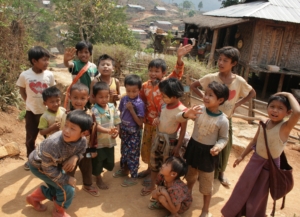 After a violent military takeover in 2021, the already suffering country of Myanmar faced a catastrophic earthquake that further affected the country’s weakened infrastructure. The citizens of Myanmar are facing a violent violation of human rights that calls for a much-needed act of humanitarian aid.
Violence Against Children in Myanmar
From 2020 to 2023, there was a reported 400% increase in violence against children in Myanmar. In 2022, more than 500 children were killed or maimed, compared to the staggering 861 in 2023. The armed forces are not only attacking citizens, but also the country’s development systems.
Myanmar’s Armed Forces have directly targeted hospitals and schools. More than 200 attacks were carried out on schools and hospitals. These indirect attacks violently affect and harm the children in Myanmar and their future. Attacks on education and healthcare harm a child’s stability, as these two systems are vital to their survival.
The armed forces are also contributors to the abduction of children. These abductions take place for reasons such as:
- Recruitment
- Financial extortion
- Information gathering
The aggressive jump in child violence statistics from 2020 to the present day is a call to action. To provide a future for the children of Myanmar, immediate humanitarian aid is critically needed.
What’s Being Done?
After the devastating events in Myanmar, children continue to face severe hardships every day. Organizations and groups have come together to provide aid and support.
- Justice For Myanmar: This organization focuses on applying pressure to halt military funding that is directly killing the children of Myanmar. Applying public pressure through media exposure brings awareness of current grave violations. Pressures from global organizations and governments can help cause an instantaneous effect. This activist-based group reports on ongoing violations to dismantle the current leadership.
- Save the Children: The group focuses on the development of children in various countries. This organization guarantees that children’s needs are met through first-hand encounters and visits. By holding leaders accountable, Save the Children prioritizes aspects like education, health and resiliency. The nonprofit can apply funds and pressure to hold leadership to their promises.
- CARE: By providing funds to underdeveloped programs, CARE applies itself to building relief efforts for the children of Myanmar. Besides offering support for necessities, CARE supports other vital programs, such as helping people access basic financial services.
- World Vision: Sanitation and Hygiene (WASH) is a central focus of World Vision’s work in Myanmar. The organization ensures children have access to clean water, safe sanitation and proper hygiene practices. Protecting children’s health and well-being is a critical mission, alongside building resilience and long-term sustainability in vulnerable communities.
Final Remarks
These groups share the mission of rebuilding Myanmar and creating future rehabilitation programs. Their focus extends beyond immediate crisis response to long-term developmental growth. By offering programs that build adaptability and support socioeconomic development, citizens gain more than just food and WASH assistance. Strengthening Myanmar’s economic foundation can help ensure greater resilience and stability in the face of future disasters.
– Emma Rowan
Emma is based in Boston, MA, USA and focuses on Global Health for The Borgen Project.
Photo: Wikimedia Commons
