Rebuilding Syria Post-Assad Era
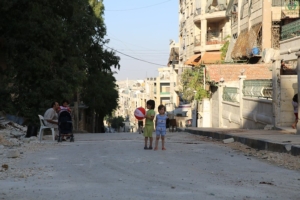 In December 2024, Syria’s ruler, Bashar al-Assad, was chased out of the country, bringing an end to the country’s 14-year-long civil war. In the first 10 years following the Syrian revolution, the conflict displaced 13 million people both within Syria and abroad. Continuous bombing, political instability and disease outbreaks have devastated Syria for more than a decade, leading to the destruction of thousands of buildings, including homes, businesses, hospitals and schools.
As a result, 16.5 million people across Syria require humanitarian aid, making it one of the biggest humanitarian crises in the world. Urgent action is needed to repair the damage and provide adequate food, water, shelter and medical care to the displaced in Syria. Fortunately, humanitarian organizations like UNICEF and World Vision, the United Nations (U.N.) and government organizations like the European Union (EU) have been supplying these needs, albeit with struggles.
Syria’s Current Crisis
Syria ranks among the most food-insecure countries globally, with 14.5 million people requiring food assistance. More than seven million people are internally displaced within Syria, of which two million live in refugee camps that fail to meet basic needs. More than half the population lacks stable access to water.
Children are among the most victimized by the ongoing crisis. More than seven million children require humanitarian assistance. Six million children need protection services from forced labor, human trafficking, child marriage and child recruitment in local militias. Thousands of schools within Syria have been destroyed and those still standing have turned into encampments or emergency medical centers. As a result, 2.4 million eligible children are out of school, leaving them at increased risk of child labor, recruitment and trafficking.
Additionally, fewer than 50% of hospitals and medical facilities in Syria are either half-functioning or non-functioning. The lack of medical care has led to an increase in cases of waterborne, respiratory and vaccine-preventable diseases such as cholera and pneumonia, especially among children.
Rebuilding Syria
When factoring in the cost of rebuilding infrastructure, providing humanitarian aid and military spending, it is estimated that the recovery of Syria could take $1.2 trillion. The international community is assuredly investing in crucial aid to Syria. The largest donor is the EU, which has provided more than $37 billion since the beginning of the war in 2011 and pledged to invest more in 2025. The United Kingdom (U.K.) announced it will spend more than $216 million on humanitarian aid in Syria.
UNICEF has been providing aid to Syria since 2011. Over the years, it has given 4.6 million people access to clean water and vaccinated millions of children. It has also delivered additional medical care to 2.2 million women and children. Since the escalation of violence in July, UNICEF has deployed 14 mobile health and nutrition teams, offering medical care to 4,000 children and women and safe drinking water and fuel for pumping stations that benefit more than 30,000 people.
Similarly, World Vision has managed to aid more than 1.2 million Syrians, providing them with food and natural disaster relief. After a devastating earthquake in 2023, World Vision provided shelter and medical care.
Final Remarks
Reaching the millions of Syrians in need will require significant effort to ensure aid is delivered effectively. Meeting these needs is crucial and imperative, demanding that humanitarian organizations continue investing time and resources in rebuilding Syria.
– Zoe Alatsas
Zoe is based in Brooklyn, NY, USA and focuses on Global Health for The Borgen Project.
Photo: Flickr
