• Link to X
  • Link to Facebook
  • Link to Instagram
  • Link to TikTok
  • Link to Youtube
  • About
    • About Us
      • President
      • Board of Directors
      • Board of Advisors
      • Financials
      • Our Methodology
      • Success Tracker
      • Contact
  • Act Now
    • 30 Ways to Help
      • Email Congress
      • Call Congress
      • Volunteer
      • Courses & Certificates
      • Be a Donor
    • Internships
      • In-Office Internships
      • Remote Internships
    • Legislation
      • Politics 101
  • The Blog
  • The Podcast
  • Magazine
  • Donate
  • Click to open the search input field Click to open the search input field Search
  • Menu Menu

Archive for category: Developing Countries

Information and stories about developing countries.

Developing Countries, Global Poverty

Poverty in Egypt: Everything You Need to Know

Poverty in EgyptEgypt is a lower-middle-income country in northeastern Africa and as of 2019, 1.5% of the population lives on less than $2.15 a day (the international poverty line) while 17.6% are below the lower-middle income poverty line of $3.65. Here is everything you need to know about poverty in Egypt.

Food

Egypt is one of the most food-import-dependent countries in the world. It imports approximately 40% of its food in terms of total value, meaning that the country is highly vulnerable to shocks in global food prices. These food price shocks can have an outsized impact on the poor, who need to spend a much larger proportion of their income on food than the wealthy.

Understanding this, the Egyptian government has long implemented a comprehensive system of ration cards to combat food insecurity. As of June 2024, 71 million Egyptians, or 64% of the total population, participate in the country’s subsidized bread program. This program allows beneficiaries to buy up to 150 loaves of bread a month at the price of 20 piasters a loaf, or about $0.004 each. This price amounts to only 16% of production costs, while the government compensates bakeries for the remaining 84%, according to a 2024 report.

While this program is expensive for the government, it represents a buffer against swings in global food prices and a crucial lifeline for millions of low-income Egyptians.

Water

Water, the basic necessity for all life, is getting scarcer in Egypt. Egypt’s population has grown rapidly as its economy has expanded, exploding from just 27 million people in 1960 to about more than 100 million today. According to the Atlantic Council, this population growth has caused the per capita water supply to quarter over the same period.

The agricultural sector, which relies on traditional flood-based irrigation, is responsible for 86% of the country’s freshwater withdrawals while generating only between 11% and 14% of Egypt’s GDP, making it an ideal target for reform, the Atlantic Council reports.

The Egyptian government is addressing this by giving soft loans to farmers who switch to sprinklers or drip irrigation, which could reduce water usage by as much as 30% to 70% while increasing crop yields by 20% to 90%. At the 2023 Sustainable Development Goals (SDGs) Summit, Egypt launched the Decent Life Initiative and committed to ending both hunger and poverty by 2027.

Income, Education and Health

Egypt is an admirably equal country when measured by its Gini score, a metric that proxies household income distribution. Boasting a score of 0.36 (where 0 equals perfect equality and 1 means perfect inequality), Egypt is the second most equal country in the Middle East by this metric, and among the most equal in the world.

Aiding this image of equality is that 100% of Egyptians have had access to electricity since 2017, while 99.9% have had access to clean fuel for cooking since 2016.

Health and education gaps between rich and poor Egyptians have historically been large, but are closing. For example, 93% of Egypt’s population had access to skilled birth attendants as of 2014, a marked increase from just 65% in 2000. Over the same period, infant mortality was cut in half in the country.

More than 95% of Egyptians have access to safe drinking water, and more than 90% have access to improved sanitation, according to the Economic and Social Commission for Western Asia (ESCWA) report. On the education front, the total proportion of Egyptians completing secondary education has more than doubled over the past decade, reaching 55% of the population.

The poorest quintile of Egyptians reached a secondary education completion rate of 41% in 2014, a huge improvement from the 8% completion rate in 2000, according to the ESCWA report. Despite this progress, the richest quintile has reached a secondary completion rate of 80%, which is almost double that of the poorest.

Final Thoughts

This overview of everything you need to know about poverty in Egypt shows that despite challenging circumstances, Egypt has made laudable progress in reducing domestic poverty in recent years. The country has significantly reduced health, education, and income gaps while supporting small farmers and low-income households through loans and targeted subsidies. While much is still to be done, the future looks hopeful for Egypt’s poor.

– Kipling Newman

Kipling based in Denver CO, USA and focuses on Good News and Global Health for The Borgen Project.

Photo: Pixabay

July 22, 2024
https://borgenproject.org/wp-content/uploads/borgen-project-logo.svg 0 0 Jennifer Philipp https://borgenproject.org/wp-content/uploads/borgen-project-logo.svg Jennifer Philipp2024-07-22 01:30:292024-07-21 10:43:58Poverty in Egypt: Everything You Need to Know
Developing Countries, Global Poverty, Women's Rights

Reducing the Gender Wage Gap in Zambia

Gender Wage Gap in ZambiaThe variation in pay between men and women, also known as the gender wage gap, is a prominent focus of the fight against poverty. According to the U.N. Women’s 2023 report, for every dollar men are paid, women in East and Southern Africa earn 81 cents. The International Labour Organisation’s (ILO) Committee of Experts on the Application of Conventions and Recommendations (CEACR) recognized the large gender wage gap in Zambia and advised the government to “step up its efforts to take more proactive measures, including with employers’ and workers’ organizations, to raise awareness, make assessments, and promote and enforce the application of the principle of equal remuneration for men and women for work of equal value.”

Understanding the Gender Wage Gap

In the 2023 Global Gender Gap Index rankings, Zambia ranked 85th out of 146 countries, with a score of 0.699. The Global Gender Gap Index considers education, health, politics and economic involvement. On the scale of the score, zero equals imparity whilst parity equals one. Zambia’s Index decreased from 0.723 in 2022 to 0.699 in 2023.

In terms of the economy, account ownership of either a bank account or a mobile money service was lower for women (45%) than men (52.5%). This difference helps to understand the gender wage gap. Although the rate of women working in vulnerable employment remains at 80.1% in Zambia, the number of female workers in vulnerable employment has decreased since 1991.

Education is a huge part of tackling the gender wage gap in Zambia and on a global scale. In 2024, the U.N. Women launched its economic empowerment strategy to champion clearer accountability for plans to achieve gender equality. These goals include U.N. Women working together with organizations such as UNICEF and the World Bank to advocate for gender equality.

Improving Education

UNICEF and the London Stock Exchange Group Foundation created Zambian Girls 2030. This scheme emerged because of the Zambian government’s “Vision 2030” aiming for the country to become a middle-income nation by 2030. The number of girls dropping out of education after completing primary school is almost double that of boys of the same age. Zambian Girls 2030 involved internships focusing on science, technology, engineering and mathematics (STEM) subjects and the girls who participated in the program met women working in these industries, including accountants and business owners. Between 2016 and 2018, almost 10,000 girls participated in the initiative’s school clubs, whilst 233 girls had the opportunity to complete the internship. Zambian Girls 2030 provided education opportunities to girls in Zambia which could further help reduce the gender wage gap.

One reason why girls drop out at a higher rate than boys after leaving primary school is the lack of transport. Between 2012 and 2022, World Bicycle Relief and the Ministry of Education in Zambia provided 36,977 girls living in rural areas with Buffalo Bicycles so they could attend school. This removal of one barrier to their education meant that these girls were 19% less likely to drop out of school than those without access to bicycles and the amount of lessons missed fell by 28%.

Financial Literacy

Mother’s Union is a women-led organization that addresses trafficking, unemployment and the financial empowerment of women. Across Zambia, more than 12,000 Mother’s Union members campaign against violence against women and advocate health awareness schemes.

Mother’s Union has been running the Literary and Financial Education Programme (LFEP) since 2000. The program educates both men and women. Therefore, the environment is one where both men and women realize the importance of furthering women’s education and how they can contribute to the household income.

The Girls’ Education and Women’s Empowerment and Livelihoods (GEWEL) project has helped 96,000 women in Zambia to access support and opportunities. Projects such as these could challenge the gender wage gap by giving women the opportunity to have a more active role within the economy. The project links with the Zambia Agribusiness and Trade Project, which aims to stop the challenges farmers face. Therefore, these two projects combine to allow women the opportunity to succeed through accessing opportunities within agribusiness.

Numerous initiatives are working to fight gender inequality in Zambia. By understanding the extent of gender equality, these schemes are addressing the causes of the gender wage gap.

– Amy Fox

Amy is based in Birmingham, UK and focuses on Good News for The Borgen Project.

Photo: Unsplash

July 22, 2024
https://borgenproject.org/wp-content/uploads/borgen-project-logo.svg 0 0 Jennifer Philipp https://borgenproject.org/wp-content/uploads/borgen-project-logo.svg Jennifer Philipp2024-07-22 01:30:112024-12-13 18:03:14Reducing the Gender Wage Gap in Zambia
Developing Countries, Electricity and Power, Global Poverty

Renewable Energy in Mauritania

Renewable Energy in MauritaniaThe consequences of natural disasters can exacerbate poverty, yet poverty alleviation efforts, such as economic development and industrialization, can also have negative environmental impacts. However, in Mauritania, a coastal country along the Sahel strip, the transition towards green economies presents unique opportunities. The Mauritanian government, under the 2016-2030 Accelerated Growth and Shared Prosperity Strategy, aims to enhance the energy sector, with a strong focus on renewable energy. Bilateral agreements and international aid initiatives support this effort. Both domestic and global actors recognize the pertinence of renewable energy in Mauritania for development.

Conditions in Mauritania

Monetary poverty in Mauritania is falling. In 2023, according to the UNDP, 6.5% of the population lives below the income poverty line. However, the UNDP also reports that the nation’s standard of living indicators are lower than in similar economies. Electricity access, for example, is low for rural populations at 4%.

Mauritania is chiefly a “traditional subsistence economy,” with agriculture and livestock raising being its largest sector. Mining and fishing are the nation’s major exports. At the same time, Mauritania has remarkable potential for renewable energy production. Straddling both the Sahara desert and the Atlantic Ocean, the nation has more than 700,000 square kilometres of space for solar and wind energy generation. The nation is leveraging this potential for development and economic growth.

Opportunities for Development

Renewable energy technology is offering new opportunities for development initiatives. One example is solar energy-powered water drilling, which has been effective in expanding access to clean water in Mauritania’s most isolated communities. UNICEF, which supports the initiative, has found solar energy to be the most cost-effective power source when compared to other, non-renewable sources. As of 2018, solar energy supplies the majority of drinking water drills, a rise to 60% from 20% in 2015.

Investments in renewable energy in Mauritania have also expanded the power grid capacity of the nation. More than 40% of the country’s energy is now generated from renewable sources, according to the International Trade Administration (ITA). This effort is continuing to grow, with $289.5 million invested in two projects to increase solar energy production and connectivity, both to rural regions and neighboring nations.

Center of International Cooperation

Export potential has made the renewable energy sector a focus for international cooperation. Under its Power Africa initiative, USAID has worked with the nation to increase electricity connection, including helping create 8,436 solar lamp connections. The development of renewable energy production and technologies has also been a key area of interest for the ITA as well as the U.S. Department of Energy. The latter signed a Memorandum of Understanding (MoU) at the COP28 to support Mauritanian clean energy technologies and low-carbon exports including steel and green hydrogen.

Green hydrogen in particular is at the forefront of clean energy development, piquing the interest of large energy firms. With this, the nation has signed four MoUs with multinational energy corporations for green hydrogen production and development, including one with CWP Global to create the largest green hydrogen production facility in the world, according to ITA.

Much of the pledged development remains in the early stages, although the growing share of renewables in Mauritania’s energy supply is promising. Renewable energy in Mauritania and green hydrogen, in particular, presents opportunities to add value to the nation’s exports and economy, as well as efforts to elevate standards of living. As the world begins to transition to green economies, Mauritania represents a nation where this effort and economic development intersect.

– Imme Koolenbrander

Imme is based in Beijing, China and focuses on Business and Technologyfor The Borgen Project.

Photo: Wikimedia Commons

July 21, 2024
https://borgenproject.org/wp-content/uploads/borgen-project-logo.svg 0 0 Jennifer Philipp https://borgenproject.org/wp-content/uploads/borgen-project-logo.svg Jennifer Philipp2024-07-21 03:00:232024-07-21 01:17:47Renewable Energy in Mauritania
Developing Countries, Global Poverty, Nonprofit Organizations and NGOs

Initiatives in Benin Combating Poverty

Initiatives in BeninBenin, a small West African nation bordering Togo, Burkina Faso, Niger and Nigeria, has seen improvements in quality of life but still ranks low on the Human Development Index (HDI), particularly in life expectancy at birth and average years of schooling. In response, recent initiatives in Benin aim to enhance these metrics. Companies like the Hunger Project and GoMedical have launched projects designed to support economic relief and community improvement, reducing poverty in Benin.

The Hunger Project

Since its establishment in Benin in 1997, the Hunger Project has assisted more than 300,000 people in rural areas. In 2023, the organization launched new initiatives aimed at expanding its support to central and northern parts of the country, with programs set to continue until 2027. These initiatives focus on enhancing food and nutritional security in these regions. Additionally, the Hunger Project is dedicated to empowering younger generations and women, who are among the more vulnerable populations in these areas.

The Hunger Project in Benin has partnered with the Hunger Project in Australia to support the community of Bouanri. This initiative aims to enhance the community’s sustainability and strengthen various aspects of life, including food security, health, nutrition, as well as access to clean water, hygiene and sanitation.

GoMedical

Open SI has developed a new app, GoMedical, to enhance health care access in Benin. Since its 2017 launch, GoMedical has significantly expanded the country’s digital health care network. The app provides lists of doctors and enables users to schedule appointments, offering easy access to various features and facilitating communication with health care professionals. Despite nearly half of Benin’s population living below the poverty line, which complicates funding for emergency visits and general doctor access, many Beninese people utilize mobile money accounts to pay for appointments via GoMedical.

GoMedical benefits both patients and health care professionals in Benin. Patients easily access their medical history, manage appointments and handle cancellations or rescheduling directly through the app. Professionals can quickly retrieve patient information and manage mobile files with just a few taps on their devices. Since launching this initiative, GoMedical has seen a 60% increase in customer base, a 150% rise in usage and a 40% growth in the number of doctors adopting the system. These figures are expected to continue rising as the country increasingly embraces this technology.

Looking Ahead

Efforts to reduce poverty in Benin and improve life expectancy and education levels show promise through initiatives by The Hunger Project and GoMedical. The Hunger Project’s programs aim to enhance food security and empower women and youth, particularly in central and northern regions. GoMedical’s digital health care app is revolutionizing access to medical services, benefiting both patients and health care providers. These initiatives collectively contribute to advancing Benin’s human development metrics and improving the quality of life for its citizens.

– Dorothy Howard

Dorothy is based in Greensboro, NC, USA and focuses on Good News and Technology for The Borgen Project.

Photo: Flickr

July 20, 2024
https://borgenproject.org/wp-content/uploads/borgen-project-logo.svg 0 0 Precious Sheidu https://borgenproject.org/wp-content/uploads/borgen-project-logo.svg Precious Sheidu2024-07-20 03:00:172024-07-19 03:37:01Initiatives in Benin Combating Poverty
Developing Countries, Global Poverty, Mental Health

Mental Health in Tonga

Mental Health in TongaAccording to the World Health Organization (WHO), as of 2022, one in every eight people globally suffers from mental health disorders and diseases. However, the effects are seen disproportionately, as developing countries face higher rates and poorer treatment options than more developed countries. A look into Tonga highlights this.

Causes

Mental health challenges that people in Tonga face mainly stem from difficulties or trauma, even from natural disasters. Tonga’s Prime Minister Hu’akavemeiliku Siaosi Sovaleni, in 2022, tells of the trauma people faced during the aftermath of the volcano and tsunami attacks on their motherland. Disasters have resulted in destroyed homes and infrastructure, leading to a significant toll on mental health.

Another major cause is substance usage and abuse. The Guardian, in 2022, talks about the drug crisis in Tonga, where between 20% to 70% of hospital admissions are because of drug usage and abuse. It further says that drugs have now become a major contributing factor to the onset of mental illnesses and the frequent relapse of individuals with chronic psychiatric disorders like schizophrenia and bipolar disorder.

Stigma

There is a great stigma around receiving mental health treatment in Tonga, a major reason why many who suffer from mental health conditions choose to keep the illness to themselves and don’t seek help. That’s because of Tongan traditional views of being possessed by spirits or cursed if one has a mental illness. Moreover, Tongan culture has a larger role in this in that family image is very important. Ali Latsu, in a Medium article, explains that Tongans rarely embrace an individualistic mindset, if at all. For Tongan parents, hearing their child confess to mental illness can feel like a veiled criticism of their parenting.

Services

Tonga lacks the extent of resources needed to support the growing population of people who are increasingly struggling with mental health challenges. Besides that, instead of resources increasing and progressing, they are decreasing and regressing. The Mental Health Atlas in 2020 found that the number of mental health workers per 100,000 population decreased from 21.62 in 2017 to 17.23 in 2020. Similarly, the number of community mental-based mental health services per 100,000 decreased from 5.67 in 2014 to just 3.83 in 2020. This downward trend is alarming.

Efforts

In 2022, the University of Auckland announced a groundbreaking partnership. This partnership involves researchers from the university, Te Poutoko Ora a Kiwa I Center for Pacific and Global Health and the Tonga Ministry of Health. The New Zealand Ministry of Health Polynesian Health Corridors supports it. The partnership aims to provide essential population-level insights into mental health and mental health services in Tonga. This information will offer much-needed insight and information to improve the mental health resources available in Tonga.

Furthermore, in March 2024, Tonga’s Minister for Mental Health, Matt Doocey, announced the launch of a new initiative to implement mental health and addiction peer support services in hospital emergency departments. The initiative aims to improve outcomes for individuals seeking crisis help while enabling clinical staff to concentrate on clinical work.

– Shreyan Singha

Shreyan is based in Coral Springs, FL, USA and focuses on Global Health for The Borgen Project.

Photo: Wikimedia Commons

July 19, 2024
https://borgenproject.org/wp-content/uploads/borgen-project-logo.svg 0 0 Lynsey 2 https://borgenproject.org/wp-content/uploads/borgen-project-logo.svg Lynsey 22024-07-19 07:30:352024-07-18 10:38:29Mental Health in Tonga
Agriculture, Developing Countries, Global Poverty

Assisting Zambia’s Agricultural Communities

Zambia’s Agricultural CommunitiesLocated in Southern Africa, Zambia is home to more than 20 million people. While the country had a poverty rate of 60% in 2022, it faces wide economic disparities. Its rural areas are home to approximately 82% of the country’s most impoverished population. However, poverty rates have steadily decreased in most urban areas.

Despite a slight rise in urban poverty since 2015 due to factors such as the impact of COVID-19, the urban poverty rate remains around 31.9%, which is about half the national average. This difference is usually attributed to the nature of industry, which differs between these regions. While rural areas primarily derive their income from the agricultural industry, urban areas have benefitted from the growth of construction and financial sectors.

Challenges Facing Zambia’s Agricultural Sector

Multiple factors have contributed to Zambia’s agricultural industry’s deterioration. A report by the International Growth Center (IGC) found that while the sector employs 59% of the workforce, it makes up only 3.4% of the country’s national gross domestic product (GDP). The IGC lists a number of factors that contribute to this underperformance, many of which converge around issues of low levels of funding and limited access to sophisticated technology, hindering farmers’ ability to harvest and deliver crops cost-effectively and efficiently.

The report outlines a specific issue: many farmers’ limited access to suitable finance and insurance. Where 85% of the credit is dedicated to larger-scale commercial producers, many small-scale farmers lack access to the same financial services. This limits their growth potential and makes it difficult for them to compete. Many of the factors contributing to agricultural decline are out of farmers’ control, such as increasing levels of drought. However, improving the accessibility of financial resources among Zambia’s agricultural communities would empower small-scale farmers. Additional finances would allow them to invest in efficient technology, make bigger agricultural investments and track their supply and demand.

Supporting Zambia’s Agricultural Communities

Various schemes have been introduced to support Zambia’s agricultural communities. The International Development Enterprises (iDE), a global organization that works to empower entrepreneurs in the fight against global poverty, has run a number of schemes across the country. Recognizing the impact technology can have, iDE has set up demonstration plots to showcase various labor-saving technologies, such as water-saving irrigation systems. These plots have become important centers of community for farmers to meet, sell products and learn about productive farming practices and technologies. iDE has also helped lift a number of rural farmers out of poverty through the provision of microloans, supplying them with the necessary capital to cover the costs of crops and propel their small businesses.

E-Commerce Empowering Zambia’s Agricultural Sector

The move toward introducing forms of e-commerce into Zambia’s agricultural communities has and will have, a profound impact. The introduction of e-commerce will empower and assist small-scale farmers to gain control and autonomy over their finances. Assisted with funding from the Citi Foundation, the World Food Programme (WFP) has recently introduced an initiative that seeks to boost financial inclusion and resilience among Zambia’s agricultural communities.

In addition to helping farmers further develop their financial literacy skills and increasing their access to affordable credit, the scheme aims to scale up the financial app “Maano.” This is an e-commerce platform that allows farmers to advertise their products and track levels of supply and demand. Schemes like this empower small-scale entrepreneurs, recognizing the benefits that financial autonomy and management can have for rural farmers.

Final Remark

The decline of Zambia’s agricultural productivity can be partially explained by large-scale factors such as increasing levels of drought and low government funding. However, declining levels of productivity and efficiency could be reduced through empowering farmers on an individual economic scale. By teaching farmers financial literacy skills, they will be able to manage their sales more efficiently. Furthermore, it will ensure that they are maximizing the economic potential of their crops. This financial control will also assist farmers in achieving long-term economic resilience in the face of possible market fluctuations.

– Aimee Masters

Aimee is based in London, UK and focuses on Business and New Markets for The Borgen Project.

Photo: Flickr

July 18, 2024
https://borgenproject.org/wp-content/uploads/borgen-project-logo.svg 0 0 Lynsey 2 https://borgenproject.org/wp-content/uploads/borgen-project-logo.svg Lynsey 22024-07-18 03:00:522024-07-18 00:51:57Assisting Zambia’s Agricultural Communities
Developing Countries, Global Poverty, Period Poverty, Poverty, Women

Experiencing Period Poverty in gaza

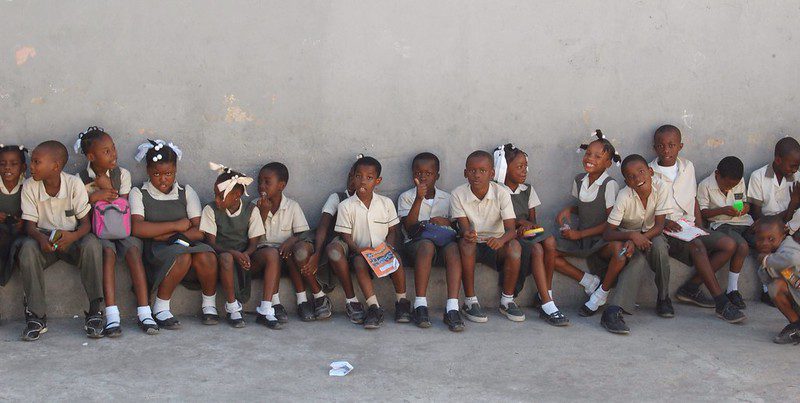
Period Poverty In gazaSince the events of October 7, Israel has tightened its grip on the Gaza Strip. It has made it increasingly difficult for aid to enter the territory. Israel’s blockade has, therefore, left many pharmacy and shop shelves barren. One product in particular has become increasingly sparse on the shelves of various pharmacies across Gaza: menstruation pads. On the rare occasion that pads make their way on a shelf, they are sold at nearly five to six times their original price. For many unemployed and homeless Gazan women, such an expense is unthinkable. This, combined with limited water supply, lack of privacy and indoor plumbing, has compelled women to take measures into their own hands. As the rate of period poverty continues to mount within the Gaza Strip, its female residents prove that there is no shortage of resilience and ingenuity.

Period Poverty among Women and Girls in Gaza

In a study conducted by the United Nations (U.N.), an estimated total of 700,000 Gazan women and girls menstruate but do not have access to hygiene products, such as pads and toilet paper. Even more troubling is their barred access to toilets and running water. Various shelters run by The United Nations Relief and Works Agency (UNRWA), the U.N. aid agency for Palestinians, say there is only one roll of toilet paper per 498 people. Within these same shelters, more than 400 residents share a single bathroom.

The situation is no better for women who live in shared apartment complexes with extended family. Limited access to water forces many to restrict the times they flush the toilet– only doing so when deemed necessary. Three functioning water pipelines remain for the whole of Gaza, thus making it increasingly difficult for women to wash themselves. Showering has become a luxury only some women can afford. Many women rise early and queue in front of hospitals in the hopes of showering before the water supply is cut for that day. Others are there to use the bathroom. Queues can number from up to 1,000 people.

Current Experiences

Owda is a Gazan woman documenting her experience online. She shared a video of one of many makeshift bathrooms found within the displacement camps. She points to the toilet in question, a garbage basket on the ground inside a meager tent and says to the camera: “There is no water. There is nothing around them. There is no infrastructure. They’re living in just a tent and they need bathroom(s). They’re humans.” The U.N. indicates that these sanitary conditions leave many Gazan women at risk of contracting reproductive and urinary tract infections. The sanitary pads that are at the disposal of Gazan women are poorly crafted and only further increase their risk of infection.

Gazan women and girls, therefore, are no longer afforded any privacy in tending to their menstrual hygiene. This issue has put a strain on the psychological health of many women within the strip. Some women share that the mounting stress they are experiencing has caused their menstrual cycles to come twice a month, further exacerbating the issue. As political tensions continue to rise, period poverty within the Gaza Strip only becomes a more pressing matter.

With Extreme Circumstances Comes Extreme Measures

The difficulty in obtaining female hygiene products has forced many Gazan women to resort to dangerous measures. Some women wash previously used pads to cope with the lack. Others have opted for old shreds of clothing, towels and ripped pieces of the tents they are using as shelter as substitutes for pads. Adult diapers and measly tissues are also on the list of items used as surrogates. The use of these substitutions may cause skin irritation, infection and deadly toxic shock syndrome. Though they pose great risks to their health, Gazan women have few other options.

Birth control has become a favored remedy among Gazan women, who would rather delay their cycle than deal with the physical and psychological burden that comes with it. Contrary to pads, the pill is readily available and far less expensive than hygiene products. A month’s supply’s worth of birth control costs approximately $3. The extreme measures Gazan women are reduced to take speak of the gravity of the situation. Furthermore, it highlights how women, once again, bear the blows of war. Gaza’s ongoing period poverty epidemic confirms the previous statement.

An International Call for Change

The international community has noticed Gaza’s shortage of menstrual hygiene products and has done its best to aid the crisis. Anera, a nonprofit organization, has provided hygiene kits, which include pads, underwear and wet wipes, to more than 20,000 women and girls. ActionAid has also supported the women in Gaza by preparing hygiene packages with a month’s worth of supplies. Despite their admirable efforts, more has to be done to aid the women in Gaza and stop the rate of period poverty from rising.

– Yasmine Nowroozi

Yasmine is based in Laval, Quebec, Canada and focuses on Global Health and Politics for The Borgen Project.

Photo: Flickr
July 16, 2024
https://borgenproject.org/wp-content/uploads/borgen-project-logo.svg 0 0 Lynsey 2 https://borgenproject.org/wp-content/uploads/borgen-project-logo.svg Lynsey 22024-07-16 03:00:212024-07-15 05:35:10Experiencing Period Poverty in gaza
Developing Countries, Global Poverty, USAID

Protecting the Future: USAID Programs in the Pacific Islands

USAID Programs in the Pacific IslandsThe Pacific Islands are composed of 12 countries, including Papua New Guinea, Fiji and Samoa, each with its own vibrant culture and environment. However, according to the United Nations Department of Economic and Social Affairs, a quarter of Pacific Islanders cannot attain basic needs, especially as natural disasters drastically destroy livelihoods and food security. Nonetheless, the United States Agency for International Development (USAID) programs in the Pacific Islands address development, illegal fishing and adverse weather conditions.

Protecting Biodiversity: OurFish OurFuture

Illegal, unreported and unregulated (IUU) fishing threatens the livelihoods of coastal communities and ocean ecosystems. It costs the global economy between $26 and $50 billion annually, harming local and international economies. In the tuna industry in the Pacific Islands, commercially caught Pacific tuna generated $22 billion in 2012 and 2014, while IUU fishing generated $616 million a year. IUU fishing affects more than the economy; it also affects fish populations and oceanic biodiversity, as it accounts for one out of every five fish caught.

The OurFish Our Future program works to combat IUU fishing. It is five years long, spanning from 2021 to 2026 and provides $15 million to address the factors of IUU fishing that degrade coastal biodiversity and impact food stability. This program focuses on the Federated States of Micronesia, Palau, Papua New Guinea, the Republic of the Marshall Islands, the Solomon Islands and Vanuatu.

The program brings together communities, providing opportunities for all ages and genders to participate in the design and implementation of security programming. Its ecosystem approach to fisheries management (EAFM) contributes to policies that will “improve coastal fisheries data systems, improve enforcement capacities and strengthen collaboration of enforcement authorities.”

Fostering Development: Pacific American Fund

As a result of the Pacific Island Countries’ (PICs) geography, they are vulnerable to environmental disasters perpetuated by changing climatic conditions, instability in government and present gender inequities, all while maintaining a critical role in the global economy. PICs are small and isolated, which leaves them prone to tsunamis, floods, earthquakes, droughts and volcanic activity that destroys their buildings and crops. PICs also suffer from unsafe living conditions, including unclean water, pollution and harmful chemicals, which lead to a rate of 70% of deaths related to noncommunicable diseases such as cancer and chronic respiratory diseases.

The Pacific American Fund (PAF) is a “five-year grant facility that addresses critical development challenges.” It supports the countries of the Federated States of Micronesia, Fiji, Kiribati, Nauru, Palau, Papua New Guinea, the Republic of Marshall Islands, Samoa, Solomon Islands, Tonga, Tuvalu and Vanuatu. The PAF aims to “improve the quality of life in vulnerable communities and improve access to services for remote communities in the region” through increased preparation for natural disasters and climate change, economic development and access to health care and education. One of its programs is small-scale construction in the Malita Province to improve and adapt the environment for increased trade and expansion into agribusiness.

Agribusiness in the Solomon Islands

The Solomon Islands are prone to natural disasters that affect their economy, requiring their communities to seek agribusiness advancements to protect and revive their economy. In October 2023, tropical cyclone Lola caused severe damage, affecting more than 22,000 people and 100 buildings and damaging water sources. Furthermore, many of the crops were destroyed, including breadfruit trees, which are one of the Solomon Islands’ main sources of carbohydrates. This left locals scared of starvation as they relied on their local agriculture for sustenance.

USAID programs in the Pacific Islands include the Solomon Islands Strengthening Competitiveness, Agriculture, Livelihoods and Environment (SCALE) plan. SCALE is a five-year, $25 million project focused on developing the agribusiness sector in the Solomon Islands. Additionally, SCALE Trade and Investment (T&I) “focuses on reducing the cost and steps of obtaining business permits and licenses; strengthening trade and investment facilitation; and improving agribusiness value chain growth.”

SCALE engages community members in its program through its T&I plan. It aims to increase its exports and the role of women in trade. SCALE T&I oversaw the creation of the Advisory Committee for Agribusiness in Malaita Province, which will work with the Solomon Islands Chamber of Commerce. USAID programs in the Pacific Islands, such as SCALE, improve conditions of poverty by providing funding and opportunities for locals to work, innovate and protect against environmental factors.

Impact of USAID Programs in the Pacific Islands

USAID programs in the Pacific Islands strengthen their economic and environmental resilience through advancing policies and funds. Through USAID help, PICs have accessed more than $500 million in climate financing to prepare for adverse climatic conditions and natural disasters. USAID programming supports local development, marine ecosystems and access to affordable energy. Its work in the Pacific Islands will continue through these long-term programs to ensure stability.

One success story from USAID’s programs for Pacific Islanders came through its partnership with Aquaculture Technologies of the Marshall Islands. USAID provided a $1.7 million grant to allow the company to manufacture its own fish feed and to train individuals such as Sonya. Sonya remained in the Solomon Islands after her family moved because she wanted to pursue aquaculture and secure a stable future in her home country.

Sonya now manages the fish hatchery and nursery, inspiring more women to become trained as independent aqua farmers and fish feed manufacturers. The Marshall Islands now produce 400 pounds of moi fish per week, which supplies local businesses and is exported.

– Astrid Burns

Astrid is based in Roseland, NJ, USA and focuses on Technology and Politics for The Borgen Project.

Photo: Flickr

July 13, 2024
https://borgenproject.org/wp-content/uploads/borgen-project-logo.svg 0 0 Lynsey 2 https://borgenproject.org/wp-content/uploads/borgen-project-logo.svg Lynsey 22024-07-13 07:30:002024-07-13 02:58:25Protecting the Future: USAID Programs in the Pacific Islands
Child Poverty, Developing Countries, Global Poverty

3 Initiatives Tackling Child Poverty in Suriname

Child Poverty in SurinameSuriname is a Dutch-speaking nation located on the South American continent. According to the World Bank, 17.5% of the Surinamese population earn less than $6.85 per day. In other terms, more than 100,000 people in Suriname are impoverished according to the World Bank’s upper-middle income poverty line. Of note, 26% of children younger than 14 fell below this same poverty line in 2024, highlighting that a significant number of children belong to this more vulnerable portion of the population.

In 1993 and again in 2014, government-led solutions sought to combat child poverty in Suriname by reinforcing children’s right to education and decreasing the likelihood of child exploitation. Suriname’s Human Development Index figure of 0.690 in 2022, as opposed to the earliest recording of 0.667 in 2004, indicates a steady increase in child poverty alleviation, a positive achievement compared to neighboring countries. However, work remains to tackle the challenges faced by the young demographic. Therefore, here are some key initiatives working to tackle child poverty in Suriname:

Move Forward Suriname

The Move Forward Organization is a nonprofit organization based in the Netherlands, with efforts extending abroad to Suriname. In 2017, it kick-started a project in the neighborhood of Sunny Side, a suburb outside the capital Paramaribo. Move Forward Suriname offers an opportunity for greatly disadvantaged children to foster a sense of community through a program of lessons in music, dance and sport.

Between 2017-2018 and again in 2023, the initiative proved successful in providing these children with facilities, coaching and, crucially, a positive environment that prioritizes their well-being. The initiative is free and accessible, with bus transport provided for the weekly events.

The organization launched a new funding target of $3,000 with the ambition of returning to Sunny Side and providing the local children with these benefits once again. Currently, this round of funding aims to use its growing team of coaches to grant these children a robust skill set for employment opportunities as they move into adulthood. These skills include filming, photography and social media creation.

School Meals Coalition

According to the World Factbook, around 6.7% of children younger than the age of 5 in Suriname were underweight in 2018. This level of malnourishment often leads to multifaceted issues for young, growing children. These include diseases such as anemia, stunting during critical stages of growth and a general lack of concentration in day-to-day life. All of these issues pose a threat to these children’s well-being and future.

School Meals Coalition is an organization that focuses on policy change and works both in Suriname and internationally. Its initiative ensures that school children are entitled to meals that are equally nutritious and sustainable. Accordingly, it works closely with local producers and farmers to monitor and ensure the quality of the products fueling children as they learn and play.

In September 2023, the Surinamese government joined its scheme, supported by the Minister of Education, H.E. Henri Ori. Currently, 15,000 children are recipients of these life-altering meals and the Minister’s goal is to have all Surinamese children across the country benefit from this initiative by the end of the decade.

UNICEF and Telesur Partnership

For Suriname’s youth, mental health decline relating to living in deprived conditions presents an urgent issue. According to the United Nations Children’s Fund (UNICEF), around 36% of young Surinamese people have thought about committing suicide and 76% have recorded feeling anxiety and depression in their day-to-day lives.

In March 2024, UNICEF Suriname announced a cooperative effort with the Latin American news service Telesur to help improve the well-being and prosperity of all Surinamese children. The new partnership seeks to incorporate awareness programs to support children’s mental health. More specifically, it is concerned with developing assertiveness, self-confidence and self-sufficiency in the underprivileged Surinamese youth.

At the signing of this partnership, the UNICEF representative for Guyana and Suriname, Nicolas Pron, argued that private “partnerships are at the heart of how we deliver results for children” and that the devised programs will be stimulated by private equity. The partnership also targets private companies wielding influence in the region. It aims to rally their corporate responsibility to pursue aid for Surinamese children.

Final Thoughts

For Suriname, alarming figures surrounding malnourishment, mental health and lack of opportunity jeopardize hope for prosperity among the country’s youth. However, nongovernmental initiatives intend to turn those statistics on their head, tackling child poverty in Suriname by improving immediate conditions and fostering wider, long-term social development.

– Ramiro Ruiz Martinez

Ramiro is based in Edinburgh, Scotland and focuses on Good News and Technology for The Borgen Project.

Photo: Wikimedia Commons

July 13, 2024
https://borgenproject.org/wp-content/uploads/borgen-project-logo.svg 0 0 Lynsey 2 https://borgenproject.org/wp-content/uploads/borgen-project-logo.svg Lynsey 22024-07-13 01:30:412024-07-13 02:47:373 Initiatives Tackling Child Poverty in Suriname
Agriculture, Developing Countries, Global Poverty

Nuclear Solutions to Angola’s Rural Poverty

Angola’s Rural PovertyAngola, a West African nation on the Atlantic coast, has a significant poverty issue in its southwestern rural provinces of Namibe, Huìla and Cunene, with 53% of the population earning $2.15 per day or less. According to the World Bank, this indicates that more than half of the region’s inhabitants live below the international poverty line.

Rural Reliance on Subsistence Agriculture

In this region, families primarily earn their income from informal work in an unregulated agricultural sector. Although the unemployment rate stood at 15% in 2022, 80% of the labor force is self-employed. Agricultural productivity frequently suffers due to the high instability of crops and the fact that families own about 80% of all cattle in southwestern Angola.

These figures of low income and limited opportunities reflect an overreliance on subsistence agriculture to sustain impoverished families. Essentially, the nutrition of these Angolan families depends entirely on the success of seasonal harvests, with virtually no social safety nets in place for farmers facing poor yields. Additionally, the war in Ukraine has led to skyrocketing prices for basic imported foodstuffs, further limiting access to alternative food sources.

Multi-Year Drought Affects Livestock

According to the Red Cross, over the last four harvest seasons, this region of Angola has experienced its most severe drought since the 1980s. This drought has worsened the region’s semi-arid conditions, already challenging livestock pasture grazing and crop harvesting. Increasing desertification due to lack of rainfall has caused agricultural production to falter. By the end of 2023, Huìla’s water reserves were completely depleted. Farmers can no longer feed their cattle as green pastures have turned arid and unusable. Consequently, harvest success is declining because oxen, which plow the crop fields, are also dying off. To find viable grazing areas, farmers often have to travel long distances with the remaining members of their herds.

IAEA Partnerships

In June 2021, the International Atomic Energy Agency (IAEA) initiated its ‘Nuclear Saves’ partnerships series, aimed at enhancing the prosperity of disadvantaged communities amid severe climate change. Employing nuclear energy as a solution also bolsters public confidence in this technology. Specifically, the Animal Production and Health Subprogram of these partnerships focuses on improving the nutritional value of indigenous pasture grasses and other feed to ensure food security for local populations.

Nuclear Solution to Angola’s Rural Poverty

The Angolan government has partnered with the IAEA to reduce rural hunger and poverty in its southwestern communities. This partnership aims to estimate cattle pasture intake and identify sustainable, weather-resistant pasture grasses. Angola is setting up a nutrition laboratory to pinpoint nutritious grasses for widespread use, replacing current cattle feed. The technical operation adopts a nuclear solution, using stable isotopes to analyze key nutrients in cattle feed and excrement. These nonradioactive isotopes are commonly used to measure nutrient concentrations. Victor Tsuma, project leader at the Joint FAO/IAEA Centre of Nuclear Techniques in Food and Agriculture, asserts that this solution will help “design a balanced diet for cattle with a mix of natural pastures and feed supplements.” This strategy aims to enhance animal production accordingly.

Fending Off Future Droughts

This initiative also aligns with ecological goals. By isolating and producing more nutrient-dense feeds, it can reduce greenhouse gas emissions from cattle in the region, which helps mitigate the irregular climate conditions that cause events like droughts in southwestern Angola. This approach not only prioritizes climate by aiming to lower carbon emissions through the feed that cattle consume but also enhances cattle productivity, which is linked to the health of pastures. Additionally, as the risk of overgrazing diminishes, it further protects the environment, improving the quality of grazing for farmers’ herds.

Looking Ahead

The partnership between Angola and the IAEA aims to alleviate Angola’s rural poverty and hunger by improving cattle nutrition through nuclear techniques. By identifying sustainable and nutritious pasture grasses, this initiative seeks to enhance livestock productivity and food security. Additionally, it addresses ecological concerns by reducing greenhouse gas emissions and protecting the environment from overgrazing, offering a comprehensive solution to the challenges faced by Angola’s southwestern rural provinces.

– Ramiro Ruiz Martinez

Ramiro is based in Edinburgh, Scotland and focuses on Technology and Solutions for The Borgen Project.

Photo: Flickr

July 12, 2024
https://borgenproject.org/wp-content/uploads/borgen-project-logo.svg 0 0 Precious Sheidu https://borgenproject.org/wp-content/uploads/borgen-project-logo.svg Precious Sheidu2024-07-12 07:30:572024-07-11 02:40:31Nuclear Solutions to Angola’s Rural Poverty
Page 17 of 157«‹1516171819›»

Get Smarter

  • Global Poverty 101
  • Global Poverty… The Good News
  • Global Poverty & U.S. Jobs
  • Global Poverty and National Security
  • Innovative Solutions to Poverty
  • Global Poverty & Aid FAQ’s
Search Search

Take Action

  • Call Congress
  • Email Congress
  • Donate
  • 30 Ways to Help
  • Volunteer Ops
  • Internships
  • Courses & Certificates
  • The Podcast
Borgen Project

“The Borgen Project is an incredible nonprofit organization that is addressing poverty and hunger and working towards ending them.”

-The Huffington Post

Inside The Borgen Project

  • Contact
  • About
  • Financials
  • President
  • Board of Directors
  • Board of Advisors

International Links

  • UK Email Parliament
  • UK Donate
  • Canada Email Parliament

Get Smarter

  • Global Poverty 101
  • Global Poverty… The Good News
  • Global Poverty & U.S. Jobs
  • Global Poverty and National Security
  • Innovative Solutions to Poverty
  • Global Poverty & Aid FAQ’s

Ways to Help

  • Call Congress
  • Email Congress
  • Donate
  • 30 Ways to Help
  • Volunteer Ops
  • Internships
  • Courses & Certificates
  • The Podcast
Scroll to top Scroll to top Scroll to top