The Cost of Living Crisis in Sudan
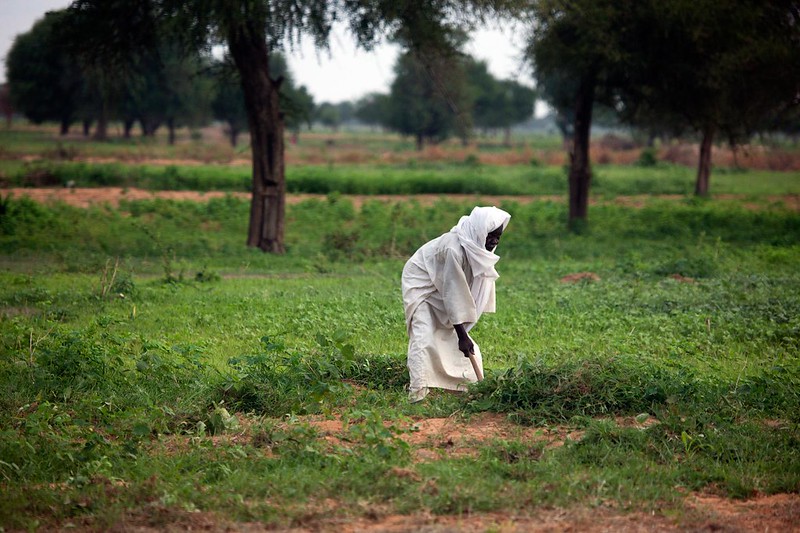 The current instability in the global political scene has resulted in supply chain disruptions worldwide, which has ramifications for all nations, rich and poor. However, the costs for developing countries such as Sudan are often more significant. While the cost of living crisis in Sudan affects everyone, those living in extreme poverty suffer the most. With ongoing energy and food inflation, an effective policy response takes time to put in place. This process becomes lengthy because many means of support would be inflationary, potentially exacerbating the already prevalent problem of higher cost of living. Crises such as these are difficult to control but organizations and the international community must take action to aid the impoverished amid these economic shocks.
Rising Costs
One factor that has accelerated inflation is rising fuel costs, which affects energy bills and leaves less income to spend on other essentials. Due to the ongoing Russian-Ukrainian conflict, oil prices have soared and continue to soar today. In September 2023, Prince Abdulaziz bin Salman said Saudi Arabia and Russia would extend cuts on crude oil exports, thus further limiting supply and hiking up prices.
Fuel aside, the Russia-Ukraine conflict has continued to impact the prices of other staple goods, such as maize and wheat, as both countries are major exporters of these grains. The ongoing depreciation of the Sudanese pound also plays a role in the economic struggles of the local Sudanese people. The currency depreciation has meant that, alongside inflation, prices of imported goods, including agricultural, have risen. An April 2023 report by ReliefWeb indicates that food prices have increased exponentially, with some grain prices escalating 500-700% higher than the five-year average, reducing disposable income to negligible for most low-income families.
Cost of Living Crisis in Sudan
The conflict between the Sudanese Army and the RSF (Rapid Support Forces) has had economic repercussions, with many vendors being unable to sell their goods and many consumers unable to afford basic necessities, such as food. Overall, since 2021, Sudan has reported a 143% increase in food expenses. Sudanese vendors are even struggling to transport their goods for selling as the rising fuel prices have led to high transport costs.
Currently, there is cause for concern regarding the future recovery of the Sudanese economy and commodity production capabilities. High costs of production, reduced consumption and the resulting diminished profit may mean that many suppliers and agriculture workers may need help to sustain their business activities in the long run as economic activities draw closer to potentially reaching their shutdown points.
Policy and Solutions
Many solutions would entail a degree of inflation, as cash transfers and other benefits result in introducing additional cash into a nation’s money supply. Blanket policies, such as subsidizing energy bills for all, will ultimately benefit the rich and insufficiently provide for those most in need, creating widening inequality. More low-income targeted policies, such as unconditional cash transfers, tax cuts and vouchers, would likely be superior; however, with low-income groups having the highest marginal propensity to consume, inflation would be unavoidable. Inflation is regressive, similar to any blanket benefit policies, which tend to be accompanied by growing inequality. There is an evident trade-off between supporting those in need from rising costs and generating additional issues regarding inflation and inequality.
In May 2023, UNICEF launched a humanitarian appeal to gather urgent funding for the organization’s aid endeavors in Sudan. UNICEF reported that as of May 2023, about 25 million people in Sudan require aid. The organization aims to help at least 11.9 million of these people along with 9.4 million children and requires funding of $837.6 million to carry out these humanitarian activities. The funding will provide water, nutrition and health care to people affected by the current conflict.
The humanitarian aid will help to cushion the blow of rising costs of living while preventing deterioration on the poverty front. Sudan needs economic reform to return to stability, but with the correct policy frameworks, Sudan could successfully escape the state of extreme inflation.
– Hannah Bugeja
Photo: Flickr
