Nuclear Solutions to Angola’s Rural Poverty
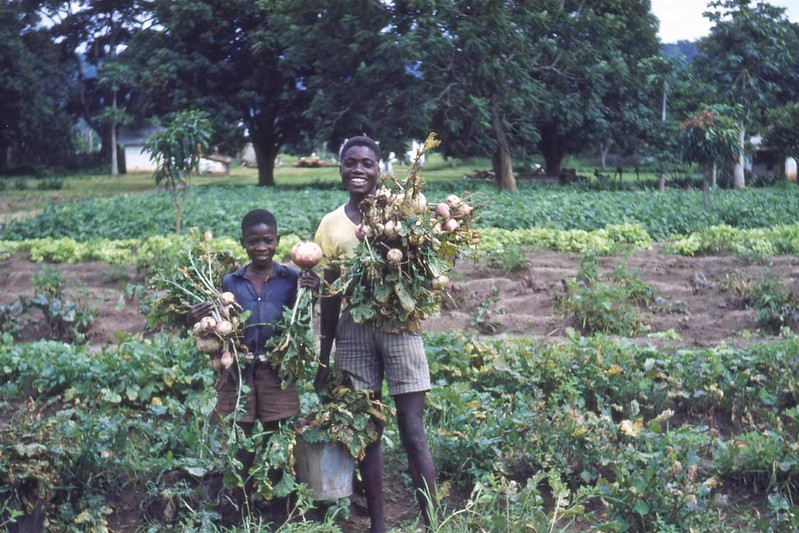 Angola, a West African nation on the Atlantic coast, has a significant poverty issue in its southwestern rural provinces of Namibe, Huìla and Cunene, with 53% of the population earning $2.15 per day or less. According to the World Bank, this indicates that more than half of the region’s inhabitants live below the international poverty line.
Rural Reliance on Subsistence Agriculture
In this region, families primarily earn their income from informal work in an unregulated agricultural sector. Although the unemployment rate stood at 15% in 2022, 80% of the labor force is self-employed. Agricultural productivity frequently suffers due to the high instability of crops and the fact that families own about 80% of all cattle in southwestern Angola.
These figures of low income and limited opportunities reflect an overreliance on subsistence agriculture to sustain impoverished families. Essentially, the nutrition of these Angolan families depends entirely on the success of seasonal harvests, with virtually no social safety nets in place for farmers facing poor yields. Additionally, the war in Ukraine has led to skyrocketing prices for basic imported foodstuffs, further limiting access to alternative food sources.
Multi-Year Drought Affects Livestock
According to the Red Cross, over the last four harvest seasons, this region of Angola has experienced its most severe drought since the 1980s. This drought has worsened the region’s semi-arid conditions, already challenging livestock pasture grazing and crop harvesting. Increasing desertification due to lack of rainfall has caused agricultural production to falter. By the end of 2023, Huìla’s water reserves were completely depleted. Farmers can no longer feed their cattle as green pastures have turned arid and unusable. Consequently, harvest success is declining because oxen, which plow the crop fields, are also dying off. To find viable grazing areas, farmers often have to travel long distances with the remaining members of their herds.
IAEA Partnerships
In June 2021, the International Atomic Energy Agency (IAEA) initiated its ‘Nuclear Saves’ partnerships series, aimed at enhancing the prosperity of disadvantaged communities amid severe climate change. Employing nuclear energy as a solution also bolsters public confidence in this technology. Specifically, the Animal Production and Health Subprogram of these partnerships focuses on improving the nutritional value of indigenous pasture grasses and other feed to ensure food security for local populations.
Nuclear Solution to Angola’s Rural Poverty
The Angolan government has partnered with the IAEA to reduce rural hunger and poverty in its southwestern communities. This partnership aims to estimate cattle pasture intake and identify sustainable, weather-resistant pasture grasses. Angola is setting up a nutrition laboratory to pinpoint nutritious grasses for widespread use, replacing current cattle feed. The technical operation adopts a nuclear solution, using stable isotopes to analyze key nutrients in cattle feed and excrement. These nonradioactive isotopes are commonly used to measure nutrient concentrations. Victor Tsuma, project leader at the Joint FAO/IAEA Centre of Nuclear Techniques in Food and Agriculture, asserts that this solution will help “design a balanced diet for cattle with a mix of natural pastures and feed supplements.” This strategy aims to enhance animal production accordingly.
Fending Off Future Droughts
This initiative also aligns with ecological goals. By isolating and producing more nutrient-dense feeds, it can reduce greenhouse gas emissions from cattle in the region, which helps mitigate the irregular climate conditions that cause events like droughts in southwestern Angola. This approach not only prioritizes climate by aiming to lower carbon emissions through the feed that cattle consume but also enhances cattle productivity, which is linked to the health of pastures. Additionally, as the risk of overgrazing diminishes, it further protects the environment, improving the quality of grazing for farmers’ herds.
Looking Ahead
The partnership between Angola and the IAEA aims to alleviate Angola’s rural poverty and hunger by improving cattle nutrition through nuclear techniques. By identifying sustainable and nutritious pasture grasses, this initiative seeks to enhance livestock productivity and food security. Additionally, it addresses ecological concerns by reducing greenhouse gas emissions and protecting the environment from overgrazing, offering a comprehensive solution to the challenges faced by Angola’s southwestern rural provinces.
– Ramiro Ruiz Martinez
Ramiro is based in Edinburgh, Scotland and focuses on Technology and Solutions for The Borgen Project.
Photo: Flickr
