The World Bank’s Education Reform in Africa
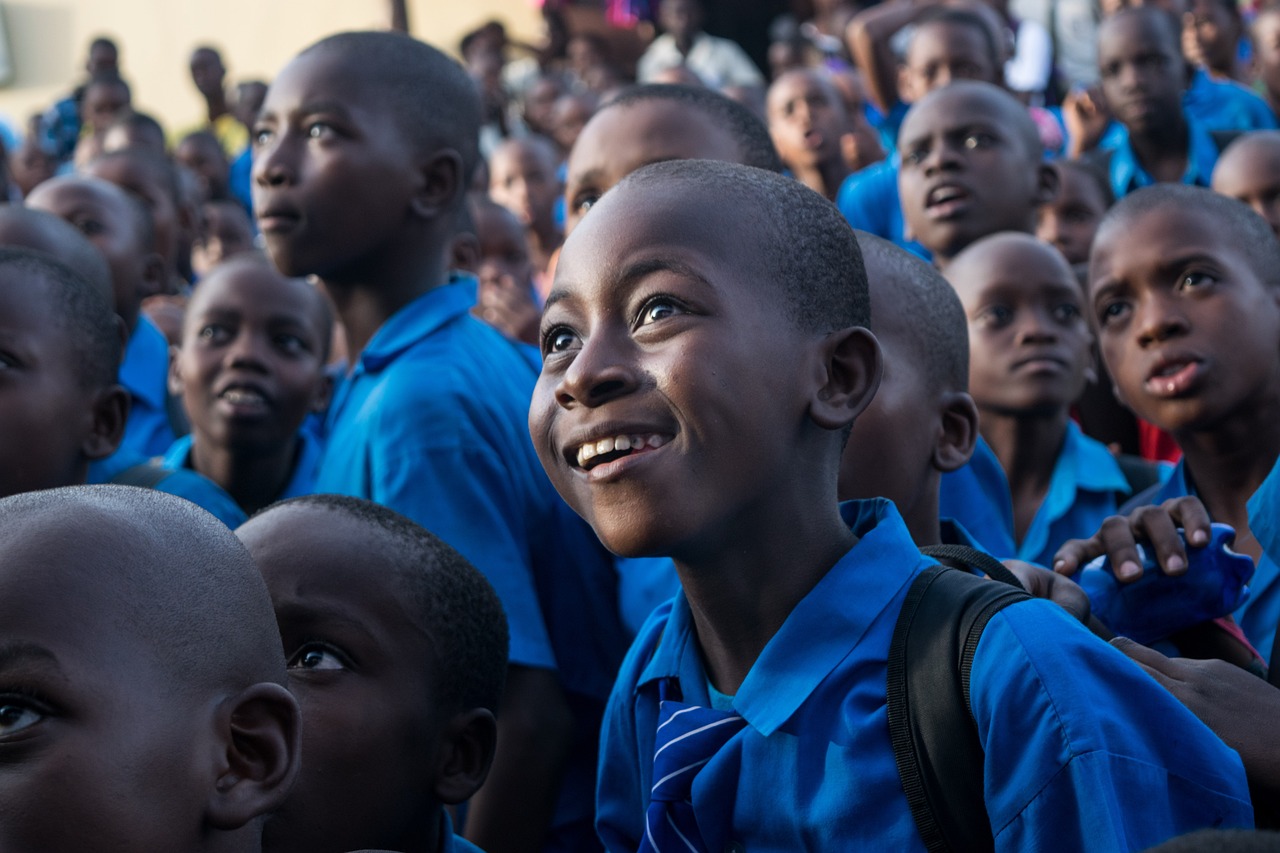 Education is a critical area of investment for poverty alleviation and sustainable growth. The World Bank has enabled education reform in Africa by focusing on creating equitable and quality schooling systems. This article highlights successes in three countries: Rwanda, Kenya and the Democratic Republic of Congo (DRC), showcasing the World Bank’s impactful mission throughout the region.
Rwanda: Quality Basic Education
Rwanda has made substantial strides in education reform through the Quality Basic Education for Human Capital Development (QBE) project. The World Bank has supported Rwanda’s vision of expanding and improving basic education to develop its human capital. Here are the key achievements:
- School Expansion: The World Bank’s funding has enabled the construction of new schools and classrooms, reducing overcrowding and improving the learning environment. This expansion is crucial for accommodating the growing number of students and ensuring that every child has access to education.
- Teacher Training: The QBE project has prioritized teacher training, equipping educators with the skills necessary to deliver high-quality education. The focus on continuous professional development has led to improved teaching practices and better student outcomes.
- Human Capital Development: Rwanda aims to build a knowledgeable and skilled workforce by investing in education. The emphasis on quality basic education is expected to contribute significantly to the country’s economic growth and development.
The Rwandan government, with support from the World Bank, has signed a $200 million agreement to further advance human capital development. This investment emphasizes the nongovernmental organization’s (NGO) commitment to education reform in Africa so that underprivileged communities can access quality schooling.
Kenya: Enhancing Secondary Education Quality
Kenya has seen remarkable progress in programs such as the Secondary Education Quality Improvement Project (SEQIP) and the Primary Education Equity in Learning Project. Key achievements include:
- SEQIP: This project targets economically and educationally disadvantaged regions, focusing on improving infrastructure, teacher training and learning materials. By addressing these critical areas, SEQIP has enhanced the quality of education and reduced disparities in learning outcomes.
- Equity in Learning: The Primary Education Equity in Learning Project aims to bridge the gap in educational access and quality between different regions. It emphasizes inclusive education, ensuring that children from marginalized communities have equal opportunities to succeed.
- Higher Education Performance: The World Bank has also supported Kenya in enhancing higher education through policy reforms and investments in research and development. These efforts aim to align higher education with market needs, improve graduates’ employability and contribute to the country’s economic growth.
The World Bank’s $200 million boost to Kenya’s education sector has been pivotal in driving these reforms.
The DRC: Empowering Girls
The DRC faces unique educational challenges, but the World Bank’s initiatives have brought about notable improvements, particularly in equity and girls’ empowerment.
- Emergency Equity and System Strengthening in Education: This initiative aims to rebuild and strengthen the education system in conflict-affected areas. By focusing on infrastructure, teacher training and learning materials, the project has improved access to quality education for many children.
- Girls’ Learning and Empowerment: The World Bank’s efforts to promote girls’ education have been transformative. Addressing barriers to education and providing targeted support has empowered girls, increasing their enrollment and retention rates in schools.
- Secondary Education: Investments in secondary education, particularly technical and vocational training, have equipped young people with the skills needed for the job market. This focus on practical education aims to reduce youth unemployment and drive economic development.
The World Bank’s $900 million investment in the DRC is a testament to its commitment to supporting girls’ learning and empowerment, which will ultimately contribute to the country’s long-term stability and growth.
Summary
The World Bank’s initiatives in Rwanda, Kenya and the DRC highlight the significant progress in education reform in Africa. Expanding access, improving quality and promoting equity have transformed educational systems. The initiatives have contributed to broader economic development to reduce poverty levels. The successes in these countries serve as a model for other regions. They demonstrate the transformative power of strategic investments in education.
– Asiya Siddiqui
Asiya is based in Fremont, CA, USA and focuses on Good News and Global Health for The Borgen Project.
Photo: Pixabay
