After a natural disaster, an impoverished nation faces even more struggles as it attempts to recover. While the media is a tool that helps inspire assistance to disaster-stricken nations, countries that experience natural disasters often still need more aid after the disaster is no longer in the spotlight. Developing countries are particularly vulnerable to the effects of natural disasters, and it is important to remember these effects when thinking about what you can do to help a nation in distress. Here are five ways natural disasters affect impoverished nations.
Five Ways Natural Disasters Affect Impoverished Nations
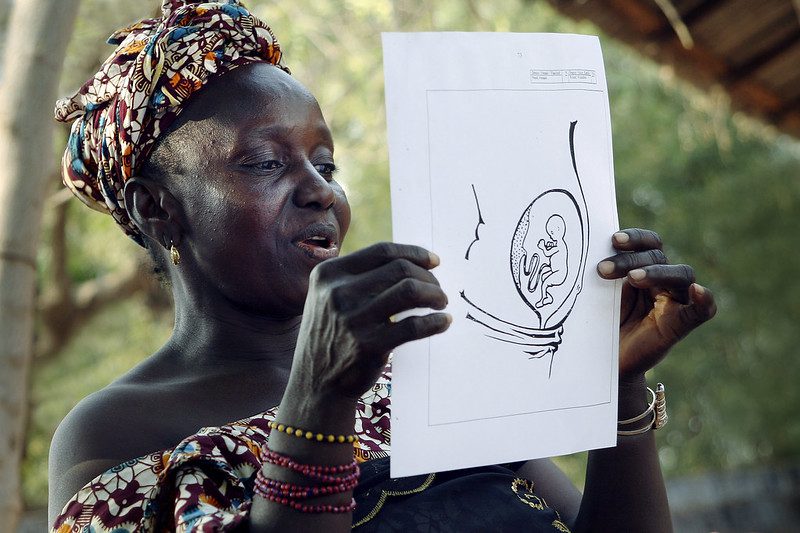
- Women are at higher risk. Women are at a higher risk of danger during and after natural disasters. In fact, more women than men are killed or injured during floods and hurricanes. Because of the expectation for women to be household caregivers in most developing countries, they are less likely to flee from their homes in an emergency. They are also less likely to know how to swim if there is a water emergency. Medical Teams International (MTI), an organization that seeks to bring medical help to those in need after natural disasters, recognizes the need for intervention. After the 2010 Haiti earthquake, women endured the brunt of a health crisis – in addition to a cholera epidemic, women experienced unsafe births and unhealthy pregnancies. To combat this, MTI entered the village of Crochu and provided vaccines and education about how to improve maternal health. The group also trained community members to help with births so the ordeal would be safer for the women. MTI remained in Crochu until 2018, when the community was able to maintain control of its health activities independently.
- Agriculture suffers. Natural disasters can damage croplands and livestock production, which hurts a developing country’s agricultural sector. Between 2005 and 2015, developing nations lost $96 billion in agriculture due to natural disasters, with half of these losses occurring in Asia, where floods, earthquakes and tsunamis are common. The Food and Agriculture Organization of the U.N. has created a risk assessment and reduction program that studies losses from natural disasters and implements new solutions to minimize future losses. This program also takes into account the losses in the forestry sector and fisheries, which provide additional sustenance. The disaster analysis paves the way for other humanitarian groups, like the World Health Organization and the World Bank, to intervene directly.
- Children are more likely to become stunted. A child in India is seven percent more likely to experience stunting within five months of a natural disaster. For areas like India that face many disasters per year and already have a stunting rate of 38 percent, the stunting risk is great. Stunted children can face developmental difficulties that impact school performance and physical abilities due to a lack of nutritional fulfillment. The Center for Disaster Philanthropy is an international group that helps individual countries after natural disasters by providing meals, developing food security education programs and strengthening agricultural recovery. In 2017, the group was able to send lifesaving nutrition products to Mexico after two dangerous earthquakes ravaged the agricultural sector. This was possible because of a $600,000 donation from Abbott Laboratories Corporate Giving Program.
- Natural disasters can spur economic activity. Studies have shown that countries suffering numerous natural disasters also have higher rates of economic growth. After a 2008 earthquake in China, the economic growth rate increased by 0.3 percent due to billions of dollars spent on rebuilding efforts. Creating new and more efficient infrastructures with the help of disaster relief programs can improve the economy by providing immediate construction jobs, but also can facilitate long-term economic growth with safer, newer work buildings. This is made possible by donations to humanitarian organizations like the International Red Cross or All Hands and Hearts.
- Disease is likely to follow. A natural disaster itself does not cause disease, but it can become easier to contract a disease after a natural disaster. When there is a flood, there is a higher risk of cross-contamination of water with toxic materials, and water sources become breeding grounds for malaria-carrying mosquitos. In the event of an earthquake, people are forced to live in crowded shelters with limited access to sanitation systems and food. Immunity to vaccine-preventable diseases decreases significantly in this time. Doctors Without Borders is one group that helps disaster victims onsite and provides necessary vaccines or other medical treatment. The organization created pre-made disaster kits to send to countries in need of aid. The kid includes a full set of surgical tools and a large, inflatable tarp to be used as hospital space. The kit was introduced in Haiti in 2010, and now, it is known as a model for other disaster relief organizations.
Natural disasters and the ways natural disasters affect impoverished nations continue to be a threat to global health every day. Donating to relief and recovery organizations is a great way to be involved in helping poor communities abroad.
– Katherine Desrosiers
Photo: U.S. Department of Defense
 Nearly 88 percent of
  The human brain is limited when it comes to computing power and pattern recognition. Luckily, using recent technology, we are able to use machine learning and artificial intelligence (AI) for global development purposes, can gain insight on a variety of problems and attempt to make predictions about the future. Computers can analyze massive datasets and learn from them more efficiently than humans can. Around the world, people are taking advantage of AI to do valuable work and improve people’s standard of living. Here are four examples of how people and organizations are using artificial intelligence for global development.
 With children now better at identifying their following on social media than common plant and wildlife species, there is increasing concern that they are losing touch with their natural environment. In fact, these worries were affirmed in a
  Actress Sofia Carson, while actively immersing herself in her career, equally immerses herself into charitable projects. She is credited as a global ambassador or active supporter of many organizations. Through her partnerships with organizations such as the United Nations International Children’s Emergency Fund, WE and the Latin GRAMMY Cultural Foundation, she has shown that when it comes to her charitable deeds, she embraces the importance of education for women and children and women’s empowerment. Here are some examples of Sofia Carson’s role in fighting poverty.
 Women in developing countries lack access to safe and cost-effective breast cancer screening practices, leaving cancer frequently undetected. As a result,
  Africa is home to 54 countries, with 36 percent of people living on
  The maternal mortality rate in Malawi is one of the highest in the world. The country ranks at number 13 for the highest number of maternal deaths during pregnancy or after birth.
 Today, social entrepreneurship is growing rapidly in size, scope and support. An unprecedented number of organizations are using entrepreneurship as a strategy to address social problems like poverty, at-risk youth and hunger. Social entrepreneurs are developing creative and innovative organizations that give people the tools, education and resources to become an entrepreneur. As entrepreneurs, they can serve their own communities, improving health, decreasing hunger, creating safer environments and accessing clean water. Here are five organizations using social entrepreneurship to help create jobs in developing countries.